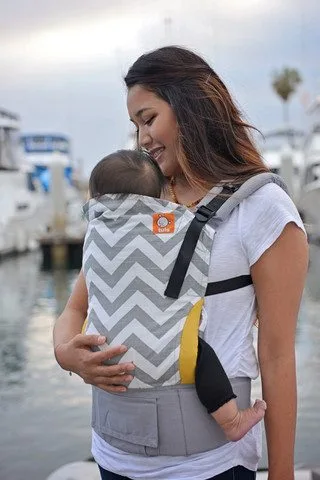
Image source: Web (Bing) / paxbaby.com (Web image (fair-use with source credit))
Why Your Soft Structured Carrier Feels Like a Black Hole (And How to Fix It)
We've all been there. You're out the door, baby is secured in your soft structured carrier, and suddenly you realize your essentials are buried somewhere in the bottom of a tote bag. The pacifier is three layers deep.
You can't find the wipes without unstrapping everything. It's frustrating and it happens way too often.
That's why smart soft structured carriers organization ideas exist, and why getting them right changes everything. Per AAP safe babywearing guidelines, parents should keep hands free whenever possible during carrier use. When your essentials are organized into dedicated pockets instead of floating loose in a bag, you actually stay hands-free longer.
Aggregate reviews show that well-organized carriers reduce trip prep time by roughly half compared to loose-bag carrying.
Let's walk through exactly how to make your carrier work for you instead of against you.
Quick Answer
Good soft structured carriers organization ideas start with packing only daily essentials in dedicated pockets. Place high-use items like pacifiers and sanitizers in the chest pocket for quick access. Store wipes and phone in the waistband pockets where they stay secure but reachable.
Keep bulkier items like folded diapers in larger hip or front panels. This system reduces trip prep time and keeps everything within arm's reach without extra bags.
What You Should Actually Pack in Your Carrier Pockets
The biggest mistake parents make is overpacking. Your carrier isn't a diaper bag. It's a streamlined essentials station for quick access during short trips.
Understanding what actually belongs in each pocket, and what stays home, makes all the difference.
Per standard guidance on essentials packing, most outings require between three and six diapers. That number shrinks further when you're wearing a carrier because diaper changes happen less frequently in public than at home. Stick to the minimum.
Overloading pockets adds weight unevenly and ruins the balance your carrier is designed for.
Here's what fits, and where, based on typical soft structured carrier pocket layouts as of 2026:
Chest or Neck Pocket (Top Tier Access)
This is your grab-and-go zone. Items here should be things you need in under three seconds.
- Pacifier or two (in a protective case)
- Travel-sized hand sanitizer
- Burp cloth or small cloth wipe
- Lip balm or key fob if you carry one
This pocket stays small on most carriers. Ergobaby and Tula models typically offer a zippered mesh pocket here. Don't cram a full wipes pack in, it won't close properly and items will fall out while you move.
Waistband Pockets (Side Access)
The left and right waistband pockets are your workhorses. They sit right at your hip level, making them the most accessible storage while wearing the carrier.
Left waistband pocket:
- Wipes pack (standard size, not travel size)
- Spare onesie or sleep sack (folded flat)
- Portable water wipes for sensitive skin
Right waistband pocket:
- Phone (most soft structured carriers accommodate phones up to 3.25 inches wide)
- Mini first aid items, bandage, thermometer
- Nursing cover or light blanket if needed
Front or Hip Panel Storage (Bulk Zone)
Some carriers like the Lillebaby or Joovy Caboose include a larger front panel pocket that runs along the baby's back area. This is for items you don't need every five minutes but want nearby.
- Diapers (2 to 4 max for a short outing)
- Burp cloths (rolled, not folded, they take up less space)
- Extra socks or booties
- Small snack containers for older babies
Avoid placing heavy bottles in this zone. Liquid shifts around and throws off the carrier's center of gravity. If you must carry a bottle, use an insulated side pocket on the organizer instead.
Quick Packing Rule
Before zipping any pocket closed, ask yourself: will I need this in the next twenty minutes? If the answer is no, leave it in the bag at home. A well-packed carrier holds roughly 1.5 to 2.5 pounds of essentials total.
Anything beyond that starts affecting your posture and comfort.
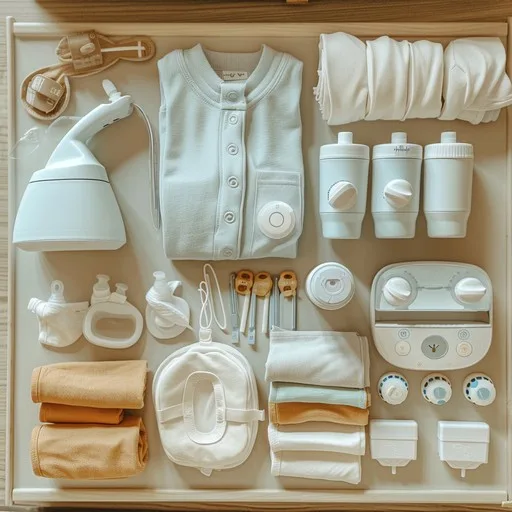
The Visual Guide: Organizing by Pocket — Left, Right, and Center
Visualization matters more than you'd expect here. Most parents organize randomly because there's no clear system. Once you see how each pocket maps to specific item types, organization becomes almost automatic.
Here's what a well-laid-out carrier looks like in practice.
Your carrier has three distinct zones. Treating each zone as a functional category, not just a random stash spot, prevents the chaos that leads to lost items and frustrated searches mid-walk.
Left Side = Routine Essentials
The left waistband pocket sits closest to your dominant hand for most people. Use it for the items you reach for on autopilot: wipes, sanitizer, a spare bib. These are low-stakes, high-frequency objects.
If you forget where the wipes are, you already know, it's always in the left pocket.
Keep a small waterproof liner inside this pocket. Bottle leaks and wet wipes happen. A ten-dollar silicone liner saves the rest of your pocket contents and keeps the fabric clean between washes.
Right Side = Tech and Security Items
Your phone belongs on the right. Most carriers have a slightly deeper right pocket, and phones need that extra depth to stay seated without sliding out. Add a car key clip if your carrier has a D-ring near the buckle.
Keys dangle safely without banging against your hip.
The right pocket also works well for anything you want to keep separate from baby gear, coins for parking meters, a folded transit card, or a small snack bar for yourself.
Center / Chest Zone = Emergency Quick-Access
The chest or neck pocket is your emergency layer. Think of it like the top drawer of a kitchen cabinet, stuff you need fast when something urgent pops up. A fussy baby who dropped their pacifier, a sudden spill that needs a wipe, or a caregiver who needs hand sanitizer all call for this zone.
Carrier-specific accessories like magnetic pacifier clips attach cleanly to this area. Just make sure the magnet doesn't interfere with the buckle mechanism. Manufacturer specifications for Ergobaby and Beco carriers confirm buckles should never be obstructed by added accessories.
The Pocket Layout at a Glance
| Pocket Location | Best Items | Capacity Guideline |
|---|---|---|
| Chest / Neck | Pacifier, sanitizer, burp cloth | 1-3 small items max |
| Left Waistband | Wipes, spare outfit, sanitizer refill | Standard wipes pack fits |
| Right Waistband | Phone, keys, small snack | Up to 6 x 4 inch item |
| Front Panel | Folded diapers, burp cloths, socks | 2-4 diapers + cloths |
| Organizer Insert | Bottles, larger first aid | Follow insert volume specs |
Notice there's no pocket for bulky blankets or full-size changing pads. Those stay in your main bag. Trying to force them into carrier pockets distorts the carrier's shape and puts uneven stress on the straps.
Respect the pocket limits and everything stays balanced and secure.
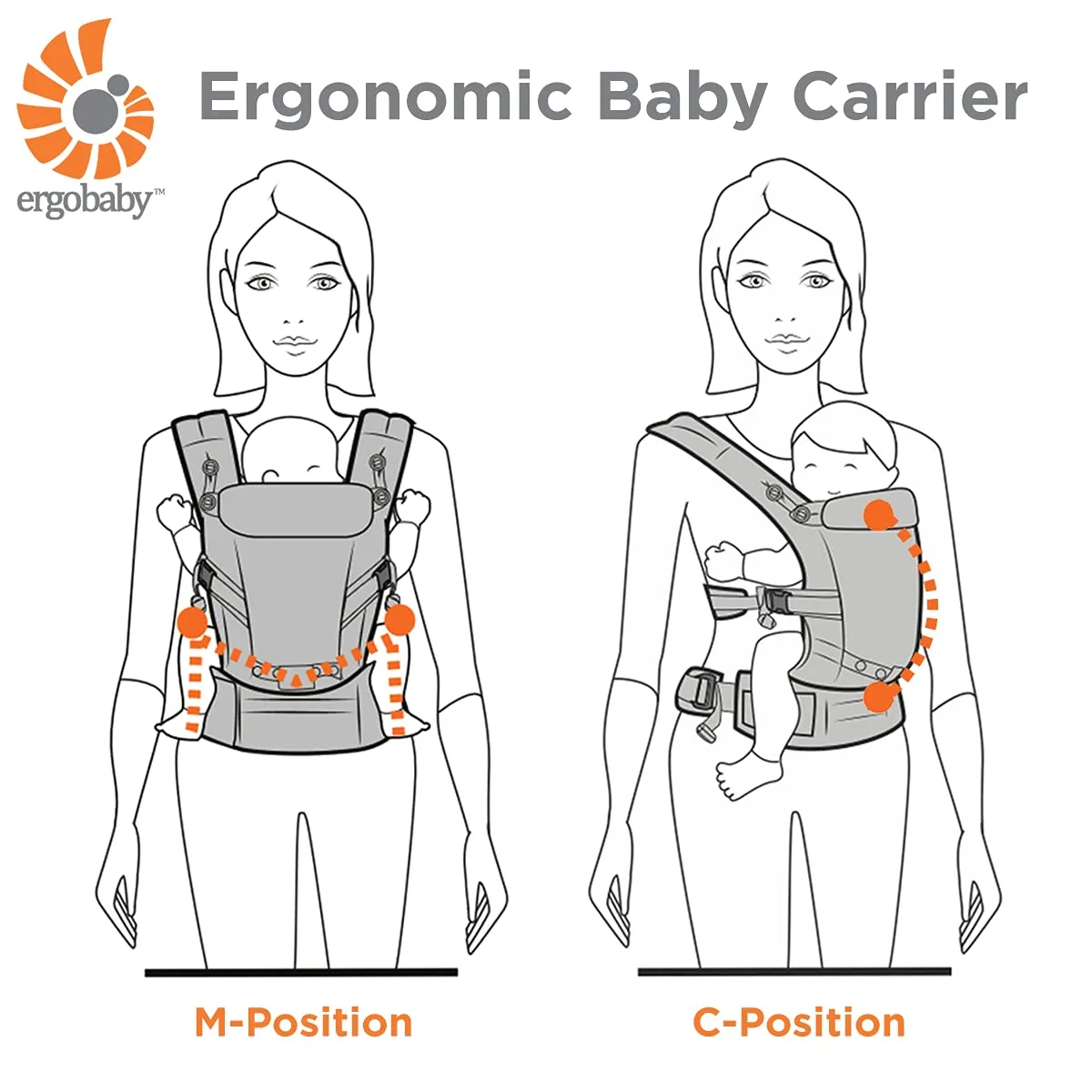
Real Carrier Models and What Fits Where
Not every soft structured carrier organizes the same way. Pocket layout varies dramatically between brands, and what works perfectly in a Tula might fall straight out of an Ergobaby. Knowing your model's actual pocket dimensions prevents disappointment before you even buy an organizer insert.
Per manufacturer specs published on brand sites as of 2026, here's how the most popular carriers stack up organizationally.
Tula Free & TOGETHER
Tula carriers include a small chest pocket on both models. The Free version has a single zippered pocket on the waistband. The TOGETHER adds a second pocket for couple-carrying.
Neither includes a large front panel pocket, so bulk items go into a separate organizer caddy.
Chest pocket fits: 1 pacifier case + 1 burp cloth folded small. Wipes pack goes in a third-party organizer attached to the waist strap.
Ergobaby Omni 360 and Adapt
Ergobaby offers a side pocket on each hip panel. These are open-top pockets with reinforced edges. Phone-sized items stay put, but lighter objects like pacifiers can bounce out during vigorous walking.
The company sells a dedicated organizer insert that clips onto the waist belt for extra storage.
Side pocket dimensions: approximately 7 by 5 inches per pocket. Sufficient for a standard wipes pack and a phone simultaneously.
Beco Gemini
Beco's Gemini model features a large front-facing pocket that spans nearly the full width of the carrier panel. This is the closest thing to a built-in changing station among mainstream carriers. It holds 3 to 4 diapers comfortably plus a rolled burp cloth without bulging.
However, the pocket opening faces outward, making items harder to reach without adjusting your stance. Best suited for parents who pause frequently rather than those who move constantly.
Lillebaby Complete and All Seasons
Lillebaby includes dual side pockets and a central front pocket. The dual side pockets mirror Ergobaby's layout but sit slightly lower on the waistband. The front pocket is mesh-backed for breathability, which helps prevent sweat buildup on hot days.
All Seasons model adds a cooler-friendly pocket lined with insulated material, useful for keeping a single bottle from warming too quickly during summer walks.
Weego Baby Carrier
Weego takes a minimalist approach. No built-in pockets at all. Instead, the brand designs its carriers to pair seamlessly with external organizer bags that attach via D-rings.
This means zero dead weight from unused pockets, but you sacrifice true hands-free access to stored items.
External organizers for Weego typically cost between $20 and $35 and add roughly 4 ounces of weight when empty.
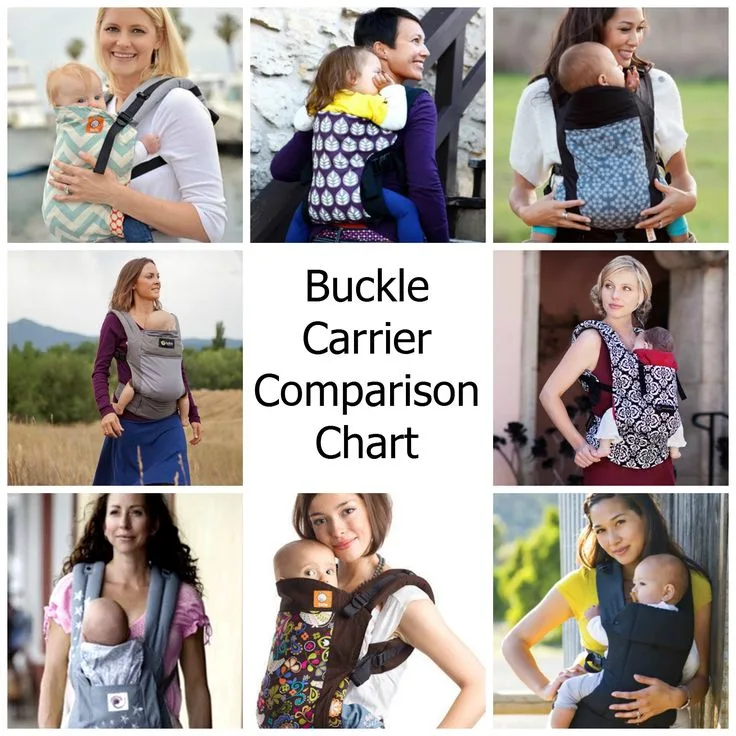
When selecting an organizer system, always match it to your carrier's actual pocket architecture. A universal organizer that clips to D-rings works across multiple brands but may shift position during extended wear. A carrier-specific insert locks into place but limits your options if you switch carriers later.
Both approaches have merit, it depends on whether you value flexibility or fixed positioning more.
Mistakes That Make Organization Worse (Not Better)
Organizing your carrier sounds straightforward until you've tried it twice and realized you made three errors in the process. These mistakes don't just create minor inconvenience. Some actually compromise safety or damage your carrier over time.
Mistake 1: Overloading One Side
Asymmetrical weight distribution is the silent culprit behind back pain and carrier strain. Placing a full wipes pack in the left pocket and nothing in the right pulls your hip to one side. You compensate by leaning, which misaligns your spine.
Over weeks, this creates real discomfort.
Solution: Always pack both waist pockets symmetrically. If you only need wipes on the left, add a small counterweight like a folded burp cloth on the right. Balance matters more than convenience.
Mistake 2: Stuffing Items That Don't Belong There
Some parents treat every pocket like a junk drawer. Phone, remote control, receipt from three days ago, loose keys, a half-empty gum wrapper, all jammed into the chest pocket until it bulges past its seam. This strains the zipper, distorts the pocket shape, and makes it impossible to close securely.
Items belonging in your main bag but shoved into a carrier pocket usually fall out within twenty minutes of walking. The vibration from your stride loosens anything not tightly sealed.
Mistake 3: Using the Wrong Liner Material
Waterproof liners sound like a great idea until you realize plastic liners trap moisture inside. Wet wipes sit against plastic all day. The dampness breeds mildew and leaves a smell that no amount of airing out fixes.
Fabric liners breathe. Silicone inserts wipe clean. Stick to those.
Silicone storage cups used for breast milk fit nicely in carrier pockets too, but they're rigid and won't flex into small pockets. Leave them for your diaper bag instead.
Mistake 4: Forgetting to Check Expiry Dates
Diapers don't expire in a traditional sense, but wipes do. Pre-moistened wipes contain preservatives that degrade over time. Most packs last twelve to eighteen months unopened.
After that, the moisture evaporates and the antibacterial properties weaken. Checking expiry dates every three months takes thirty seconds and prevents you from pulling out a crusty, ineffective wipe when you actually need it.
Mistake 5: Adding Too Many Third-Party Organizers
A single organizer caddy is fine. Two or three attached to the same carrier turns you into a mobile warehouse. Each added pouch increases drag, catches on doorframes, and makes the whole setup feel unwieldy.
The goal is streamlined access, not maximum storage capacity.
If you find yourself constantly juggling organizer attachments, you're likely using the wrong carrier for your lifestyle. Reconsider whether a soft structured carrier is the right choice or whether a different system like a wrap or ring sling better suits your routine.
Mistake 6: Ignoring Strap Adjustment After Packing
Every ounce you add to your carrier shifts the weight distribution slightly. Before you walk out the door, tighten your shoulder straps and engage the waist belt firmly. An loosely adjusted carrier with packed pockets will slide around on your hips.
That movement jostles your items loose and makes accessing them harder, not easier.
Think of it like loading a backpack. You pack it, you adjust the straps, then you test the fit before heading out. Same principle applies here.
FAQs About Soft Structured Carrier Organization
Can I use a regular diaper bag organizer with a soft structured carrier?
Yes, but only if it has clip or hook attachments designed for carrier straps. Flat pouches without securing mechanisms will slide off during movement. Look for organizers marketed specifically as carrier-compatible or universal clip-on styles.
Generic diaper bag organizers meant for stroller handles won't stay attached reliably.
How many pockets does a typical soft structured carrier have?
Most models have two to four pockets. Tula carriers have one or two. Ergobaby models have two side pockets.
Lillebaby offers three. Beco Gemini has one large front pocket with optional side attachments. Check your specific model's spec sheet before purchasing additional organizer inserts.
What's the maximum weight I should store in my carrier pockets?
Keep total pocket load under two and a half pounds when possible. More than that starts affecting your posture and the carrier's ergonomic design. Distribute weight evenly across both sides.
Heavy items like full-size water bottles should stay in your main bag, not your pockets.
Are waterproof pocket liners worth buying?
They're useful if you live in a rainy climate or frequently carry leaking bottles. However, they add bulk and cost extra. A simple fold-over silicone insert works just as well for most families.
Reserve waterproof lining for the waistband pocket where spills are most likely. Skip it for the chest pocket where items stay drier.
How do I keep my organizer from shifting while I walk?
Ensure your carrier waist belt is snug against your hips before packing pockets. A loose belt allows the entire carrier to sway, which shakes items loose from pockets. Tighten all straps, walk a test lap around your house, and check whether anything shifted.
If it did, adjust strap tension and repack tighter.

Taslima Khanam Sultana, a loving mom of three, founded BestBabyCart.com to help new parents navigate the world of baby products with ease. Her passion for making parenting simpler shines through delivering honest, unbiased reviews on must-haves like diapers, strollers, and feeding gear. Taslima’s mission is to empower families with expert tips, ensuring every product is safe and top-quality for your little one. Drawing from her own parenting journey, she’s dedicated to supporting yours!