

Diaper rash is one of the most common infant skin complaints parents face, with most babies experiencing at least one mild case in their first two years. The redness, irritation, and fussiness can make even routine diaper changes feel stressful, but most mild cases resolve quickly with evidence-backed, pediatrician-aligned care. This guide breaks down fast, safe relief tips, explains the most common triggers, and outlines exactly when to call your pediatrician, so you can get your little one comfortable fast.
Prolonged exposure to wet or soiled diapers is the leading trigger for mild diaper rash, per guidance from the American Academy of Pediatrics pediatric diaper rash guidelines. Understanding what causes flare-ups is the first step to both fast relief and long-term prevention. You can also read our guide on how many cloth diapers does a baby use a year.
What Causes Diaper Rash?
Most diaper rashes are caused by a combination of factors, not a single trigger. The warm, moist environment of a diaper creates ideal conditions for irritation, friction, and microbial overgrowth, especially if diapers are left on for extended periods. Below are the most common causes, and how to spot them:
Prolonged Moisture Exposure
Urine and stool break down your baby’s delicate skin barrier when left in contact for more than a few hours. This is especially common during periods of frequent bowel movements, such as when babies are teething or starting solid foods. Even superabsorbent disposable diapers can’t eliminate moisture entirely, so consistent changes are critical to prevention.
Friction and Poor Fit
Diapers that are too tight, too small, or have rough elastic edges rub against sensitive skin on the thighs, waist, and hips, causing redness and soreness. A common mistake parents make is sizing up too early, but too-small diapers create even more friction and trap moisture against the skin. You can also read our guide on how many cloth diapers should a baby have.
Irritating Products
Fragranced wipes, scented diaper creams, harsh laundry detergents for cloth diapers, and even adhesive tabs on some disposable diapers can trigger irritation in sensitive infants. Note that "hypoallergenic" labels on baby products are not regulated by the FDA, so patch testing new items on your baby’s forearm 24 hours before full use is a smart precaution. When selecting wipes, creams, and diapers, scan ingredient lists for common irritants like fragrances, alcohol, and palm oil in baby products, which can trigger sensitivity in some infants.
Dietary Changes
New solid foods, especially acidic options like citrus, tomatoes, or strawberries, can change the pH of your baby’s stool, making it more irritating to skin. Teething also often causes looser, more frequent stools, which increases rash risk even without new foods. You can also read our guide on breastfeeding tips for new moms.
Yeast or Bacterial Overgrowth
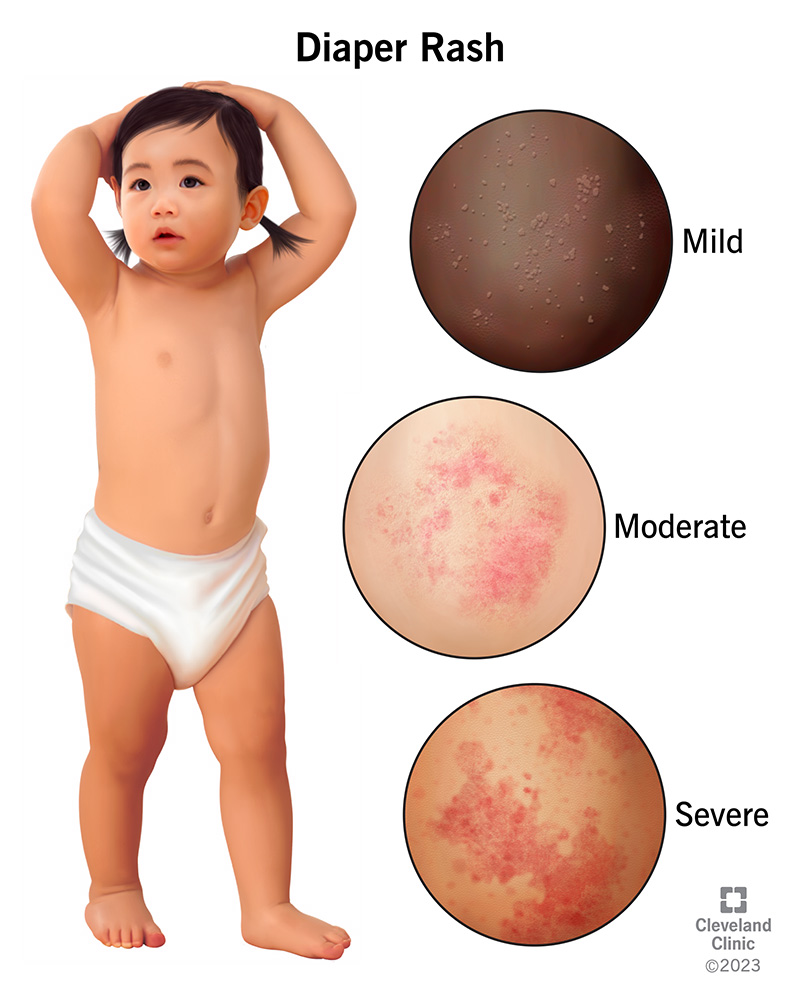
The warm, moist diaper area is ideal for Candida albicans (yeast) or bacteria to grow, especially if a mild rash is left untreated for 2+ days. Yeast rashes often present as bright red, raised patches with small red "satellite" spots around the edges, and do not respond to standard barrier creams. Bacterial infections may cause blisters, pus, or swelling.
Sensitive Skin or Underlying Conditions
Babies with eczema, food allergies, or naturally sensitive skin are far more prone to recurring diaper rash. In rare cases, persistent rashes may be linked to underlying skin conditions, so it’s important to rule out serious causes if flare-ups are frequent.
| Rash Type | Key Signs | First-Line Remedy |
|---|---|---|
| Mild irritant | Red, flat patches, no satellite spots | Barrier cream + frequent changes |
| Yeast infection | Bright red, raised bumps with small red dots at edges | Antifungal cream (pediatrician-recommended) |
| Bacterial infection | Blisters, pus, swelling, fever | Immediate pediatric care |
 Step-by-step infographic for fast diaper rash relief at home
Image source: BestBabyCart internal infographic
Step-by-step infographic for fast diaper rash relief at home
Image source: BestBabyCart internal infographic
Fast, Safe Diaper Rash Remedies for Quick Relief
Most mild diaper rashes clear up within 24-48 hours with consistent at-home care. Follow these step-by-step remedies, tailored to the severity of your baby’s rash:
Immediate At-Home Remedies for Mild Irritation
For red, sore skin with no signs of infection, these steps will reduce discomfort and speed healing:
- Change diapers hourly: Swap wet or soiled diapers every 1-2 hours, or immediately after a bowel movement. Don’t rely on "extra absorbent" labels to stretch change intervals.
- Cleanse gently: Use lukewarm water and a soft, clean cloth or unscented, alcohol-free wipes. Avoid rubbing the area—pat dry, or let it air dry for 5-10 minutes before putting on a new diaper.
- Add diaper-free time: Let your baby play without a diaper for 15-30 minutes, 2-3 times a day, to let air circulate to the affected area. Lay them on a clean towel or a safe, washable surface; for a dedicated diaper-free play zone, opt for easy-to-clean, non-toxic comfy crib accessories to keep them comfortable.
- Apply a barrier cream: Use a thick layer of zinc oxide-based diaper cream (look for 10-40% zinc oxide for mild rashes) on clean, dry skin before each diaper change. The cream should be visible on the skin after application to create a effective moisture barrier. Petroleum jelly works for very mild irritation, but zinc oxide is more effective for active rashes.
Natural Soothing Remedies for Sensitive Skin
If your baby has sensitive skin or you prefer to avoid medicated products, these gentle options can reduce redness and discomfort:
Coconut Oil
Cold-pressed, unrefined coconut oil has natural antimicrobial and anti-inflammatory properties, and is safe for most babies over 6 months (avoid for newborns under 3 months, as their skin is extra permeable). Apply a thin layer after cleaning and drying the area. Note that coconut oil is not effective for yeast infections, and can trap moisture to worsen flare-ups if used on infected skin.
Aloe Vera Gel
Use only 100% pure, food-grade aloe vera gel (avoid products with added fragrances, alcohol, or colorants). The cooling effect reduces itching and redness, and it’s gentle enough for daily use. Test on a small patch of skin first to rule out allergies.
Oatmeal Baths
Colloidal oatmeal (finely ground oats) contains saponins that soothe itching and reduce inflammation. Add 1 cup of finely ground oats to lukewarm bath water, and let your baby soak for 10-15 minutes. Pat skin dry gently (don’t rub) after the bath, then apply a thin layer of barrier cream. This is safe for daily use for babies with recurrent rashes.
Over-the-Counter (OTC) Treatments for Stubborn Rashes
For rashes that don’t improve after 24 hours of at-home care, or for rashes with mild swelling, these OTC options are safe for infant use:
Barrier Creams
For active rashes, apply a thick layer of zinc oxide paste (40% concentration) after each diaper change, even if the rash looks better. Reapply with every change to maintain the protective barrier.
Antifungal Creams
If you suspect a yeast rash (bright red with satellite spots), use an over-the-counter 2% clotrimazole or miconazole cream twice a day for 7-10 days, even if the rash improves after a few days. Always check with your pediatrician before using antifungal creams on infants under 3 months.
Low-Dose Hydrocortisone Cream
For rashes with significant redness, swelling, or itching that don’t respond to barrier or antifungal creams, a 1% hydrocortisone cream can reduce inflammation. Use only a thin layer, 1-2 times a day, for no more than 3 days, and only under pediatrician guidance. Never use higher-strength hydrocortisone on babies, as it can thin delicate skin.
Important: Never mix multiple medicated creams (e.g., antifungal and hydrocortisone) unless directed by your pediatrician, as this can reduce effectiveness or cause skin irritation.
How to Choose Diapers to Prevent Recurring Rash
The right diaper can drastically reduce your baby’s risk of flare-ups. When shopping for disposables or cloth diapers, prioritize these features:
Prioritize Breathable, Irritant-Free Materials
Look for diapers made with soft, porous outer layers that let air circulate, and avoid diapers with added fragrances, dyes, or harsh adhesives. For cloth diapers, opt for natural fibers like organic cotton or bamboo, and wash them with a mild, fragrance-free detergent to avoid soap residue that can irritate skin.
Match Absorbency to Your Baby’s Needs
High-absorbency diapers pull moisture away from the skin faster, but no diaper can hold unlimited wetness. Look for diapers with wetness indicators that change color when wet, so you don’t have to guess when a change is needed. For overnight use, choose extra-absorbent options designed for 12-hour wear.
Get the Right Fit
A diaper that is too tight causes friction and traps moisture, while one that is too loose leaks and rubs with movement. Check the weight range on the packaging, and adjust the waist and leg tabs to get a snug but not tight fit—you should be able to fit 1-2 fingers under the waistband easily. If you’re using reusable cloth diapers, understanding average annual cloth diaper needs can help you stock the right sizes as your baby grows.
Consider Eco-Friendly Options Responsibly
Biodegradable disposables and cloth diapers are great for reducing waste, but they don’t automatically prevent rash. Some biodegradable diapers have lower absorbency, so you may need to change them more frequently. Cloth diapers require consistent, thorough washing to remove residue that can irritate skin.
| Diaper Type | Pros | Cons | Best For |
|---|---|---|---|
| Disposable | High absorbency, convenient, widely available | Higher waste, may contain irritants | Busy families, travel, overnight use |
| Cloth | Eco-friendly, gentle on sensitive skin, cost-effective long-term | Requires frequent washing, less absorbent for heavy wetters | Families with access to laundry, babies with sensitive skin |
| Biodegradable | Reduced waste, often free from harsh chemicals | Higher cost, lower absorbency than standard disposables | Eco-conscious families with mild rash issues |
When introducing new solids, using age-appropriate baby feeding essentials can make mealtimes less stressful and reduce accidental overfeeding that may trigger digestive upset and rash.
When to See a Pediatrician
Most mild diaper rashes clear up within 2-3 days of at-home treatment, but some cases require medical care. If a rash lasts longer than 3 days, has blisters, or is accompanied by fever, the Mayo Clinic recommends seeking pediatric care immediately diaper rash warning signs. Watch for these red flags:
Signs of Bacterial or Yeast Infection
If the rash has bright red, raised patches with small red dots (satellite lesions) around the edges, it may be a yeast infection. Blisters, pus-filled bumps, or open sores indicate a bacterial infection that needs prescription treatment. A common mistake parents make is using barrier creams on yeast rashes, which traps moisture and worsens the infection—if you suspect yeast, skip the barrier cream and see your pediatrician for an antifungal prescription. A bright red, bumpy rash with small red spots around the edges often points to a yeast infection rather than typical irritation; learn to identify common baby fungal infections to rule out more serious causes.
Rash That Doesn’t Improve After 3 Days
If you’ve been using barrier cream, changing diapers frequently, and doing daily oatmeal baths for 3 days with no improvement, schedule a pediatric visit. Persistent rashes may be caused by an allergic reaction, a bacterial infection, or an underlying skin condition like eczema.
Fever or Behavioral Changes
A fever (over 100.4°F / 38°C) alongside a diaper rash can signal a more serious infection that has spread beyond the skin. If your baby is unusually fussy, lethargic, or refusing to eat, seek care immediately.
Rash That Spreads Beyond the Diaper Area
If the redness extends to your baby’s stomach, back, or thighs, it may not be a standard diaper rash. This can be a sign of a viral infection, allergic reaction, or other skin condition that needs a formal diagnosis.
Unusual Rash Appearance
Rashes with purple or yellow discoloration, thick scaly patches, or open sores that don’t heal need to be evaluated by a dermatologist or pediatrician to rule out rare but serious conditions.
If your baby has recurrent rashes (more than 2-3 times a month), ask your pediatrician about testing for food sensitivities or allergies, as these can be an underlying trigger.
Frequently Asked Questions
What heals a diaper rash fastest?
For mild irritant rashes, a thick layer of 40% zinc oxide barrier cream applied after every diaper change, combined with hourly diaper checks and 20 minutes of diaper-free time 3 times a day, will clear most cases in 24-48 hours. For yeast rashes, a prescription antifungal cream from your pediatrician is the fastest option.
What should I avoid putting on a diaper rash?
Avoid fragranced wipes, baby powder (which can irritate lungs and dry out skin), and steroid creams unless directed by your pediatrician. Also don’t use rubbing alcohol or hydrogen peroxide, as these can damage delicate skin and slow healing.
Can I use coconut oil on a yeast diaper rash?
No—coconut oil is a moisturizer and mild antimicrobial, but it doesn’t treat yeast overgrowth. Using it on a yeast rash can trap moisture and make the infection worse. Stick to pediatrician-recommended antifungal creams for yeast rashes, and use coconut oil only for mild, non-infected irritation or daily prevention.
How long does a diaper rash usually last?
Mild irritant rashes clear up in 1-2 days with proper at-home care. Yeast or bacterial rashes may take 7-10 days with prescription treatment. If a rash lasts longer than 3 days without improvement, see your pediatrician.
Can teething cause diaper rash?
Yes—teething often causes looser, more frequent stools, and increased saliva production can change stool pH, both of which increase rash risk. During teething, increase diaper change frequency and add an extra layer of barrier cream at each change to prevent flare-ups.
For more evidence-based guidance on newborn and infant care, explore our full library of pediatrician-reviewed baby care guides.
Conclusion
Most diaper rashes are mild and resolve quickly with consistent at-home care: frequent diaper changes, gentle cleansing, and a barrier cream to protect broken skin. For sensitive skin, natural remedies like coconut oil and oatmeal baths can provide gentle relief, while OTC antifungal or hydrocortisone creams (used under pediatric guidance) tackle stubborn or yeast-related rashes. Preventing future flare-ups comes down to choosing breathable, well-fitting diapers, avoiding common irritants, and giving your baby regular diaper-free time to let their skin breathe.
If a rash lasts longer than 3 days, has blisters, or is accompanied by fever, don’t hesitate to reach out to your pediatrician—early intervention prevents minor irritation from turning into a more serious infection. With these quick relief tips, you can get your baby back to giggling, playing, and feeling their best fast.
 Quick reference guide to natural soothing options for diaper rash
Image source: Bubzi Co. If you’re considering switching to cloth diapers to reduce recurring rash from disposable diaper irritants, our guide to how many cloth diapers a baby uses annually can help you build a cost-effective, rash-prevention stash without overbuying. For parents avoiding hidden contact irritants, our breakdown of palm oil in baby products explains how to spot this common trigger in wipes, diaper creams, and disposable diaper materials.
Quick reference guide to natural soothing options for diaper rash
Image source: Bubzi Co. If you’re considering switching to cloth diapers to reduce recurring rash from disposable diaper irritants, our guide to how many cloth diapers a baby uses annually can help you build a cost-effective, rash-prevention stash without overbuying. For parents avoiding hidden contact irritants, our breakdown of palm oil in baby products explains how to spot this common trigger in wipes, diaper creams, and disposable diaper materials.

Taslima Khanam Sultana, a loving mom of three, founded BestBabyCart.com to help new parents navigate the world of baby products with ease. Her passion for making parenting simpler shines through delivering honest, unbiased reviews on must-haves like diapers, strollers, and feeding gear. Taslima’s mission is to empower families with expert tips, ensuring every product is safe and top-quality for your little one. Drawing from her own parenting journey, she’s dedicated to supporting yours!

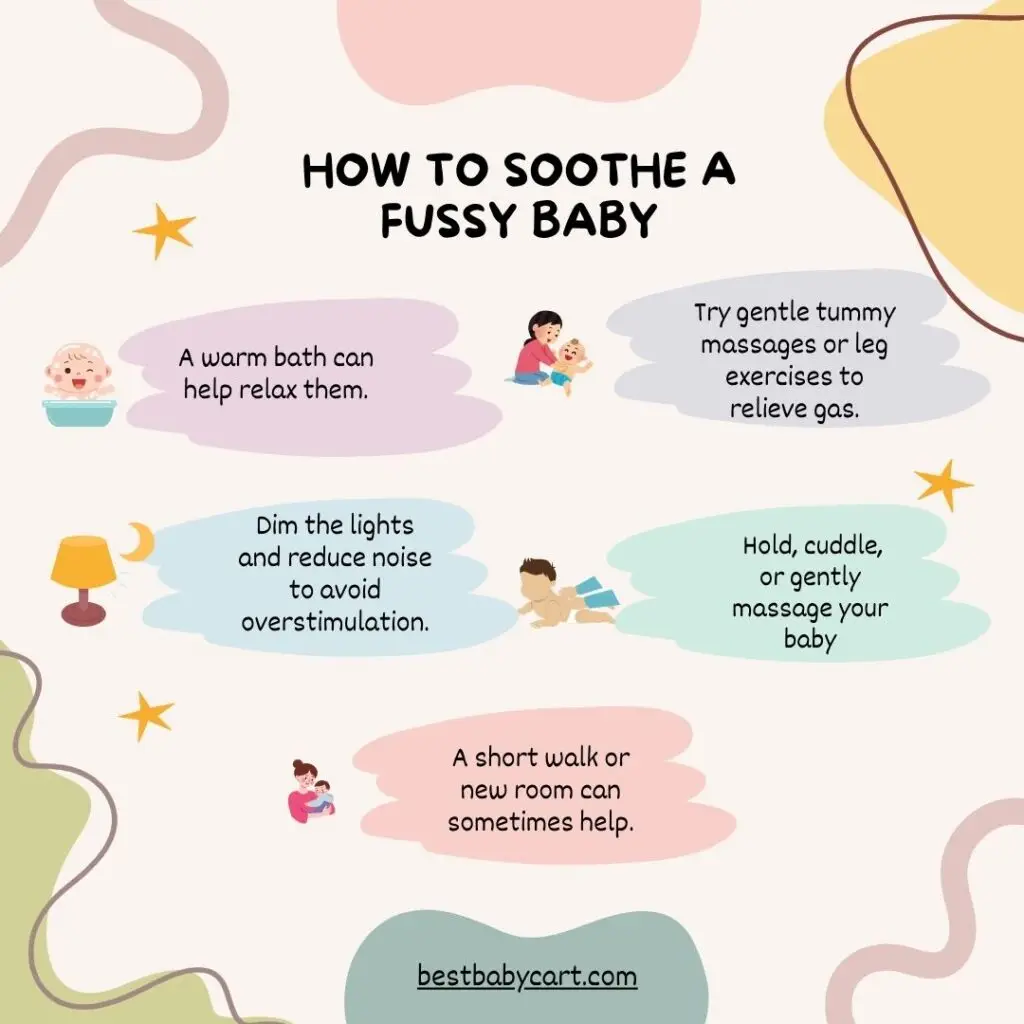 A soothing, low-stimulation nursery environment helps reduce overstimulation-related fussiness
 Step-by-step visual guide to Dr. Harvey Karp’s 5 S’s calming reflex method
 Skin-to-skin contact regulates infant vital signs and reduces stress for both baby and caregiver
 Gentle, rhythmic rocking mimics the motion babies experience in the womb

 Cloth diapers eliminate hundreds of pounds of disposable waste per baby annually when used long-term.
 Pocket, all-in-one, and pre-fold styles each suit different parenting preferences and budgets.
 A 24-36 piece rotation is enough for most families to avoid frequent laundry loads.