Health, Nutrition, and Check-ups
Your baby’s health and feeding support growth. Here’s the journey:
Breastfeeding and Formula
-
0–6 Months: Breast milk or formula every 2–3 hours.
-
Why It Matters: Fuels brain and body growth.
-
-
Support Tips: Use a Boppy pillow for comfort.
-
Why It Helps: Eases feeding.
-
Introducing Solids
-
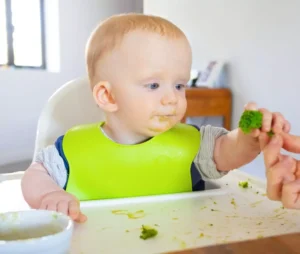
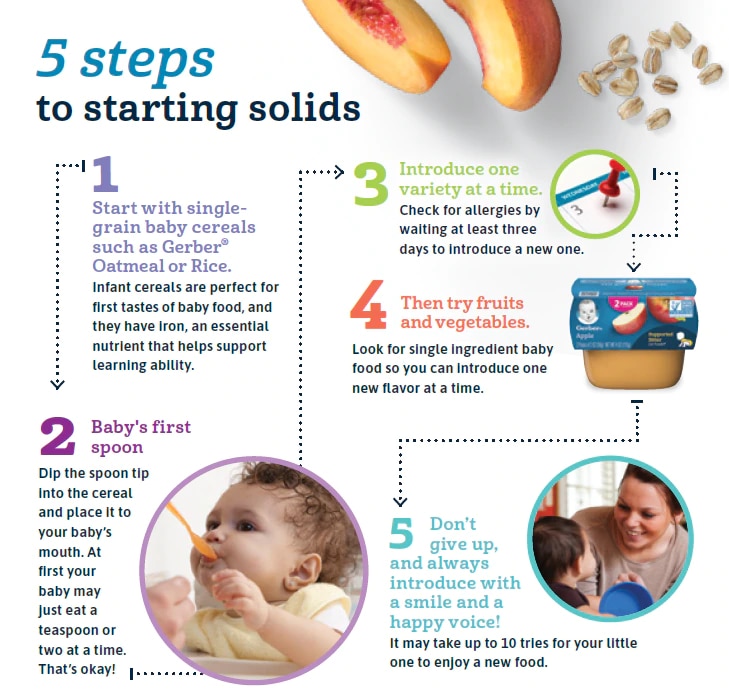
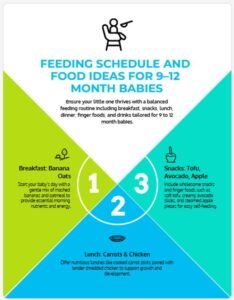
4–12 Months: Starts solids by 6 months; self-feeds by 12 months.
-
Why It Matters: Adds nutrients like iron.
-
-
Support Tips: Offer Gerber purees in a Graco highchair.
-
Why It Helps: Builds feeding skills.
-
Routine Check-ups
-
0–12 Months: Visits at 1, 2, 4, 6, 9, 12 months.
-
Why It Matters: Tracks growth and health, per CDC.
-
-
Support Tips: Keep a Moleskine journal for doctor notes.
-
Why It Helps: Stays organized.
-

Image: Happy Baby Milestone
Bonding Through Milestones
Milestones are bonding moments. Here’s how to connect:
-
Build Trust: Comfort cries quickly.
-
Why It Helps: Makes baby feel safe.
-
-
Play Together: Stack Manhattan Toy blocks.
-
Why It Helps: Strengthens bonds.
-
-
Manage Anxiety: Short goodbyes for separation fears (6–12 months).
-
Why It Helps: Eases worry with a Boppy.
-
-
Save Memories: Snap photos with a Nikon.
-
Why It Helps: Keeps moments forever.
-
Variability and Cultural Influences
Every baby grows uniquely, shaped by differences and culture. Here’s why:
-
Individual Differences: Some walk at 9 months, others at 15.
-
Why It Matters: Normalizes unique paces.
-
-
Cultural Influences: Milestones like talking may vary by language or parenting style.
-
Why It Matters: Respects diverse backgrounds.
-
-
Support Tips: Focus on your baby, avoid comparing.
-
Why It Helps: Keeps parenting joyful.
-
Checklist: Embracing Variability
-
☐ Celebrate your baby’s unique pace.
-
☐ Learn about cultural milestone norms.
-
☐ Avoid comparing to others.
Red Flags: When to Get Help
Most babies grow at their pace, but some delays need attention. Call your doctor if:
-
0–3 Months: No smiling or eye-tracking by 3 months.
-
Why It Matters: May signal delays.
-
-
4–6 Months: No rolling by 6 months.
-
Why It Matters: Could affect motor skills.
-
-
7–12 Months: No babbling or words by 12 months.
-
Why It Matters: May impact language.
-
Next Steps: Early intervention helps, per CDC.
Tips to Support Milestones
Help your baby shine with these ideas:
-
Toys: Use Fisher-Price gyms.
-
Why It Helps: Sparks movement.
-
-
Music: Play nursery rhymes.
-
Why It Helps: Boosts language.
-
-
Track Progress: Note in a Moleskine journal.
-
Why It Helps: Monitors growth.
-
Video: Baby Development Milestone
Tips to Boost Milestones
Want to help your baby shine? Try these simple ideas:
-
Fun Toys: Use Fisher-Price gyms or Manhattan Toy rattles.
-
Why It Helps: Sparks movement and thinking.
-
-
Music Time: Play songs or rhymes daily.
-
Why It Helps: Boosts language and joy.
-
-
Safe Space: Set up a Graco playard.
-
Why It Helps: Encourages safe exploration.
-
Track Growth
-
Use Apps: Try The Wonder Weeks for milestone updates.
-
Why It Helps: Keeps you informed.
-
-
Doctor Visits: Attend regular checkups.
-
Why It Helps: Ensures healthy growth.
-
-
Write It Down: Note milestones in a Moleskine journal.
-
Why It Helps: Tracks progress.
-
Stay Patient
-
-
Unique Paces: Some babies walk at 9 months, others at 15.
-
Why It Helps: Reduces worry.
-
-
No Comparing: Focus on your baby’s journey.
-
Why It Helps: Keeps parenting joyful.
-
-
Cheer Small Steps: Celebrate every milestone.
-
Why It Helps: Builds baby’s confidence.
-
-
You’re Amazing, Parents!
You’re rocking parenting! 😊 Your baby’s milestones are a celebration of love. With these expert tips, you’re set to support every step. Share your favourite milestone below—we’re cheering you on!
Happy parenting from BestBabyCart.com! Explore more tips.
FAQ: First-Year Baby Milestones
Q: When does my baby smile socially?
A: Most babies smile socially by 6–12 weeks, per HealthyChildren.org. This “real” smile, often at your face or voice, shows they’re bonding. Encourage it by smiling, talking, or singing during playtime. If no smiles by 3 months, chat with your paediatrician to rule out vision or social delays. Every grin is a heart-melter, so keep those cuddles coming!
Q: Is it okay if my baby skips crawling?
A: Yes, some babies skip crawling and move to standing or walking by 12–15 months. Crawling strengthens muscles, but scooting or rolling is fine too. Watch for other milestones, such as grabbing toys or sitting up by 9 months. If you’re worried, ask your doctor to check motor skills. Use a Graco playard to give them space to move safely.
Q: When do babies say their first words?
A: Babies typically say “mama” or “dada” by 12 months, per American Academy of Pediatrics. They start with cooing (3 months), babbling (6 months), then words. Talk daily, name objects, and read Bright Starts books to boost language. If no words by 12 months, consult your doctor, as early speech therapy can help. Keep chatting—your voice is their favorite!
Q: How can I encourage my baby to walk?
A: Help your baby walk by offering a Fisher-Price push toy or holding their hands for balance by 10–12 months. Create a safe space with a Graco playard to practice. Cheer their efforts to build confidence. Most walk by 12–15 months, but some take longer. If not standing by 12 months, talk to your paediatrician. Keep it fun—those first steps are magical!
Q: What should I do if I notice developmental delays?
A: If your baby isn’t smiling by 3 months, rolling by 6 months, or saying words by 12 months, call your pediatrician, per CDC. Early signs like not tracking toys or babbling, need attention. Your doctor may suggest early intervention, like therapy, which helps 1 in 6 kids with delays. Track milestones in a Moleskine journal to share with your doctor. You’re doing great by staying alert!
Q: How can I track my baby’s milestones effectively?
A: Track milestones with apps like The Wonder Weeks or a Moleskine journal to note smiles, crawls, or words. Regular check-ups at 1, 2, 4, 6, 9, and 12 months help monitor growth, per CDC. Take photos with a Nikon camera to capture moments. Compare to milestones like sitting by 8 months, but don’t stress—every baby’s unique. Journaling keeps memories alive!
Q: Why is tummy time so important for my baby?
A: Tummy time strengthens neck and shoulder muscles, helping babies roll by 6 months and crawl by 9 months. Start with 3–5 minutes daily on a Fisher-Price mat, per HealthyChildren.org. It also prevents flat head spots. Make it fun with toys or mirrors. If your baby resists, try shorter sessions. This small step builds big milestones, so keep at it!
Q: How can I support my baby’s sensory development?
A: Boost sensory skills by offering Bright Starts textured toys for touch and Manhattan Toy rattles for sound by 4–6 months. Sing songs to sharpen hearing and show colorful toys for vision. By 7–12 months, let them mouth safe objects to explore taste. If they don’t track toys by 3 months or respond to sounds, consult your doctor, per CDC. Sensory play is a joyful way to learn!
Q: Do cultural differences affect baby milestones?
A: Yes, cultural practices can influence milestones, like talking or social behaviors, per American Academy of Pediatrics. For example, bilingual homes may delay first words slightly, but it’s normal. Some cultures emphasize early walking through play, while others focus on verbal bonding. Celebrate your baby’s unique pace and learn about your cultural norms. If concerned, like no babbling by 9 months, ask your pediatrician. Your baby’s journey is special!
Q: When does my baby develop memory skills?
A: Babies show memory by recognizing routines at 6 months and finding hidden toys by 9–12 months, signaling object permanence. Play hide-and-seek with Manhattan Toy toys to boost memory. If they don’t recognize familiar faces by 3 months or routines by 6 months, talk to your doctor, per CDC. Memory grows through play, so keep those games going—your baby’s learning every day. Click here to know more..
Language and Social-Emotional Milestones
Your baby’s talking and feeling skills bloom. Here’s how:
Language Milestones
-
0–3 Months: Coos (“oo,” “ah”) by 3 months.
-
Why It Matters: Early speech practice.
-
-
4–6 Months: Babbles (“ba-ba”) by 6 months.
-
Why It Matters: Builds word foundations.
-
-
7–12 Months: Says “mama” or “dada” by 12 months.
-
Why It Matters: Starts real talking.
-
Social-Emotional Milestones
-
0–3 Months: Smiles socially by 6–12 weeks.
-
Why It Matters: Shows bonding.
-
-
4–6 Months: Laughs at play by 6 months.
-
Why It Matters: Expresses joy.
-
-
7–12 Months: Shows emotions (hugs, frustration) by 12 months.
-
Why It Matters: Builds emotional awareness.
-
Support Tips
-
Talk Daily: Name objects or describe actions.
-
Why It Helps: Boosts language.
-
-
Play Games: Try peek-a-boo or pat-a-cake.
-
Why It Helps: Encourages social skills.
-
Sensory Milestones: Senses Come Alive
Your baby’s senses grow fast, shaping learning. Here’s the progression:
-
0–3 Months: Tracks toys with eyes; turns to your voice.
-
Why It Matters: Builds vision and hearing.
-
-
4–6 Months: Touches textures like Manhattan Toy toys; loves music.
-
Why It Matters: Boosts touch and sound awareness.
-
-
7–12 Months: Mouths objects; mimics sounds like clapping.
-
Why It Matters: Links senses to learning.
-
Support Tips
-
Sensory Toys: Use Bright Starts textured toys.
-
Why It Helps: Stimulates senses.
-
-
Play Music: Sing soft tunes.
-
Why It Helps: Sharpens hearing.
-
Health, Nutrition, and Check-ups
Your baby’s health and feeding support growth. Here’s the journey:
Breastfeeding and Formula
-
0–6 Months: Breast milk or formula every 2–3 hours.
-
Why It Matters: Fuels brain and body growth.
-
-
Support Tips: Use a Boppy pillow for comfort.
-
Why It Helps: Eases feeding.
-
Introducing Solids
-
4–12 Months: Starts solids by 6 months; self-feeds by 12 months.
-
Why It Matters: Adds nutrients like iron.
-
-
Support Tips: Offer Gerber purees in a Graco highchair.
-
Why It Helps: Builds feeding skills.
-
Routine Check-ups
-
0–12 Months: Visits at 1, 2, 4, 6, 9, 12 months.
-
Why It Matters: Tracks growth and health, per CDC.
-
-
Support Tips: Keep a Moleskine journal for doctor notes.
-
Why It Helps: Stays organized.
-
Image: Happy Baby Milestone
Bonding Through Milestones
Milestones are bonding moments. Here’s how to connect:
-
Build Trust: Comfort cries quickly.
-
Why It Helps: Makes baby feel safe.
-
-
Play Together: Stack Manhattan Toy blocks.
-
Why It Helps: Strengthens bonds.
-
-
Manage Anxiety: Short goodbyes for separation fears (6–12 months).
-
Why It Helps: Eases worry with a Boppy.
-
-
Save Memories: Snap photos with a Nikon.
-
Why It Helps: Keeps moments forever.
-
Variability and Cultural Influences
Every baby grows uniquely, shaped by differences and culture. Here’s why:
-
Individual Differences: Some walk at 9 months, others at 15.
-
Why It Matters: Normalizes unique paces.
-
-
Cultural Influences: Milestones like talking may vary by language or parenting style.
-
Why It Matters: Respects diverse backgrounds.
-
-
Support Tips: Focus on your baby, avoid comparing.
-
Why It Helps: Keeps parenting joyful.
-
Checklist: Embracing Variability
-
☐ Celebrate your baby’s unique pace.
-
☐ Learn about cultural milestone norms.
-
☐ Avoid comparing to others.
Red Flags: When to Get Help
Most babies grow at their pace, but some delays need attention. Call your doctor if:
-
0–3 Months: No smiling or eye-tracking by 3 months.
-
Why It Matters: May signal delays.
-
-
4–6 Months: No rolling by 6 months.
-
Why It Matters: Could affect motor skills.
-
-
7–12 Months: No babbling or words by 12 months.
-
Why It Matters: May impact language.
-
Next Steps: Early intervention helps, per CDC.
Tips to Support Milestones
Help your baby shine with these ideas:
-
Toys: Use Fisher-Price gyms.
-
Why It Helps: Sparks movement.
-
-
Music: Play nursery rhymes.
-
Why It Helps: Boosts language.
-
-
Track Progress: Note in a Moleskine journal.
-
Why It Helps: Monitors growth.
-
Video: Baby Development Milestone
Tips to Boost Milestones
Want to help your baby shine? Try these simple ideas:
-
Fun Toys: Use Fisher-Price gyms or Manhattan Toy rattles.
-
Why It Helps: Sparks movement and thinking.
-
-
Music Time: Play songs or rhymes daily.
-
Why It Helps: Boosts language and joy.
-
-
Safe Space: Set up a Graco playard.
-
Why It Helps: Encourages safe exploration.
-
Track Growth
-
Use Apps: Try The Wonder Weeks for milestone updates.
-
Why It Helps: Keeps you informed.
-
-
Doctor Visits: Attend regular checkups.
-
Why It Helps: Ensures healthy growth.
-
-
Write It Down: Note milestones in a Moleskine journal.
-
Why It Helps: Tracks progress.
-
Stay Patient
-
-
Unique Paces: Some babies walk at 9 months, others at 15.
-
Why It Helps: Reduces worry.
-
-
No Comparing: Focus on your baby’s journey.
-
Why It Helps: Keeps parenting joyful.
-
-
Cheer Small Steps: Celebrate every milestone.
-
Why It Helps: Builds baby’s confidence.
-
-
You’re Amazing, Parents!
You’re rocking parenting! 😊 Your baby’s milestones are a celebration of love. With these expert tips, you’re set to support every step. Share your favourite milestone below—we’re cheering you on!
Happy parenting from BestBabyCart.com! Explore more tips.
FAQ: First-Year Baby Milestones
Q: When does my baby smile socially?
A: Most babies smile socially by 6–12 weeks, per HealthyChildren.org. This “real” smile, often at your face or voice, shows they’re bonding. Encourage it by smiling, talking, or singing during playtime. If no smiles by 3 months, chat with your paediatrician to rule out vision or social delays. Every grin is a heart-melter, so keep those cuddles coming!
Q: Is it okay if my baby skips crawling?
A: Yes, some babies skip crawling and move to standing or walking by 12–15 months. Crawling strengthens muscles, but scooting or rolling is fine too. Watch for other milestones, such as grabbing toys or sitting up by 9 months. If you’re worried, ask your doctor to check motor skills. Use a Graco playard to give them space to move safely.
Q: When do babies say their first words?
A: Babies typically say “mama” or “dada” by 12 months, per American Academy of Pediatrics. They start with cooing (3 months), babbling (6 months), then words. Talk daily, name objects, and read Bright Starts books to boost language. If no words by 12 months, consult your doctor, as early speech therapy can help. Keep chatting—your voice is their favorite!
Q: How can I encourage my baby to walk?
A: Help your baby walk by offering a Fisher-Price push toy or holding their hands for balance by 10–12 months. Create a safe space with a Graco playard to practice. Cheer their efforts to build confidence. Most walk by 12–15 months, but some take longer. If not standing by 12 months, talk to your paediatrician. Keep it fun—those first steps are magical!
Q: What should I do if I notice developmental delays?
A: If your baby isn’t smiling by 3 months, rolling by 6 months, or saying words by 12 months, call your pediatrician, per CDC. Early signs like not tracking toys or babbling, need attention. Your doctor may suggest early intervention, like therapy, which helps 1 in 6 kids with delays. Track milestones in a Moleskine journal to share with your doctor. You’re doing great by staying alert!
Q: How can I track my baby’s milestones effectively?
A: Track milestones with apps like The Wonder Weeks or a Moleskine journal to note smiles, crawls, or words. Regular check-ups at 1, 2, 4, 6, 9, and 12 months help monitor growth, per CDC. Take photos with a Nikon camera to capture moments. Compare to milestones like sitting by 8 months, but don’t stress—every baby’s unique. Journaling keeps memories alive!
Q: Why is tummy time so important for my baby?
A: Tummy time strengthens neck and shoulder muscles, helping babies roll by 6 months and crawl by 9 months. Start with 3–5 minutes daily on a Fisher-Price mat, per HealthyChildren.org. It also prevents flat head spots. Make it fun with toys or mirrors. If your baby resists, try shorter sessions. This small step builds big milestones, so keep at it!
Q: How can I support my baby’s sensory development?
A: Boost sensory skills by offering Bright Starts textured toys for touch and Manhattan Toy rattles for sound by 4–6 months. Sing songs to sharpen hearing and show colorful toys for vision. By 7–12 months, let them mouth safe objects to explore taste. If they don’t track toys by 3 months or respond to sounds, consult your doctor, per CDC. Sensory play is a joyful way to learn!
Q: Do cultural differences affect baby milestones?
A: Yes, cultural practices can influence milestones, like talking or social behaviors, per American Academy of Pediatrics. For example, bilingual homes may delay first words slightly, but it’s normal. Some cultures emphasize early walking through play, while others focus on verbal bonding. Celebrate your baby’s unique pace and learn about your cultural norms. If concerned, like no babbling by 9 months, ask your pediatrician. Your baby’s journey is special!
Q: When does my baby develop memory skills?
A: Babies show memory by recognizing routines at 6 months and finding hidden toys by 9–12 months, signaling object permanence. Play hide-and-seek with Manhattan Toy toys to boost memory. If they don’t recognize familiar faces by 3 months or routines by 6 months, talk to your doctor, per CDC. Memory grows through play, so keep those games going—your baby’s learning every day. Click here to know more..
Language and Social-Emotional Milestones
Your baby’s talking and feeling skills bloom. Here’s how:
Language Milestones
-
0–3 Months: Coos (“oo,” “ah”) by 3 months.
-
Why It Matters: Early speech practice.
-
-
4–6 Months: Babbles (“ba-ba”) by 6 months.
-
Why It Matters: Builds word foundations.
-
-
7–12 Months: Says “mama” or “dada” by 12 months.
-
Why It Matters: Starts real talking.
-
Social-Emotional Milestones
-
0–3 Months: Smiles socially by 6–12 weeks.
-
Why It Matters: Shows bonding.
-
-
4–6 Months: Laughs at play by 6 months.
-
Why It Matters: Expresses joy.
-
-
7–12 Months: Shows emotions (hugs, frustration) by 12 months.
-
Why It Matters: Builds emotional awareness.
-
Support Tips
-
Talk Daily: Name objects or describe actions.
-
Why It Helps: Boosts language.
-
-
Play Games: Try peek-a-boo or pat-a-cake.
-
Why It Helps: Encourages social skills.
-
Sensory Milestones: Senses Come Alive
Your baby’s senses grow fast, shaping learning. Here’s the progression:
-
0–3 Months: Tracks toys with eyes; turns to your voice.
-
Why It Matters: Builds vision and hearing.
-
-
4–6 Months: Touches textures like Manhattan Toy toys; loves music.
-
Why It Matters: Boosts touch and sound awareness.
-
-
7–12 Months: Mouths objects; mimics sounds like clapping.
-
Why It Matters: Links senses to learning.
-
Support Tips
-
Sensory Toys: Use Bright Starts textured toys.
-
Why It Helps: Stimulates senses.
-
-
Play Music: Sing soft tunes.
-
Why It Helps: Sharpens hearing.
-
Health, Nutrition, and Check-ups
Your baby’s health and feeding support growth. Here’s the journey:
Breastfeeding and Formula
-
0–6 Months: Breast milk or formula every 2–3 hours.
-
Why It Matters: Fuels brain and body growth.
-
-
Support Tips: Use a Boppy pillow for comfort.
-
Why It Helps: Eases feeding.
-
Introducing Solids
-
4–12 Months: Starts solids by 6 months; self-feeds by 12 months.
-
Why It Matters: Adds nutrients like iron.
-
-
Support Tips: Offer Gerber purees in a Graco highchair.
-
Why It Helps: Builds feeding skills.
-
Routine Check-ups
-
0–12 Months: Visits at 1, 2, 4, 6, 9, 12 months.
-
Why It Matters: Tracks growth and health, per CDC.
-
-
Support Tips: Keep a Moleskine journal for doctor notes.
-
Why It Helps: Stays organized.
-
Image: Happy Baby Milestone
Bonding Through Milestones
Milestones are bonding moments. Here’s how to connect:
-
Build Trust: Comfort cries quickly.
-
Why It Helps: Makes baby feel safe.
-
-
Play Together: Stack Manhattan Toy blocks.
-
Why It Helps: Strengthens bonds.
-
-
Manage Anxiety: Short goodbyes for separation fears (6–12 months).
-
Why It Helps: Eases worry with a Boppy.
-
-
Save Memories: Snap photos with a Nikon.
-
Why It Helps: Keeps moments forever.
-
Variability and Cultural Influences
Every baby grows uniquely, shaped by differences and culture. Here’s why:
-
Individual Differences: Some walk at 9 months, others at 15.
-
Why It Matters: Normalizes unique paces.
-
-
Cultural Influences: Milestones like talking may vary by language or parenting style.
-
Why It Matters: Respects diverse backgrounds.
-
-
Support Tips: Focus on your baby, avoid comparing.
-
Why It Helps: Keeps parenting joyful.
-
Checklist: Embracing Variability
-
☐ Celebrate your baby’s unique pace.
-
☐ Learn about cultural milestone norms.
-
☐ Avoid comparing to others.
Red Flags: When to Get Help
Most babies grow at their pace, but some delays need attention. Call your doctor if:
-
0–3 Months: No smiling or eye-tracking by 3 months.
-
Why It Matters: May signal delays.
-
-
4–6 Months: No rolling by 6 months.
-
Why It Matters: Could affect motor skills.
-
-
7–12 Months: No babbling or words by 12 months.
-
Why It Matters: May impact language.
-
Next Steps: Early intervention helps, per CDC.
Tips to Support Milestones
Help your baby shine with these ideas:
-
Toys: Use Fisher-Price gyms.
-
Why It Helps: Sparks movement.
-
-
Music: Play nursery rhymes.
-
Why It Helps: Boosts language.
-
-
Track Progress: Note in a Moleskine journal.
-
Why It Helps: Monitors growth.
-
Video: Baby Development Milestone
Tips to Boost Milestones
Want to help your baby shine? Try these simple ideas:
-
Fun Toys: Use Fisher-Price gyms or Manhattan Toy rattles.
-
Why It Helps: Sparks movement and thinking.
-
-
Music Time: Play songs or rhymes daily.
-
Why It Helps: Boosts language and joy.
-
-
Safe Space: Set up a Graco playard.
-
Why It Helps: Encourages safe exploration.
-
Track Growth
-
Use Apps: Try The Wonder Weeks for milestone updates.
-
Why It Helps: Keeps you informed.
-
-
Doctor Visits: Attend regular checkups.
-
Why It Helps: Ensures healthy growth.
-
-
Write It Down: Note milestones in a Moleskine journal.
-
Why It Helps: Tracks progress.
-
Stay Patient
-
-
Unique Paces: Some babies walk at 9 months, others at 15.
-
Why It Helps: Reduces worry.
-
-
No Comparing: Focus on your baby’s journey.
-
Why It Helps: Keeps parenting joyful.
-
-
Cheer Small Steps: Celebrate every milestone.
-
Why It Helps: Builds baby’s confidence.
-
-
You’re Amazing, Parents!
You’re rocking parenting! 😊 Your baby’s milestones are a celebration of love. With these expert tips, you’re set to support every step. Share your favourite milestone below—we’re cheering you on!
Happy parenting from BestBabyCart.com! Explore more tips.
FAQ: First-Year Baby Milestones
Q: When does my baby smile socially?
A: Most babies smile socially by 6–12 weeks, per HealthyChildren.org. This “real” smile, often at your face or voice, shows they’re bonding. Encourage it by smiling, talking, or singing during playtime. If no smiles by 3 months, chat with your paediatrician to rule out vision or social delays. Every grin is a heart-melter, so keep those cuddles coming!
Q: Is it okay if my baby skips crawling?
A: Yes, some babies skip crawling and move to standing or walking by 12–15 months. Crawling strengthens muscles, but scooting or rolling is fine too. Watch for other milestones, such as grabbing toys or sitting up by 9 months. If you’re worried, ask your doctor to check motor skills. Use a Graco playard to give them space to move safely.
Q: When do babies say their first words?
A: Babies typically say “mama” or “dada” by 12 months, per American Academy of Pediatrics. They start with cooing (3 months), babbling (6 months), then words. Talk daily, name objects, and read Bright Starts books to boost language. If no words by 12 months, consult your doctor, as early speech therapy can help. Keep chatting—your voice is their favorite!
Q: How can I encourage my baby to walk?
A: Help your baby walk by offering a Fisher-Price push toy or holding their hands for balance by 10–12 months. Create a safe space with a Graco playard to practice. Cheer their efforts to build confidence. Most walk by 12–15 months, but some take longer. If not standing by 12 months, talk to your paediatrician. Keep it fun—those first steps are magical!
Q: What should I do if I notice developmental delays?
A: If your baby isn’t smiling by 3 months, rolling by 6 months, or saying words by 12 months, call your pediatrician, per CDC. Early signs like not tracking toys or babbling, need attention. Your doctor may suggest early intervention, like therapy, which helps 1 in 6 kids with delays. Track milestones in a Moleskine journal to share with your doctor. You’re doing great by staying alert!
Q: How can I track my baby’s milestones effectively?
A: Track milestones with apps like The Wonder Weeks or a Moleskine journal to note smiles, crawls, or words. Regular check-ups at 1, 2, 4, 6, 9, and 12 months help monitor growth, per CDC. Take photos with a Nikon camera to capture moments. Compare to milestones like sitting by 8 months, but don’t stress—every baby’s unique. Journaling keeps memories alive!
Q: Why is tummy time so important for my baby?
A: Tummy time strengthens neck and shoulder muscles, helping babies roll by 6 months and crawl by 9 months. Start with 3–5 minutes daily on a Fisher-Price mat, per HealthyChildren.org. It also prevents flat head spots. Make it fun with toys or mirrors. If your baby resists, try shorter sessions. This small step builds big milestones, so keep at it!
Q: How can I support my baby’s sensory development?
A: Boost sensory skills by offering Bright Starts textured toys for touch and Manhattan Toy rattles for sound by 4–6 months. Sing songs to sharpen hearing and show colorful toys for vision. By 7–12 months, let them mouth safe objects to explore taste. If they don’t track toys by 3 months or respond to sounds, consult your doctor, per CDC. Sensory play is a joyful way to learn!
Q: Do cultural differences affect baby milestones?
A: Yes, cultural practices can influence milestones, like talking or social behaviors, per American Academy of Pediatrics. For example, bilingual homes may delay first words slightly, but it’s normal. Some cultures emphasize early walking through play, while others focus on verbal bonding. Celebrate your baby’s unique pace and learn about your cultural norms. If concerned, like no babbling by 9 months, ask your pediatrician. Your baby’s journey is special!
Q: When does my baby develop memory skills?
A: Babies show memory by recognizing routines at 6 months and finding hidden toys by 9–12 months, signaling object permanence. Play hide-and-seek with Manhattan Toy toys to boost memory. If they don’t recognize familiar faces by 3 months or routines by 6 months, talk to your doctor, per CDC. Memory grows through play, so keep those games going—your baby’s learning every day. Click here to know more..
Wondering about your baby’s first-year milestones? 😊 This guide breaks down key steps—moving, thinking, talking, and bonding—from birth to 12 months. With simple tips, visuals, and expert advice, you’ll know how to support your baby’s growth!
Hey, parents! 😄 I’m a mom running BestBabyCart.com, and I still smile thinking of my baby’s first giggle and wobbly steps. The first year is full of exciting “firsts,” but it can spark questions like “When will my baby crawl?” or “Is my baby on track?” Don’t stress—this mom-to-mom guide makes first-year baby milestones easy to understand. With clear tips, fun visuals, and trusted advice, you’ll feel ready to cheer on every milestone. Let’s jump into this joyful journey!
🎉 0–3 Month Baby Milestones 🎉
Bright Beginnings: The Sweetest Firsts!
(Designed with soft pastels, sunshine yellow accents, and smiley faces 🌞💫)
✅ Smiles for Days
☐ Starts flashing those adorable social smiles (around 6–8 weeks)
☐ Smiles in response to your voice or face 🥰
✅ Coo Coo for Cuddles
☐ Begins cooing or making vowel sounds like “ahh” or “ooh”
☐ Makes happy noises when talked to 🎶
✅ Look Who’s Looking!
☐ Follows moving objects with eyes (hello, ceiling fan friend!)
☐ Looks at faces—yep, you’re their favorite art piece 😍
✅ Tiny but Mighty Moves
☐ Holds head up for a few seconds during tummy time 💪
☐ Brings hands to mouth (and maybe tries a nibble!)
✅ Little Listener
☐ Turns head toward sounds 🐶📣
☐ Recognizes your voice (aww, instant calm)
✅ Touch + Feel Fun
☐ Opens and closes fists
☐ Begins batting at dangling toys (baby ninja training begins!)
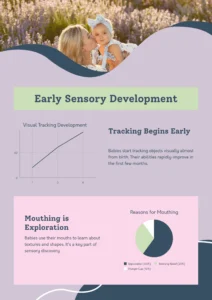
Why First-Year Milestones Are Important
Milestones show how your baby grows in their first year. They help you track progress and spot any delays early. Here’s why they matter:
-
Physical Growth: Babies learn to roll, sit, and walk, building strength.
-
Why It Matters: Movement helps babies explore their world safely.
-
-
Brain Development: Babies start thinking, solving problems, and remembering.
-
Why It Matters: These skills lay the foundation for learning.
-
-
Social Skills: Smiling and babbling help babies connect with you.
-
Why It Matters: Bonding builds trust and love.
-
-
Emotional Health: Babies feel secure and show feelings like joy or frustration.
-
Why It Matters: Emotional growth helps babies feel safe.
-
About 1 in 6 kids may have delays, per CDC, so tracking milestones lets you act fast if needed. Plus, it’s a fun way to celebrate your baby’s unique path!
First-Year Milestones: A Month-by-Month Breakdown
Let’s explore the key milestones your baby may reach during their first year, broken down by age. This timeline is a general guide, and variations are common.
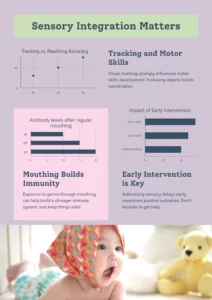
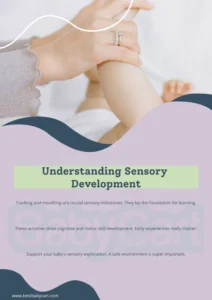
Image: chart of sensory milestones like tracking and mouthing
0–3 Months: Newborn Wonders
Your newborn is learning the world, with small but mighty milestones. Here’s what to expect:
Physical Milestones
-
Lifts Head: Raises head briefly during tummy time by 2–3 months.
-
Why It Matters: Strengthens neck muscles for future rolling.
-
-
Grasps Finger: Holds your finger tightly (reflex).
-
Why It Matters: Shows early muscle control.
-
-
Tracks Objects: Follows a toy with eyes by 3 months.
-
Why It Matters: Builds vision and focus skills.
-
-
Kicks Legs: Moves legs actively when lying down.
-
Why It Matters: Prepares for crawling and walking.
-
Cognitive & Social Milestones
-
Smiles: Gives first social smile by 6–12 weeks.
-
Why It Matters: Signals bonding and joy.
-
-
Coos: Makes soft sounds like “oo” or “ah.”
-
Why It Matters: Early step toward talking.
-
-
Knows Faces: Recognizes mom or dad by 3 months.
-
Why It Matters: Strengthens family bonds.
-
Support Tips
-
Tummy Time: 3–5 minutes daily on a Fisher-Price mat.
-
Why It Helps: Builds neck and shoulder strength.
-
-
Talk & Sing: Chat or sing to baby often.
-
Why It Helps: Sparks early language skills.
-
-
Cuddle: Hold baby close for skin-to-skin time.
-
Why It Helps: Fosters trust, per HealthyChildren.org.
-
Checklist: 0–3 Month Milestones
-
☐ Lifts head during tummy time.
-
☐ Smiles by 6–12 weeks.
-
☐ Coos or makes sounds.
-
☐ Tracks toys with eyes.
-
☐ Grasps finger tightly.
4–6 Months: Curious Explorers
Your baby’s getting active, with exciting new skills. Here’s what’s happening:
Physical Milestones
-
Rolls Over: Flips front to back, then back to front by 6 months.
-
Why It Matters: Builds core strength for sitting.
-
-
Sits with Help: Leans on hands or a Boppy pillow.
-
Why It Matters: Prepares for sitting alone.
-
-
Grabs Toys: Reaches for Manhattan Toy rattles.
-
Why It Matters: Improves hand-eye coordination.
-
-
Pushes Up: Lifts chest during tummy time.
-
Why It Matters: Strengthens arms for crawling.
-
Cognitive & Social Milestones
-
Babbles: Makes sounds like “ba-ba” or “ga-ga.”
-
Why It Matters: Early practice for words.
-
-
Laughs: Giggles at silly faces or peek-a-boo.
-
Why It Matters: Shows joy and social connection.
-
-
Knows Name: Turns head when called by 6 months.
-
Why It Matters: Signals memory growth.
-
-
Explores Cause & Effect: Shakes a rattle to hear noise.
-
Why It Matters: Builds problem-solving skills.
-
Support Tips
-
Play with Toys: Offer Manhattan Toy sensory toys.
-
Why It Helps: Encourages grabbing and exploration.
-
-
Read Books: Use Bright Starts cloth books.
-
Why It Helps: Boosts language and focus.
-
-
Mirror Time: Show baby their reflection.
-
Why It Helps: Sparks self-awareness.
-
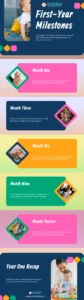
Image: Baby Miletsone, what to expect in the first year!
7–9 Months: Little Adventurers
Your baby’s on the move, with growing independence. Here’s what to watch for:
Physical Milestones
-
Sits Alone: Balances without support by 8 months.
-
Why It Matters: Frees hands for play.
-
-
Crawls: Scoots or crawls by 9 months (some skip it).
-
Why It Matters: Boosts mobility and exploration.
-
-
Pulls to Stand: Holds onto a Graco playard.
-
Why It Matters: Prepares for walking.
-
-
Pincer Grasp: Picks up small items with thumb and finger.
-
Why It Matters: Helps with self-feeding.
-
Cognitive & Social Milestones
-
Understands “No”: Pauses when you say it.
-
Why It Matters: Shows early rule-learning.
-
-
Plays Games: Loves pat-a-cake or peek-a-boo.
-
Why It Matters: Builds social skills.
-
-
Imitates Sounds: Copies “mama” or “dada.”
-
Why It Matters: Steps toward talking.
-
-
Shows Favorites: Reaches for loved toys or people.
-
Why It Matters: Signals emotional bonds.
-
Support Tips
-
Safe Play Area: Use a Graco playard.
-
Why It Helps: Lets baby explore safely.
-
-
Sing Songs: Try nursery rhymes, per American Academy of Pediatrics.
-
Why It Helps: Encourages language.
-
-
Offer Snacks: Give Gerber puffs for pincer practice.
-
Why It Helps: Supports fine motor skills.
-
10–12 Months: Toddler Time Begins
Your baby’s almost a toddler, with big leaps in skills. Here’s what’s coming:
Physical Milestones
-
Stands Alone: Balances briefly by 12 months.
-
Why It Matters: Prepares for walking.
-
-
First Steps: Walks with help or alone (some wait until 15 months).
-
Why It Matters: Marks major mobility.
-
-
Fine Motor Skills: Stacks blocks or turns Bright Starts book pages.
-
Why It Matters: Boosts hand control.
-
-
Points: Uses finger to show interest.
-
Why It Matters: Early communication tool.
-
Cognitive & Social Milestones
-
Says First Words: “Mama,” “dada,” or simple words by 12 months.
-
Why It Matters: Starts real talking.
-
-
Follows Directions: Waves “bye-bye” when asked.
-
Why It Matters: Shows understanding.
-
-
Shows Emotions: Gives hugs or shows frustration.
-
Why It Matters: Builds emotional awareness.
-
-
Plays Socially: Enjoys games with others.
-
Why It Matters: Strengthens bonds.
-
Support Tips
-
Walking Toys: Use a Fisher-Price push toy.
-
Why It Helps: Encourages steps.
-
-
Talk Daily: Name objects to grow vocabulary.
-
Why It Helps: Boosts word learning.
-
-
Cheer Them On: Clap for new skills.
-
Why It Helps: Builds confidence.
-
Bonding Through Milestones
Milestones are perfect for connecting with your baby. Here’s how to make them special:
-
Build Trust: Respond to cries quickly.
-
Why It Helps: Makes baby feel secure.
-
-
Play Together: Try peek-a-boo or stack Manhattan Toy blocks.
-
Why It Helps: Strengthens your bond.
-
-
Celebrate Wins: Cheer for smiles or steps.
-
Why It Helps: Boosts baby’s confidence.
-
Handle Separation Anxiety
-
What It Is: Clinging or crying when you leave (common at 6–12 months).
-
Why It Happens: Baby loves you and fears you’re gone!
-
-
How to Help: Practice short goodbyes, use a Boppy for comfort.
-
Why It Works: Eases baby’s worry.
-
Make Memories
-
Take Photos: Use a Nikon camera for milestone shots.
-
Why It Helps: Captures precious moments.
-
-
Keep a Journal: Write milestones in a Moleskine notebook.
-
Why It Helps: Creates a keepsake.
-
-
Family Fun: Include siblings or grandparents in play.
-
Why It Helps: Builds family love.
-

Image: family smiling and playing with baby on a mat
Red Flags: When to Check In
Most babies grow at their own pace, but some delays need a doctor’s look. Call your pediatrician if:
-
0–3 Months: No smiling or eye-tracking by 3 months.
-
Why It Matters: Could signal vision or social delays.
-
-
4–6 Months: No rolling or grabbing by 6 months.
-
Why It Matters: May indicate motor issues.
-
-
7–9 Months: No babbling or sitting by 9 months.
-
Why It Matters: Could affect language or strength.
-
-
10–12 Months: No words or pointing by 12 months.
-
Why It Matters: May signal communication delays.
-
What to Do: Your doctor may suggest early intervention, per CDC. Acting early helps your baby thrive!
Checklist: Red Flags to Watch
-
-
☐ No smiling by 3 months.
-
☐ No rolling by 6 months.
-
☐ No babbling by 9 months.
-
☐ No words by 12 months.
-
☐ Talk to paediatrician if concerned.
-

Image: First-year Baby Milestone
Exploration, Memory, and Problem-solving
Your baby’s brain is buzzing with curiosity and learning. Here’s what develops:
-
Exploration and Curiosity: Reaches for toys by 4–6 months; explores objects by 7–9 months.
-
Why It Matters: Drives discovery and learning.
-
-
Memory Development: Recognizes routines by 6 months; finds hidden toys by 9–12 months.
-
Why It Matters: Builds object permanence.
-
-
Problem-solving Skills: Shakes rattles for sound (4–6 months); stacks blocks (10–12 months).
-
Why It Matters: Fosters thinking skills.
-
Support Tips
-
Offer Toys: Use Manhattan Toy activity toys.
-
Why It Helps: Sparks curiosity.
-
-
Hide & Seek: Hide toys under blankets by 9 months.
-
Why It Helps: Builds memory.
-
Language and Social-Emotional Milestones
Your baby’s talking and feeling skills bloom. Here’s how:
Language Milestones
-
0–3 Months: Coos (“oo,” “ah”) by 3 months.
-
Why It Matters: Early speech practice.
-
-
4–6 Months: Babbles (“ba-ba”) by 6 months.
-
Why It Matters: Builds word foundations.
-
-
7–12 Months: Says “mama” or “dada” by 12 months.
-
Why It Matters: Starts real talking.
-
Social-Emotional Milestones
-
0–3 Months: Smiles socially by 6–12 weeks.
-
Why It Matters: Shows bonding.
-
-
4–6 Months: Laughs at play by 6 months.
-
Why It Matters: Expresses joy.
-
-
7–12 Months: Shows emotions (hugs, frustration) by 12 months.
-
Why It Matters: Builds emotional awareness.
-
Support Tips
-
Talk Daily: Name objects or describe actions.
-
Why It Helps: Boosts language.
-
-
Play Games: Try peek-a-boo or pat-a-cake.
-
Why It Helps: Encourages social skills.
-
Sensory Milestones: Senses Come Alive
Your baby’s senses grow fast, shaping learning. Here’s the progression:
-
0–3 Months: Tracks toys with eyes; turns to your voice.
-
Why It Matters: Builds vision and hearing.
-
-
4–6 Months: Touches textures like Manhattan Toy toys; loves music.
-
Why It Matters: Boosts touch and sound awareness.
-
-
7–12 Months: Mouths objects; mimics sounds like clapping.
-
Why It Matters: Links senses to learning.
-
Support Tips
-
Sensory Toys: Use Bright Starts textured toys.
-
Why It Helps: Stimulates senses.
-
-
Play Music: Sing soft tunes.
-
Why It Helps: Sharpens hearing.
-
Health, Nutrition, and Check-ups
Your baby’s health and feeding support growth. Here’s the journey:
Breastfeeding and Formula
-
0–6 Months: Breast milk or formula every 2–3 hours.
-
Why It Matters: Fuels brain and body growth.
-
-
Support Tips: Use a Boppy pillow for comfort.
-
Why It Helps: Eases feeding.
-
Introducing Solids
-
4–12 Months: Starts solids by 6 months; self-feeds by 12 months.
-
Why It Matters: Adds nutrients like iron.
-
-
Support Tips: Offer Gerber purees in a Graco highchair.
-
Why It Helps: Builds feeding skills.
-
Routine Check-ups
-
0–12 Months: Visits at 1, 2, 4, 6, 9, 12 months.
-
Why It Matters: Tracks growth and health, per CDC.
-
-
Support Tips: Keep a Moleskine journal for doctor notes.
-
Why It Helps: Stays organized.
-
Image: Happy Baby Milestone
Bonding Through Milestones
Milestones are bonding moments. Here’s how to connect:
-
Build Trust: Comfort cries quickly.
-
Why It Helps: Makes baby feel safe.
-
-
Play Together: Stack Manhattan Toy blocks.
-
Why It Helps: Strengthens bonds.
-
-
Manage Anxiety: Short goodbyes for separation fears (6–12 months).
-
Why It Helps: Eases worry with a Boppy.
-
-
Save Memories: Snap photos with a Nikon.
-
Why It Helps: Keeps moments forever.
-
Variability and Cultural Influences
Every baby grows uniquely, shaped by differences and culture. Here’s why:
-
Individual Differences: Some walk at 9 months, others at 15.
-
Why It Matters: Normalizes unique paces.
-
-
Cultural Influences: Milestones like talking may vary by language or parenting style.
-
Why It Matters: Respects diverse backgrounds.
-
-
Support Tips: Focus on your baby, avoid comparing.
-
Why It Helps: Keeps parenting joyful.
-
Checklist: Embracing Variability
-
☐ Celebrate your baby’s unique pace.
-
☐ Learn about cultural milestone norms.
-
☐ Avoid comparing to others.
Red Flags: When to Get Help
Most babies grow at their pace, but some delays need attention. Call your doctor if:
-
0–3 Months: No smiling or eye-tracking by 3 months.
-
Why It Matters: May signal delays.
-
-
4–6 Months: No rolling by 6 months.
-
Why It Matters: Could affect motor skills.
-
-
7–12 Months: No babbling or words by 12 months.
-
Why It Matters: May impact language.
-
Next Steps: Early intervention helps, per CDC.
Tips to Support Milestones
Help your baby shine with these ideas:
-
Toys: Use Fisher-Price gyms.
-
Why It Helps: Sparks movement.
-
-
Music: Play nursery rhymes.
-
Why It Helps: Boosts language.
-
-
Track Progress: Note in a Moleskine journal.
-
Why It Helps: Monitors growth.
-
Video: Baby Development Milestone
Tips to Boost Milestones
Want to help your baby shine? Try these simple ideas:
-
Fun Toys: Use Fisher-Price gyms or Manhattan Toy rattles.
-
Why It Helps: Sparks movement and thinking.
-
-
Music Time: Play songs or rhymes daily.
-
Why It Helps: Boosts language and joy.
-
-
Safe Space: Set up a Graco playard.
-
Why It Helps: Encourages safe exploration.
-
Track Growth
-
Use Apps: Try The Wonder Weeks for milestone updates.
-
Why It Helps: Keeps you informed.
-
-
Doctor Visits: Attend regular checkups.
-
Why It Helps: Ensures healthy growth.
-
-
Write It Down: Note milestones in a Moleskine journal.
-
Why It Helps: Tracks progress.
-
Stay Patient
-
-
Unique Paces: Some babies walk at 9 months, others at 15.
-
Why It Helps: Reduces worry.
-
-
No Comparing: Focus on your baby’s journey.
-
Why It Helps: Keeps parenting joyful.
-
-
Cheer Small Steps: Celebrate every milestone.
-
Why It Helps: Builds baby’s confidence.
-
-
You’re Amazing, Parents!
You’re rocking parenting! 😊 Your baby’s milestones are a celebration of love. With these expert tips, you’re set to support every step. Share your favourite milestone below—we’re cheering you on!
Happy parenting from BestBabyCart.com! Explore more tips.
FAQ: First-Year Baby Milestones
Q: When does my baby smile socially?
A: Most babies smile socially by 6–12 weeks, per HealthyChildren.org. This “real” smile, often at your face or voice, shows they’re bonding. Encourage it by smiling, talking, or singing during playtime. If no smiles by 3 months, chat with your paediatrician to rule out vision or social delays. Every grin is a heart-melter, so keep those cuddles coming!
Q: Is it okay if my baby skips crawling?
A: Yes, some babies skip crawling and move to standing or walking by 12–15 months. Crawling strengthens muscles, but scooting or rolling is fine too. Watch for other milestones, such as grabbing toys or sitting up by 9 months. If you’re worried, ask your doctor to check motor skills. Use a Graco playard to give them space to move safely.
Q: When do babies say their first words?
A: Babies typically say “mama” or “dada” by 12 months, per American Academy of Pediatrics. They start with cooing (3 months), babbling (6 months), then words. Talk daily, name objects, and read Bright Starts books to boost language. If no words by 12 months, consult your doctor, as early speech therapy can help. Keep chatting—your voice is their favorite!
Q: How can I encourage my baby to walk?
A: Help your baby walk by offering a Fisher-Price push toy or holding their hands for balance by 10–12 months. Create a safe space with a Graco playard to practice. Cheer their efforts to build confidence. Most walk by 12–15 months, but some take longer. If not standing by 12 months, talk to your paediatrician. Keep it fun—those first steps are magical!
Q: What should I do if I notice developmental delays?
A: If your baby isn’t smiling by 3 months, rolling by 6 months, or saying words by 12 months, call your pediatrician, per CDC. Early signs like not tracking toys or babbling, need attention. Your doctor may suggest early intervention, like therapy, which helps 1 in 6 kids with delays. Track milestones in a Moleskine journal to share with your doctor. You’re doing great by staying alert!
Q: How can I track my baby’s milestones effectively?
A: Track milestones with apps like The Wonder Weeks or a Moleskine journal to note smiles, crawls, or words. Regular check-ups at 1, 2, 4, 6, 9, and 12 months help monitor growth, per CDC. Take photos with a Nikon camera to capture moments. Compare to milestones like sitting by 8 months, but don’t stress—every baby’s unique. Journaling keeps memories alive!
Q: Why is tummy time so important for my baby?
A: Tummy time strengthens neck and shoulder muscles, helping babies roll by 6 months and crawl by 9 months. Start with 3–5 minutes daily on a Fisher-Price mat, per HealthyChildren.org. It also prevents flat head spots. Make it fun with toys or mirrors. If your baby resists, try shorter sessions. This small step builds big milestones, so keep at it!
Q: How can I support my baby’s sensory development?
A: Boost sensory skills by offering Bright Starts textured toys for touch and Manhattan Toy rattles for sound by 4–6 months. Sing songs to sharpen hearing and show colorful toys for vision. By 7–12 months, let them mouth safe objects to explore taste. If they don’t track toys by 3 months or respond to sounds, consult your doctor, per CDC. Sensory play is a joyful way to learn!
Q: Do cultural differences affect baby milestones?
A: Yes, cultural practices can influence milestones, like talking or social behaviors, per American Academy of Pediatrics. For example, bilingual homes may delay first words slightly, but it’s normal. Some cultures emphasize early walking through play, while others focus on verbal bonding. Celebrate your baby’s unique pace and learn about your cultural norms. If concerned, like no babbling by 9 months, ask your pediatrician. Your baby’s journey is special!
Q: When does my baby develop memory skills?
A: Babies show memory by recognizing routines at 6 months and finding hidden toys by 9–12 months, signaling object permanence. Play hide-and-seek with Manhattan Toy toys to boost memory. If they don’t recognize familiar faces by 3 months or routines by 6 months, talk to your doctor, per CDC. Memory grows through play, so keep those games going—your baby’s learning every day. Click here to know more..
Wondering about your baby’s first-year milestones? 😊 This guide breaks down key steps—moving, thinking, talking, and bonding—from birth to 12 months. With simple tips, visuals, and expert advice, you’ll know how to support your baby’s growth!
Hey, parents! 😄 I’m a mom running BestBabyCart.com, and I still smile thinking of my baby’s first giggle and wobbly steps. The first year is full of exciting “firsts,” but it can spark questions like “When will my baby crawl?” or “Is my baby on track?” Don’t stress—this mom-to-mom guide makes first-year baby milestones easy to understand. With clear tips, fun visuals, and trusted advice, you’ll feel ready to cheer on every milestone. Let’s jump into this joyful journey!
🎉 0–3 Month Baby Milestones 🎉
Bright Beginnings: The Sweetest Firsts!
(Designed with soft pastels, sunshine yellow accents, and smiley faces 🌞💫)
✅ Smiles for Days
☐ Starts flashing those adorable social smiles (around 6–8 weeks)
☐ Smiles in response to your voice or face 🥰
✅ Coo Coo for Cuddles
☐ Begins cooing or making vowel sounds like “ahh” or “ooh”
☐ Makes happy noises when talked to 🎶
✅ Look Who’s Looking!
☐ Follows moving objects with eyes (hello, ceiling fan friend!)
☐ Looks at faces—yep, you’re their favorite art piece 😍
✅ Tiny but Mighty Moves
☐ Holds head up for a few seconds during tummy time 💪
☐ Brings hands to mouth (and maybe tries a nibble!)
✅ Little Listener
☐ Turns head toward sounds 🐶📣
☐ Recognizes your voice (aww, instant calm)
✅ Touch + Feel Fun
☐ Opens and closes fists
☐ Begins batting at dangling toys (baby ninja training begins!)
Why First-Year Milestones Are Important
Milestones show how your baby grows in their first year. They help you track progress and spot any delays early. Here’s why they matter:
-
Physical Growth: Babies learn to roll, sit, and walk, building strength.
-
Why It Matters: Movement helps babies explore their world safely.
-
-
Brain Development: Babies start thinking, solving problems, and remembering.
-
Why It Matters: These skills lay the foundation for learning.
-
-
Social Skills: Smiling and babbling help babies connect with you.
-
Why It Matters: Bonding builds trust and love.
-
-
Emotional Health: Babies feel secure and show feelings like joy or frustration.
-
Why It Matters: Emotional growth helps babies feel safe.
-
About 1 in 6 kids may have delays, per CDC, so tracking milestones lets you act fast if needed. Plus, it’s a fun way to celebrate your baby’s unique path!
First-Year Milestones: A Month-by-Month Breakdown
Let’s explore the key milestones your baby may reach during their first year, broken down by age. This timeline is a general guide, and variations are common.
Image: chart of sensory milestones like tracking and mouthing
0–3 Months: Newborn Wonders
Your newborn is learning the world, with small but mighty milestones. Here’s what to expect:
Physical Milestones
-
Lifts Head: Raises head briefly during tummy time by 2–3 months.
-
Why It Matters: Strengthens neck muscles for future rolling.
-
-
Grasps Finger: Holds your finger tightly (reflex).
-
Why It Matters: Shows early muscle control.
-
-
Tracks Objects: Follows a toy with eyes by 3 months.
-
Why It Matters: Builds vision and focus skills.
-
-
Kicks Legs: Moves legs actively when lying down.
-
Why It Matters: Prepares for crawling and walking.
-
Cognitive & Social Milestones
-
Smiles: Gives first social smile by 6–12 weeks.
-
Why It Matters: Signals bonding and joy.
-
-
Coos: Makes soft sounds like “oo” or “ah.”
-
Why It Matters: Early step toward talking.
-
-
Knows Faces: Recognizes mom or dad by 3 months.
-
Why It Matters: Strengthens family bonds.
-
Support Tips
-
Tummy Time: 3–5 minutes daily on a Fisher-Price mat.
-
Why It Helps: Builds neck and shoulder strength.
-
-
Talk & Sing: Chat or sing to baby often.
-
Why It Helps: Sparks early language skills.
-
-
Cuddle: Hold baby close for skin-to-skin time.
-
Why It Helps: Fosters trust, per HealthyChildren.org.
-
Checklist: 0–3 Month Milestones
-
☐ Lifts head during tummy time.
-
☐ Smiles by 6–12 weeks.
-
☐ Coos or makes sounds.
-
☐ Tracks toys with eyes.
-
☐ Grasps finger tightly.
4–6 Months: Curious Explorers
Your baby’s getting active, with exciting new skills. Here’s what’s happening:
Physical Milestones
-
Rolls Over: Flips front to back, then back to front by 6 months.
-
Why It Matters: Builds core strength for sitting.
-
-
Sits with Help: Leans on hands or a Boppy pillow.
-
Why It Matters: Prepares for sitting alone.
-
-
Grabs Toys: Reaches for Manhattan Toy rattles.
-
Why It Matters: Improves hand-eye coordination.
-
-
Pushes Up: Lifts chest during tummy time.
-
Why It Matters: Strengthens arms for crawling.
-
Cognitive & Social Milestones
-
Babbles: Makes sounds like “ba-ba” or “ga-ga.”
-
Why It Matters: Early practice for words.
-
-
Laughs: Giggles at silly faces or peek-a-boo.
-
Why It Matters: Shows joy and social connection.
-
-
Knows Name: Turns head when called by 6 months.
-
Why It Matters: Signals memory growth.
-
-
Explores Cause & Effect: Shakes a rattle to hear noise.
-
Why It Matters: Builds problem-solving skills.
-
Support Tips
-
Play with Toys: Offer Manhattan Toy sensory toys.
-
Why It Helps: Encourages grabbing and exploration.
-
-
Read Books: Use Bright Starts cloth books.
-
Why It Helps: Boosts language and focus.
-
-
Mirror Time: Show baby their reflection.
-
Why It Helps: Sparks self-awareness.
-
Image: Baby Miletsone, what to expect in the first year!
7–9 Months: Little Adventurers
Your baby’s on the move, with growing independence. Here’s what to watch for:
Physical Milestones
-
Sits Alone: Balances without support by 8 months.
-
Why It Matters: Frees hands for play.
-
-
Crawls: Scoots or crawls by 9 months (some skip it).
-
Why It Matters: Boosts mobility and exploration.
-
-
Pulls to Stand: Holds onto a Graco playard.
-
Why It Matters: Prepares for walking.
-
-
Pincer Grasp: Picks up small items with thumb and finger.
-
Why It Matters: Helps with self-feeding.
-
Cognitive & Social Milestones
-
Understands “No”: Pauses when you say it.
-
Why It Matters: Shows early rule-learning.
-
-
Plays Games: Loves pat-a-cake or peek-a-boo.
-
Why It Matters: Builds social skills.
-
-
Imitates Sounds: Copies “mama” or “dada.”
-
Why It Matters: Steps toward talking.
-
-
Shows Favorites: Reaches for loved toys or people.
-
Why It Matters: Signals emotional bonds.
-
Support Tips
-
Safe Play Area: Use a Graco playard.
-
Why It Helps: Lets baby explore safely.
-
-
Sing Songs: Try nursery rhymes, per American Academy of Pediatrics.
-
Why It Helps: Encourages language.
-
-
Offer Snacks: Give Gerber puffs for pincer practice.
-
Why It Helps: Supports fine motor skills.
-
10–12 Months: Toddler Time Begins
Your baby’s almost a toddler, with big leaps in skills. Here’s what’s coming:
Physical Milestones
-
Stands Alone: Balances briefly by 12 months.
-
Why It Matters: Prepares for walking.
-
-
First Steps: Walks with help or alone (some wait until 15 months).
-
Why It Matters: Marks major mobility.
-
-
Fine Motor Skills: Stacks blocks or turns Bright Starts book pages.
-
Why It Matters: Boosts hand control.
-
-
Points: Uses finger to show interest.
-
Why It Matters: Early communication tool.
-
Cognitive & Social Milestones
-
Says First Words: “Mama,” “dada,” or simple words by 12 months.
-
Why It Matters: Starts real talking.
-
-
Follows Directions: Waves “bye-bye” when asked.
-
Why It Matters: Shows understanding.
-
-
Shows Emotions: Gives hugs or shows frustration.
-
Why It Matters: Builds emotional awareness.
-
-
Plays Socially: Enjoys games with others.
-
Why It Matters: Strengthens bonds.
-
Support Tips
-
Walking Toys: Use a Fisher-Price push toy.
-
Why It Helps: Encourages steps.
-
-
Talk Daily: Name objects to grow vocabulary.
-
Why It Helps: Boosts word learning.
-
-
Cheer Them On: Clap for new skills.
-
Why It Helps: Builds confidence.
-
Bonding Through Milestones
Milestones are perfect for connecting with your baby. Here’s how to make them special:
-
Build Trust: Respond to cries quickly.
-
Why It Helps: Makes baby feel secure.
-
-
Play Together: Try peek-a-boo or stack Manhattan Toy blocks.
-
Why It Helps: Strengthens your bond.
-
-
Celebrate Wins: Cheer for smiles or steps.
-
Why It Helps: Boosts baby’s confidence.
-
Handle Separation Anxiety
-
What It Is: Clinging or crying when you leave (common at 6–12 months).
-
Why It Happens: Baby loves you and fears you’re gone!
-
-
How to Help: Practice short goodbyes, use a Boppy for comfort.
-
Why It Works: Eases baby’s worry.
-
Make Memories
-
Take Photos: Use a Nikon camera for milestone shots.
-
Why It Helps: Captures precious moments.
-
-
Keep a Journal: Write milestones in a Moleskine notebook.
-
Why It Helps: Creates a keepsake.
-
-
Family Fun: Include siblings or grandparents in play.
-
Why It Helps: Builds family love.
-
Image: family smiling and playing with baby on a mat
Red Flags: When to Check In
Most babies grow at their own pace, but some delays need a doctor’s look. Call your pediatrician if:
-
0–3 Months: No smiling or eye-tracking by 3 months.
-
Why It Matters: Could signal vision or social delays.
-
-
4–6 Months: No rolling or grabbing by 6 months.
-
Why It Matters: May indicate motor issues.
-
-
7–9 Months: No babbling or sitting by 9 months.
-
Why It Matters: Could affect language or strength.
-
-
10–12 Months: No words or pointing by 12 months.
-
Why It Matters: May signal communication delays.
-
What to Do: Your doctor may suggest early intervention, per CDC. Acting early helps your baby thrive!
Checklist: Red Flags to Watch
-
-
☐ No smiling by 3 months.
-
☐ No rolling by 6 months.
-
☐ No babbling by 9 months.
-
☐ No words by 12 months.
-
☐ Talk to paediatrician if concerned.
-
Image: First-year Baby Milestone
Exploration, Memory, and Problem-solving
Your baby’s brain is buzzing with curiosity and learning. Here’s what develops:
-
Exploration and Curiosity: Reaches for toys by 4–6 months; explores objects by 7–9 months.
-
Why It Matters: Drives discovery and learning.
-
-
Memory Development: Recognizes routines by 6 months; finds hidden toys by 9–12 months.
-
Why It Matters: Builds object permanence.
-
-
Problem-solving Skills: Shakes rattles for sound (4–6 months); stacks blocks (10–12 months).
-
Why It Matters: Fosters thinking skills.
-
Support Tips
-
Offer Toys: Use Manhattan Toy activity toys.
-
Why It Helps: Sparks curiosity.
-
-
Hide & Seek: Hide toys under blankets by 9 months.
-
Why It Helps: Builds memory.
-
Language and Social-Emotional Milestones
Your baby’s talking and feeling skills bloom. Here’s how:
Language Milestones
-
0–3 Months: Coos (“oo,” “ah”) by 3 months.
-
Why It Matters: Early speech practice.
-
-
4–6 Months: Babbles (“ba-ba”) by 6 months.
-
Why It Matters: Builds word foundations.
-
-
7–12 Months: Says “mama” or “dada” by 12 months.
-
Why It Matters: Starts real talking.
-
Social-Emotional Milestones
-
0–3 Months: Smiles socially by 6–12 weeks.
-
Why It Matters: Shows bonding.
-
-
4–6 Months: Laughs at play by 6 months.
-
Why It Matters: Expresses joy.
-
-
7–12 Months: Shows emotions (hugs, frustration) by 12 months.
-
Why It Matters: Builds emotional awareness.
-
Support Tips
-
Talk Daily: Name objects or describe actions.
-
Why It Helps: Boosts language.
-
-
Play Games: Try peek-a-boo or pat-a-cake.
-
Why It Helps: Encourages social skills.
-
Sensory Milestones: Senses Come Alive
Your baby’s senses grow fast, shaping learning. Here’s the progression:
-
0–3 Months: Tracks toys with eyes; turns to your voice.
-
Why It Matters: Builds vision and hearing.
-
-
4–6 Months: Touches textures like Manhattan Toy toys; loves music.
-
Why It Matters: Boosts touch and sound awareness.
-
-
7–12 Months: Mouths objects; mimics sounds like clapping.
-
Why It Matters: Links senses to learning.
-
Support Tips
-
Sensory Toys: Use Bright Starts textured toys.
-
Why It Helps: Stimulates senses.
-
-
Play Music: Sing soft tunes.
-
Why It Helps: Sharpens hearing.
-
Health, Nutrition, and Check-ups
Your baby’s health and feeding support growth. Here’s the journey:
Breastfeeding and Formula
-
0–6 Months: Breast milk or formula every 2–3 hours.
-
Why It Matters: Fuels brain and body growth.
-
-
Support Tips: Use a Boppy pillow for comfort.
-
Why It Helps: Eases feeding.
-
Introducing Solids
-
4–12 Months: Starts solids by 6 months; self-feeds by 12 months.
-
Why It Matters: Adds nutrients like iron.
-
-
Support Tips: Offer Gerber purees in a Graco highchair.
-
Why It Helps: Builds feeding skills.
-
Routine Check-ups
-
0–12 Months: Visits at 1, 2, 4, 6, 9, 12 months.
-
Why It Matters: Tracks growth and health, per CDC.
-
-
Support Tips: Keep a Moleskine journal for doctor notes.
-
Why It Helps: Stays organized.
-
Image: Happy Baby Milestone
Bonding Through Milestones
Milestones are bonding moments. Here’s how to connect:
-
Build Trust: Comfort cries quickly.
-
Why It Helps: Makes baby feel safe.
-
-
Play Together: Stack Manhattan Toy blocks.
-
Why It Helps: Strengthens bonds.
-
-
Manage Anxiety: Short goodbyes for separation fears (6–12 months).
-
Why It Helps: Eases worry with a Boppy.
-
-
Save Memories: Snap photos with a Nikon.
-
Why It Helps: Keeps moments forever.
-
Variability and Cultural Influences
Every baby grows uniquely, shaped by differences and culture. Here’s why:
-
Individual Differences: Some walk at 9 months, others at 15.
-
Why It Matters: Normalizes unique paces.
-
-
Cultural Influences: Milestones like talking may vary by language or parenting style.
-
Why It Matters: Respects diverse backgrounds.
-
-
Support Tips: Focus on your baby, avoid comparing.
-
Why It Helps: Keeps parenting joyful.
-
Checklist: Embracing Variability
-
☐ Celebrate your baby’s unique pace.
-
☐ Learn about cultural milestone norms.
-
☐ Avoid comparing to others.
Red Flags: When to Get Help
Most babies grow at their pace, but some delays need attention. Call your doctor if:
-
0–3 Months: No smiling or eye-tracking by 3 months.
-
Why It Matters: May signal delays.
-
-
4–6 Months: No rolling by 6 months.
-
Why It Matters: Could affect motor skills.
-
-
7–12 Months: No babbling or words by 12 months.
-
Why It Matters: May impact language.
-
Next Steps: Early intervention helps, per CDC.
Tips to Support Milestones
Help your baby shine with these ideas:
-
Toys: Use Fisher-Price gyms.
-
Why It Helps: Sparks movement.
-
-
Music: Play nursery rhymes.
-
Why It Helps: Boosts language.
-
-
Track Progress: Note in a Moleskine journal.
-
Why It Helps: Monitors growth.
-
Video: Baby Development Milestone
Tips to Boost Milestones
Want to help your baby shine? Try these simple ideas:
-
Fun Toys: Use Fisher-Price gyms or Manhattan Toy rattles.
-
Why It Helps: Sparks movement and thinking.
-
-
Music Time: Play songs or rhymes daily.
-
Why It Helps: Boosts language and joy.
-
-
Safe Space: Set up a Graco playard.
-
Why It Helps: Encourages safe exploration.
-
Track Growth
-
Use Apps: Try The Wonder Weeks for milestone updates.
-
Why It Helps: Keeps you informed.
-
-
Doctor Visits: Attend regular checkups.
-
Why It Helps: Ensures healthy growth.
-
-
Write It Down: Note milestones in a Moleskine journal.
-
Why It Helps: Tracks progress.
-
Stay Patient
-
-
Unique Paces: Some babies walk at 9 months, others at 15.
-
Why It Helps: Reduces worry.
-
-
No Comparing: Focus on your baby’s journey.
-
Why It Helps: Keeps parenting joyful.
-
-
Cheer Small Steps: Celebrate every milestone.
-
Why It Helps: Builds baby’s confidence.
-
-
You’re Amazing, Parents!
You’re rocking parenting! 😊 Your baby’s milestones are a celebration of love. With these expert tips, you’re set to support every step. Share your favourite milestone below—we’re cheering you on!
Happy parenting from BestBabyCart.com! Explore more tips.
FAQ: First-Year Baby Milestones
Q: When does my baby smile socially?
A: Most babies smile socially by 6–12 weeks, per HealthyChildren.org. This “real” smile, often at your face or voice, shows they’re bonding. Encourage it by smiling, talking, or singing during playtime. If no smiles by 3 months, chat with your paediatrician to rule out vision or social delays. Every grin is a heart-melter, so keep those cuddles coming!
Q: Is it okay if my baby skips crawling?
A: Yes, some babies skip crawling and move to standing or walking by 12–15 months. Crawling strengthens muscles, but scooting or rolling is fine too. Watch for other milestones, such as grabbing toys or sitting up by 9 months. If you’re worried, ask your doctor to check motor skills. Use a Graco playard to give them space to move safely.
Q: When do babies say their first words?
A: Babies typically say “mama” or “dada” by 12 months, per American Academy of Pediatrics. They start with cooing (3 months), babbling (6 months), then words. Talk daily, name objects, and read Bright Starts books to boost language. If no words by 12 months, consult your doctor, as early speech therapy can help. Keep chatting—your voice is their favorite!
Q: How can I encourage my baby to walk?
A: Help your baby walk by offering a Fisher-Price push toy or holding their hands for balance by 10–12 months. Create a safe space with a Graco playard to practice. Cheer their efforts to build confidence. Most walk by 12–15 months, but some take longer. If not standing by 12 months, talk to your paediatrician. Keep it fun—those first steps are magical!
Q: What should I do if I notice developmental delays?
A: If your baby isn’t smiling by 3 months, rolling by 6 months, or saying words by 12 months, call your pediatrician, per CDC. Early signs like not tracking toys or babbling, need attention. Your doctor may suggest early intervention, like therapy, which helps 1 in 6 kids with delays. Track milestones in a Moleskine journal to share with your doctor. You’re doing great by staying alert!
Q: How can I track my baby’s milestones effectively?
A: Track milestones with apps like The Wonder Weeks or a Moleskine journal to note smiles, crawls, or words. Regular check-ups at 1, 2, 4, 6, 9, and 12 months help monitor growth, per CDC. Take photos with a Nikon camera to capture moments. Compare to milestones like sitting by 8 months, but don’t stress—every baby’s unique. Journaling keeps memories alive!
Q: Why is tummy time so important for my baby?
A: Tummy time strengthens neck and shoulder muscles, helping babies roll by 6 months and crawl by 9 months. Start with 3–5 minutes daily on a Fisher-Price mat, per HealthyChildren.org. It also prevents flat head spots. Make it fun with toys or mirrors. If your baby resists, try shorter sessions. This small step builds big milestones, so keep at it!
Q: How can I support my baby’s sensory development?
A: Boost sensory skills by offering Bright Starts textured toys for touch and Manhattan Toy rattles for sound by 4–6 months. Sing songs to sharpen hearing and show colorful toys for vision. By 7–12 months, let them mouth safe objects to explore taste. If they don’t track toys by 3 months or respond to sounds, consult your doctor, per CDC. Sensory play is a joyful way to learn!
Q: Do cultural differences affect baby milestones?
A: Yes, cultural practices can influence milestones, like talking or social behaviors, per American Academy of Pediatrics. For example, bilingual homes may delay first words slightly, but it’s normal. Some cultures emphasize early walking through play, while others focus on verbal bonding. Celebrate your baby’s unique pace and learn about your cultural norms. If concerned, like no babbling by 9 months, ask your pediatrician. Your baby’s journey is special!
Q: When does my baby develop memory skills?
A: Babies show memory by recognizing routines at 6 months and finding hidden toys by 9–12 months, signaling object permanence. Play hide-and-seek with Manhattan Toy toys to boost memory. If they don’t recognize familiar faces by 3 months or routines by 6 months, talk to your doctor, per CDC. Memory grows through play, so keep those games going—your baby’s learning every day. Click here to know more..

Taslima Khanam Sultana, a loving mom of three, founded BestBabyCart.com to help new parents navigate the world of baby products with ease. Her passion for making parenting simpler shines through delivering honest, unbiased reviews on must-haves like diapers, strollers, and feeding gear. Taslima’s mission is to empower families with expert tips, ensuring every product is safe and top-quality for your little one. Drawing from her own parenting journey, she’s dedicated to supporting yours!