How to Introduce Solids to Baby

How to Introduce Solids to Baby: Your Guide to a Happy Start!

Introducing solids to your baby is one of the most exciting (and nerve-wracking) milestones of their first year. You’re not just navigating new flavors and textures—you’re setting the stage for lifelong healthy eating habits, supporting their rapid growth, and building positive associations with mealtime. Current 2026 guidance from the American Academy of Pediatrics (AAP) and Centers for Disease Control and Prevention (CDC) confirms that most infants are ready to start complementary feeding between 4 and 6 months, with 6 months being the ideal window for the majority of babies. As parents who’ve navigated this milestone ourselves, we’ve compiled guidance aligned with the latest pediatric recommendations to help you avoid common pitfalls and make mealtime enjoyable for the whole family.

Why Introducing Solids Is a Key Milestone

Breastmilk or formula remains your baby’s primary source of nutrition until their first birthday, but solids play a critical complementary role in their development. Starting at the right time delivers specific benefits you can’t get from milk alone:

  • Nutrient support: Iron stores in breastfed babies drop sharply after 6 months, putting them at risk for iron deficiency. Iron-rich first foods fill this gap, while zinc, vitamin D, and healthy fats support brain development and immune function.
  • Oral motor skill building: Chewing and swallowing textured foods strengthens the muscles needed for speech development later in childhood.
  • Flavor exposure: Early, repeated exposure to a wide variety of fruits, vegetables, and proteins reduces the risk of picky eating and food aversions long-term.
  • Family connection: Shared mealtimes let babies observe and mimic family eating habits, building positive associations with food and social interaction.

In practice, most parents find the first few weeks of solids are less about getting full nutrition from food and more about letting their baby explore new tastes and textures at their own pace. You can also read our guide on BestBabyCart.com.

Smiling baby in a highchair tasting pureed food with a spoon, symbolizing the start of solids Image: Happy baby in a highchair tasting pureed food

When Is Your Baby Actually Ready for Solids?

Age is only one factor in determining when to start solids—developmental readiness is far more important. The AAP recommends waiting until at least 4 months of age to start, with 6 months being the ideal window for most infants. Babies born preterm should use their adjusted age (due date) rather than chronological age to assess readiness.

Key Readiness Signs to Look For

Your baby is likely ready for solids when they demonstrate all of the following cues, per CDC infant feeding guidelines:

  • Steady head control: Can hold their head upright and steady for 2+ minutes without support, and can sit with minimal assistance (so they don’t slump forward, which increases choking risk)
  • Diminished tongue-thrust reflex: No longer automatically pushes food out of their mouth with their tongue (you can test this by placing a small amount of puree on their tongue—if they swallow it rather than pushing it out, the reflex has faded)
  • Interest in family meals: Reaches for food on your plate, watches you eat intently, or opens their mouth when they see you take a bite
  • Chewing motions: Mimics chewing movements or smacks their lips when they see food

A common mistake many new parents make is starting solids early to help their baby sleep longer, but multiple peer-reviewed studies show no correlation between early complementary feeding and extended overnight sleep stretches. If you’re unsure, check in with your pediatrician before starting. You can also read our guide on baby nap schedule.

Best First Foods: What to Offer and What to Avoid

Your baby’s first foods should be single-ingredient, iron-rich, and easy to digest, with no added salt, sugar, or spices. Prioritize these categories for your first few weeks of feeding:

  • Iron-fortified single-grain cereals: Oat or barley fortified cereals are ideal; limit rice cereal to occasional servings to reduce arsenic exposure, per current FDA 2026 guidance. Mix with breastmilk or formula to a smooth, runny consistency.
  • Pureed meats: Chicken, turkey, and beef are excellent sources of heme iron, which is more easily absorbed by babies than plant-based iron.
  • Legumes: Cooked and pureed lentils, chickpeas, and lima beans are plant-based iron-rich options for vegetarian or vegan families. For cooking guidance, check out our tips for cooking baby-friendly legumes.
  • Produce: Start with mild, slightly sweet options like pureed sweet potato, carrot, pear, apple, or mashed avocado (a great source of healthy fats for brain development).

Foods to Skip Until 12 Months (or Older)

  • Honey: Risk of infant botulism, per FDA guidance, until 12 months of age.
  • Cow’s milk as a drink: Hard to digest and can cause intestinal bleeding in infants under 12 months; small amounts in yogurt or cheese are safe after 6 months.
  • Choking hazards: Whole grapes, cherry tomatoes, nuts, popcorn, raw hard vegetables, sticky foods like straight peanut butter, and any food larger than a pea for babies under 12 months.
  • Added salt, sugar, and processed foods: Babies’ kidneys can’t process excess sodium, and added sugar increases risk of childhood obesity.
  • Fruit juice: No fruit juice is recommended for infants under 12 months, per AAP guidance, as it offers no nutritional benefit and can cause diaper rash and stomach upset.

Introducing Allergens Safely

Current AAP starting solids guidance recommends introducing common allergens (peanut, tree nut, egg, dairy, wheat, soy, fish, shellfish) early, around 6 months, to reduce long-term allergy risk. Introduce one new allergen at a time, waiting 3–5 days between new foods to monitor for reactions. Mix allergens with familiar foods to make them more palatable: thin smooth peanut butter with warm water and mix it into oatmeal, or mash hard-boiled egg into sweet potato puree.

Step-by-Step Guide to Your First Feeding

Once your baby shows all readiness cues and you have your pediatrician’s approval, follow these steps for a low-stress first meal:

  1. Prep your space and gear: Use a stable highchair with a footrest (your baby’s feet should touch the footrest to support proper swallowing posture). You’ll need soft-tipped, baby-sized spoons, a long-sleeved waterproof bib, and small, non-slip bowls. You don’t need a massive collection of gear to start—begin with a few suitable feeding dish sets designed for infants. If you travel frequently with your little one, look for portable highchair options that are easy to clean and stable enough for on-the-go meals.
  2. Pick the right time: Feed when your baby is alert and calm, not overly hungry (which can lead to frustration) or tired (which can lead to fussiness). Mid-morning, after a small milk feed, is often ideal. Avoid feeding right before a nap.
  3. Start tiny: Offer just 1–2 teaspoons of a single-ingredient puree. Let your baby taste at their own pace—don’t force them to eat if they turn away or close their mouth.
  4. Follow with milk: Offer a full milk feed after solids to ensure your baby is getting enough nutrition, as breastmilk or formula will remain their primary calorie source until 12 months.
  5. Watch for cues: Positive signs your baby is enjoying the meal include leaning forward, opening their mouth, and grabbing for the spoon. If they turn their head away, spit out food, or cry, stop the feeding and try again another day.
  6. Log new foods: Keep a simple log of the foods you try, the date, and any reactions (rashes, upset stomach, etc.) to track patterns, especially when introducing allergens.
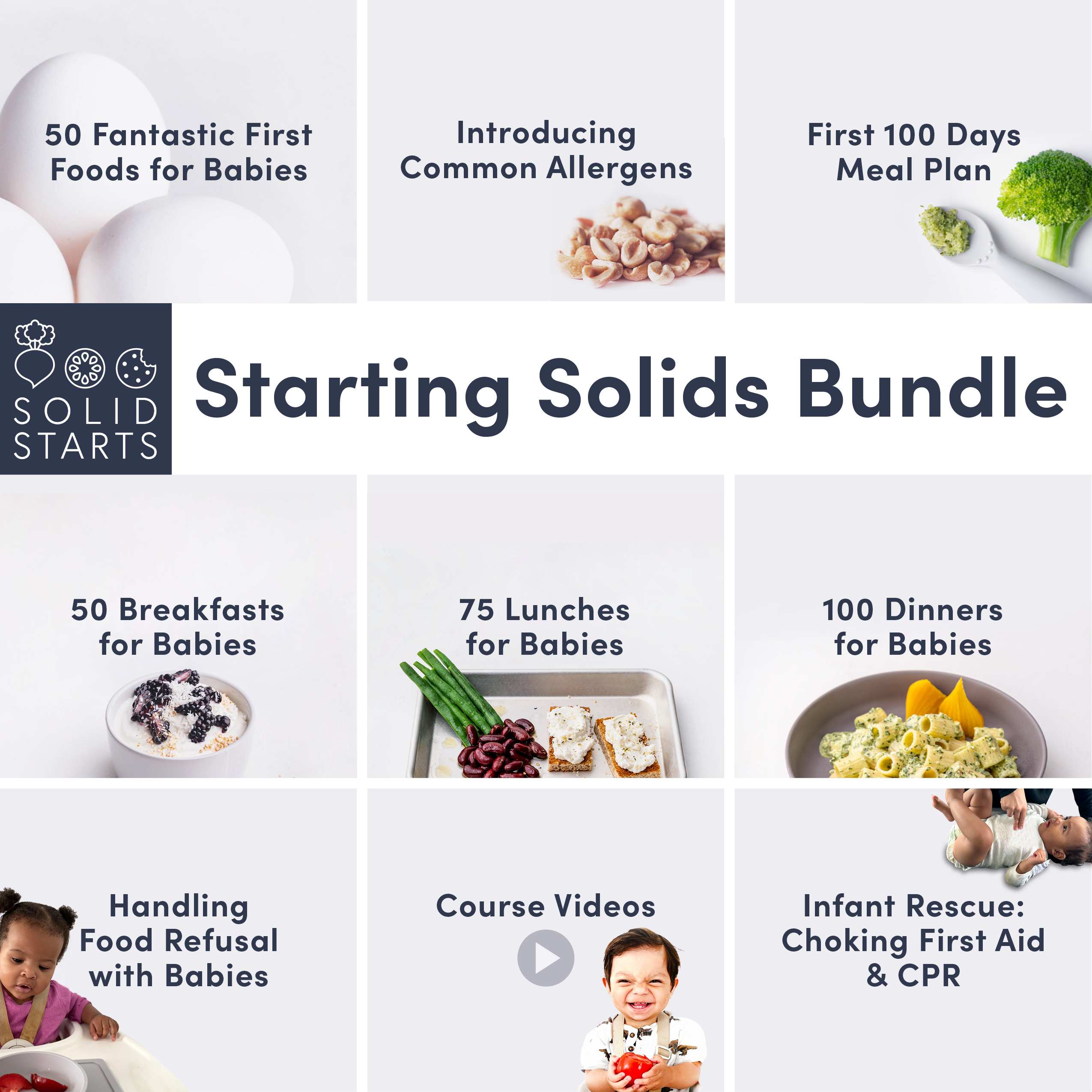
How to Introduce Solids to Baby Image: Starter kit for baby's first solid food feedings

For a visual walkthrough of the first feeding process, check out our short demo video:

Baby-Led Weaning vs. Traditional Purees: Finding the Right Fit for Your Family

There’s no one “right” way to feed your baby—both traditional spoon-feeding and baby-led weaning (BLW) have benefits, and many families use a hybrid approach. Here’s how to decide what works for you:

Traditional Spoon-Feeding (Purees)

  • Pros: Easy to control portion sizes, less mess, and simple to mix iron-rich foods like meat puree into familiar flavors. Ideal for babies who struggle with early textures or have developmental delays.
  • Cons: Can lead to a slower transition to lumpy textures, and homemade purees require extra prep time.
  • Best for: Parents who want more control over portion sizes and nutrient intake, or babies who need extra support with oral motor skills.

Baby-Led Weaning (BLW)

  • Pros: Encourages self-feeding, builds fine motor skills, and exposes babies to a wide variety of textures early. No separate prep is needed—baby can eat modified versions of family meals.
  • Cons: Significantly messier, and carries a higher choking risk if foods are not prepared to the correct soft consistency. It can also be harder to track exactly how much food your baby is eating.
  • Best for: Babies 6+ months who have strong head control, can sit unassisted, and show clear interest in self-feeding (grabbing for food off your plate, trying to put everything in their mouth).

Hybrid Approach (Most Popular)

The majority of families use a mix of both methods: offer iron-rich purees with a spoon for nutrient-dense foods, and soft finger foods (steamed broccoli florets, avocado wedges, banana strips) for baby to explore and self-feed. This balances the nutritional control of purees with the motor skill benefits of BLW.

Non-Negotiable Food Safety and Allergy Rules

Safety is the top priority during mealtime. Follow these rules to reduce choking risk and manage potential allergies:

Choking Prevention

  • Always supervise your baby during every meal, with no distractions (no TV, phones, or toys at the table).
  • Prepare foods to the correct texture: for 6–8 month olds, foods should be soft enough to mash easily between your thumb and forefinger. For 9+ month olds, soft-cooked vegetables, shredded meat, and small pasta are appropriate.
  • Avoid hard, round, or sticky foods until age 4, per AAP choking hazard guidelines. Never leave your baby unattended while eating.
  • Learn infant CPR and choking first aid: the Red Cross offers affordable in-person and online courses for parents.

Allergy Management

  • Introduce common allergens early, around 6 months, as current evidence shows this reduces long-term allergy risk.
  • Introduce one new food at a time, waiting 3–5 days between new foods to monitor for reactions.
  • Know the signs of an allergic reaction: mild signs include hives, redness around the mouth, vomiting, or diarrhea. Severe signs include trouble breathing, swelling of the face or tongue, or pale/bluish skin. If you notice severe symptoms, call emergency services immediately. For mild reactions, contact your pediatrician for guidance.

Hygiene Best Practices

  • Wash your hands and all surfaces (highchair tray, utensils, countertops) before prepping food.
  • Store homemade purees in airtight containers in the refrigerator for up to 3 days, or freeze for up to 1 month.
  • Discard any uneaten food from your baby’s plate after 1 hour—saliva from your baby’s mouth can introduce bacteria that causes foodborne illness.

Progressing Through 9–12 Months: Textures, Meals, and Milestones

By 9 months, most babies are ready for more varied textures and a more consistent meal schedule. Here’s what to expect:

  • Meal structure: Offer 3 solid meals per day, plus 1–2 small snacks as needed. Total daily milk intake will drop to 24–30 oz, down from 32+ oz at 6 months.
  • Texture progression: Move from smooth purees to lumpy mashes (mashed sweet potato with small lumps, shredded chicken), then soft finger foods (steamed carrot sticks, soft cheese cubes, small pasta, scrambled eggs). By 12 months, most babies can eat most of the same foods as the rest of the family, cut into small, soft pieces.
  • Self-feeding skills: Encourage your baby to use their hands to pick up food, and offer a soft-tipped spoon for them to practice. By 10 months, most babies will have mastered the pincer grasp (picking up small pieces of food with their thumb and forefinger). By 12 months, they can use a spoon with minimal spilling.
  • Family meals: Eat together as often as possible—babies learn by watching others eat, and shared mealtimes build positive associations with food. If you’re planning outings with your baby, adjust your schedule around adjusting outings for feeding windows to avoid feeding a fussy, overtired infant.

When shopping for store-bought baby food, take a moment to scrutinize ingredient lists to avoid added salt, sugar, or unnecessary additives like palm oil.
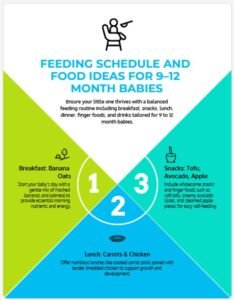
Feeding schedule and food ideas for 9–12 month babies (3) Image: Sample meal schedule for older infants exploring varied textures

Troubleshooting Common Early Feeding Hurdles

Mess, refusal, and minor digestive upsets are normal parts of the solids journey. Here’s how to handle common issues:

  • Food refusal: It’s normal for babies to need 10–15 exposures to a new food before they accept it, per AAP guidance. Don’t force them to eat—offer the food again another day, or mix it with a familiar favorite to increase acceptance.
  • Gagging vs. choking: Gagging is a normal, protective reflex that moves food to the front of the mouth to be chewed more or spit out; it is often loud and may look messy, but it is not an emergency. Choking is silent, and baby will be unable to cough, cry, or breathe—this is a medical emergency, so call emergency services immediately and perform infant first aid if trained.
  • Constipation: Common when starting solids, especially with iron-fortified cereal or bananas. Offer high-fiber foods like pureed prunes, pears, or peas, and small sips of water (4–6 oz per day, per your pediatrician’s guidance) to help move things along. If constipation lasts more than 3 days, or your baby has hard, painful stools, call your pediatrician.
  • Messy eating: It’s a normal part of learning motor skills! Use a long-sleeved bib and a washable splash mat under the highchair to make cleanup easier. Avoid scolding your baby for making a mess, as it can create negative associations with mealtime.
  • Spit up: Common as babies learn to swallow thicker textures. Keep your baby upright for 20–30 minutes after feeding, and offer smaller portions more frequently to reduce reflux.

Frequently Asked Questions

Q: Can I start solids at 4 months? A: The AAP recommends waiting until at least 4 months of age to start solids, with 6 months being the ideal window for most infants. Starting before 4 months is linked to higher risk of obesity and food allergies later in childhood. Always check with your pediatrician before starting, especially if your baby was born preterm.

Q: What’s the best first food to try? A: Single-ingredient, iron-rich options are ideal: iron-fortified oat or barley cereal, pureed chicken or beef, pureed lentils, or mashed avocado are all great starter choices.

Q: Can I do baby-led weaning instead of purees? A: Yes, for babies 6+ months who have strong head control, can sit unassisted, and show interest in self-feeding. Just be sure to prepare all finger foods to a soft, mashable consistency to reduce choking risk.

Q: How do I prevent food allergies? A: Current guidance recommends introducing common allergens early, around 6 months, one at a time, and waiting 3–5 days between new allergens to monitor for reactions. Early introduction has been shown to reduce long-term allergy risk.

Q: What if my baby refuses solids? A: It’s normal for babies to reject new foods the first few times they’re offered. Don’t force them to eat—try again another day, or mix the new food with a familiar favorite to increase acceptance.

Q: How much should my baby eat when starting solids? A: Start with 1–2 teaspoons per meal, gradually increasing to 2–4 tablespoons per meal by 8 months. Remember that milk is still the primary source of nutrition until 12 months, so don’t worry if your baby only eats a small amount at first.

Q: How many solid meals should I offer per day? A: Start with 1 solid meal per day, gradually increasing to 2 meals by 7–8 months, and 3 meals plus 1–2 snacks by 9 months.

Q: When can I introduce water? A: Offer small sips of water in a sippy cup during meals starting at 6 months, to help your baby get used to drinking from a cup and prevent constipation.

Q: Do I need to buy special baby food? A: No! You can use store-bought single-ingredient purees, or make your own from family meals (just skip added salt, sugar, and choking hazards). Homemade options are often more affordable and let you control exactly what goes into your baby’s food.

Conclusion

Introducing solids to your baby is a fun, messy, and rewarding milestone that sets the foundation for lifelong healthy eating habits. The most important rules to remember: wait for clear developmental readiness rather than relying solely on age, start with iron-rich single-ingredient foods and introduce allergens early, prioritize safety by supervising all meals and learning infant first aid, and follow your baby’s cues without pressure. Every baby progresses at their own pace, so don’t stress if they refuse foods or make a mess—this is all part of the learning process.

Your next step is simple: schedule a quick check-in with your pediatrician to confirm your baby is ready for solids, then pick one iron-rich first food to try this week. For more guidance on navigating your baby’s first year, from safe sleep to on-the-go feeding hacks, explore our full library of parent-tested resources.

Palm Oil in Baby Formula Harmful or Helpful

Palm Oil in Baby Formula: Harmful or Helpful? Uncover the Truth!

Staring at a baby formula label and wondering if palm oil is a safe, healthy choice for your little one? You’re not alone. Palm oil (typically present as refined palm olein, the processed fraction of the oil) is one of the most common fat sources in mainstream infant formula, but conflicting claims about its benefits and risks leave many parents confused. This evidence-based guide breaks down the science, practical concerns, and actionable steps to help you make an informed decision that aligns with your baby’s needs and your family’s values.

Why Palm Oil Is Included in Infant Formula

Matching the Fat Profile of Breast Milk

Palm olein is added to formula primarily to replicate the palmitic acid content of human breast milk. Palmitic acid makes up 20-25% of the total fat in breast milk, and plays a critical role in supporting infant brain development, energy production, and cell membrane health. While palm olein contains the same fatty acid as breast milk, its molecular structure is positioned at the sn-1 and sn-3 positions of the triglyceride, unlike the sn-2 position found in breast milk fat — a difference that impacts digestibility for some infants. You can also read our guide on top tips for confident public breastfeeding.

Practical Manufacturing Benefits

Beyond nutritional mimicry, palm olein is a cost-effective, shelf-stable fat source that helps formula maintain a consistent, creamy texture across batches. Its low oxidative stability also extends product shelf life, reducing food waste and keeping formula prices accessible for families on tight budgets. For manufacturers, it is also widely available and easy to source at scale, making it a staple in standard formula blends.

Graphic explaining why palm oil is used in baby formula Palm oil is primarily added to formula to match the palmitic acid profile of breast milk.

Illustration of refined palm olein processing for baby formula Refined palm olein, the form used in most baby formulas, is extracted from the fruit of oil palm trees and processed to remove impurities for infant use.
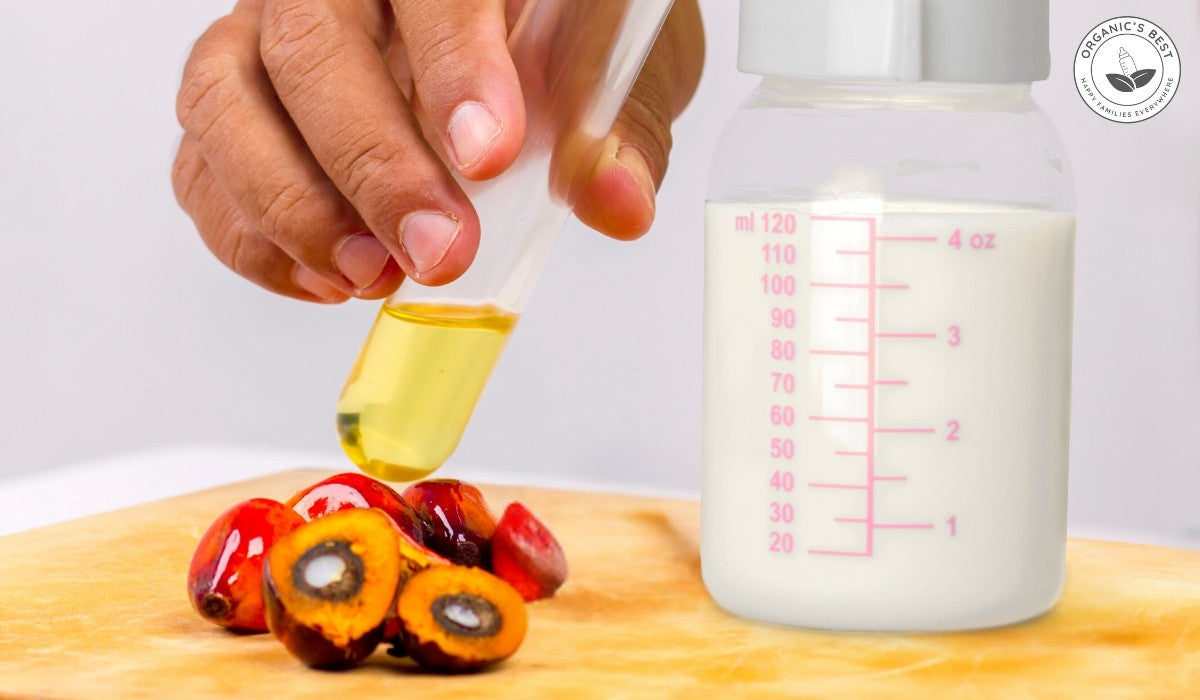
Nutritional Breakdown of Palm Oil for Infants

Fatty Acid Composition

Refined palm olein has a distinct fatty acid profile that aligns partially with breast milk fat:

Fatty Acid Percentage of Total Fat in Palm Olein Role in Infant Development
Palmitic acid 44% Supports brain development, energy production, and bone health
Oleic acid 39% Aids in nutrient absorption and supports immune function
Linoleic acid (omega-6) 10% Critical for skin health and growth
While the fatty acid profile is similar to breast milk, the structural difference in palmitic acid positioning is the core of most digestive concerns linked to palm oil in formula. You can also read our guide on how many cloth diapers baby use year guide.

Micronutrient Content

Palm olein is a natural source of several micronutrients that support infant health:

  • Vitamin E (tocopherols): A fat-soluble antioxidant that supports immune function and protects cell membranes from damage
  • Beta-carotene: A precursor to vitamin A, which is essential for healthy vision, skin, and immune system development
  • Coenzyme Q10 (CoQ10): Supports cellular energy production, which is critical for rapidly growing infants These micronutrients are retained in refined palm olein used for formula, adding small but meaningful nutritional value to the final product.

Infographic covering palm oil facts for baby formula This infographic summarizes key safety and nutritional facts about palm oil in infant formula.

Evidence-Based Benefits of Palm Oil in Formula

Supports Growth and Brain Development

The palmitic acid in palm olein provides a critical energy source for infants, and supports the development of the central nervous system. For families who cannot or choose not to breastfeed, palm oil-containing formulas offer a way to deliver this key nutrient in a form that is well-tolerated by most infants. You can also read our guide on how to stop baby snack feeding breastfeeding.

Improves Formula Affordability and Accessibility

Palm olein is one of the most affordable vegetable fat sources available, which keeps the cost of standard infant formula lower than premium blends that use exotic fat blends. For households managing recurring baby costs, this cost difference can add up to hundreds of dollars per year, making adequate nutrition accessible for low- and middle-income families.

Enhances Formula Stability and Texture

Palm olein’s natural stability prevents formula from going rancid quickly, and creates a smooth, creamy texture that many infants find palatable. This reduces feeding refusal and helps balancing feeding routines for parents navigating bottle and breast combination feeds. You can also read our guide on how many socks for baby guide.

Content infant drinking formula containing palm oil Many babies tolerate palm oil in formula without any adverse effects.
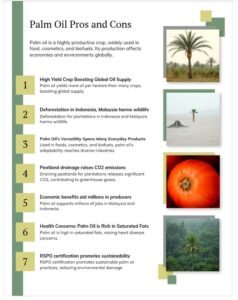
Documented Risks and Potential Downsides

Digestive Discomfort and Constipation

The most widely reported side effect of palm olein in formula is harder, less frequent stools. When palmitic acid from palm olein binds with calcium in the infant gut, it forms insoluble calcium soaps that are not easily absorbed. These soaps increase stool firmness, which can lead to constipation, excessive gas, and discomfort during bowel movements, particularly for infants with immature digestive systems or a family history of constipation.

Reduced Calcium Absorption Concerns

Early research suggested that calcium soap formation could reduce overall calcium absorption, potentially impacting bone density over time. However, more recent clinical data indicates that this effect is minimal for infants consuming a balanced diet with adequate calcium intake from other formula components. That said, infants with existing calcium deficiencies or those on restricted diets may be at higher risk for reduced absorption. You can also read our guide on how many cloth diapers baby need guide for parent.

Rare Allergy Risk

While true palm oil allergy is extremely rare, some infants may experience mild sensitivities, including skin rashes or digestive upset, after consuming formula with palm olein. These reactions are almost always mild and resolve quickly after switching to a palm oil-free formula.

Side-by-side comparison of palm oil benefits and risks for infants Key pros and cons of palm oil as a formula fat source for parents to weigh.

How Palm Oil Compares to Common Formula Fat Sources

Most infant formulas use a blend of vegetable oils to optimize fatty acid profile and digestibility. Below is a comparison of the most common fat sources used as alternatives or complements to palm olein:

Oil Type Primary Fat Content Key Benefits Common Drawbacks Typical Use Case
Refined Palm Olein 50% saturated fat (mostly palmitic acid) Mimics breast milk palmitic acid, low cost, long shelf life May form calcium soaps, linked to harder stools in some infants Standard in many mainstream, affordable formulas
Soybean Oil 50% polyunsaturated fat (omega-3 and omega-6) Supports brain development, widely available Common allergen, lower saturated fat content than palm olein Common in plant-based and sensitive infant formulas
Coconut Oil 90% saturated fat (mostly lauric acid) Easy to digest, supports immune function Very high saturated fat content, may be too rich for some infants Often used in goat milk and hypoallergenic formulas
Sunflower/Safflower Oil 70% polyunsaturated fat High in vitamin E, low allergen risk Lower overall fat density, may require blending with other oils Common in premium, palm oil-free blends
Clinical observations from pediatric feeding specialists consistently note that infants who experience persistent constipation on palm olein-containing formulas often see improvement within 3-5 days of switching to a blend that uses coconut or sunflower oil as the primary fat source. You can also read our guide on how many cloth diapers should a baby have.

Current Regulatory and Safety Guidance (2026)

U.S. and Global Regulatory Standards

All infant formula sold in the U.S. must meet strict federal infant formula safety standards set by the FDA, which include requirements for total fat content, fatty acid composition, and ingredient purity for added fats like palm olein. As of 2026, updated FDA labeling rules require manufacturers to clearly list the specific type of added fat (e.g., "refined palm olein" rather than generic "vegetable oil") on formula packaging to improve transparency for parents. In the EU, EFSA’s 2025 risk assessment reaffirmed that refined palm olein is safe for use in infant formula at levels aligned with nutrient requirements, but recommends that parents monitor stool patterns for the first 2 weeks after introducing a new formula containing palm olein. You can also read our guide on BestBabyCart.com.

Expert Consensus on Safety

Major global health bodies, including the World Health Organization (WHO) and the American Academy of Pediatrics (AAP), classify refined palm olein as a safe ingredient for infant formula when used within regulated limits. There is no evidence to suggest that palm olein causes long-term harm to healthy infants, though it may cause temporary digestive discomfort for a subset of babies.

Environmental and Ethical Considerations

Beyond individual infant health, palm oil production has significant environmental impacts that many eco-conscious families consider when choosing formula.

Deforestation and Biodiversity Impact

Palm oil is one of the most widely produced vegetable oils globally, with most cultivation concentrated in Indonesia and Malaysia. Unsustainable palm farming is a leading driver of tropical deforestation, which destroys critical habitat for endangered species like orangutans, Sumatran tigers, and pygmy elephants. It also contributes to carbon emissions and disrupts the livelihoods of indigenous communities that rely on forest ecosystems.

Sustainable Palm Oil Certification Options

To reduce these impacts, many formula manufacturers now use palm olein certified by the Roundtable on Sustainable Palm Oil (RSPO), which sets independent standards for reducing deforestation, protecting biodiversity, and supporting fair labor practices in palm production. RSPO-certified palm olein is traceable from farm to final product, giving parents confidence that their formula choice aligns with their environmental values.

Signs Your Baby May Be Sensitive to Palm Oil

Most infants tolerate palm olein in formula without any issues, but a subset of babies may experience sensitivity. Watch for these signs, especially in the first 2 weeks after introducing a new formula:

Digestive Red Flags to Watch For

  • Hard, pellet-like stools less than once per day, or visible straining during bowel movements
  • Excessive fussiness or crying for 3+ hours daily, especially in the 30 minutes after feeding
  • Increased gas or bloating, often accompanied by a tense, hard belly
  • Slow weight gain or reduced feeding volume, which may indicate poor nutrient absorption

When to Consult Your Pediatrician

If you notice persistent symptoms for more than 5 days, contact your pediatrician before switching formulas. They can rule out other causes of digestive discomfort, such as milk protein allergy or reflux, and recommend a suitable alternative if needed. For infants with a family history of constipation or digestive conditions, it may be worth discussing palm oil-free formula options with your provider before introducing a new formula.

Popular Palm Oil-Free Formula Alternatives

If you decide to avoid palm olein in your baby’s formula, many reputable brands offer palm oil-free blends that use alternative fat sources to support digestion:

  • HiPP Organic: Uses a blend of coconut, sunflower, and rapeseed oils, with no added palm olein, and is widely available in Europe and via international importers
  • Holle Organic: A goat milk-based formula that uses coconut and sunflower oils, ideal for infants with cow milk sensitivity
  • Bobbie: A U.S.-based brand that uses a sunflower and safflower oil blend, designed to be gentle on immature digestive systems
  • Earth's Best Organic: A widely available affordable option that uses a blend of soybean and coconut oils, with no added palm olein Note that palm oil-free formulas are often 10-20% more expensive than standard palm olein-containing blends, due to the higher cost of alternative fat sources.

How to Choose the Right Formula for Your Family

There is no one-size-fits-all answer when it comes to palm oil in formula. Follow these steps to make a choice that works for your baby and your family:

  1. Consult your pediatrician first: Discuss your baby’s health history, including any family history of constipation, allergies, or digestive conditions, to get personalized guidance.
  2. Read formula labels carefully: Look for explicit ingredient disclosures: if palm olein is listed, check for RSPO certification if environmental impact is a priority. If you prefer a palm oil-free option, confirm that the label states "no added palm oil" rather than generic "vegetable oil."
  3. Test for tolerance: Introduce a new formula gradually, mixing it with your baby’s current formula for 3-5 days to monitor for signs of sensitivity. Use the quick checklist below to track symptoms:

    Quick Palm Oil Sensitivity Checklist

    Track these signs for 7-10 days after introducing a new formula:
    • Hard, pellet-like stools less than once per day
    • Excessive fussiness or crying for 3+ hours daily, especially after feeds
    • Visible straining during bowel movements
    • Slower than expected weight gain (track at regular pediatric checkups)
  4. Balance priorities: If affordability is your top priority, a standard palm olein-containing formula is a safe, nutritionally adequate choice for most infants. If digestive sensitivity or environmental impact is a higher priority, a certified sustainable or palm oil-free blend may be a better fit. As you make small, intentional baby care choices across all areas of infant care, prioritize options that align with your family’s unique needs and values. For families evaluating practical baby product decisions across feeding, sleep, and play, formula selection is just one piece of the larger puzzle of supporting your baby’s well-being.

Parent reading infant formula label to check fat ingredient list Checking the ingredient label for fat sources is the first step to identifying palm oil content.

Frequently Asked Questions

What is palm oil in baby formula?

Palm oil in baby formula is almost always present as refined palm olein, a processed vegetable fat derived from the fruit of oil palm trees. It is added to mimic the palmitic acid profile of breast milk.

Is palm oil in baby formula safe?

Yes, refined palm olein is classified as safe for infant consumption by the FDA, WHO, and EFSA when used within regulated limits. It may cause temporary digestive discomfort for a small subset of infants, but does not pose long-term health risks for healthy babies.

Can palm oil cause constipation in babies?

Palm olein can cause harder stools and constipation in some infants, due to the formation of insoluble calcium soaps in the gut. If your baby experiences persistent constipation after starting a palm oil-containing formula, consult your pediatrician about switching to a palm oil-free blend.

Are there palm oil-free baby formulas?

Yes, many brands offer palm oil-free formulas, including HiPP Organic, Holle Organic, Bobbie, and Earth's Best Organic, which use alternative fat blends like coconut, sunflower, and safflower oils.

How can I tell if my baby is reacting badly to palm oil?

Watch for hard stools, excessive fussiness after feeds, straining during bowel movements, or slow weight gain. If symptoms persist for more than 5 days, contact your pediatrician to rule out other causes.

Is palm oil in formula bad for the environment?

Unsustainably produced palm oil is a leading driver of tropical deforestation, which harms biodiversity and contributes to climate change. Choosing RSPO-certified sustainable palm oil or palm oil-free formulas can reduce this impact.

Should I avoid palm oil due to environmental concerns?

If environmental impact is a priority for your family, opt for RSPO-certified formulas or palm oil-free blends. For many families, the environmental impact of a single formula choice is small compared to other sustainability actions, but every choice adds up.

What are the most common alternatives to palm oil in formula?

The most common alternatives are soybean oil, coconut oil, sunflower oil, and safflower oil, often blended to optimize fatty acid profile and digestibility.

Final Verdict: Harmful, Helpful, or Something In Between?

Palm oil in baby formula is not inherently harmful or universally helpful — it is a nuanced ingredient with clear tradeoffs that vary by infant and family priorities. For most healthy infants, refined palm olein is a safe, affordable, and nutritionally beneficial fat source that supports growth and development. For a subset of babies with sensitive digestive systems, it may cause temporary constipation or discomfort that resolves with a formula switch. For eco-conscious families, unsustainably produced palm oil carries significant environmental costs, but RSPO-certified options mitigate this impact. The best choice for your family depends on your baby’s unique needs, your budget, and your values. Track your baby’s response to any new formula, consult your pediatrician for personalized guidance, and don’t hesitate to switch products if you notice adverse symptoms. For more evidence-based guidance on infant feeding and care, explore our full library of practical baby care resources to support every step of your parenting journey. To ensure your baby’s overall well-being as you refine their feeding routine, our safe sleep setup basics walk you through creating a restful, hazard-free sleep space that supports healthy development. For parents balancing multiple early-year priorities, our guides to selecting age-appropriate feeding gear and annual baby supply planning simplify the logistical side of parenting, so you can spend more time focusing on what matters most. For parents navigating the ups and downs of early infant schedules, our guide to managing outings around your baby’s sleep window offers practical tips to keep routines intact without sacrificing your own plans. And when it comes to keeping your little one comfortable in all conditions, our breakdown of seasonal baby dressing essentials takes the guesswork out of layering for every temperature. By combining informed feeding choices with these small, practical adjustments, you can build a low-stress routine that supports your baby’s health, happiness, and comfort every single day.

How to Stop Baby Snack Feeding Breastfeeding

How to Stop Baby Snack Feeding Breastfeeding: A Gentle Guide for Parents

If you’re reading this, you’re likely caught in the cycle of short, frequent breastfeeding sessions that leave you exhausted, with barely a moment to tend to your own needs. Snack feeding — where your baby nurses for just a few minutes at a time, often for comfort rather than hunger — is an extremely common phase for new families, and it is not a reflection of your parenting or breastfeeding success. With patience, small consistent adjustments, and an empathetic approach, you can gently guide your baby toward longer, more satisfying feeds without sacrificing the emotional bond that makes breastfeeding so special. This guide aligns with current recommendations from leading pediatric and lactation organizations, and offers actionable, low-pressure steps tailored to babies 3 months and older, when snack feeding typically shifts from a normal newborn need to a patterned habit.

What Is Baby Snack Feeding During Breastfeeding?

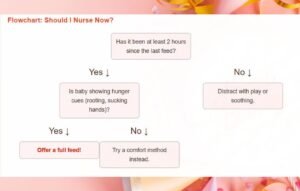
Snack feeding (sometimes called "grazing" or "comfort nursing") is defined as breastfeeding sessions that last 5 minutes or less, occur less than 2 hours apart for babies older than 3 months, and are not preceded by typical hunger cues. It is distinct from normal newborn feeding: newborns have tiny stomachs (roughly the size of a cherry at birth, expanding to a walnut by 2 weeks) and need to feed 8–12 times per day, so frequent short feeds are developmentally appropriate for the first 8–12 weeks. For babies past this stage, however, snack feeding often becomes a habit tied to comfort, routine, or inefficient milk transfer, rather than nutritional need.

Why Do Babies Snack Feed?

Understanding the root cause of your baby’s snacking will help you choose the most effective, gentle solution for your family.

Comfort and Emotional Soothing

Breastfeeding releases oxytocin for both you and your baby, making it a powerful calming tool. Babies often turn to nursing when they are overtired, overstimulated, teething, or navigating a routine change (like starting daycare or a family move). These short, frequent sessions act as a built-in pacifier, and are a normal part of attachment in the early months. For many babies, snack feeding peaks around 4–6 months, when separation anxiety first begins to emerge.

Growth Spurts and Increased Hunger

It is normal for babies to increase their feeding frequency temporarily during growth spurts, which most commonly occur around 3 weeks, 6 weeks, 3 months, 6 months, and 9 months. During these 3–5 day periods, your baby may nurse more often to boost your milk supply to meet their growing needs. Snack feeding becomes a problem only when this pattern persists long after the growth spurt ends, or when it replaces full, nutrient-dense feeds.

Distraction and Overstimulation

As babies gain mobility and awareness between 4–7 months, they become far more curious about their surroundings. A loud noise, a passing pet, or even a bright window can pull them away from the breast mid-feed, turning a full meal into a 2-minute snack. This is especially common during daytime feeds, when the world is full of new stimuli.

Inefficient Milk Transfer or Supply Imbalances

If your baby has a shallow latch, tongue tie, or you have an oversupply of milk, they may not be able to extract milk effectively in a short session to feel full. Oversupply can also cause a fast, forceful let-down that overwhelms your baby, leading them to pull off the breast after a few minutes, then get hungry again quickly. Conversely, low supply can make babies fuss at the breast after a short feed, as they are not getting enough calories to sustain them.

Habitual Grazing

If your baby is used to having access to the breast 24/7, they may learn to snack out of boredom or routine, rather than hunger. This is especially common for parents who practice on-demand feeding without any gentle structure as babies get older.

Baby fussing during a short breastfeeding session, common sign of snack feeding Short, frequent feeds often stem from comfort seeking, growth spurts, or overstimulation
When Is Snack Feeding Normal (and When It’s Time to Adjust)

Snack feeding is completely normal and developmentally appropriate for babies under 3 months old, who have small stomachs and need frequent feeds to support rapid growth and establish your milk supply. Per CDC breastfeeding recommendations for infants 0–12 months, on-demand feeding is the gold standard for the first 3 months of life, and parents should not restrict feeding frequency during this period.

After 3 months, however, you may notice signs that snack feeding has become a habit rather than a nutritional need. Common red flags include:

  • Your baby consistently feeds for less than 5 minutes per side, and asks to nurse again less than 90 minutes later
  • You feel chronic exhaustion, resentment, or overwhelmed by the constant feeding demands
  • Your baby’s weight gain slows or plateaus, or they seem fussy and unsatisfied after most feeds
  • You are ready to introduce solids or a more predictable routine to support your baby’s developing sleep schedule
  • You are returning to work and need to establish a more structured pumping and feeding routine

If you notice these signs, gentle adjustments can help your baby transition to longer, more satisfying feeds without ending breastfeeding entirely.

Checklist of signs that baby snack feeding is no longer a normal phase These red flags indicate it may be time to gently adjust feeding patterns
8 Gentle, Evidence-Aligned Steps to Reduce Snack Feeding

These steps are designed to be low-pressure and gradual, ensuring your baby feels loved and secure throughout the transition.

Step 1: Track Feeding Patterns for 3–5 Days

Before making any changes, log your baby’s feeds to identify patterns. Note the start and end time of each session, how long they feed per side, any fussiness before or after feeding, and whether they seemed hungry (rooting, smacking lips) or seeking comfort (fussing without hunger cues, drifting to sleep while nursing). Many parents find that snack feeding clusters around specific times, like before naps, during evening witching hours, or when they are using their phone during feeds. If you’re planning to adjust your daily routine to accommodate feeding changes, our guide to planning outings around nap schedules can help you avoid disruptions during the transition.

Step 2: Optimize Your Feeding Environment for Focus

Create a calm, low-stimulation space for daytime feeds to minimize distractions. Dim bright lights, turn off the TV and phone notifications, and sit in a quiet corner away from high-traffic areas of your home. If your baby is easily distracted, try using a nursing cover for the first few minutes of the feed to help them focus. For younger babies, skin-to-skin contact during feeds can improve latch and milk transfer, reducing the need for frequent top-ups. Keep your baby’s feeding area free of loose, unsafe items, following safe crib guidelines to ensure the space is calm and hazard-free.

Step 3: Master Hunger and Comfort Cue Recognition

One of the most common mistakes parents make is offering the breast at the first sign of fussiness, which can reinforce snacking for comfort. Per American Academy of Pediatrics guidance on infant feeding cues, early hunger cues include rooting, smacking lips, sucking on hands or clothing, and quiet fussing. Late hunger cues are more intense, with crying and agitated movement. Comfort cues, by contrast, often appear after your baby’s basic needs are met (clean diaper, adequate rest, no signs of illness): they may reach for you, fuss quietly, or seek the breast when they are not showing early hunger signs. If you notice comfort cues, try alternative soothing methods first before offering the breast.

Step 4: Offer Alternative Comfort Methods

If your baby is snack feeding for comfort, gradually introduce other soothing tools to replace nursing as their default go-to. For babies under 6 months, this can include cuddling, gentle rocking, white noise, or a pacifier (introduced after 3–4 weeks to avoid nipple confusion, per AAP guidelines). For older babies, offer a favorite teething toy, a short play session, or a walk in the stroller to distract them from seeking the breast. If you are heading out for errands during this transition, dress your baby appropriately for the weather using age-appropriate outerwear guidelines to keep them comfortable during distraction walks.

Step 5: Gradually Stretch Feeding Intervals

Rather than cutting out snack feeds cold turkey, gradually increase the time between sessions to help your baby adjust to longer stretches without eating. For example, if your baby currently snacks every 60 minutes, stretch to 75 minutes for 2–3 days, then 90 minutes, and so on, until you reach your target interval (usually 2.5–3 hours for babies 4–6 months, 3–4 hours for babies 6+ months). If your baby fusses before the next scheduled feed, offer a distraction first: a quick stroller walk, a peek-a-boo game, or a cuddle with a favorite toy. If you need to fold your stroller for storage after a walk, our easy stroller folding tips make the process quick and hassle-free.

Step 6: Check Latch and Milk Transfer

Inefficient milk transfer is a root cause of snack feeding for many families, yet it is often overlooked. A shallow latch means your baby cannot extract milk effectively, leading them to pull off the breast after a few minutes, then get hungry again quickly. To check your latch: your baby’s chin should be pressed into your breast, their nose should be free to breathe, and you should not feel sharp pain during feeding (mild tenderness is normal in the first few weeks, but persistent pain is a sign of poor latch). If you are struggling with latch issues, a certified International Board Certified Lactation Consultant (IBCLC) can provide hands-on support to improve milk transfer. For babies over 3 months, a fast let-down can also cause them to pull off the breast; try expressing a small amount of milk before feeding to slow the flow, or try laid-back breastfeeding positions where your baby controls the pace of feeding.

Step 7: Introduce Solids Strategically (For Babies 6+ Months)

For babies who are developmentally ready for solids (usually around 6 months, when they can sit unsupported, have lost their tongue-thrust reflex, and show interest in food), offering small, nutrient-dense meals before breastfeeding can reduce snacking by keeping them full longer. Start with iron-rich foods like pureed meat, lentils, or fortified oatmeal, and offer 1–2 meals per day at first, gradually increasing as your baby shows interest. Per current AAP guidelines, breastmilk or formula should remain the primary source of nutrition for the first year, so offer a full breastfeed after solids rather than before, to ensure your baby is still getting enough calories. When starting solids, having age-appropriate, easy-to-grip plates on hand can make mealtime less stressful, and our baby plate buying guide helps you pick durable, safe options for new eaters.

Step 8: Be Flexible During Setbacks

Snack feeding often worsens temporarily during teething, illness, or travel, and that is completely normal. Rather than pushing through a stressful phase, offer extra comfort feeds as needed, then gently return to your routine once the phase passes. In practice, most families see the biggest long-term success when they focus on one or two changes at a time, rather than overhauling their entire feeding and sleep routine at once. It can take 2–4 weeks for your baby to adjust to new feeding patterns, so consistency without rigidity is key.

Common Challenges and How to Navigate Them

Transitioning away from snack feeding is not always linear, and setbacks are a normal part of the process.

Fussiness When Delaying Feeds

It is normal for your baby to fuss or cry when you first start stretching feeding intervals, especially if they are used to snacking on demand. Stay calm, and offer a distraction first: a favorite toy, a walk outside, or a cuddle with a partner or caregiver. If the fussing persists for more than 10 minutes, offer a partial feed to ensure they are not truly hungry, then try again at the next scheduled interval. Avoid feeding on demand during these transitions, as it will reinforce the snack feeding habit.

Engorgement or Temporary Supply Dips

As your baby takes fewer, longer feeds, your milk supply will adjust to match their new intake. You may experience mild engorgement for the first 3–5 days, which you can relieve by expressing a small amount of milk by hand or with a pump, or by using a warm compress before feeds. Temporary supply dips are also common, but your body will regulate to your baby’s new feeding pattern within 1–2 weeks. If you are concerned about low supply, track your baby’s wet and dirty diapers (6+ wet diapers per day is a sign they are getting enough milk) and their weight gain at pediatric checkups.

Reverting to Snack Feeding During Developmental Leaps

Teething, growth spurts, illness, and travel can all cause temporary setbacks in your feeding routine. This is not a failure, and you do not need to start the transition process over from scratch. Offer extra comfort feeds as needed during these periods, then gently return to your structured routine once your baby is feeling better.

Parent holding baby, wondering if the short feed is hunger or comfort seeking Learning to distinguish hunger and comfort cues is a key step in reducing snack feeding

Emotional Support for Parents

Transitioning away from snack feeding can bring up a mix of emotions, from relief at having more free time, to guilt or sadness at losing a primary soothing tool. It is normal to grieve the end of this phase of breastfeeding, even if you are ready for change. Remember: reducing snack feeding does not mean you are weaning, or that you are taking away your baby’s comfort — you are teaching them new, sustainable ways to feel secure, while protecting your own well-being.

Let Go of Perfection

There will be days where everything goes off track, and that is okay. Breastfeeding is not a performance, and there is no "perfect" way to navigate this transition. If you need to offer an extra comfort feed on a hard day, that does not mean you have failed.

Build a Support System

Talk to other parents who have gone through this transition, or connect with a lactation consultant or postpartum support group if you are struggling with feelings of guilt or burnout. At BestBabyCart.com, we host a free community of parents sharing tips and support for all stages of infant care.

Celebrate Small Wins

Every time your baby takes a full 15-minute feed, or goes 2 hours without snacking, celebrate that win. Treat yourself to a favorite snack, a short walk alone, or 30 minutes of uninterrupted time doing something you love. This transition is as much about your well-being as it is about your baby’s.

Frequently Asked Questions

Is snack feeding bad for my baby?

No, snack feeding is not inherently harmful, especially for babies under 3 months old, when frequent feeds are necessary to support growth and establish milk supply. It only becomes a problem when it persists past 4–6 months, leads to poor weight gain, or causes significant burnout for parents.

How long should a full breastfeeding session last?

For babies 1–6 months old, most full feeds last 10–25 minutes total (5–12 minutes per side), depending on your baby’s age, efficiency, and your milk supply. Sessions shorter than 5 minutes per side for babies older than 3 months often indicate snack feeding.

Can I reduce snack feeding without weaning completely?

Absolutely. Reducing snack feeding encourages longer, more structured feeds while allowing you to continue breastfeeding for as long as you and your baby want. Many parents see improvement in 2–4 weeks with consistent, gentle adjustments.

What if my baby cries when I delay a feed?

Fussing is a normal part of the transition, as your baby learns new feeding patterns. First, check that they are not truly hungry by looking for early hunger cues. If they are seeking comfort, offer a pacifier, cuddle, or distraction before offering the breast. If crying persists for more than 15 minutes, offer a partial feed to ensure their needs are met.

Will reducing snack feeding lower my milk supply long-term?

No. Your milk supply is based on supply and demand, so as your baby takes longer, more full feeds, your body will adjust to produce the amount of milk they need. You may experience mild engorgement or a temporary dip in the first 1–2 weeks, but your supply will stabilize once your baby’s routine is consistent.

Can I do this if I am combo feeding?

Yes. The same steps apply for combo feeding families: track feeds, optimize latch, offer full feeds at each session, and use formula or pumped milk to fill gaps between feeds if needed, rather than offering small amounts frequently.

Final Notes

Transitioning away from baby snack feeding is a gradual process that requires patience, empathy, and flexibility — for both you and your baby. There is no one-size-fits-all timeline, and what works for one family may not work for another. The most important thing is to prioritize your well-being alongside your baby’s nutritional and emotional needs. If you are struggling with persistent low supply, poor latch, or significant burnout, reach out to a certified IBCLC or your pediatrician for personalized support.

For more evidence-aligned guidance on infant feeding, sleep, daily care, and developmental milestones, explore our full library of parenting resources at BestBabyCart.com. You are doing a wonderful job, and this transition is just one small step in your parenting journey.