

If you’re reading this, you’re likely caught in the cycle of short, frequent breastfeeding sessions that leave you exhausted, with barely a moment to tend to your own needs. Snack feeding — where your baby nurses for just a few minutes at a time, often for comfort rather than hunger — is an extremely common phase for new families, and it is not a reflection of your parenting or breastfeeding success. With patience, small consistent adjustments, and an empathetic approach, you can gently guide your baby toward longer, more satisfying feeds without sacrificing the emotional bond that makes breastfeeding so special. This guide aligns with current recommendations from leading pediatric and lactation organizations, and offers actionable, low-pressure steps tailored to babies 3 months and older, when snack feeding typically shifts from a normal newborn need to a patterned habit.
What Is Baby Snack Feeding During Breastfeeding?
Snack feeding (sometimes called "grazing" or "comfort nursing") is defined as breastfeeding sessions that last 5 minutes or less, occur less than 2 hours apart for babies older than 3 months, and are not preceded by typical hunger cues. It is distinct from normal newborn feeding: newborns have tiny stomachs (roughly the size of a cherry at birth, expanding to a walnut by 2 weeks) and need to feed 8–12 times per day, so frequent short feeds are developmentally appropriate for the first 8–12 weeks. For babies past this stage, however, snack feeding often becomes a habit tied to comfort, routine, or inefficient milk transfer, rather than nutritional need.
Why Do Babies Snack Feed?
Understanding the root cause of your baby’s snacking will help you choose the most effective, gentle solution for your family.
Comfort and Emotional Soothing
Breastfeeding releases oxytocin for both you and your baby, making it a powerful calming tool. Babies often turn to nursing when they are overtired, overstimulated, teething, or navigating a routine change (like starting daycare or a family move). These short, frequent sessions act as a built-in pacifier, and are a normal part of attachment in the early months. For many babies, snack feeding peaks around 4–6 months, when separation anxiety first begins to emerge.
Growth Spurts and Increased Hunger
It is normal for babies to increase their feeding frequency temporarily during growth spurts, which most commonly occur around 3 weeks, 6 weeks, 3 months, 6 months, and 9 months. During these 3–5 day periods, your baby may nurse more often to boost your milk supply to meet their growing needs. Snack feeding becomes a problem only when this pattern persists long after the growth spurt ends, or when it replaces full, nutrient-dense feeds.
Distraction and Overstimulation
As babies gain mobility and awareness between 4–7 months, they become far more curious about their surroundings. A loud noise, a passing pet, or even a bright window can pull them away from the breast mid-feed, turning a full meal into a 2-minute snack. This is especially common during daytime feeds, when the world is full of new stimuli.
Inefficient Milk Transfer or Supply Imbalances
If your baby has a shallow latch, tongue tie, or you have an oversupply of milk, they may not be able to extract milk effectively in a short session to feel full. Oversupply can also cause a fast, forceful let-down that overwhelms your baby, leading them to pull off the breast after a few minutes, then get hungry again quickly. Conversely, low supply can make babies fuss at the breast after a short feed, as they are not getting enough calories to sustain them.
Habitual Grazing
If your baby is used to having access to the breast 24/7, they may learn to snack out of boredom or routine, rather than hunger. This is especially common for parents who practice on-demand feeding without any gentle structure as babies get older.
 Short, frequent feeds often stem from comfort seeking, growth spurts, or overstimulation
When Is Snack Feeding Normal (and When It’s Time to Adjust)
Snack feeding is completely normal and developmentally appropriate for babies under 3 months old, who have small stomachs and need frequent feeds to support rapid growth and establish your milk supply. Per CDC breastfeeding recommendations for infants 0–12 months, on-demand feeding is the gold standard for the first 3 months of life, and parents should not restrict feeding frequency during this period.
After 3 months, however, you may notice signs that snack feeding has become a habit rather than a nutritional need. Common red flags include:
- Your baby consistently feeds for less than 5 minutes per side, and asks to nurse again less than 90 minutes later
- You feel chronic exhaustion, resentment, or overwhelmed by the constant feeding demands
- Your baby’s weight gain slows or plateaus, or they seem fussy and unsatisfied after most feeds
- You are ready to introduce solids or a more predictable routine to support your baby’s developing sleep schedule
- You are returning to work and need to establish a more structured pumping and feeding routine
If you notice these signs, gentle adjustments can help your baby transition to longer, more satisfying feeds without ending breastfeeding entirely.
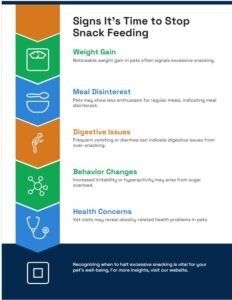 These red flags indicate it may be time to gently adjust feeding patterns
8 Gentle, Evidence-Aligned Steps to Reduce Snack Feeding
These steps are designed to be low-pressure and gradual, ensuring your baby feels loved and secure throughout the transition.
Step 1: Track Feeding Patterns for 3–5 Days
Before making any changes, log your baby’s feeds to identify patterns. Note the start and end time of each session, how long they feed per side, any fussiness before or after feeding, and whether they seemed hungry (rooting, smacking lips) or seeking comfort (fussing without hunger cues, drifting to sleep while nursing). Many parents find that snack feeding clusters around specific times, like before naps, during evening witching hours, or when they are using their phone during feeds. If you’re planning to adjust your daily routine to accommodate feeding changes, our guide to planning outings around nap schedules can help you avoid disruptions during the transition.
Step 2: Optimize Your Feeding Environment for Focus
Create a calm, low-stimulation space for daytime feeds to minimize distractions. Dim bright lights, turn off the TV and phone notifications, and sit in a quiet corner away from high-traffic areas of your home. If your baby is easily distracted, try using a nursing cover for the first few minutes of the feed to help them focus. For younger babies, skin-to-skin contact during feeds can improve latch and milk transfer, reducing the need for frequent top-ups. Keep your baby’s feeding area free of loose, unsafe items, following safe crib guidelines to ensure the space is calm and hazard-free.
Step 3: Master Hunger and Comfort Cue Recognition
One of the most common mistakes parents make is offering the breast at the first sign of fussiness, which can reinforce snacking for comfort. Per American Academy of Pediatrics guidance on infant feeding cues, early hunger cues include rooting, smacking lips, sucking on hands or clothing, and quiet fussing. Late hunger cues are more intense, with crying and agitated movement. Comfort cues, by contrast, often appear after your baby’s basic needs are met (clean diaper, adequate rest, no signs of illness): they may reach for you, fuss quietly, or seek the breast when they are not showing early hunger signs. If you notice comfort cues, try alternative soothing methods first before offering the breast.
Step 4: Offer Alternative Comfort Methods
If your baby is snack feeding for comfort, gradually introduce other soothing tools to replace nursing as their default go-to. For babies under 6 months, this can include cuddling, gentle rocking, white noise, or a pacifier (introduced after 3–4 weeks to avoid nipple confusion, per AAP guidelines). For older babies, offer a favorite teething toy, a short play session, or a walk in the stroller to distract them from seeking the breast. If you are heading out for errands during this transition, dress your baby appropriately for the weather using age-appropriate outerwear guidelines to keep them comfortable during distraction walks.
Step 5: Gradually Stretch Feeding Intervals
Rather than cutting out snack feeds cold turkey, gradually increase the time between sessions to help your baby adjust to longer stretches without eating. For example, if your baby currently snacks every 60 minutes, stretch to 75 minutes for 2–3 days, then 90 minutes, and so on, until you reach your target interval (usually 2.5–3 hours for babies 4–6 months, 3–4 hours for babies 6+ months). If your baby fusses before the next scheduled feed, offer a distraction first: a quick stroller walk, a peek-a-boo game, or a cuddle with a favorite toy. If you need to fold your stroller for storage after a walk, our easy stroller folding tips make the process quick and hassle-free.
Step 6: Check Latch and Milk Transfer
Inefficient milk transfer is a root cause of snack feeding for many families, yet it is often overlooked. A shallow latch means your baby cannot extract milk effectively, leading them to pull off the breast after a few minutes, then get hungry again quickly. To check your latch: your baby’s chin should be pressed into your breast, their nose should be free to breathe, and you should not feel sharp pain during feeding (mild tenderness is normal in the first few weeks, but persistent pain is a sign of poor latch). If you are struggling with latch issues, a certified International Board Certified Lactation Consultant (IBCLC) can provide hands-on support to improve milk transfer. For babies over 3 months, a fast let-down can also cause them to pull off the breast; try expressing a small amount of milk before feeding to slow the flow, or try laid-back breastfeeding positions where your baby controls the pace of feeding.
Step 7: Introduce Solids Strategically (For Babies 6+ Months)
For babies who are developmentally ready for solids (usually around 6 months, when they can sit unsupported, have lost their tongue-thrust reflex, and show interest in food), offering small, nutrient-dense meals before breastfeeding can reduce snacking by keeping them full longer. Start with iron-rich foods like pureed meat, lentils, or fortified oatmeal, and offer 1–2 meals per day at first, gradually increasing as your baby shows interest. Per current AAP guidelines, breastmilk or formula should remain the primary source of nutrition for the first year, so offer a full breastfeed after solids rather than before, to ensure your baby is still getting enough calories. When starting solids, having age-appropriate, easy-to-grip plates on hand can make mealtime less stressful, and our baby plate buying guide helps you pick durable, safe options for new eaters.
Step 8: Be Flexible During Setbacks
Snack feeding often worsens temporarily during teething, illness, or travel, and that is completely normal. Rather than pushing through a stressful phase, offer extra comfort feeds as needed, then gently return to your routine once the phase passes. In practice, most families see the biggest long-term success when they focus on one or two changes at a time, rather than overhauling their entire feeding and sleep routine at once. It can take 2–4 weeks for your baby to adjust to new feeding patterns, so consistency without rigidity is key.
Common Challenges and How to Navigate Them
Transitioning away from snack feeding is not always linear, and setbacks are a normal part of the process.
Fussiness When Delaying Feeds
It is normal for your baby to fuss or cry when you first start stretching feeding intervals, especially if they are used to snacking on demand. Stay calm, and offer a distraction first: a favorite toy, a walk outside, or a cuddle with a partner or caregiver. If the fussing persists for more than 10 minutes, offer a partial feed to ensure they are not truly hungry, then try again at the next scheduled interval. Avoid feeding on demand during these transitions, as it will reinforce the snack feeding habit.
Engorgement or Temporary Supply Dips
As your baby takes fewer, longer feeds, your milk supply will adjust to match their new intake. You may experience mild engorgement for the first 3–5 days, which you can relieve by expressing a small amount of milk by hand or with a pump, or by using a warm compress before feeds. Temporary supply dips are also common, but your body will regulate to your baby’s new feeding pattern within 1–2 weeks. If you are concerned about low supply, track your baby’s wet and dirty diapers (6+ wet diapers per day is a sign they are getting enough milk) and their weight gain at pediatric checkups.
Reverting to Snack Feeding During Developmental Leaps
Teething, growth spurts, illness, and travel can all cause temporary setbacks in your feeding routine. This is not a failure, and you do not need to start the transition process over from scratch. Offer extra comfort feeds as needed during these periods, then gently return to your structured routine once your baby is feeling better.
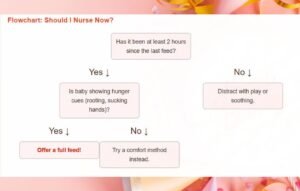 Learning to distinguish hunger and comfort cues is a key step in reducing snack feeding
Emotional Support for Parents
Transitioning away from snack feeding can bring up a mix of emotions, from relief at having more free time, to guilt or sadness at losing a primary soothing tool. It is normal to grieve the end of this phase of breastfeeding, even if you are ready for change. Remember: reducing snack feeding does not mean you are weaning, or that you are taking away your baby’s comfort — you are teaching them new, sustainable ways to feel secure, while protecting your own well-being.
Let Go of Perfection
There will be days where everything goes off track, and that is okay. Breastfeeding is not a performance, and there is no "perfect" way to navigate this transition. If you need to offer an extra comfort feed on a hard day, that does not mean you have failed.
Build a Support System
Talk to other parents who have gone through this transition, or connect with a lactation consultant or postpartum support group if you are struggling with feelings of guilt or burnout. At BestBabyCart.com, we host a free community of parents sharing tips and support for all stages of infant care.
Celebrate Small Wins
Every time your baby takes a full 15-minute feed, or goes 2 hours without snacking, celebrate that win. Treat yourself to a favorite snack, a short walk alone, or 30 minutes of uninterrupted time doing something you love. This transition is as much about your well-being as it is about your baby’s.
Frequently Asked Questions
Is snack feeding bad for my baby?
No, snack feeding is not inherently harmful, especially for babies under 3 months old, when frequent feeds are necessary to support growth and establish milk supply. It only becomes a problem when it persists past 4–6 months, leads to poor weight gain, or causes significant burnout for parents.
How long should a full breastfeeding session last?
For babies 1–6 months old, most full feeds last 10–25 minutes total (5–12 minutes per side), depending on your baby’s age, efficiency, and your milk supply. Sessions shorter than 5 minutes per side for babies older than 3 months often indicate snack feeding.
Can I reduce snack feeding without weaning completely?
Absolutely. Reducing snack feeding encourages longer, more structured feeds while allowing you to continue breastfeeding for as long as you and your baby want. Many parents see improvement in 2–4 weeks with consistent, gentle adjustments.
What if my baby cries when I delay a feed?
Fussing is a normal part of the transition, as your baby learns new feeding patterns. First, check that they are not truly hungry by looking for early hunger cues. If they are seeking comfort, offer a pacifier, cuddle, or distraction before offering the breast. If crying persists for more than 15 minutes, offer a partial feed to ensure their needs are met.
Will reducing snack feeding lower my milk supply long-term?
No. Your milk supply is based on supply and demand, so as your baby takes longer, more full feeds, your body will adjust to produce the amount of milk they need. You may experience mild engorgement or a temporary dip in the first 1–2 weeks, but your supply will stabilize once your baby’s routine is consistent.
Can I do this if I am combo feeding?
Yes. The same steps apply for combo feeding families: track feeds, optimize latch, offer full feeds at each session, and use formula or pumped milk to fill gaps between feeds if needed, rather than offering small amounts frequently.
Final Notes
Transitioning away from baby snack feeding is a gradual process that requires patience, empathy, and flexibility — for both you and your baby. There is no one-size-fits-all timeline, and what works for one family may not work for another. The most important thing is to prioritize your well-being alongside your baby’s nutritional and emotional needs. If you are struggling with persistent low supply, poor latch, or significant burnout, reach out to a certified IBCLC or your pediatrician for personalized support.
For more evidence-aligned guidance on infant feeding, sleep, daily care, and developmental milestones, explore our full library of parenting resources at BestBabyCart.com. You are doing a wonderful job, and this transition is just one small step in your parenting journey.

Taslima Khanam Sultana, a loving mom of three, founded BestBabyCart.com to help new parents navigate the world of baby products with ease. Her passion for making parenting simpler shines through delivering honest, unbiased reviews on must-haves like diapers, strollers, and feeding gear. Taslima’s mission is to empower families with expert tips, ensuring every product is safe and top-quality for your little one. Drawing from her own parenting journey, she’s dedicated to supporting yours!

 This reference breaks down recommended diaper counts by age and laundry frequency