When To Introduce Solid Foods To Baby

When To Introduce Solid Foods To Baby: Timing & Tips

Introduce solid foods around 6 months when your baby shows developmental readiness and stable head control.

I have guided many new parents on when to introduce solid foods to baby. This article draws on clinical guidance, real-world experience, and common sense to give clear steps you can trust. You will learn how to spot readiness, pick first foods, reduce allergy and choking risk, and build healthy habits that support growth and development.
When to start: age and readiness signs
Source: pathways.org

When to start: age and readiness signs

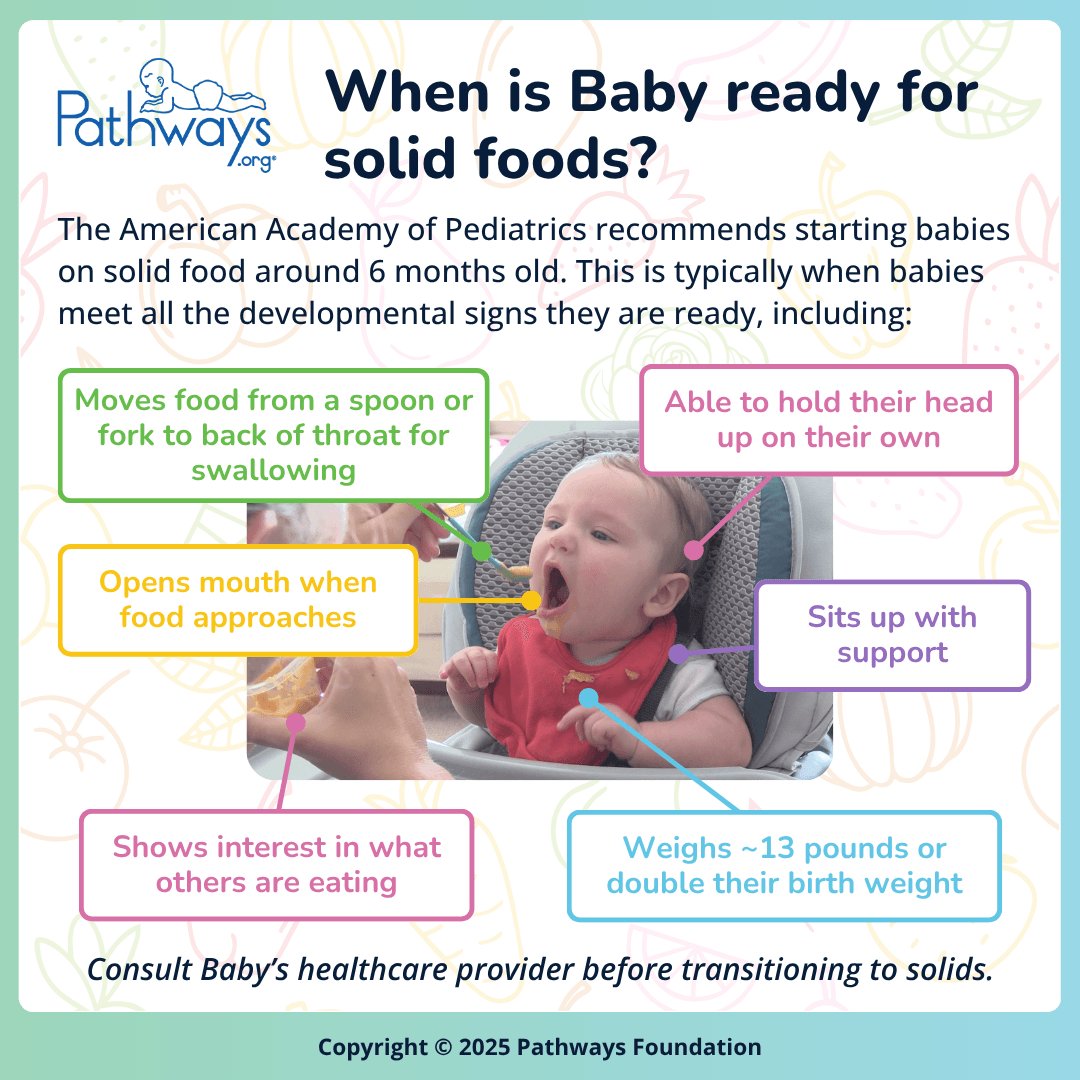
Most experts agree to start solids at about six months. But age alone is not enough. Watch for clear readiness signs before you begin when to introduce solid foods to baby.

  • Sits with minimal support and has good head control.
  • Shows interest in food, reaches for spoons, or opens mouth for food.
  • Can move food from front to back of the mouth and swallow (reduced tongue-thrust reflex).
  • Doubles birth weight or follows pediatrician guidance for growth.

Knowing when to introduce solid foods to baby means using both age and these skills. If your baby is under 4 months, wait. If your baby is older than 6 months but not showing signs, slow down and consult your pediatrician.

First foods and textures: what to offer first
Source: organicsbestshop.com

First foods and textures: what to offer first

Choose nutrient-dense, smooth-textured foods first. This helps fill iron and zinc needs while your baby learns to eat.

  • Single-ingredient purees: iron-fortified cereal, pureed meats, pureed lentils.
  • Pureed vegetables and fruits: sweet potato, avocado, banana, pear.
  • Thin textures at first. Move to thicker purees and mashed foods over weeks.
  • Introduce one new food every 3–5 days to watch for reactions.

When to introduce solid foods to baby also includes variety. After a few weeks, offer soft finger foods and mixed textures to build chewing skills.
How to introduce solids: step-by-step plan
Source: healthychildren.org

How to introduce solids: step-by-step plan

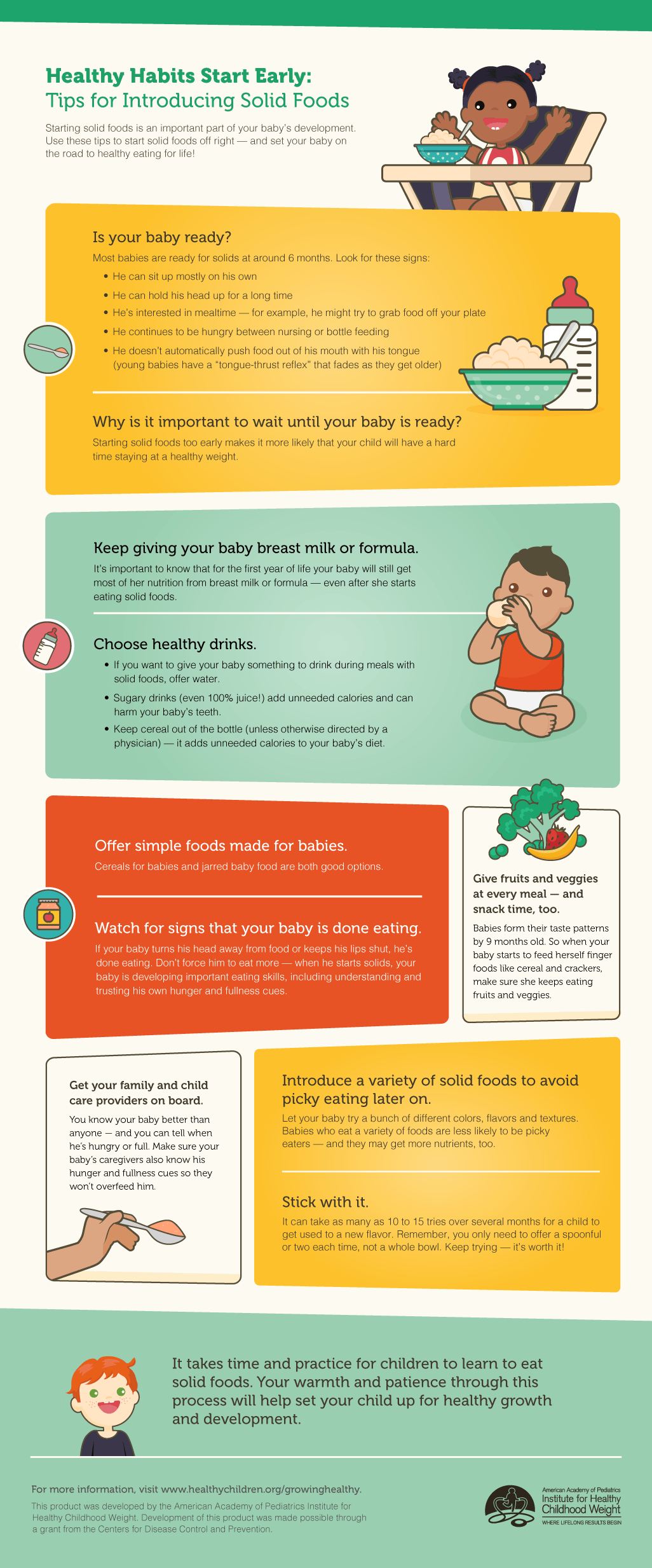
Start slow. Keep feeding relaxed and flexible. Below is a practical plan that worked for many families.

  1. First week: offer 1–2 tablespoons once a day after a breast or bottle feed.
  2. Weeks 2–4: increase to two meals a day of 2–4 tablespoons each.
  3. Month 2–3: add a third meal, introduce new textures, and let baby self-feed.
  4. Keep breast milk or formula as the main nutrition source until 12 months.

Use a calm seat, small spoon, and soft lighting. Expect messy sessions. Keep offering foods even if baby spits out at first. Repetition builds acceptance.
Introducing allergens and preventing allergies
Source: solidstarts.com

Introducing allergens and preventing allergies

Early, guided exposure can reduce allergy risk for some babies. When to introduce solid foods to baby includes careful timing for common allergens.

  • Common allergens: peanut, egg, dairy, tree nuts, soy, shellfish, wheat, sesame.
  • Introduce high-risk foods after baby tolerates other solids, usually around 6 months.
  • Offer small, age-appropriate forms—peanut powder mixed into puree or smooth peanut butter thinned with water or breast milk.
  • If your baby has severe eczema or a family history of food allergy, consult your pediatrician before introducing common allergens.

Watch for reactions for at least two hours after first exposures. Seek urgent care if you see swelling, breathing difficulty, or severe rash.
Choking safety and finger foods
Source: onceuponafarmorganics.com

Choking safety and finger foods

Safety is key when deciding when to introduce solid foods to baby. Follow simple rules to reduce choking risk.

  • Always supervise feeds. Sit baby upright while feeding.
  • Cut foods into small, flat pieces or thin strips that baby can gum.
  • Avoid whole grapes, nuts, hard candies, popcorn, and large chunks of raw vegetables.
  • Learn infant CPR and choking response. A short course can be life-saving.

Encourage self-feeding with soft cooked vegetables, ripe fruit slices, or soft bread pieces to build hand-mouth coordination.
Nutrients to focus on: iron, zinc, healthy fats
Source: happyfamilyorganics.com

Nutrients to focus on: iron, zinc, healthy fats

Solids start to provide nutrients breast milk may not fully supply after six months. Prioritize these key nutrients.

  • Iron: pureed meats, iron-fortified cereal, beans, lentils.
  • Zinc: meat, beans, dairy (as tolerated).
  • Healthy fats: avocado, full-fat yogurt, olive oil mixed into purees.
  • Vitamin D: continue supplements if recommended. Ask your pediatrician.

Plan meals that mix protein, fat, and easy carbs. This supports growth and steady energy.
Breastfed vs formula-fed babies
Source: dignityhealth.org

Breastfed vs formula-fed babies

The timeline is similar, but feeding patterns differ. Know how to adjust when to introduce solid foods to baby based on milk type.

  • Breastfed babies may need iron-rich solids sooner, since breast milk iron becomes low around 6 months.
  • Formula-fed babies often get iron from formula, but they still need solids for chewing skills and variety.
  • Let hunger cues guide timing. Solids complement, not replace, milk until about 12 months.

Monitor weight gain and diaper output to ensure baby is getting enough nutrition as solids increase.

Premature babies and special situations
Source: amazon.com

Premature babies and special situations

For preemies, corrected age matters. Use adjusted age to time introductions when to introduce solid foods to baby.

  • Use adjusted age (chronological age minus weeks early) until about 2 years.
  • Check developmental readiness, not just age. Some preemies need extra time to develop head control and swallowing.
  • Talk with your pediatric team for personalized guidance.

Babies with medical issues or developmental delays may need speech or feeding therapy support.

Common mistakes to avoid

Avoid these pitfalls many parents face when deciding when to introduce solid foods to baby.

  • Starting too early (under 4 months) can raise allergy and digestion risks.
  • Over-relying on sweet or processed foods; choose whole, nutrient-dense options.
  • Skipping iron-rich first foods. Iron is critical after 6 months.
  • Forcing food. Let baby lead and build positive associations with eating.

Small steps and patience pay off. Expect fussiness and progress in fits and starts.

Personal experience and practical tips

I introduced solids to my first child at about six months. She loved avocado and pureed chicken. My key lessons:

  • Start with short, calm sessions. We did 1–2 spoons at a time.
  • Keep a food log for the first two weeks to spot reactions.
  • Offer the same food many times. Acceptance came after 8–10 tries for some foods.
  • Use a bib with a catcher. It saved many shirts.

When to introduce solid foods to baby felt stressful at first. A steady, low-pressure approach worked best for us and for families I have advised.

Sample first-week feeding schedule

This simple plan helps you begin with confidence. Adjust for hunger, mood, and pediatric guidance.

  • Day 1–3: 1–2 teaspoons of iron-fortified cereal or pureed vegetable once a day after milk.
  • Day 4–7: 1–2 tablespoons, once a day, try a second food on day 5 or 6.
  • Week 2: Move to two meals per day and introduce a new food each few days.

Keep milk feeds before or between meals as needed. Note patterns and growth changes.

Monitoring growth and when to call the pediatrician

Track growth and behavior as you add solids when to introduce solid foods to baby.

  • Check weight, length, and head growth at regular visits.
  • Call your pediatrician if baby loses weight, has persistent vomiting, or refuses all foods for days.
  • Ask about blood tests if iron deficiency is a concern.

Early questions are normal. Your pediatrician can tailor advice to your baby’s needs.

Related concepts: baby-led weaning vs purees

Two common approaches shape when to introduce solid foods to baby.

  • Puree-led: start with smooth purees and progress to mashed and finger foods.
  • Baby-led weaning: offer soft finger foods and let baby self-feed from the start.
  • You can combine both methods. Many families use a mix to build skills and exposure.

Pick the approach that fits your baby and family. Consistency and safety matter most.

Frequently Asked Questions of when to introduce solid foods to baby

When is the best age to start solids?

Most babies start solids around six months. Watch readiness signs like head control, sitting, and interest in food.

Can I start solids earlier than 6 months?

Starting before 4 months is not recommended. Between 4 and 6 months, assess readiness and consult your pediatrician.

How often should I offer solid food at first?

Begin with one small meal a day, then increase to two and three meals over weeks. Milk remains the main food until 12 months.

How do I introduce common allergens safely?

Introduce allergens like peanut and egg around 6 months once other solids are tolerated. Start with small amounts and watch for reactions.

What if my baby gags or spits out food?

Gagging is common as babies learn to manage textures. Stay calm, offer safe textures, and supervise closely. Seek help if there is persistent coughing or airway concerns.

Conclusion

When to introduce solid foods to baby comes down to readiness, not just a calendar. Aim for around six months, watch key skills, and focus on iron-rich, safe, and varied foods. Start slowly, stay patient, and keep milk as the main source of nutrition until about 12 months. Try small, consistent steps this week—offer one new food, watch for cues, and celebrate small wins. Share your questions or successes below, subscribe for more feeding tips, or speak with your pediatrician for personalized support.

How to Introduce Solids to Baby

How to Introduce Solids to Baby: Your Guide to a Happy Start!

Ready to introduce solids to your baby? 😊 This guide covers when to start, what foods to offer, how to feed safely, and tips for success. With practical steps, visuals, and expert advice, you’ll feel confident helping your little one explore new flavours and how to Introduce Solids to Baby.

Hey, new parents! 😄 Watching your baby grow is pure magic, and now you’re at an exciting milestone—introducing solids! As a mom running BestBabyCart.com, I remember the joy (and nerves!) of seeing my little one taste pureed carrots for the first time. It’s a big step, filled with questions like “When do I start?” “What foods are safe?” or “How do I avoid allergies?” Don’t worry—this mom-to-mom guide is here to make it fun, safe, and stress-free. Packed with expert tips on timing, foods, methods, and more, you’ll have everything you need to start your baby’s food journey with love and confidence. Let’s dive in!

Why Introducing Solids Is a Big Deal

Starting solids around 6 months is a key step in your baby’s growth. It’s not just about food—it’s about:

  • Nutrition: Solids add iron, zinc, and vitamins as breastmilk or formula alone isn’t enough past 6 months.

  • Development: Chewing and swallowing build oral skills for speech.

  • Exploration: New flavors spark curiosity and healthy eating habits.

  • Family Bonding: Mealtime becomes a shared adventure!

With 90% of babies starting solids by 7 months (per CDC), getting it right sets your baby up for a lifetime of good health. Let’s explore how to do it safely and joyfully.


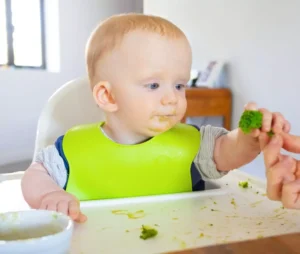
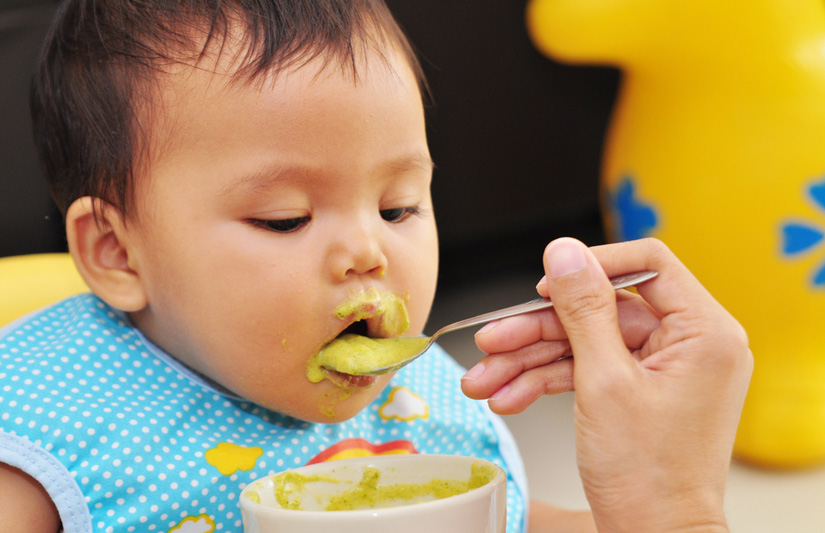
Smiling baby in a highchair, tasting pureed food with a spoon, symbolizing the start of solids

Image: Happy baby in a highchair tasting pureed food.
 

When to Start Solids: Timing It Right

Wondering when your baby is ready? Most babies are ready around 6 months, but every little one is unique. Look for these signs, per the American Academy of Pediatrics:

Signs Your Baby Is Ready

  • Sits Up: Can sit with support and hold head steady.

  • Shows Interest: Reaches for your food or watches you eat.

  • Tongue Control: No longer pushes food out with tongue (tongue-thrust reflex fades).

  • Chewing Motion: Mimics chewing or smacks lips.

Age Guide: Start at 6 months for most babies, but some may be ready at 4–5 months with pediatrician approval. Preemies may need to wait longer.

Why 6 Months Is Ideal

  • Gut Health: Babies’ digestive systems mature by 6 months, reducing allergy risks.

  • Iron Needs: Breastmilk iron drops after 6 months; solids like fortified cereals fill the gap.

  • Safety: Waiting reduces choking risks, as babies gain better swallowing skills.

Talk to Your Pediatrician: Always check with your doctor, especially if your baby has health conditions or was born early.

Checklist: Is My Baby Ready for Solids?

  • ☐ Sits with support and holds head steady.

  • ☐ Shows interest in food (reaches or watches).

  • ☐ No tongue-thrust reflex.

  • ☐ Mimics chewing or smacks lips.

  • ☐ Pediatrician gives the green light.

Checklist titled ‘Is My Baby Ready for Solids?


Choosing the Best First Foods

Your baby’s first foods should be nutrient-rich, easy to digest, and safe. Here’s how to pick winners.

Top First Foods (6–8 Months)

Start with single-ingredient, smooth purees to watch for reactions:

  • Iron-Rich: Fortified baby cereal (e.g., Gerber) mixed with breastmilk or formula.

  • Fruits: Pureed apple, pear, or banana for sweetness.

  • Veggies: Steamed and pureed carrots, sweet potatoes, or peas.

  • Proteins: Pureed lentils or mashed avocado for healthy fats.

Serving Tip: Offer 1–2 teaspoons at first, increasing to 2–4 tablespoons as baby adjusts.

Foods to Avoid

  • Honey: Risk of botulism under 1 year.

  • Cow’s Milk: Hard to digest until 12 months.

  • Choking Hazards: Whole grapes, nuts, popcorn, or raw carrots.

  • High-Sodium/Sugar: Skip processed foods or sweets.

Allergy Watch: Introduce common allergens (e.g., peanut butter, eggs) one at a time, per National Institute of Allergy and Infectious Diseases. Wait 3–5 days before new foods to spot reactions.

How to Introduce Solids to Baby

Infographic: Colorful chart of first foods like pureed carrots, apples, and cereal.


How to Introduce Solids: Step-by-Step

Ready to feed your baby? Follow these steps for a smooth start.

Step 1: Gather Your Gear

  • Highchair: Stable and easy to clean, like Graco.

  • Spoons: Soft-tipped, baby-sized (e.g., Munchkin).

  • Bowls: Non-slip, BPA-free (e.g., Pyrex).

  • Bibs: Waterproof for easy cleanup (e.g., Bumkins).

Step 2: Choose the Right Time

  • Mood: Feed when baby is happy and alert, not sleepy or fussy.

  • Timing: Mid-morning or after a small milk feed works best.

  • Setting: Quiet, distraction-free space for focus.

Step 3: Start Small

  • Offer 1–2 teaspoons of a single-ingredient puree (e.g., Gerber oatmeal).

  • Use a soft spoon, letting baby taste at their pace.

  • Follow with breastmilk or formula to keep milk as the main nutrition source.

Step 4: Watch for Cues

  • Likes: Leaning forward, opening mouth.

  • Dislikes: Turning away, spitting out, or crying. Stop and try again later.

  • Reactions: Monitor for rashes, vomiting, or diarrhea (call your doctor if severe).

Step 5: Build Variety

  • Introduce one new food every 3–5 days.

  • Mix textures (e.g., lumpy purees by 7–8 months) to develop chewing skills.

  • Offer 2–3 meals daily by 9 months, plus milk feeds.

How to Introduce Solids to Baby

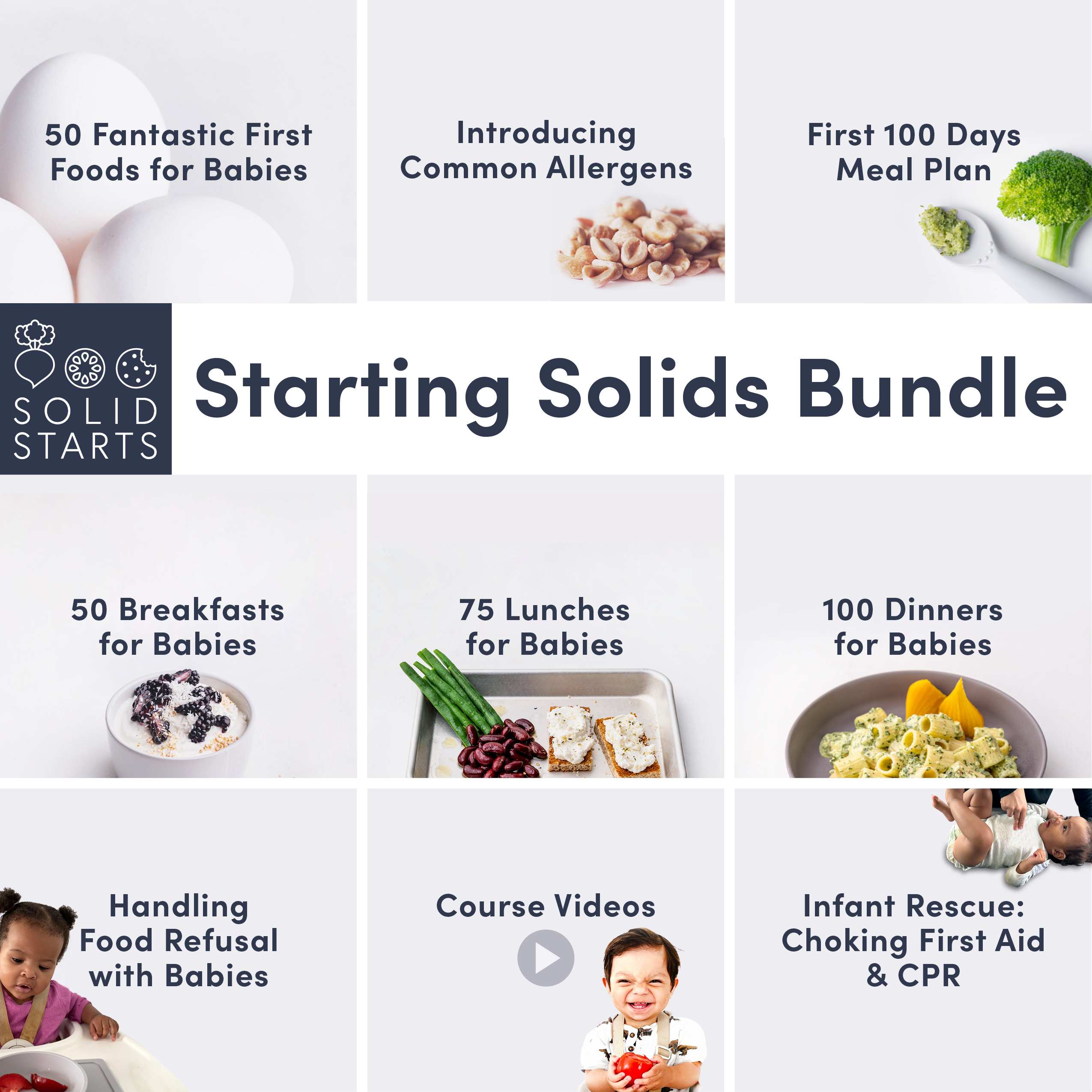
Image: Baby Starting Solid Bundle

Baby-Led Weaning vs. Purees: Which to Choose?

Not sure whether to spoon-feed or let baby self-feed? Here’s a breakdown.

Purees (Traditional Spoon-Feeding)

  • Pros: Easy to control portions, less mess, good for early iron-rich foods.

  • Cons: Slower transition to textures, more prep time.

  • Best For: Parents who want gradual introduction or babies with developmental delays.

Baby-Led Weaning (BLW)

  • Pros: Encourages self-feeding, motor skills, and texture exploration.

  • Cons: Messier, higher choking risk if foods aren’t soft.

  • Best For: Babies 6+ months who sit well and show strong chewing cues.

Hybrid Approach: Many parents mix both—offer purees with a spoon and soft finger foods (e.g., banana strips) to balance benefits.

Safety Tip: For BLW, use soft, palm-sized foods like steamed broccoli or avocado wedges. Always supervise closely.


Keeping It Safe: Food Safety and Allergies

Safety first! Here’s how to protect your baby during mealtimes.

Prevent Choking

  • Food Prep: Offer soft, mashed, or pureed textures; avoid round or hard foods like whole grapes.

  • Supervision: Always watch baby while eating.

  • Positioning: Use a highchair (e.g., Graco) for upright sitting.

  • Be Prepared: Learn infant CPR through a Red Cross class.

Manage Allergies

  • Early Introduction: Offer allergens like peanuts or eggs between 6–12 months (per NIAID).

  • Test Slowly: Introduce one new food at a time, waiting 3–5 days.

  • Monitor: Look for hives, swelling, or breathing issues. Call 999 for severe reactions.

Stay Hygienic

  • Wash hands, utensils before prep.

  • Store purees in Pyrex containers; refrigerate leftovers for up to 2 days.

  • Discard uneaten food after 1–2 hours to prevent bacteria.

Progressing with Solids: 9–12 Months

By 9 months, your baby’s ready for more variety and textures. Here’s how to keep it fun.

New Textures

  • Lumpy Purees: Transition to thicker mashes (e.g., mashed peas).

  • Finger Foods: Soft cubes of tofu, steamed carrots, or cheerios.

  • Self-Feeding: Let baby use hands or try a Munchkin spoon.

Meal Schedule

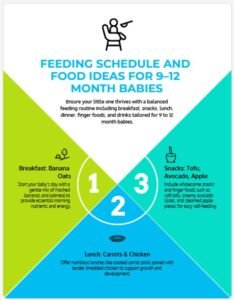
  • 3 Meals + Snacks: Offer solids 3 times daily, plus 1–2 snacks.

  • Milk Balance: Continue 24–32 oz of breastmilk or formula, reducing as solids increase.

  • Variety: Include all food groups—grains, fruits, veggies, proteins, dairy.

Encourage Exploration

  • Offer Choices: Put 2–3 foods on the tray (e.g., banana slices, oatmeal).

  • Model Eating: Eat together to show chewing and enjoyment.

  • Be Patient: Babies may need 10–15 tries to like a food (per HealthyChildren.org).

Feeding schedule and food ideas for 9–12 month babies (3)

 Image: Feeding schedule and food ideas for 9–12 month babies


Troubleshooting Common Challenges

Hitting bumps? Here’s how to handle common issues.

Refusing Foods

  • Why: Babies may dislike textures or be full from milk.

  • Fix: Offer small portions, mix with familiar foods, or try at a different time.

  • Tip: Avoid forcing; keep mealtime positive.

Constipation

  • Why: New foods like bananas or rice cereal can firm stools.

  • Fix: Offer prunes, pears, or water (4–6 oz daily by 6 months).

  • When to Call: If stools are hard or absent for 3+ days, consult your doctor.

Messy Eating

  • Why: Babies explore with their hands and mouths.

  • Fix: Use a Bumkins bib and a splash mat under the highchair.

  • Embrace It: Mess is learning! Keep a camera ready for cute moments.

FAQ: How to Introduce Solids to Baby

Q: When should I start solids?
A: Around 6 months, when the baby sits with support and shows interest. Check with your paediatrician.

Q: What’s the best first food?
A: Single-ingredient purees like Gerber cereal, carrots, or avocado.

Q: Can I do baby-led weaning instead of purees?
A: Yes, for 6+ month babies who sit well. Offer soft finger foods and supervise.

Q: How do I prevent food allergies?
A: Introduce allergens like peanuts early (6–12 months), one at a time, per NIAID.

Q: What if my baby refuses solids?
A: Try small portions, mix with familiar foods, and stay patient. Don’t force it.

Q: How much should my baby eat?
A: Start with 1–2 teaspoons, increasing to 2–4 tablespoons per meal by 8 months.

Q: How do I handle gagging?
A: Gagging is normal; ensure soft foods and supervise. Learn CPR from Red Cross for safety.

Q: How Many Times A Day Should A Baby Feed When Starting Solids?

Babies typically eat solids once or twice a day when starting. Gradually increase as they become comfortable. Balance solids with breast milk or formula to meet nutritional needs. Observe your baby’s hunger cues and adjust feeding times accordingly. Consult with a paediatrician for personalised guidance.

Q: How Long Does It Take For A Baby To Get Used To Solids?

Babies usually adjust to solids within a few weeks. Every baby is different, and some may take longer. Gradually introduce new textures and flavors to help them adapt. Monitor for any allergic reactions or discomfort, and consult a paediatrician if needed.

Q: Which Food to Give To A 4-Month-Old Baby?

Introduce pureed fruits and vegetables, like bananas and carrots, to a 4-month-old baby. Offer iron-fortified rice cereal mixed with breast milk or formula. Ensure food is smooth, avoiding chunks or lumps. Consult your paediatrician before starting solid foods to ensure safety and proper nutrition for your baby.

You’re Nailing This Milestone!

Parents, you’re doing amazing! 😊 Introducing solids is a joyful step in your baby’s growth, and with these expert tips, you’re set to make it fun, safe, and nutritious. From first purees to finger foods, you’re building a healthy eater. What’s your baby’s favourite food so far? Share in the comments—we’re cheering you on!

Happy parenting from BestBabyCart.com! Check out more tips to make your journey unforgettable.