How to Manage Engorgement Breastfeeding

How to Manage Engorgement Breastfeeding: Relief Tips for New Moms

Struggling with engorged breasts while breastfeeding? 😊 This guide explains why engorgement happens, offers simple relief tips like warm compresses and frequent nursing, and shares prevention strategies. Find expert advice and visuals to ease discomfort fast!

Hey, mamas! 😄 I’m a mom running BestBabyCart.com, and I remember those early breastfeeding days when my breasts felt like overfilled water balloons—ouch! Engorgement is common, but it can feel overwhelming. Questions like “Why are my breasts so hard?” or “How do I get relief?” pop up fast. Don’t worry—this mom-to-mom guide on how to manage engorgement breastfeeding has you covered. With practical tips, soothing visuals, and trusted advice, you’ll find comfort and confidence. Let’s tackle engorgement together!

What Is Breast Engorgement?

Engorgement happens when your breasts become overly full of milk, making them hard, swollen, and painful. It’s common in the first 3–5 days after birth as your milk “comes in,” per La Leche League, but can occur later too.

  • Why It Happens: Milk supply increases to meet baby’s demand, or missed feedings cause buildup.

    • Why It Matters: Understanding the cause helps you find relief.

  • Symptoms: Tight, shiny skin; warm, heavy breasts; flattened nipples.

    • Why It Matters: Recognizing signs lets you act quickly.

  • How Long It Lasts: Usually 24–48 hours with proper management.

    • Why It Matters: Relief is near with the right steps!

About 1 in 3 breastfeeding moms experience engorgement, per CDC, so you’re not alone. Let’s explore how to ease the discomfort!


Why Does Engorgement Happen?

Understanding the causes helps you manage and prevent engorgement. Here are the main triggers:

Milk Supply Transition

  • When: Days 3–5 postpartum, milk shifts from colostrum to mature milk.

    • Why It Matters: Sudden milk surge fills breasts faster than baby can drink.

  • How It Feels: Breasts feel rock-hard and tender.

    • Why It Matters: Signals your body’s adjusting to breastfeeding.

Missed or Irregular Feedings

  • When: Baby sleeps longer, or you skip pumping.

    • Why It Matters: Milk builds up, causing pressure.

  • Example: Missing a night feed when baby sleeps 6 hours.

    • Why It Matters: Helps you plan feeding schedules.

Weaning or Reduced Nursing

  • When: Baby starts solids or you wean.

    • Why It Matters: Less milk removal leads to fullness.

  • How to Avoid: Gradually reduce feedings, per American Academy of Pediatrics.

    • Why It Matters: Slow changes prevent engorgement.

Other Factors

  • Blocked Ducts: Milk flow gets stuck, causing swelling.

    • Why It Matters: Needs attention to avoid mastitis.

  • Overstimulation: Too much pumping increases supply.

    • Why It Matters: Balance pumping with baby’s demand.

    How Does It Feel?

    Engorgement can make your breasts feel:

    • Hard or tight
    • Warm or hot to the touch
    • Painful or tender
    • Heavy, with stretched, shiny skin
    • You might also notice flattened nipples, making it harder for your baby to latch.

    Prevention Strategies

    Breast engorgement can be a painful challenge for new mothers. Preventing it is crucial for comfort and health. Effective strategies can help manage this condition before it worsens. These methods focus on feeding routines and proper latch techniques.

    How to Relieve Engorgement Fast

    Engorgement hurts, but these expert-backed tips bring relief. Try these methods to feel better:

    Nurse or Pump Frequently

    • How: Feed baby every 2–3 hours or pump with a Medela pump.

      • Why It Works: Removes milk, reducing pressure.

    • Tip: Wake baby for feeds if they sleep long, per HealthyChildren.org.

      • Why It Helps: Keeps milk flowing.

    Use Warm Compresses Before Feeding

    • How: Apply a warm, wet cloth or Lansinoh hot/cold pack for 5–10 minutes.

      • Why It Works: Softens breasts, eases milk flow.

    • Caution: Avoid too much heat to prevent burns.

      • Why It Helps: Ensures safe relief.

    Massage Breasts Gently

    • How: Use circular motions toward the nipple while nursing.

      • Why It Works: Clears blocked ducts, per La Leche League.

    • Tip: Massage during a warm shower for extra comfort.

      • Why It Helps: Combines heat and touch for relief.

    Cold Compresses After Feeding

    • How: Use a cold Lansinoh pack or chilled cabbage leaves for 15 minutes.

      • Why It Works: Reduces swelling and pain.

    • Fun Fact: Cabbage leaves have natural anti-inflammatory properties!

      • Why It Helps: Offers a natural, soothing option.

    Hand Express Milk

    • How: Gently press around the areola to release a little milk before feeding.

      • Why It Works: Softens nipples for better latching.

    • Tool: Use a Haakaa silicone pump for ease.

      • Why It Helps: Simplifies expression.

    Take Pain Relievers

    • How: Use ibuprofen or acetaminophen, per your doctor.

      • Why It Works: Eases pain and inflammation.

    • Caution: Always check with your pediatrician first.

      • Why It Helps: Ensures safety for you and baby.

    Checklist: Quick Engorgement Relief Tips

    • ☐ Nurse or pump every 2–3 hours.

    • ☐ Apply warm compress before feeding.

    • ☐ Massage breasts gently.

    • ☐ Use cold compress after feeding.

    • ☐ Hand express to soften nipples.

    How to Manage Engorgement Breastfeeding
    image: How to Manage Engorgement Breastfeeding: Expert Tips

    Long-term Management

    Manage breastfeeding engorgement with gentle massage and frequent nursing. Warm compresses relieve swelling. Ensure proper latch for comfort and milk flow.

    Managing engorgement while breastfeeding can be challenging. It’s essential to think about how to manage this issue long-term. This means not just dealing with the pain when it happens, but finding ways to prevent it from occurring frequently. What strategies can help you ensure a smoother breastfeeding journey for both you and your baby?

    Regular Feeding Schedules

    Creating a regular feeding schedule is crucial. Feeding your baby at consistent times helps regulate milk production. This prevents your breasts from becoming overly full, which can cause engorgement.

    Think about what feeding schedule works best for you and your baby. You might want to feed every two to three hours during the day. Nighttime might require a different approach based on your baby’s sleep patterns.

    Consistency is key. Keeping a journal of your baby’s feeding habits can help you spot patterns and adjust the schedule as needed.

    Lifestyle Adjustments

    Sometimes, lifestyle adjustments can make a big difference. Consider how your daily habits affect breastfeeding and engorgement.

    Stress can impact milk supply and flow. Finding ways to relax and reduce stress can help. Maybe a short walk or a few minutes of meditation each day can make breastfeeding easier.

    Diet also plays a role. Staying hydrated and eating well-balanced meals supports healthy milk production.

    Think about your clothing choices too. Wearing loose, comfortable bras can reduce pressure on your breasts, minimizing engorgement discomfort.

    Could small changes in your daily routine enhance your breastfeeding experience? Reflect on what adjustments might work for you and your family.

    How to Manage Engorgement Breastfeeding

    When To Seek Help

    Experiencing intense pain or fever during breastfeeding signals the need to consult a healthcare professional. Persistent engorgement, redness, or swelling also requires medical attention. Seeking help ensures proper care and prevents complications.

    Expert Tips to Manage Engorgement

    If engorgement strikes, don’t panic! These expert-backed strategies can help relieve discomfort and get you back to enjoying your breastfeeding journey.

    1. Breastfeed Often

    Frequent nursing is the most effective way to relieve engorgement. Encourage your baby to feed as often as possible, starting with the fuller breast to promote milk flow.

    2. Use Warm Compresses Before Feeding

    Applying a warm compress or taking a warm shower before feeding can stimulate milk flow. The warmth helps soften the breast, making it easier for your baby to latch.

    3. Try Cold Compresses After Feeding

    After nursing or pumping, apply a cold pack (like a gel pack or a bag of frozen peas wrapped in a cloth) for 10–15 minutes to reduce swelling and soothe pain.

    4. Hand-Express or Pump Strategically

    If your baby can’t latch due to engorgement, hand-express or pump just enough milk to soften your breasts. Avoid over-pumping, as this can signal your body to produce more milk, worsening engorgement.

    5. Massage Your Breasts

    Gentle breast massage during feeding or pumping can help release milk and relieve blockages. Use circular motions, moving from the outer breast toward the nipple.

    6. Use Reverse Pressure Softening

    This technique involves gently pressing around the areola to push fluid back into the breast, softening the area so your baby can latch more easily.

    How to Manage Breast Engorgement Flowchart

    plainShow inline

    7. Take Pain Relief (If Needed)

    If discomfort is intense, ask your doctor about over-the-counter pain relievers like ibuprofen, which can reduce pain and inflammation. Always check with a healthcare provider before taking medication while breastfeeding.

    8. Stay Hydrated and Rested

    Dehydration and exhaustion can make engorgement feel worse. Drink plenty of water and rest when you can (we know, easier said than done!).

    Checklist: When to Call Your Doctor

    • ☐ Fever or chills appear.

    • ☐ Red, hot spots on breast.

    • ☐ No relief after 48 hours.

    • ☐ Baby struggles to latch.

    Support Systems

    Managing engorgement during breastfeeding involves expressing milk regularly to relieve pressure. Applying warm compresses before feeding can help ease milk flow. Cold packs after feeding may reduce swelling.

    Breastfeeding can be a beautiful experience, but it often comes with challenges like engorgement. You don’t have to face this alone; support systems can make a big difference in managing engorgement effectively. Whether it’s leaning on your partner, family, or community resources, each offers unique advantages.

    Partner And Family Involvement

    Your partner can be your strongest ally during breastfeeding. Encourage them to learn about engorgement and its signs. When they understand what you’re going through, they can offer help without you needing to ask.

    Family members can also play a crucial role. Imagine having someone to watch over the baby while you take a hot shower to relieve engorgement pain. Simple acts of kindness, like preparing meals or running errands, can be game-changers during this period. Engaging your loved ones in your breastfeeding journey can lighten your load significantly.

    Community Resources

    Local community resources can be invaluable. Check if there are breastfeeding support groups in your area. These groups often bring together mothers facing similar challenges, offering a space to share experiences and solutions. You might discover a tip that makes all the difference.

    Healthcare professionals can also be part of your support network. Lactation consultants, for instance, can provide specialized advice tailored to your situation. Many hospitals offer breastfeeding clinics—take advantage of them.

    Have you explored online communities? Platforms like forums and social media groups can connect you with mothers worldwide. They offer a wealth of shared experiences and advice that could be the key to managing your engorgement better.

    How are you leveraging your support systems? The right support can transform your breastfeeding experience from overwhelming to empowering. Don’t hesitate to reach out and build a network that works for you.

    Myths And Facts

    Breast engorgement can be uncomfortable and challenging. It’s crucial to know both myths and facts for effective management. Proper techniques can relieve swelling and pain, allowing for smoother breastfeeding experiences.

    Breastfeeding is a natural process, but it doesn’t always go as smoothly as we might expect. One common issue many new moms face is breast engorgement. It’s an uncomfortable experience, and there’s a lot of misinformation out there. Let’s sift through some myths and facts to help you manage engorgement effectively and keep your breastfeeding journey on track.

    Common Misconceptions

    Many believe that breast engorgement means you have an abundant milk supply. While it might seem logical, it’s not always true. Engorgement can occur when your body is still figuring out the right amount of milk to produce, leading to too much milk or even a blockage.

    Another myth is that you should stop breastfeeding if your breasts are engorged. Some think it will give your body time to adjust. However, this can actually worsen the problem, as milk builds up and increases discomfort. Continuing to breastfeed or express milk is essential.

    You might have heard that applying heat to engorged breasts is the best solution. While warmth can provide relief, it’s not always the most effective way to reduce swelling. Cold compresses might actually work better in some cases.

    Evidence-based Practices

    Research supports breastfeeding on demand as a way to manage engorgement. Feeding your baby whenever they show hunger cues helps regulate your milk supply. It also prevents milk from building up and causing discomfort.

    Using a cold compress after feeding can help reduce swelling. Wrap a bag of frozen peas in a cloth and apply it to your breasts. It’s a simple yet effective way to ease the pain and reduce inflammation.

    Gentle breast massage before and during feeding can aid in milk flow. Use light pressure and circular motions towards the nipple. This helps release any blocked milk and can make feedings more comfortable for both you and your baby.

    Have you ever tried expressing a little milk before feeding? It can soften your breast, making it easier for your baby to latch. This small step can make a big difference in reducing engorgement.

    Do you have any tips that have worked for you? Sharing your experiences can help other moms navigate this challenging time. Engorgement is temporary, and with the right approach, you can continue breastfeeding comfortably.

    Frequently Asked Questions

    Q: How Do You Get Rid Of Engorgement Fast?

    A: Apply warm compresses and massage the breasts to improve milk flow. Nurse or pump frequently to relieve engorgement. Use cold packs to reduce swelling. Wear a supportive bra and avoid tight clothing. Consult a healthcare provider if discomfort persists.

    Q: Should I Pump To Relieve Engorgement?

    A: Yes, pumping can help relieve engorgement by removing excess milk. Use a breast pump or hand express gently. Avoid over-pumping to prevent increasing milk supply. Balance pumping with breastfeeding to maintain comfort and supply. Always consult a lactation expert for personalized advice.

    Q: How Long Does Engorgement Last When Breastfeeding?

    A: Breast engorgement typically lasts 24 to 48 hours. Frequent breastfeeding can help alleviate discomfort. If symptoms persist, consult a healthcare professional. Proper latching and regular feeding schedules can prevent engorgement issues. Stay hydrated and maintain a balanced diet to support breastfeeding.

    Q: How Do You Unblock Engorgement?

    A: Apply warm compresses and massage gently to relieve engorgement. Nurse frequently to empty the breasts. Use cold compresses after feeding to reduce swelling. Consider using a breast pump if necessary. Stay hydrated and wear a supportive bra for comfort. If persistent, consult a lactation consultant or healthcare professional.

    Q: What causes breast engorgement?
    A: Engorgement happens when breasts overfill with milk, often in days 3–5 postpartum as milk transitions, or from missed feedings, per La Leche League. Blocked ducts or oversupply from pumping can also trigger it. Nurse every 2–3 hours to prevent buildup. If pain persists, try warm compresses or consult a lactation consultant to ensure proper milk flow.

    Q: How long does engorgement last?
    A: Engorgement typically lasts 24–48 hours with proper management, like frequent nursing or pumping, per CDC. If it lasts longer, it may signal blocked ducts or latch issues. Use warm compresses before feeds and cold packs after to ease swelling. If no relief by 48 hours, call your doctor to check for complications like mastitis.

    Q: Can I use cabbage leaves for engorgement relief?
    A: Yes, chilled cabbage leaves can reduce swelling and pain, thanks to their anti-inflammatory properties, per HealthyChildren.org. Place clean, cold leaves inside your bra for 15–20 minutes after feeding. Change when wilted. Don’t overuse, as they may reduce milk supply. Combine with nursing or pumping for best results.

    Q: How can I prevent engorgement when breastfeeding?
    A: Prevent engorgement by nursing on demand (8–12 times daily), ensuring a good latch with a Boppy pillow, and pumping only for missed feeds, per American Academy of Pediatrics. Wear a supportive Kindred Bravely bra and wean gradually. These steps keep milk flowing and avoid buildup.

    Q: Does engorgement affect my milk supply?
    A: Engorgement itself doesn’t reduce supply if managed quickly, per La Leche League. Frequent nursing or pumping prevents your body from slowing production. Untreated engorgement can lead to blocked ducts or mastitis, which may temporarily lower supply. Use a Medela pump to maintain flow and consult a lactation consultant if concerned.

    Q: Can I take pain relievers for engorgement pain?
    A: Yes, ibuprofen or acetaminophen can ease engorgement pain, but check with your doctor first, per CDC. These are safe for breastfeeding when taken as directed. Combine with warm compresses and massage for faster relief. Always monitor for side effects and avoid overuse to keep you and baby safe.

    Q: What should I do if my baby can’t latch due to engorgement?
    A: If engorgement flattens nipples, hand express or use a Haakaa pump to soften breasts before feeding, per HealthyChildren.org. Try different positions with a Boppy pillow. If latching remains hard, see a lactation consultant to improve technique. Keep nursing or pumping to prevent worsening engorgement.

    Q: Can engorgement lead to mastitis?
    A: Yes, untreated engorgement can cause blocked ducts, which may lead to mastitis (breast infection), per CDC. Watch for fever, chills, or red spots. Nurse frequently, massage breasts, and use warm compresses to clear ducts. If symptoms appear, call your doctor for antibiotics or further care to avoid complications.

    Q: How can I emotionally cope with engorgement stress?
    A: Engorgement can feel overwhelming, but rest, deep breathing, and asking for help ease stress, per HealthyChildren.org. Connect with baby through skin-to-skin time using a Boppy pillow to boost bonding. Join a breastfeeding support group or talk to friends. You’re not alone—small wins like a good feed build confidence!

    Q: When should I see a doctor for engorgement?
    A: See a doctor if engorgement lasts over 48 hours, you have fever/chills, red hot spots, or baby can’t latch, per CDC. These may signal mastitis or blocked ducts. A lactation consultant can help with latch issues. Track symptoms in a Moleskine journal to share with your doctor. Early help keeps you nursing comfortably.

    Conclusion

    Managing engorgement during breastfeeding can be challenging but manageable. Remember to nurse frequently. This helps relieve discomfort and prevents complications. Applying warm compresses before feeding can help. Cold compresses after feeding reduce swelling. Gentle massage can ease pressure. Stay hydrated and maintain a balanced diet.

    Seek support from healthcare professionals if needed. They offer valuable guidance and reassurance. Practice patience as your body adjusts. With time and care, breastfeeding becomes more comfortable. Prioritize your comfort and baby’s needs. Embrace this journey with confidence and knowledge.

    Happy breastfeeding from BestBabyCart.com! Find more tips for your parenting journey.

    You are doing a wonderful job.


    Breastfeeding Tips for New Moms

    Breastfeeding Tips for New Moms: Your Ultimate Beginner’s Guide to Success!

    The early days of breastfeeding can feel equal parts exciting and overwhelming. Between sore nipples, confusing hunger cues, and unspoken pressure to “get it right,” many new moms worry they’re falling short before they even get started. This guide cuts through generic, outdated advice with actionable, 2026-aligned tips from global health bodies and certified lactation professionals to help you build a sustainable, comfortable feeding routine that works for you and your baby. Whether you’re planning to breastfeed exclusively, combine with formula, or pump for a return to work, you’ll find step-by-step guidance to set yourself up for long-term success.

    Is Breastfeeding Right for You? Current Guidance and Core Benefits

    Breastfeeding is a deeply personal choice, and there is no one-size-fits-all approach to feeding your baby. The World Health Organization’s current global infant feeding guidelines recommend exclusive breastfeeding for the first 6 months of life, followed by continued breastfeeding with complementary foods up to 2 years or beyond, as tolerated by parent and baby. That said, this is a recommendation, not a requirement: if you have medical contraindications (such as certain viral infections or medications that pass into breast milk), or if breastfeeding causes significant distress for you, your healthcare provider can help you choose the safest, most sustainable feeding method for your family. The “fed is best” framework prioritizes your and your baby’s physical and mental health above all else. You can also read our guide on baby eye color calculator.

    Evidence-Based Benefits of Breastfeeding for You and Your Baby

    Understanding the tangible benefits of breastfeeding can help you feel more confident in your choice, and motivate you to push through early challenges.

    Benefits for Your Baby

    Breast milk is a dynamic, tailored source of nutrition that adapts to your baby’s changing needs: if your baby is sick, your body produces extra antibodies to help them fight off illness. Key benefits include:

    • Perfect nutrition: a balance of proteins, fats, carbohydrates, and antibodies tailored specifically to your baby’s developmental stage
    • Immune support: reduced risk of ear infections, respiratory illnesses, allergies, asthma, and chronic conditions like type 1 diabetes and obesity later in life
    • Cognitive and gut health: supports healthy brain development and establishes a beneficial gut microbiome that reduces digestive issues

    Benefits for You

    Breastfeeding offers significant short- and long-term health perks for parents as well:

    • Faster physical recovery: the hormone oxytocin released during feeding helps your uterus contract, reducing postpartum bleeding and cramping
    • Lower long-term disease risk: reduces your risk of breast and ovarian cancer, type 2 diabetes, and postpartum depression
    • Emotional bonding: skin-to-skin contact during feeding releases oxytocin, strengthening the emotional connection between you and your baby, and may support gradual postpartum weight loss as your body uses extra calories to produce milk

    Pre-Birth Preparation: Set Yourself Up for Early Success

    Small steps you take before your baby arrives can eliminate stress and reduce challenges in the chaotic first few days.

    Build a Nursing Station at Home

    Set up a dedicated feeding spot near your baby’s sleep space with a supportive armchair, a side table stocked with water, nursing pads, lanolin cream, and your phone charger. Stock the area with cozy sleep space essentials so you don’t have to trek across the house for late-night feeds, when every minute of rest counts. You can also read our guide on how to stop baby snack feeding breastfeeding.

    Pack Your Hospital Bag with Breastfeeding Supplies

    Add these items to your hospital bag to make the first few days easier:

    • A nursing pillow to support your baby’s head and reduce arm strain
    • Pure lanolin nipple cream and disposable/reusable breast pads
    • 2–3 loose, breathable nursing tops that are easy to access
    • A portable breast pump if you plan to pump early to establish your supply
    • A list of questions for the hospital’s lactation consultant Ask your provider to include delayed cord clamping and immediate skin-to-skin contact in your birth plan: both practices have been shown to boost early breastfeeding success and help your baby latch more effectively.

    Connect with Pre-Birth Support

    Most hospitals offer free lactation consult visits before discharge, and many insurance plans cover visits with an IBCLC (International Board Certified Lactation Consultant), the gold standard for lactation support. Booking a pre-birth consult lets you ask questions, practice latch positions with a doll, and get personalized advice before your baby arrives. You can also read our guide on loose baby tooth during cleaning tips.

    Master the Basics: Latch, Positions, and Feeding Cues

    Getting the fundamentals right in the first few weeks will prevent most common breastfeeding challenges.

    Find a Comfortable Nursing Position

    There is no single “right” position for feeding — experiment to find what works best for your body and your baby’s temperament. Common positions include:

    • Cradle hold: hold your baby in the crook of your arm, tummy-to-tummy, ideal for daytime feeds
    • Football hold: tuck your baby under your arm like a football, perfect for C-section recovery or larger chests, as it avoids pressure on your incision
    • Side-lying: lie on your side with your baby facing you, ideal for night feeds when you’re both tired and want to stay in bed
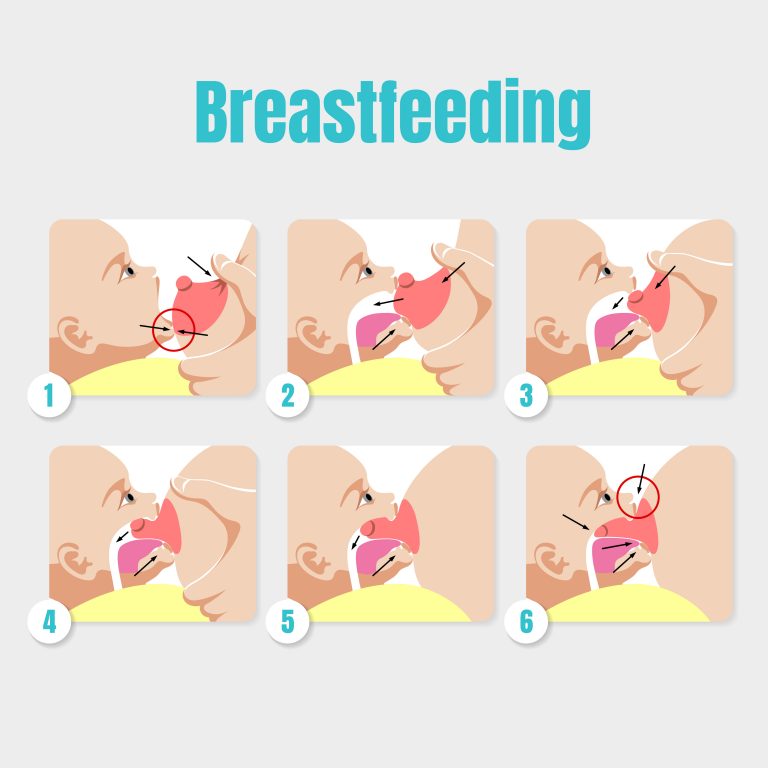
    • Laid-back (biological nurturing): recline slightly and let your baby tummy-down rest on your chest, which helps with shallow latches and lets your baby lead the feeding rhythm Use a nursing pillow to support your baby’s head and neck to reduce strain on your arms, shoulders, and back. A common mistake new moms make is hunching over their baby: instead, sit up straight and bring your baby to your breast, not the other way around, to avoid long-term back pain. Step-by-step guide to achieving a deep, pain-free baby latch A proper latch prevents nipple soreness and ensures efficient milk transfer
    Achieve a Deep, Pain-Free Latch

    A shallow latch is the cause of 90% of early breastfeeding pain, so mastering this skill will make your journey far more comfortable. Follow these steps:

    1. Hold your baby tummy-to-tummy, with their head, shoulders, and hips aligned (no twisted necks, which make swallowing difficult)
    2. Tickle their nose with your nipple to trigger a wide, yawn-like open mouth
    3. Aim your nipple toward the roof of their mouth, and bring your baby close so they take a large mouthful of your areola, not just the nipple
    4. You should feel a gentle, rhythmic pulling sensation, not sharp or stabbing pain — if it hurts, break the suction gently with a clean finger and try again Signs of a successful latch: rhythmic sucking, audible swallowing sounds, your baby’s ears wiggle slightly when they swallow, and they come off the breast on their own when full. You can also read our guide on overtired baby solutions expert advice.

    Read Your Baby's Feeding Cues to Feed on Demand

    Feeding on demand (responding to early hunger cues rather than sticking to a rigid schedule) is the gold standard for establishing a strong milk supply and preventing overfeeding. Watch for these early hunger signals before your baby starts crying (a late cue that makes latching far harder):

    • Rooting (turning their head toward a touch on their cheek)
    • Sucking on hands, fingers, or clothing
    • Smacking or licking their lips
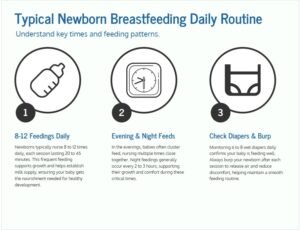
    • Fussy movements or soft cries Fullness cues that your baby is done feeding include slowing or stopping sucking, falling asleep at the breast, releasing the breast on their own, and relaxed, open hands. In the first few weeks, newborns feed 8–12 times per 24 hours, often every 2–3 hours, and may cluster feed (have frequent, short feeds in the evening) to boost your milk supply for growth spurts — this is completely normal. Newborn feeding schedule tracker for the first 3 months Tracking feeding times helps you spot patterns in your newborn’s hunger cues
    Overcome Common Early Breastfeeding Challenges

    Even with perfect technique, most new moms face hurdles in the first few months. These evidence-based fixes will help you work through them without giving up.

    Sore or Cracked Nipples

    Mild tenderness in the first 1–2 weeks is normal as your nipples adjust to feeding, but sharp, persistent pain is almost always a sign of a poor latch. To reduce soreness:

    • Recheck your latch technique, or book a visit with an IBCLC to rule out tongue tie, a common condition that causes shallow latches
    • Apply pure lanolin cream after feeds to soothe irritated skin, and air dry nipples between feeds
    • Use cold hydrogel packs for 10–15 minutes after feeds to reduce pain and inflammation Nipple shields can reduce pain temporarily, but long-term use can lower milk supply, so only use them under the guidance of a lactation professional.

    Perceived or Actual Low Milk Supply

    Perceived low supply is extremely common: cluster feeding, short feeds, and soft breasts in the first few weeks are normal, not signs that you’re not producing enough milk. Actual low supply is rare, and signs include fewer than 6 wet diapers per day after the first week, poor weight gain, and consistent fussiness after feeds. To boost and maintain your supply:

    • Feed or pump every 2–3 hours, including overnight (prolactin, the milk production hormone, is highest at night, so overnight feeds are critical for supply)
    • Ensure a deep latch to fully empty the breast, which signals your body to produce more milk
    • Avoid supplementing with formula unless medically necessary, as it reduces breast stimulation and lowers supply Herbal supplements like fenugreek have limited clinical evidence for boosting milk production, so talk to your provider before use to avoid unwanted side effects.

    Engorgement and Mastitis

    Engorgement (hard, painful, swollen breasts when your milk first comes in, 3–5 days after birth) can make latching difficult. To relieve it: apply warm compresses for 5 minutes before feeds to stimulate let-down, feed frequently, and apply cold compresses for 10–15 minutes after feeds to reduce swelling. If your baby can’t latch, hand express a small amount of milk first to soften the breast. Mastitis, a painful breast infection marked by fever, chills, and a red, tender spot on the breast, requires prompt treatment: continue feeding or pumping frequently to drain the breast, rest, stay hydrated, and see your provider for antibiotics if needed. Do not stop feeding, as this will worsen the infection.

    Nutrition and Hydration for Optimal Milk Supply

    You don’t need to follow a restrictive “breastfeeding diet” to produce enough milk — just focus on balanced, nutrient-dense meals to support your energy and milk production.

    Daily Nutrition Tips for Nursing Moms

    Aim for an extra 300–500 calories per day above your pre-pregnancy needs, focused on whole foods:

    • Protein at every meal: chicken, eggs, beans, tofu, or Greek yogurt to support milk production and muscle recovery
    • Healthy fats: avocado, nuts, olive oil, and fatty fish like salmon (2 servings a week) for omega-3s that support your baby’s brain development
    • Whole grains: oats, quinoa, and brown rice for sustained energy during long days of feeding
    • Fruits and vegetables: a variety of colors to get a full range of vitamins and minerals Limit caffeine to 200mg per day (about 1–2 standard cups of coffee) — excess caffeine can make your baby fussy or disrupt their sleep. Avoid alcohol entirely if possible, or wait 2–3 hours after 1 standard drink before feeding or pumping, per current guidance. Some babies may have sensitivities to common foods in your diet, like dairy or soy, if they develop gas, eczema, or fussiness after feeds: talk to your provider before cutting out entire food groups, as this can lead to nutrient deficiencies.

    Stay Hydrated to Support Milk Production

    Your body needs extra fluids to produce breast milk, so aim for 3 liters of water per day, more if you live in a hot climate or are physically active. Keep a reusable water bottle next to your nursing spot and sip during feeds to stay on track. Herbal teas like fennel or ginger are safe in moderation, but avoid blends with unknown ingredients or stimulants. Signs of dehydration include dark urine, dry mouth, and fatigue — if you notice these, increase your fluid intake immediately. Avoid sugary drinks and excessive juice, which cause energy crashes and provide little nutritional value.

    Breastfeeding also cuts down on formula costs, which can add up to thousands of dollars a year — pair it with budget-friendly choices like reusable diapers to save more, with our breakdown of annual cloth diaper budgeting to plan your expenses.

    Balancing Breastfeeding with Work, Travel, and Outings

    Juggling breastfeeding with work, travel, and errands is entirely possible with a little planning.

    Pumping Strategies for Working Moms

    If you’re returning to work, know that many regions have laws requiring employers to provide reasonable break time and a private, non-bathroom space for pumping. Choose a double electric breast pump for efficiency — it cuts pumping time in half compared to manual pumps. Pump at the same times you would normally feed your baby to maintain your supply, and store milk properly per CDC breast milk storage standards. Clean all pump parts with hot, soapy water after each use, or bring a second set to work to avoid washing parts on-site.

    Breastfeeding on Outings and Travel

    Nursing in public is legal in all 50 U.S. states and most countries, but if you prefer privacy, bring a lightweight nursing cover or seek out family restrooms with private seating. For travel, pack extra nursing pads, a portable cooler bag for stored milk, and a compact breast pump. If you’re leaving baby with a caregiver, leave pre-measured bottles of pumped milk and share their unique feeding cues to ensure consistency. For stress-free trips with your baby, our tips for quick outings with newborns will help you plan around their sleep and feeding schedule. If you’re using a stroller for outings, check out our guide to folding a compact stroller for easy storage in your car or on public transit. Working mom planning her weekly breastfeeding and pumping schedule Mapping out feeding times in advance reduces stress for working breastfeeding parents

    Introducing Solids While Continuing Breastfeeding

    The WHO recommends introducing complementary solids at 6 months of age, while continuing to breastfeed on demand. Breast milk will still provide most of your baby’s nutrition until 12 months. Signs your baby is ready for solids include: can sit up unassisted with minimal support, has lost the tongue-thrust reflex (no longer pushing food out of their mouth with their tongue), and shows interest in your food by reaching for it or opening their mouth when you eat. Start with single-ingredient purees (like sweet potato, banana, or avocado) and offer 1–2 small servings a day at first, gradually increasing as your baby shows interest. When you’re shopping for first foods, our guide to starting solid supplies will help you avoid overbuying unnecessary gear. Continue to breastfeed on demand, as breast milk remains a critical source of nutrition and comfort during this transition.

    Prioritize Your Wellbeing: Self-Care for Breastfeeding Moms

    Breastfeeding is a full-time, emotionally and physically demanding job, and taking care of your own needs is not selfish — it’s essential for sustaining your feeding journey. Practical self-care tips include:

    • Ask for help: delegate household chores, meal prep, and older sibling care to your partner, family, or friends so you can focus on feeding and resting
    • Nap when baby naps: sleep deprivation is one of the biggest barriers to breastfeeding success, so prioritize rest over housework when you can
    • Connect with other breastfeeding parents: joining a support group (in-person or online) can reduce feelings of isolation and give you access to shared tips and encouragement
    • Don’t ignore your mental health: if you feel overwhelmed, sad, or anxious for more than 2 weeks after birth, reach out to your provider — postpartum depression is common and treatable, and you don’t have to suffer in silence
    • It’s okay to supplement: if you need a break from breastfeeding for a few hours, a bottle of pumped milk or formula is perfectly fine — your mental health matters as much as your baby’s nutrition

    Debunking Common Breastfeeding Myths

    Misinformation about breastfeeding is everywhere, and it can make new moms doubt their ability to succeed. Let’s clear up the most common myths:

    1. Myth: Small breasts produce less milk. Fact: Milk production is determined by glandular tissue in the breast, not external size — even small breasts can produce more than enough milk for your baby.
    2. Myth: You can’t breastfeed if you have flat or inverted nipples. Fact: With support from an IBCLC, most people with inverted nipples can breastfeed successfully using techniques like nipple shells, a breast pump before feeds, or temporary nipple shields.
    3. Myth: Breastfeeding will make your breasts sag. Fact: Sagging is caused by pregnancy weight gain, genetics, and age, not breastfeeding — many people find their breasts return to their pre-pregnancy size and shape after weaning.
    4. Myth: You have to eat a bland diet while breastfeeding. Fact: Most babies have no sensitivities to common foods in your diet, so you can eat a varied, flavorful diet unless you notice a consistent reaction (like fussiness, gas, or eczema) after you eat a specific food.

    Frequently Asked Questions for New Breastfeeding Moms

    How often should a newborn breastfeed in the first month?

    Newborns typically feed 8–12 times per 24 hours, or every 2–3 hours, including overnight. Cluster feeding (frequent, short feeds clustered in the evening) is normal in the first few weeks and helps boost your milk supply to meet your baby’s growing needs.

    What is the correct breast milk storage guideline for 2026?

    Per current CDC breast milk storage standards, freshly pumped breast milk can be stored at room temperature (up to 77°F / 25°C) for up to 4 hours, in the refrigerator for 4 days, and in the freezer for 6 months (up to 12 months is safe for consumption, but 6 months preserves optimal nutritional and antibody quality). Always label containers with the date pumped and your baby’s name if storing in a shared space.

    How can I tell if my baby is getting enough milk?

    Track output: after the first week, most exclusively breastfed babies have 6+ wet diapers and 3+ dirty diapers per day. Your baby should seem content and relaxed after most feeds, gain weight steadily at pediatric checkups, and follow their growth curve consistently. If you’re concerned about weight gain, talk to your pediatrician rather than supplementing with formula without medical advice.

    Can I breastfeed if I'm sick?

    In most cases, yes. Most common illnesses (colds, flu, COVID-19, stomach bugs) are not transmitted through breast milk, and your body will produce specific antibodies that help protect your baby from getting sick. Wear a well-fitting mask when feeding if you have a respiratory illness, wash your hands frequently, and check with your provider before taking any medication, as some over-the-counter drugs are not safe while breastfeeding.

    How long should I plan to breastfeed?

    There is no “right” duration for breastfeeding. The WHO recommends exclusive breastfeeding for the first 6 months, followed by continued breastfeeding with complementary solids up to 2 years or beyond, if that works for your family. Many moms wean earlier due to personal, medical, or work-related reasons — the best choice is the one that works for you and your baby, and fed is always best.

    Final Encouragement for Your Breastfeeding Journey

    The early days of breastfeeding can feel overwhelming, with sore nipples, sleep deprivation, and a steep learning curve. But with time, practice, and support, most moms find their rhythm and build a routine that works for their family. Remember that every drop of breast milk you provide is a gift to your baby, but your worth as a parent is not tied to how much you breastfeed. If you’re struggling, reach out to an IBCLC, your pediatrician, or a support group — you don’t have to navigate this journey alone.

    Looking for more newborn care tips to make the first year easier? Explore our guide to planning quick outings with newborns to take stress out of leaving the house with your new little one.

    How to Increase Milk Supply Naturally

    How to Increase Milk Supply Naturally: Proven Techniques

    For new parents, few things cause more stress than worrying you aren’t making enough breast milk for your baby. Low milk supply is one of the most common concerns reported to lactation consultants, but per the CDC, true insufficient milk production is rare, and most perceived supply issues can be resolved with small, evidence-based adjustments to your routine. This guide covers 2026-aligned, natural proven techniques to boost your milk supply safely, no unproven quick fixes required.

    How Milk Production Works: The Supply-and-Demand Foundation

    Breast milk production is governed by two key hormones: prolactin, which triggers milk synthesis, and oxytocin, which causes the letdown reflex that releases milk from your ducts. Your body makes milk in direct response to how much milk is removed from your breasts: the more milk your baby (or pump) removes, the more your body is signaled to produce. This is why infrequent feeding, poor latch, or incomplete milk removal are the most common causes of low supply, rather than a fundamental inability to produce milk. A common mistake new parents make is sticking to a rigid 3-hour feeding schedule, which can disrupt this natural cycle and lead to unnecessary supplementation. You can also read our guide on breastfeeding tips for new moms.

    Foundational Breastfeeding Techniques to Maximize Supply

    Effective milk removal is the single most important factor in building and maintaining a healthy supply. These core breastfeeding practices will help you optimize milk transfer from the first feed onward.

    Master a Deep, Pain-Free Latch

    A shallow latch is the most common cause of low milk transfer, which reduces the prolactin signal your body receives to make more milk. A proper latch looks like this:

    • Your baby’s head is tilted back slightly, with their chin pressed firmly to your breast
    • Their mouth covers most of the areola (the dark tissue around the nipple), not just the nipple itself
    • Their lips are flanged outward like a fish
    • You feel a strong, painless pulling sensation, and hear regular swallowing sounds

    If you feel pinching or pain during feeding, gently break the suction with a clean finger and try repositioning. If latch issues persist, work with an IBLCE-certified lactation consultant, who can provide hands-on, personalized guidance to resolve pain and improve milk transfer. For more on this, see our guide on how to fold uppababy vista.

    Nurse on Demand, Not a Rigid Schedule

    Rigid feeding schedules disrupt the supply-and-demand cycle, as they often lead to longer gaps between feeds than your baby needs. Instead, feed whenever your baby shows early hunger cues: rooting, sucking on their hands, smacking their lips, or bringing their hands to their mouth. Crying is a late hunger cue, and a fussy baby may latch poorly or feed inefficiently.

    Night feeds are especially important for supply, as prolactin levels peak between 10pm and 4am. Cluster feeding (multiple short feeds in a row) in the evening can help boost overnight milk production to match your baby’s needs.

    Use Switch Nursing and Skin-to-Skin Contact

    Switch nursing involves alternating breasts 2–3 times during a single feeding session to keep your baby actively sucking, which stimulates more prolactin release. For example: feed on the first breast for 5–10 minutes until sucking slows, switch to the second breast, then switch back to the first if your baby is still hungry.

    Daily 30–60 minute sessions of skin-to-skin contact (baby wearing a diaper, chest-to-chest with you) also boost oxytocin levels, improves letdown, and encourages more frequent, effective feeding.

    Breastfeeding mother nursing newborn to stimulate milk production Frequent, effective milk removal is the cornerstone of a healthy milk supply.

    Strategic Pumping to Stimulate Extra Production

    Pumping can be a powerful tool to boost supply, especially if your baby is not nursing frequently enough (for example, if they are preterm, sleeping for long stretches, or you are returning to work).

    Power Pumping for a Supply Boost

    Power pumping mimics cluster feeding, sending a clear signal to your body to produce more milk. Follow this 1-hour schedule 1–2 times per day, ideally in the morning when prolactin levels are highest:

    1. Pump for 20 minutes
    2. Rest for 10 minutes
    3. Pump for 10 minutes
    4. Rest for 10 minutes
    5. Pump for 10 minutes

    Use a comfortably sized flange and avoid the highest suction setting, which can cause pain and tissue damage that reduces letdown over time.

    Pump After Feedings to Empty Breasts

    If your baby does not fully empty your breasts after a feeding, pump for an additional 5–10 minutes to remove remaining milk. This signals your body to produce more milk for the next feeding, and is especially helpful for parents of preterm babies or those building a milk stash while nursing.

    Demonstration of proper breast pump flange fit for comfortable pumping Using a correctly sized pump flange improves comfort and milk removal during pumping sessions.

    Nutrition and Hydration for Lactation Support

    While no single food will drastically increase your milk supply on its own, adequate nutrition and hydration support your body’s ability to produce milk consistently.

    Hydration: More Than Just Chugging Water

    Breast milk is 87% water, so staying hydrated is non-negotiable for milk production. Aim for 90–100oz of fluid daily, drinking to thirst rather than forcing excessive amounts (overhydration can actually reduce supply by diluting sodium levels). Keep a water bottle nearby during nursing sessions, and opt for hydrating alternatives like coconut water or warm caffeine-free herbal teas if plain water feels unappealing.

    Lactation-Supporting Foods to Include in Your Diet

    These foods have anecdotal and limited clinical support for supporting milk synthesis, though they are not a replacement for frequent feeding:

    • Oats: Rich in beta-glucan, a compound that may support prolactin production
    • Brewer’s yeast: High in B vitamins and iron, which support energy and milk synthesis
    • Flaxseed and sesame seeds: Contain phytoestrogens that may support lactation
    • Fennel, garlic, and dark leafy greens: Traditional galactagogues with reported benefits for improving letdown

    Assortment of lactation-supporting foods including oats, flaxseed, and almonds These foods provide nutrients that support overall milk synthesis, though they are not a replacement for frequent feeding.

    Simple Lactation Smoothie Recipe

    For a quick, nutrient-packed boost, blend the following ingredients for a midday snack:

    • 1 cup rolled oats
    • 1 cup fresh spinach
    • 1 frozen banana
    • 1 tbsp brewer’s yeast
    • 1 tbsp ground flaxseed
    • 1.5 cups unsweetened almond milk
    • 1 tbsp almond butter

    Herbal Galactagogues: Evidence and Safety

    Herbal galactagogues have been used for centuries to support lactation, but evidence for their efficacy is mixed, with most studies being small and inconclusive. Common options include:

    • Fenugreek: The most studied herbal galactagogue, which may modestly increase supply for some people. Side effects can include gastrointestinal gas, maple syrup-scented sweat, and allergic reactions in people with legume allergies.
    • Blessed thistle: Often paired with fenugreek to enhance effects, but can cause stomach upset in some users.
    • Fennel seed: A gentle, low-risk option that can be chewed after meals or brewed as tea to support letdown.

    Important safety note: Herbal supplements are not regulated by the FDA, so quality and potency can vary widely between brands. Always consult your healthcare provider before starting any herbal galactagogue, especially if you are taking medication, have a thyroid condition, or are pregnant. A common mistake is taking high doses in hopes of a quick fix, which can lead to unwanted side effects without improving supply.

    Lifestyle Factors That Support Healthy Milk Production

    Small lifestyle adjustments can have a big impact on your milk supply by supporting healthy hormone balance.

    Prioritize Rest to Reduce Cortisol

    Sleep deprivation raises cortisol levels, which suppress oxytocin and reduce milk letdown. Nap when your baby naps, and ask a partner or family member to handle nighttime diaper changes and household tasks so you can get more uninterrupted sleep. If your baby goes down early, use that time to rest instead of catching up on chores—adjusting your routine around early bedtimes can free up more time for self-care. Ensuring your baby has a safe, comfortable sleep space can help them stay asleep longer, giving you more consistent rest—safe, cozy crib setups support both your baby's sleep and your recovery.

    Manage Stress to Improve Letdown

    Even mild, consistent stress can cause letdown failure, even if your milk supply is adequate. Try 5 minutes of deep breathing before nursing, a warm compress on your breasts for 2–3 minutes before feeding to encourage letdown, or 10 minutes of gentle yoga daily to lower cortisol. You do not need to be completely relaxed to nurse effectively—small, consistent stress-reduction habits are enough to make a noticeable difference.

    Gentle Movement for Hormone Balance

    Regular low-impact exercise (30 minutes a day of walking, swimming, or prenatal yoga) reduces stress hormones and boosts endorphins, which support overall milk production. There is no evidence that moderate exercise reduces milk supply, so you do not need to limit your activity level unless you feel fatigued or dehydrated. Avoid high-intensity workouts that leave you exhausted, as extreme fatigue can disrupt hormone balance.

    Building a Support System for Long-Term Success

    Breastfeeding can feel isolating, and consistent support makes a measurable difference in your ability to reach your feeding goals. First, work with an IBCLC-certified lactation consultant if you are struggling with latch issues, pain, or concerns about your baby’s weight gain—they can create a personalized plan tailored to your unique needs. You can also connect with free peer support groups like La Leche League, which offers both in-person and virtual meetings for breastfeeding parents.

    If you are supplementing with formula for any reason, choosing a high-quality, appropriate option is key to your baby’s nutrition—review infant formula ingredients to make an informed choice.

    Common Myths About Increasing Milk Supply

    1. Myth: You need to eat special "lactation foods" to make enough milk. Truth: A balanced diet is sufficient for most parents; galactagogues are a supportive bonus, not a requirement.
    2. Myth: Drinking gallons of water will drastically increase your supply. Truth: Overhydration can actually reduce supply by diluting sodium levels; drink to thirst, not a fixed excessive amount.
    3. Myth: Small breasts produce less milk. Truth: Breast size is determined by fatty tissue, not milk-producing glandular tissue, so size has no impact on supply capacity.
    4. Myth: If you can’t pump a lot, your supply is low. Truth: Pump output is not an accurate measure of milk supply, as babies are much more efficient at removing milk than electric pumps.

    Frequently Asked Questions

    How can I increase my milk supply in 24-48 hours?

    The fastest way to boost supply is to increase feeding and pumping frequency: nurse or pump every 2–3 hours, including at least one night feed, and add one 1-hour power pumping session per day. Ensure a proper latch to maximize milk removal, and stay hydrated. Note that most supply increases take 3–5 days to become noticeable, as your body adjusts to the new demand signal.

    Which foods are proven to increase breast milk supply?

    No foods are proven to drastically increase milk supply on their own, but oats, brewer’s yeast, flaxseed, and fennel have anecdotal and limited clinical support for modestly boosting production when combined with frequent feeding. Focus on a balanced diet rich in protein, healthy fats, and complex carbohydrates to support overall milk synthesis.

    What is the 4-4-4 rule for breast milk storage?

    Per current CDC guidance, freshly expressed breast milk can be stored at room temperature (77°F / 25°C or lower) for up to 4 hours, in the refrigerator for up to 4 days, and in the freezer for up to 6 months for best quality (safe for up to 12 months, though nutrient levels may decrease over time).

    Can stress completely stop my milk supply?

    Chronic, unmanaged stress can reduce oxytocin levels, leading to letdown failure and reduced milk removal, which can eventually lower supply. Short-term stress (like a bad night’s sleep) is unlikely to have a long-term impact, but consistent stress management is key to maintaining a healthy supply.

    Conclusion

    Increasing milk supply naturally is rooted in consistent, evidence-based habits: frequent milk removal via feeding or pumping, a proper latch, adequate hydration and nutrition, stress management, and rest. Avoid unproven quick fixes, and remember that true low supply is rare—most concerns can be resolved with small adjustments to your routine. If you continue to struggle with low supply or concerns about your baby’s weight gain, reach out to an IBCLC-certified lactation consultant for personalized, one-on-one support. Trust your body’s ability to nourish your baby, and be patient with yourself as you adjust to your breastfeeding journey.