Best Newborn Hair Care Safe & Gentle Picks

Best Newborn Hair Care: Safe & Gentle Picks

Curious about newborn hair care products? 😊 This guide delves into safe shampoos, oils, brushes, and conditioners for your baby’s delicate scalp, offering expert tips, step-by-step care routines, and top picks to keep those locks soft, healthy, and cradle cap-free.

Hey, parents! 😄 I’m a mom running BestBabyCart.com, and I still treasure those quiet moments washing my newborn’s tiny hair—pure magic! Caring for your baby’s scalp can bring up questions like “Which shampoo is safest?” or “How do I treat cradle cap?” Don’t worry—this mom-to-mom guide on newborn hair care products delivers detailed answers. With expert advice, gentle product recommendations, and heartwarming visuals, you’ll nurture your baby’s locks with love and confidence. Let’s start this cozy journey!

Why Newborn Hair Care Matters

Newborn hair care is more than just keeping a baby clean—it’s about protecting their delicate scalp, preventing issues like cradle cap, and fostering a strong bond. Here’s why it’s so important:

  • Delicate Scalp Protection: A newborn’s scalp is five times thinner than an adult’s, per the American Academy of Paediatrics, making it prone to irritation from harsh chemicals or rough handling. Gentle products like Aveeno Baby Wash & Shampoo prevent redness, dryness, or rashes, ensuring comfort during those early weeks.

    • Why It Matters: A healthy scalp supports overall skin health, reducing discomfort for your baby.

  • Cradle Cap Management: About 1 in 3 newborns develop cradle cap, a harmless but flaky condition, per the CDC. Using specialised oils like Burt’s Bees Baby Oil and soft brushes like FridaBaby Cradle Cap Brush can clear flakes gently, preventing buildup or secondary infections.

    • Why It Matters: Proper care keeps scalp clear, boosting baby’s comfort and your peace of mind.

  • Bonding Through Care: Washing and brushing hair creates intimate moments that strengthen trust. A 2023 study from HealthyChildren shows skin-to-skin care routines like hair washing release oxytocin, enhancing parent-baby connection.

    • Why It Matters: These rituals lay the foundation for emotional security, making bath time a love-filled experience.

  • Long-Term Hair Health: Early care sets the stage for healthy hair growth. Gentle cleansing with California Baby Shampoo preserves natural oils, supporting scalp hydration as hair thickens over time.

    • Why It Matters: Healthy habits now prevent future issues like dryness or tangling.

Caring for your baby’s hair is a small act with big rewards. Let’s dive into the details of their unique scalp needs!

Smiling mom washing newborn’s hair with gentle shampoo in a cozy bath, showing care.

Image: Mom gently washing newborn’s hair in a bath.

Understanding Newborn Hair and Scalp

Every baby’s hair and scalp are unique, and knowing these details helps you choose the right products and routines. Here’s a deep dive into what’s happening:

Types of Newborn Hair

  • Fine Wisps: Many newborns have soft, sparse hair that may shed by 6 months due to hormonal changes, per AAP. These wisps need minimal washing (1–2 times weekly) with a tear-free shampoo like Aveeno to avoid drying out the scalp.

    • Why It Matters: Overwashing can lead to flaking, so gentle care preserves moisture.

    • Example: If your baby has thin hair, a quick rinse with water and a soft Munchkin cloth between washes keeps the scalp clean.

  • Thick or Curly Locks: Some babies are born with fuller hair, which may tangle or trap cradle cap flakes. Use a lightweight conditioner like California Baby Conditioner for curls and a FridaBaby Brush to detangle gently.

    • Why It Matters: Proper care prevents matting and keeps hair manageable.

    • Example: For curly hair, brush after applying a dab of Burt’s Bees Baby Oil to smooth strands.

  • Bald or Minimal Hair: Bald babies still need scalp care to prevent dryness or irritation. A hypoallergenic shampoo like California Baby and occasional moisturizing with Burt’s Bees Baby Oil keep skin soft.

    • Why It Matters: Scalp health supports future hair growth and comfort.

    • Example: Massage oil gently to hydrate a bald scalp, avoiding greasiness.

Common Scalp Issues

  • Cradle Cap: This oily, yellow flaking affects 30% of newborns, per CDC. It’s caused by overactive oil glands and resolves by 12 months but needs gentle treatment with oils and brushes to avoid irritation.

    • Why It Matters: Untreated cradle cap can lead to discomfort or rare infections if scratched.

    • Tip: Apply oil, brush, and wash to clear flakes safely.

  • Dry Scalp: Environmental factors like dry air or frequent washing can cause flaking. Use a hydrating shampoo like Aveeno with oat extract to lock in moisture.

    • Why It Matters: Hydration prevents itchiness and supports scalp health.

    • Tip: Limit baths to 1–2 weekly and use a humidifier in baby’s room.

  • Sensitivity or Allergies: Harsh ingredients like sulfates can cause redness or rashes. Hypoallergenic products like California Baby are formulated to minimize reactions.

    • Why It Matters: Avoiding irritation keeps baby comfortable and happy.

    • Tip: Always patch-test new products on baby’s arm.

Washing Frequency and Environment

  • How Often: Wash hair 1–2 times weekly, per HealthyChildren.org, using lukewarm water (98–100°F) to avoid scalding. Overwashing strips natural oils, while underwashing can lead to buildup.

    • Why It Matters: Balanced care maintains scalp health.

    • Example: If baby’s scalp looks oily, add a midweek rinse with water only.

  • Bath Setup: Use a Munchkin bath tub with a non-slip mat and a Boppy bath pillow for support. Keep room warm (70–75°F) to prevent chills.

    • Why It Matters: A safe, cozy environment makes bath time stress-free.

    • Tip: Keep towels and products within reach for efficiency.


newborn hair types, cradle cap, washing frequency, and product tips with vibrant icons.

Infographic: Newborn Hair and Scalp Basics

Types of the best newborn Hair Care Products

Choosing the right products is crucial for your baby’s delicate scalp. Here’s an in-depth look at each type, with features, benefits, and top recommendations:

Baby Shampoos

  • Purpose: Cleanse scalp gently, removing oil and flakes without stripping moisture. Tear-free formulas prevent eye irritation during baths.

    • Why It Matters: Harsh shampoos can dry out or irritate, causing discomfort.

  • Key Features:

    • Hypoallergenic and fragrance-free to reduce allergy risks.

    • Natural ingredients like chamomile or oat extract soothe skin.

    • Pediatrician-tested, per AAP.

    • Why It Helps: Ensures safety and comfort for daily or weekly use.

  • Benefits: Shampoos like Aveeno Baby Wash & Shampoo with oat extract hydrate and calm cradle cap-prone scalps. They lather lightly, rinsing easily to avoid residue.

    • Example: For a newborn with fine hair, Aveeno’s gentle formula cleans without over-drying.

  • Top Pick: Aveeno Baby Wash & Shampoo.

    • Why It’s Great: Oat extract soothes, tear-free, hypoallergenic, safe for sensitive skin.

    • User Tip: Use a dime-sized amount to avoid overuse.

Baby Hair Oils

  • Purpose: Moisturize scalp, loosen cradle cap flakes, and add shine to hair. Oils also support scalp massage for bonding.

    • Why It Matters: Dry scalps can flake or itch, and oils prevent this while aiding cradle cap treatment.

  • Key Features:

    • Natural oils like coconut, almond, or apricot for hydration.

    • Non-greasy, paraben-free to avoid buildup or irritation.

    • Lightweight for easy application.

    • Why It Helps: Nourishes without clogging pores or feeling heavy.

  • Benefits: Burt’s Bees Baby Oil with apricot and grapeseed oils softens flakes in 10–15 minutes, making them easy to brush off. It’s also great for post-bath moisture.

    • Example: Apply oil before a bath to treat cradle cap, then rinse with shampoo.

  • Top Pick: Burt’s Bees Baby Oil.

    • Why It’s Great: Absorbs quickly, safe for daily use, doubles as massage oil.

    • User Tip: Use 2–3 drops to avoid greasiness.

Baby Brushes

  • Purpose: Detangle hair, exfoliate scalp, and remove cradle cap flakes. Soft bristles stimulate circulation for healthy hair growth.

    • Why It Matters: Gentle brushing prevents pulling and supports scalp health.

  • Key Features:

    • Ultra-soft, natural or synthetic bristles for sensitivity.

    • BPA-free or wooden handles for safety and grip.

    • Dual-texture designs for versatile use (e.g., exfoliation and detangling).

    • Why It Helps: Safe for daily use, even on bald scalps.

  • Benefits: FridaBaby Cradle Cap Brush has soft and firm bristles, perfect for exfoliating flakes or smoothing hair. It’s easy to clean and durable.

    • Example: Brush bald scalps daily to stimulate circulation and prevent flaking.

  • Top Pick: FridaBaby Cradle Cap Brush.

    • Why It’s Great: Dual bristles tackle cradle cap and detangle, ergonomic design.

    • User Tip: Rinse brush after use to keep it hygienic.

Conditioners (Optional)

  • Purpose: Smooth thicker, curly, or tangled hair, reducing matting. Used sparingly, they add softness without buildup.

    • Why It Matters: Some newborns need extra detangling for comfort.

  • Key Features:

    • Lightweight, sulfate-free formulas with natural extracts (e.g., calendula).

    • Hypoallergenic to avoid irritation.

    • Easy-rinse texture to prevent residue.

    • Why It Helps: Safe for occasional use on specific hair types.

  • Benefits: California Baby Conditioner with calendula softens curls, making brushing easier. It’s gentle enough for sensitive scalps.

    • Example: Use weekly on a baby with thick curls after shampooing.

  • Top Pick: California Baby Conditioner.

    • Why It’s Great: Plant-based, lightweight, safe for 6+ weeks.

    • User Tip: Apply a pea-sized amount, rinse thoroughly.

Checklist: Choosing Newborn Hair Care Products

☐ Select a tear-free, hypoallergenic shampoo like Aveeno.

☐ Choose natural oil like Burt’s Bees for cradle cap.

☐ Pick a soft-bristle brush like FridaBaby.

☐ Use lightweight conditioner for curls, if needed.

☐ Avoid sulfates, fragrances, and parabens in all products.

How to Care for Newborn Hair Safely

Using products correctly ensures your baby’s scalp stays healthy and bath time is stress-free. Here’s a detailed guide to safe hair care routines:

Washing Hair Step-by-Step

  • Steps:

    1. Fill a Munchkin bath tub with 2–3 inches of lukewarm water (98–100°F, tested with elbow).

    2. Support baby’s head with a Boppy bath pillow or your hand.

    3. Apply a dime-sized amount of Aveeno Baby Wash & Shampoo to your palm.

    4. Massage gently with fingertips in circular motions for 30 seconds.

    5. Rinse using a Munchkin rinse cup, tilting baby’s head back slightly.

    6. Pat dry with a soft Burt’s Bees hooded towel.

    • Why It Works: Gentle cleansing avoids irritation, per HealthyChildren.org.

  • Troubleshooting:

    • If baby cries, sing a lullaby or use a warm washcloth to soothe.

    • If shampoo gets in eyes, rinse immediately with water (tear-free formulas minimize sting).

    • Why It Helps: Keeps bath time calm and safe.

  • Frequency: Wash 1–2 times weekly, rinsing with water midweek if needed.

    • Example: For a sweaty scalp after a hot day, use a damp cloth with water.

Managing Cradle Cap Effectively

  • Steps:

    1. Apply 2–3 drops of Burt’s Bees Baby Oil to affected areas.

    2. Let sit for 10–15 minutes to soften flakes (cover with a soft cap if baby fusses).

    3. Use a FridaBaby Cradle Cap Brush to gently exfoliate in circular motions.

    4. Wash with Aveeno Baby Shampoo to remove oil and flakes.

    5. Pat dry and check for redness.

    • Why It Works: Oil loosens flakes, brushing removes them safely, per AAP.

  • Troubleshooting:

    • If flakes persist, repeat every other day for a week.

    • If scalp bleeds or oozes, stop and call your pediatrician.

    • Why It Helps: Prevents infection and ensures effective treatment.

  • Caution: Never pick at flakes, as it risks infection or scarring.

    • Example: Use oil before bedtime to soften flakes overnight for easier brushing.

Brushing and Detangling Techniques

  • How:

    • Brush daily with a FridaBaby Brush, even on bald scalps, to stimulate circulation and remove loose flakes.

    • Use soft bristles for fine hair, firmer bristles for cradle cap or thicker hair.

    • Brush in gentle, circular motions for 1–2 minutes.

    • Why It Works: Promotes scalp health and prevents buildup.

  • Troubleshooting:

    • If hair tangles, apply a drop of Burt’s Bees Baby Oil to ease brushing.

    • If baby resists, distract with a Munchkin bath toy.

    • Why It Helps: Makes brushing a positive experience.

  • Tip: Brush after baths when hair is soft for easier detangling.

    • Example: For curly hair, brush while damp to reduce pulling.

Moisturizing Scalp Properly

  • How:

    • After bath, apply 1–2 drops of Burt’s Bees Baby Oil to fingertips.

    • Massage into scalp for 30 seconds, focusing on dry areas.

    • Avoid overuse to prevent greasiness or clogged pores.

    • Why It Works: Locks in moisture, preventing flaking.

  • Troubleshooting:

    • If scalp looks oily, reduce to 1 drop or skip a day.

    • If dryness persists, check for product allergies or consult a pediatrician.

    • Why It Helps: Ensures balanced hydration.

  • Tip: Moisturize every other bath for fine hair, daily for dry or bald scalps.

    • Example: Use oil post-bath to keep a bald scalp smooth in dry climates.


Safety Tips for Newborn Hair Care

Safety is paramount when caring for your baby’s scalp. Here’s a detailed guide to keep bath time secure:

Avoiding Harmful Ingredients

  • What to Avoid:

    • Sulfates (e.g., sodium lauryl sulfate) strip natural oils, causing dryness.

    • Parabens and phthalates may disrupt hormones, per CDC.

    • Artificial fragrances or dyes trigger allergies.

    • Why It Matters: Harsh chemicals irritate sensitive skin, leading to rashes.

  • What to Choose:

    • Hypoallergenic, fragrance-free products like Aveeno or California Baby.

    • Look for “pediatrician-tested” or “EWG-verified” labels.

    • Why It Helps: Reduces risk of irritation or long-term harm.

  • Tip: Read ingredient lists on Amazon product pages before buying.

    • Example: Choose Aveeno with oat extract over scented adult shampoos.

Patch-Testing Products

  • How:

    • Dab a small amount of product (e.g., California Baby Shampoo) on baby’s inner arm.

    • Wait 24 hours, checking for redness, swelling, or rash.

    • If clear, use on scalp; if irritation occurs, discontinue.

    • Why It Matters: Prevents allergic reactions, which affect 1 in 10 babies, per AAP.

  • Troubleshooting:

    • If mild redness appears, try a milder product like Burt’s Bees.

    • If severe, consult a pediatrician for allergy testing.

    • Why It Helps: Ensures product compatibility.

  • Tip: Test one product at a time to identify culprits.

    • Example: Patch-test FridaBaby Brush oil before full scalp use.

Ensuring Safe Bath Time

  • How:

    • Use a Munchkin non-slip bath mat to prevent tub slips.

    • Keep water shallow (2–3 inches) and check temperature with a Munchkin thermometer.

    • Always hold baby with one hand, using a Boppy pillow for support.

    • Why It Matters: Reduces risk of drowning or falls, per CDC.

  • Troubleshooting:

    • If baby slips, adjust mat or add a textured tub insert.

    • If room is cold, use a space heater to maintain 70–75°F.

    • Why It Helps: Creates a secure, comfortable environment.

  • Tip: Prep all products (e.g., Aveeno) beforehand to avoid leaving baby unattended.

    • Example: Place shampoo and towel within arm’s reach.

Monitoring for Irritation

  • Signs to Watch:

    • Redness, rash, or swelling after product use.

    • Excessive flaking or crusting beyond cradle cap.

    • Fussiness during or after hair care.

    • Why It Matters: Signals allergies, infections, or product mismatch.

  • Next Steps:

    • Stop suspected product immediately.

    • Switch to a hypoallergenic option like California Baby.

    • Call pediatrician if symptoms persist beyond 48 hours or include bleeding.

    • Why It Helps: Protects baby’s health and prevents escalation.

  • Tip: Track symptoms in a Moleskine journal to share with your doctor.

    • Example: Note redness after using a new shampoo to pinpoint triggers.

Baby in a safe bath with mom’s hand supporting.

Image: Baby in a safe bath with mom’s hand supporting.

Emotional Side of Newborn Hair Care

Hair care is a heartfelt ritual that goes beyond hygiene. Here’s a deeper look at its emotional impact:

Building Bonding Moments

  • What It’s Like: Washing your baby’s hair feels like a tender, love-filled act. The warmth of water, your gentle touch, and their trusting gaze create unforgettable memories.

    • Why It Matters: These moments release oxytocin, strengthening emotional bonds, per HealthyChildren.org.

  • How to Enhance:

    • Sing lullabies like “Twinkle, Twinkle” during baths.

    • Talk softly, describing what you’re doing (e.g., “Let’s rinse your soft hair!”).

    • Use a Boppy pillow for skin-to-skin contact.

    • Why It Helps: Makes baby feel secure, fostering trust.

  • Example: Sing while brushing with a FridaBaby Brush to turn routine into playtime.

    • Parent Story: “My baby giggles when I sing during baths—it’s our special time!” – Sarah, mom of 3 months.

Boosting Parental Confidence

  • What It’s Like: Mastering hair care with safe products like Aveeno feels empowering, especially for first-time parents worried about doing it “right.”

    • Why It Matters: Confidence reduces parenting stress, per CDC.

  • How to Grow It:

    • Start with trusted brands recommended by pediatricians.

    • Practice routines in a calm setting to build skill.

    • Celebrate small wins, like clearing cradle cap.

    • Why It Helps: Reinforces your ability to care for baby.

  • Example: Successfully using Burt’s Bees Oil to treat flakes boosts your caregiving pride.

    • Tip: Join online mom groups on BestBabyCart.com to share tips and gain confidence.

Preserving Precious Memories

  • What It’s Like: Those first baths and hair-brushing sessions are fleeting, passing by in a blur of newborn days.

    • Why It Matters: Capturing moments preserves joy for years to come.

  • How to Save:

    • Take photos with a Nikon camera during baths.

    • Record milestones (e.g., first bath) in a Moleskine journal.

    • Create a scrapbook with hair care memories.

    • Why It Helps: Keeps memories vivid as baby grows.

  • Example: Snap a photo of baby’s first shampoo foam “mohawk” for a family album.

    • Parent Story: “I treasure photos of my son’s first bath—so tiny!” – Emma, mom of 6 months.

Where to Buy Newborn Hair Care Products

Finding reliable products is simple with these trusted sources, streamlined for quick shopping:

  • Online Retailers: Amazon offers Aveeno and Burt’s Bees with fast shipping; Target stocks FridaBaby brushes.

    • Why It Helps: Convenient, with customer reviews to guide choices.

  • Specialty Stores: BuyBuyBaby carries California Baby for sensitive skin.

    • Why It Helps: Curated, baby-safe selections.

  • Local Pharmacies: CVS or Walgreens stock Aveeno for immediate needs.

    • Why It Helps: Quick access for urgent purchases.

Checklist: Where to Shop for Hair Care Products

☐ Browse Amazon for Aveeno or Burt’s Bees.

☐ Check Target for FridaBaby brushes.

☐ Visit BuyBuyBaby for California Baby.

You’re Amazing, Parents!

You’re rocking newborn hair care like champs! 😊 With these expert tips, your baby’s scalp is in loving hands. Share your favourite bath time moment below—we’re cheering you on!

Happy parenting from BestBabyCart.com! Dive into more tips for your journey.

FAQ: Newborn Hair Care Products

Q: What’s the safest shampoo for my newborn’s hair?
A: Aveeno Baby Wash & Shampoo is a top choice, per AAP. Its oat extract soothes sensitive scalps, and it’s tear-free, hypoallergenic, and fragrance-free, safe for 1–2 weekly washes. Patch-test on baby’s arm first to rule out allergies. For cradle cap, pair with Burt’s Bees Baby Oil to loosen flakes. If your baby has curly hair, use sparingly to avoid buildup. Always rinse thoroughly with a Munchkin cup to prevent residue.

Q: How often should I wash my newborn’s hair?
A: Wash 1–2 times weekly with a gentle shampoo like California Baby, per HealthyChildren.org. Overwashing strips natural oils, causing dryness, while underwashing leads to buildup. Use lukewarm water (98–100°F) and a Munchkin cloth for midweek rinses if the scalp looks oily. For bald babies, focus on hydrating with Burt’s Bees Baby Oil. Adjust based on climate—dry areas may need less washing. Keep baths short (5–10 minutes) to avoid chilling.

Q: How can I treat cradle cap effectively?
A: Apply 2–3 drops of Burt’s Bees Baby Oil to cradle cap areas, let sit for 10–15 minutes, then brush with a FridaBaby Cradle Cap Brush, per AAP. Wash with Aveeno Baby Shampoo to remove flakes. Repeat every other day for a week if needed. Never pick flakes, as it risks infection. If flakes persist or scalp bleeds, consult your pediatrician. Use a Boppy pillow for comfort during treatment. Moisturize post-wash to prevent dryness.

Q: Are baby brushes safe for newborn scalps?
A: Yes, brushes like FridaBaby Cradle Cap Brush are safe, with soft bristles designed for sensitive scalps, per CDC. They exfoliate cradle cap, detangle hair, and stimulate circulation. Use gentle, circular motions for 1–2 minutes daily. Choose BPA-free or wooden handles for safety, and clean brushes weekly with warm water. For thicker hair, brush after applying Burt’s Bees Baby Oil to ease tangles. If baby fusses, distract with a Munchkin toy. Stop if redness occurs.

Q: What ingredients should I avoid in newborn hair products?
A: Avoid sulfates, parabens, phthalates, and artificial fragrances, as they irritate newborn scalps, per CDC. Sulfates dry out skin, while parabens may disrupt hormones. Choose hypoallergenic products like Aveeno or California Baby with natural ingredients (e.g., chamomile, oat extract). Look for “EWG-verified” or “pediatrician-tested” labels on Amazon. Patch-test products to confirm safety. If your baby has eczema, consult a pediatrician for specialized products. Reading labels ensures your baby’s scalp stays irritation-free.

Q: How do I spot product irritation on my baby’s scalp?
A: Look for redness, rashes, swelling, or excessive flaking after using products, per HealthyChildren.org. Fussiness during baths may also signal discomfort. Stop the product immediately and switch to a hypoallergenic option like California Baby. Rinse scalp with water to remove residue. If symptoms persist beyond 48 hours or include bleeding, call your pediatrician to check for allergies or infections. Track symptoms in a Moleskine journal for doctor visits. Patch-testing prevents issues, keeping your baby comfy.

Q: Can I use adult shampoo on my newborn’s hair?
A: No, adult shampoos contain harsh chemicals like sulfates and fragrances that irritate newborn scalps, per AAP. They can cause dryness, rashes, or eye stinging. Use baby-specific, tear-free shampoos like Aveeno with natural ingredients. Wash hair 1–2 times weekly to preserve oils. If you’re out of baby shampoo, use only water until you restock. Patch-test any new product on baby’s arm. Choosing newborn-safe products ensures a happy, irritation-free scalp for your little one.

Q: Where can I find safe newborn hair care products?
A: Buy from Amazon for Aveeno or Burt’s Bees, Target for FridaBaby, or BuyBuyBaby for California Baby, per BestBabyCart.com. Local CVS or Walgreens stock Aveeno for quick needs. Check for hypoallergenic, fragrance-free labels and read reviews on Amazon. Compare prices to save, and look for bundles (e.g., shampoo + oil). Online shopping offers convenience, while local stores help in a pinch.

Q: Do newborns need conditioner for their hair?
A: Most newborns don’t need conditioner, but babies with thick or curly hair benefit from a lightweight option like California Baby Conditioner, per HealthyChildren.org. Its calendula extract detangles without buildup. Use a pea-sized amount weekly, rinsing thoroughly to avoid residue. Skip for fine or sparse hair to prevent greasiness. Patch-test first to check for sensitivity. If tangles persist, use Burt’s Bees Baby Oil before brushing with a FridaBaby Brush. Conditioner is optional but helpful for specific hair types.

Q: How does hair care strengthen bonding with my newborn?
A: Hair care with a FridaBaby Brush or Aveeno Shampoo creates bonding through touch and trust, per CDC. Sing lullabies, talk softly, or smile during baths to make baby feel secure. Use a Boppy pillow for cozy skin-to-skin contact. These rituals release oxytocin, strengthening emotional ties. Take photos with a Nikon to capture moments. Try cultural practices like gentle scalp massage, common in some communities, for added connection. Bath time builds love that lasts a lifetime!

Top Tips for Confident Public Breastfeeding

Top Tips for Confident Public Breastfeeding: Nurse Anywhere

Breastfeeding in public can feel challenging. But it doesn’t have to be.

Hey, mama! Breastfeeding is a beautiful way to bond with your baby, but nursing in public can feel like stepping onto a stage. Worried about curious eyes, a fussy baby, or just staying comfy in a bustling café? You’re not alone, and we’ve got your back. This heartfelt guide, crafted for BestBabyCart.com, is packed with expert tips for Confident Public Breastfeeding, practical hacks, and emotional support to help you breastfeed in public with total confidence. Whether you’re at a park, mall, or cozy coffee shop, you’ll be nursing like a pro in no time. Let’s dive into the tools and tricks to make public breastfeeding a breeze!


Why Public Breastfeeding is a Superpower

Nursing in public is more than just feeding your baby—it’s about owning your motherhood journey and normalizing a natural act. Babies get hungry on their schedule, and you shouldn’t have to hide away to meet their needs. When you breastfeed in public, you’re advocating for your baby’s right to eat and helping create a world where moms can nurse anywhere, anytime.

Saying Goodbye to Stigma

Let’s be real: some people still get uneasy about public breastfeeding, and that can make you feel a little vulnerable. But here’s the exciting part: breastfeeding is legally protected in many places, including all 50 U.S. states, where you have the right to nurse in any public or private spot. By breastfeeding openly, you’re helping break down old stereotypes and paving the way for other moms to feel empowered. You’re a game-changer, mama!

Growing Your Confidence Muscle

Confidence comes with practice, and public breastfeeding is no exception. Start with small outings—like a quick feed at a quiet park or a cozy coffee shop—and work your way up to busier spots like malls or restaurants. Each time you nurse in public, you’ll feel stronger and more at ease. Connecting with other moms through local groups or online communities on X can give you a boost of support and real-world tips to make it even easier.

Joyful mother breastfeeding in a serene park


Prep Like a Pro for Public Nursing

Preparation is your secret weapon for stress-free public breastfeeding. A little planning lets you focus on bonding with your baby instead of worrying about logistics. Here’s how to get ready to nurse with ease.

Choose Nursing-Friendly Outfits

Invest in clothes that make breastfeeding a breeze. Nursing tops with hidden flaps, wrap dresses, or button-down shirts are fantastic choices. Layering a nursing tank under a flowy cardigan gives you coverage and style. A supportive nursing bra is a must—check out the Kindred Bravely Sublime Nursing Bra for comfort and easy access. Visit BestBabyCart.com for more nursing wear inspiration.

Pack a Nursing Cover (If You Like)

You don’t *need* a nursing cover, but it can be a lifesaver if you’re feeling shy. Opt for a lightweight, breathable one with a structured neckline so you can peek at your baby. The Bebe au Lait Nursing Cover is a popular choice for style and function. A large scarf or shawl can also double as a cover, adding a chic touch to your outfit.

Practice at Home

Before heading out, practice nursing in front of a mirror to check visibility and get comfy. Experiment with positions like the cradle hold or football hold to find what works. Familiarize yourself with your cover or clothing setup so you’re not fumbling in public. This quick rehearsal will make you feel like a breastfeeding rockstar.

Your Public Breastfeeding Essentials

Pro Tips for Nursing Anywhere

With your prep work done, these practical tips will help you breastfeed in public like a seasoned mom. From finding the perfect spot to mastering clever techniques, here’s how to make it seamless.

Find a Cozy Spot

Look for a comfy, quiet place to nurse, like a park bench, café corner, or breastfeeding lounge. Many malls and airports now have nursing rooms with cozy chairs and changing stations. In restaurants, ask for a booth or a table in a less busy area for extra privacy. A reliable diaper bag, like the Skip Hop Diaper Bag, keeps all your essentials organized on the go.

Use Your Surroundings Wisely

Position yourself strategically to feel at ease. Face a wall, turn your back to the crowd, or have a friend or partner sit beside you for a natural barrier. These small adjustments can make a big difference in your comfort level.

Master the Two-Shirt Trick

For discreet nursing without a cover, wear a fitted tank top under a loose shirt. Lift the outer layer and pull down the tank to expose only what’s needed. This technique is quick, effective, and keeps you covered without extra gear.

Stay Hydrated and Nourished

Breastfeeding can leave you thirsty and hungry, especially when you’re out and about. Pack a reusable water bottle and a nutrient-rich snack—like nuts, fruit, or a protein bar—to keep your energy up. A spacious diaper bag (like the Skip Hop) makes it easy to carry everything you need.


[xyz-ihs snippet=”feeding-anywhere”]


Choosing The Right Outfit

Breastfeeding in public can seem daunting for new mothers. The right outfit choice can make the experience much more comfortable and stress-free. Prioritizing comfort and accessibility is key when selecting your attire.

Comfortable Clothing Choices

Choose clothes made from soft, breathable fabrics. Cotton and bamboo are excellent choices. They keep you cool and comfortable. Avoid tight-fitting clothes that restrict movement. Loose-fitting tops and dresses offer more comfort. Consider layered clothing for different weather conditions. A light cardigan can be useful on chilly days.

Easy Access Options

Opt for tops with front openings or zippers. These allow easy access for feeding. Wrap tops and button-down shirts are practical choices. They provide quick access without fuss. Nursing bras and camisoles offer discreet support. They make breastfeeding simple and convenient. Look for clothes designed specifically for breastfeeding. These often have hidden openings and clever designs.

breasfeeding newmom in cafe


Finding Suitable Locations for Confident Public Breastfeeding

Breastfeeding in public can feel daunting for many new mothers. Finding a comfortable location is key to a positive experience. The right spot helps both mother and baby relax. It also ensures privacy and comfort. Below, we explore options for suitable public spaces and designated areas.

Public Spaces With Privacy

Some public spaces offer privacy without feeling isolated. Parks often have quiet corners or benches away from crowds. Libraries are also a good choice. They provide a calm environment with fewer distractions. Shopping malls sometimes have hidden seating areas. Look for ones tucked away from main walkways. Outdoor cafes with corner seating can offer both privacy and a pleasant atmosphere.

Using Designated Areas

Many places now have designated breastfeeding areas. These are designed for comfort and privacy. Airports often include nursing rooms in their terminals. These rooms usually have comfortable seating and changing facilities. Some restaurants offer private booths for mothers. They provide a peaceful setting away from the main dining area. Large retail stores sometimes include family rooms. These spaces are equipped with comfortable chairs and are often quieter.

Using Supportive Accessories for Breastfeeding

Supportive accessories make breastfeeding in public easier and more comfortable. Nursing covers offer privacy while feeding your baby. Using a baby carrier or sling allows discreet breastfeeding and frees up your hands for other tasks.

Breastfeeding in public can be challenging for many new mothers. Supportive accessories make this experience more comfortable. These tools help maintain privacy and ensure ease during feeding. They give mothers confidence to breastfeed anywhere, anytime. Let’s explore some essential accessories.

Nursing Covers And Scarves

Nursing covers provide privacy during breastfeeding. They come in various styles and materials. Some have adjustable necklines for easy eye contact with the baby. Scarves double as fashion accessories and nursing covers. They blend style and function seamlessly. Choose breathable fabrics for comfort. Lightweight materials keep both mom and baby cool. Consider the ease of use when selecting a cover. It should be easy to put on and take off.

Breastfeeding-friendly Bras

Breastfeeding-friendly bras offer comfort and support. They have easy-to-open flaps or panels. This feature simplifies feeding in public. The right bra prevents discomfort and provides proper support. Choose bras made from soft, stretchy materials. Look for options without underwires. Underwires can be uncomfortable and restrict milk flow. Ensure the bra fits well to avoid irritation. A good fit enhances comfort during breastfeeding.

Building Confidence

Breastfeeding in public can feel daunting at first. Practice at home boosts confidence. Choose comfortable clothing for easy access. Find a quiet spot to relax. A nursing cover provides privacy if desired. Stay calm and focus on your baby. Confidence grows with each outing.

Confidence grows with practice. Start small—a quick feed at a quiet park or a cozy café—and work your way up to busier places like malls or restaurants. Each successful session makes you feel more unstoppable. Connecting with other moms through local groups or online communities on X can give you a cheering squad full of tips and encouragement.

[xyz-ihs snippet=”gumroad”]


Overcoming Anxiety

Public breastfeeding can trigger anxiety due to fear of judgment or unwanted attention. It’s important to acknowledge these feelings and face them head-on. Start by choosing familiar places for your initial public breastfeeding attempts, like a local park or a cozy cafe. Remember the first time you faced a challenge and succeeded? Channel that feeling. Consider using a nursing cover or scarf if it helps you feel more secure. Practice at home in front of a mirror to get comfortable with different positions and garments. What if someone does stare or comments? Have a calm response ready. A simple smile or a polite remark can diffuse awkward moments and show others that you are confident in your choice.

Positive Mindset Practices

Your mindset plays a pivotal role in building confidence. Begin by affirming your decision to breastfeed publicly; it’s a natural and nourishing act. Positive self-talk can transform your outlook. Try telling yourself, “I am providing my baby with the best care.” Visualize successful breastfeeding sessions in public. Picture yourself relaxed and at ease, this can help prepare your mind for the experience. Have you considered joining a group of breastfeeding mothers?

Sharing experiences and encouragement can boost your confidence immensely. Try mindfulness exercises to keep your stress levels in check. Deep breathing or short meditation sessions can make a big difference. Embrace each public breastfeeding moment as a step towards greater confidence. Building confidence in public breastfeeding is a journey. What small steps will you take today to feel more secure tomorrow?

Soothing a Fussy Baby

A restless baby can make nursing stressful. If your little one struggles to latch, try rocking them gently, checking their diaper, or switching positions. A short walk or some soft humming can help calm them. A pacifier, like the Philips Avent Soothie, can also soothe them before feeding.

Managing Distractions

Busy environments can distract curious babies, making it hard for them to focus. Use a nursing cover, turn your baby toward your body, or find a quieter spot to minimize overstimulation. Singing softly or offering a pacifier can help them settle. A cozy blanket from your diaper bag can create a calm nook for nursing.

Handling Public Reactions

Breastfeeding in public can be comfortable with a few simple strategies. Choose a cozy, quiet spot and wear clothes designed for easy access. Practice at home to build confidence and use a shawl or scarf for added privacy.

Breastfeeding in public can be a daunting experience, especially when faced with unpredictable public reactions. You might find yourself in a situation where you’re unsure of how to handle comments or curious glances. Remember, every moment is an opportunity to educate and create a more understanding society. Your comfort and your baby’s needs come first. Let’s explore some effective strategies for managing public reactions while breastfeeding.

Responding To Comments

Comments, whether positive or negative, can catch you off guard. A simple smile or nod can defuse many situations without escalating them. If someone makes a supportive remark, acknowledging it with a “Thank you” can foster a friendly environment. Negative comments might be more challenging. It’s okay to assert your right to feed your baby. A calm response like, “I’m just feeding my baby,” can often end the conversation. Consider preparing a few responses ahead of time. This preparation can make you feel more confident and in control.

Educating The Curious

Curiosity is natural, and sometimes people just want to understand. If approached with genuine questions, use it as a chance to educate. You might say, “Breastfeeding is the best choice for my baby and me.” Sharing a personal story can also be impactful. You might mention how breastfeeding in public allows you to continue your daily activities without interruption. This insight can help dispel myths and build awareness. Encourage others to learn more about breastfeeding benefits.

Suggest resources or groups where they can find more information if they’re interested. Your openness might inspire someone else to become a supporter or advocate. Handling public reactions while breastfeeding is about finding what works best for you. Have you ever experienced a surprising public reaction? How did you handle it? Your experiences can pave the way for a more supportive community.

How to Breastfeed in Public Comfortably: Expert Tips


Connecting With Other Mothers

Connecting with other mothers helps in learning how to breastfeed in public comfortably. Sharing experiences can boost confidence and provide practical tips. Support from fellow mothers makes the journey easier and more enjoyable.

Connecting with other mothers can be a lifeline when breastfeeding in public. It provides an opportunity to share experiences and gain confidence. You might find comfort knowing you’re not alone in your struggles and triumphs.

Joining Support Groups

Support groups are often a great way to connect with other breastfeeding mothers. They offer a safe space to discuss challenges and exchange tips. Whether online or in-person, these groups can be a valuable resource. Start by searching for local breastfeeding support groups. Community centers often host gatherings where mothers share advice and camaraderie. Online forums and social media groups are also accessible options, allowing you to connect without leaving home.

Attending a group can boost your confidence. Hearing stories from other mothers who have successfully breastfed in public can be empowering. You’ll learn strategies that suit your needs and feel more prepared for your next outing.

Sharing Experiences

Sharing your own experiences can be beneficial. It helps build a sense of community and understanding. When you open up, others may feel encouraged to do the same. Consider sharing a story about a time you breastfed in public. Was there a moment when you felt particularly proud or challenged? Sharing these details can provide valuable insights for others. Have you found a particular method that makes breastfeeding in public easier for you? Share it.

Your unique experiences might offer practical solutions for someone struggling with similar issues. Connecting with other mothers is not just about receiving support. It’s also about contributing to a community where everyone learns and grows together. What new perspectives will you gain from this shared journey?

Legal Rights And Protections

Breastfeeding in public is a natural and necessary act. Many mothers worry about their rights in public spaces. Legal protections exist to support breastfeeding mothers. Understanding these rights can boost confidence and ease public breastfeeding. This section covers the legal rights and protections for breastfeeding mothers.

Understanding Your Rights

Every mother has the right to breastfeed her child in public. Knowing your rights empowers you. It ensures comfort and confidence. Public breastfeeding is legal in many places. Mothers should feel safe and supported. Educating yourself on these rights is essential.

State And Federal Laws

Both state and federal laws protect breastfeeding. In the U.S., the law supports breastfeeding mothers. Federal law allows breastfeeding in public and private spaces. Many states have additional protections. Some states have laws that exempt breastfeeding from public indecency. This legal backing is crucial for mothers.

Each state’s law can differ. It is vital to know your state’s specific laws. Check local resources for detailed information. Knowing these laws can help in any situation. Stay informed and prepared.

[xyz-ihs snippet=”gumroad”]

Expert Advice On Techniques

Breastfeeding in public can feel challenging for new mothers. With expert advice, you can find comfort and ease. Understanding simple techniques can make a big difference. Let’s explore some helpful strategies.

Latch Tips

A good latch is key to comfortable breastfeeding. Bring your baby to your breast, not the other way around. Support your baby’s neck and shoulders. Make sure their mouth is wide open before latching. Check for a deep latch. Your baby’s chin should touch your breast. Their nose should be free. Listen for swallowing sounds. Adjust if you feel pain.

Comfortable Positions

Finding a comfortable position is crucial. The cradle hold is popular. Support your baby with one arm. Use your other hand to guide them. The football hold works for many mothers. Tuck your baby under your arm like a football. This position allows easy guidance. The side-lying position is great for rest. Lie on your side with your baby facing you. Choose a position that feels best for you.

How to Breastfeed in Public Comfortably: Expert Tips


Emotional Support: You’re Stronger Than You Think

Breastfeeding in public is as much an emotional journey as a practical one. It’s normal to feel nervous or vulnerable at first—every mom does! But with each outing, you’re building confidence and strength. Surround yourself with a supportive crew—your partner, friends, or a local mom group. Online communities on X are also amazing for connecting with other breastfeeding moms who share tips, stories, and encouragement.

Celebrate Every Milestone

Every time you breastfeed in public, you’re doing something incredible. Whether it’s a smooth latch in a bustling mall or just feeling okay about nursing in a café, these are wins worth celebrating. You’re not just nourishing your baby—you’re helping normalize breastfeeding for everyone.

Know Your Rights

Knowledge is power, mama. In the U.S., federal and state laws protect your right to breastfeed in any public or private place where you’re allowed to be. Many countries have similar protections. If someone challenges you, calmly state your rights or move to a spot that feels more comfortable for you. You’ve got the law on your side!

FAQs About Breastfeeding in Public

Is breastfeeding in public legal?

Yes! In the U.S., all 50 states protect your right to breastfeed in public or private locations. Check local laws when traveling internationally to stay informed.

Do I need a nursing cover to breastfeed in public?

No, it’s optional. Many moms nurse discreetly without one, using strategic clothing or positioning, but a cover can provide extra comfort if you prefer.

What should I do if someone asks me to stop breastfeeding?

Politely inform them of your legal right to breastfeed in public. If you feel uneasy, you can move to a quieter spot, but you’re not obligated to stop.

How can I breastfeed discreetly in public?

Use nursing-friendly clothing, try the two-shirt trick, or position yourself strategically. A nursing cover or scarf can also help if you want extra privacy.

How To Feel Comfortable Breastfeeding In Public?

Wear comfortable, discreet clothing for easy breastfeeding access. Practice at home to build confidence. Use a nursing cover or scarf if preferred. Choose a supportive environment, such as a mom-friendly café. Remember, breastfeeding is natural and legal; focus on your baby’s needs and your comfort.

What if my baby won’t latch in public?

You’re well on your way to mastering public breastfeeding, mama! With these expert tips, a solid plan, and your unstoppable spirit, you can nurse anywhere with confidence and joy. At BestBabyCart.com, we’re here to support you with the best advice and resources to make your breastfeeding journey amazing. So, pack your diaper bag, step out with a smile, and show the world what an incredible mom you are. You’ve got this!

What Is The 4 4 4 Rule For Breastfeeding?

The 4 4 4 rule for breastfeeding suggests feeding newborns every 4 hours, for 4 minutes per breast, for 4 weeks. This method helps establish feeding routines and ensures adequate milk supply. Always consult with a healthcare professional for personalized advice.

How To Cover While Breastfeeding In Public?

Use a nursing cover or scarf for privacy. Wear layered clothing for easy access. Position yourself comfortably and discreetly. Choose a quiet spot if possible. Practice at home to boost confidence.

How To Dress For Breastfeeding In Public?

Wear layered clothing for discretion. Choose tops with nursing access, like button-downs or wraps. Opt for a nursing bra. Use a scarf or cover for privacy. Select comfortable fabrics for easy movement.

Conclusion

You’re well on your way to mastering public breastfeeding, mama! With these expert tips, a solid plan, and your unstoppable spirit, you can nurse anywhere with confidence and joy. At BestBabyCart.com, we’re here to support you with the best advice and resources to make your breastfeeding journey amazing. So, pack your diaper bag, step out with a smile, and show the world what an incredible mom you are. You’ve got this!

Keep going, you’re doing great


[xyz-ihs snippet=”gumroad”]


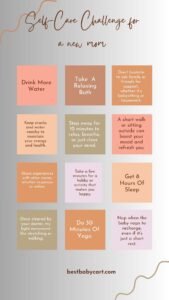
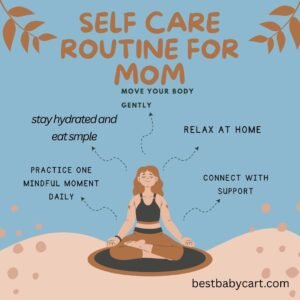
New Mom Self-Care Routine

New Mom Self-Care Routine: Essential Tips for Wellness!

Discover a new mom self-care routine with essential wellness tips for 2025 on bestbabycart.com, featuring quick relaxation and self-pampering ideas to thrive!

Welcoming a new baby into your life is a whirlwind of joy, love, and—let’s be honest—exhaustion. As a new mom, you’re pouring your heart and soul into caring for your little one, but what about you? Your well-being matters just as much, and carving out time for self-care isn’t selfish—it’s essential. A thoughtful self-care routine can recharge your energy, boost your mood, and help you thrive as both a mom and an individual.

In this guide, we’ll walk you through practical, heartfelt tips to create a new mom self-care routine that fits your busy life. From nurturing your body to soothing your mind, we’ve got you covered with actionable steps, emotional encouragement, and a sprinkle of inspiration. Let’s dive in!

 Important Checklist For New Mom

Becoming a new mom is an exciting yet overwhelming journey. Here’s a concise checklist to help you prepare and thrive:

New Mom Self-Care Routine

Why Self-Care Matters for New Moms

Becoming a mom is transformative, but it can also be overwhelming. Between sleepless nights, endless feedings, and adjusting to your new role, it’s easy to put yourself last. However, self-care isn’t a luxury—it’s a lifeline. Prioritizing your wellness helps you:

  • Boost Energy: Even small acts of self-care can recharge your physical and mental batteries.

  • Reduce Stress: Taking time for yourself lowers cortisol levels and promotes calm.

  • Enhance Bonding: When you’re refreshed, you can connect more deeply with your baby.

  • Model Self-Love: Showing your child the importance of self-care sets a powerful example.

Self-care doesn’t mean hours at a spa (though we can dream!). It’s about small, intentional moments that nourish your body, mind, and soul. Ready to build a routine that works for you? Let’s explore the essentials.

Building Your New Mom Self-Care Routine

Creating a self-care routine as a new mom is about flexibility and grace. You don’t need a perfect plan—just a few consistent habits that make you feel like you again. Below, we’ve broken down key areas of focus with practical tips and emotional support.

Finding Moments For Yourself

Finding moments for yourself can be simple. Take short breaks during the day. Even a few minutes can make a difference. Enjoy a cup of tea or read a book. Practice deep breathing exercises to relax your mind. These small acts can refresh your energy.

Consider scheduling regular alone time. Ask a family member to watch the baby. Use this time to do something you love. Whether it’s a hobby or a nap, it’s your time. Remember, taking care of yourself is a priority. It helps you be the best mom you can be.

Mental Health Matters

As a new mom, you may face many changes. Your mental health is essential. It’s important to care for your mind as you do for your baby. Taking small steps can make a big difference. Remember, you are not alone on this journey.

Recognizing Stress Signals

Stress can show in many ways. Physical signs include headaches and fatigue. Emotional signs may be irritability or sadness. Recognizing these signals is the first step. Pay attention to your body’s messages. It can help you manage stress better. 

Seeking Professional Support

Sometimes, stress feels overwhelming. Seeking professional help is a smart choice. Therapists and counselors offer valuable support. They listen and provide helpful tools. You deserve to feel your best. Professional support can guide you through tough times.

New Mom Self-Care Routine

Physical Wellness

New moms need a self-care routine for physical wellness. Short walks can boost energy and mood. Simple yoga stretches relieve stress and improve posture, helping moms feel more balanced and refreshed. Follow the CDC postpartum care guidelines for safe recovery after birth.

Welcoming a newborn into your life is a joyous occasion, but it also brings a whirlwind of changes. Amidst sleepless nights and diaper changes, prioritizing your physical wellness is crucial. As a new mom, your body has just undergone an incredible transformation, and nurturing it will help you regain energy and resilience. Let’s dive into some practical ways to boost your physical wellness.

Incorporating Exercise

Adding exercise to your daily routine might feel overwhelming at first. But think of it as a way to recharge your batteries rather than a chore. You don’t need a gym membership to get moving. Start small. Try walking around the neighborhood with your baby in a stroller. It’s a great way to introduce fresh air and sunshine into your day. Or, if you prefer to stay indoors, follow along with short online yoga or dance videos. These activities help strengthen your muscles and improve your mood. Consistency is key, so aim for just ten minutes a day and build from there. How can you make this part of your routine enjoyable?

Balanced Nutrition

Eating well is another cornerstone of physical wellness. As a new mom, your body needs nourishment to recover and produce energy. Let’s make this simple and achievable. Focus on whole foods. Think fruits, vegetables, whole grains, and lean proteins. Prepare easy meals like oatmeal with berries or grilled chicken salad. Batch cooking can save time, letting you grab nutritious meals without fuss. Hydration is just as important. Keep a water bottle handy and sip regularly. You might be surprised at how water can boost your energy levels. What quick meal ideas can you add to your repertoire to make your days easier? These steps are not just about physical health; they also support mental clarity and emotional well-being. Remember, your wellness journey is unique, so find what works best for you and enjoy the process.

Sleep Optimization

Being a new mom is a wonderful experience, yet it comes with challenges. One of the biggest hurdles is getting enough sleep. Sleep optimization is crucial for maintaining energy and well-being. With the right strategies, you can improve sleep quality, even with a newborn.

Creating A Sleep-friendly Environment

Design a peaceful space to enhance sleep. Keep the bedroom cool and dark. Use blackout curtains to block light. A white noise machine can drown out disturbances. Choose comfortable bedding for restful nights. Consider calming scents like lavender to soothe.

Napping Strategies

Short naps boost energy. Aim for 20-minute naps. Longer naps can disrupt your sleep cycle. Nap when your baby sleeps. This helps align your rest with their schedule. Avoid caffeine before napping to ensure deeper sleep. Set a regular nap time to establish routine.

Mindfulness Practices

Embrace small moments of mindfulness to nurture yourself. Gentle breathing exercises or a quiet pause can refresh your spirit. Prioritize self-care in your daily routine, fostering calm and balance.

Being a new mom is a whirlwind of emotions and responsibilities. Amidst diaper changes and feeding schedules, it’s easy to forget about your own well-being. Mindfulness practices can be a sanctuary amidst the chaos, offering you a moment to breathe and reconnect with yourself. These practices are not just about finding peace; they are about grounding yourself in the present, enhancing your resilience, and nurturing your mental health. Let’s dive into some practical mindfulness techniques that can seamlessly fit into your hectic schedule.

Meditation Techniques

Meditation can feel like a luxury for a new mom, but even a few minutes can work wonders. Try starting with a simple technique: sit comfortably, close your eyes, and focus on your breath. You might feel your mind wandering to the endless to-do list, and that’s okay. Gently bring your attention back to your breath each time it strays. Guided meditations can also be a great tool. Apps like Headspace or Calm offer short sessions that you can fit in during nap time. Imagine those ten minutes of meditation as a mental oasis, rejuvenating your mind and body. What’s one small way you can commit to making meditation a regular part of your day?

Breathing Exercises

Breathing exercises are a powerful and accessible form of mindfulness. When you feel overwhelmed, take a few deep breaths, counting to four as you inhale and exhale. This simple act can help slow your heart rate and calm your mind. Consider trying the 4-7-8 technique: inhale for a count of four, hold for seven, and exhale for eight. This exercise can be particularly helpful when you’re feeling anxious or stressed. Practicing it regularly can help you remain calm and centered, even on the most challenging days. Breathing exercises can be done anywhere—during a feeding session, while rocking your baby to sleep, or even in the shower. How can you integrate these small but powerful moments of calm into your daily routine? Mindfulness is not just a practice; it’s a gift you give yourself. By carving out moments for meditation and breathing, you’re not only enhancing your own well-being but also modeling self-care for your child. What will you do today to nurture your own spirit?

Building Support Networks

Becoming a new mom is an exciting journey, full of unexpected challenges and joys. Caring for a newborn requires a lot of energy and attention. Having a strong support network can make this transition smoother. Building connections with others can help you feel understood and supported. It gives you access to valuable resources and advice. Read on to explore how to connect with other moms and utilize community resources.

Connecting With Other Moms

Meeting other moms can be a comforting experience. Attend local mom groups or parenting classes. These gatherings offer a chance to share experiences. You can learn new tips and tricks from seasoned moms. Online forums and social media groups are also great places to connect. They provide space for real-time advice and support. Sharing stories with others can help you feel less isolated.

Utilizing Community

Community resources can be a vital lifeline for new moms. Libraries often host parenting workshops. Health centers may offer free classes or support groups. These programs can enrich your parenting journey with new knowledge. Don’t hesitate to reach out to local organizations. Many offer resources tailored for new parents. It’s essential to know what’s available in your area. This information can help you feel more prepared and confident.

Creative Outlets

Finding time for self-care as a new mom can be challenging. Creative outlets like journaling or painting offer a refreshing escape. These activities help nurture mental well-being while fitting easily into a busy schedule.

Welcoming a newborn into your life is a magical experience, but it can also be overwhelming. Amidst the diaper changes and sleepless nights, finding time for yourself is crucial. Creative outlets can be a wonderful way to recharge your batteries and nourish your spirit. They offer a break from routine and invite you to express yourself in new and exciting ways.

Exploring New Hobbies

Trying out a new hobby can be a refreshing escape from the demands of motherhood. It’s not just about filling time; it’s about discovering a part of you that might have been dormant. Have you ever wanted to learn to play an instrument or perhaps start a small garden? Investing in a hobby can bring unexpected joy and relaxation. A friend of mine found peace in knitting. It was a simple activity that calmed her mind and produced beautiful scarves as gifts. This could be your chance to explore something you’ve always been curious about.

Expressing Through Art

Art is a powerful tool for self-expression. You don’t need to be an expert to create something meaningful. Sometimes, the act of painting or drawing can be more therapeutic than the end result. Have you ever tried painting with your child? It can be a bonding experience while allowing you to express your emotions on canvas. Consider dedicating a small corner of your home to your artistic endeavors. This space can be your sanctuary—a place where you let your creativity flow without judgment. Have you found yourself doodling during a phone call? Those little sketches can evolve into larger projects. Art is a journey, and each stroke brings you closer to understanding yourself. Do you feel a spark of excitement at the thought of these creative possibilities? Remember, the journey of self-care is deeply personal. Embrace what resonates with you and let your creativity lead the way.

New Mom Self-Care Routine

Managing Expectations

Becoming a new mom brings joy and challenges. Managing expectations is crucial. It helps maintain mental well-being. Many new moms feel overwhelmed. Balancing baby care and personal needs can be tough. Setting realistic expectations eases stress. It promotes a healthier self-care routine. Breastfeeding can be overwhelming—check our breastfeeding tips for new moms to ease the journey.

Embracing Imperfection

Perfection is unrealistic. Every mom makes mistakes. It’s part of the journey. Embrace these moments as learning experiences. Imperfection fosters growth. It builds resilience. Accept that things may not go as planned. This mindset reduces pressure. It allows for more self-compassion.

Setting Realistic Goals

Start with simple goals. Prioritize your needs. Include time for rest and relaxation. Small, achievable goals boost confidence. They create a sense of accomplishment. Don’t compare yourself to others. Every mom’s journey is unique. Focus on what works for you and your baby. Your sleep matters too—try our baby sleep solutions to help your little one rest better.


Frequently Asked Questions

How do I find time for self-care with a newborn?
A: Focus on micro-moments, like deep breathing during feedings or stretching while baby plays. Delegate tasks and accept help to free up small windows of time.

What are quick self-care ideas for busy moms?
A: Try 5-minute habits: sip a warm drink, listen to music, journal one sentence, or take a brisk walk with the stroller.

How do I know if I need professional help?
A: If you feel persistently sad, anxious, or disconnected for more than two weeks, reach out to a doctor or therapist. Postpartum depression is common and treatable.

More questions about new mom life? Visit our FAQ for new parents.

Conclusion

Creating a self-care routine helps new moms feel more balanced. Taking small breaks can rejuvenate and refresh. Remember, self-care isn’t selfish. It’s essential for mental health. Simple acts, like a warm bath, can lift spirits. Consistency in self-care builds resilience.

It also supports better parenting. Prioritize yourself to nurture both you and your baby. Listen to your needs and make time for joy. A happier mom means a happier home. Seek support from family and friends. Share your self-care journey with them.

Embrace these changes for a healthier, more fulfilling motherhood experience.


Do Baby Teeth Have Nerves? Uncover the Surprising Truth!

Yes, baby teeth have nerves. Just like adult teeth, they can feel pain.

Hey there, parents! If you’ve ever wondered, “Do baby teeth have nerves?” you’re not alone. As a mom of three and the founder of BestBabyCart.com, I’ve had the same question pop into my mind during those late-night teething sessions. It’s a topic that often surprises new parents, and I’m here to break it down for you in a way that’s easy to understand, with a sprinkle of emotional support, because I know how overwhelming parenting can feel sometimes!

Introduction To Baby Teeth

Baby teeth, also called primary teeth, play a huge role in your child’s development, from helping them chew their first bites to paving the way for their permanent teeth. But what’s going on inside those tiny pearly whites? Do they have nerves like adult teeth? And if they do, what does that mean for teething, tooth decay, or even a trip to the dentist? Let’s uncover the surprising truth together, with Pediatrician-backed insights and practical tips to keep your little one’s smile healthy.

Do Baby Teeth Have Nerves?

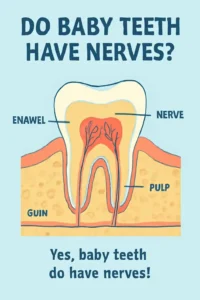
Yes, baby teeth do have nerves! Just like adult teeth, baby teeth contain nerves, blood vessels, and a soft tissue called pulp at their core. This might come as a surprise, especially since baby teeth eventually fall out, but those nerves are essential for your child’s oral health and development. They help the teeth grow, stay healthy, and even signal pain if something’s wrong, like a cavity.

But don’t worry—this doesn’t mean your baby is in constant pain when those teeth start coming in. The nerves in baby teeth are less developed than in adult teeth, which is why kids can often handle teething or minor dental issues better than we might expect. Let’s dig deeper into what this means for your little one.

The Anatomy of Baby Teeth: What’s Inside?

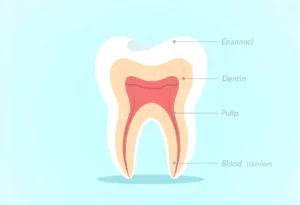
To understand the role of nerves in baby teeth, let’s take a quick look at their structure. Baby teeth might be small, but they’re made up of several layers, just like permanent teeth.

The Outer Layers: Enamel and Dentin

The outermost layer of a baby tooth is the enamel—a hard, protective coating that’s the toughest substance in the human body. Beneath the enamel is the dentin, a softer layer that supports the enamel and absorbs shocks from chewing.

The Inner Core: Pulp, Nerves, and Blood Vessels

At the center of the tooth is the pulp, a soft tissue that houses the nerves and blood vessels. These nerves are what allow the tooth to feel sensations like temperature or pain, while the blood vessels supply nutrients to keep the tooth alive and growing. So yes, baby teeth have nerves, but they’re not as sensitive as those in adult teeth because the dentin layer in baby teeth is thinner, and the nerves are less mature.

A labeled diagram of a baby tooth


Why Do Baby Teeth Need Nerves?

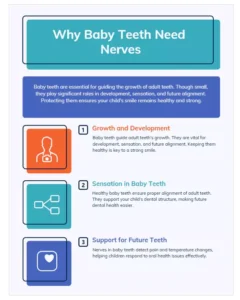
Now that we know baby teeth have nerves, you might be wondering why they need them in the first place. After all, these teeth fall out between ages 6 and 12, so what’s the point? Here’s why those nerves are so important:

  • Growth and Development: Nerves and blood vessels in the pulp help the tooth grow and stay healthy while it’s in your child’s mouth.
  • Sensation: The nerves allow your child to feel sensations, like pain from a cavity, which can alert you to dental issues early.
  • Support for Permanent Teeth: Healthy baby teeth help guide permanent teeth into the right position, and the nerves play a role in keeping those baby teeth functional until they’re ready to fall out.

So, while baby teeth are temporary, they’re not just placeholders—they’re working hard to support your child’s overall oral health!


Why Baby Teeth Need Nerves

Img: Why Baby Teeth Need Neves

Formation Of Baby Teeth

Baby teeth begin forming before birth. The development starts in the womb. By the time a baby is born, the crowns of all 20 primary teeth are almost completely formed. These teeth begin to erupt through the gums at around six months of age.

Here is a table showing the typical age range for the eruption of baby teeth:

Type of Tooth Age of Eruption (Months)
Central Incisors 6-12
Lateral Incisors 9-16
First Molars 13-19
Canines 16-23
Second Molars 23-33


Importance Of Baby Teeth

Baby teeth are essential for several reasons:

  • Chewing: They help children chew food properly, aiding digestion.
  • Speech: These teeth are crucial for speech development. They help in forming sounds and words.
  • Jaw Development: Baby teeth maintain space in the jaw for the permanent teeth. They guide the permanent teeth into their correct positions.
  • Self-Esteem: A healthy smile boosts a child’s confidence and social interactions.

Do Baby Teeth Have Nerves?


Structure Of Baby Teeth

Understanding the structure of baby teeth is crucial for recognizing their role in a child’s early development. Baby teeth, also known as primary teeth, have a unique structure that distinguishes them from adult teeth. Let’s explore the different layers and how they differ from adult teeth.

Layers Of A Tooth

Each baby tooth consists of several layers, each serving a vital function:

  • Enamel: This is the hard, outermost layer. It protects the tooth from decay.
  • Dentin: Located beneath the enamel, this layer is softer. It supports the enamel and carries some nerve fibers.
  • Pulp: The innermost part of the tooth. It contains nerves and blood vessels. This part is crucial for the tooth’s health and development.

Differences From Adult Teeth

While baby teeth share similarities with adult teeth, there are key differences:

Aspect Baby Teeth Adult Teeth
Size Smaller Larger
Enamel Thickness Thinner Thicker
Number 20 32
Root Structure Shorter, resorbs over time Longer, permanent


Understanding these differences helps in providing proper dental care for children. It ensures their teeth stay healthy and strong.

Checklist: Soothing Teething Pain


Presence Of Nerves In Baby Teeth

Parents often wonder if baby teeth have nerves. The simple answer is yes. Baby teeth, like adult teeth, contain nerves. These nerves play a crucial role in the health and function of teeth. Understanding this can help in better dental care for children.

Anatomy Of Nerves

Each baby tooth has a complex structure. Inside the tooth, there is a soft tissue called the pulp. The pulp contains nerves and blood vessels. These nerves run from the crown of the tooth down to the root. They are surrounded by dentin, a hard tissue that protects them.

The pulp is vital for the tooth’s development. It helps form the dentin and keeps the tooth alive. Nerves in the pulp are very sensitive. They can detect changes in temperature and pressure. This sensitivity is important for detecting potential issues early.

Function Of Nerves In Teeth

Nerves in baby teeth serve several purposes. Firstly, they help in the growth and development of the tooth. The nerves provide nutrients and keep the tooth healthy. Secondly, they act as a warning system. If a tooth gets damaged or infected, the nerves send pain signals. This alerts you to the problem.

Pain signals can indicate cavities or other issues. Early detection can prevent more serious problems. Therefore, nerves are essential for maintaining oral health in children.

Pain And Sensation In Baby Teeth

Baby teeth have nerves, so they can feel pain and other sensations. This is why children may feel discomfort when their teeth come in or fall out.

Baby teeth, also known as primary teeth, do have nerves. These nerves play a significant role in the pain and sensation your child feels. Understanding this can help you better manage your baby’s dental health.

Teething Pain

Teething often causes discomfort and pain for babies. The process starts around six months of age. During teething, teeth push through the gums. This can make the gums sore and swollen. Your baby may become fussy and irritable. They might also drool more than usual. Chewing on objects can help soothe their gums.

Sensitivity To Temperature

Baby teeth can be sensitive to temperature changes. Cold foods or drinks might cause discomfort. Hot items can also trigger pain. This sensitivity is due to the nerves in the teeth. You may notice your baby reacting to temperature changes in their food or bottle. Being mindful of this can help prevent unnecessary discomfort. 

Dental Health For Baby Teeth

Many parents wonder if baby teeth have nerves. Yes, they do. Baby teeth are essential for chewing and speaking. They also hold space for adult teeth. Taking care of baby teeth is important. Good dental health starts early.

Oral Hygiene Practices

Proper oral hygiene is crucial for baby teeth. Start cleaning your baby’s mouth before teeth appear. Use a soft, damp cloth to wipe gums. Once teeth appear, use a small toothbrush with soft bristles. Brush twice a day. Use a small amount of fluoride toothpaste.

  • Wipe gums daily with a clean cloth.
  • Brush teeth twice a day.
  • Use fluoride toothpaste.
  • Visit the dentist regularly.

These practices help keep baby teeth healthy. They also set the stage for good dental habits.

Preventing Tooth Decay

Tooth decay can start early. Prevent it by controlling sugar intake. Avoid giving sugary drinks in bottles. Don’t let your baby sleep with a bottle. Introduce a sippy cup around six months.

  1. Limit sugary drinks and snacks.
  2. Use a sippy cup by six months.
  3. Brush teeth after meals.
  4. Schedule regular dental check-ups.

These steps help prevent cavities. Healthy baby teeth lead to healthy adult teeth.

Age Oral Care Tips
0-6 months Wipe gums with a clean cloth.
6-12 months Introduce a toothbrush. Use fluoride toothpaste.
12-24 months Brush twice a day. Visit the dentist.


Following these tips can keep your child’s teeth healthy. Early care is key to a lifetime of good dental health.

Common Myths About Baby Teeth

Understanding baby teeth is crucial for parents. There are many common myths about baby teeth. These myths can lead to misunderstandings about dental care for children. Addressing these myths can help parents take better care of their child’s teeth.

Myth Of No Nerves

Some people believe baby teeth have no nerves. This is untrue. Baby teeth do have nerves. These nerves can feel pain and temperature changes. If a baby tooth gets damaged, it can hurt. Ignoring this myth can lead to untreated dental issues. Proper care is needed to avoid pain and infections.

Myth Of Irrelevance To Adult Teeth

Many think baby teeth do not affect adult teeth. This is another myth. Baby teeth guide the permanent teeth into place. They act as placeholders. If a baby tooth is lost early, it can cause spacing issues. These issues can affect how adult teeth grow in. Proper care of baby teeth ensures healthy development of adult teeth.

Cavities and Nerve Sensitivity

If a cavity develops in a baby tooth, it can reach the pulp and irritate the nerves, causing pain. That’s why it’s so important to start oral hygiene early—yes, even before the first tooth comes in! Wiping your baby’s gums with a soft cloth and brushing their teeth with a tiny amount of fluoride toothpaste (once they erupt) can prevent cavities.

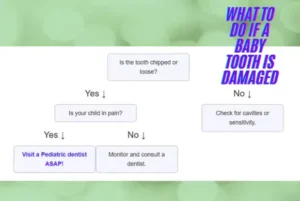
Trauma to Baby Teeth

If your child falls and chips a baby tooth, the nerve might become exposed, leading to sensitivity or pain. In some cases, the tooth might need to be extracted by a dentist to prevent infection or damage to the permanent tooth underneath. Always consult a Pediatric dentist if your child experiences dental trauma.

What to Do If a Baby Tooth Is Damaged

Image: What to do if a baby tooth is damaged!


When To Visit A Pediatric Dentist

Understanding when to visit a pediatric dentist is crucial for your child’s dental health. Baby teeth, also known as primary teeth, play an essential role in developing strong, healthy adult teeth. Even though baby teeth eventually fall out, their health is important.

Many parents wonder if baby teeth have nerves. The answer is yes. Baby teeth have nerves just like adult teeth. This means they can feel pain and sensitivity. To ensure your child’s teeth are healthy, it’s important to know when to schedule a visit to the pediatric dentist.

First Dental Visit

Experts recommend scheduling your child’s first dental visit by their first birthday. This early visit helps identify any potential dental issues and ensures proper tooth development. During this visit, the dentist will examine your child’s teeth and gums. They will also discuss proper oral hygiene practices.

By starting dental visits early, children become comfortable with the dentist. This can reduce anxiety in future visits. Regular checkups are key to maintaining healthy teeth and preventing dental problems.

Signs Of Dental Issues

It’s important to monitor your child’s teeth for signs of dental issues. Early detection can prevent more serious problems later. Here are some common signs to watch for:

  • Tooth pain or sensitivity
  • Swollen or bleeding gums
  • White or brown spots on teeth
  • Bad breath that doesn’t go away
  • Difficulty chewing or eating

If you notice any of these signs, schedule a visit to the pediatric dentist right away. They can diagnose and treat any issues, ensuring your child maintains a healthy smile.

Regular dental visits and proper oral care are essential for your child’s dental health. By knowing when to visit a pediatric dentist, you can help ensure your child’s teeth and gums stay healthy and strong.

Do Baby Teeth Have Nerves?

Long-term Impact Of Baby Teeth Health

Baby teeth have nerves, which play a crucial role in early dental health. Healthy baby teeth impact adult teeth alignment and overall oral health.

Baby teeth play a crucial role in a child’s overall development. Their health impacts more than just the ability to chew. It affects speech and the alignment of adult teeth. Neglecting baby teeth can lead to long-term oral health issues. These issues often extend into adulthood.

Influence On Adult Teeth

Baby teeth act as placeholders for adult teeth. They guide permanent teeth into the correct position. Poor care of baby teeth can lead to misalignment of adult teeth. This misalignment may require braces or other orthodontic treatments. Early loss of baby teeth can cause crowding in the mouth. This can lead to problems with biting and chewing.

Overall Oral Health

Healthy baby teeth contribute to overall oral health. Decayed baby teeth can cause pain and infections. These infections can spread to other parts of the mouth. This can affect the development of adult teeth. Good oral hygiene habits start with baby teeth. Teaching kids to care for their baby teeth sets them up for a lifetime of healthy habits. 

How to Care for Baby Teeth with Nerves

Knowing that baby teeth have nerves means we need to take extra care to keep them healthy. Here are some practical tips to protect those tiny teeth and their nerves:

Start Oral Hygiene Early

Even before the first tooth appears, wipe your baby’s gums with a soft, damp cloth after feedings to remove bacteria. Once teeth erupt, brush twice a day with a rice-grain-sized amount of fluoride toothpaste.

Limit Sugary Foods and Drinks

Sugar can lead to cavities, which can irritate the nerves in baby teeth. Avoid giving your child sugary snacks or juices, especially before bed, and encourage water instead.

Schedule Regular Dental Checkups

The American Academy of Pediatric Dentistry recommends your child’s first dental visit by their first birthday. Regular checkups can catch issues early, protecting the nerves and overall oral health.

Emotional Support for Parents: You’re Not Alone!

Learning that baby teeth have nerves can feel a little overwhelming—I get it! As parents, we worry about every little thing, especially when it comes to our child’s health. But here’s the good news: you’re already doing an amazing job by seeking out this information. Taking care of your baby’s teeth is a learning process, and it’s okay to feel unsure sometimes.

Let Go of the Guilt

If your child has a cavity or dental issue, don’t blame yourself. Dental problems can happen even with the best care, and the nerves in baby teeth are there to help alert you to issues so you can address them.

Summary Of Findings

Baby teeth, also known as primary teeth, do have nerves. These nerves are similar to those in adult teeth. They are sensitive to pain, temperature, and pressure.

  • Baby teeth have a pulp chamber with nerves and blood vessels.
  • They can feel pain and react to stimuli.
  • Proper dental care is essential for maintaining healthy nerves in baby teeth.

Final Thoughts

Caring for baby teeth is important. Their nerves can cause pain when there are dental issues. Regular check-ups with a dentist can help maintain dental health. Good dental hygiene from a young age prevents many problems.

If your child complains of tooth pain, consult a dentist. It’s important to address issues early. Healthy baby teeth lead to a healthy adult smile.

Do Baby Teeth Have Nerves Uncover the Surprising Truth


FAQ: Your Baby Teeth Questions Answered

Do baby teeth have nerves like adult teeth?

Yes, baby teeth have nerves, but they are less developed than adult teeth. The nerves are in the pulp, helping with growth and sensation, but they’re not as sensitive.

Can a cavity in a baby tooth cause nerve pain?

Yes, if a cavity reaches the pulp, it can irritate the nerves and cause pain. That’s why early dental care is so important to prevent cavities.

Does teething pain come from the nerves in baby teeth?

No, teething pain is mostly from the gums as teeth push through, not the nerves inside the teeth. The nerves in baby teeth are less sensitive than in adult teeth.

When should my child see a dentist for their baby teeth?

The American Academy of Pediatric Dentistry recommends a first dental visit by your child’s first birthday to ensure their teeth and nerves stay healthy.

What should I do if my child’s baby tooth is damaged?

If the tooth is chipped or loose, check for pain. If they’re in pain, see a Pediatric dentist right away. If not, monitor and consult a dentist for advice.

Conclusion: Healthy Baby Teeth, Happy Smiles

So, do baby teeth have nerves? Yes, they do—and those nerves play a vital role in your child’s oral health, from growth to signaling problems like cavities. By understanding how baby teeth work and taking steps to care for them, you’re setting your child up for a lifetime of healthy smiles. At BestBabyCart.com, we’re here to support you with Pediatrician-led advice and the best baby products. Need teething toys or baby toothbrushes? Check out our top picks on Amazon through our site!