
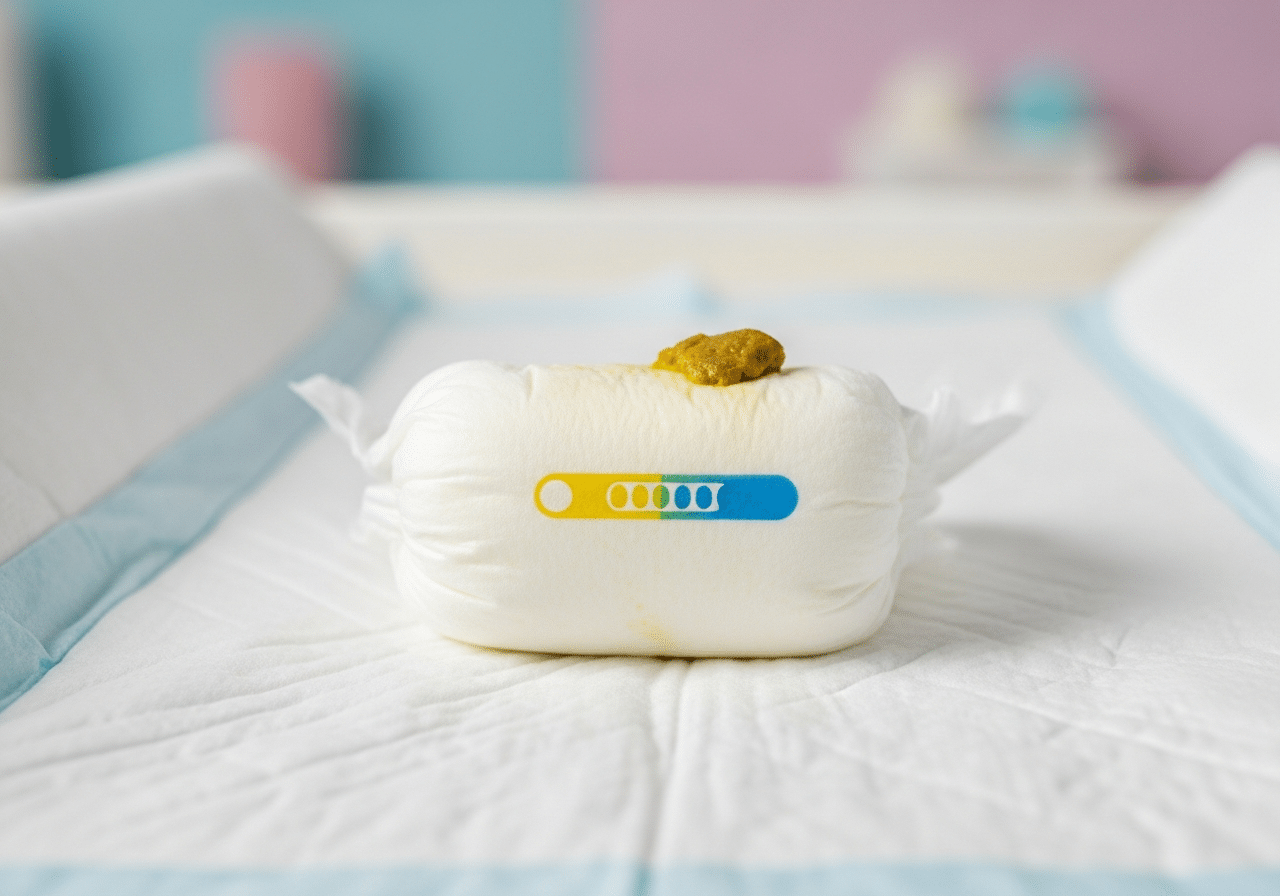
Imagine you’re a parent, caught up in the whirlwind of daily tasks, when suddenly, you wonder if your baby’s diaper is wet. You want a quick and easy way to know without the guesswork.
That’s where color-changing diapers come in, offering a simple solution to a common parenting challenge. You might be curious about how these diapers work and what colors they change to when wet. This intriguing feature not only saves you time but also ensures your baby stays comfortable and dry.
Dive into this article to discover the science behind these innovative diapers and learn how they can make your life easier.
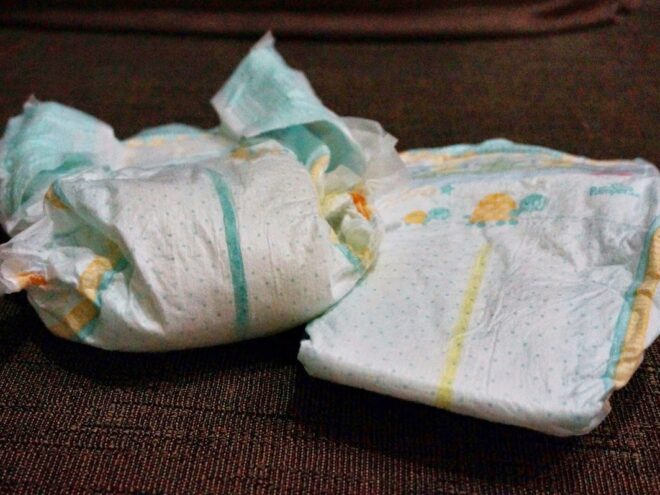
Credit: tulamama.com
Diaper Technology Evolution
Diaper technology has transformed over the years, offering more convenience. Parents now have better tools to care for their babies. Wetness indicators are a major part of this evolution. They show when a diaper is wet by changing color. This helps parents know when it’s time for a change.
Early Designs And Materials
In the beginning, diapers were simple cloth pieces. They had to be washed after each use. There were no colors to show wetness. Parents relied on touch or smell to know if a diaper was wet. This method was often messy and time-consuming. As diaper technology evolved, new materials were introduced. These materials aimed to improve absorption and reduce leaks.
Modern Innovations
Today, diapers use advanced technology to show wetness. Many feature a line or pattern that changes color. The change is quick and easy to spot. This innovation saves time for busy parents. Modern diapers also use super-absorbent materials. They keep babies dry and comfortable for longer periods. These changes have improved the diaper-changing experience greatly.
Understanding Wetness Indicators
Diapers are essential for keeping babies comfortable and dry. Understanding how wetness indicators work helps parents know when to change the diaper. These indicators are simple yet effective tools. They provide a clear sign that the diaper needs attention.
Purpose And Functionality
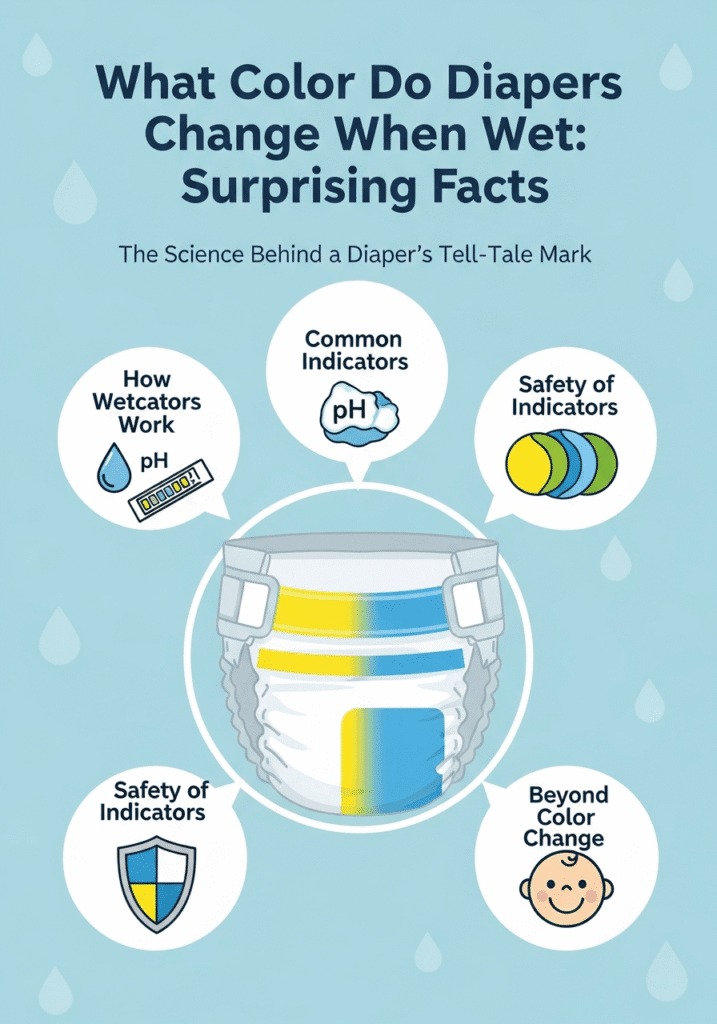
Wetness indicators serve a vital purpose. They let caregivers know when the diaper is wet. This prevents discomfort and potential skin irritation. The indicator usually appears as a line or pattern. It changes color when the diaper gets wet. This color change is due to moisture-sensitive materials. It acts as a visual cue for parents.
Common Indicator Colors
Wetness indicators often change to distinct colors. Many diapers use yellow or blue lines. When the diaper is dry, the line stays unchanged. As moisture interacts with the diaper, the color transforms. Blue or green are common wet colors. The change is easy to spot. It provides a quick check without opening the diaper.
The Science Behind Color Change
Diapers often change color when wet to alert caregivers. This clever design uses chemical indicators that react with moisture, causing the color shift. These indicators provide a simple way to see when a diaper needs changing, ensuring comfort for the baby.
The Science Behind Color Change Ever wondered why some diapers change color when wet? It’s not just a clever gimmick. This transformation is rooted in science, making diaper changes easier for you. This innovation helps parents and caregivers quickly determine when a diaper is full, reducing the chances of discomfort for your little one.
Chemical Reactions In Diapers
Diapers are engineered with chemicals that react to moisture. These chemicals are usually pH indicators. When your baby wets the diaper, these chemicals undergo a change, signaling that it’s time for a fresh one. Consider this: a blue line on a diaper that turns green when wet. This change is due to the chemical reaction between the indicator and the moisture. This visible cue provides a clear indication that the diaper is wet.
Role Of Ph And Moisture
The pH level in urine plays a significant role in this color-changing process. Typically, urine is slightly acidic. When it contacts the diaper’s chemicals, a shift occurs. The moisture absorbed by the diaper also prompts a color change. This is more than just a fascinating chemical reaction—it’s a practical tool for parents. Wouldn’t it be handy if all indicators in life were this clear and easy to read? Next time you see that color change, remember it’s the science doing its job. The combination of pH and moisture ensures you’re always in the loop about your baby’s comfort. This innovation isn’t just about convenience; it’s about ensuring your baby stays happy and dry. So, is your diaper changing game as efficient as it could be?
Popular Diaper Brands And Their Colors
Diapers change colors to indicate wetness, making them easy for parents to check. Popular brands like Pampers and Huggies feature unique wetness indicators. These indicators often turn blue or green when wet, helping caregivers know when it’s time for a change.
When you become a parent, you quickly realize the importance of understanding the subtle nuances of diapering. One such nuance is recognizing the color change in diapers when wet. This feature is not just a nifty trick but a helpful indicator that can save you from unnecessary diaper changes. Different diaper brands use various colors to signal wetness, and knowing these can make your diapering experience much smoother.
Comparing Leading Brands
In the world of diapers, brands like Pampers, Huggies, and Luvs are household names. Each offers a unique color indicator when wet. Pampers, for instance, typically change from yellow to a shade of blue. Huggies often go from a light yellow to green, while Luvs might shift to a bluish-green hue. These color indicators are strategically placed along the front strip of the diaper. This makes it easy to spot the change without unnecessary undressing or disturbing your little one.
Unique Features Of Each Brand
Pampers is renowned for its soft texture and reliable absorbency. Their wetness indicator is designed to be prominent, even in low light. This is perfect for those middle-of-the-night diaper checks. Huggies, on the other hand, pride themselves on their snug fit and strong tabs. Their wetness indicator is accompanied by a cute design that becomes more visible as the diaper gets wet. It’s a small touch that makes diapering a bit more fun. Luvs offers a budget-friendly option without compromising on quality. Their wetness indicator is straightforward and clear, ensuring that you never miss a change. They also boast a fragrance-free option, which is great for babies with sensitive skin. Think about how many times you’ve had to guess if a diaper was wet. What if recognizing the color change could save you time and hassle? Understanding these indicators can make diapering just a bit easier, letting you focus more on enjoying time with your baby. Are there any other features you look for in a diaper brand?
Impact On Caregivers And Babies
The color-changing feature of diapers when wet is a game-changer for caregivers and babies. It offers a practical solution to a common challenge—knowing exactly when a diaper needs changing. But how does this impact both parents and their little ones? Let’s explore.
Ease Of Use For Parents
Imagine you’re in a busy café, juggling your coffee and a fussy toddler. You don’t want to perform a full diaper check in public. The wetness indicator on the diaper saves you from that awkward moment. The color change is a discreet way to know when it’s time for a change.
This feature is particularly useful during nighttime. Instead of waking your baby unnecessarily, you can quickly check the diaper’s color in low light. It helps you decide whether to change the diaper or let your child sleep peacefully.
Parents often share how this feature reduces stress. It’s one less thing to worry about in your daily routine. Do you remember the last time you changed a diaper just to find it dry? This innovation minimizes guesswork.
Comfort And Health For Babies
Babies benefit significantly from timely diaper changes. Wet diapers can cause discomfort and lead to diaper rash. The color change alerts you to wetness, allowing you to act quickly.
Comfort is crucial for your baby’s mood. A dry diaper means a happier baby, which often translates to less crying and more smiles. Have you noticed the relief on your baby’s face after a fresh change?
Frequent changes ensure your baby stays healthy. You protect their sensitive skin from prolonged exposure to moisture. This simple feature can make a big difference in your baby’s daily comfort and health.
So, the next time you see that color change, think about how it impacts both you and your baby. Are you ready to embrace this convenience in your caregiving routine?

Credit: www.facebook.com
Environmental Considerations
In today’s world, where environmental awareness is rising, even the smallest choices, such as the type of diapers you use, can have a significant impact. Many parents find themselves asking if their diaper choices are eco-friendly and sustainable. This is not just a question about convenience; it’s about safeguarding the planet for future generations.
Sustainability Of Materials
Most traditional diapers are made from materials that are not environmentally friendly. The plastic and chemicals used can take hundreds of years to decompose. Think about it: every diaper you throw away could outlive you!
To counter this, some diaper brands have begun using sustainable materials. These include organic cotton and bamboo, which are more biodegradable than synthetic fibers. These materials help reduce the long-term environmental footprint.
Consider how these choices impact not just the planet, but your child’s health. Natural fibers often reduce skin irritation and allergies. Isn’t it comforting to know that a simple switch could benefit both nature and your baby?
Eco-friendly Alternatives
Eco-friendly diaper options are becoming more accessible. Cloth diapers, for example, are a sustainable alternative that can be reused multiple times. Though initial costs may be higher, you save money in the long run.
Some brands offer biodegradable diapers that break down faster than traditional options. These can be a great compromise for those hesitant to try cloth diapers. They offer the convenience of disposables but with less environmental impact.
Have you considered trying these alternatives? You could start with a trial pack to see if they fit your lifestyle. Switching to eco-friendly diapers is a small change that can make a big difference.
By being mindful about your diaper choices, you contribute to a healthier planet. Each decision counts, and together, they lead to a more sustainable future. Are you ready to make that change?
Frequently Asked Questions
Do Huggies Pull Ups Change Color When Wet?
Yes, Huggies Pull-Ups change color when wet. They have a wetness indicator that helps with potty training. This feature makes it easier for parents to know when a change is needed. It is a practical tool for monitoring your child’s progress in staying dry.
How To Tell If Healthy Baby Diapers Are Wet?
Check for a color-changing wetness indicator on the diaper. Feel the diaper’s exterior for increased bulkiness. Listen for a squishing sound when gently pressed. Observe your baby’s behavior; fussiness might indicate a wet diaper. Always follow the diaper brand’s specific guidelines for best results.
Does A Wetness Indicator Work?
Yes, wetness indicators effectively show moisture presence. They change color, signaling when a diaper needs changing. This feature helps parents and caregivers monitor a baby’s comfort. Wetness indicators save time and prevent diaper rash by ensuring timely diaper changes. They are reliable and widely used in modern diapers.
What Color Do Honest Diapers Turn When Wet?
Honest diapers change color to blue when wet. The wetness indicator helps parents know when to change.
Conclusion
Understanding diaper color changes is crucial for parents. Wet diapers often turn blue. This helps you notice when your baby needs changing. Choosing diapers with clear wetness indicators can simplify your life. It makes it easier to monitor your baby’s needs.
Keep an eye on color changes for your baby’s comfort. This small detail ensures they stay dry and happy. Reliable diapers mean fewer surprises during the day. Always check for the color change to maintain hygiene. Your baby’s comfort depends on your awareness.
Stay attentive and keep your baby smiling.

Emma Grace is a devoted mother and passionate content writer at BestBabyCart.com. With firsthand parenting experience and a love for research, she creates helpful guides and honest reviews to support parents in choosing the best for their babies. Her goal is to make parenthood easier, one article at a time.