
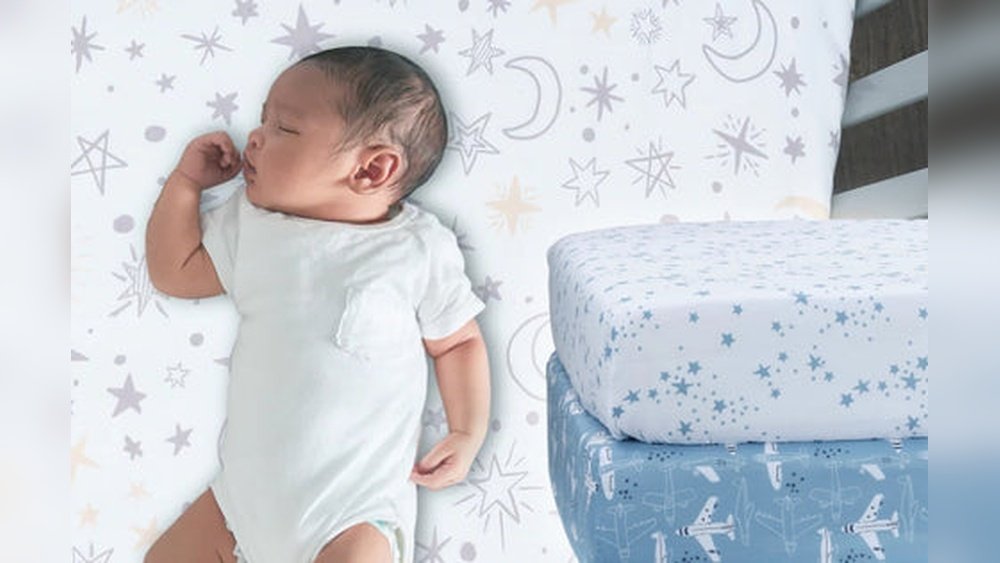
Your baby spends 12 to 16 hours a day in direct contact with their crib sheet, with delicate skin and developing respiratory systems highly vulnerable to irritants, toxic chemicals, and even physical hazards like loose, bunched fabric. Choosing the safest material for crib sheets isn’t just about softness—it’s about minimizing allergy risks, avoiding long-term chemical exposure, and complying with critical safety guidelines to reduce suffocation and fire hazards. This guide breaks down evidence-based material options, red flags to avoid, and certification cues to help you pick the perfect sheet for your family’s needs, no marketing fluff included.
Critical Safety Risks to Avoid First
Before comparing materials, it’s vital to understand the hazards that make even soft, popular crib sheets unsafe for infants. The three most common risks to rule out are:
- Loose fit and suffocation hazards: Per official crib bedding safety standards set by the U.S. Consumer Product Safety Commission (CPSC), all crib sheets must fit tightly enough that they cannot be pulled away from the mattress by a baby’s tugging. A common mistake parents make is buying oversized “one-size-fits-all” sheets that bunch up around the edges, creating a suffocation risk for rolling infants.
- Toxic chemical residues: Conventional cotton may retain pesticide residues from farming, while low-quality sheets often contain formaldehyde (from wrinkle-resistant treatments), PFAS (from water-repellent coatings), or heavy metals from unregulated dyes. These chemicals can cause skin irritation, respiratory issues, and long-term developmental concerns with repeated exposure.
- Added toxic flame retardants: While past regulations required flame retardant treatment for many children’s products, modern CPSC guidelines allow manufacturers to skip these chemicals for crib sheets made from inherently flame-resistant natural fibers. Always confirm a product is explicitly labeled free of added toxic flame retardants, as some low-cost options still use chemicals linked to hormone disruption.
Natural Fiber Crib Sheets: Safety Breakdown
Natural fibers are the top recommendation from most pediatricians for infant crib sheets, as they are breathable, low-irritant, and typically free from the synthetic chemical treatments common in man-made fabrics. Below are the most common natural options, ranked by safety and suitability for baby skin. You can also read our guide on how to keep baby cool in stroller.
Organic Cotton (The Gold Standard)
GOTS-certified organic cotton is the most widely recommended crib sheet material for most families. It is grown without synthetic pesticides or fertilizers, and the GOTS certification tests every stage of production for toxic dyes, heavy metals, and chemical residues. Its soft, tightly woven texture is gentle on delicate skin, resists dust mites, and holds up to hundreds of washes without pilling. Its breathable weave also supports keep infants comfortable even in warm nursery climates, reducing overheating risk during sleep. The only downsides are a higher upfront cost than conventional cotton, and potential shrinkage if washed in hot water.
 This certified organic cotton sheet is free from pesticide residues and synthetic dyes, making it ideal for babies with sensitive skin.
Credit: www.amazon.com
This certified organic cotton sheet is free from pesticide residues and synthetic dyes, making it ideal for babies with sensitive skin.
Credit: www.amazon.com
Bamboo Viscose (The Temperature-Regulating Pick)
Certified bamboo viscose is an excellent choice for babies who sweat heavily during sleep, as its moisture-wicking properties pull dampness away from skin to reduce diaper rash and irritation. It is naturally antibacterial, resists mold and dust mites, and has a silky, ultra-soft texture that many parents prefer over cotton. Note that unregulated bamboo viscose often uses harsh chemical processing (the viscose method) that leaves harmful residues, so only purchase sheets with GOTS or OEKO-TEX certification to confirm safe production. It requires gentle washing to avoid pilling, and is more expensive than most cotton options, but its temperature-regulating properties make it worth the investment for hot sleepers. You can also read our guide on best non toxic disposable diapers.
 Bamboo viscose is naturally temperature-regulating and ideal for infants who sweat heavily during sleep.
Credit: www.milkandbaby.com
Bamboo viscose is naturally temperature-regulating and ideal for infants who sweat heavily during sleep.
Credit: www.milkandbaby.com
Organic Linen (The Allergy-Fighting Option)
Often overlooked in crib sheet guides, organic linen is a top pick for babies with severe eczema, asthma, or dust mite allergies. Its loose, breathable weave allows for maximum air circulation, and its natural fibers are inherently resistant to dust mites and mold. Linen gets softer with every wash, and is extremely durable, often lasting 2+ years with regular use. Its only downsides are a slightly rough texture when new, a tendency to wrinkle, and a higher price point than cotton. It is an ideal pick for families in hot, humid climates.
Synthetic and Blended Crib Sheets: What’s Safe?
Synthetic crib sheets are often chosen for their durability, wrinkle resistance, and lower price point, but not all synthetics are equally safe for infant skin. When selected carefully, they can be a safe, practical option for families with high washing volumes or budget constraints. You can also read our guide on which baby powder is best for newborn baby.
Polyester-Cotton Blends
Tightly woven blends with at least 60% cotton combine the softness of natural fibers with the durability of polyester. These sheets resist pilling, shrinking, and staining, and hold their shape after hundreds of washes. They are an especially practical pick for families using cloth diapers, as they stand up to frequent washing routines without losing softness. Always choose blends with OEKO-TEX certification to confirm no harmful chemical residues remain from manufacturing. Low-quality blends with high synthetic content can trap heat, so avoid these for babies who overheat easily.
 A high cotton-content blend offers durability for families with frequent washing needs, with no harmful chemical residues.
Credit: www.amazon.com
A high cotton-content blend offers durability for families with frequent washing needs, with no harmful chemical residues.
Credit: www.amazon.com
Tight-Weave Microfiber
OEKO-TEX certified tight-weave microfiber (a polyester fabric) is a hypoallergenic, budget-friendly option for travel cribs or temporary use. Its dense weave resists dust mites and allergens, and it is stain-resistant and quick-drying. Avoid un certified microfiber sheets, as low-quality options may shed microplastics and contain residual chemical treatments. It is less breathable than natural fibers, so it is not ideal for everyday use for babies who tend to overheat. You can also read our guide on best toxic free diapers for sensitive baby.
Hypoallergenic Crib Sheets: Who Needs Them?
For babies with eczema, asthma, dust mite allergies, or extremely sensitive skin, hypoallergenic crib sheets are a non-negotiable investment. These sheets are designed to minimize contact with common irritants, and are made from materials that resist allergen buildup. The safest hypoallergenic options are GOTS-certified organic cotton, certified bamboo viscose, organic linen, and OEKO-TEX certified tightly woven polyester blends. Avoid any sheets labeled with added fragrances, fabric softeners, or permanent press treatments, as these almost always contain irritants that can trigger reactions. Even printed or patterned crib sheets are safe for sensitive skin as long as they use non-toxic, low-impact dyes, so you can feel confident choosing safe fabric patterns for nurseries that match your decor without risking irritation.
Key Certifications That Verify Safety
Certifications are the most reliable way to verify a crib sheet’s safety, as they require independent third-party testing for harmful chemicals, production practices, and material integrity. Ignore vague marketing terms like “natural” or “eco-friendly” without a recognized certification to back the claim:
- GOTS (Global Organic Textile Standard): The gold standard for organic textiles, GOTS requires a minimum of 70% organic fibers, bans toxic dyes, bleaches, and chemical treatments, and tests for heavy metals and pesticide residues at every stage of production. It also verifies fair labor practices for manufacturing workers. You can review full global organic textile standard criteria on the official GOTS website.
- OEKO-TEX Standard 100: This certification tests every component of the sheet (fabric, thread, buttons, dyes) for over 100 harmful substances. Crib sheets fall under Class I, the most strict testing tier for baby products, and must pass testing for formaldehyde, PFAS, heavy metals, and known allergens to earn the label.
- Red flags for fake certifications: Avoid any certification from an unknown third party, “self-certified” claims from brands, or labels that do not provide a way to verify testing results.
Material Comparison At a Glance
Use this quick reference to compare the top crib sheet materials side by side:
| Material | Safety Rating | Best For | Pros | Cons | Average Cost (per sheet) |
|---|---|---|---|---|---|
| GOTS-Certified Organic Cotton | 10/10 | Babies with sensitive skin, eczema, or allergies; all infants | Soft, breathable, hypoallergenic, durable, free from toxic residues | Higher upfront cost, may shrink if washed in hot water | $15–$30 |
| GOTS-Certified Bamboo Viscose | 9/10 | Infants who overheat easily, babies with sensitive skin | Extremely soft, moisture-wicking, temperature-regulating, naturally antibacterial | Requires gentle washing to avoid pilling, higher cost, uncertified options may have chemical residues | $18–$35 |
| Organic Linen | 9/10 | Babies with severe allergies, hot sleepers | Ultra-breathable, dust mite resistant, gets softer with each wash, extremely durable | Rough initially, wrinkles easily, higher cost | $20–$40 |
| OEKO-TEX Certified Polyester-Cotton Blend (≥60% cotton) | 8/10 | Budget-focused families, households with frequent washing needs | Affordable, durable, stain-resistant, holds shape after repeated washes | Less breathable than natural fibers, low-quality un certified blends may have irritants | $8–$20 |
| OEKO-TEX Certified Tight-Weave Microfiber | 7/10 | Travel cribs, temporary use | Ultra-soft, quick-drying, wrinkle-resistant, hypoallergenic | Low breathability, may shed microplastics over time | $6–$15 |
Care and Longevity: Keeping Sheets Safe Long-Term
Proper care not only extends the life of your crib sheets but also preserves their safety by removing allergen buildup, chemical residues, and bacteria that can irritate baby’s skin. You can also read our guide on wearable baby breathing and roll monitor.
Washing Best Practices
Wash all new crib sheets before first use to remove manufacturing residues and softening chemicals from packaging. Use cold water and a mild, fragrance-free detergent, and avoid chlorine bleach and conventional fabric softeners, as these can break down fibers and leave irritating residues. Dry sheets on low heat or air dry to prevent shrinking and preserve elastic edges. For stubborn stains, pretreat with a gentle oxygen bleach instead of harsh chemical alternatives.
When to Replace Crib Sheets
Replace crib sheets every 1–2 years with regular use, or immediately if you notice pilling, thinning fabric, loose elastic, or persistent stains that cannot be removed. Worn sheets can harbor dust mites, bacteria, and allergen buildup that pose unnecessary health risks to infants. You can also read our guide on best organic diaper cream.
Travel Crib Sheets
If you use a portable or travel crib, look for sheets specifically sized for your model to avoid loose fit hazards. Quick-dry polyester blends are a practical pick for families on the go, as they resist mildew and dry quickly after washing. For parents using portable cribs like the Uppababy Vista, opt for portable crib solutions with fitted sheets designed for that specific model to ensure a secure, safe fit.
Frequently Asked Questions
What materials are the safest for baby crib sheets?
GOTS-certified organic cotton is the safest overall option for most babies, as it is free from pesticide residues, toxic dyes, and chemical treatments, and is soft, breathable, and hypoallergenic. For babies who overheat easily, GOTS-certified bamboo viscose or linen are excellent alternatives. You can also read our guide on best antifungal cream for diaper rash.
Are bamboo crib sheets safe for newborns?
Yes, as long as they are GOTS or OEKO-TEX certified. Uncertified bamboo viscose may contain residues from the chemical processing used to turn bamboo pulp into fabric, so always verify certification before purchase for newborns with extremely sensitive skin.
How do I know if a crib sheet has toxic flame retardants?
Look for explicit labeling that states “no added flame retardants” or “free of toxic flame retardants,” and prioritize sheets made from inherently flame-resistant natural fibers like organic cotton or linen, which do not require chemical treatment to meet fire safety standards. You can also read our guide on best organic cotton crib sheets two pack.
Are polyester crib sheets safe for babies?
OEKO-TEX certified polyester or polyester-cotton blends are safe for babies, as they are tested to ensure no harmful chemical residues. Avoid uncertified polyester sheets, as they may contain residual dyes, PFAS, or other irritants.
How often should I wash my baby’s crib sheets?
Wash crib sheets 1–2 times per week, or more often if your baby has a diaper leak, spills food, or has sensitive skin/eczema. Regular washing removes dust mites, bacteria, and allergen buildup that can irritate skin and airways. You can also read our guide on comfy stuff in baby crib.
Are flannel crib sheets safe for winter?
Yes, as long as they are made from organic cotton or OEKO-TEX certified flannel, and fit snugly on the mattress. Flannel is a tightly woven cotton fabric that is breathable and warm, making it a safe pick for cold nursery climates.
How often should I replace my baby’s crib sheets?
Replace crib sheets every 1–2 years with regular use, or immediately if you notice pilling, thinning fabric, loose elastic, or persistent stains that cannot be removed. Worn sheets can harbor allergens and bacteria that pose health risks to babies. You can also read our guide on best organic baby diapers gentle leakproof.
Final Verdict: How to Choose the Safest Option for Your Family
When choosing the safest material for crib sheets, prioritize GOTS-certified organic cotton for its proven lack of toxic residues, softness, and hypoallergenic properties. For babies who overheat easily, certified bamboo viscose or linen are excellent breathable alternatives, while OEKO-TEX certified polyester blends offer a durable, budget-friendly option for families with high washing volumes. No matter which material you choose, always verify the sheet fits snugly on your crib mattress to eliminate suffocation hazards, and avoid products with vague “natural” marketing claims that lack third-party certification.
Ready to build a safe, comfortable sleep space for your little one? Our vetted guide to safe, cozy sleep setup breaks down non-toxic crib bedding, mattress, and accessory picks that meet all CPSC safety standards for infant sleep.
Emma Grace is a devoted mother and passionate content writer at BestBabyCart.com. With firsthand parenting experience and a love for research, she creates helpful guides and honest reviews to support parents in choosing the best for their babies. Her goal is to make parenthood easier, one article at a time.