
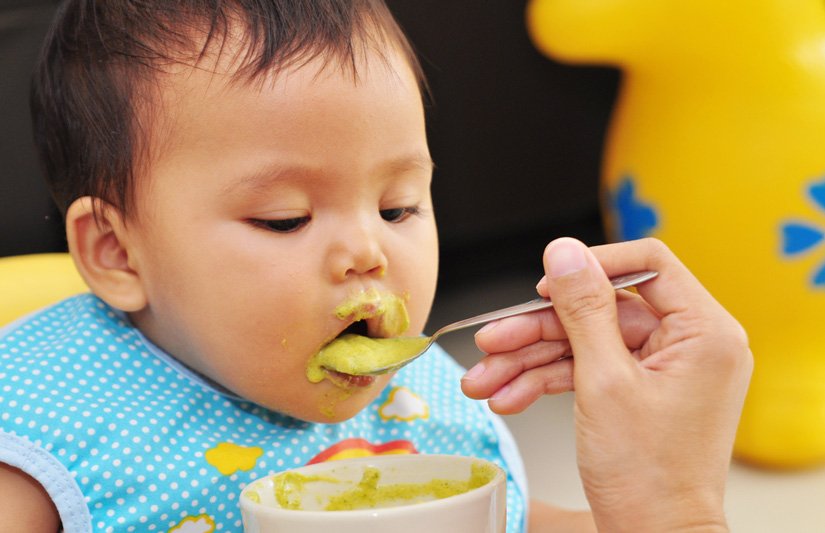
Introduce solid foods around 6 months when your baby shows developmental readiness and stable head control.
I have guided many new parents on when to introduce solid foods to baby. This article draws on clinical guidance, real-world experience, and common sense to give clear steps you can trust. You will learn how to spot readiness, pick first foods, reduce allergy and choking risk, and build healthy habits that support growth and development.
When to start: age and readiness signs
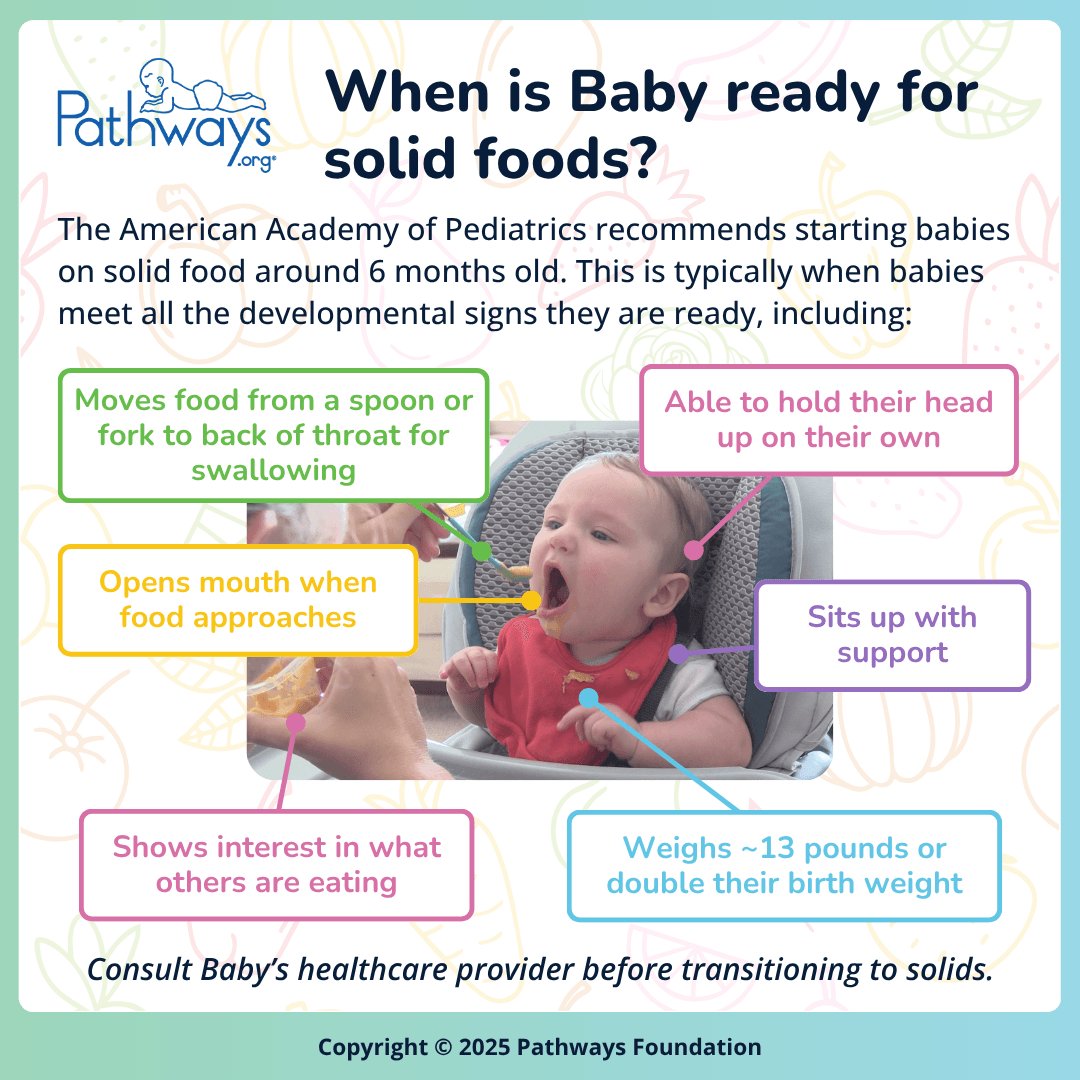
Most experts agree to start solids at about six months. But age alone is not enough. Watch for clear readiness signs before you begin when to introduce solid foods to baby.
- Sits with minimal support and has good head control.
- Shows interest in food, reaches for spoons, or opens mouth for food.
- Can move food from front to back of the mouth and swallow (reduced tongue-thrust reflex).
- Doubles birth weight or follows pediatrician guidance for growth.
Knowing when to introduce solid foods to baby means using both age and these skills. If your baby is under 4 months, wait. If your baby is older than 6 months but not showing signs, slow down and consult your pediatrician.

First foods and textures: what to offer first
Choose nutrient-dense, smooth-textured foods first. This helps fill iron and zinc needs while your baby learns to eat.
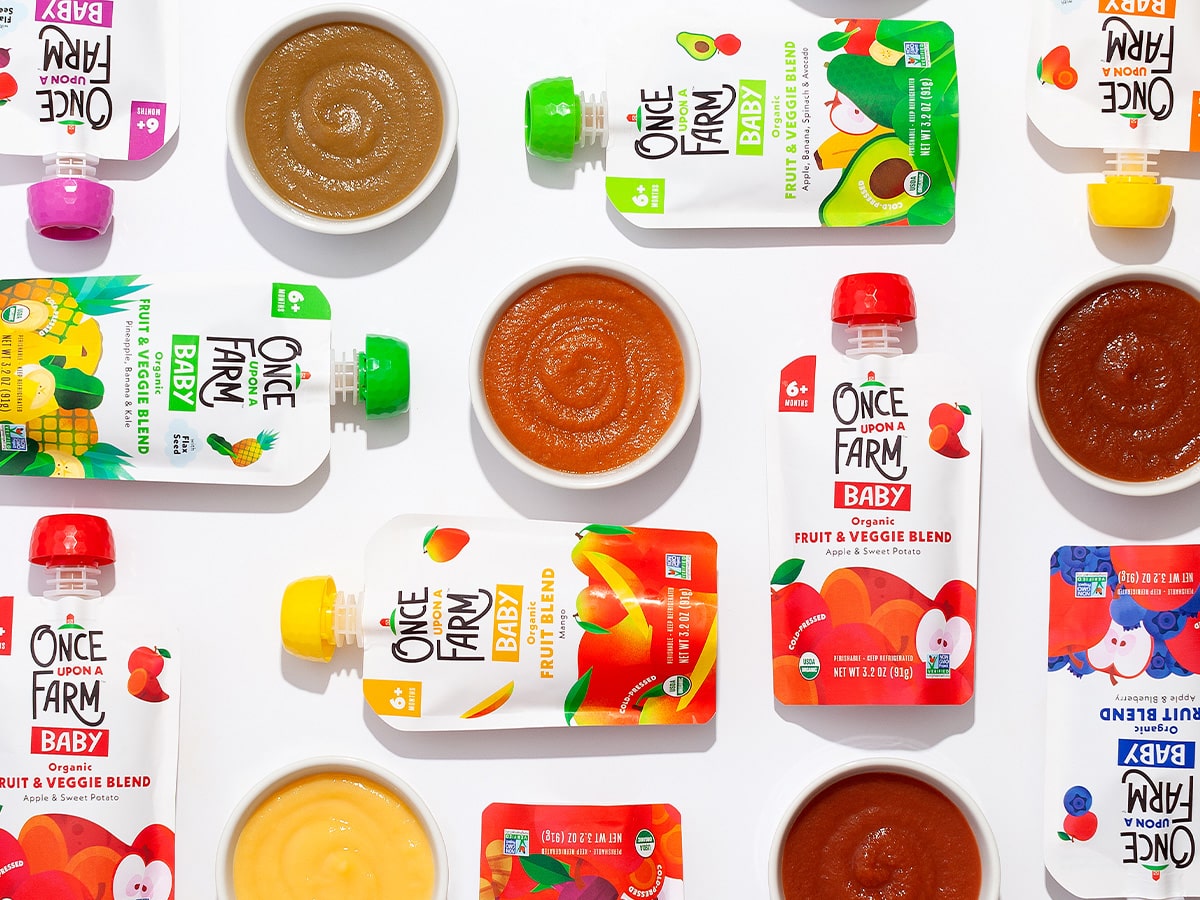
- Single-ingredient purees: iron-fortified cereal, pureed meats, pureed lentils.
- Pureed vegetables and fruits: sweet potato, avocado, banana, pear.
- Thin textures at first. Move to thicker purees and mashed foods over weeks.
- Introduce one new food every 3–5 days to watch for reactions.
When to introduce solid foods to baby also includes variety. After a few weeks, offer soft finger foods and mixed textures to build chewing skills.
How to introduce solids: step-by-step plan
Start slow. Keep feeding relaxed and flexible. Below is a practical plan that worked for many families.
- First week: offer 1–2 tablespoons once a day after a breast or bottle feed.
- Weeks 2–4: increase to two meals a day of 2–4 tablespoons each.
- Month 2–3: add a third meal, introduce new textures, and let baby self-feed.
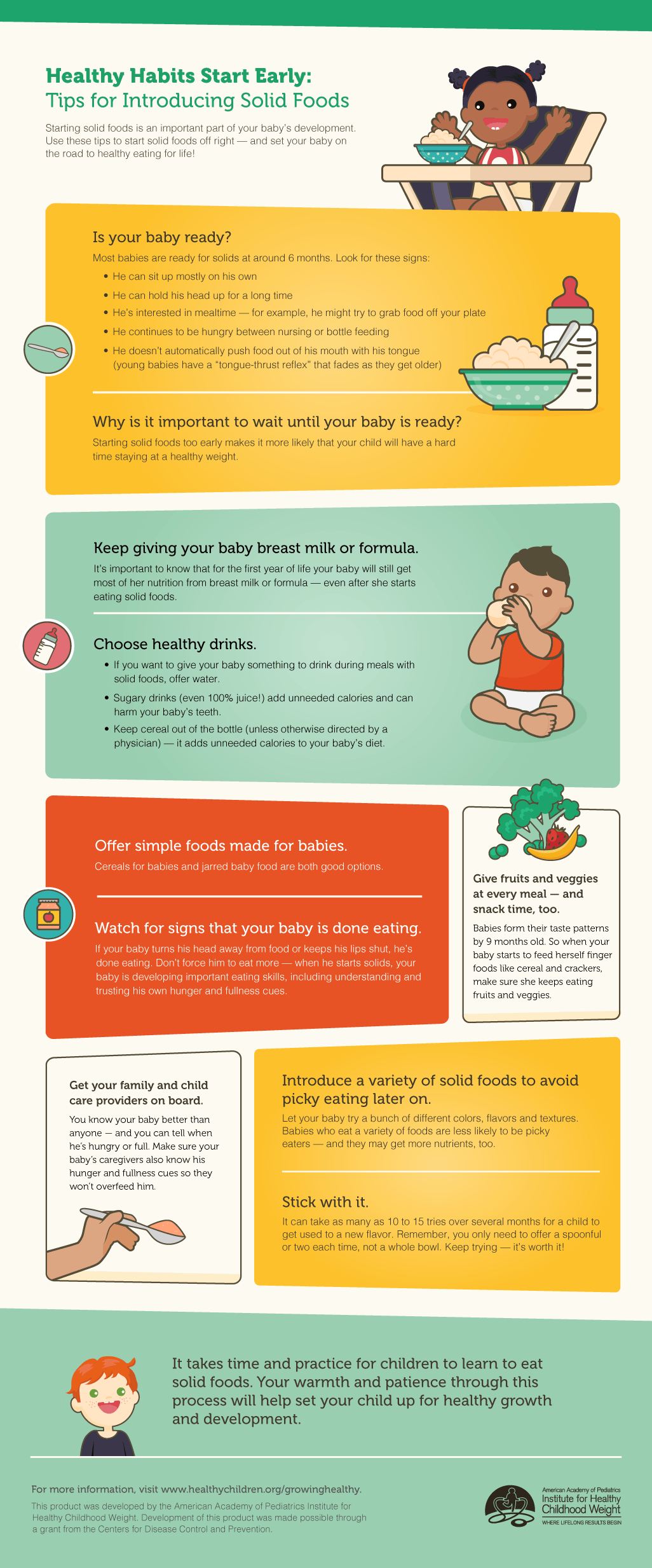
- Keep breast milk or formula as the main nutrition source until 12 months.
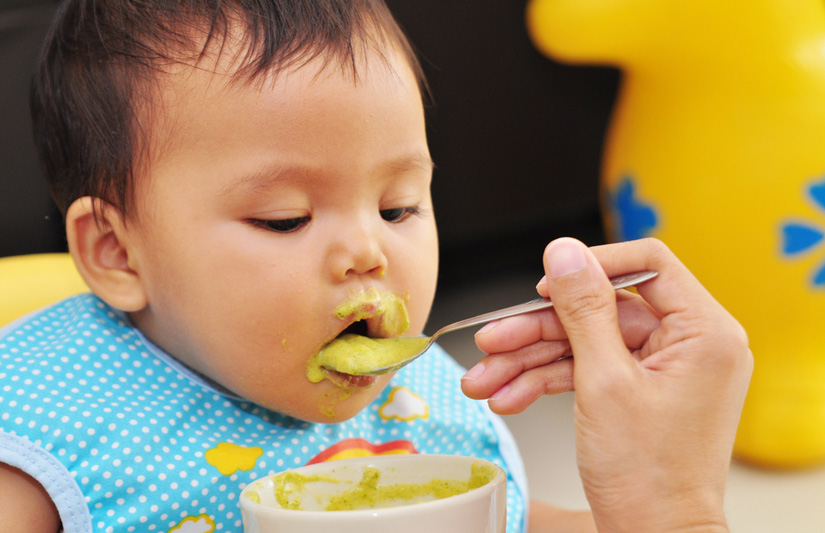
Use a calm seat, small spoon, and soft lighting. Expect messy sessions. Keep offering foods even if baby spits out at first. Repetition builds acceptance.
Introducing allergens and preventing allergies
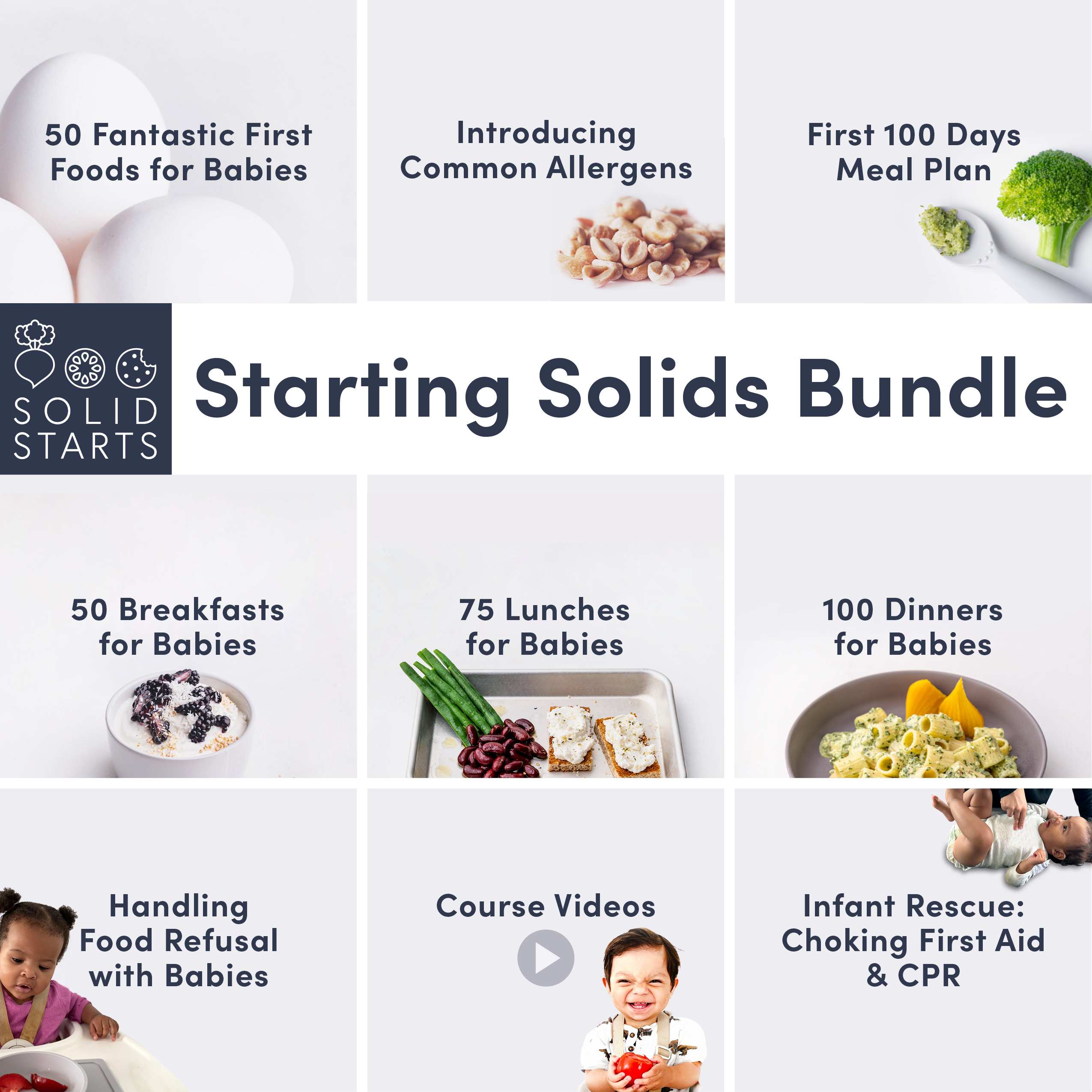
Early, guided exposure can reduce allergy risk for some babies. When to introduce solid foods to baby includes careful timing for common allergens.
- Common allergens: peanut, egg, dairy, tree nuts, soy, shellfish, wheat, sesame.
- Introduce high-risk foods after baby tolerates other solids, usually around 6 months.
- Offer small, age-appropriate forms—peanut powder mixed into puree or smooth peanut butter thinned with water or breast milk.
- If your baby has severe eczema or a family history of food allergy, consult your pediatrician before introducing common allergens.
Watch for reactions for at least two hours after first exposures. Seek urgent care if you see swelling, breathing difficulty, or severe rash.
Choking safety and finger foods
Safety is key when deciding when to introduce solid foods to baby. Follow simple rules to reduce choking risk.
- Always supervise feeds. Sit baby upright while feeding.
- Cut foods into small, flat pieces or thin strips that baby can gum.
- Avoid whole grapes, nuts, hard candies, popcorn, and large chunks of raw vegetables.
- Learn infant CPR and choking response. A short course can be life-saving.
Encourage self-feeding with soft cooked vegetables, ripe fruit slices, or soft bread pieces to build hand-mouth coordination.
Nutrients to focus on: iron, zinc, healthy fats
Solids start to provide nutrients breast milk may not fully supply after six months. Prioritize these key nutrients.
- Iron: pureed meats, iron-fortified cereal, beans, lentils.
- Zinc: meat, beans, dairy (as tolerated).
- Healthy fats: avocado, full-fat yogurt, olive oil mixed into purees.
- Vitamin D: continue supplements if recommended. Ask your pediatrician.
Plan meals that mix protein, fat, and easy carbs. This supports growth and steady energy.
Breastfed vs formula-fed babies
The timeline is similar, but feeding patterns differ. Know how to adjust when to introduce solid foods to baby based on milk type.
- Breastfed babies may need iron-rich solids sooner, since breast milk iron becomes low around 6 months.
- Formula-fed babies often get iron from formula, but they still need solids for chewing skills and variety.
- Let hunger cues guide timing. Solids complement, not replace, milk until about 12 months.
Monitor weight gain and diaper output to ensure baby is getting enough nutrition as solids increase.

Premature babies and special situations
For preemies, corrected age matters. Use adjusted age to time introductions when to introduce solid foods to baby.
- Use adjusted age (chronological age minus weeks early) until about 2 years.
- Check developmental readiness, not just age. Some preemies need extra time to develop head control and swallowing.
- Talk with your pediatric team for personalized guidance.
Babies with medical issues or developmental delays may need speech or feeding therapy support.
Common mistakes to avoid
Avoid these pitfalls many parents face when deciding when to introduce solid foods to baby.
- Starting too early (under 4 months) can raise allergy and digestion risks.
- Over-relying on sweet or processed foods; choose whole, nutrient-dense options.
- Skipping iron-rich first foods. Iron is critical after 6 months.
- Forcing food. Let baby lead and build positive associations with eating.
Small steps and patience pay off. Expect fussiness and progress in fits and starts.
Personal experience and practical tips
I introduced solids to my first child at about six months. She loved avocado and pureed chicken. My key lessons:
- Start with short, calm sessions. We did 1–2 spoons at a time.
- Keep a food log for the first two weeks to spot reactions.
- Offer the same food many times. Acceptance came after 8–10 tries for some foods.
- Use a bib with a catcher. It saved many shirts.
When to introduce solid foods to baby felt stressful at first. A steady, low-pressure approach worked best for us and for families I have advised.
Sample first-week feeding schedule
This simple plan helps you begin with confidence. Adjust for hunger, mood, and pediatric guidance.
- Day 1–3: 1–2 teaspoons of iron-fortified cereal or pureed vegetable once a day after milk.
- Day 4–7: 1–2 tablespoons, once a day, try a second food on day 5 or 6.
- Week 2: Move to two meals per day and introduce a new food each few days.
Keep milk feeds before or between meals as needed. Note patterns and growth changes.
Monitoring growth and when to call the pediatrician
Track growth and behavior as you add solids when to introduce solid foods to baby.
- Check weight, length, and head growth at regular visits.
- Call your pediatrician if baby loses weight, has persistent vomiting, or refuses all foods for days.
- Ask about blood tests if iron deficiency is a concern.
Early questions are normal. Your pediatrician can tailor advice to your baby’s needs.
Related concepts: baby-led weaning vs purees
Two common approaches shape when to introduce solid foods to baby.
- Puree-led: start with smooth purees and progress to mashed and finger foods.
- Baby-led weaning: offer soft finger foods and let baby self-feed from the start.
- You can combine both methods. Many families use a mix to build skills and exposure.
Pick the approach that fits your baby and family. Consistency and safety matter most.
Frequently Asked Questions of when to introduce solid foods to baby
When is the best age to start solids?
Most babies start solids around six months. Watch readiness signs like head control, sitting, and interest in food.
Can I start solids earlier than 6 months?
Starting before 4 months is not recommended. Between 4 and 6 months, assess readiness and consult your pediatrician.
How often should I offer solid food at first?
Begin with one small meal a day, then increase to two and three meals over weeks. Milk remains the main food until 12 months.
How do I introduce common allergens safely?
Introduce allergens like peanut and egg around 6 months once other solids are tolerated. Start with small amounts and watch for reactions.
What if my baby gags or spits out food?
Gagging is common as babies learn to manage textures. Stay calm, offer safe textures, and supervise closely. Seek help if there is persistent coughing or airway concerns.
Conclusion
When to introduce solid foods to baby comes down to readiness, not just a calendar. Aim for around six months, watch key skills, and focus on iron-rich, safe, and varied foods. Start slowly, stay patient, and keep milk as the main source of nutrition until about 12 months. Try small, consistent steps this week—offer one new food, watch for cues, and celebrate small wins. Share your questions or successes below, subscribe for more feeding tips, or speak with your pediatrician for personalized support.

Sophia Linda, a proud mother of three and founder of BestBabyCart, combines real parenting experience with expert knowledge of baby products. She understands the joys and challenges of raising little ones and is dedicated to guiding parents with trusted tips, honest reviews, and practical advice to make every stage of parenthood easier and more joyful.