

If you’re preparing for a new baby, replacing a worn-out stroller, or shopping for a specialized model to support a child’s medical needs, the cost can add up quickly: basic strollers start around $200, while medically necessary postural support or equipment-carrying models can cost $1,000 to $3,000 or more. For many families, the question “Will insurance pay for a stroller?” is a critical way to reduce out-of-pocket costs. The short answer is that standard everyday strollers are almost never covered by health insurance, but specialized strollers deemed medically necessary for a diagnosed condition often qualify for full or partial reimbursement. In this guide, we break down exactly what types of strollers may be covered, the documentation and approval steps required, common exclusions to watch for, and alternative financial options if your claim is denied, so you can make an informed decision without unexpected costs.
Understanding When Insurance Covers Strollers: Core Basics
Insurance coverage for strollers depends entirely on the type of policy you hold and the intended use of the stroller. Most standard health insurance plans classify everyday strollers as personal baby gear, not medical equipment, so they are excluded from coverage entirely. Coverage is only possible if the stroller falls under the durable medical equipment (DME) category, which has strict eligibility rules tied to medical need.
Common Policy Types That May Apply
Different insurance policies have varying levels of stroller coverage:
- Health insurance: Only covers strollers classified as DME, which requires a formal medical necessity determination.
- Disability or long-term care insurance: May cover specialized mobility strollers for beneficiaries with permanent mobility impairments that impact daily functioning.
- Renters or homeowners insurance: Covers stroller loss, theft, or damage from covered perils (e.g. fire, burglary, hail) up to your personal property limit, minus your deductible. It does not cover normal wear and tear or accidental damage.
- Auto insurance: May cover a stroller damaged in a car accident you are liable for, under your property damage liability or collision coverage.
- Travel insurance: May cover lost or damaged strollers during travel if you purchased a baggage or personal property rider.
The Medical Necessity Requirement
For health insurance to cover a stroller, it must meet the definition of DME set by CMS guidelines for DME coverage: it must be prescribed by a licensed provider, used to treat or manage a diagnosed medical condition, and not be useful for everyday use by someone without the condition. Common qualifying conditions include cerebral palsy, spina bifida, Down syndrome with low muscle tone, traumatic brain injury, or conditions requiring ongoing transport of medical equipment like oxygen tanks or feeding pumps. Standard strollers, even those with extra padding or sun canopies, do not qualify, as they are designed for general use by children without medical needs. For children with disabilities, assistive technology like a medically tailored stroller can improve independence and quality of life, per CDC guidance on pediatric assistive devices.
 Reviewing your policy’s DME coverage rules is the first step to determining if your stroller qualifies for reimbursement
Credit: www.orlandostrollerrentals.com
Reviewing your policy’s DME coverage rules is the first step to determining if your stroller qualifies for reimbursement
Credit: www.orlandostrollerrentals.com
Strollers That Qualify for Insurance Reimbursement
Only a small subset of strollers meet insurance eligibility requirements, all of which are designed to address specific medical needs rather than general convenience. Understanding what counts as medically necessary helps you avoid wasting time and money on claims that will be denied.
Medically Necessary Specialized Strollers
Qualifying strollers are built to support specific medical needs, and often include features not found on standard models:
- Postural support strollers for children with low muscle tone or skeletal conditions that require custom seating to maintain proper alignment
- Heavy-duty strollers designed to carry attached medical equipment like oxygen tanks, ventilators, or feeding pumps
- All-terrain strollers for children with mobility impairments who need to traverse uneven surfaces like sidewalks or park trails
- Adaptive strollers for children with behavioral or sensory needs that require secure, enclosed seating
These strollers typically cost $1,000 to $3,000, making insurance coverage a critical financial resource for many families. A common mistake is assuming a standard stroller with minor modifications (like extra padding) will qualify, but insurers require that the stroller’s core design is built for medical use.
Prescription and Documentation Requirements
A formal prescription or letter of medical necessity (LMN) from a licensed provider is non-negotiable for insurance approval. This document must include:
- Your child’s full diagnosis and medical history
- A clear explanation of why a standard stroller is insufficient for their needs
- Specific required features of the stroller (e.g. lateral hip supports, oxygen tank mount, reclining back)
- The expected duration of need (temporary for recovery, or permanent for chronic conditions)
- The provider’s NPI number, contact information, and signature on official letterhead
Generic notes like “child needs a stroller” are almost always denied. Work with your child’s physical or occupational therapist to draft a detailed LMN that ties the stroller’s features directly to their functional limitations.
The Insurer Approval Workflow
Most insurers follow a standard review process:
- Submit a pre-authorization request to your insurer’s DME department before purchasing the stroller, if required by your plan
- Provide the LMN, completed claim form, and any supporting medical records (e.g. therapy notes, evaluation reports)
- The insurer reviews your submission within 30 to 90 days, and may request additional documentation or an in-home assessment by a DME supplier
- If approved, the insurer will either pay your in-network DME supplier directly, or reimburse you after you submit the itemized receipt, minus any applicable copay or deductible
- Some plans require you to select from a list of pre-approved stroller models, so confirm model compatibility before purchasing.
How to File a Successful Stroller Insurance Claim
Filing a claim for a stroller requires more documentation than a standard medical claim, and small errors can lead to denial. Following these steps will improve your chances of approval.
Required Documentation
Gather all of the following before submitting your claim to avoid delays:
- Completed claim form from your insurance provider
- Signed LMN from your child’s provider
- Itemized receipt for the stroller, including make, model, and serial number
- Proof of payment (bank statement, credit card receipt) if you purchased the stroller out of pocket
- Prior authorization number, if your insurer required pre-approval
- Repair estimates or photos of damage, if filing a claim for a damaged stroller
Keep copies of all submitted documents for your records, and submit everything in a single packet rather than sending items separately.
Working With Your Healthcare Team
Your child’s care team is your strongest advocate for a successful claim. Ask their provider to include specific, functional details in the LMN: for example, instead of writing “child needs a stroller,” a note that reads “child has spastic diplegic cerebral palsy with GMFCS level III, requiring a stroller with lateral hip supports and a reclining back to maintain proper alignment during outings, as standard strollers do not provide adequate postural control” is far more likely to be approved. If your claim is denied, your provider can also submit a letter of appeal with additional supporting documentation to challenge the decision.
Common Claim Mistakes to Avoid
In practice, most denied stroller claims stem from avoidable errors:
- Failing to get pre-authorization when required by your plan
- Submitting a generic LMN that does not tie the stroller’s features to your child’s medical condition
- Purchasing an out-of-network stroller when your plan requires in-network DME suppliers
- Missing the claim filing deadline (most plans require submissions within 90 to 180 days of purchase)
- Submitting incomplete documentation, such as a receipt without a serial number or a provider note without a signature
If your claim is denied, you have the right to appeal the decision, and most insurers allow you to submit additional documentation to support your case.
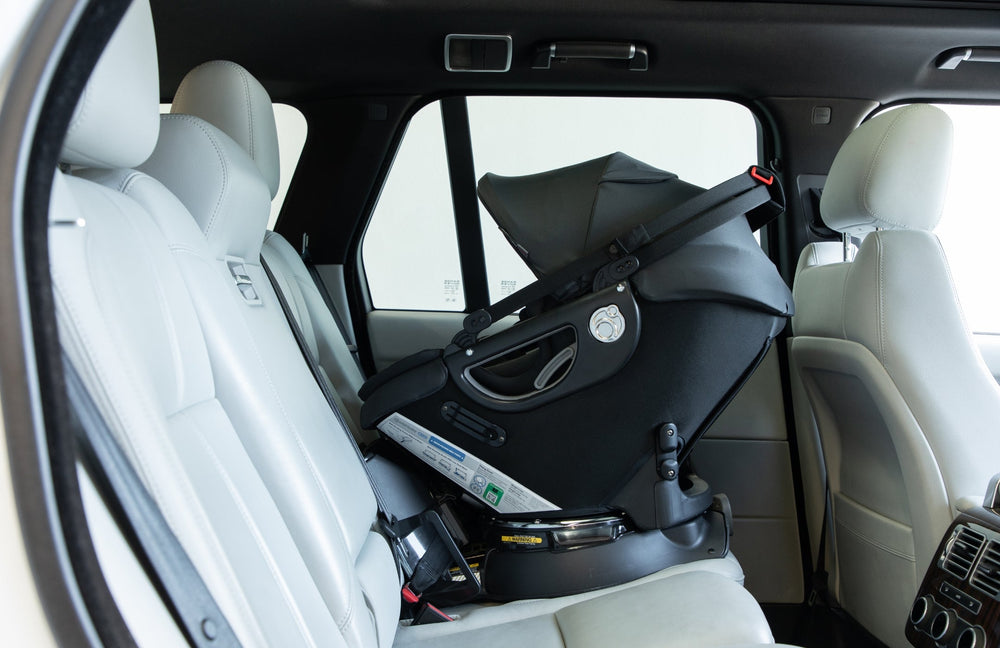 Standard convertible strollers are classified as personal baby gear and do not qualify for health insurance coverage
Credit: orbitbaby.com
Standard convertible strollers are classified as personal baby gear and do not qualify for health insurance coverage
Credit: orbitbaby.com
Common Exclusions for Stroller Insurance Coverage
Even if you believe your stroller qualifies for coverage, most policies have explicit exclusions that will result in a denied claim:
- Standard everyday strollers (umbrella, full-size, jogging, and travel systems) for use by children without diagnosed medical needs
- Damage from normal wear and tear (scratched wheels, torn canopies, broken cup holders)
- Cosmetic damage that does not impact the stroller’s function or safety
- Loss or theft unless you have a specific personal property rider on your renters or homeowners policy, or a travel insurance baggage coverage add-on
- Rental strollers (almost always covered by the rental company’s own damage waiver, not personal insurance)
- Strollers purchased from out-of-network suppliers if your plan requires in-network DME vendors
- Strollers for adult caregivers with mobility impairments (these are only covered under disability or long-term care insurance, not standard health plans)
Alternative Ways to Offset Stroller Costs If Insurance Denies Your Claim
If your stroller does not qualify for insurance coverage, there are several resources to help reduce the financial burden:
Government Assistance Programs
Medicaid and the Children’s Health Insurance Program (CHIP) cover medically necessary strollers for eligible children with no copay in most states. The Women, Infants, and Children (WIC) program provides stroller assistance to eligible low-income families with young children, and local county health departments may offer emergency baby gear funds for families in crisis. Eligibility rules vary by income, household size, and location, so apply early to secure support.
Nonprofit Grants and Local Charities
Many national and local organizations offer free or low-cost strollers to families in need: United Way local chapters, condition-specific nonprofits like United Cerebral Palsy or the Muscular Dystrophy Association, and groups like Strollers for Kids provide grants or free equipment to qualifying families. Many children’s hospitals also operate medical equipment lending libraries for short-term or long-term use. Applications typically require proof of income, a letter of medical necessity, and proof of residency.
Retail Discounts and Flexible Payment Options
For standard strollers, most major brands offer 20-50% off seasonal sales (Black Friday, end-of-season clearances) and no-interest payment plans for 6 to 12 months for purchases over $100. DME suppliers also often sell gently used medical strollers at 50-70% off retail for families who qualify. If you need a stroller for travel or temporary use, consider open-box or floor model deals at specialty baby stores to save money.
Just as you would prioritize safe sleep surfaces for your baby’s crib, you’ll want to ensure the stroller’s padding and support meet their unique medical needs safe sleep surfaces. When planning for annual baby expenses, factoring in recurring costs like diapers alongside one-time purchases like strollers helps avoid unexpected financial strain annual baby expenses.
 Medically necessary strollers for children with mobility or postural support needs may qualify for full or partial insurance coverage
Credit: www.geisinger.org
Medically necessary strollers for children with mobility or postural support needs may qualify for full or partial insurance coverage
Credit: www.geisinger.org
Choosing the Right Stroller for Your Needs
Whether you are purchasing a stroller with insurance coverage or out of pocket, selecting the right model for your child’s needs will ensure long-term value and safety.
Key Features for Medically Necessary Strollers
Look for strollers that meet FDA safety standards for DME, with features tailored to your child’s condition:
- Adjustable seating to accommodate growth over time
- Customizable postural supports (lateral supports, contoured headrests, 5-point harnesses) for children with low muscle tone or skeletal conditions
- A weight capacity that matches your child’s current and projected adult weight
- Compatibility with medical equipment (oxygen tank holders, IV poles, feeding pump mounts) if needed
- Easy-to-clean, antimicrobial fabrics for children with medical needs that require frequent sanitizing
A reliable, sturdy stroller lets you run errands during naptime without waking your little one run errands during naptime, which is especially valuable for families managing a child’s complex medical needs.
Verifying Insurance Compatibility Before Purchase
If you plan to file for insurance reimbursement, contact your insurer’s DME department before buying to confirm the stroller model is covered and the supplier is in-network. Ask if pre-authorization is required, and what specific documentation you need to submit. If purchasing out of pocket, ask the supplier if they provide the necessary paperwork for reimbursement, even if the stroller is not pre-approved.
Where to Buy Approved Strollers
Authorized DME suppliers, hospital gift shops, and condition-specific medical equipment retailers are the best places to buy medical strollers, as they are familiar with insurance requirements and can provide the required documentation. Avoid generic third-party online marketplaces for medical strollers, as they may not meet insurance coverage criteria or safety standards. If you need to transport your stroller for specialist appointments, following proper folding steps prevents damage that could void your warranty or insurance coverage proper folding steps.
While a basic stroller costs less than a premium medical model, it is still a significant investment comparable to other essential baby items like quality baby hairbrushes quality baby hairbrushes.
Frequently Asked Questions
Does insurance cover strollers for children?
Most standard health insurance plans classify everyday strollers as personal baby gear, not durable medical equipment, so they are not covered. Coverage is only possible if the stroller is deemed medically necessary for a child’s diagnosed condition, with a prescription from a licensed provider.
Can medical insurance pay for special needs strollers?
Yes, in many cases. If a stroller is prescribed to address a mobility, postural, or medical need that a standard stroller cannot meet, most health insurance plans (including Medicaid and CHIP) will cover part or all of the cost, as long as you meet your plan’s prior authorization and claim requirements.
Is stroller damage covered under home insurance?
Renters and homeowners insurance may cover stroller damage or loss if it is caused by a covered peril, such as a fire, theft, or car accident, up to your personal property coverage limit, minus your deductible. Damage from normal wear and tear, or accidental damage (like a spilled drink on the canopy) is not covered unless you have a specific accidental damage rider on your policy.
Are rental strollers covered by insurance?
No, personal insurance policies almost never cover rental strollers, as they are temporary property owned by a third party. Most stroller rental companies include their own damage or loss protection in the rental fee, so review the rental agreement before booking.
Conclusion
In most cases, standard everyday strollers are not covered by health insurance, as they are classified as personal baby gear rather than durable medical equipment. However, medically necessary strollers prescribed for a child’s diagnosed mobility, postural, or medical needs often qualify for full or partial coverage, provided you meet your insurer’s documentation and pre-authorization requirements. If your claim is denied, there are government, nonprofit, and retail options to help offset the cost of the stroller your family needs. If you’re unsure whether your child’s stroller qualifies for coverage, contact your insurance provider’s durable medical equipment department directly to request a formal coverage determination before making a purchase, to avoid unexpected out-of-pocket costs.

Emma Grace is a devoted mother and passionate content writer at BestBabyCart.com. With firsthand parenting experience and a love for research, she creates helpful guides and honest reviews to support parents in choosing the best for their babies. Her goal is to make parenthood easier, one article at a time.