
You’re reorganizing the nursery closet and pull out a bulk pack of size 3 diapers you snagged during a 2024 flash sale, unopened and tucked behind a stack of onesies. You pause: are they still safe to use for your toddler? Unlike baby formula or over-the-counter medications, disposable diapers don’t carry a mandatory printed expiration date, leaving many parents guessing about the usability of their stashes. If you’re considering switching to reusable cloth options to avoid this uncertainty entirely, realistic cloth diaper usage estimates can help you plan a manageable, cost-effective stockpile without overbuying.
Unlike perishable goods, disposable diapers don’t rot or grow toxic mold under normal storage conditions, but their core functional components break down gradually over time. Most major manufacturers recommend using diapers within 2–3 years of their manufacture date for optimal absorbency, fit, and skin safety. In this guide, we’ll break down exactly what causes diaper degradation, how to spot a bad pack before you put it on your baby, the real risks of using old stock, and evidence-based storage tips to make your stash last as long as possible. For more on this, see our guide on can dog diapers cause uti.

Do Disposable Diapers Actually Have a Shelf Life?
In the U.S., disposable diapers are classified as Class II medical devices regulated by the Food and Drug Administration (FDA). The FDA does not require manufacturers to print a mandatory expiration date on diaper packaging, as the primary risk of degraded diapers is reduced performance rather than acute toxicity. That said, nearly all major brands (including Pampers, Huggies, and most store-brand options) align their voluntary performance guidelines with JPMA's diaper safety and performance standards, recommending use within 2–3 years of manufacture for consistent, reliable results.
This 2–3 year window is tied directly to the lifespan of diapers’ three core functional components: superabsorbent polymers (SAPs) that lock in moisture, elastic leg and waist cuffs that create a secure, leak-proof fit, and adhesive tabs that keep the diaper closed. All three materials break down gradually over time, even when stored in ideal conditions, leading to reduced performance and potential minor safety risks for babies.
What Causes Diaper Degradation Over Time?
Diaper longevity depends on three key factors: the materials they’re made from, how they’re stored, and how much time has passed since they were manufactured.
Core Material Breakdown
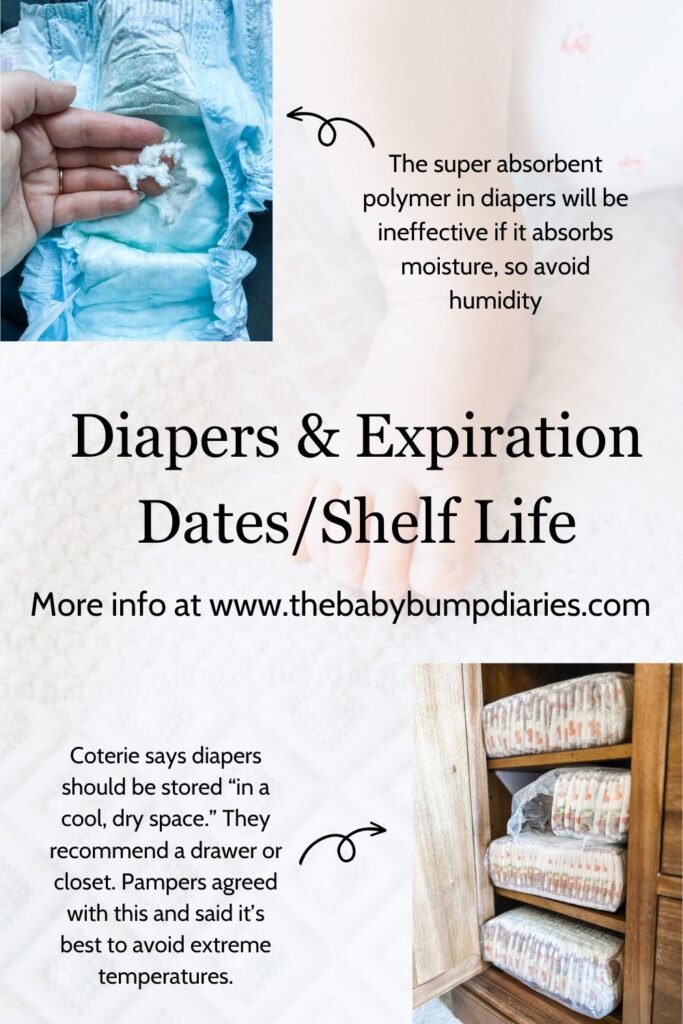
Diaper SAPs are engineered to absorb up to 300 times their weight in water by forming a gel when they contact moisture. Prolonged exposure to even small amounts of ambient humidity (above 40%) can cause these SAPs to pre-gel and clump together, permanently reducing their absorbent capacity. Elastic cuffs, typically made of spandex or polyester blends, degrade when exposed to UV light, extreme heat, or oxygen over time, losing their stretch and ability to form a tight seal around a baby’s legs and waist. Pressure-sensitive adhesive tabs, made of acrylic-based glue, dry out and lose their grip after 2–3 years, even if the packaging remains completely unopened.
Storage Conditions: The Biggest Variable
Storage environment is the single largest factor impacting diaper shelf life, far more than brand or diaper size. Humidity above 50% can trigger premature activation of SAPs, causing them to clump and become ineffective. Extreme heat (above 90°F / 32°C) warps elastic cuffs and weakens adhesives, while freezing temperatures make outer plastic layers brittle and cause SAPs to crystallize, reducing absorbency. Direct sunlight (UV exposure) accelerates breakdown of all material components, and air exposure from opened or damaged packaging lets in moisture, dust, and potential contaminants.
A common mistake parents make is storing emergency diaper packs in a garage, car trunk, or attic, where temperature and humidity swing drastically with the seasons. Independent consumer testing has found that diapers stored in these uninsulated spaces can degrade up to 50% faster than those kept in a climate-controlled indoor space. The table below outlines estimated shelf life by common storage location:
| Storage Location | Estimated Usable Shelf Life | Common Degradation Risks |
|---|---|---|
| Climate-controlled indoor space (60–75°F, 40–50% humidity) | 2.5–3 years | Slow oxidative aging of SAPs and elastics |
| Uninsulated garage, attic, or car trunk | 1–1.5 years | Extreme temperature/humidity swings, UV exposure, pest contamination |
| Humid basement or bathroom storage | 1.5–2 years | Premature SAP activation, mold growth, adhesive breakdown |
| Opened, unsealed packaging | 6–12 months | Air and moisture exposure, dust/contaminant ingress |
Natural Oxidative Aging of Materials
Even in perfect storage conditions, all diaper materials undergo slow oxidative breakdown as they react with oxygen in the air over time. This is why even unopened, properly stored diapers are not recommended for use beyond the 3-year mark, even if no visible damage is present. There is no way to fully stop this natural aging process, only slow it down with proper storage.
7 Clear Signs Your Diapers Have Gone Bad
Since most diapers don’t have a printed expiration date, it’s important to know how to spot degraded stock before using it on your baby. Look for these seven red flags:
- Stiff, brittle, or crumbly materials: Fresh diapers have a soft, flexible outer layer and inner lining. If the fabric feels rough, stiff, or crumbles when rubbed between your fingers, the materials have broken down.
- Lost elasticity in waistbands and leg cuffs: Stretch the waistband and leg cuffs—if they don’t snap back to their original shape within 2 seconds, the elastics are degraded. This leads to gaps around your baby’s legs and waist, causing leaks and blowouts.
- Reduced absorbency: If a diaper leaks when it’s only half saturated, or feels dry to the touch after your baby pees, the SAP core has degraded. You can test this by pouring 4 oz (120ml) of room-temperature water onto the center of the diaper’s absorbent core. A fresh diaper will absorb the liquid in 5–10 seconds and distribute it evenly across the core. If water pools on the surface for more than 15 seconds, or runs off the sides, the diaper will not hold enough urine for a full sleep cycle.
- Unusual odors or discoloration: Fresh diapers have a neutral, slightly powdery scent from the absorbent core. A musty, sour, or chemical smell indicates material breakdown or mold growth from moisture exposure. Yellowing or dark spots on the outer layer also signal degradation.
- Broken or non-stick adhesive tabs: If the refastenable tabs don’t stick to the front of the diaper, or peel off after a single use, the adhesive has dried out. Tabs that leave sticky residue on the diaper front when peeled are also a sign of breakdown.
- Cracked or peeling outer waterproof layer: If the outer plastic or cloth-like shell has visible cracks, peeling, or feels brittle when bent, the waterproof barrier is broken, which will lead to leaks even if the absorbent core is still functional.
- Damaged or long-opened packaging: Even if the diapers look fine, if the packaging is torn, punctured, or has been open for more than a few weeks, they’ve been exposed to air and moisture, and their performance is likely compromised.
Real, Evidence-Based Risks of Using Degraded Diapers
Using a slightly expired pack of diapers (1–2 years past manufacture, stored well) occasionally in a pinch is unlikely to cause serious harm for older babies with resilient skin, but regular use of degraded diapers carries real, avoidable risks:
Increased Risk of Diaper Rash and Skin Irritation
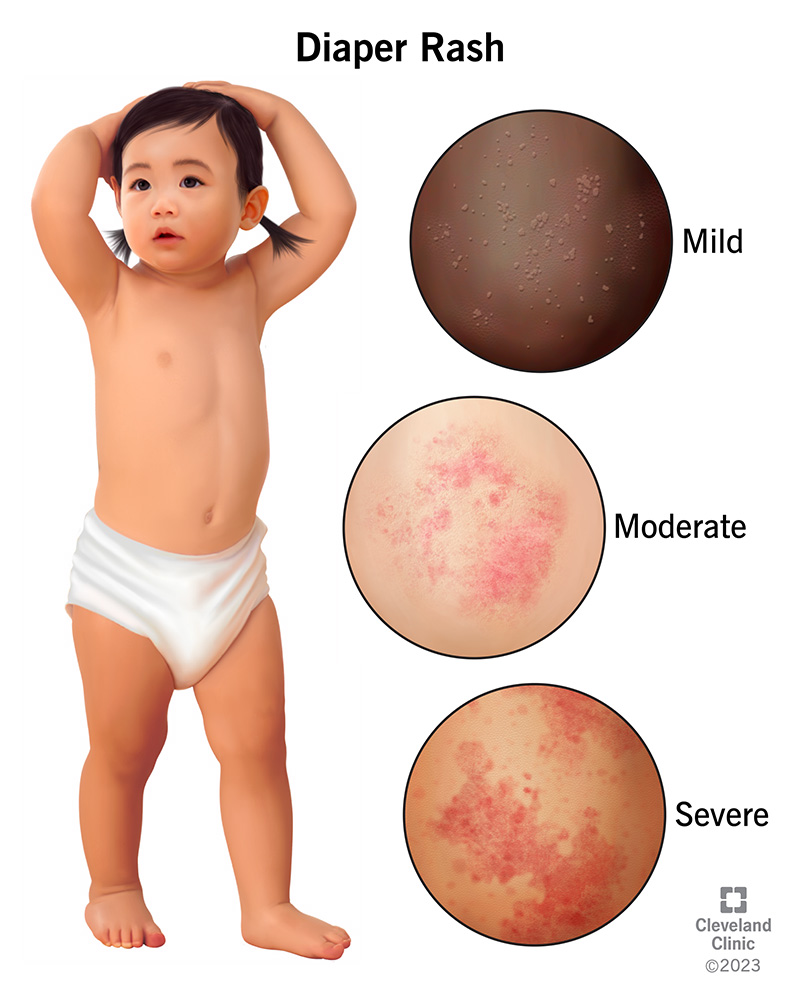
Degraded diaper materials have rougher surfaces that can chafe delicate baby skin, and clumped SAPs that don’t absorb moisture leave wetness against the skin for 2–3 times longer than fresh diapers. This creates the warm, damp environment that triggers diaper rash, and for babies with existing eczema or sensitive skin, this risk is even higher, per CDC guidance on preventing common diaper rash triggers. In severe cases, prolonged moisture exposure can lead to fungal yeast infections that require prescription treatment.
Frequent Leaks and Blowouts (And Their Hidden Costs)
Lost elasticity and reduced absorbency lead to gaps around the legs and waist, and overflow of the absorbent core. This means more frequent outfit changes, ruined bedding, car seats, or strollers (which can cost $100–$300 to replace or clean), and disrupted sleep for both baby and parents. Frequent overnight leaks can also lead to missed work for parents dealing with extra laundry and cleaning in the morning.
Rare but Serious Hygiene Hazards
If packaging was compromised by moisture or pests (such as mice in a garage storage space), mold, bacteria, or rodent droppings can contaminate the inside of the diaper. While rare, this can cause skin infections or allergic reactions, especially for newborns with underdeveloped immune systems or babies with asthma.
 Using degraded diapers increases the risk of leaks, blowouts, and uncomfortable skin irritation for babies.
Common Diaper Shelf Life Myths, Debunked
Misinformation about diaper shelf life is common, so let’s clear up the most pervasive myths with facts from manufacturers and pediatric experts:
- Myth: Diapers have a mandatory, printed expiration date. Fact: No, disposable diapers are not required by the FDA to carry an expiration date, as their primary risk is reduced performance rather than acute toxicity. Most manufacturers print a manufacture date on the packaging for reference, usually as a string of numbers (e.g., 20240515 = May 15, 2024).
- Myth: Old diapers always cause diaper rash. Fact: Rashes are rarely caused solely by diaper age, but degraded materials increase the risk of irritation, especially for babies with sensitive skin. Most rashes are caused by prolonged wetness, friction, or yeast overgrowth, not the diaper material itself.
- Myth: Properly stored diapers never lose absorbency. Fact: Even in ideal conditions, SAPs lose 10–15% of their absorbency per year after the 2-year mark, per internal testing from leading diaper brands, leading to noticeable performance drops after 3 years.
- Myth: Unopened diapers are safe to use forever. Fact: Unopened packaging only slows degradation by limiting oxygen and moisture exposure, it does not stop it entirely. Unopened diapers stored for more than 3 years still have degraded materials.
- Myth: Freezing diapers will extend their shelf life. Fact: Freezing temperatures cause SAPs to crystallize and break down, and make the outer shell brittle, leading to leaks and reduced absorbency. This is a common viral hack, but it actively damages diaper performance.
- Myth: Store-brand diapers have a shorter shelf life than name-brand options. Fact: All disposable diapers, regardless of brand, are made from the same core materials (SAPs, spandex blends, acrylic adhesives), so their degradation timeline is identical when stored in the same conditions. Add-ons like wetness indicators or extra leak guards do not impact shelf life.
Best Practices for Storing Diapers to Maximize Usable Life
With proper storage, you can extend your diaper stash’s usable life right up to the 2–3 year recommended window, and avoid wasting money on degraded stock. Follow these evidence-based tips:
Choose the Right Storage Location
Store diapers in a cool, dry, climate-controlled space inside your home, ideally between 60–75°F (15–24°C) with 40–50% humidity. Avoid garages, attics, basements, car trunks, or any space that experiences extreme temperature or humidity swings. If you live in a very humid climate, consider storing diapers in an air-conditioned room or adding silica gel moisture absorbers to your storage bin to reduce ambient humidity. If you're organizing your nursery supplies, following nursery storage best practices will help keep all baby essentials in good condition, not just diapers.
Seal Packaging Correctly
Keep diapers in their original sealed packaging until you’re ready to use them. If you need to split a bulk pack into smaller quantities, transfer the unused portion to an airtight, heavy-duty freezer bag or plastic storage bin, squeezing out as much air as possible before sealing (a vacuum sealer provides extra protection against oxygen exposure). Never store diapers in cardboard boxes, as cardboard absorbs moisture and can harbor pests that puncture packaging.
Implement a Simple Stock Rotation System
Label each pack with the purchase or manufacture date (usually printed on the side or bottom of the packaging) and use the oldest stock first to avoid letting diapers sit unused for years. Keep a small inventory list on your phone or a note on your storage shelf to track what you have on hand. Avoid stockpiling more than 3–4 months of diapers at a time unless you have consistent, ideal storage conditions, as this reduces the risk of forgetting about older stock and letting it degrade. This simple rotation habit works for all organizing seasonal baby supplies, from socks to diapers, to reduce waste and save money.
Eco-Friendly Diaper Options and Their Shelf Life
For parents looking to reduce their environmental impact, eco-friendly diaper options have similar shelf life guidelines to conventional disposables, with a few key considerations:
Biodegradable Disposable Diapers
Made from materials like bamboo, cornstarch, or plant-based SAPs, biodegradable disposables have the same 2–3 year optimal shelf life as conventional options when stored in a cool, dry place. Some brands use unbleached, natural materials that are more susceptible to humidity damage, so they require extra careful storage to prevent premature degradation. Check the manufacturer’s website for specific storage guidance for your chosen brand.
Cloth Diapers
Cloth diapers do not have a hard expiration date, and can last 2–5 years or longer with proper care. The key factors for cloth diaper shelf life are how well they are cleaned before storage (residue from urine or stool can break down fabrics and elastics over time) and storage conditions. Store clean, completely dry cloth diapers in an airtight bin in a climate-controlled space to prevent mold and elastic degradation. If you're considering switching to cloth to reduce waste, you can reference planning a cloth diaper wardrobe to build a stash that fits your baby’s needs without overbuying.
Frequently Asked Questions
Do all diapers have a printed expiration date?
No, disposable diapers are not required by the FDA to carry a printed expiration date. Most manufacturers print a manufacture date on the packaging, usually on the side or bottom of the pack as a string of numbers. If you can’t locate the date, contact the manufacturer’s customer service team with the lot number from the packaging for guidance.
Can I use diapers that are 4 years old if they look and feel fine?
It’s not recommended, especially for newborns or babies with sensitive skin. Even if no visible damage is present, the absorbent core and elastic components are likely degraded after 3 years, leading to leaks and increased risk of skin irritation. SAPs lose 30–40% of their absorbency after 3 years, and elastics are often too stretched to form a leak-proof seal.
Do cloth diapers expire?
Cloth diapers do not have a hard expiration date, but their elastic leg cuffs and waterproof PUL (polyurethane laminate) layers can degrade after 3–5 years of regular use, or faster if stored in humid or high-temperature conditions. With proper care, high-quality cloth diapers can last through multiple children.
Is it safe to use diapers from a damaged or opened package?
Only if the inner plastic lining of the package is completely intact, there is no sign of moisture, mold, or pest contamination, and the diapers show no signs of degradation. When in doubt, it’s safest to discard the pack to avoid skin irritation or hygiene risks.
Do store-brand diapers have the same shelf life as name-brand options?
Yes, all disposable diapers, regardless of brand, are made from similar core materials and have the same 2–3 year optimal performance window, as long as they are stored correctly. The only differences between brands are add-ons like wetness indicators or extra absorbency cores, which do not impact shelf life.
Can I donate slightly expired diapers to charity?
Most diaper banks and local charities accept only unopened, unexpired diapers (within the 2–3 year window from manufacture) because they cannot risk distributing degraded products to families in need. Check with your local organization for their specific donation guidelines before dropping off old stock.
Does the type of diaper (newborn vs. toddler) impact shelf life?
No, all diaper sizes use the same core material components, so their degradation timeline is identical. The only difference between sizes is the dimensions of the absorbent core and the length of the elastic cuffs, which do not impact how quickly the materials break down.
Final Thoughts
Disposable diapers don’t have a mandatory printed expiration date, but their performance degrades over time as core materials break down, even with perfect storage. The small cost of replacing an old, degraded pack is far less than the hassle of dealing with leaks, blowouts, and painful diaper rash for your baby, not to mention the cost of replacing damaged car seats or crib mattresses. By storing your stash in a cool, dry, climate-controlled space, rotating stock regularly, and checking for signs of degradation before use, you can keep your baby comfortable and dry without wasting money on unnecessary replacements. If you're looking to cut down on recurring diaper costs while reducing waste, researching planning recurring baby purchase budgets can help you allocate funds for both disposable and reusable diapering supplies without overspending.

Emma Grace is a devoted mother and passionate content writer at BestBabyCart.com. With firsthand parenting experience and a love for research, she creates helpful guides and honest reviews to support parents in choosing the best for their babies. Her goal is to make parenthood easier, one article at a time.