

If you’ve ever groaned at the thought of a 3 a.m. diaper change, a mountain of soiled disposable diapers filling your trash can, or a never-ending cloth diaper laundry pile, you’re not alone. Modern parents often take disposable diapers for granted, but these convenient products only became mass-produced and widely available in the late 1940s. For hundreds of thousands of years before that, humans cared for infants using resourceful, culturally specific hacks born of necessity, many of which are seeing a resurgence among eco-conscious families today.
From moss liners and animal skin wraps to structured cradleboards and intuitive potty training, ancient baby care practices were far more sophisticated than they might seem at first glance. In this guide, we’ll break down the most common ancient baby care hacks used across cultures, explore how regional environments shaped these solutions, and share actionable lessons modern parents can take from these time-tested methods. You can also read our guide on best diaper wipes refills.
The Pre-Diaper Landscape: Why These Practices Evolved
Before mass-produced disposable diapers entered the market, all infant hygiene systems were reusable, requiring caregivers to prioritize absorbency, ease of cleaning, and skin safety above all else. Smithsonian National Museum of American History records note that the first widely available disposable diaper launched in the U.S. in 1947, marketed to middle-class families as a time-saving alternative to cloth. Prior to this, even the simplest baby care routine required daily labor: cloth diapers and liners had to be boiled, scrubbed, and line-dried, a task that fell disproportionately to women and older children in pre-industrial households.
This labor burden drove innovation: cultures across the globe developed low-maintenance, highly effective solutions tailored to their local environments, reducing the time spent on laundry while keeping babies clean, dry, and comfortable. You can also read our guide on best stroller fan.
Common Ancient Baby Care Hacks Across Cultures
While specific practices varied by region, most pre-diaper systems relied on three core components: an outer absorbent layer, a waterproof or protective outer barrier, and a routine for frequent changing to prevent skin irritation.
Reusable Cloth Wrappings and Liners
Cloth was the most ubiquitous pre-diaper material across Europe, Asia, and Africa for millennia. Early wraps were made from soft, durable fabrics including linen (common in Mediterranean Europe), woven cotton (prevalent in South and East Asia), and felted wool (used in colder temperate regions like the Eurasian steppe). These cloths were typically folded into rectangles or triangles, secured with hand-tied cords or pins, and layered with thin, replaceable liners to reduce the number of full washes needed. You can also read our guide on what color do diapers change when wet.
By the 1840s, safety pins (originally invented for securing clothing) were adapted for diaper use, making fastening more secure and less likely to come undone as babies moved. For context, modern cloth diapering still requires far fewer changes than pre-industrial reusable wraps, with most families needing annual cloth diaper requirements to meet a baby’s needs. A common mistake in pre-industrial Europe, for example, was using rough, unwashed wool next to a baby’s delicate skin, leading to widespread irritation and infection among infants.
Depiction of pre-disposable diaper absorbent materials including linen cloth, sphagnum moss, and corn husk liners used in North America and Europe in the 1800s.
Credit: www.quora.com
Natural Absorbent Materials: Moss, Grass, and Plant Fibers
For cultures with limited access to woven fabric, natural absorbent materials were the go-to solution for infant hygiene. Sphagnum moss, found in peat bogs across Northern Europe, North America, and East Asia, was especially popular due to its natural antibacterial properties and exceptional absorbency, making it far more effective than early cloth liners for heavy wetting. Parents would stuff moss into cloth wraps or place it directly against the baby’s skin under a thin, soft barrier to prevent chafing. You can also read our guide on best organic baby diapers gentle leakproof.
In the American Southwest, dried corn husks were layered under cloth wraps to wick moisture away from skin, while in Southeast Asia, banana leaf strips were used as a waterproof outer barrier. In arid regions like the Sahel, parents used finely sifted, sun-dried sand as a dry absorbent layer, cleaning and reusing it between changes to reduce waste. While these materials were low-cost, biodegradable, and highly effective, they required frequent replacement and careful cleaning to avoid mold growth or skin irritation from trapped debris.
Regional and Cultural Variations in Pre-Diaper Care
Local climate, available resources, and cultural beliefs shaped baby care practices across the globe, leading to a wide range of innovative, context-specific solutions. You can also read our guide on best infant car seat covers for winter.
Indigenous North American and Arctic Practices
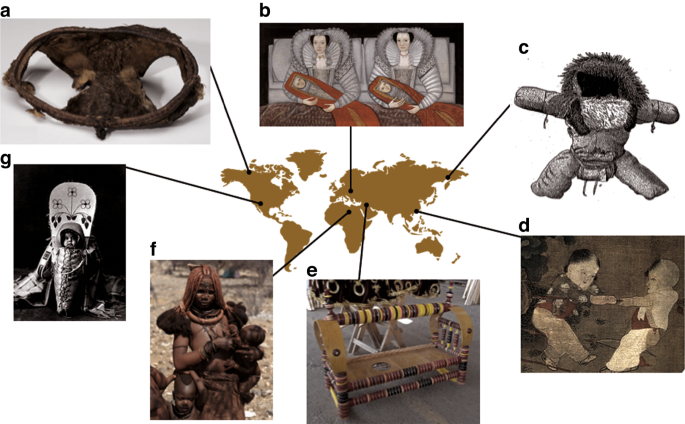
Hundreds of Indigenous nations across North America and the Arctic developed specialized baby care tools tailored to their environments. Cradleboards, used by communities including the Navajo, Ojibwe, and Skolt Sámi, were wooden or wicker frames lined with layers of soft moss, rabbit fur, or shredded bark, and secured with leather straps to keep babies safe and contained while parents worked, traveled, or performed daily chores. Many traditional cradleboard designs prioritized safe, supportive infant containment that allowed for consistent airflow, a feature modern cribs now prioritize to reduce sudden infant death syndrome (SIDS) risk.
In Arctic communities, babies were wrapped in reindeer or seal skin with moss liners to trap heat in subzero temperatures, and their feet were covered in soft fur socks to prevent frostbite. This layering approach aligned with modern guidance on appropriate cold-weather infant layers to regulate body temperature without overheating, a balance many modern parents still struggle to strike. You can also read our guide on how often to change diapers.
 Skolt Sámi mother with her infant, circa 1910, showcasing traditional Arctic baby wrapping practices that relied on moss liners and animal skin outer layers.
Credit: commons.wikimedia.org
Skolt Sámi mother with her infant, circa 1910, showcasing traditional Arctic baby wrapping practices that relied on moss liners and animal skin outer layers.
Credit: commons.wikimedia.org
European and Mediterranean Pre-Industrial Practices
In Medieval Europe, linen cloths folded into triangles were the most common baby covering, secured with hand-tied cords or later, metal pins. These cloths were often layered with wool for warmth in winter, and moss gathered from local peat bogs was used as an absorbent liner to reduce washing frequency. By the 19th century, the invention of vulcanized rubber led to the widespread use of rubber pants worn over cloth diapers to contain leaks, a direct precursor to modern cloth diaper covers.
In rural Mediterranean communities, parents used soft, sun-dried grass as a liner, while in the Andes, Indigenous communities used alpaca fleece as a soft, absorbent outer layer that could be easily shaken out and reused between changes. You can also read our guide on best way to wash cloth diapers.
Ancient Potty Training Methods: Elimination Communication
Long before modern potty training guides, most cultures across the globe practiced what is now called elimination communication (EC): a routine of observing a baby’s natural elimination cues and holding them over a designated elimination spot (a pot, patch of grass, or latrine) at regular intervals, usually after feedings or upon waking. This practice was standard in ancient China, India, sub-Saharan Africa, and the Americas, and was not seen as “training” so much as a natural extension of caregiving.
Parents learned to recognize subtle cues: a baby’s grunt, squirm, or pause in activity often signaled they needed to eliminate, and caregivers would hold them in a supported squat position over the designated spot while making a soft cue sound (like a “psss” or “mmm”) to associate the action with the signal. In many pre-industrial societies, infants were fully daytime toilet trained by 12 to 18 months, and nighttime training was complete by 2 to 3 years— a much faster timeline than modern Western norms, which often wait until 2 to 3 years to begin daytime training.
This constant attentiveness meant caregivers often had to structure their days around their baby’s elimination schedule, making spontaneous outings far more complicated than they are today for parents navigating early infant sleep and outing routines. Modern pediatric guidance from the CDC confirms that most children are developmentally ready for potty training between 18 and 30 months, aligning with ancient EC timelines. A common mistake modern parents make when trying EC is expecting consistency too early—ancient caregivers relied on patience and routine, not perfection, which is key to long-term success.
Trade-Offs and Limitations of Ancient Baby Care Methods
While ancient baby care hacks were remarkably innovative, it is important to avoid romanticizing these practices: they came with significant trade-offs that modern parents no longer have to navigate. The constant attentiveness required for elimination communication and frequent cloth changes was impossible for parents who worked long hours in agricultural fields, factories, or other outside-the-home roles, leading to higher rates of skin irritation, infection, and even infant mortality from untreated diaper rash or sepsis in communities without access to clean water for regular washing.
The labor burden of washing, boiling, and line-drying cloth diapers and liners also fell almost exclusively on women and girls, limiting their ability to pursue education, work outside the home, or participate in public life. For many low-income families in pre-industrial societies, access to enough clean cloth or absorbent materials was a luxury, leading to higher rates of infant illness and mortality. Modern disposable diapers, for all their environmental downsides, have eliminated many of these barriers for caregivers worldwide, offering a low-labor, hygienic option that supports caregiver autonomy.
Modern Lessons from Ancient Baby Care Hacks
Despite their limitations, many ancient baby care practices offer valuable lessons for modern families looking to reduce waste, save money, or minimize their baby’s exposure to synthetic materials. The global reusable cloth diaper market has grown by 15% annually since 2020, as parents seek to reduce the 2% of all U.S. municipal solid waste made up of disposable diapers, per the U.S. Environmental Protection Agency.
Ancient practices also prioritized breathability and natural materials, which can reduce diaper rash for babies with sensitive skin. Many modern cloth diaper brands use hemp, bamboo, and organic cotton—materials with absorbency and softness comparable to ancient moss and grass liners, but with easier cleaning and lower risk of mold. For families curious about switching to reusable options, our guide to cloth diaper cost breakdown breaks down the upfront investment, long-term savings, and care requirements of making the switch.
Frequently Asked Questions
What did ancient people use instead of diapers?
Ancient people used a wide range of locally available materials as absorbent liners and outer wraps, including sphagnum moss, dried grass, corn husks, banana leaves, sand, linen or cotton cloth, and softened animal skins. The specific material used depended entirely on what was available in the local environment, with no universal “one-size-fits-all” solution.
What did Native Americans use as diapers?
Practices varied widely by Indigenous nation, but common materials included sphagnum moss, soft grass, rabbit fur, and softened animal skins, often used in combination with cradleboards to keep babies contained and dry. Many of these practices are still used in Indigenous communities today as part of cultural revitalization efforts.
What did they use for diapers in the 1800s?
In the 1800s, most families used linen or flannel cloth diapers secured with safety pins, often layered with moss or wool for absorbency and warmth. Rubber pants, made from vulcanized rubber, became popular among middle-class families in the late 1800s to contain leaks, though they were expensive and often caused sweating and irritation if worn for too long.
What did they use for diapers in Bible times?
Archaeological evidence from ancient Middle Eastern settlements indicates that parents used linen cloth wraps and softened leather as outer barriers, often layered with moss or dry grass for absorbency. Elimination communication was the primary method of infant hygiene, with cloth used only for backup absorbency.
Did ancient babies get diaper rash?
Yes, diaper rash was common in pre-modern societies, especially in regions with limited access to clean water for regular washing. Parents used natural remedies including olive oil, animal fat, and ground oat paste to soothe irritated skin, many of which are still recommended by pediatricians for mild rash today.
Were ancient baby care methods sanitary?
Sanitation varied widely by region and access to clean water. Communities with access to running water, like ancient Roman settlements, had lower rates of infant skin infection, as cloths could be washed regularly. In arid or remote regions, parents relied on frequent changing of absorbent materials and sun-drying cloths to sanitize them, though rates of infection were still higher than in modern settings with access to clean water and soap.
Conclusion
Ancient baby care hacks are a testament to human ingenuity, adaptability, and the universal drive to keep infants safe, clean, and comfortable. From Arctic moss liners to Southeast Asian banana leaf barriers, these practices were tailored to local environments and cultural values, offering practical solutions to a universal caregiving challenge. While modern disposable diapers have eliminated much of the labor and health risk of pre-diaper care, many of these ancient methods are seeing a modern resurgence among eco-conscious parents looking to reduce waste, save money, and minimize their baby’s exposure to synthetic materials.
Whether you’re curious about sustainable baby care or looking for practical parenting tips, our full library of evidence-based guides at BestBabyCart has you covered.
 2024 peer-reviewed study in Pediatric Research comparing the moisture-wicking properties of natural moss liners to 19th-century flannel cloth diapers.
Credit: www.nature.com These findings also align with modern pediatric guidance from the American Academy of Pediatrics, which recommends breathable, natural materials for infants prone to persistent diaper rash. For families curious about integrating time-tested, low-waste practices into their routine, our evidence-based guide to choosing reusable cloth diapers breaks down upfront costs, long-term savings, and care best practices to help you make a choice that fits your family’s needs and values.
2024 peer-reviewed study in Pediatric Research comparing the moisture-wicking properties of natural moss liners to 19th-century flannel cloth diapers.
Credit: www.nature.com These findings also align with modern pediatric guidance from the American Academy of Pediatrics, which recommends breathable, natural materials for infants prone to persistent diaper rash. For families curious about integrating time-tested, low-waste practices into their routine, our evidence-based guide to choosing reusable cloth diapers breaks down upfront costs, long-term savings, and care best practices to help you make a choice that fits your family’s needs and values.

Emma Grace is a devoted mother and passionate content writer at BestBabyCart.com. With firsthand parenting experience and a love for research, she creates helpful guides and honest reviews to support parents in choosing the best for their babies. Her goal is to make parenthood easier, one article at a time.