
Standing in the diaper aisle staring at rows of newborn and size 1 packs, wondering if you can skip the smallest size entirely? You’re not alone: "Can a newborn wear size 1 diapers?" is one of the most common questions new parents ask, and the answer depends on far more than just your baby’s birth weight. A properly fitting diaper does more than prevent leaks—it protects delicate newborn skin, supports umbilical cord healing, and keeps your little one comfortable through frequent daytime changes and long overnight stretches. This guide breaks down current 2026 pediatric guidance, real-world fit testing tips, and the trade-offs of sizing up early to help you make the best choice for your baby’s unique needs.
Weight-Based Diaper Sizing Guidelines for Newborns
Diaper brands use weight as the primary metric for sizing, but ranges vary slightly between manufacturers, and intentional overlap exists between sizes to accommodate the wide variation in newborn growth rates. You can also read our guide on can you wash car seat covers.
Standard Newborn vs. Size 1 Weight Ranges
Most mainstream diaper brands design newborn sizes for babies weighing 6–10 pounds, while size 1 diapers are intended for 8–14 pounds. This 2-pound overlap means larger newborns (weighing 8+ pounds at birth, common in later-term pregnancies or for parents with larger average builds) can often start in size 1 immediately, while smaller newborns (under 8 pounds) should start in newborn sizes to avoid gaps that cause leaks. For preemies born under 6 pounds, many brands offer dedicated preemie sizes with even narrower fits and lower weight limits.
Brand-Specific Sizing Variations
A common mistake new parents make is assuming all diaper sizes are standardized across brands. In practice, one brand’s size 1 may fit identically to another brand’s newborn size, so always check the weight chart printed on the specific packaging you’re considering, rather than relying on generic guidelines. If you’re between sizes, opt for the smaller size first to test for fit before moving up. You can also read our guide on best non toxic overnight diapers.
 Disposable diaper weight and size comparison chart for newborns and infants
Image source: www.healthline.com
Disposable diaper weight and size comparison chart for newborns and infants
Image source: www.healthline.com
Key Differences Between Newborn and Size 1 Diapers
While newborn and size 1 diapers may look nearly identical at a glance, they have distinct design differences tailored to the needs of growing infants.
Umbilical Cord Cut-Out Design
Newborn diapers feature a curved, lowered front panel with a cut-out designed to sit below the healing umbilical cord stump, which typically falls off 1–3 weeks after birth. This eliminates rubbing and irritation that can slow healing or cause infection. Per CDC newborn care guidance, keeping the umbilical area dry and free of friction is a key part of early newborn care. Size 1 diapers almost never include this cut-out, as most babies have lost their stump by the time they hit the 8-pound threshold for size 1. If you do use size 1 for a newborn with an intact stump, fold the front of the diaper down below the stump to avoid contact. You can also read our guide on what diapers are non toxic.
Absorbency and Leak Protection
Size 1 diapers have higher-capacity absorbency cores designed to handle larger urine outputs as babies grow. Newborns typically pee 8–12 times per day in small volumes, so newborn diapers are engineered for frequent changes rather than long stretches of wear. For newborns who are already sleeping 5+ hour stretches at night, size 1 diapers may reduce overnight leaks compared to newborn sizes, which can become saturated quickly during long sleep periods. You may also notice fewer daytime blowouts with size 1, as the larger core can contain bigger, less frequent wetting events as your baby’s bladder grows.
Fit and Mobility for Active Newborns
Newborn diapers have a narrower waistband and tighter leg cuffs designed for the tiniest, least mobile infants. Size 1 diapers have a wider, more flexible fit that accommodates babies who are already wiggling during changes or starting to kick their legs. For newborns who resist diaper changes, stretchy 360-degree diaper designs (often available in size 1) stay in place better than rigid newborn styles, reducing the number of leaks caused by shifting during play. You can also read our guide on anti colic wide neck bottle starter set.
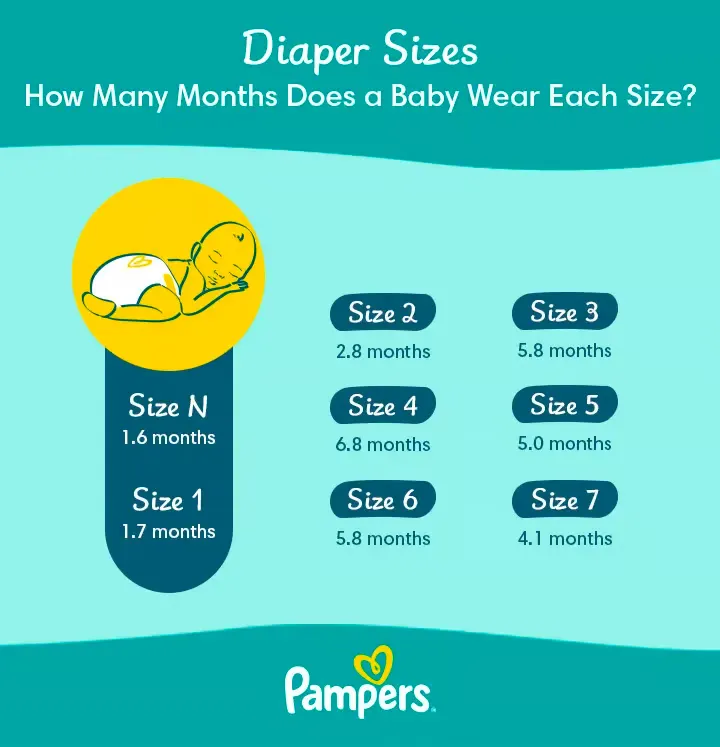
 Pampers official diaper size and weight range chart for U.S. sizes
Image source: www.pampers.com
Pampers official diaper size and weight range chart for U.S. sizes
Image source: www.pampers.com
When It’s Safe for a Newborn to Wear Size 1 Diapers
Sizing up too early can cause more problems than it solves, but there are clear scenarios where size 1 is a safe, practical choice for newborns.
Ideal Scenarios for Size 1 Use
- Your newborn weighs 8+ pounds at birth, placing them at the lower end of the size 1 weight range.
- Your newborn is outgrowing newborn sizes within the first 1–2 weeks of life, evidenced by consistent red marks on the thighs or waist after changes, or frequent leaks even when the diaper is fastened correctly.
- You use cloth diapers, which often have adjustable snap or rise settings that can accommodate size 1 equivalents for larger newborns without gaps. In practice, most pediatricians approve size 1 use for newborns over 8 pounds, as long as the fit is snug and does not rub against the umbilical stump if it is still intact. The American Academy of Pediatrics recommends using weight, not age, as the primary metric for diaper sizing, as newborn growth rates vary widely in the first few weeks of life AAP newborn care guidelines.
Risks of Using Oversized Diapers for Small Newborns
For newborns under 8 pounds, size 1 diapers will almost always have gaps around the leg and waist cuffs, leading to frequent leaks and blowouts that soil clothing and bedding. The loose fit can also rub against delicate newborn skin, causing chafing, irritation, or diaper rash. Additionally, oversized diapers can shift during movement, increasing the risk of the diaper coming loose entirely during play or sleep. A common mistake new parents make is sizing up to avoid leaks from a too-small newborn diaper, only to create more mess with an oversized alternative.
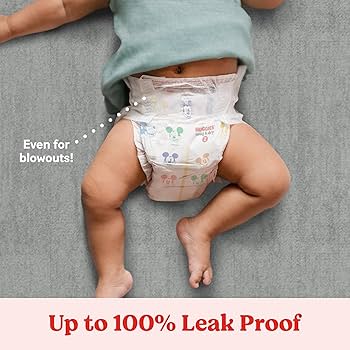 Example of a snug, leak-proof diaper fit for a larger newborn
Image source: www.amazon.com
Example of a snug, leak-proof diaper fit for a larger newborn
Image source: www.amazon.com
Signs Your Newborn’s Diaper Is the Wrong Size
Fit is far more important than the number printed on the diaper packaging, so watch for these clear red flags that it’s time to adjust sizes.
Physical Fit Red Flags
- Red indentations on the baby’s waist or thighs that last more than 5 minutes after removing the diaper (a sign the diaper is too tight).
- Gaps between the diaper and the baby’s skin at the legs or waist when the diaper is fastened at the recommended setting (a sign the diaper is too loose).
- The diaper waistband falls below the baby’s belly button when fastened (too loose) or rides up to the chest (too tight). A properly fitted diaper should allow you to slide one finger easily between the waistband and the baby’s skin, with no gaps at the leg cuffs when the baby’s legs are bent.
Performance and Comfort Cues
- Frequent leaks during the day or overnight, even when the diaper is freshly fastened and adjusted correctly.
- Blowouts that escape the leg cuffs or waistband, which are a clear sign of a poor fit.
- Increased fussiness during or after diaper changes, which may indicate the diaper is rubbing or restricting movement.
- Recurring diaper rash that does not improve with regular changes and skin care, which can be caused by friction from an ill-fitting diaper. For babies with sensitive skin, gentle, newborn-safe powder options can soothe chafed skin between changes while you adjust sizing.
Practical Tips for Testing Diaper Fit at Home
If you’re unsure whether size 1 is right for your newborn, these simple at-home tests will help you confirm fit in minutes:
- Fasten the diaper at the recommended waistband setting first, then adjust the leg cuffs to sit snugly against the baby’s skin without digging in. The cuffs should lay flat against the thighs, not fold inward or outward.
- Check for gaps by running a finger along the leg and waist edges: if you can feel the baby’s skin through the gap, the diaper is too loose.
- Test for absorbency by putting the diaper on after a full feeding, when the baby is likely to pee soon: if it leaks within 2 hours, it may be too small, or you may need a higher-absorbency size.
- Do a "wiggle test": gently move the baby’s legs and torso—if the diaper shifts significantly or gaps appear, it’s too loose. For babies who wriggle during changes, diapers designed for higher weight ranges often have wider leg cuffs that reduce gaps and leaks.
- Keep a simple fit log for the first few weeks: note your baby’s weight, diaper size, and any leaks or irritation to spot patterns quickly and avoid unnecessary trial and error.
Additional Factors to Consider When Choosing Diapers
Weight and fit are the top priorities, but these additional factors will help you make the best choice for your newborn’s needs and your budget.
Material Safety for Sensitive Newborn Skin
Newborn skin is 20–30% thinner than adult skin, making it far more prone to irritation from fragrances, dyes, and harsh chemicals in diapers. The AAP recommends avoiding added fragrances and dyes for newborns with sensitive skin or eczema, and opting for diapers labeled hypoallergenic, chlorine-free, and free of latex and lotions. For babies with persistent skin issues, non-toxic disposable diaper picks avoid common irritants and are often tested for sensitive skin safety.
Cost and Bulk Buying Strategies
Newborn-sized diapers are almost always sold in smaller packs, which can cost 10–20% more per diaper than size 1. If your newborn is large enough to wear size 1, buying in bulk can cut long-term costs significantly. If you’re on the fence, purchase one small pack of size 1 to test for fit before stocking up, to avoid wasting money on a size that doesn’t work. If you’re considering cloth diapers to reduce long-term waste and cost, average annual cloth diaper needs for most newborns range from 2,500 to 3,000 diapers in the first year, making bulk cloth diaper purchases a cost-effective option for many families.
Overnight Use and Practical On-the-Go Tips
If your newborn is sleeping 6+ hour stretches at night, size 1 diapers with higher absorbency may reduce overnight leaks compared to newborn sizes, which are designed for more frequent changes. For babies who wet heavily at night, overnight diaper fit tips can help you choose a size that stays dry through long sleep periods, reducing the number of nighttime changes that disrupt sleep for both you and your baby. When running errands with a newborn, run errands with a newborn tips recommend packing an extra size 1 diaper in your bag if your baby is on the larger side, to avoid being caught with leaks during outings. In colder months, avoid over-bundling your newborn under heavy winter outerwear that can compress the diaper and cause leaks. When budgeting for newborn supplies, factor in diaper costs alongside other small essentials like a baby hairbrush price point to plan your monthly expenses accurately. A properly fitted diaper should not gap under your baby’s onesie or sock line — if clothing is bunching over the diaper, it may be too large. For newborns who sleep 6+ hour stretches, a properly fitted size 1 diaper can reduce overnight leaks, keeping their sleep space dry and comfortable without frequent changes.
Frequently Asked Questions
Will a size 1 diaper fit a 7-pound newborn?
It depends on the brand, but most size 1 diapers start at the 8-pound weight mark, so a 7-pound newborn may experience gaps and leaks in size 1. Stick to newborn sizes until your baby hits the 8-pound threshold, or test a size 1 to see if the leg cuffs fit snugly against their skin without gaps.
Can I use size 1 diapers for a newborn with an intact umbilical cord stump?
Yes, but you’ll need to fold the front of the size 1 diaper down below the stump to avoid rubbing and irritation. Newborn-sized diapers with a built-in umbilical cord cut-out are a more convenient option for the first 1–3 weeks, as they eliminate the need to adjust the fit each change.
How do I know if my newborn is ready to move to size 1?
Look for consistent red marks on the waist or thighs after diaper changes, frequent leaks even when the diaper is fastened correctly, or blowouts that escape the leg cuffs. Weighing 8+ pounds is also a good indicator, but fit is more important than weight alone. If you’re unsure, track your baby’s fit and leaks over 3–5 days to spot patterns.
Are there any risks to using size 1 diapers on a small newborn?
The main risks are frequent leaks from gaps around the legs and waist, skin irritation from rubbing, and increased blowouts that soil clothing and bedding. If your newborn is under 8 pounds and experiencing these issues, switch back to newborn sizes until they grow into the size 1 weight range.
Conclusion
The short answer to "Can a newborn wear size 1 diapers?" is: yes, for some newborns, but not all. The decision depends entirely on your baby’s weight, body shape, and individual fit needs, not their age in weeks. Larger newborns weighing 8+ pounds at birth can often start in size 1 immediately, while smaller newborns should stick to newborn sizes until they outgrow them, as evidenced by red marks, leaks, or blowouts. Prioritize a snug, gap-free fit above all else, and test diaper performance during both daytime changes and overnight stretches to ensure it meets your baby’s needs. For newborns with sensitive skin, opt for fragrance-free, hypoallergenic options to reduce irritation risk. If you’re still unsure about your baby’s fit, track their weight and diaper performance over a week, and reach out to your pediatrician for personalized guidance during your next well-baby visit. Prioritizing a proper diaper fit is one small way to support your baby’s overall comfort and happiness in those first chaotic months.

Emma Grace is a devoted mother and passionate content writer at BestBabyCart.com. With firsthand parenting experience and a love for research, she creates helpful guides and honest reviews to support parents in choosing the best for their babies. Her goal is to make parenthood easier, one article at a time.