
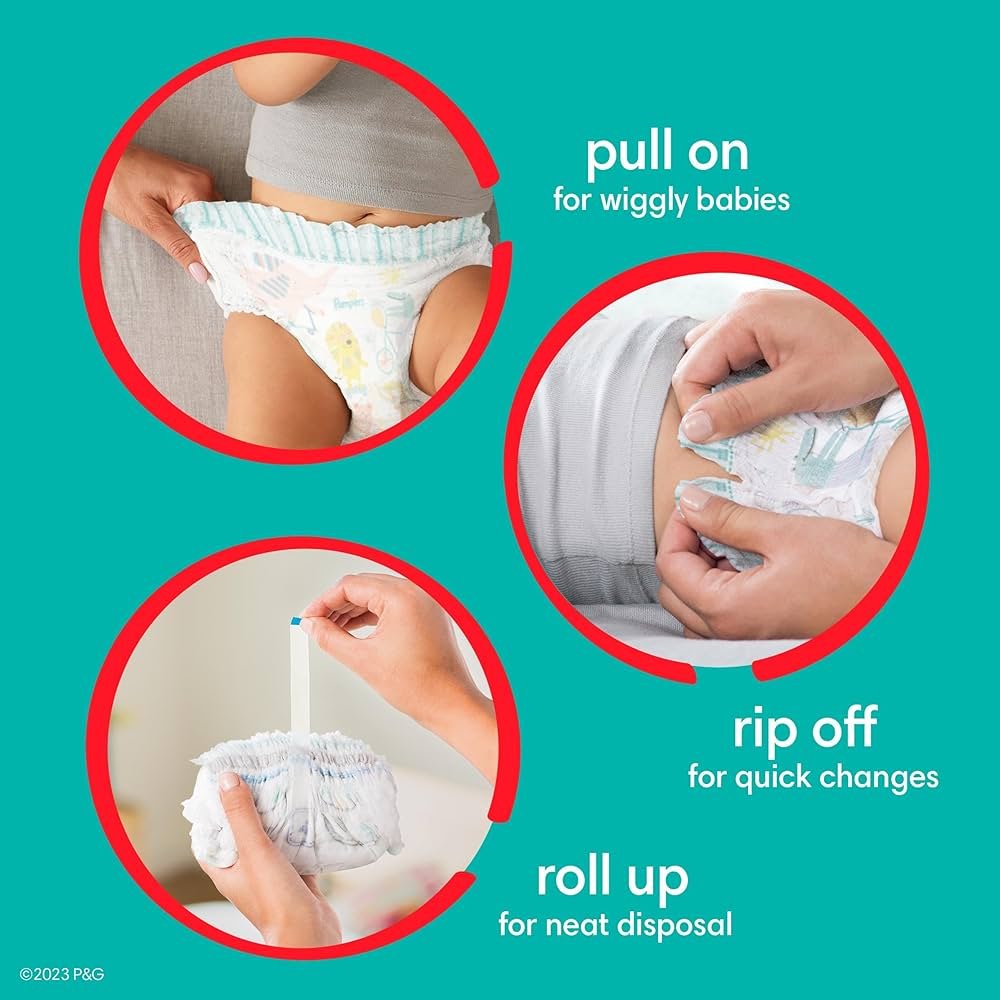
Every parent knows the struggle of a diaper change with a wiggly, mobile baby: fumbling with adhesive tabs that stick to the wrong surface, yanking fasteners tight enough to leave red marks on delicate skin, and the dreaded mid-play leak that ruins an outfit and derails your day. 360 diapers were designed to solve these exact pain points, combining a flexible, underwear-style fit with the leak protection parents rely on for all-day comfort. Unlike traditional taped diapers that require precise fastening, 360 diapers use a stretchy, wrap-around waistband that moves with your baby’s every move, eliminating gaps that cause leaks and reducing the irritation that comes from tight, restrictive fasteners.
In this guide, we’ll break down exactly what 360 diapers are, how their unique design supports your baby’s comfort and mobility, how they compare to traditional diaper options, and how to choose the right size for your little one. We’ll also share real parent feedback and answer common questions to help you decide if 360 diapers are the right fit for your family’s diapering routine. You can also read our guide on best diapers for chunky babies.
 This flexible design eliminates the need to readjust fasteners during play
Image source: www.amazon.com
This flexible design eliminates the need to readjust fasteners during play
Image source: www.amazon.com
What Exactly Are 360 Diapers?
360 diapers (sometimes called 360-fit or wrap-around diapers) are a hybrid pull-up style diaper designed for mobile babies and toddlers, typically 6 months and older. Unlike traditional taped diapers that fasten with adhesive strips on the front, 360 diapers feature an elastic waistband that stretches 360 degrees around the hips and waist, allowing you to slip the diaper on like a pair of underwear. This design was created to address the common frustration of traditional diapers coming loose or digging in during active play, while still delivering the same high absorbency and leak protection parents expect from premium diaper lines.
Most major diaper brands now offer 360 options, with Pampers Cruisers 360 being one of the most widely recognized lines. They are distinct from training pants, which are designed for potty training and have lower absorbency, as 360 diapers are built for full-time use for babies who are not yet ready for potty training. You can also read our guide on best toxic free diapers for sensitive baby.
Core Features That Drive Comfort and Performance
The unique design of 360 diapers comes down to four key features that set them apart from traditional options, each built to support your baby’s comfort and reduce diapering stress for parents.
360-Degree Stretch Waistband
The defining feature of 360 diapers is the elastic waistband that stretches evenly around the entire waist and hip area, rather than just the front or sides. This design creates a gap-free fit that adapts to your baby’s movement as they crawl, cruise, and play, without the need to yank adhesive tabs tight enough to dig into skin. In practice, this eliminates the common issue of traditional diapers slipping down or leaving deep red marks on a baby’s waist after a day of play, a frequent complaint from parents of active infants. For a visual demonstration of how the waistband moves with your baby, see this official product demo. You can also read our guide on best non toxic diaper rash cream.
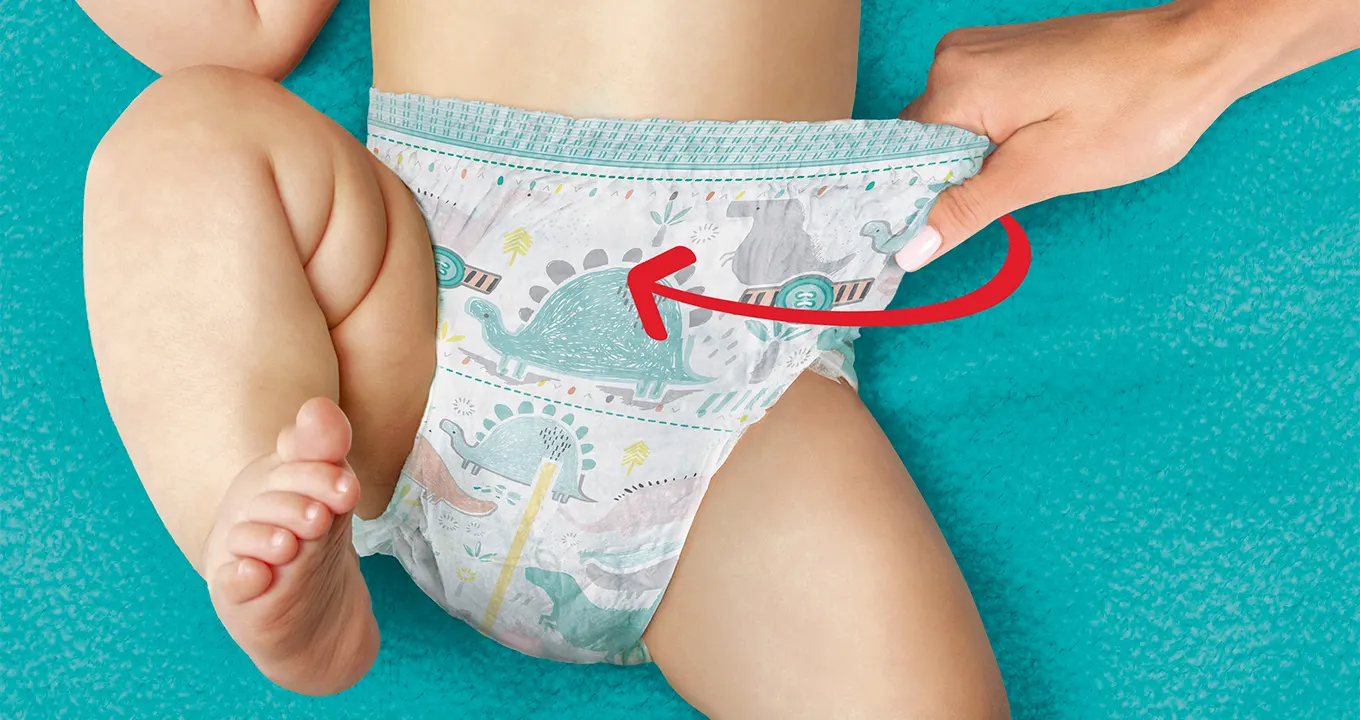 The 360-degree elastic waistband creates a secure, gap-free fit around the waist and hips
Image source: www.pampers.ca
The 360-degree elastic waistband creates a secure, gap-free fit around the waist and hips
Image source: www.pampers.ca
Soft, Skin-Safe Materials
360 diapers are constructed with soft, low-friction materials designed to be gentle on delicate baby skin. The top layer that touches your baby’s skin is usually a soft, non-woven polyester blend, often with added lotion or a plant-based top layer to reduce friction and wick moisture away from the skin. Many 360 diaper lines are also free of common irritants like artificial fragrances, harsh dyes, and latex, making them a good option for babies with sensitive skin or eczema. When shopping for 360 diapers for a sensitive baby, review the ingredient list to avoid common irritants in baby products that can trigger contact dermatitis.
Breathable Layered Construction
Like all modern disposable diapers, 360 diapers use a multi-layer construction designed to keep your baby’s skin dry and comfortable. The top layer wicks moisture away from the skin instantly, the middle absorbent core locks wetness and solid waste away from the surface, and the outer back layer is made of breathable material that allows air to circulate freely. This construction reduces heat and moisture buildup, a key factor in preventing diaper rash, per guidance from the CDC's healthy diapering resources. The breathable design is especially beneficial for active babies who generate more body heat during play, and for overnight use when babies wear diapers for 12+ hours at a time. You can also read our guide on best non toxic diapers safe gentle options.
Leak-Guard Leg Cuffs
An often overlooked but critical feature of 360 diapers is the elastic leak-guard cuffs around the leg openings. These soft, stretchy cuffs move with your baby’s legs as they crawl, squat, and sit, creating a tight seal that prevents leaks and blowouts during active play. Unlike traditional taped diapers, where leg cuffs can shift out of place if the diaper is not fastened perfectly, 360 diapers’ leg cuffs stay in place automatically thanks to the wrap-around design, eliminating a common cause of mid-day outfit changes.
Key Benefits for Babies and Parents
The design of 360 diapers delivers distinct benefits for both babies and caregivers, making them a popular choice for families with mobile infants and toddlers. You can also read our guide on how to change bag on diaper genie.
Benefits for Babies
- Unrestricted Mobility: The stretchy, underwear-style fit moves with your baby’s body, with no restrictive fasteners or bulky material that bunches up during crawling, cruising, or walking. This supports healthy motor development by allowing full hip and leg movement, a priority for parents focused on proper fit for active baby clothing that supports movement.
- Reduced Skin Irritation: The lack of tight adhesive tabs and soft, low-friction materials reduce the risk of red marks, chafing, and contact irritation. The breathable, moisture-wicking construction also lowers the risk of diaper rash by keeping skin dry and aerated.
- All-Day Comfort: The gap-free, secure fit means no bunching, shifting, or digging in, even after 12+ hours of wear. Many parents report their babies sleep longer and fuss less during playtime when wearing 360 diapers, as they are not distracted by an uncomfortable fit.
Benefits for Parents
- Faster, Low-Stress Changes: The pull-up style design cuts down on change time significantly, even with wiggly, squirming toddlers. There is no need to fumble with tabs or reposition a wiggly baby to fasten the diaper correctly, which is a game-changer for parents juggling multiple tasks or changing diapers on the go.
- Fewer Leak Crises: The secure, gap-free fit reduces the risk of mid-play leaks and blowouts, cutting down on extra outfit changes, laundry loads, and the stress of unexpected messes when you’re out of the house.
- Travel and Outing Friendly: The slim, compact design fits easily in any diaper bag, and the pull-up style means you can change your baby quickly even if you don’t have a flat, clean surface to lay them down on. This makes 360 diapers ideal for stress-free outings with young babies, whether you’re running errands, visiting family, or taking a weekend trip.
360 Diapers vs. Traditional Taped Diapers
For parents trying to decide between diaper styles, the table below breaks down the key differences between 360 diapers and traditional taped diapers to help you choose the right option for your baby:
| Feature | 360 Diapers | Traditional Taped Diapers |
|---|---|---|
| Fastening Method | Pull-up style, no adhesive tabs | Adhesive tabs that fasten at the waist |
| Fit for Active Babies | Gap-free stretchy fit that moves with movement | Can slip or dig in if not fastened perfectly |
| Leak Risk | Low, thanks to secure wrap-around fit and leg cuffs | Higher for highly active babies if tabs come loose |
| Change Time | Faster, no need to secure tabs | Slower, requires precise fastening |
| Best For | Mobile babies 6+ months, travel, busy parents | Newborns, babies who sleep very still, parents who prefer precise fit control |
It’s important to note that there is no one-size-fits-all best option: some parents prefer taped diapers for overnight use for very still sleepers, as the tighter fastening can create a more secure fit for babies who don’t move much in their sleep. 360 diapers are generally the better choice for active babies and parents who want to cut down on change time and leak risk during the day.
How to Choose the Right Size for Your Baby
A common mistake parents make when switching to 360 diapers is assuming the stretchy waistband means they can size down or buy a one-size-fits-all option. Proper sizing is critical for leak protection and comfort, just as it is with traditional diapers. Follow these tips to find the perfect fit:
- Check the brand’s weight and height chart first: Sizing varies slightly between brands, so always reference the specific brand’s size guide rather than relying on general age ranges. Most 360 diaper lines size by weight, with size 1 for 8–14 lbs, size 2 for 12–18 lbs, size 3 for 16–28 lbs, and so on. If your baby is tall for their weight, size up to avoid gaps at the waistband.
- Prioritize a snug, not tight, fit: The waistband should sit comfortably on your baby’s hips (not their waist, which can dig in) with enough stretch to move with their body. You should be able to fit one finger between the waistband and your baby’s skin, and the leg cuffs should sit flat against their thighs without leaving red marks.
- Test with small packs first: If you’re trying a new brand, buy a small pack instead of a bulk box to test the fit and performance before committing. Pay attention to leaks, red marks, and your baby’s comfort level during wear to determine if the size is correct. For babies who are between two sizes, size up for overnight use and size down for daytime play to reduce leak risk.
Real Parent Feedback and Common Concerns
Real-world parent feedback highlights the consistent strengths of 360 diapers, as well as a few common drawbacks to consider before making the switch:
Common Praise
Parents consistently cite three key benefits in reviews: no more wiggling out of fasteners during changes, far fewer mid-play leaks and blowouts, and reduced skin irritation from tight tabs. Many parents of toddlers also note that 360 diapers make the potty training transition easier, as toddlers can pull them up and down on their own like underwear, without the struggle of dealing with adhesive tabs. The convenience of faster changes is also a frequent highlight for parents of multiples or parents who are often on the go. You can also read our guide on best nighttime diapers size.
Typical Concerns
The most common drawback cited by parents is the higher per-unit cost of 360 diapers compared to store-brand taped options. Some parents also note that sizing varies widely between brands, so you may need to test two or three options to find the right fit for your baby. A smaller number of parents report that the stretchy waistband can lose its elasticity after 10+ hours of wear for very active babies, leading to minor leaks overnight.
Overall Satisfaction
Most parents who switch to 360 diapers for their mobile babies report they will continue using them long-term, citing the reduced stress of diaper changes and fewer leak-related messes as outweighing the small cost premium. They are particularly popular for babies 6–24 months, when mobility is at its peak and wiggly changes are most common. You can also read our guide on best non toxic overnight diapers.
Frequently Asked Questions
What are 360 diapers for?
360 diapers are designed for mobile babies 6 months and older who are crawling, cruising, or walking, as their stretchy fit moves with active movement. They are also a good option for babies with sensitive skin who experience irritation from traditional taped diaper fasteners, and for toddlers in the early stages of potty training who need a pull-up style diaper that still offers full absorbency for waste.
What is the difference between Pampers 360 and regular Pampers?
Pampers 360 (marketed as Pampers Cruisers 360 in most regions) features a wrap-around stretchy waistband with no adhesive tabs, designed for a secure, gap-free fit on active babies. Regular Pampers use adhesive fasteners that need to be secured precisely on the waist, which can be difficult with wiggly babies. Both lines use the same absorbent core technology, so leak protection is comparable when sized correctly. You can also read our guide on best diaper cream for sensitive skin.
When should I start using 360 diapers?
Most babies are ready for 360 diapers between 6 and 12 months, when they begin crawling and moving independently, per the CDC's developmental milestones for mobile infants. Some parents start earlier if their newborn wiggles excessively during changes, or if traditional taped diapers leave persistent red marks on their baby’s waist. There is no strict age requirement — follow your baby’s mobility cues and comfort level to decide when to switch.
What's the difference between Pampers 360 and Pull-Ups?
While both are pull-on style, 360 diapers are designed for full-time use for babies not yet ready for potty training, with a high-capacity absorbent core to handle full waste loads. Pull-Ups have lower absorbency, built-in wetness indicators to help toddlers learn when they are wet, and tearable sides for easy removal during potty accidents. 360 diapers are a better choice for everyday use for non-potty-trained babies, while Pull-Ups are designed specifically to support potty training.
Final Verdict: Are 360 Diapers Right for Your Family?
360 diapers are a practical, comfort-focused option for families with mobile babies and toddlers, solving the most common pain points of traditional taped diapers: wiggly changes, red marks from fasteners, and mid-play leaks. Their stretchy, gap-free design supports your baby’s active movement, while the soft, breathable materials reduce the risk of skin irritation and diaper rash. For parents, the pull-up style cuts down on change time and makes outings and travel far less stressful.
While they do come with a higher per-unit cost than many traditional taped options, and sizing varies by brand, most parents find the convenience and comfort benefits far outweigh the small premium for babies 6 months and older. If you’re tired of wrestling with tabs during wiggly changes and dealing with unexpected leaks during play, pick up a small pack of 360 diapers from a reputable brand to test with your baby. Once you find the right size and fit, you’ll likely wonder how you ever managed diapering without them.

Emma Grace is a devoted mother and passionate content writer at BestBabyCart.com. With firsthand parenting experience and a love for research, she creates helpful guides and honest reviews to support parents in choosing the best for their babies. Her goal is to make parenthood easier, one article at a time.