
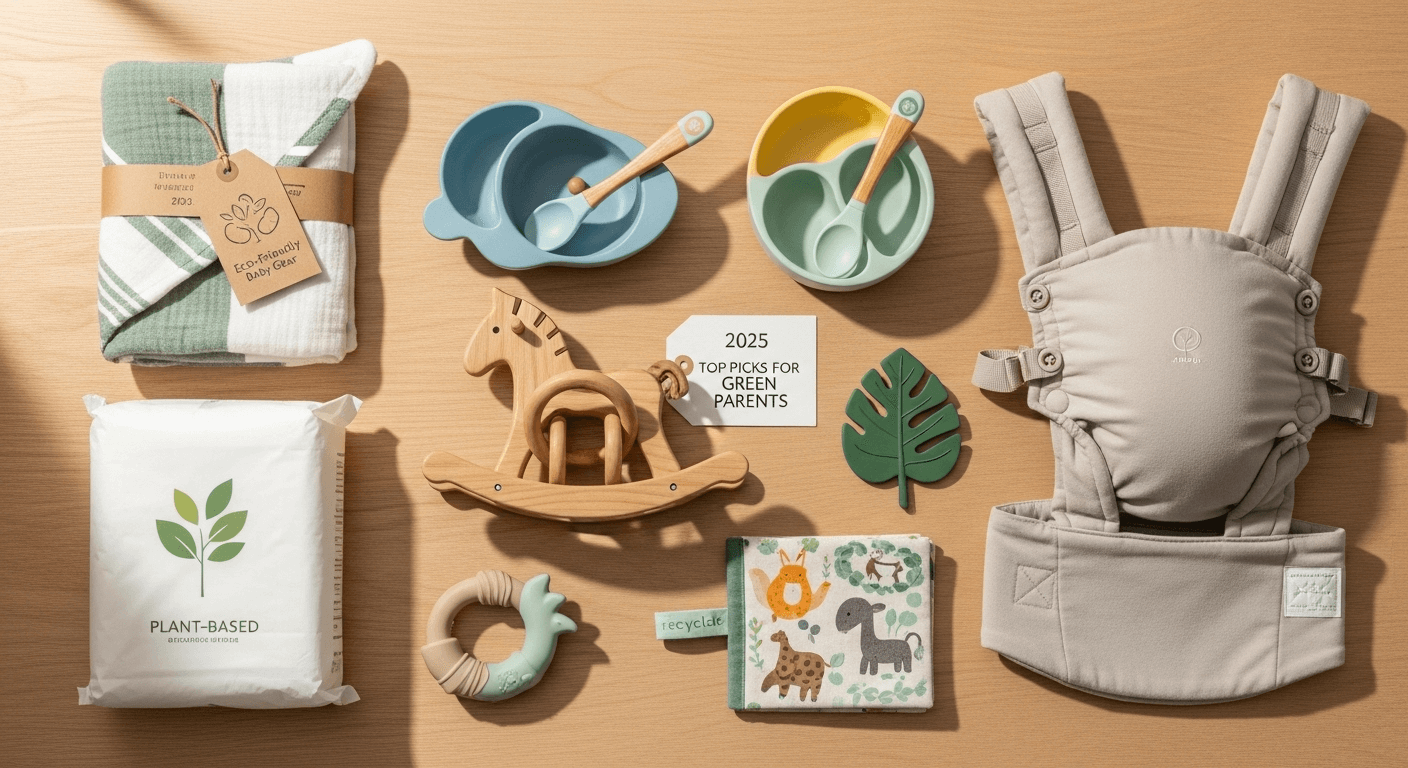
As a green parent in 2026, you want the best for your baby and the planet — but navigating the flood of "eco-friendly" labeled baby gear can feel overwhelming. Greenwashing is rampant, many sustainable products sacrifice safety or durability, and upfront costs can feel out of reach for average families. The good news? The 2026 eco-friendly baby gear market has matured far beyond niche, overhyped options, with mainstream brands releasing high-quality, safety-tested sustainable products that meet the needs of everyday parents. This guide cuts through the marketing noise to break down the most trustworthy materials, vetted top picks by category, and practical tips to make sustainable parenting simple, affordable, and risk-free for your family.
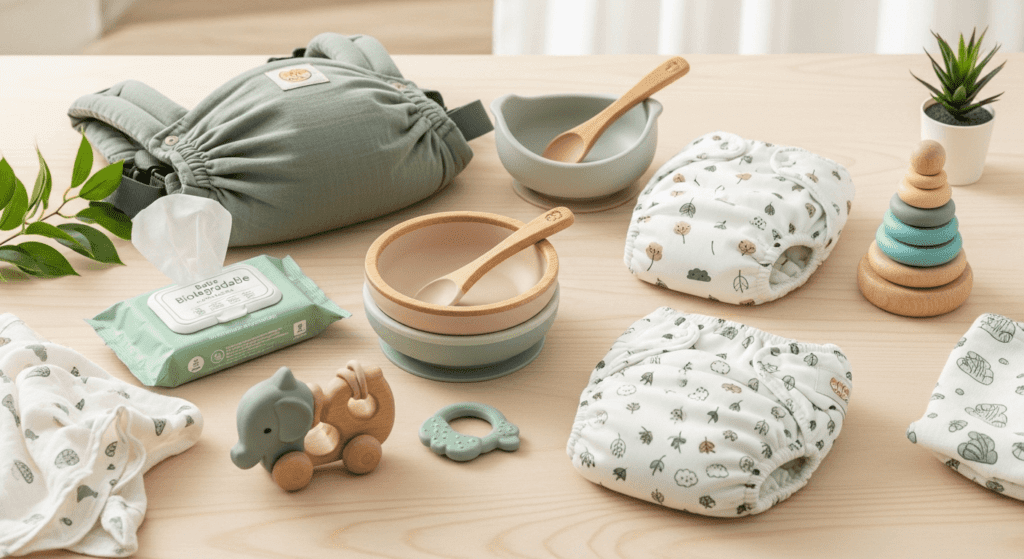 A curated selection of 2026’s most popular eco-friendly baby gear, vetted for safety and real-world parent use
How to Vet Truly Eco-Friendly Baby Gear (Avoid Greenwashing)
Not every product labeled "eco-friendly" or "natural" lives up to its claims. To avoid wasting money on greenwashed items that harm the planet or your baby, prioritize these vetting steps:
- Look for third-party certifications: Trusted labels include GOTS (for organic textiles), USDA Organic (for food and plant-based materials), FSC (for sustainably sourced wood), and B Corp (for brands meeting strict social and environmental standards). Vague terms like "all-natural" or "earth-friendly" with no certification are almost always marketing fluff.
- Verify safety compliance: All baby gear sold in the U.S. must meet mandatory safety standards set by the CPSC Baby Product Safety Guidelines, so always check for CPSC certification marks before purchasing, even for eco-friendly options.
- Ask for supply chain transparency: Trusted brands will share where they source materials, how they manufacture products, and what steps they take to reduce waste and carbon emissions. A common mistake parents make is assuming small, local brands are automatically more sustainable — many still use unsustainable materials or unethical labor practices, so always verify claims.
Top Sustainable Materials to Prioritize in 2026
Sustainable materials are the foundation of high-quality, low-impact baby gear. These options balance safety for your baby, minimal environmental harm, and long-term durability:
GOTS-Certified Organic Cotton
The gold standard for baby textiles, GOTS-certified organic cotton is grown without synthetic pesticides or fertilizers, and manufactured with no toxic dyes or finishes. It’s softer, more breathable, and hypoallergenic than conventional cotton, making it ideal for babies with sensitive skin or eczema. Unlike unregulated "organic" claims, GOTS certification requires a minimum of 70% organic fibers and enforces fair labor practices for farm and factory workers. Look for the GOTS label on clothing, bedding, and fabric components of strollers, car seats, and carriers. For textiles, look for the USDA Organic seal or the Global Organic Textile Standard (GOTS) label, which verifies that materials are grown without synthetic pesticides and meet strict social and environmental standards across the entire supply chain USDA Organic Certification. You can also read our guide on how many cloth diapers does a baby use a year.
Rapidly Renewable Bamboo
Bamboo grows 3-5 times faster than cotton, requires no pesticides, and uses 30% less water, making it one of the most sustainable textile options available. Its fibers are naturally antimicrobial and moisture-wicking, making it perfect for sleepwear, towels, and diaper inserts that need to resist bacteria and odor. Opt for brands that use closed-loop processing to avoid toxic chemicals in the fiber extraction process, and look for Oeko-Tex Standard 100 certification to confirm no harmful residues remain in the final product.
Recycled PET Plastic
Recycled polyethylene terephthalate (rPET), made from post-consumer plastic bottles, is now widely used for durable baby gear like stroller frames, bottle components, and toys. rPET has the same safety and durability as new plastic, but reduces landfill waste and carbon emissions by 30% compared to virgin plastic production. It’s an ideal choice for high-wear items that need to withstand rough use and frequent cleaning. You can also read our guide on best organic baby diapers.
FSC-Certified Sustainably Sourced Wood
For cribs, changing tables, and wooden toys, look for wood certified by the Forest Stewardship Council (FSC), which ensures the material is sourced from responsibly managed forests that prevent deforestation and protect wildlife habitats. Avoid pressed wood or plywood products, which often contain formaldehyde and other volatile organic compounds (VOCs) that off-gas into your baby’s nursery. Greenguard Gold certification confirms that wooden furniture emits low levels of VOCs, making it safe for indoor air quality.
| Material | Key Benefits | Ideal Use Cases | Certification to Look For |
|---|---|---|---|
| GOTS-Certified Organic Cotton | Soft, breathable, hypoallergenic, no toxic pesticides | Clothing, bedding, stroller/car seat fabrics | GOTS, USDA Organic |
| Rapidly Renewable Bamboo | Antimicrobial, moisture-wicking, low water usage | Sleepwear, towels, diaper inserts | Oeko-Tex Standard 100, FSC |
| Recycled PET Plastic | Durable, reduces landfill waste, same safety as new plastic | Stroller frames, bottles, toys | CPSC, B Corp |
| FSC-Certified Wood | Sturdy, carbon-neutral, no deforestation | Cribs, changing tables, wooden toys | FSC, Greenguard Gold |
2026 Top Eco-Friendly Baby Gear Picks by Category
2026’s top eco-friendly baby gear balances sustainability, safety, and real-world usability for busy parents, with far fewer trade-offs than options available just a few years ago:
Strollers & Travel Systems
2026’s top eco-friendly strollers prioritize modular, grow-with-your-child designs that eliminate the need to replace the stroller as your kid ages, cutting long-term waste. Look for models with recycled aluminum frames, GOTS-certified fabric canopies and seat liners, and non-toxic, water-based finishes. Many brands now offer trade-in programs for old strollers, which recycle 90% of the frame and fabric components into new products. EarthChild’s 2026 line, for example, features a 100% recycled plastic storage basket and a 10-year frame warranty, making it a top pick for families planning to have multiple children. If you need tips for compact stroller storage for small apartments or travel, our guide to folding the Uppababy Vista walks through step-by-step instructions for popular models. You can also read our guide on how many cloth diapers should a baby have.
Cribs & Nursery Furniture
The safest eco-friendly cribs are made from solid FSC-certified wood with non-toxic, water-based paints and no pressed wood components that off-gas VOCs. Look for convertible designs that adjust from a standard crib to a toddler bed and eventually a full-sized bed, so the piece lasts 5+ years and can be passed down to future children or resold. EcoCradle’s 2026 collection uses reclaimed barn wood and offers a lifetime warranty on all frames, making it a standout option for families prioritizing durability. When setting up your nursery, refer to our safe crib setup guidelines to avoid common safety hazards and unnecessary decorative items that can pose suffocation risks.
Car Seats
Eco-friendly car seats now meet the same rigorous CPSC crash safety standards as conventional models, with the added benefit of recycled polyester fabrics, BPA-free components, and non-toxic flame retardants (many brands now use ethically sourced wool instead of chemical retardants, which is safer for babies and easier to recycle at the end of the product’s life). All baby gear sold in the U.S. must meet mandatory safety standards set by the CPSC Baby Product Safety Guidelines, which tests for hazards like choking risks, structural instability, and toxic chemical exposure. Look for models with replaceable fabric covers, so you don’t have to replace the entire seat if a cover gets stained or damaged. You can also read our guide on best organic diapers for newborns.
Feeding & Dishware
Sustainable feeding gear cuts down on single-use plastic waste while keeping mealtime safe for babies. Look for food-grade recycled silicone bibs and plates, stainless steel bottles, and bamboo utensil sets made with non-toxic, food-safe dyes. Many brands now offer replaceable parts (like straw tips or sippy cup valves) so you can repair items instead of replacing them. To cut down on excess dishware, our guide to minimal dishware investments breaks down exactly how many plates, bowls, and utensils you actually need for the first year, reducing clutter and waste.
Clothing & Textiles
Eco-friendly baby clothing is designed to be gentle on sensitive skin and durable enough to withstand frequent washing and hand-me-down cycles. Prioritize GOTS-certified organic cotton for everyday wear, bamboo for sleepwear and temperature regulation, and recycled wool for cold-weather outerwear. Many sustainable brands now offer take-back programs that recycle old baby clothes into new textiles, so you can send outgrown items back instead of throwing them away. For planning your baby’s seasonal wardrobe, our guide to seasonal outerwear needs helps you avoid overbuying coats and cold-weather gear that your little one will outgrow in weeks. You can also read our guide on best diaper cream for sensitive skin.
Local Artisans
Small-batch local artisans are a great source of unique, zero-waste eco-friendly baby gear that supports small businesses and reduces carbon emissions from long-distance shipping. Many artisans use deadstock fabric (leftover fabric from fashion brands that would otherwise be thrown away) and low-impact dyes to create one-of-a-kind pieces that last for years. Look for local artisans at farmers markets, sustainable pop-ups, or on platforms like Etsy that verify seller certifications. Handmade Hugs, for example, creates knitted baby blankets using 100% organic yarn sourced from local sheep farms, while Crafted Cuddles makes chemical-free wooden toys using sustainably harvested maple. For custom-made pieces that fit your nursery aesthetic, EcoNest builds made-to-order baby furniture from reclaimed wood, with options to add personalized engravings that turn the piece into a family heirloom.
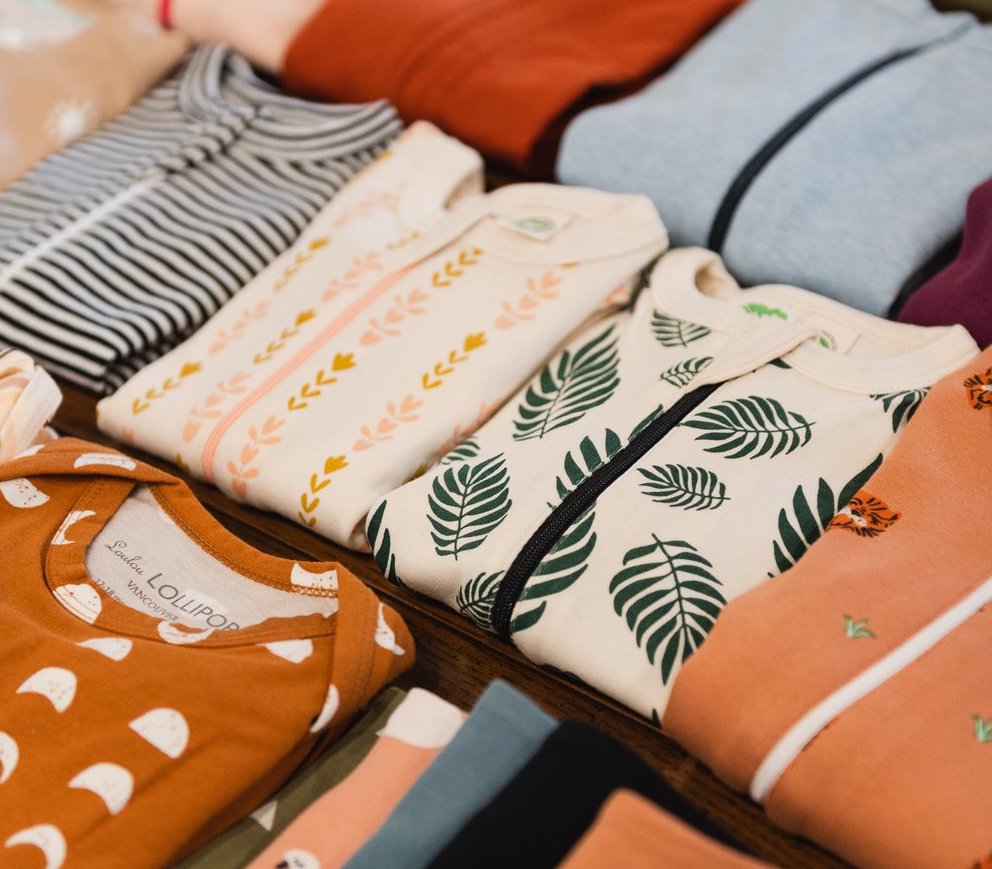 Small-batch artisan baby clothing often uses low-impact dyes and zero-waste pattern cutting to reduce environmental impact
Credit: www.upchoose.com
Small-batch artisan baby clothing often uses low-impact dyes and zero-waste pattern cutting to reduce environmental impact
Credit: www.upchoose.com
Key Benefits of Investing in Eco-Friendly Baby Gear
Eco-friendly baby gear offers benefits that go far beyond feeling good about your purchase: it protects your baby’s health, reduces your household’s environmental footprint, and saves you money over time. Here’s what the data and real parent experiences show:
Reduced Chemical Exposure for Infants
Babies have thinner skin and developing immune and respiratory systems than adults, making them far more vulnerable to toxins found in conventional baby gear: pesticides in cotton, formaldehyde in pressed wood furniture, BPA in plastic bottles, and chemical flame retardants in car seats and mattresses. According to the CPSC Baby Product Safety Guidelines, these chemicals have been linked to long-term health issues including respiratory irritation, hormone disruption, and developmental delays. Eco-friendly gear uses non-toxic, third-party tested materials to eliminate these risks. You can also read our guide on best infant car seat covers for winter.
Lower Long-Term Environmental Impact
According to the U.S. Environmental Protection Agency, single-use baby products like disposable diapers and wipes make up an estimated 4% of all solid waste in U.S. landfills, with each disposable diaper taking 450 years to fully decompose. Choosing reusable alternatives like cloth diapers, washable wipes, and durable gear that lasts through multiple children drastically cuts this waste. In practice, families that switch to 80% eco-friendly baby gear reduce their annual baby-related waste by 70% on average.
Cost Savings Over Time
While eco-friendly gear often has a 10-20% higher upfront cost than conventional options, its extended lifespan makes it more cost-effective long-term. High-quality eco-friendly strollers, cribs, and car seats typically last 2-3 times longer than cheap conventional alternatives, and can be resold for 40-60% of their original value (compared to 10-20% for conventional gear). Reusable cloth diapers, for example, cost 1/3 to 1/2 of disposable diapers over a child’s diapering years, per EPA estimates, saving families $1,000-$2,000 per child. You can also read our guide on best non toxic diaper rash cream.
How to Care for Eco-Friendly Baby Gear to Extend Its Lifespan
Proper care is the key to making eco-friendly baby gear last for years (or even through multiple children), maximizing your investment and reducing waste even further. Follow these evidence-based care tips:
Washing & Cleaning Best Practices
For organic cotton and bamboo textiles, wash on a gentle cycle with cold water to preserve fiber integrity and prevent shrinkage. Use only biodegradable, fragrance-free detergents to avoid breaking down natural fibers and irritating your baby’s sensitive skin. Skip fabric softener and bleach, which can degrade natural fibers and reduce their antimicrobial properties. For recycled plastic gear and toys, wipe with a damp cloth and mild soap instead of machine washing, which can degrade plastic over time and reduce its durability. Proper textile care can extend the life of baby clothes and bedding by 2-3 years.
Storage Tips to Prevent Damage
Store textiles in breathable cotton garment bags, not plastic, to prevent moisture buildup and mold growth — a common issue for stored baby items in humid climates. Avoid storing gear in attics or garages where temperature fluctuations can warp wood, degrade plastic, and damage electronic components. For wooden furniture, apply a natural beeswax polish once a year to maintain the finish and prevent cracking. To avoid common mold issues in stored baby items, our guide to preventing mold buildup shares simple steps to keep textiles and gear fresh between uses. You can also read our guide on can diapers be bought with hsa.
Repair vs. Replace: A Sustainable Decision Framework
Before tossing damaged gear, assess if it can be repaired to extend its lifespan. Minor damage like loose stroller screws, small tears in blankets, or broken zippers on clothing can almost always be repaired with sustainable materials for a fraction of the cost of replacement. Only replace items if they have structural damage that compromises safety (e.g., cracked crib slats, broken car seat buckles) or if repair costs exceed 50% of the replacement cost. Many eco-friendly brands offer free or discounted repair programs for their products, so check with the manufacturer first before discarding damaged items.
Frequently Asked Questions
What is the most trusted certification for organic baby textiles?
The Global Organic Textile Standard (GOTS) is the gold standard for organic baby textiles, as it requires a minimum of 70% organic fibers, bans all toxic chemicals, and enforces fair labor practices across the entire supply chain. Look for the GOTS label on clothing, bedding, and fabric components of gear like strollers and car seats, as unregulated "organic" claims often refer to only a small percentage of organic content in the final product. You can also read our guide on can you put seat covers on heated car seats.
Are eco-friendly baby products as safe as conventional ones?
Yes, and often safer. All baby gear sold in the U.S. must meet the same mandatory CPSC safety standards as conventional products, and most reputable eco-friendly brands go further by banning harmful chemicals like BPA, phthalates, and chemical flame retardants that are still allowed in some conventional gear. Always check for CPSC certification marks and third-party toxicity testing before purchasing any baby product.
Is it worth buying secondhand eco-friendly baby gear?
Absolutely, as long as the item is in good condition and has no recalled parts. Buying secondhand extends the product’s lifespan even further, reducing waste and saving you 50-70% compared to buying new. Always inspect used gear for wear and tear, check for recall status on the CPSC website, and sanitize thoroughly with non-toxic cleaners before use.
How can I reduce waste from baby gear without sacrificing convenience?
Start with high-quality, modular gear that grows with your child (e.g., convertible cribs, adjustable strollers) to avoid replacing items as your kid ages. Use reusable alternatives for single-use items (cloth diapers, washable wipes, silicone snack bags) and take advantage of brand take-back and recycling programs for items you no longer need. If you’re considering cloth diapers for waste reduction, our guide to typical cloth diaper usage breaks down the average number of diapers you’ll need per year, plus care tips to make them last for multiple children.
Final Thoughts: Making Sustainable Choices That Work for Your Family
Switching to eco-friendly baby gear doesn’t require a full, expensive overhaul of your nursery overnight. Small, intentional swaps — like choosing a GOTS-certified onesie, a recycled plastic stroller, or reusable cloth diapers — add up to meaningful reductions in household waste and chemical exposure over time. The best eco-friendly picks for your family are the ones that fit your budget, lifestyle, and safety needs, not the most expensive or trendy options on the market. Ready to start your sustainable parenting journey? Browse our guides to safe crib setup guidelines to avoid common nursery hazards, and typical cloth diaper usage to plan your first waste-reducing swap.

Emma Grace is a devoted mother and passionate content writer at BestBabyCart.com. With firsthand parenting experience and a love for research, she creates helpful guides and honest reviews to support parents in choosing the best for their babies. Her goal is to make parenthood easier, one article at a time.