
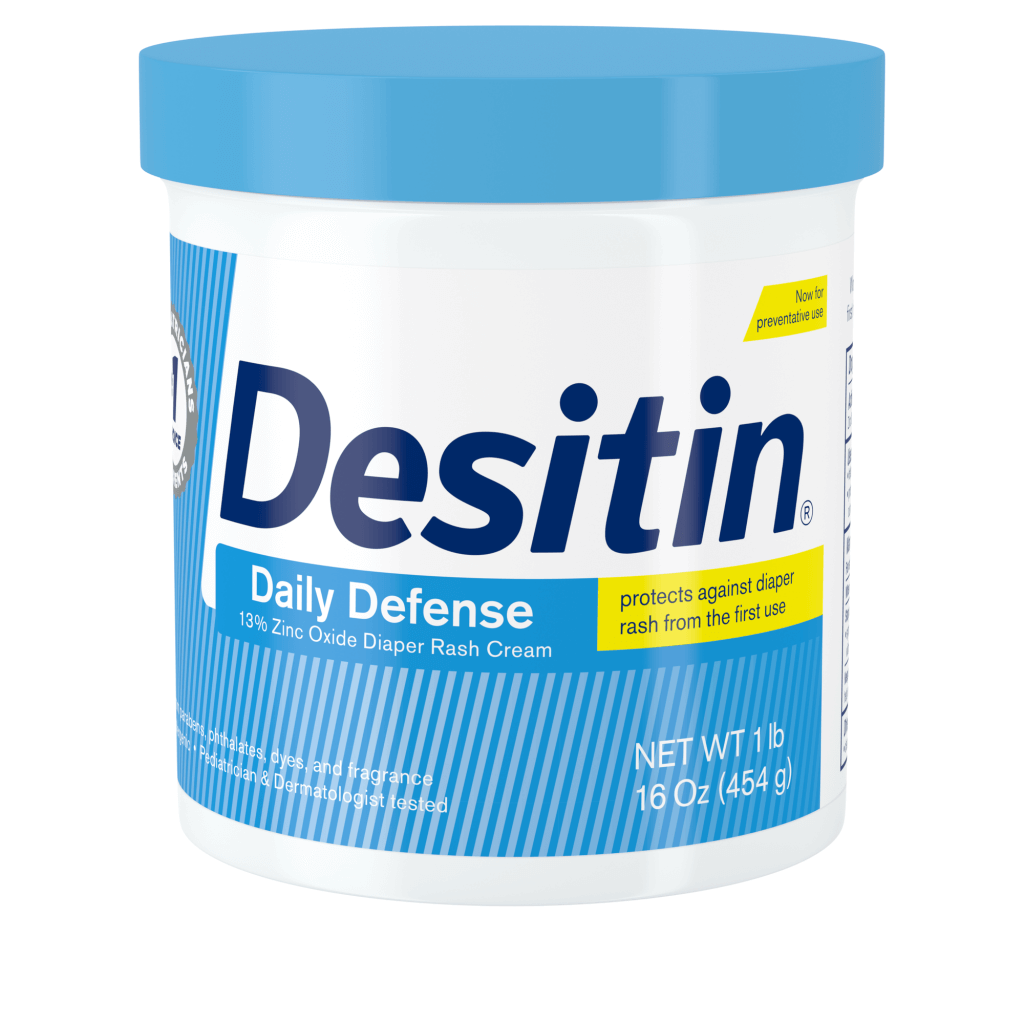
You’ve probably seen diaper rash cream stacked next to baby wipes and diapers at the grocery store, and maybe you’ve even wondered: can this stuff actually work for adult skin irritation? You’re not alone. Millions of adults deal with chafing from exercise, incontinence-related skin breakdown, eczema flare-ups, or minor cuts and scrapes, and many have turned to affordable, over-the-counter diaper rash creams as a surprising alternative to expensive adult skincare products.
As of 2026, dermatologists confirm that most diaper rash creams are safe and effective for adult use when applied correctly, and many offer unique benefits that standard lotions and medicated creams don’t. In this guide, we’ll break down the evidence-based benefits, key ingredients to look for, safety precautions, and how to use diaper rash cream to treat common adult skin concerns, plus answer the most frequently asked questions about this unexpected skincare hack. You can also read our guide on best non toxic overnight diapers.
Short Answer: Yes, Diaper Rash Cream Is Safe for Most Adults When Used Correctly
For the vast majority of healthy adults, over-the-counter diaper rash cream is a safe, low-risk option for treating mild to moderate skin irritation. These products are formulated to be gentle enough for a baby’s sensitive skin, so they are unlikely to cause irritation when used as directed on adult skin.
The only exceptions are people with known allergies to active ingredients like lanolin, zinc oxide, or added fragrances, or those with severe skin conditions that require prescription treatment. For all other users, diaper rash cream can be a cost-effective, accessible addition to your skincare routine, with benefits ranging from chafing relief to moisture protection for incontinence-related irritation. You can also read our guide on can i put diaper rash cream on my face.
Surprising, Evidence-Based Benefits for Adult Skin
Relief from Chafing and Friction Burns
Chafing is one of the most common adult skin complaints, affecting everyone from marathon runners and hikers to people who wear tight work pants or skirts, and postpartum people recovering from vaginal delivery. Unlike regular lotions that only add moisture, diaper rash cream forms a physical barrier between skin and friction sources, preventing further irritation and speeding up healing of existing raw skin.
According to dermatologist-recommended barrier care guidance from the American Academy of Dermatology, zinc oxide-based barrier creams are one of the most effective over-the-counter options for both preventing and treating friction-related discomfort. Many adults also use them to treat existing chafing, as the anti-inflammatory properties of zinc oxide reduce redness and burning within minutes of application. Pairing barrier cream with breathable, moisture-wicking clothing, like the soft, well-fitting baby socks recommended for little ones, can reduce friction even further during long days on your feet. You can also read our guide on natural zinc oxide rash cream twin.
 Image source: www.americanmedicalinc.com
A thin layer of zinc oxide cream creates a protective barrier on chafed or irritated skin, reducing friction and inflammation.
Image source: www.americanmedicalinc.com
A thin layer of zinc oxide cream creates a protective barrier on chafed or irritated skin, reducing friction and inflammation.
Protection for Incontinence-Related Skin Irritation
This is one of the most underdiscussed but impactful benefits of diaper rash cream for adults. Adults with urinary or fecal incontinence often experience painful, raw skin from prolonged exposure to moisture and digestive enzymes, a condition called irritant dermatitis that is nearly identical to baby diaper rash.
Diaper rash cream is actually formulated explicitly to treat this exact type of irritation, making it far more effective than regular moisturizers for incontinence care. Many healthcare providers recommend zinc oxide-based diaper rash creams as a first-line treatment for mild to moderate incontinence-related skin breakdown, as the thick, occlusive barrier stays in place even when exposed to urine or stool, protecting skin from further damage. For heavy incontinence, pair the cream with absorbent briefs designed for adult use for best results. Opt for soft, non-irritating comfort essentials designed for sensitive skin to avoid added fragrances or harsh chemicals that can worsen irritation. You can also read our guide on best organic diaper cream.
Soothing Eczema, Sunburn, and Mild Inflammation
Zinc oxide, the active ingredient in most diaper rash creams, is a common component of prescription and over-the-counter eczema treatments, as it reduces redness, itching, and inflammation without the harsh side effects of steroid creams for mild flare-ups. Lanolin, another common ingredient, is an occlusive that locks in moisture, making it ideal for dry, cracked skin associated with chronic eczema or harsh winter weather.
Diaper rash cream also works well for sunburn relief: the physical barrier of zinc oxide protects damaged skin from further UV exposure, while aloe vera or calenduma additives (common in many formulations) reduce stinging and redness. Note that diaper rash cream is not a replacement for prescription eczema treatments or medical care for severe sunburn, but it is a gentle, affordable option for mild cases. You can also read our guide on best antifungal cream for diaper rash.
Healing Minor Cuts, Scrapes, and Post-Procedure Skin
The thick, protective base of diaper rash cream makes it ideal for protecting minor wounds from bacteria and further irritation, speeding up the healing process. It is commonly used by people who work with their hands (gardeners, cooks, mechanics) to protect small cuts and scrapes, and by people recovering from minor cosmetic procedures like laser hair removal, microdermabrasion, or small tattoos (with approval from your provider) to soothe redness and protect damaged skin.
According to FDA guidance on zinc oxide safety, zinc oxide is non-irritating for broken skin for most users, making it a safer alternative to heavily fragranced lotions that can sting open wounds. For best results, clean the wound gently with mild soap and water, pat dry, and apply a thin layer of cream before covering with a sterile bandage if needed. You can also read our guide on best non toxic diapers safe gentle options.
Key Active Ingredients and How They Work for Adult Skin
Not all diaper rash creams are created equal, and the benefits you’ll get depend on the active ingredients in the formula you choose. Most over-the-counter options contain one or more of the following ingredients, all of which have proven benefits for adult skin:
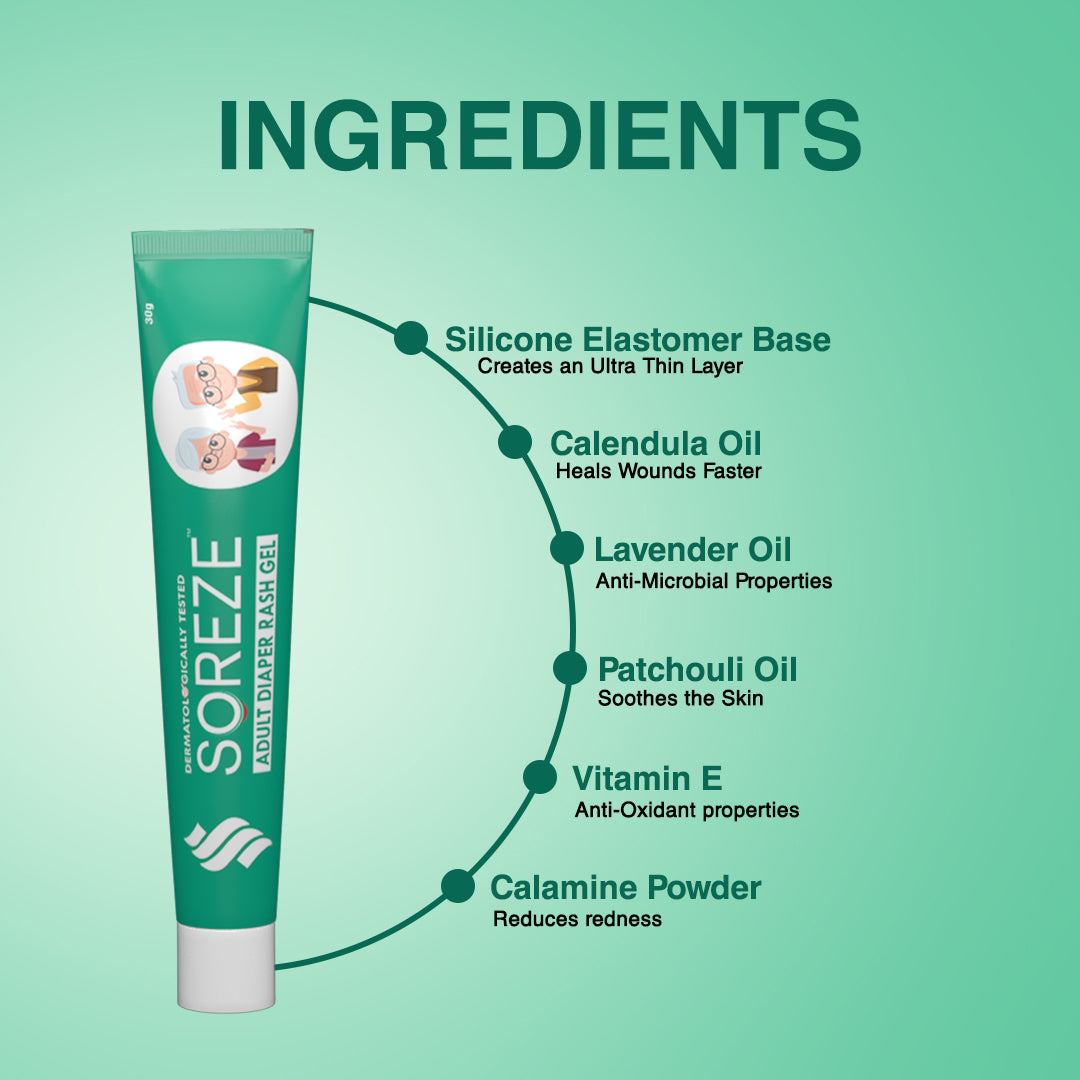 Image source: sorezecare.com
Zinc oxide, lanolin, and aloe vera are the most common active ingredients in over-the-counter diaper rash creams.
Image source: sorezecare.com
Zinc oxide, lanolin, and aloe vera are the most common active ingredients in over-the-counter diaper rash creams.
Zinc Oxide: The Core Protective Ingredient
Zinc oxide is the most common active ingredient in diaper rash creams, and it is the source of most of their benefits for adult skin. It is a physical (not chemical) sunscreen that sits on top of the skin to create a barrier against moisture, friction, and irritants. It also has mild anti-inflammatory properties that reduce redness and itching from existing irritation.
Zinc oxide is non-comedogenic for most users, meaning it won’t clog pores, but over-application on the face or other acne-prone areas can lead to breakouts for some people. It is also naturally water-resistant, so it stays in place during exercise, sweating, or light water exposure.
Lanolin: Intensive Moisture for Dry, Cracked Skin
Lanolin is a waxy substance derived from sheep’s wool, and it is a common inactive ingredient in many diaper rash creams. It is an occlusive, meaning it forms a tight seal over the skin to lock in moisture, making it ideal for treating dry, cracked skin on heels, elbows, cuticles, or lips.
The only downside to lanolin is that it can cause allergic reactions in people with wool allergies, so always check the ingredient label if you have a known wool sensitivity. For people without allergies, lanolin is one of the most effective moisturizing ingredients available over the counter.
Occlusive Base: Petroleum Jelly and Plant-Based Alternatives
Many diaper rash creams use petroleum jelly (also known as petrolatum) as a base, which is an ultra-occlusive ingredient that creates a longer-lasting barrier than zinc oxide or lanolin alone. It is ideal for very raw, irritated skin, as it prevents almost all moisture loss and keeps irritants out.
For people who want to avoid petroleum-based products, many modern diaper rash creams use plant-based occlusives like shea butter, coconut oil, or beeswax instead, which offer similar barrier protection with a lighter texture. If you are avoiding palm oil for ethical or skin sensitivity reasons, check labels for sustainably sourced or palm-free formulations, and refer to our guide to palm oil in baby products for tips on identifying gentle, ethical ingredients.
Soothing Additives: Aloe Vera, Calendula, and Chamomile
Many diaper rash creams include natural soothing additives like aloe vera, calendula, or chamomile to reduce redness and itching. These ingredients are gentle enough for sensitive skin, and can provide immediate cooling relief for sunburn or heat rash.
If you have fragrance allergies, opt for fragrance-free formulations, as many scented diaper rash creams contain synthetic fragrances that can irritate sensitive skin. Like the skin-friendly barrier products designed for babies, fragrance-free diaper rash creams are the best choice for users with sensitive or reactive skin.
How Diaper Rash Cream Stacks Up Against Other Adult Skincare Products
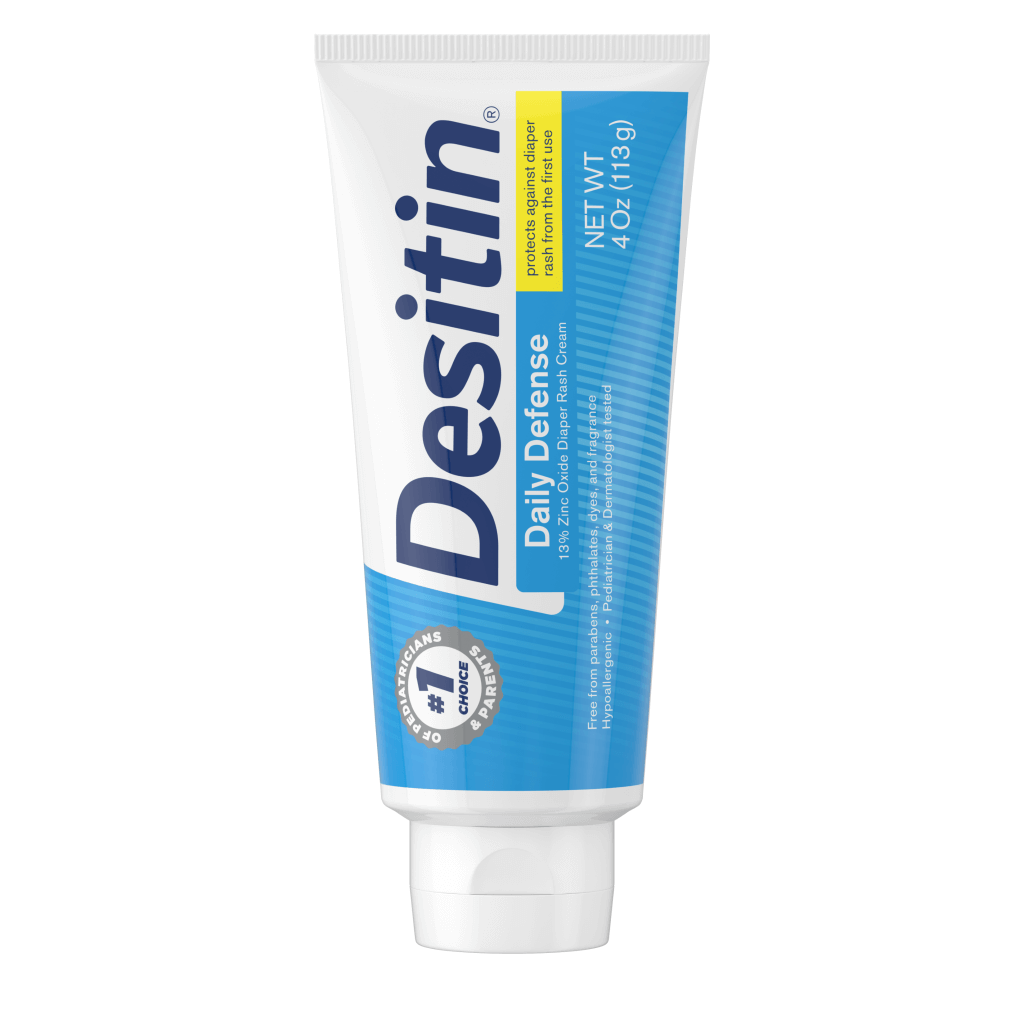 Image source: www.desitin.com
Over-the-counter diaper rash creams like Desitin are widely available at drugstores, grocery stores, and online retailers.
Image source: www.desitin.com
Over-the-counter diaper rash creams like Desitin are widely available at drugstores, grocery stores, and online retailers.
Vs. Regular Body Lotions and Moisturizers
Regular body lotions and moisturizers are humectants, meaning they draw moisture from the air and deeper layers of the skin to the surface to hydrate. They do not create a physical barrier against friction or excess moisture, so they are ineffective for treating chafing, incontinence-related irritation, or weepy eczema flare-ups.
Diaper rash cream, by contrast, is an occlusive product that sits on top of the skin to lock out irritants and lock in moisture. It is far more effective for treating irritated, raw, or moisture-exposed skin than regular lotions, though it is not as hydrating for dry, unbroken skin as a high-quality humectant lotion.
Vs. Dedicated Anti-Chafing Balms
Dedicated anti-chafing balms are typically made of silicone or petroleum jelly, which create a slippery barrier to reduce friction. While they are effective for preventing chafing, most do not contain anti-inflammatory ingredients like zinc oxide, so they cannot treat existing irritation or redness.
Diaper rash cream offers the same friction-reducing barrier as anti-chafing balms, plus added anti-inflammatory benefits to soothe existing chafing. It is also often cheaper per ounce than dedicated adult anti-chafing products, making it a more budget-friendly option for regular use. Like the affordable, multi-use skincare staples used for baby care, diaper rash cream offers versatile benefits at a low cost.
Vs. Medicated Eczema and Acne Treatments
Prescription and over-the-counter medicated creams for eczema (like steroid creams) or acne (like benzoyl peroxide or salicylic acid) contain active ingredients that target the root cause of these conditions. They are effective for moderate to severe cases, but can cause harsh side effects like skin thinning, dryness, or irritation for some users.
Diaper rash cream is a gentler alternative for mild eczema flare-ups or small, inflamed pimples, as it reduces redness and inflammation without harsh active ingredients. It is not a replacement for medicated treatments for moderate to severe conditions, however, so consult a dermatologist if your symptoms persist for more than a week.
Safety Guidelines and Precautions for Adult Use
While diaper rash cream is safe for most adults, following a few simple guidelines will help you avoid side effects and get the most benefit from your product:
Patch Test First to Avoid Allergic Reactions
Even gentle baby products can cause allergic reactions in some adults, so always patch test before using a new diaper rash cream for the first time. To do this:
- Apply a small amount of cream to the inside of your wrist or behind your ear.
- Wait 24 hours to check for signs of a reaction: redness, itching, swelling, or a rash.
- If no reaction occurs, the cream is safe to use on larger areas of skin.
Common allergens in diaper rash creams include lanolin, added fragrances, parabens, and formaldehyde-releasing preservatives, so check the ingredient label carefully if you have known sensitivities.
Proper Application for Maximum Effectiveness
Applying diaper rash cream correctly will make a huge difference in how well it works:
- Start with clean, fully dry skin: Trapping moisture under the cream will worsen irritation, so gently pat the affected area dry with a clean towel before application.
- Use a thin, even layer: More cream is not better — a thin layer is enough to create a protective barrier. Over-application can clog pores and cause breakouts, especially on the face or chest.
- Let it absorb for 2-3 minutes before getting dressed: This prevents the cream from staining your clothing, and ensures it forms a full barrier before exposure to friction or moisture.
When to Consult a Dermatologist
Diaper rash cream is only intended for mild, temporary skin irritation. See a dermatologist if you experience any of the following:
- A rash that lasts longer than 3 days without improvement
- Oozing, pus, or warmth around the irritated area (signs of a bacterial infection)
- Fever or widespread rash
- No improvement after 3 days of consistent, correct use
- Severe itching, pain, or swelling
Diaper rash cream cannot treat fungal infections (like athlete’s foot or yeast rashes), bacterial infections, or severe eczema, so professional care is required for these conditions.
Common Myths About Adult Use of Diaper Rash Cream
Misinformation about diaper rash cream for adult use is common, so let’s clear up the most persistent myths:
- Myth 1: Diaper rash cream is only for babies. Fact: Diaper rash cream is formulated to treat irritation caused by prolonged moisture and friction, which are common adult issues including chafing, incontinence-related dermatitis, and mild eczema.
- Myth 2: Diaper rash cream is too greasy for daily adult use. Fact: Many modern diaper rash creams are formulated to be fast-absorbing and non-greasy, designed for large surface areas like thighs, underbusts, and underbells that are common problem areas for adults.
- Myth 3: Diaper rash cream can treat fungal infections like athlete’s foot or jock itch. Fact: Diaper rash cream has no antifungal properties, and its occlusive base can actually trap moisture and make fungal infections worse. Use an over-the-counter antifungal cream for these conditions instead.
- Myth 4: You need to use prescription creams for adult diaper rash-like irritation. Fact: For mild to moderate irritation caused by chafing or incontinence, over-the-counter diaper rash cream is just as effective as prescription barrier creams, and costs a fraction of the price.
Frequently Asked Questions
Can I use diaper rash cream on my face?
Yes, you can use diaper rash cream on your face for mild irritation, sunburn, or acne-related redness, as long as you use a thin layer and choose a non-comedogenic, fragrance-free formula. Avoid applying it near your eyes, and stop use if you experience breakouts or irritation. It is not a replacement for prescription acne or eczema treatments for moderate to severe facial skin conditions.
Is it safe to use diaper rash cream for vaginal or perineal irritation?
Yes, most zinc oxide-based diaper rash creams are safe for external use on the perineal area to treat irritation from shaving, postpartum recovery, or mild incontinence-related rash. Avoid applying it inside the vagina, and stop use if you experience burning or increased irritation. If you have a yeast infection or other vaginal condition, consult a healthcare provider instead, as diaper rash cream will not treat these issues.
How often can I apply diaper rash cream for chafing?
For prevention, apply a thin layer 10-15 minutes before activity that causes chafing (like a workout or long walk). For existing chafing, apply 2-3 times per day until the irritation heals, usually within 1-3 days. Do not apply more than 4 times per day unless directed by a healthcare provider.
Can diaper rash cream treat a yeast infection?
No. Diaper rash cream has no antifungal properties, so it cannot treat yeast infections (including vaginal yeast infections or yeast-based diaper rash in babies). In fact, its occlusive base can trap moisture and make yeast infections worse. Use an over-the-counter antifungal treatment for yeast infections, and consult a healthcare provider if symptoms persist.
What’s the difference between diaper rash cream and hemorrhoid cream?
Both products contain zinc oxide and occlusive ingredients to soothe irritated skin, but they are formulated for different use cases. Diaper rash cream is often thicker and more water-resistant, making it better for large surface areas or moisture-exposed skin. Hemorrhoid cream often contains added ingredients like lidocaine to numb pain, making it better for painful hemorrhoid irritation. Both are safe for external use on irritated skin, but choose the formula designed for your specific concern for best results.
Final Thoughts
Diaper rash cream is a versatile, affordable, and dermatologist-backed option for treating a wide range of common adult skin concerns, from chafing and incontinence-related irritation to mild eczema and minor cuts. Its key active ingredients — zinc oxide, lanolin, and soothing additives — offer unique benefits that many dedicated adult skincare products lack, at a fraction of the cost.
That said, it is not a replacement for prescription treatments for moderate to severe skin conditions, and people with allergies to lanolin or zinc oxide should avoid it. Always patch test new products, apply a thin layer to clean, dry skin, and consult a dermatologist if your symptoms persist for more than a few days.
If you’re dealing with persistent chafing, incontinence-related irritation, or mild eczema flare-ups, talk to your healthcare provider about adding a zinc oxide-based diaper rash cream to your skincare routine. For more evidence-based guides to managing common skin concerns for all ages, browse our full library of care resources.

Emma Grace is a devoted mother and passionate content writer at BestBabyCart.com. With firsthand parenting experience and a love for research, she creates helpful guides and honest reviews to support parents in choosing the best for their babies. Her goal is to make parenthood easier, one article at a time.