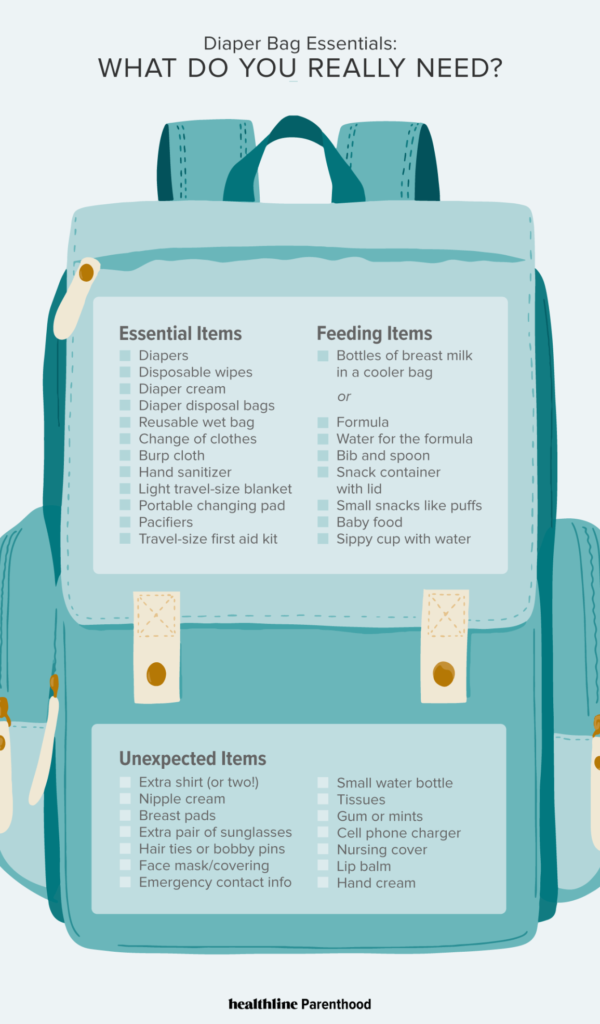
Bringing your newborn home is equal parts magical and overwhelming, and one of the first hurdles you’ll face is mastering outings with a tiny, unpredictable human in tow. A well-stocked diaper bag is the difference between a smooth pediatrician visit or coffee run and a stressful, messy emergency when you’re caught without a spare onesie or wipe. Unlike bags for older babies, newborn-specific packing prioritizes sensitive skin supplies, frequent changeovers, and tiny, easy-to-access items for wiggly, hard-to-manage little ones. If you’re struggling to time outings around your newborn’s irregular nap schedule, our guide to timing outings around nap schedules can help you plan low-stress trips from the start. This curated checklist covers every must-have item, plus pro tips to avoid overpacking and keep your bag light enough to carry during those exhausting early months.
Step 1: Pick a Newborn-Specific Diaper Bag First
A poorly chosen bag will turn even a quick trip to the park into a frustrating game of Tetris as you dig for wipes or a clean onesie. Newborns have unique needs that standard diaper bags often don’t address, so prioritize features that cut down on stress during changes and feedings.
Key Features That Actually Matter for Newborns
When shopping for a bag, look for these newborn-specific upgrades that solve real pain points:
- A dedicated, insulated pocket that fits 2–3 4-ounce newborn bottles, with a leak-proof liner to avoid milk stains on the rest of your bag. Newborns eat 1.5–3 ounces every 2–3 hours, so you’ll need enough storage for all feedings during your outing.
- A one-handed wipe dispenser, so you can grab a wipe without putting your wiggly baby down on a potentially dirty surface.
- A water-resistant changing pad with a contoured head support and non-slip bottom, sized at minimum 12×18 inches (the standard size that fits most public restroom stalls) for comfortable changes even in tight spaces.
- Padded crossbody straps, which distribute weight more evenly than shoulder straps and reduce back strain for parents recovering from C-sections or episiotomies, as they avoid putting pressure on abdominal incision sites.
- Wipeable, stain-resistant fabric (avoid untreated canvas, which absorbs blowout stains and is impossible to clean).
- A separate wet bag compartment for soiled clothes or cloth diapers, to keep messes contained away from clean items.
In practice, most parents find that a bag with 4–6 dedicated compartments strikes the right balance between organization and not being overly bulky.
Common Bag Selection Mistakes to Avoid
Many first-time parents make avoidable errors when selecting a diaper bag that lead to frustration later:
- Buying an oversized bag that’s too heavy when full, adding 5 or more pounds of unnecessary weight that causes back pain during long outings.
- Choosing a bag with no outer pockets, which forces you to rummage through the entire bag to find wipes or your phone during an urgent diaper change.
- Opting for a designer bag with hard-to-clean materials, which will be ruined by the first major spit-up or diaper blowout.
- Ignoring strap padding, which can dig into your shoulder after a few hours of carrying a bag full of supplies plus your newborn.
- Skipping a dedicated bottle pocket, which leads to spilled formula soaking into the main compartment of your bag, creating a sticky, hard-to-clean mess.
 A well-organized bag cuts down on mid-change scrambling during outings
Credit: organicsbestshop.com
Core Diaper & Changing Supplies
Diaper and changing supplies make up 70% of the items you’ll use during outings, so prioritizing quality and convenience here avoids mid-change scrambles.
Diapers, Wipes, and Disposal
Most newborns go through 8–12 diapers per day in their first month, so packing enough for your outing is non-negotiable. As a rule of thumb, pack one diaper for every 1–2 hours you plan to be out, plus 3–4 extras for unexpected blowouts or delays. For newborns, stick to size NB (newborn) or size 1 diapers, depending on your baby’s weight (most newborns fit NB until they reach 10–12 pounds, usually around 1–2 months old).
For wipes, opt for unscented, alcohol-free, sensitive-skin formulas to avoid irritating your baby’s delicate skin. A travel-sized wipe dispenser with a pop-up top lets you grab a wipe with one hand, a critical feature when you’re holding a wiggly baby on a public changing table. If you use cloth diapers, pack 2–3 extras based on your average cloth diaper needs for outings, plus a small leak-proof wet bag to store soiled diapers until you get home.
Portable Changing Pads and Liners
Public changing tables are rarely sanitized, and many are too small for newborns who can’t hold their heads up on their own. A dedicated portable changing pad solves this problem: look for one with a non-slip bottom, a water-resistant surface, and a small head support cushion. Size matters here—opt for a pad that’s at least 12×18 inches to give your newborn enough room to wiggle during changes.
Pack a pack of disposable changing pad liners to place under your baby during changes, so you don’t have to wipe down a sticky public surface, and can simply toss the liner after use. These liners are especially useful in public restrooms where changing tables are often covered in unknown residue.
Diaper Rash Cream and Mess Management
Even with frequent changes, newborn skin is prone to diaper rash from moisture and friction. Pack a small tube of zinc oxide-based diaper cream (10–40% concentration for active rash, or a thin layer of petroleum jelly for daily preventative use, per standard pediatric guidance) to apply during changes.
For dirty diaper storage, bring a leak-proof, scented disposable diaper bag to seal in odors and messes until you can find a trash can. This avoids the dreaded scenario of holding a dirty diaper in your bag for hours during a long outing. Keep these bags in an outer pocket for quick access during changes.
Feeding Essentials for Newborn Outings
Newborns eat every 2–3 hours around the clock, so you’ll need to be prepared to feed on demand, no matter where you are.
Formula Feeding Supplies
If you feed your newborn formula, pack 2–3 4-ounce bottles (the standard size for newborns, who eat 1.5–3 ounces per feeding in the first month) that your baby is already familiar with, to avoid refusal during outings. Pre-measure formula powder in individual serving packets, or use a 3-compartment formula dispenser to avoid carrying a large, heavy formula tub.
Pack a small thermos of warm (not hot, 98.6°F/37°C is ideal to avoid burning your baby’s mouth) water to mix formula on the go, or use room temperature formula if your baby prefers it. Avoid bringing a bulky bottle warmer, as most public restrooms have microwaves you can use to warm water if needed. If you’re selecting a formula for your newborn, our guide to common formula ingredients to avoid breaks down common additives to look for.
Breastfeeding Accessories
If you’re breastfeeding, pack a lightweight, breathable nursing cover for privacy during public feeds, 4–6 disposable or reusable nursing pads to catch leaks, and a small tube of lanolin cream to soothe sore nipples. A manual breast pump can be useful for expressing milk while out, especially if you’re pumping to build a stash or relieve engorgement. Avoid thick fleece nursing covers in warm weather, as they can cause your baby to overheat during feedings.
Burp Cloths and Spit-Up Mitigation
Newborns spit up frequently, so pack 3–4 absorbent, soft burp cloths that are at least 12×12 inches. Cotton or muslin burp cloths work best, as they’re easy to wipe clean and can double as a makeshift wipe for sticky baby faces, a clean surface for bottles, or an extra layer for your baby if they get cold. Avoid small, thin cloths, as they won’t absorb major spit-up messes.
Clothing and Comfort Items
Newborns can’t regulate their body temperature well, and messes are inevitable, so pack extra layers and comfort items to keep them happy and comfortable.
Spare Outfits and Weather-Appropriate Layers
Newborns can have blowouts that soak through onesies and pants in seconds, so pack 2–3 full spare outfits. Opt for footed pajamas or onesies with built-in footies, as newborns lose most of their body heat through their feet, and they’re easy to pull on quickly during changes. Add 2–3 pairs of soft, seamless newborn socks (no tight elastic that cuts off circulation) — you can reference our guide to appropriate sock counts for newborns to make sure you have enough on hand for every outing. Add a lightweight cardigan or swaddle to adjust for temperature changes.
For cold weather outings, pack a fleece-lined bunting bag that fits over your baby’s car seat, so you don’t have to unbuckle them to add layers. Check our guide to seasonal outerwear planning to pick the right weight for the temperature you’ll be in.
Versatile Swaddle Blankets
Muslin swaddle blankets are the most versatile item you can pack: they work as a swaddle for sleep, a nursing cover, a stroller sunshade, a changing pad liner, or a burp cloth in a pinch. Pack 2, so you have a backup if one gets dirty. These blankets also double as a comfort item for your newborn when you’re out, mimicking the cozy, confined feeling of being swaddled at home, which calms fussiness in unfamiliar environments.
Pacifiers and Soothing Tools
Pack 2–3 pacifiers, as they’re easily dropped or lost during outings. Per American Academy of Pediatrics safe sleep guidelines, use a pacifier clip that’s no longer than 6 inches to avoid strangulation risk, and never attach a pacifier to a string around your baby’s neck. If your baby uses a small lovey, pack it for comfort during long outings, but ensure it’s breathable and small enough to avoid SIDS risk for newborns under 6 months, per safe sleep guidelines. A soft silicone teether can also soothe gums even before teeth start coming in, as newborns often chew on their hands to self-soothe.
Health and Hygiene Must-Haves
Even for short outings, these items will help you handle minor health issues and keep your newborn clean and comfortable.
Compact First Aid Supplies
Even for short outings, a compact first aid kit can handle small emergencies. Include:
- Infant acetaminophen (check with your pediatrician for dosage guidelines before giving it to your newborn, as it is not recommended for babies under 3 months without medical approval)
- A fast-reading digital thermometer (temporal artery or rectal models are most accurate for newborns) to check for fever if your baby seems unwell
- Sterile gauze pads and adhesive bandages (fun printed bandages help distract babies during minor cut care)
- Soft-tipped baby nail clippers or a nail file, as newborn nails grow fast and can scratch their delicate skin
- Saline nasal drops, to relieve congestion if your baby has a cold
- A small tube of insect bite relief gel for outdoor outings
- Disposable nitrile gloves, for diaper changes when you don’t have access to a sink to wash your hands, to prevent the spread of germs.
Skin and Cleanliness Essentials
Pack a small tube of unscented, hypoallergenic baby lotion to prevent dry skin, especially in cold or dry weather. Keep 60%+ alcohol hand sanitizer in a separate outer pocket of your bag, away from baby items, to sanitize your hands before feeding or touching your baby. Storing it separately avoids accidental contact with baby items if the bottle leaks, which can irritate your newborn’s sensitive skin. A few gentle face wipes for yourself are also useful for quick cleanups after feedings or diaper changes.
Hospital Bag Add-Ons (For Your Delivery Stay)
Most parents repurpose their diaper bag for their hospital stay after delivery, so add these extra items to your checklist to avoid last-minute scrambles.
Baby Items for the Hospital
- A going-home outfit in size NB or 0-3 months, depending on your baby’s predicted size (most newborns outgrow NB in 2–4 weeks, so pack a 0-3 as backup)
- A newborn hat and mittens, to keep their head warm (hospitals are often kept cool) and prevent scratching
- A rear-facing car seat, installed and inspected before you leave for the hospital, per NHTSA car seat safety guidance, as it is required for all rides home with a newborn
- A pack of newborn diapers and wipes, as hospitals often only provide a small supply (1–2 packs for a standard 1–2 day stay)
Parent Items for Your Postpartum Stay
- Your ID, health insurance card, and baby’s birth certificate and health insurance information
- Postpartum pads, high-waisted postpartum underwear, and loose, easy-to-wear clothes (like leggings and a zip-up hoodie) that won’t irritate C-section incisions or episiotomies
- Nursing bras and breast pads if you’re breastfeeding
- A charging cable and portable charger for your phone, to capture newborn photos and stay in touch with family
- Snacks for yourself, as hospital food options are often limited and you’ll need extra energy for labor and postpartum recovery
Weather-Appropriate Gear Add-Ons
Never get caught off guard by sudden weather changes—pack these items based on the season and your planned outing location.
Sun and Heat Protection
For newborns under 6 months, CDC infant sun safety guidance recommends prioritizing UPF-rated clothing and shade over sunscreen, as infant skin is too delicate for chemical sunscreens, and even mineral formulas can cause irritation in the first few months. Pack a wide-brimmed sun hat with a UPF 50+ rating to shield your baby’s face and neck, and a stroller sunshade to block direct sun during walks. For hot weather, add a lightweight, breathable cotton onesie to avoid overheating, and never leave your baby unattended in a stroller in direct sun, even for a minute.
Rain and Cold Weather Prep
An unexpected shower can ruin an outing fast, so pack a universal stroller rain cover that’s waterproof and has a ventilation window to avoid overheating. For cold or snowy weather, add a fleece-lined bunting bag that fits over your baby’s car seat, so you don’t have to unbuckle them to add layers, and an extra thick swaddle blanket for extra warmth. A compact umbrella that fits in your bag’s outer pocket is also useful for sudden rain showers, and hand warmers for your own hands can make cold outings far more comfortable.
Soothing and Entertainment for Newborns
Newborns don’t play with toys the way older babies do, so prioritize items that stimulate their developing senses and calm fussiness without taking up too much space:
Visual Stimulation Tools
Newborns can only see 8–10 inches away, and prefer high-contrast patterns. Pack a set of small black-and-white high-contrast cards to hold in front of your baby during feedings or waits, to support their visual development without overstimulating them.
Calming Aids
A small white noise machine or a phone with pre-downloaded white noise sounds (ocean, rain, shush) can calm a fussy newborn in noisy environments like restaurants or airports. A soft crinkle toy or small silicone teether can also provide comfort, even for newborns who aren’t teething yet, as the soft texture is soothing to gums. Avoid loud, flashing toys, as they overstimulate newborns’ developing senses.
Don’t Forget Your Own Essentials
New parents often focus 100% on their baby’s needs and forget their own, leading to burnout and discomfort during outings. Pack these small essentials to make trips easier for everyone:
Practical On-the-Go Items
- Your wallet, keys, and phone, kept in a dedicated outer pocket for easy access
- A portable charger, so your phone never dies when you need to call your partner, pediatrician, or order last-minute takeout (this is one of the most commonly forgotten items, per parent surveys)
- A reusable water bottle and non-perishable snacks (granola bars, nuts, fruit leather) to keep your energy up during long outings
- A small pack of over-the-counter pain relievers, for postpartum pain or headaches
Small Self-Care Supplies
- Hand lotion, as frequent hand washing and sanitizer use can dry out your skin
- A small change of clothes for yourself, in case of spit-up, diaper blowout, or spilled coffee
- A pair of comfortable slip-on shoes, in case your feet swell during long outings or you need to take them off for a quick stretch
- A book or e-reader, to pass the time during feedings or while your baby naps in the stroller
Smart Packing Tips to Avoid Overpacking
A disorganized diaper bag will lead to missed items and unnecessary stress. Use these tips to keep your bag efficient and lightweight:
Compartmentalize for One-Handed Access
Use a small diaper bag organizer with separate compartments for diapers, wipes, feeding supplies, and health items, so you don’t have to rummage through the entire bag during an urgent change. Keep your most frequently used items (wipes, diapers, hand sanitizer, pacifiers) in outer pockets, so you can grab them without opening the main compartment, even while holding your baby with one arm. Use small ziplock bags to separate clean and dirty clothes, and to keep pacifiers and teethers clean until use. For stroller accessories, use compact stroller storage hacks to store a rain cover or sun shade flat in your bag’s outer pocket for easy access.
Restock and Rotate Supplies Consistently
After each outing, take 5 minutes to restock used items and check expiration dates on formula, lotion, and acetaminophen. Rotate seasonal items (like sun hats or bunting bags) in and out of your bag as the weather changes, so you’re not carrying unnecessary weight. Keep a mini checklist taped to the inside of your bag’s main pocket, so you remember to restock everything before your next outing.
What to Skip to Keep Your Bag Light
Overpacking is a common mistake that leads to a heavy, unwieldy bag. Skip these non-essential items:
- Bulky toys or books that your newborn won’t engage with yet
- Full-size bottles of lotion, sunscreen, or wipes (use travel-sized versions instead)
- Clothes that are too big for your newborn right now—they’ll grow into them eventually, but you don’t need to carry them in your bag
- Perishable snacks that can go bad in a hot car
- Non-essential gadgets like bottle warmers or baby food warmers, which take up unnecessary space (most public restrooms have microwaves you can use if needed)
 Dedicated pockets keep wipes, diapers, and feeding supplies easy to grab one-handed
Credit: lulibebeus.com
Frequently Asked Questions
What do you absolutely need in a newborn diaper bag?
At minimum, pack diapers and wipes, a portable changing pad, 2–3 spare outfits, feeding supplies, burp cloths, pacifiers, hand sanitizer, and a change of clothes for yourself. Adjust based on your feeding method (formula vs. breastfeeding) and diaper type (disposable vs. cloth).
How many diapers should I pack for a 2-hour outing with a newborn?
Pack 4–5 diapers total: one for every hour you plan to be out, plus 2–3 extras for unexpected blowouts or delays. Newborns go through 8–12 diapers per day, so it’s better to pack a few extra than run out mid-trip.
Do I need a separate changing pad for public restrooms?
Yes. Public changing tables are rarely sanitized, and many are too small or too low for newborns who can’t hold their heads up on their own. A dedicated portable changing pad with a non-slip bottom and contoured head support creates a clean, safe space for changes anywhere.
What’s the most commonly forgotten newborn diaper bag item?
Experienced parents report the most frequently forgotten items are a change of clothes for yourself (for spit-up, blowouts, or spilled coffee) and a portable phone charger, which often dies at the worst possible times during long outings.
 Tape this checklist to the inside of your bag to restock quickly after each use
Credit: nicencleanwipes.com
Conclusion
Packing a newborn diaper bag gets easier with time, as you learn what items you actually use and what you can leave at home. The goal isn’t to carry every possible item, but to be prepared for the most common newborn mishaps without being weighed down. Tailor this checklist to your family’s unique needs: if you’re exclusively breastfeeding, you can skip formula supplies, and if you’re using cloth diapers, adjust your diaper and wet bag packing accordingly. If you’re still building your at-home newborn setup, check out our guide to at-home newborn nursery prep to make sure your little one’s home space is just as prepared as your on-the-go bag.

Emma Grace is a devoted mother and passionate content writer at BestBabyCart.com. With firsthand parenting experience and a love for research, she creates helpful guides and honest reviews to support parents in choosing the best for their babies. Her goal is to make parenthood easier, one article at a time.