
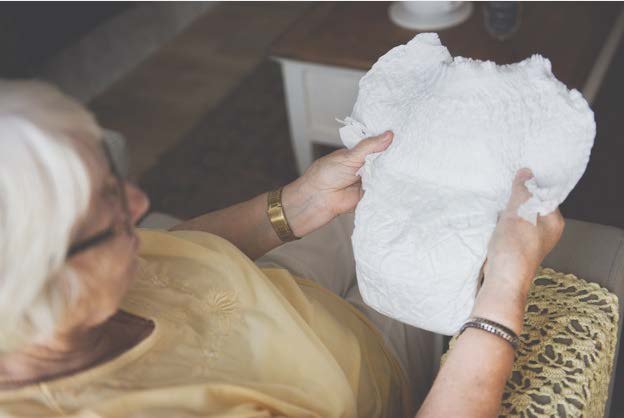
If you’re a caregiver for an older adult, live with incontinence yourself, or manage a long-term care facility, you’ve likely wondered how to dispose of adult diapers responsibly without harming the environment or risking hygiene issues. According to the U.S. Centers for Disease Control and Prevention, 1 in 4 adults in the United States lives with some form of incontinence, generating billions of used disposable diapers sent to U.S. landfills each year. Standard disposable diapers are made with plastic, superabsorbent polymers, and wood pulp, meaning they take an estimated 450 years to decompose, per U.S. Environmental Protection Agency data on municipal solid waste. Proper disposal balances public health, environmental protection, and compliance with local waste rules, and small changes to your routine can cut your waste footprint significantly. This guide covers step-by-step best practices, eco-friendly alternatives, and actionable tips to make your disposal routine safer and more sustainable.
Why Proper Disposal Matters
Improper adult diaper disposal creates cascading risks for public health, local ecosystems, and community infrastructure, making it a critical practice for all users to prioritize.
Environmental Impact of Improper Disposal
Used disposable diapers make up roughly 2% of total U.S. municipal solid waste, per EPA data, a share that is growing as the population ages. The plastic components in standard diapers do not biodegrade in anaerobic landfill conditions, instead breaking down into microplastics that leach into soil and groundwater over time. When littered in public spaces, diapers also pose a direct risk to wildlife, which may ingest plastic fragments or become tangled in soiled diaper waste. Even small changes to disposal routines can reduce the volume of single-use plastic sent to landfills annually.
Public Health and Hygiene Risks
Used adult diapers can harbor dangerous pathogens including E. coli, Salmonella, norovirus, and other bacteria and viruses present in human waste. Improperly sealed diapers can leak in shared trash bins, attract pests like rodents and cockroaches, or release airborne particles when waste is handled, creating airborne pathogen risks for household members and waste management workers, especially those with compromised immune systems. In multi-unit housing, loose diapers in shared trash rooms can also spread odors and contamination across entire buildings.
Regulatory and Community Considerations
Many U.S. municipalities have specific rules governing the disposal of hygiene products, with some areas imposing fines for littering used diapers in public spaces. Improper disposal also increases costs for local waste management systems, as contaminated recycling and extra sorting for soiled trash drive up operational expenses. Following local disposal guidelines helps keep community spaces clean and reduces the tax burden of waste management for all residents.
Standard Disposal Best Practices
For most households, following simple, consistent disposal steps is the most effective way to balance hygiene, convenience, and environmental impact.
At-Home Disposal Steps
A common mistake caregivers make is tossing loose diapers in bathroom trash bins that are only emptied once a week, which allows waste to sit in warm, humid conditions and develop mold or stronger odors even in sealed bags. Follow these steps for safe, low-odor at-home disposal:
- Remove the used diaper, rolling it inward tightly with the soiled core inside to minimize leaks and odor.
- If the diaper contains solid waste, discard it in the toilet first (never flush the diaper itself) to reduce landfill load.
- Place the rolled diaper in a small, leak-proof bag (biodegradable if available) and seal it tightly.
- Dispose of the sealed bag in a trash bin with a tight-fitting lid, ideally one dedicated to hygiene waste if you have multiple users.
- Empty your household trash bin at least every 3 days to prevent odor buildup and pest attraction, even if it’s not full.
- Wash your hands thoroughly with soap and water after handling used diapers, even if you wore gloves.
For extra odor control, invest in a specialized diaper pail with a sealed lid and carbon filter, which can hold 3–5 days of used diapers without releasing smell.
 A short visual walkthrough can help new caregivers master proper sealing techniques to contain odors and pathogens
Credit: www.youtube.com
A short visual walkthrough can help new caregivers master proper sealing techniques to contain odors and pathogens
Credit: www.youtube.com
Public and On-The-Go Disposal
When you’re away from home, carry a small sealed bag in your bag or car to hold used diapers until you can find a public trash bin. Never leave used diapers in public restrooms, parks, or outdoor spaces, as they pose health risks to others and are considered litter in most areas. If you’re traveling for extended periods, use portable sealed bags designed for travel to contain waste until you can access a proper bin.
What to Avoid
- Never flush adult diapers down the toilet, even if labeled "flushable": their plastic fibers clog sewage pipes, damage wastewater treatment equipment, and release microplastics into waterways.
- Never burn used diapers: they release toxic fumes when incinerated, and many areas prohibit open burning of waste.
- Never place used diapers in recycling bins: their plastic and organic components contaminate recyclable materials like paper, plastic, and glass, causing entire batches of recycling to be sent to landfill.
- Never donate used diapers: all major donation programs only accept unopened, unexpired unused products for hygiene and safety reasons.
Eco-Friendly Disposal and Waste Reduction Strategies
The most impactful way to reduce the environmental footprint of adult diaper use is to cut down on the number of single-use diapers you send to landfill in the first place, followed by choosing disposal methods that minimize long-term waste.
Choose Low-Waste Absorbent Products First
Opt for high-absorbency adult diapers designed for extended wear, which reduce the total number of diapers you need to dispose of each week. Some brands now offer refillable outer covers with disposable inserts, which cut plastic waste by 30–50% compared to all-in-one diapers. Look for products made with non-toxic plant-based materials certified to break down faster in landfill conditions if disposal is unavoidable.
Reusable Adult Diaper Options
Adult-sized washable diapers made from organic cotton, bamboo, or polyester blends can be used hundreds of times, cutting single-use waste by up to 90% for regular users. In practice, many caregivers pair reusable daytime diapers with disposable overnight options for convenience and leak protection. A key tradeoff to note: reusable diapers require 2–3 extra laundry loads per week, which increases water and energy use unless you use cold cycles and run full loads. Adult-sized washable options follow similar care principles to reusable absorbent products used for infants, though they require larger capacity washing cycles to clean effectively.
Biodegradable and Compostable Diaper Options
Truly compostable adult diapers are certified to ASTM D6400 standards, meaning they break down in 6–12 months in industrial composting facilities that maintain high heat and airflow. Home composting is only possible if you have a hot compost system that reaches 140°F for multiple days, and you must remove all solid human waste first, as home compost cannot safely break down pathogens. Be wary of products labeled simply "biodegradable": many only break down in industrial facilities, and will decompose as slowly as standard diapers in a standard landfill. If industrial composting isn’t available in your area, biodegradable diapers offer minimal environmental benefit over standard disposables.
Specialized Recycling and Takeback Programs
Some diaper brands (including Bambino Nature and Eco by Naty) partner with TerraCycle to offer free mail-in recycling programs for used diapers, where materials are broken down and repurposed into plastic pellets and soil amendments. A growing number of municipalities in California, Oregon, and Washington run curbside collection programs for absorbent hygiene products (AHPs), which are processed at specialized facilities to separate plastic, cellulose, and absorbent polymers. Check your local public works department website to see if this service is available in your area.
Community and Policy Solutions
Scalable, long-term reduction in adult diaper waste requires community-wide infrastructure and policy support, in addition to individual action.
Local Recycling and Collection Programs
Many senior centers, community health clinics, and non-profits partner with local waste authorities to offer free AHP collection for low-income households and caregivers. Some areas also have drop-off bins at public libraries or community centers for unused and used diapers (used ones must be sealed in bags). Pilot programs from the EPA show these specialized collection systems reduce landfill waste by 70% compared to standard trash disposal.
Donation of Unused Adult Diapers
Unopened, unexpired adult diapers are in high demand at local senior centers, Meals on Wheels programs, domestic violence shelters, and food banks, as they are rarely covered by SNAP or other public assistance programs. Always call ahead to confirm donation policies, as some organizations have size or brand restrictions.
Advocacy for Better Infrastructure
As of 2026, Extended Producer Responsibility (EPR) laws, which require diaper manufacturers to fund recycling and waste management for their products, are being considered in several U.S. states. You can support these policies by contacting your state legislators, or joining local campaigns to expand AHP collection in your community.
Frequently Asked Questions
How do you dispose of adult diapers at home?
Seal used diapers tightly in a leak-proof bag, then dispose of them in a trash bin with a tight-fitting lid. Empty your household trash at least every 3 days to prevent odor and pest issues, and wash your hands after handling waste. For extra odor control, use a specialized diaper pail with a carbon filter.
Are adult diapers considered medical waste?
In most U.S. jurisdictions, used adult diapers from household or care facility use are classified as municipal solid waste, not regulated medical waste, unless they come from a healthcare setting with known infectious disease cases. Always follow your local waste authority’s guidelines for disposal to stay compliant.
Where can I drop off unused adult diapers?
Donate unopened, unexpired diapers to local senior centers, Meals on Wheels programs, domestic violence shelters, and food banks. Call ahead to confirm the organization accepts donations, as some have size or brand restrictions. Never donate used diapers, as this poses health risks to recipients.
Can I flush adult diapers down the toilet?
No. Even products labeled "flushable" contain plastic fibers that clog sewage pipes, damage wastewater treatment equipment, and release microplastics into waterways. The EPA explicitly advises against flushing any disposable hygiene products, including adult diapers and wipes.
Are biodegradable adult diapers actually better for the environment?
Only if they are disposed of in industrial composting facilities, where they break down in 6–12 months. Most end up in anaerobic landfills, where they decompose as slowly as standard plastic diapers. Look for ASTM D6400 certification to confirm a product is truly industrially compostable.
Conclusion
Responsible adult diaper disposal doesn’t require a complete lifestyle overhaul — small, consistent changes like sealing waste properly, choosing low-waste products, and checking for local recycling programs can cut your environmental impact significantly while protecting public health. For caregivers, these practices also reduce odor and pest risks in the home, making daily care routines less stressful. If you found this guide helpful, share it with other caregivers, family members, or long-term care staff to spread awareness of safe, eco-friendly disposal methods. Take 5 minutes this week to check your local public works department website for specialized absorbent hygiene product collection, and take the first step toward more sustainable waste management for your household.
 Heavy-duty sealed bags prevent leaks and contain odors even when placed in shared trash bins
Credit: www.alzstore.com
Heavy-duty sealed bags prevent leaks and contain odors even when placed in shared trash bins
Credit: www.alzstore.com
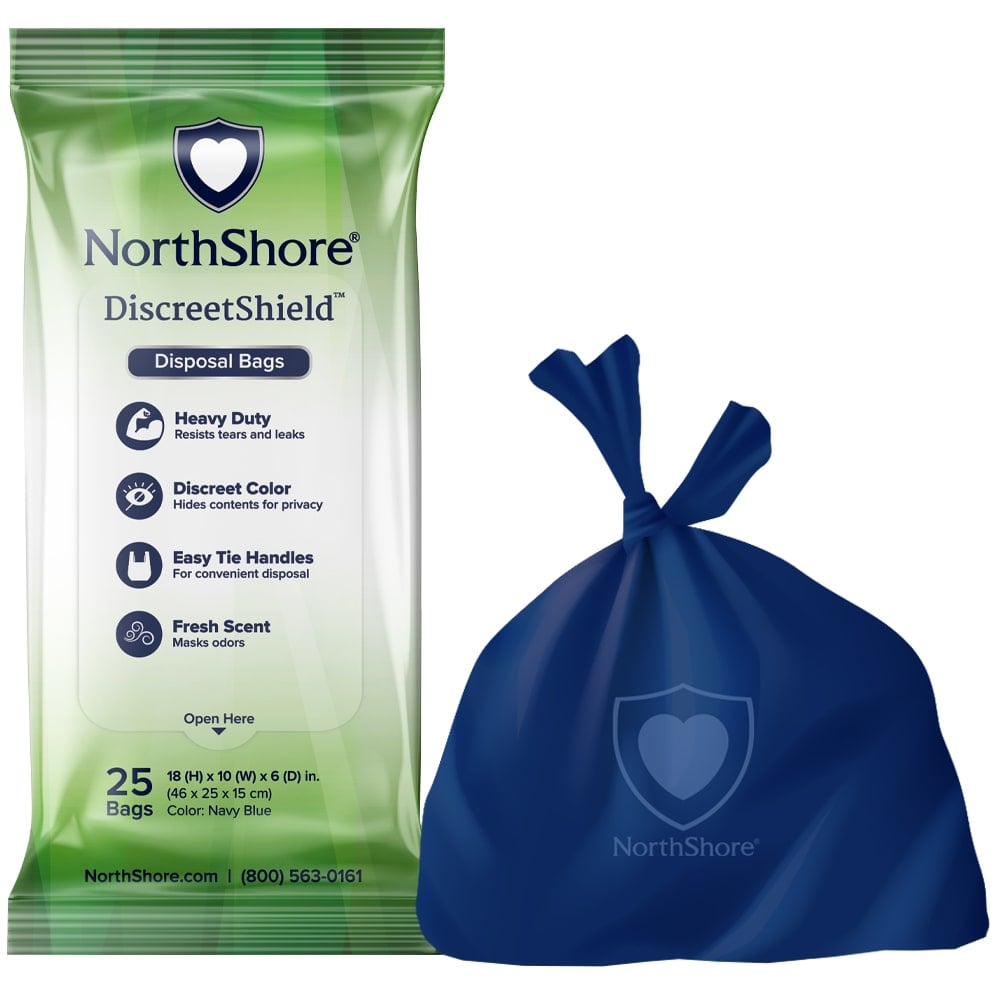 Look for bags certified to break down in industrial composting facilities for lower environmental impact than standard plastic
Credit: www.northshorecare.com
Look for bags certified to break down in industrial composting facilities for lower environmental impact than standard plastic
Credit: www.northshorecare.com
Additional Common Questions
What should I do if I get waste on my skin during disposal?
Immediately wash the affected area with warm soap and water to remove any bacteria or irritants. If you experience redness or discomfort, adult-safe barrier creams formulated for sensitive skin can protect against further irritation. Avoid harsh sanitizers that may dry out or damage skin, especially for older adults with fragile skin tissue.
How can I reduce the number of diapers I dispose of each week?
Pair high-absorbency daytime options with extended-wear overnight styles to cut down on total changes, and use absorbent liners that can be swapped out without replacing the full diaper. Checking wetness indicator cues helps you change only when necessary, rather than on a fixed schedule that may lead to unnecessary waste.
Do flushable adult diaper liners actually reduce waste?
Flushable liners are designed to hold solid waste so the liner (and only the liner) can be flushed, reducing the amount of plastic and absorbent material sent to landfill. In practice, they work best for people with limited mobility who cannot easily transfer waste to a toilet before disposal. Always confirm your local wastewater system allows flushing of these liners, as some rural or older sewer systems may still experience clogs from the small amount of plastic in many liner products. Never flush the full diaper, even if it has a flushable liner attached.
How do I dispose of adult diapers when camping or in areas without regular trash collection?
Use a portable, sealable dry bag dedicated solely to used hygiene products to contain odors and leaks until you can access a proper waste bin. Never bury used diapers in the ground, as the plastic components will take centuries to decompose and can contaminate local soil and water sources. Many national park and campground facilities have designated bear-proof trash bins for hygiene waste — use these instead of general trash bins to avoid attracting wildlife. For extended backcountry trips, pack out all used diapers in a sealed, leak-proof container to dispose of at a proper waste facility when you return to civilization.

Emma Grace is a devoted mother and passionate content writer at BestBabyCart.com. With firsthand parenting experience and a love for research, she creates helpful guides and honest reviews to support parents in choosing the best for their babies. Her goal is to make parenthood easier, one article at a time.