
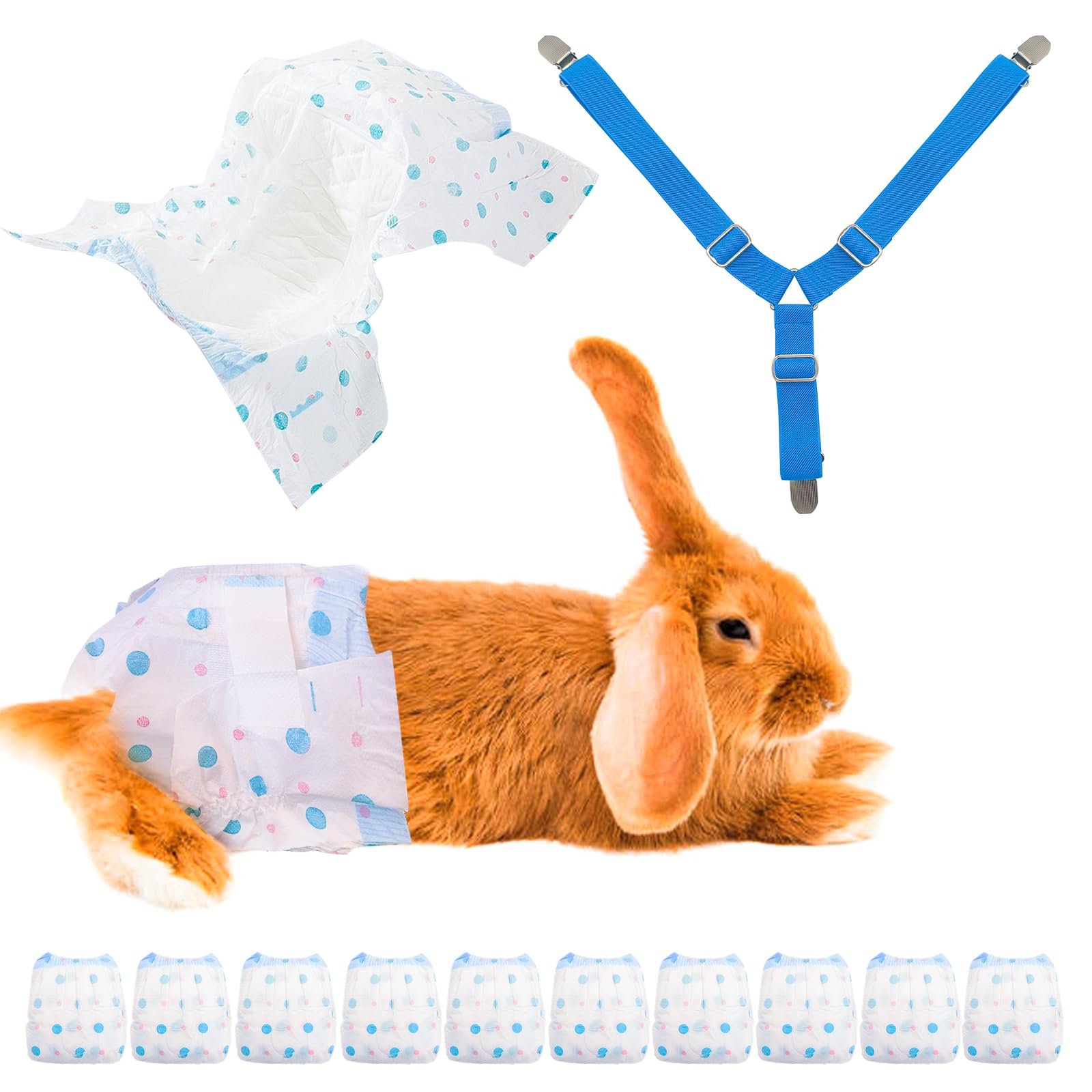
If you’re a rabbit owner dealing with litter training setbacks, senior pet incontinence, post-surgical recovery, or messy travel situations, you’ve likely wondered: can bunnies wear dog diapers? This unusual pet care question is far more common than you might think, especially for owners of rabbits with mobility issues or chronic health conditions that make using a litter box difficult. While dog diapers are not a first-line solution for rabbit hygiene, they can be a safe temporary tool when used correctly. In this guide, we’ll break down the anatomical challenges of fitting dog diapers to rabbits, the risks and benefits of use, vet-approved use cases, and better alternatives to keep your bunny comfortable and your home clean.

Understanding Rabbit Anatomy and Why Fit Matters
The short answer to whether bunnies can wear dog diapers is: sometimes, but only with significant modifications, and never for extended periods. The biggest barrier to a safe, functional fit is the fundamental difference between rabbit and dog anatomy, which makes standard dog diapers a poor match for most rabbits.
Key Anatomical Differences From Dogs
Rabbits have a compact, rounded body structure that differs drastically from the varied body shapes of dogs. Most notably, a rabbit’s tail is small, fluffy, and set much higher on their body than a dog’s tail, which sits lower and is often used for balance. The perineal area (the region around the genitals and anus) is also positioned much closer to the base of the tail in rabbits than in dogs, meaning the pre-cut tail hole on almost all dog diapers will sit directly against a rabbit’s sensitive genital area, causing painful rubbing and irritation. Additionally, rabbits have powerful, muscular hind legs designed for high jumps and quick directional changes, while dog diapers are cut to accommodate the more linear gait of canines, leaving excess bulk around the hind legs that restricts movement.
Mobility Needs Unique to Rabbits
Rabbits require full, unrestricted range of motion in their hind legs to perform natural behaviors like hopping, stretching, and self-grooming. Restricting this movement even slightly can lead to serious health consequences: gastrointestinal stasis (a life-threatening slowing or stoppage of the digestive system), muscle atrophy, joint stiffness, and chronic stress. In practice, most rabbits will try to chew or scratch off a restrictive diaper within minutes of wearing it, which is a clear sign the fit is causing discomfort. The ASPCA rabbit care guidelines emphasize that unrestricted mobility is a non-negotiable part of rabbit welfare, making ill-fitting diapers a risk to their long-term health.
How Dog Diapers Compare to Rabbit-Specific Options
Not all diapers are created equal, and the design differences between dog and rabbit-specific products have a major impact on safety and comfort for bunnies.
Material and Absorbency Considerations
Dog diapers are designed to handle the high urine output of medium to large dogs, so they are often overly bulky and made with thick, non-breathable outer layers that trap heat and moisture against a rabbit’s skin. Many also contain added fragrances or dyes that irritate the sensitive skin of small mammals. Prioritize diapers made from soft, breathable, non-toxic fabrics to avoid irritating your rabbit’s delicate skin, the same way you would select safe, soft fabrics for a baby’s sensitive skin. The FDA pet product safety guidance notes that pets with thin, sensitive skin (like rabbits) are at high risk of irritation from synthetic materials and added chemicals commonly found in disposable pet diapers.
Fit Challenges With Standard Dog Diapers
Even extra-small dog diapers are too wide for most adult domestic rabbits, leading to gaps around the waist that cause leaks and excess material that bunches up around the hind legs. The pre-cut tail hole is almost always misaligned, as noted earlier, and the elastic leg bands are designed to fit the thicker legs of dogs, which can dig into a rabbit’s delicate skin. In practice, most owners who use dog diapers for rabbits have to cut a new, higher tail hole and trim excess material from the waistband to get a workable fit, a time-consuming process that does not always eliminate irritation risk.
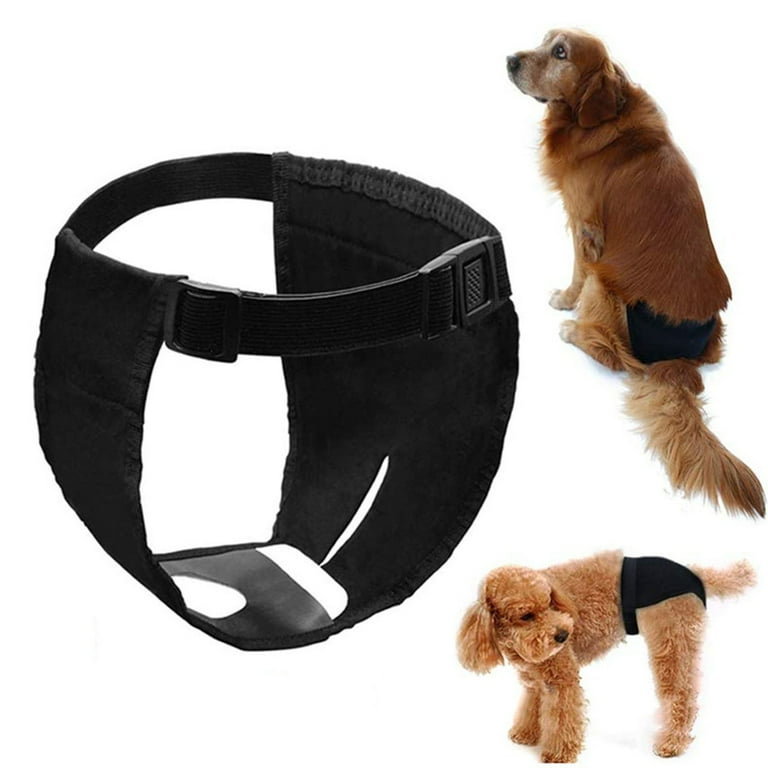 Disposable dog diapers are widely accessible, but rarely fit rabbit anatomy without modification.
Credit: www.walmart.com
Disposable dog diapers are widely accessible, but rarely fit rabbit anatomy without modification.
Credit: www.walmart.com
When Dog Diapers May Be a Safe Temporary Solution
While dog diapers are not ideal for long-term use, they can be a practical temporary solution for specific, vet-approved scenarios.
Approved Use Cases for Short-Term Wear
The only evidence-based use cases for diapers in rabbits are short-term, supervised situations:
- Post-surgical recovery (e.g., after spay/neuter, bladder surgery, or injury) when the rabbit cannot use a litter box without risking wound damage or infection
- Short car rides, vet visits, or other outings where litter box access is not possible
- Temporary use for senior rabbits with advanced arthritis that prevents them from reaching the litter box, while you implement mobility aids or litter box adjustments If you’re using diapers for travel or vet visits, plan for short outings first and bring spare supplies, a strategy similar to planning for outings with young children to avoid unexpected messes.
Signs Your Rabbit Tolerates Diaper Use
A rabbit that is comfortable in a diaper will move normally, eat and drink as usual, groom themselves (excluding the diaper area), and not attempt to chew or scratch at the diaper. If your rabbit is hiding, refusing to eat, lethargic, or aggressively trying to remove the diaper, it is causing significant stress and should be removed immediately. Never force your rabbit to wear a diaper if they show clear signs of discomfort.
Risks of Improper Diaper Use for Rabbits
Even with a good fit, diapers carry inherent risks for rabbits that owners must weigh before use.
Skin Irritation and Infection Risk
A rabbit’s perineal skin is extremely thin and sensitive, making it prone to urine scald: a painful condition caused by prolonged contact with urine, which leads to redness, inflammation, and open sores if untreated. Trapped moisture and feces also create a breeding ground for bacteria, leading to urinary tract infections or painful skin infections. Frequent changes (every 2–3 hours for extended use) are non-negotiable to prevent moisture-related skin irritation, just as consistent frequent diaper changes are critical for infant skin health. Even with frequent changes, some rabbits will still develop irritation from prolonged diaper wear.
Mobility Restrictions and Stress
As noted earlier, even minor restriction of a rabbit’s hind legs can lead to gastrointestinal stasis, a condition that can be fatal if left untreated. Chronic stress from wearing a diaper also suppresses a rabbit’s immune system, making them more susceptible to illness. A common mistake owners make is leaving diapers on overnight or for full days to avoid messes, which drastically increases the risk of both physical and mental health issues for the rabbit.
Alternatives to Dog Diapers for Rabbit Hygiene
For most rabbit owners, there are safer, more effective alternatives to dog diapers that eliminate the risks of restricted movement and skin irritation.
Purpose-Built Rabbit Diapers
Several specialty pet brands now produce diapers specifically designed for rabbits, with contoured fits that accommodate their unique tail placement and hind leg structure. These diapers are thinner and more flexible than dog diapers, with tail holes positioned higher to avoid rubbing, and are made from breathable, non-toxic materials safe for sensitive skin. While more expensive than standard dog diapers, they eliminate the need for modifications and reduce irritation risk for rabbits that require temporary diaper use.
Modified Homemade Diaper Options
For owners on a budget, a clean, soft infant cloth diaper or cut-up 100% cotton t-shirt can be modified to fit a rabbit. Cut the fabric to fit snugly around your rabbit’s waist, leaving 2–3 inches of space for their tail and hind legs to move freely. Secure the diaper with soft, reusable Velcro straps, avoiding tight elastic bands that can dig into skin. Always use unscented, unbleached fabric, and change the homemade diaper as frequently as you would a disposable option. Regularly groom the fur around your rabbit’s perineal area to prevent matting from moisture, a routine similar to routine grooming checks for infants to avoid skin buildup.
 Reusable cloth diapers designed for small mammals, which often fit rabbits better than standard dog diapers with minor adjustments.
Credit: www.amazon.com
Reusable cloth diapers designed for small mammals, which often fit rabbits better than standard dog diapers with minor adjustments.
Credit: www.amazon.com
Best Practices for Safe, Low-Stress Diaper Use
If you and your veterinarian determine that diaper use is appropriate for your rabbit, follow these guidelines to minimize risks:
Sizing and Fit Adjustments
Measure your rabbit’s waist 2 inches above the base of their tail to get an accurate size. For dog diapers, you will need to cut a new tail hole 1–2 inches higher than the pre-cut hole to avoid rubbing against their genitals, and trim excess material from the waistband to reduce bulk. The diaper should fit snugly without digging into your skin, and you should be able to slide a finger easily between the diaper and your rabbit’s body. Check the fit weekly, as rabbits can gain or lose weight quickly, requiring adjustments just as you would adjusting fits as they grow for growing children.
Monitoring and Health Check Routines
Check the diaper every 1–2 hours for leaks or soiling, and inspect your rabbit’s skin under the diaper at every change for signs of redness, sores, or matting. If you notice any irritation, remove the diaper immediately and consult your vet. Never leave a diaper on your rabbit overnight or for more than 4 hours at a time, even if it is not soiled, as prolonged wear increases irritation risk. If your rabbit tries to chew off the diaper, remove it immediately to avoid intestinal blockages from ingested material.
Frequently Asked Questions
Can Rabbits Use Dog Pee Pads?
Yes, unscented, non-toxic dog pee pads can be used as a temporary litter box alternative for rabbits, especially during travel or while you are litter training a new rabbit. Supervise your rabbit at all times to ensure they do not chew or ingest the pad, as the absorbent materials can cause life-threatening intestinal blockages.
How Long Can a Rabbit Safely Wear a Diaper?
Most veterinarians recommend limiting diaper use to no more than 2–3 hours at a time for healthy adult rabbits, and only under direct supervision. For post-surgical rabbits, your vet will provide specific guidance on wear time, which is usually limited to the first 24–48 hours after surgery to protect the wound site. Never leave a diaper on overnight or for extended periods without veterinary approval.
Do Vets Recommend Diapers for Rabbits?
Most exotic pet veterinarians recommend diapers only as a last resort, after ruling out treatable underlying causes of litter box issues or incontinence, such as urinary tract infections, arthritis, stress, or litter box aversions. They will also provide guidance on appropriate use duration and monitoring to minimize health risks.
Is There Such A Thing As Bunny Diapers?
Yes, several specialty pet brands produce diapers specifically designed for rabbits, with contoured fits that accommodate their unique anatomy. These are the safest option for temporary use, as they require no modifications and are made from materials safe for sensitive rabbit skin. You can find these products at most exotic pet supply stores or online retailers.
Can My Rabbit Wear Diapers Long-Term?
Long-term diaper use is not recommended for most rabbits, as it increases the risk of chronic skin irritation, recurring infections, and stress-related health issues. Diapers should only be used as a temporary measure under the guidance of an exotic pet veterinarian, who can help you address the underlying cause of incontinence or litter box avoidance.
Final Recommendations
Bunnies can wear dog diapers for very limited, temporary use cases, but they are not a practical or safe long-term solution for most rabbit owners. The risks of skin irritation, mobility restriction, and chronic stress far outweigh the convenience of avoiding messes for day-to-day use. If you are considering diapers for your rabbit, the first step is to consult an exotic pet veterinarian to rule out treatable underlying health issues causing incontinence or litter box issues. For short-term use, opt for rabbit-specific diapers if possible, and if using dog diapers, modify them carefully to fit your rabbit’s anatomy, and limit wear to no more than 2–3 hours at a time with frequent checks for irritation. Prioritize your rabbit’s comfort and health over convenience, and explore alternatives like additional litter boxes, senior pet mobility aids, or positive reinforcement litter training before relying on diapers.
If you’re struggling with your rabbit’s hygiene needs, schedule a checkup with a certified exotic pet veterinarian first to rule out treatable underlying causes of incontinence, and always prioritize your pet’s comfort over convenience.

Emma Grace is a devoted mother and passionate content writer at BestBabyCart.com. With firsthand parenting experience and a love for research, she creates helpful guides and honest reviews to support parents in choosing the best for their babies. Her goal is to make parenthood easier, one article at a time.