
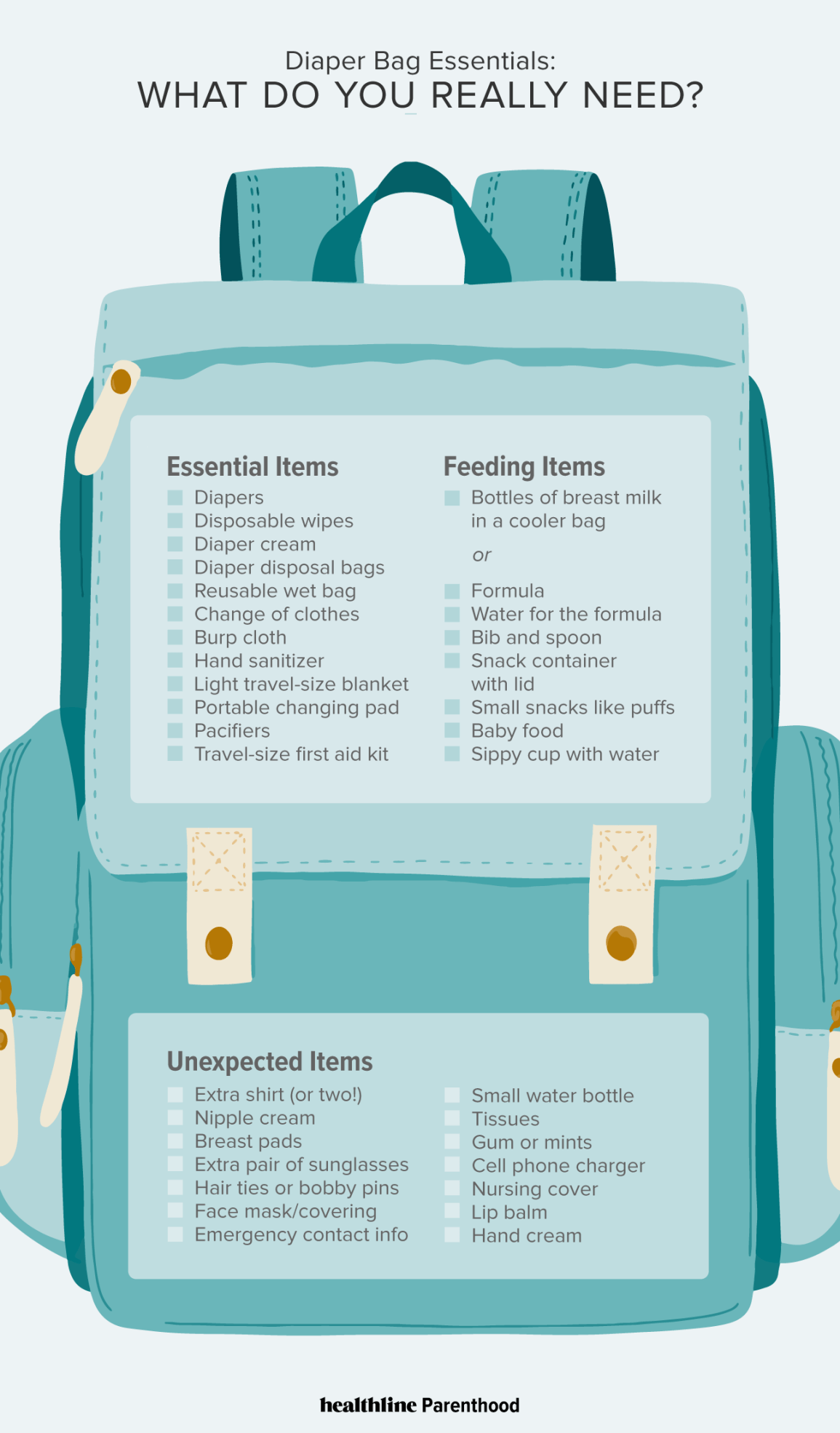
Stepping out with a newborn for the first time feels like packing for a cross-country trip, even for a 10-minute grocery run. Most new parents will admit to at least one stressful outing where a missing diaper bag item turned a quick errand into a 30-minute detour home. This 2026 updated guide cuts through the guesswork, with input from pediatric care providers and real-world testing from parents of newborns, to list only the truly essential items to pack — no unnecessary bulk, no outdated advice. We’ll break down what you need by category, plus pro tips to keep your bag organized and lightweight for every outing.
Core Diaper Change Supplies
Diaper changes are the most frequent and messy part of outings with a newborn, so this category gets top priority in your packing list.
Diapers & Disposal Solutions
Pack 1 diaper for every hour you plan to be out, plus 2 extra backups for unexpected delays like traffic or long wait times at the pediatrician’s office. For most newborns (8-14 lbs, 0-3 months), size 1 disposable diapers are the right fit; if you use cloth, pack 2-3 extra prefolds or all-in-ones, plus a zippered wet bag for soiled diapers. If you use cloth diapers on outings, reference annual cloth diaper usage estimates to pack enough for extended trips. For disposal, pack a small pack of 4×6 inch scented disposal bags to mask odors in public trash cans, or a reusable wet bag with a leak-proof zipper for cloth diapers or messy outfits. Most public restrooms now have dedicated diaper disposal stations, but a backup bag prevents awkward odor situations if no bin is nearby.
Portable Changing Pad
Even if your diaper bag has a built-in changing pad, a separate wipeable silicone pad is a worthwhile add-on: it’s easier to sanitize after messy blowouts, and many have raised edges to contain spills. Look for a model with an attached wipe pocket so you don’t have to fumble for wipes mid-change.
 A pre-packed diaper bag organized by category saves time during last-minute outings
Credit: www.totesavvy.com
A pre-packed diaper bag organized by category saves time during last-minute outings
Credit: www.totesavvy.com
Feeding & Hydration Gear
Whether you’re breastfeeding, formula-feeding, or combination feeding, having the right gear on hand prevents hungry meltdowns mid-outing. For breastfed babies, pack a lightweight, breathable nursing cover with adjustable straps for privacy, and 2-3 milk storage bags if you’re pumping on the go. For formula-fed babies, skip messy on-the-go mixing by using a divided formula dispenser to pre-measure portions for the day, plus 2-3 sterilized bottles and a small bottle brush for quick cleanups if you don’t have access to a dishwasher. Ready-to-feed 2oz formula bottles are ideal for quick feeds, no mixing required. Pack 4-5 absorbent cotton or muslin burp cloths — newborns spit up 1-3 times a day on average, and these cloths double as emergency wipers for sticky hands or highchair messes. For parents concerned about formula ingredient quality, reviewing common formula additives can help you select options aligned with your family’s preferences. Note: For newborns under 6 months, solid foods are not recommended; add puree pouches and soft-tip spoons only once your pediatrician gives the go-ahead for solids.
Clothing & Weather-Specific Layers
Newborns are messy and sensitive to temperature changes, so packing the right clothing backups is non-negotiable. Pack 2-3 footed onesies in your baby’s current size (plus 1 set in the next size up, in case of rapid growth) with snap or zipper closures — these are far easier to pull on during a quick change than button-front styles. Avoid bulky, layered outfits that are hard to remove mid-blowout. Follow sock quantity guidelines to pack 2-3 pairs of extra socks, as newborn socks fall off constantly, and cold floors can chill small feet quickly. For weather-specific gear, adjust your pack to the temperature:
- Cold weather (below 50°F / 10°C): Pack a fleece bunting, knit beanie, and mittens. Newborns lose 20-30% of their body heat through their heads, so a hat is required for any outdoor outing. When dressing for cold weather, reference appropriate seasonal layers to avoid over-bundling, which increases the risk of overheating.
- Warm weather (above 80°F / 27°C): Pack a UPF 50+ sun hat, loose cotton long-sleeve layers to prevent sunburn, and an extra set of clothes for sweat-throughs. For newborns under 6 months, prioritize shade and clothing over sunscreen, per pediatrician guidance. Always pack all extra clothing in a waterproof pouch to keep it separate from dry items in your bag.
Comfort & Soothing Items
A fussy baby can turn a quick outing into a stressful ordeal, so a small selection of comfort items can make all the difference.
Pacifiers & Clips
Pack 2-3 clean pacifiers of the exact type your baby uses (orthodontic, silicone, etc.) with attached pacifier clips to prevent them from falling on dirty surfaces. Newborns drop pacifiers constantly, so having backups avoids the stress of a dirty paci mid-meltdown.
Multi-Use Blankets
Pack 1 lightweight, breathable muslin blanket, per American Academy of Pediatrics safe sleep guidelines to reduce overheating and SIDS risk. Muslin blankets are versatile: they work as a nursing cover, a tummy time mat, a stroller sunshade, or a quick wipe for spit-up, making them one of the most multi-functional items in your bag.
Health, Safety & Hygiene
Small health and safety items take up almost no space, but are critical for handling unexpected messes or minor emergencies.
First Aid Basics
Pack a compact first aid kit with paper tape (gentle on delicate newborn skin, unlike standard adhesive bandages), antiseptic wipes, a small tube of antibiotic ointment, and a digital temporal or rectal thermometer to check for fever if your baby seems unwell. Add a travel-sized tube of zinc oxide diaper rash cream (10-40% concentration) to treat irritation from unexpected blowouts.
Hand Hygiene & Sun Protection
Pack a travel-sized, fragrance-free alcohol-based hand sanitizer with at least 60% alcohol for use when soap and water are unavailable, a common scenario during public diaper changes. Per CDC hand hygiene recommendations, this is effective at killing germs that can spread to your newborn’s sensitive skin. For any outdoor outing, pack a travel-sized tube of mineral-based sunscreen (zinc oxide or titanium dioxide) for babies over 6 months, and a small aloe gel tube for accidental sun exposure. For younger newborns, rely on shade, hats, and long sleeves for sun protection.
Entertainment & Developmental Distractions
Newborns have short attention spans and limited eyesight (they can only see 8-12 inches clearly at birth), so you don’t need to pack a toy bag to keep them entertained. Pack 1-2 small high-contrast soft books or crinkle toys, which are designed for newborn visual development and easy to grip. Avoid toys with small loose parts that pose choking hazards. If your baby is 3+ months and starting to teeth, add a small silicone teether (chill it in the fridge before leaving for extra soothing power). A favorite small, breathable lovey can also help soothe fussiness during stressful outings, like doctor’s appointments.
Pro Organization Tips for Stress-Free Access
A disorganized diaper bag will lead to frantic searches for wipes when you have a wiggly baby on the changing pad. Use these tips to keep items accessible:
- Choose a bag with at least 3 compartments: a large main section for bulk items (diapers, extra clothes, blankets), 2-3 medium side pockets for frequently used items (wipes, bottles, sanitizer), and a small zippered inner pocket for valuables (keys, wallet, phone) to keep them separate from baby items.
- Use small zippered pouches or packing cubes to sort items by category: one for diaper change supplies, one for feeding gear, one for first aid. This cuts down on search time dramatically.
- Restock your bag every night during your baby’s evening routine. For parents with tight nap schedules, check quick outing planning tips to fit restocking into your daily routine without disrupting your baby’s sleep.
- If other caregivers will use the bag, label pouches with simple tags or use color-coded pouches so they can find items easily.
 Dedicated compartments for different supply categories reduce search time during diaper changes
Credit: theorganizedmomlife.com
Dedicated compartments for different supply categories reduce search time during diaper changes
Credit: theorganizedmomlife.com
Common Overpacking Mistakes to Avoid
Many new parents fall into the trap of overpacking, adding unnecessary bulk that makes the bag heavy and hard to carry. Skip these non-essential items:
- Full-sized bottles of lotion, shampoo, or diaper cream (pack travel-sized or sample-sized versions instead)
- Full packs of diapers (pack only what you need for your outing length plus 2 backups)
- Bulky toys or books (stick to 1-2 small, lightweight options)
- Unnecessary gear like full-sized baby monitors or sound machines, which are useless on outings The goal is to pack only what you need for your trip length, plus 1-2 backups for emergencies, to keep the bag manageable.
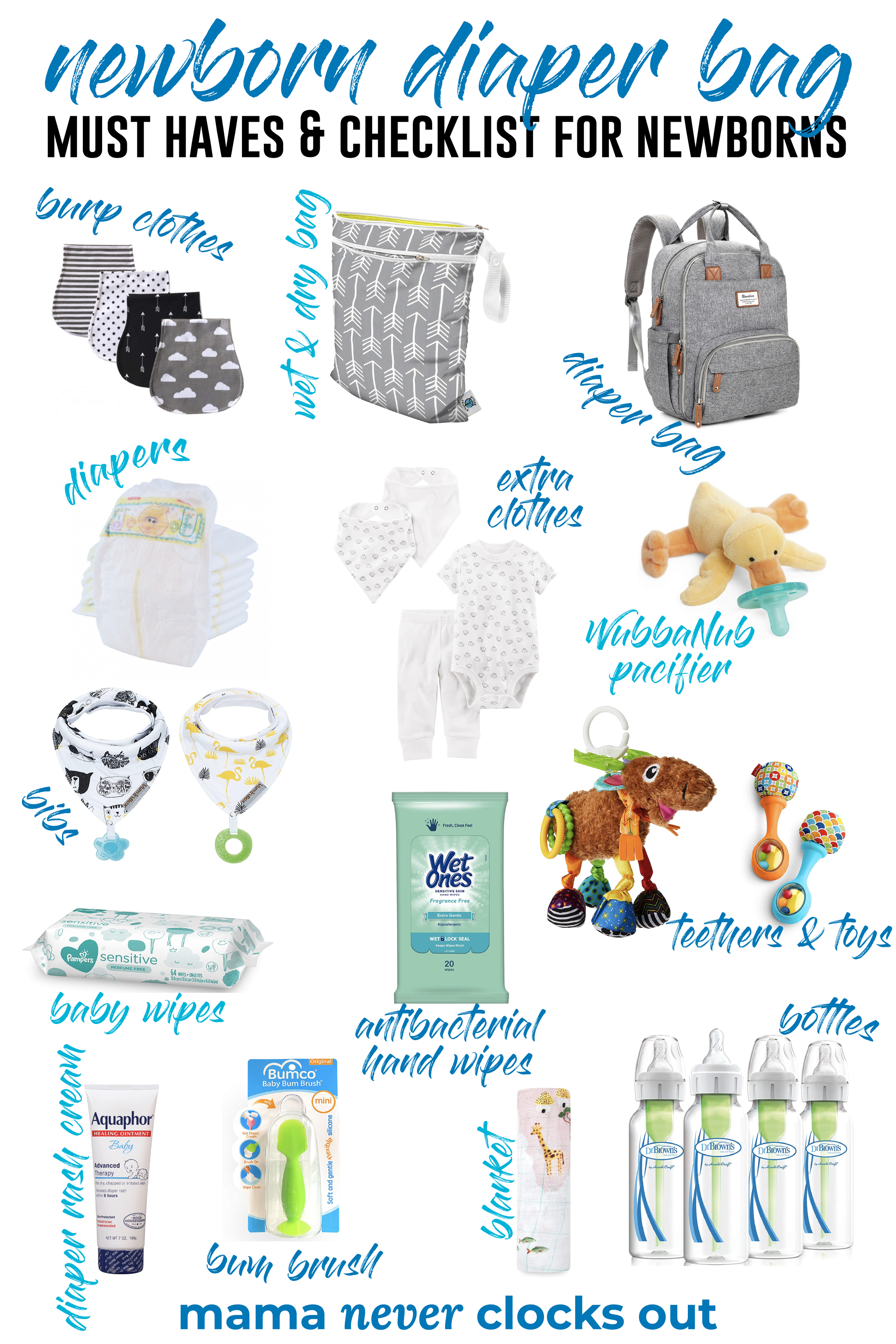 A categorized checklist helps ensure no essential items are forgotten before leaving home
Credit: ieced.com.ec
A categorized checklist helps ensure no essential items are forgotten before leaving home
Credit: ieced.com.ec
Frequently Asked Questions
What essentials should be in a newborn diaper bag?
A newborn diaper bag should cover 4 core categories: diaper change supplies, feeding gear, weather-appropriate clothing, and basic first aid items. Add 1-2 small comfort items (pacifier, tiny high-contrast toy) to soothe fussiness, but avoid overpacking non-essentials that add unnecessary weight.
How many diapers do I need for a day out?
Pack 1 diaper for every hour you plan to be out, plus 2 extra backups. For a 4-hour outing, that’s 6 diapers total; for a full day trip, pack 8-10. Newborns wet 8-12 diapers per day, so it’s always better to have more than you need than to run out.
What snacks should I pack for a newborn?
For newborns under 6 months, pack only breast milk, formula, or baby-safe water (per your pediatrician’s guidance) in leak-proof bottles or storage bags. For babies 6+ months who have started solids, pack age-appropriate puree pouches, soft-tip spoons, and a bib. Always check with your pediatrician before introducing new foods.
Can I include toys in the diaper bag?
Yes, but stick to 1-2 small, age-appropriate, lightweight options. High-contrast soft books, crinkle toys, and silicone teethers are ideal for newborns, as they support visual and sensory development without taking up much space. Avoid toys with small loose parts that pose choking hazards.
How do I pack a diaper bag for a long day out (6+ hours)?
For outings longer than 6 hours, add 2 extra sets of clothing, 2 extra diapers, a full travel-sized bottle of diaper rash cream, and a small snack for yourself (new parents often forget to eat during long outings). If you’ll be out during nap time, pack a small white noise machine or your baby’s favorite sleep aid to help them nap on the go.
What should I pack in a diaper bag for air travel with a newborn?
For flights, pack 2x the number of diapers you’d normally pack for the trip length, plus extra wipes and a change of clothes in your carry-on in case of checked luggage delays. Pack all feeding supplies in a clear, resealable bag for easy security screening, and bring a pacifier or bottle for takeoff and landing to help equalize ear pressure.
Conclusion
A well-packed diaper bag eliminates the stress of last-minute scrambles and lets you focus on enjoying outings with your newborn, rather than worrying about being unprepared. Start with the core essentials listed above, adjust for your baby’s specific needs (feeding style, skin sensitivities, local weather), and restock the bag nightly to stay prepared. For more newborn parenting tips to simplify outings, check out our guides to safe sleep setup best practices and stroller folding for travel to make trips with your little one even smoother.

Emma Grace is a devoted mother and passionate content writer at BestBabyCart.com. With firsthand parenting experience and a love for research, she creates helpful guides and honest reviews to support parents in choosing the best for their babies. Her goal is to make parenthood easier, one article at a time.