
Seeing your baby fuss and cry from painful diaper rash is one of the most stressful parts of early parenthood. You’ve tried switching diaper brands, using barrier creams, and changing more frequently, but the rash keeps coming back—and you’ve heard cloth diapers might be the solution. But do they actually work, or is it just parenting hype? While the upfront cost of a full cloth diaper stash is higher than disposables, the average annual cloth diaper requirements for most families mean you’ll break even on costs within 6-12 months, with significant savings after that. This 2026 updated guide breaks down the science behind cloth diapers and diaper rash, honest tradeoffs, proper care rules, and when a diaper switch is (and isn’t) the right choice for your little one’s comfort.
What Actually Causes Diaper Rash?
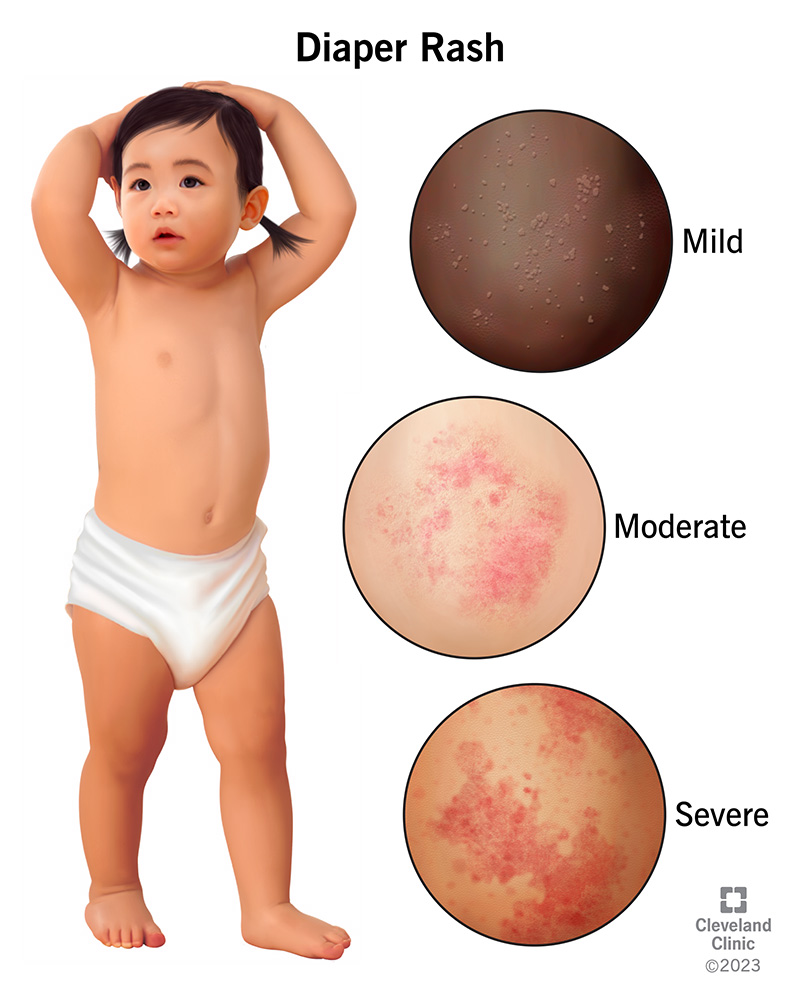
Diaper rash is not a sign of bad parenting—it affects up to 1 in 3 babies at some point in their first two years, per American Academy of Pediatrics (AAP) data. The root cause is almost always a breakdown of the skin’s natural protective barrier, triggered by one of three core factors:
- Prolonged moisture exposure: Wetness from urine or stool softens the skin, making it far more vulnerable to irritation and friction.
- Friction: Ill-fitting diapers rub against delicate skin, especially when babies are crawling, rolling, or moving frequently.
- Irritant exposure: This includes chemicals in disposable diapers (fragrances, dyes, lotions, and superabsorbent polymers), harsh soaps or detergent residues, or acidic stool from new foods or formula.
Less commonly, diaper rash is caused by a yeast (Candida) or bacterial infection, which presents as bright red, raised patches with small red spots at the edges, or a rash that does not improve after 3 days of standard barrier cream treatment. These require prescription medication from a pediatrician, not just a diaper switch. You can also read our guide on best washing machine for cloth diapers.
The American Academy of Pediatrics identifies prolonged moisture exposure as the leading cause of diaper rash, followed by friction from ill-fitting diapers and contact with irritants like fragrances or harsh soaps AAP Diaper Rash Guidance.
 Common mild diaper rash presenting as red, irritated skin on a baby's diaper area.
Credit: superbottoms.com
Common mild diaper rash presenting as red, irritated skin on a baby's diaper area.
Credit: superbottoms.com
Cloth vs. Disposable Diapers: Core Differences for Rash-Prone Babies
To understand if cloth diapers will help your baby’s rash, it’s first important to understand how they differ from disposables in design, materials, and care requirements. The table below breaks down the key distinctions:
| Feature | Cloth Diapers | Disposable Diapers |
|---|---|---|
| Core Materials | Natural fibers (cotton, bamboo, hemp) with a waterproof PUL or wool outer cover | Synthetic top layer, superabsorbent polymer (SAP) core, plastic lining |
| Breathability | High, porous natural fibers allow air circulation | Low, plastic outer layer traps heat and moisture against the skin |
| Chemical Additives | None (if undyed/unbleached) | Often contain fragrances, dyes, lotions, and SAPs |
| Absorbency | Lower, requires changes every 1-3 hours | High, can hold 8-12 hours of urine for overnight use |
| Upfront Cost | $200-$500 for a full newborn stash | $0 upfront, $50-$100 per month in ongoing costs |
| Care Requirements | Wash every 2-3 days, no fabric softeners, strip washes monthly for buildup | No maintenance, single-use |
| Environmental Impact | Low waste, reusable for 2-3 years per diaper | 1 disposable diaper takes 450+ years to decompose in landfills |
In practice, many parents find that the biggest rash reduction from cloth diapers comes not from the diaper itself, but from the habit of changing more frequently that cloth requires—since cloth can’t hold as much urine as disposables, you’re far less likely to leave a wet diaper on for hours on end, a top rash trigger. You can also read our guide on which baby powder is best for newborn baby.
How Cloth Diapers Can Help Reduce Diaper Rash
For babies with irritant-based rash triggered by disposable diaper chemicals or moisture buildup, cloth diapers can be a highly effective relief tool. The benefits come down to three core factors:
Better Airflow to Reduce Moisture Buildup
Natural fiber cloth diapers are far more breathable than the plastic outer layers of most disposables. In practice, this means less trapped heat and humidity against the skin, which slows the breakdown of the skin’s protective barrier over time. The AAP notes that breathable, natural fiber diapers reduce prolonged moisture exposure, a leading rash trigger, for many babies with sensitive skin. Many parents also report that cloth diapers feel cooler to the touch than disposables, even when wet, reducing the discomfort of longer wear times between changes.
Fewer Irritating Chemicals
Most mainstream disposable diapers contain added fragrances, dyes, and lotions designed to make them more appealing to parents, but these are common triggers for contact dermatitis in sensitive babies. Even "sensitive" disposable lines often still contain small amounts of processing chemicals or residual SAPs that can irritate delicate skin. Cloth diapers made from undyed, unbleached cotton or bamboo have none of these additives, eliminating this specific irritant entirely for many families. You can also read our guide on best organic baby diapers gentle leakproof.
Gentle, Low-Friction Fabrics
Tight, synthetic disposable materials can rub against a baby’s skin, especially when they are crawling or moving frequently. Natural fiber cloth diapers are softer against the skin, and when sized correctly, cause far less friction that leads to chafing and irritation. A common mistake new cloth diaper users make is sizing diapers too tight, which actually increases friction and rash risk—so always follow the manufacturer’s sizing guide for your baby’s weight and shape.
Critical Cloth Diaper Care Rules That Make or Break Rash Prevention
Cloth diapers will only help reduce rash if they are cared for correctly. Improper washing is one of the most common causes of cloth-diaper-related rash, as bacteria, ammonia, and detergent residue can build up on the fabric and irritate the skin. Follow these evidence-based rules to keep cloth diapers safe and rash-free:
- Rinse solid waste immediately after each change: Use a diaper sprayer or dunk the diaper in the toilet to remove solids before storing. This prevents bacteria growth and stains.
- Wash diapers every 2-3 days maximum: Waiting longer to wash leads to ammonia and bacteria buildup, which irritates the skin and can cause rash even on otherwise gentle cloth diapers.
- Use a fragrance-free, dye-free detergent formulated for sensitive skin or cloth diapers: Avoid standard laundry detergents, fabric softeners, dryer sheets, and bleach (unless you are doing a dedicated strip wash for buildup), as these leave residues that reduce absorbency and irritate the skin.
- Avoid hard water and detergent buildup: Too much detergent, or hard water with high mineral content, can leave a film on cloth diapers that traps moisture. Signs of buildup include diapers smelling musty even after washing, or consistent rash even with frequent changes. To fix this, do a monthly strip wash with a dedicated cloth diaper stripper, and use a water softener if you have hard water.
- Dry diapers fully before use: Even slightly damp cloth diapers will trap moisture against the skin and cause rash. Line dry them in direct sunlight when possible, as UV rays help kill bacteria and bleach out stains naturally. If you use a dryer, use the hottest setting recommended by the diaper manufacturer to ensure all moisture is gone.
University of Minnesota Extension specifically advises against adding any additives to cloth diaper washes, as residue is the top cause of cloth-diaper-related irritation UMN Extension Cloth Diaper Care. You can also read our guide on best toxic free diapers for sensitive baby.
When Cloth Diapers Might Not Help (And What to Do Instead)
Cloth diapers are not a magic solution for all types of diaper rash, and they are not the right fit for every family. In these cases, cloth may actually make rash worse, or be an unnecessary burden:
- If your baby has a yeast or bacterial infection: Cloth diapers will not resolve this type of rash, which requires prescription antifungal or antibacterial cream from a pediatrician.
- If you cannot commit to washing diapers every 2-3 days: Build-up from infrequent washing will irritate the skin and cause more rash than most disposable options.
- If your baby has rash from food sensitivities or prolonged moisture from infrequent changes: Cloth diapers alone will not fix these triggers—you will need to address the underlying cause first (e.g., eliminate trigger foods, change diapers more frequently).
- If you travel frequently or do not have access to a washing machine: Cloth diapers are impractical for on-the-go use, and leaving them sitting unwashed for days will cause buildup and rash.
If cloth diapers are not feasible for your family, non-toxic disposable diaper options free of fragrances and dyes are a widely available alternative that still reduces rash risk for many babies.
Additional Evidence-Based Tips to Prevent Diaper Rash
Regardless of what diaper type you use, these pediatrician-recommended tips will reduce rash risk and speed up healing for existing irritation:
- Change diapers frequently, no matter the type: Even the most breathable cloth diaper or highest-absorbency disposable will cause rash if left on for more than 3 hours. Newborns need changes every 1-2 hours, while older babies need changes every 2-3 hours at minimum.
- Use a barrier cream with every change: A thick layer of zinc oxide or petrolatum-based barrier cream creates a protective layer between the skin and moisture/irritants. When using cloth diapers, avoid oil-based creams that can stain fabric and reduce absorbency—opt for a cloth-diaper-safe zinc oxide cream instead.
- Let the skin air out daily: 10-15 minutes of diaper-free time 2-3 times a day (lay your baby on a towel or waterproof mat) lets the skin breathe and heal mild irritation. This is one of the most effective, underused rash prevention tips per pediatric guidance.
- Monitor your baby’s diet: Acidic foods like citrus, tomatoes, and strawberries can make stool more irritating to the skin. If you notice a rash pops up 1-2 days after introducing a new food, try removing it for a week to see if the rash clears. If you formula-feed, check the palm oil content in baby formula, as high levels of palm oil can make stool more acidic and irritating to sensitive skin.
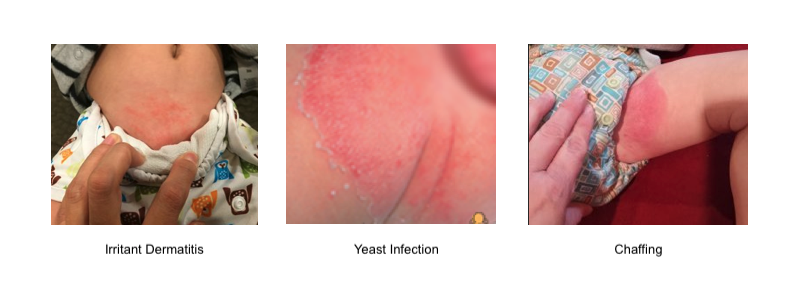 Side-by-side material comparison showing breathability differences between cloth and disposable diapers.
Credit: www.diaperstork.com
Side-by-side material comparison showing breathability differences between cloth and disposable diapers.
Credit: www.diaperstork.com
Frequently Asked Questions
What heals diaper rash fastest?
For mild rash, a thick layer of zinc oxide barrier cream applied with each diaper change, plus frequent diaper changes and 15 minutes of air time 2-3 times a day, will clear most rashes in 2-3 days. For moderate to severe rash, or rash that doesn’t improve after 3 days, see a pediatrician to rule out a yeast or bacterial infection, which require prescription treatment. Avoid using baby wipes with alcohol or fragrance during a rash—use warm water and a soft cloth instead to avoid further irritation. You can also read our guide on best antifungal cream for diaper rash.
What are the biggest drawbacks of cloth diapers for rash prevention?
The biggest drawbacks are the time commitment for washing (every 2-3 days, with pre-rinsing of solid waste), upfront cost (a full stash of cloth diapers costs $200-$500 initially, vs. $50-$100 a month for disposables), and higher leak risk if not sized correctly. For babies who sleep 8+ hours at night, you may need to add a booster insert to cloth diapers to prevent overnight leaks that cause rash. If you don’t wash diapers correctly (using the wrong detergent, not rinsing enough), buildup can actually cause more rash than disposables.
Do pediatricians recommend cloth diapers for diaper rash?
Many pediatricians recommend cloth diapers for babies with recurrent, irritant-based diaper rash caused by disposable diaper chemicals, as long as the family can commit to proper washing routines. For babies with rash caused by yeast, food sensitivities, or prolonged moisture exposure from infrequent changes, cloth diapers alone won’t resolve the issue—you’ll need to address the underlying trigger first. Always consult your pediatrician for personalized advice based on your baby’s specific rash cause. You can also read our guide on natural zinc oxide rash cream twin.
What is the best diaper type to prevent diaper rash overall?
There is no one-size-fits-all answer. For babies with chemical sensitivities from disposable diapers, undyed, unbleached cloth diapers are often the best option. For babies who have rash from infrequent changes due to busy schedules, high-absorbency, fragrance-free disposable diapers may work better. The most important factor is consistent, frequent diaper changes and proper skin care, regardless of diaper type. You can also read our guide on best diaper cream for cloth diapers.
Conclusion
So, will cloth diapers help with diaper rash? For many babies with irritant-based rash triggered by disposable diaper chemicals or moisture buildup, the answer is yes—but they are not a universal cure. Cloth diapers work best when paired with proper washing routines, frequent changes, and good skin care practices. If you’re considering making the switch, start with a small trial pack of 6-10 undyed cotton diapers to test how your baby’s skin reacts before investing in a full stash. If your baby’s rash lasts longer than 3 days, has blisters, or spreads beyond the diaper area, book an appointment with your pediatrician to rule out an infection that requires prescription treatment. Your baby’s comfort is the top priority, and the right diaper choice is just one piece of the puzzle. You can also read our guide on best non toxic diaper rash cream.

Emma Grace is a devoted mother and passionate content writer at BestBabyCart.com. With firsthand parenting experience and a love for research, she creates helpful guides and honest reviews to support parents in choosing the best for their babies. Her goal is to make parenthood easier, one article at a time.