
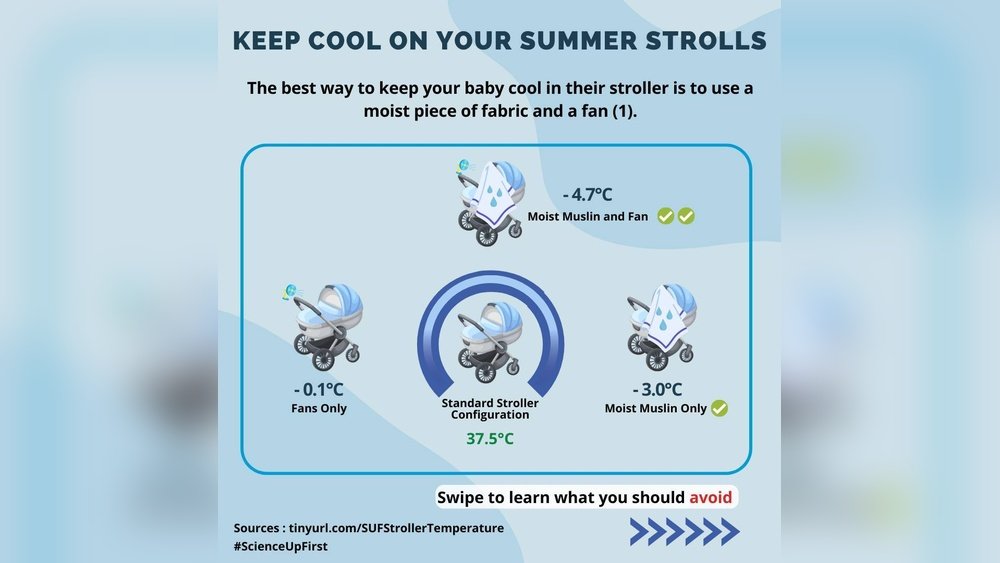
Summer 2026 is on track to be one of the hottest on record for much of the U.S., with heat advisories issued as early as May in many regions. For parents navigating stroller walks with infants, this poses a unique challenge: stroller compartments, especially enclosed models, trap heat like a greenhouse, with internal temperatures rising sharply even on mild days. Infants under 1 year old cannot regulate their body temperature effectively, putting them at higher risk of heat exhaustion, heat rash, and even heat stroke if left unmanaged. The good news is that keeping your baby cool, comfortable, and safe during summer strolls doesn’t require expensive gear or complicated routines — just a few intentional, evidence-based adjustments to your routine and setup.
Why Stroller Heat Buildup Is a Serious Risk
Before diving into fixes, it’s helpful to understand why strollers get so hot in the first place. Most strollers have solid plastic or padded backs that block airflow, while canopies, when closed for sun protection, trap warm air inside the compartment. Even on a mild 80°F day, the temperature inside a closed stroller can reach unsafe levels in as little as 20 minutes, and that number climbs rapidly as ambient temperatures rise. CDC infant heat safety guidance confirms that infants are disproportionately affected by extreme heat, as their smaller bodies absorb heat faster and they cannot communicate discomfort until symptoms are already severe. This makes proactive cooling non-negotiable for any summer stroller outing. You can also read our guide on baby stroller sitting tips expert guidelines.
1. Dress for Heat Without Sacrificing Comfort
The right clothing and stroller linens are your first line of defense against trapped heat.
H3: Choose Breathable, Lightweight Fabrics
Opt for loose-fitting garments made from natural, moisture-wicking materials like lightweight cotton, muslin, or bamboo. These fabrics allow air to circulate freely and pull sweat away from skin, reducing the risk of heat rash. Avoid thick synthetic fabrics (polyester, fleece) and waterproof outer layers, which trap heat and moisture against your baby’s skin. As a general rule, dress your baby in one fewer layer than you would wear for the same temperature — infants generate more heat when active, even during a slow stroller walk. For warm days, skip thick socks and closed-toe shoes unless you’re walking on hot pavement, which can burn delicate skin; we break down appropriate sock counts for warm weather in our dedicated guide.
H3: Pick the Right Stroller Liner
Skip padded memory foam liners and plastic waterproof covers, which block airflow and trap heat against your baby’s back. Instead, opt for mesh or moisture-wicking cotton liners that let air pass through while still providing cushioning. If you need extra padding for longer walks, choose hot-weather padding alternatives designed with breathable, ventilated materials specifically for high temperatures. You can also read our guide on best suction spinner toy for high chair.
2. Maximize Shade and Airflow
Sun exposure not only causes sunburn but also adds significant heat to the stroller compartment. Pairing sun protection with smart airflow adjustments keeps the space cool without blocking ventilation.
H3: Optimize Your Stroller’s Built-In Features
Start by adjusting your stroller’s built-in canopy to fully cover your baby’s face, neck, and body, using the peekaboo window to check on them without letting direct sun in. Many modern strollers also have hidden mesh vents or adjustable back panels that boost airflow when opened; if you’re unsure how to access these, check your stroller’s manual, as fold configuration for models like the Uppababy Vista often reveals extra ventilation points. Avoid placing bags, blankets, or toys over the stroller to block sun — this blocks airflow and creates a dangerous heat trap. You can also read our guide on best stroller sun shade.
H3: Add Supplemental Shade and Cooling Tools
For reliable shade coverage without restricting airflow, opt for a dedicated stroller sun shade rated for UPF 50+ rather than a blanket or towel. Breathable UV-protective stroller covers are another safe option, as long as they have mesh panels to let air circulate. For extra cooling, use a clip-on portable fan: choose a battery-powered model with adjustable speed settings, and angle it to blow across (not directly at) your baby’s face to avoid eye irritation. Avoid fans with loose parts or cords that could pose a choking hazard.
3. Time Outings to Avoid Peak Heat
When you head out matters almost as much as what you bring with you.
H3: Steer Clear of Peak Heat Hours
The sun’s rays are strongest between 10 a.m. and 4 p.m., but in 2026, many regions issue heat advisories as early as 8 a.m. during summer heatwaves. Check your local weather forecast for heat alerts before heading out, and avoid stroller walks during these windows whenever possible. If you must go out midday, stick to shaded paths, and plan regular breaks in air-conditioned indoor spaces like libraries, community centers, or cafes to cool down. You can also read our guide on what age can babies face forward in car seat.
H3: Align Walks with Your Baby’s Schedule
Early morning (before 10 a.m.) and late afternoon (after 4 p.m.) are the coolest, most comfortable times for stroller rides, with lower sun glare that’s easier on your baby’s eyes. If your baby’s nap schedule conflicts with these cooler windows, we have tips for shifting errands around early bedtimes to minimize heat exposure without disrupting their sleep routine.
4. Prioritize Safe Hydration
Babies lose water faster than adults in hot weather, making dehydration a serious risk during stroller walks.
H3: Follow Age-Appropriate Hydration Rules
For babies under 6 months old, offer breast milk or formula every 20–30 minutes during outings — no extra water is needed, as their kidneys cannot process large amounts of water, which can lead to water intoxication. For babies over 6 months, offer small sips of water between milk feeds to replace lost fluids. Avoid fruit juices and sugary drinks, which can cause stomach upset and increase dehydration. You can also read our guide on best non toxic disposable diapers.
H3: Pack Smart to Keep Fluids Cool
Use an insulated bottle bag with ice packs to keep milk and water cool for the duration of your walk. Avoid leaving bottles in the stroller’s storage basket in direct sun, as heat can spoil formula and make milk unsafe to drink. Carry extra fluids and a spare bottle in case of spills or delays.
5. Common Cooling Mistakes to Avoid
Even well-meaning parents can make dangerous errors when trying to keep their baby cool. Avoid these common pitfalls:
- Never cover the stroller with a blanket, towel, or tarp to block sun. This blocks airflow, traps heat, and can lead to overheating or suffocation in as little as 10 minutes.
- Don’t use ice packs, frozen gel packs, or ice cubes directly against your baby’s skin. Direct contact can cause frostbite or skin irritation. Instead, wrap frozen items in a thin cloth and place them in the stroller’s footrest, away from direct skin contact.
- Don’t rely on a fan alone when temperatures exceed 85°F. Fans provide a cooling breeze but do not lower the ambient temperature inside the stroller; pair fan use with shade, hydration, and avoidance of peak heat for full protection.
- Don’t leave the stroller (or your baby) in a parked car, even for 60 seconds. Temperatures inside a parked car can rise 20°F in just 10 minutes, even with windows cracked, leading to fatal heat stroke in minutes.
6. Recognize and Respond to Overheating Signs
Babies cannot tell you when they are too hot, so it’s critical to watch for early warning signs and act fast.
H3: Early Signs of Heat Stress
Look for flushed or red skin, especially on the face and neck, heavy sweating, rapid or shallow breathing, fussiness or lethargy, and a dry or hot mouth. For infants who wear diapers, fewer than 4 wet diapers in a 24-hour period is a key sign of dehydration. Check the back of your baby’s neck and their chest regularly: if these areas feel hot or damp, take immediate cooling steps. You can also read our guide on best non toxic diapers for babies.
H3: Safe Cooling Steps If Overheating Occurs
If you notice signs of overheating, move your baby to a cool, shaded area immediately. Remove extra layers of clothing, and use a cool (not cold) damp cloth to wipe their neck, armpits, and groin — these areas have major blood vessels that help lower body temperature quickly. Offer small sips of water if your baby is over 6 months old, or a feed of breast milk/formula for younger infants. Avoid ice baths, ice packs, or cold water, as these can shock your baby’s system. If symptoms do not improve within 10 minutes, or if your baby becomes lethargic, vomiting, or unresponsive, seek medical care immediately. CDC infant heat safety guidance notes that heat stroke in infants can develop rapidly and requires urgent medical attention to prevent long-term complications.
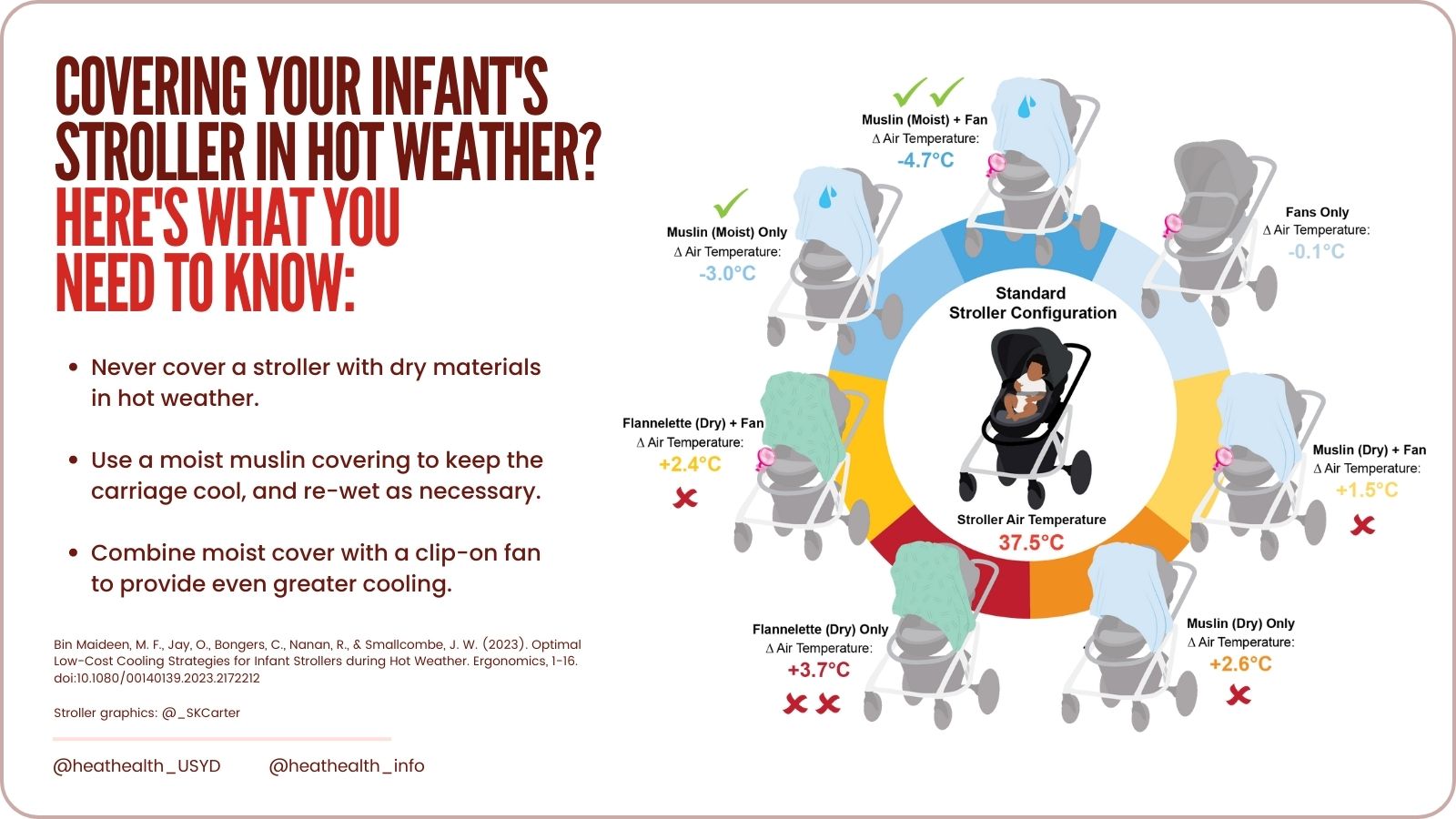 Infant heat safety guidelines from public health experts
Credit: heathealth.info
Infant heat safety guidelines from public health experts
Credit: heathealth.info
 Proper stroller positioning reduces direct sun exposure and trapped heat
Credit: www.karingforpostpartum.com
Proper stroller positioning reduces direct sun exposure and trapped heat
Credit: www.karingforpostpartum.com
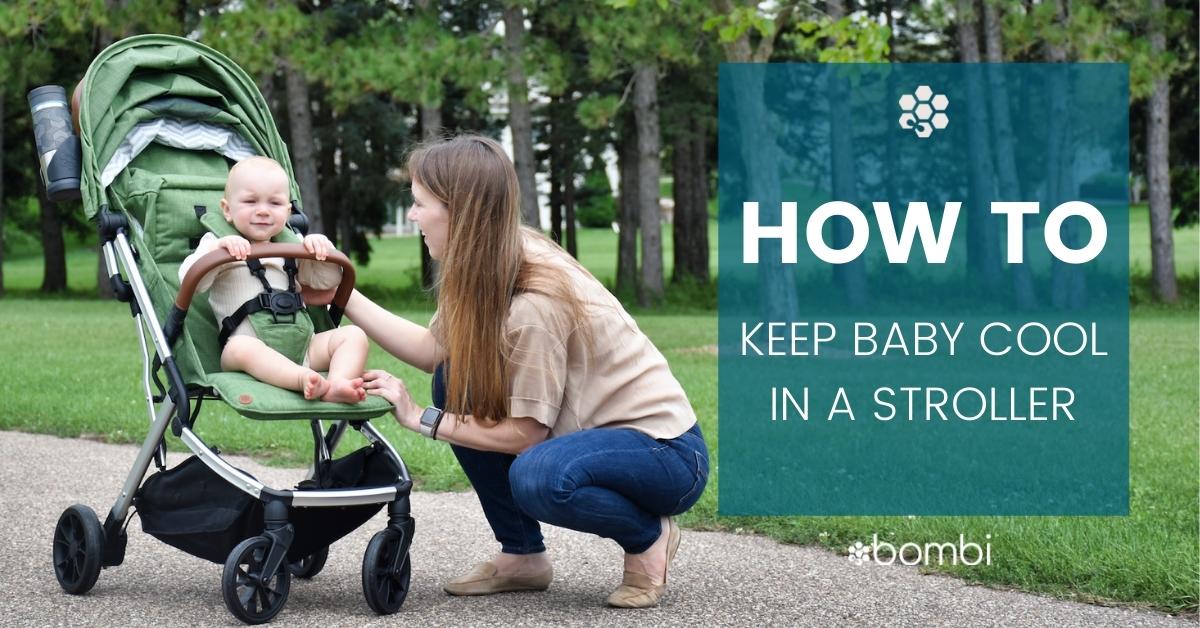 Non-toxic cooling accessories provide relief without direct skin contact
Credit: bombigear.com
Non-toxic cooling accessories provide relief without direct skin contact
Credit: bombigear.com
Frequently Asked Questions
How often should I check my baby’s temperature in hot weather?
Check your baby for signs of overheating every 15–30 minutes during summer walks. If temperatures exceed 90°F or there is an active heat advisory, check every 15 minutes, especially for infants under 3 months old who are most vulnerable to heat-related illness. You can also read our guide on best winter strollers for babies.
Can I use a stroller fan if it’s over 85°F?
Yes, but fans alone are not sufficient for extreme heat. A fan provides a cooling breeze but does not lower the ambient temperature inside the stroller. Pair fan use with full shade coverage, regular hydration, and avoidance of peak heat hours for full protection.
Are cooling towels safe for babies?
Yes, as long as they are not frozen solid. Wrap a damp, cooled (not ice-cold) towel in a thin cotton cloth before placing it on your baby’s neck or lap, and only leave it in place for 10–15 minutes at a time to avoid skin irritation or frostbite. You can also read our guide on early black friday baby sale.
What’s the safest stroller type for hot weather?
Strollers with large extendable canopies, mesh ventilation panels, and breathable fabric liners are the best choice for summer use. Avoid fully enclosed strollers with solid plastic backs, which trap heat and reduce airflow, even with the canopy open.
Conclusion
Keeping your baby cool in the stroller during summer comes down to three core principles: block direct sun, maximize airflow, and prioritize hydration. By dressing your baby in breathable fabrics, timing outings to avoid peak heat, and watching for early signs of overheating, you can turn sunny walks from a stressful chore into a comfortable, enjoyable outing for the whole family. Avoid common dangerous mistakes like covering the stroller with blankets or using ice packs directly against skin, and always have a plan to cool down quickly if you notice signs of heat stress. For more stroller safety tips, summer baby care guides, and product recommendations to make outings easier, browse our full library of evidence-based parenting resources. You can also read our guide on best stroller fan.

Emma Grace is a devoted mother and passionate content writer at BestBabyCart.com. With firsthand parenting experience and a love for research, she creates helpful guides and honest reviews to support parents in choosing the best for their babies. Her goal is to make parenthood easier, one article at a time.