
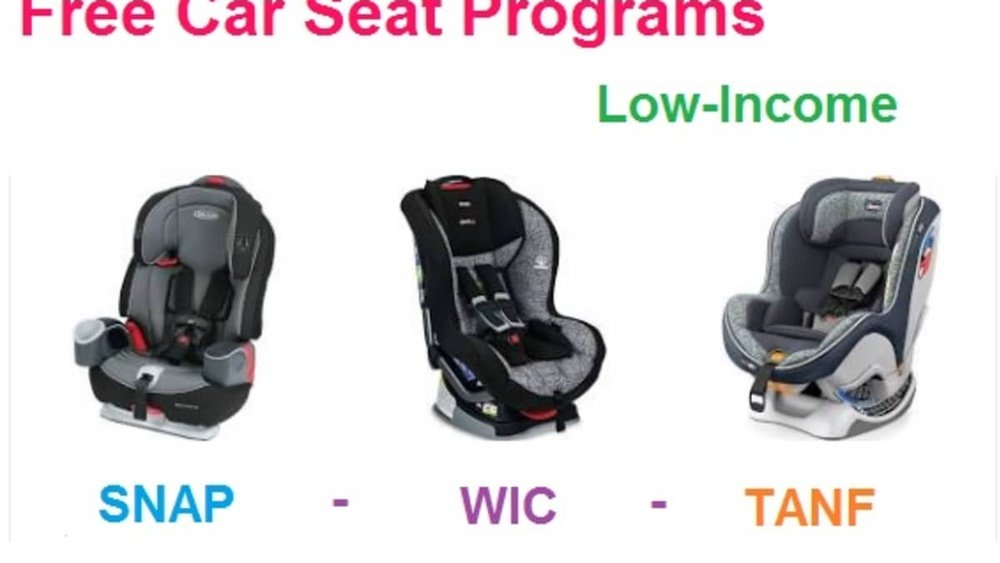
In 2026, the average full-size stroller costs $250 to $600, with travel systems and premium all-terrain models climbing well above $1,000. For families stretching tight budgets — especially those welcoming a new baby, facing unexpected expenses, or prioritizing sustainable spending — paying full price for a stroller isn’t always feasible. The good news? It’s entirely possible to find a safe, high-quality free stroller with minimal effort, no hidden fees, and no compromise on your child’s safety. This guide breaks down every verified source, eligibility requirement, and vetting step you need to save big on stroller costs today, with 2026-specific resources and practical, real-world advice from parents who have successfully secured free stroller gear.
Why Prioritize Safety When Choosing a Free Stroller
Many parents hesitate to accept free used strollers over concerns about hidden damage or outdated safety features, and that caution is well-founded. A common mistake first-time stroller hunters make is accepting a free stroller with an unresolved safety recall, which can create serious risk for young riders. Always cross-check any stroller’s model number against the U.S. Consumer Product Safety Commission guidelines recall database before committing to pick it up. Strollers manufactured before 2015 often lack modern 5-point harness systems and stable locking mechanisms, so these models are best avoided regardless of condition. All strollers sold new in the U.S. must meet CPSC safety standards as of 2026, so used models from reputable brands made after 2015 are just as safe as new options when properly inspected. You can also read our guide on best doona car seat stroller offers for smart parents.
Top Verified Sources for Free Strollers in 2026
Local Community and Nonprofit Programs
Many local resources that families overlook offer free strollers with no long waitlists or strict eligibility rules. Start with your local diaper bank: diaper banks have expanded their offerings beyond diapers to include larger baby gear like strollers, car seats, and high chairs, with most locations offering items at no cost with no proof of income required. Local WIC offices also distribute free strollers to eligible families as part of their supplemental nutrition and wellness programs, so ask your WIC caseworker about available gear during your next appointment. Many towns and cities now run free baby gear libraries, where you can borrow a stroller for 3 to 6 months at no cost — a flexible option for families who only need a stroller for a short period. Churches, community centers, and local homeless shelters also accept and distribute donated stroller gear to families in need, so call or visit in person to ask about current availability.
Online and Social Media Platforms
Informal giveaways are often the fastest way to get a free stroller with no paperwork required. The Freecycle Network and Buy Nothing Project have local groups in nearly every U.S. city and town, where parents regularly post gently used strollers for free to neighbors. Set up alerts for “free stroller” in your local area on these platforms to get notified the second a new listing pops up — free items in these groups are often claimed within hours of being posted. Local parent groups on Facebook, Nextdoor, and even TikTok are also great resources: search for hashtags like #FreeStroller[YourCity] or join hyperlocal parenting groups to find listings that don’t appear on broader platforms. Forums like BabyCenter and Reddit’s r/Parenting community also have dedicated free gear exchange sections, where parents across the country will sometimes ship strollers to families in need for free. You can also read our guide on best strollers for first time parents.
Stroller Giveaway Events and Hospital Programs
A largely overlooked source of free strollers is local giveaway events and hospital support programs. Many birthing centers and hospitals offer free strollers to low-income families as part of their new parent support services, or as an incentive for completing prenatal care appointments. Ask your hospital’s maternity ward social worker about available programs during your next prenatal visit — many have no strict income requirements for families facing temporary hardship. Local community festivals, back-to-school events, and holiday toy drives also often include free stroller giveaways, especially in the spring and fall when many families are decluttering baby gear. Some fire and police departments also run free car seat and stroller programs for families, so check with your local department for upcoming events.
 Video walkthrough of proven methods to find free, safe strollers near you
Credit: www.youtube.com
Video walkthrough of proven methods to find free, safe strollers near you
Credit: www.youtube.com
Eligibility Requirements for Free Stroller Assistance Programs
Income-Based and Need-Based Qualifications
Most formal nonprofit and government stroller assistance programs prioritize families with demonstrated financial need, but eligibility rules vary widely by location and organization. Most programs require proof of income, such as recent pay stubs, tax returns, or enrollment letters for benefits like SNAP, Medicaid, or the federal WIC assistance program to verify eligibility. Many programs also give priority to families with newborns, multiples, or children with special mobility needs, so be prepared to share basic details about your family size and child’s age when applying. That said, many local programs have no strict income limits for families facing temporary hardship, such as job loss, medical emergencies, or natural disasters, so it’s always worth applying even if you don’t meet low-income thresholds. You can also read our guide on black friday stroller deals.
How to Apply Quickly and Avoid Delays
To speed up the application process, gather all required documents in advance: a valid photo ID, proof of residence (like a utility bill or lease agreement), income verification, and your child’s birth certificate. While many programs accept online applications, calling the organization directly after submitting your form can often move your application to the top of the waitlist, as many staff prioritize follow-ups from interested families. If you have an urgent need for a stroller (for example, if you have a premature baby who needs a stroller for frequent medical appointments), ask about expedited processing — many organizations have emergency slots available for families in crisis.
How to Vet a Free Stroller for Safety and Quality
Critical Safety Checks Before Accepting a Stroller
Never accept a free stroller without completing a full safety inspection first. Start by checking the stroller’s model number (usually printed on a sticker under the seat or on the lower frame) against the CPSC recall database to ensure it has no unresolved safety issues. Next, inspect the entire frame for cracks, rust, or bent joints — even small bends can make the stroller unstable and increase the risk of tipping. Test the 5-point harness to ensure all buckles latch securely, and check that the straps have no fraying or weakening. Push the stroller forward and apply the brake: it should stop immediately without slipping, and the brake should lock in place when engaged. Finally, verify that the stroller’s weight limit matches your child’s current and projected weight over the next 6 to 12 months to avoid needing to replace it as your child grows. Before accepting any free stroller, run through our complete safety screening guide to ensure no red flags are missed. You can also read our guide on best stroller for theme parks.
Assessing Brand and Model Durability
Well-known stroller brands like Uppababy, Baby Jogger, and Graco are far better choices for free finds than no-name discount models, as they offer replacement parts for free or low cost if something breaks, and have publicly available safety testing records. If you score a free Uppababy model, review the manufacturer’s proper folding and storage steps to keep the frame and hinges in good condition for years of use. Avoid strollers from unknown brands with no online presence or safety certifications, as these often lack critical safety features and have no available replacement parts if they break. If you’re unsure about a model’s reputation, search for independent parent reviews to see if other users have reported durability or safety issues.
Negotiating with Donors for a Better Experience
Most donors are happy to answer questions about the stroller’s history, including how long they owned it, if it’s been in any accidents (even minor falls can weaken the frame), and if it has any unresolved issues. If the stroller has minor, fixable problems like a stuck wheel or a small tear in the fabric, ask politely if the donor can repair it before you pick it up — most will be happy to do small fixes for free if you ask nicely. Offer to pick up the stroller at a time that works for the donor’s schedule, and consider bringing a small thank-you gift like a coffee gift card or a pack of diapers to show appreciation. Many donors will offer additional free baby gear later if you build a friendly rapport, which can save you even more money down the line. You can also read our guide on best winter strollers for babies.
 Popular models like the Cybex EEZTwist are often donated via nonprofit and community giveaways
Credit: www.congresoscoit.es
Popular models like the Cybex EEZTwist are often donated via nonprofit and community giveaways
Credit: www.congresoscoit.es
Additional Ways to Save on Stroller Costs
If you can’t find a free stroller that meets your safety needs, there are several low-cost alternatives that still offer significant savings off retail price.
Discounted New and Like-New Strollers
Many big-box retailers and baby gear shops sell open-box strollers (models that were returned unopened or opened but never used) for 50 to 70% off retail price, and most come with full manufacturer warranties. Sign up for your favorite stroller brand’s newsletter to get first access to seasonal sales, like spring and fall baby gear events, where strollers are often marked down 30% or more. Local parent groups also host “stroller grad” sales, where families sell gently used strollers for a fraction of the retail price after their children outgrow them — these sales are a great way to get a like-new stroller for $50 or less. You can also read our guide on baby stroller sitting tips expert guidelines.
If you find a used or discounted UPPAbaby stroller, compare the UPPAbaby Minu V3 vs Minu Duo to choose the option that best fits your family.
Short-Term Stroller Rentals
If you only need a stroller for a vacation, a temporary move, or a few months, rental services like BabyQuip and local baby gear rental shops offer high-end strollers for $10 to $25 per week, which is far cheaper than buying a new model. Many airports, theme parks, and city tourism offices also offer free or low-cost stroller rentals for visitors, which is a great option for short trips. If you’re staying in a hospital or temporary housing for an extended period, ask your care team if they have free loaner strollers available for patients and families.
Stroller Trade-In Programs
As of 2026, most major stroller brands, including Uppababy and Bugaboo, run trade-in programs where you can trade in an old stroller (even a broken or recalled one) for a discount of $100 to $300 off a new model. Many of these programs also offer free strollers to families who trade in a damaged, recalled stroller that is no longer safe to use, so it’s worth checking even if you don’t have a working stroller to trade in. This is a great way to upgrade to a new model for little to no cost if you have an old stroller lying around.
If you’re also looking to save on other baby gear costs, explore our guides to affordable baby grooming tools and safe nursery setup for budget-friendly, vetted options.
How to Maintain Your Free Stroller for Long-Term Use
Cleaning and Upkeep Best Practices
Regular maintenance will extend your free stroller’s lifespan by years. Wipe down the frame after each use with a damp cloth and mild soap to remove dirt and debris that can cause rust over time. Remove fabric seats, canopies, and padding and wash them on a gentle cycle with mild detergent, then air dry completely to avoid mold and mildew growth. Lubricate wheel axles and brake mechanisms once every 3 months with a silicone-based lubricant (avoid petroleum-based products, which can damage plastic parts). Store the stroller in a dry, temperature-controlled space to prevent warping of plastic and metal parts, especially if you live in a humid or very cold climate.
Common Repairs You Can Do for Free or Low Cost
Many common stroller issues, like stuck wheels, loose screws, or broken buckles, can be fixed for free using tutorials on the manufacturer’s official website. Most brands also offer free replacement parts for damaged components even for used strollers, so contact customer service if you need a new wheel, harness, or brake part — many will send it to you for free or a small shipping fee. For minor fabric tears, use a fabric patch kit (available at most craft stores for under $5) to fix the issue before it worsens. A common mistake many new stroller owners make is ignoring small issues like loose screws or stuck wheels, which can lead to more expensive, dangerous breakdowns over time.
Safe Usage Tips to Extend Lifespan
Following basic safe usage rules will keep your stroller in good condition and protect your child: always lock the brakes when the stroller is stationary, even on flat surfaces, to prevent it from rolling away. Avoid hanging more than 5 lbs of weight on the handle, as this can cause the stroller to tip backward. Follow the manufacturer’s weight and height limits for the seat, and don’t use the stroller for children outside those limits. If you manage early baby schedules and need to fold and unfold the stroller frequently, check the hinges and locking mechanisms monthly for wear to prevent breakage.
 Walkthrough of application processes for income-based stroller assistance programs
Credit: www.youtube.com
Walkthrough of application processes for income-based stroller assistance programs
Credit: www.youtube.com
Frequently Asked Questions
Can I get a free stroller if I’m not low-income?
Yes! Many informal giveaways via community groups, social media, and stroller swaps are open to all families, no income verification required. Nonprofit programs may prioritize families with demonstrated need, but informal sources are accessible to anyone regardless of income level.
How long does it take to get a free stroller from a nonprofit?
Wait times vary by location and program: informal giveaways often have items available same-day, while formal nonprofit programs may have 1 to 4 week waitlists. Following up by phone after submitting an application can often speed up the process, as many staff prioritize inquiries from interested families.
Are free strollers from hospitals safe?
Most hospital-provided strollers are gently used models that have been inspected, sanitized, and confirmed to meet current CPSC safety standards before being distributed. Always do a quick visual inspection and test the brakes before accepting one, just to confirm it’s in good working order.
What should I do if a free stroller I receive has a safety recall?
Contact the manufacturer immediately — most will provide a free repair kit or replacement part for recalled models, even if you did not purchase the stroller new. If the recall is severe (for example, if it involves a risk of frame collapse or harness failure), discontinue use right away and dispose of the stroller properly to avoid accidents.
Conclusion
Finding a free stroller in 2026 is far easier than many parents assume, with resources available for every income level and family situation. Whether you tap into local nonprofit programs, informal community giveaways, or hospital support services, you can secure a safe, functional stroller without spending a dime — freeing up your budget for other essential baby needs. Always prioritize safety by checking for recalls and completing a full inspection before accepting any used stroller, and don’t hesitate to ask donors or program staff questions about the stroller’s history. With patience and a bit of effort, you can save hundreds of dollars while still getting a stroller that keeps your little one safe and comfortable on every outing. Start your search this week by checking your local Buy Nothing group and nearby diaper bank — many have strollers available right now for families in need.
Sophia Linda is a freelance writer and Certified Health Coach based in the Newbury Park, CA. Passionate about healthy living, she focuses on helping families stay active and connected to the outdoors. Together with her husband and their three young children, Sophia spends much of her time traveling, hiking, and camping. Her work has been featured on the bestbabycart blog, and she brings a practical, real-world perspective to reviewing baby products for parents.