
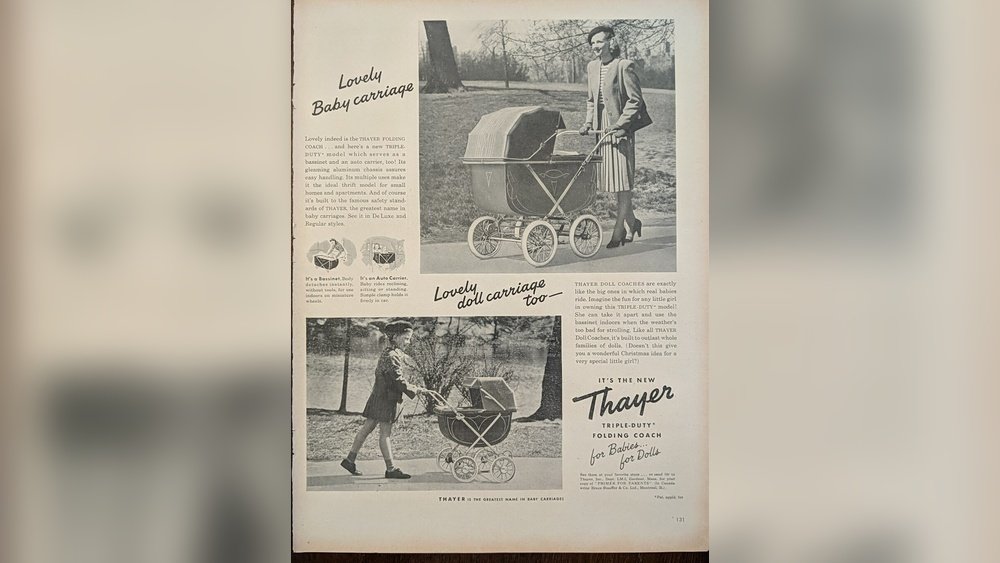
Vintage strollers have surged in popularity in 2026, with their retro woven fabrics, chrome frames, and nostalgic design appealing to parents seeking heirloom pieces or unique nursery decor. But unlike modern strollers, which are subject to strict mandatory safety regulations, pre-1990s vintage models were built to outdated standards, and many have hidden damage from decades of use that isn’t visible to the naked eye. This guide breaks down the exact risks of vintage stroller use, step-by-step inspection protocols, safe modification guidelines, and lower-risk alternatives to help you make an informed choice for your family.
For families prioritizing budget-friendly, low-waste baby gear, our guide to sustainable diapering routines breaks down long-term cost and environmental tradeoffs. You can also read our guide on best stroller for first time parents.
Why Parents Choose Vintage Strollers Today
Understanding the motivations behind vintage stroller purchases helps contextualize the safety trade-offs involved, as these choices often stem from practical or sentimental priorities rather than ignoring safety risks.
Heirloom Sentiment and Retro Design Appeal
Many families are drawn to vintage strollers for multi-generational sentimental value: passed-down strollers used by parents or grandparents often carry family stories, while estate sale finds can perfectly match 2026’s popular cottagecore and vintage nursery trends. Unlike generic modern strollers, vintage models offer one-of-a-kind design details that stand out in a market full of mass-produced baby gear. You can also read our guide on best non toxic disposable diapers.
Budget and Sustainability Benefits
Vintage strollers often cost 40-75% less than new mid-range models, making them an attractive option for budget-conscious families. For eco-conscious parents, reusing a vintage stroller also reduces waste from manufacturing and shipping new products, aligning with zero-waste parenting goals. These benefits are meaningful, but they do not eliminate the safety risks that come with using decades-old mobility equipment for a child.
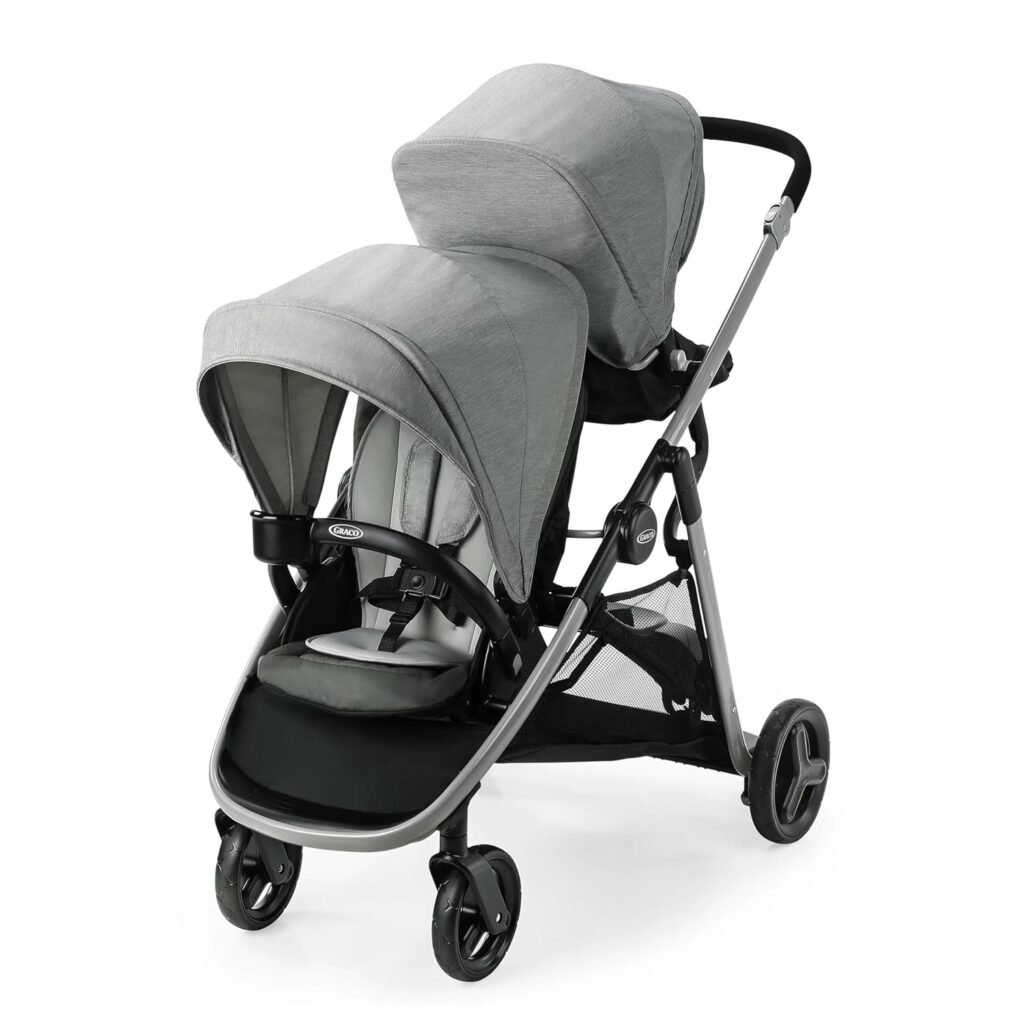 This classic 1970s model has nostalgic charm but lacks all modern mandatory safety features like five-point harnesses and dual-wheel brakes.
Non-Negotiable Safety Risks of Vintage Strollers
Vintage strollers carry inherent hazards that are not present in modern, certified models, many of which are not obvious to untrained eyes. A common mistake parents make is assuming a stroller that looks intact is structurally sound, even if it has hidden corrosion in frame joints. You can also read our guide on bob stroller replacement parts.
Hidden Structural Degradation
Even if a vintage stroller folds and rolls smoothly, it may have hidden damage that compromises its safety. Metal frames can develop internal corrosion from decades of moisture exposure, especially at folding joints and weld points, that weakens load-bearing capacity without visible surface rust. Plastic components become brittle with age, especially if they’ve been stored in extreme temperatures, and can shatter on impact during a fall. Hairline cracks in metal or plastic are often impossible to spot without a close, hands-on inspection, but can cause sudden collapse under a child’s weight. In practice, even vintage strollers that appear fully intact often fail basic brake functionality tests on mild residential slopes, a common hazard for everyday neighborhood walks.
Missing or Outdated Safety Features
In the U.S., stroller safety is regulated by the CPSC’s mandatory stroller safety requirements, which were first implemented in 1997 to address hazards like tip-overs, entrapment, and structural failure. Vintage strollers built before this rule took effect almost never meet these baseline requirements. Most lack five-point harnesses, relying instead on weak lap belts or no restraints at all, which allow children to slip out or be ejected during a sudden stop. Brakes on vintage models often only lock one wheel, or fail to engage firmly enough to hold the stroller on a slight slope. Many also have narrow, high centers of gravity that make them prone to tipping when a child leans forward or hangs a bag on the handle. You can also read our guide on how to tell if a stroller is expired.
Chemical and Material Hazards
Strollers made before 1978 are likely to have lead-based paint on metal frames, which can chip and be ingested by curious toddlers, leading to lead poisoning. Older fabric components may contain outdated flame retardants that are now known to cause long-term health issues, or may have mold and mildew growth from years of storage that triggers allergies or respiratory problems. Some vintage strollers also use padding materials filled with harmful chemicals like formaldehyde, which can irritate a child’s skin and lungs. Fabric stored in damp conditions for decades often develops mold or mildew, which can trigger respiratory issues in young children — learn to identify and address common mold risks in baby gear to keep your family safe.
Step-by-Step Pre-Use Safety Inspection Checklist
If you’ve inherited or purchased a vintage stroller, a thorough inspection is non-negotiable before every use, even if it was recently checked. Wear and tear can develop quickly in older models, so never skip this step. You can also read our guide on baby stroller sitting tips expert guidelines.
Frame and Joint Integrity Check
- Examine the entire frame for hairline cracks, bends, or deep rust, especially at folding joints, screw holes, and weld points. Tap the metal lightly with a screwdriver — a dull thud instead of a sharp ring can indicate internal corrosion.
- Check all bolts, screws, and locking mechanisms to ensure they’re tight and don’t wiggle. If any threads are stripped, the joint is unsafe to use.
- Test the folding mechanism: it should lock firmly into place with no give, and not collapse unexpectedly when weight is applied.
Wheel and Brake Functionality Test
- Spin each wheel to check for wobble, flat spots, or cracks in the tire or rim. Wheels should roll straight without pulling to one side.
- Test the brakes on a 3-degree incline (a common residential sidewalk slope): the stroller should stay completely stationary when the brake is engaged, with no rolling even when you apply pressure to the handle. If the brake only locks one wheel, or slips, the stroller is unsafe to use.
- Check wheel axles for rust or looseness, as worn axles can cause wheels to fall off during use.
 Regular brake and wheel inspections catch worn axles, cracked rims, and non-functional brakes that could cause accidents during use.
Credit: mompush.com
Regular brake and wheel inspections catch worn axles, cracked rims, and non-functional brakes that could cause accidents during use.
Credit: mompush.com
Harness and Restraint Assessment
Most modern strollers comply with ASTM F2136 stroller restraint standards, which require harnesses that withstand impact forces and secure children safely. For vintage strollers, follow these steps:
- First, check if the stroller even has a five-point harness (shoulder straps at both shoulders, waist straps, and a crotch strap). If it only has a lap belt or no harness, you will need to install a certified aftermarket five-point harness that meets current standards, as long as the frame is fully intact.
- Check all straps for fraying, tearing, or stiffness from age: a strap that cracks when bent is too weak to hold a child in a sudden stop.
- Test all buckles: they should click firmly into place, and release easily with one hand. If a buckle is broken or sticky, replace it with a certified replacement part for your stroller model.
Fabric and Hardware Condition Check
- Inspect all fabric for mold, mildew, tears, or fading that weakens the material. Check for any chipping paint, especially on metal parts that a child could reach and put in their mouth.
- Test any adjustable features (like seat recline or handle height) to ensure they lock firmly into place.
Are Vintage Stroller Modifications Safe?
Many parents wonder if they can upgrade a vintage stroller with modern safety parts to make it safe for use. While some modifications are acceptable, others create new hazards that outweigh any charm the stroller has.
Approved Modification Options
You can install a certified aftermarket five-point harness that meets ASTM F2136 standards, as long as the frame is fully intact and the harness is installed exactly per the manufacturer’s instructions. You can also replace worn tires with modern, puncture-resistant ones, and swap out rusted bolts for stainless steel replacements to reduce corrosion risk. You can also read our guide on how to keep baby cool in stroller.
Modifications That Are Never Safe
Never drill new holes in the frame to install a harness or other parts, as this weakens the structural integrity of the metal. Never remove original parts (like the original lap belt) to install a new harness, as this can leave sharp edges or loose fasteners. Never use 3D-printed or uncertified replacement parts, as they have not been tested for impact resistance or load capacity.
When Modifications Aren’t Worth the Risk
If the stroller has any frame cracks, corrosion that can’t be fully removed, or missing load-bearing parts, no modification will make it safe for use. In these cases, it’s better to use the stroller for decorative purposes only, or recycle it responsibly. You can also read our guide on does my year old need a stroller at disney.
Essential Safety Rules for Limited Vintage Stroller Use
If you’ve confirmed your vintage stroller passes all inspection checks and has safe, certified modifications, it may be suitable for very limited use, as long as you follow these non-negotiable rules:
- Only use the stroller on flat, even paved surfaces, never on steep hills, gravel, crowded areas, or uneven terrain where it could jostle or tip.
- Never leave a child unattended in the stroller, even for a second, as vintage models often lack the stability of modern strollers and can tip easily.
- Only use the stroller for children 12 months and older who can sit unassisted; never use it for newborns or infants who lack head and neck control, as most vintage strollers don’t have the recline or head support required for young babies.
- Vintage strollers lack the weather protection of modern models, so pair them with appropriate cold-weather layering for cool-weather walks only, and avoid use in rain, snow, or extreme heat. If you’re planning short, flat-terrain walks with a napping toddler, our tips for errands with a sleeping baby will help you minimize disruption and reduce risk of tip-overs.
- Most vintage strollers lack enclosed footwells, so make sure your child wears appropriate baby socks to protect their feet from scrapes, cold metal, and rough pavement.
- Perform monthly checks of all bolts, straps, and wheels for wear. Tighten loose fasteners immediately, and replace any damaged parts right away.
- Store the stroller in a dry, climate-controlled space to prevent rust and mold growth. Avoid leaving it in direct sunlight for extended periods, as UV rays weaken plastic and fabric components over time.
Safer Alternatives for Vintage Stroller Fans
If you love the aesthetic of a vintage stroller but aren’t willing to take on the safety risks of an older model, these options give you the look you love without the hazards:
- Certified Refurbished Strollers: Refurbished strollers are modern models that have been professionally inspected, repaired, and cleaned to meet original safety standards. They’re often 30-50% cheaper than new models, and many come with a limited warranty, giving you peace of mind that the stroller is safe for daily use.
- Retro-Inspired Certified Strollers: Many top stroller brands now release lines with retro-inspired designs, including woven fabrics, chrome accents, and vintage color palettes, that meet all current CPSC and ASTM safety standards. These give you the look you love without the safety trade-offs. For a popular retro-inspired model, learn the correct folding technique to ensure long-term functionality and safe use.
- Decorative Use for Non-Compliant Heirlooms: If you have a family heirloom stroller that isn’t safe for use, display it in your home as a decorative piece, or repurpose it as a plant stand or storage unit. This lets you keep the sentimental value without putting your child at risk. Pair your vintage stroller with other sentimental heirloom baby items for a cohesive, nostalgic nursery space.
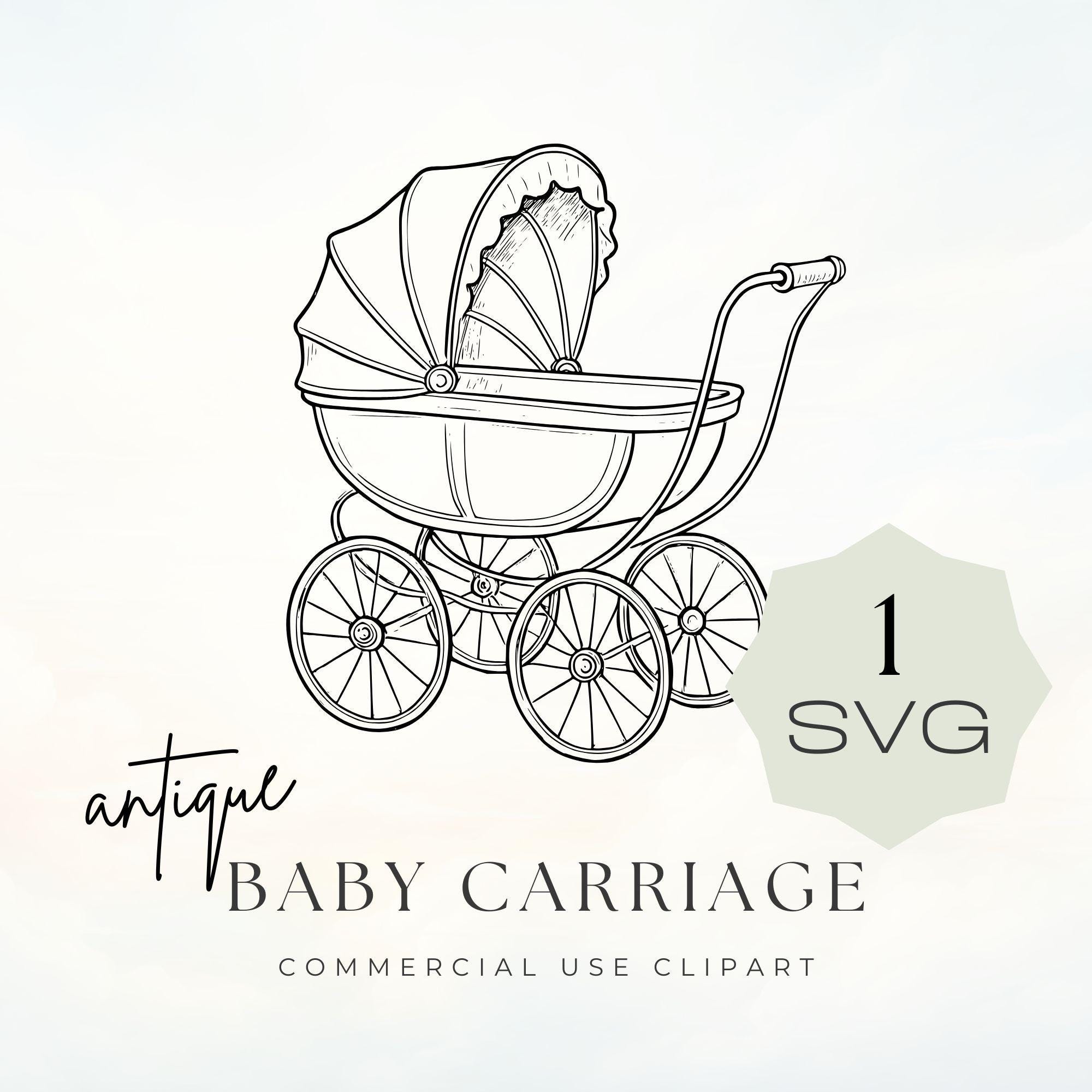 Even professionally restored vintage strollers often have hidden structural corrosion or degraded components that are not visible to the naked eye.
Credit: www.etsy.com
Even professionally restored vintage strollers often have hidden structural corrosion or degraded components that are not visible to the naked eye.
Credit: www.etsy.com
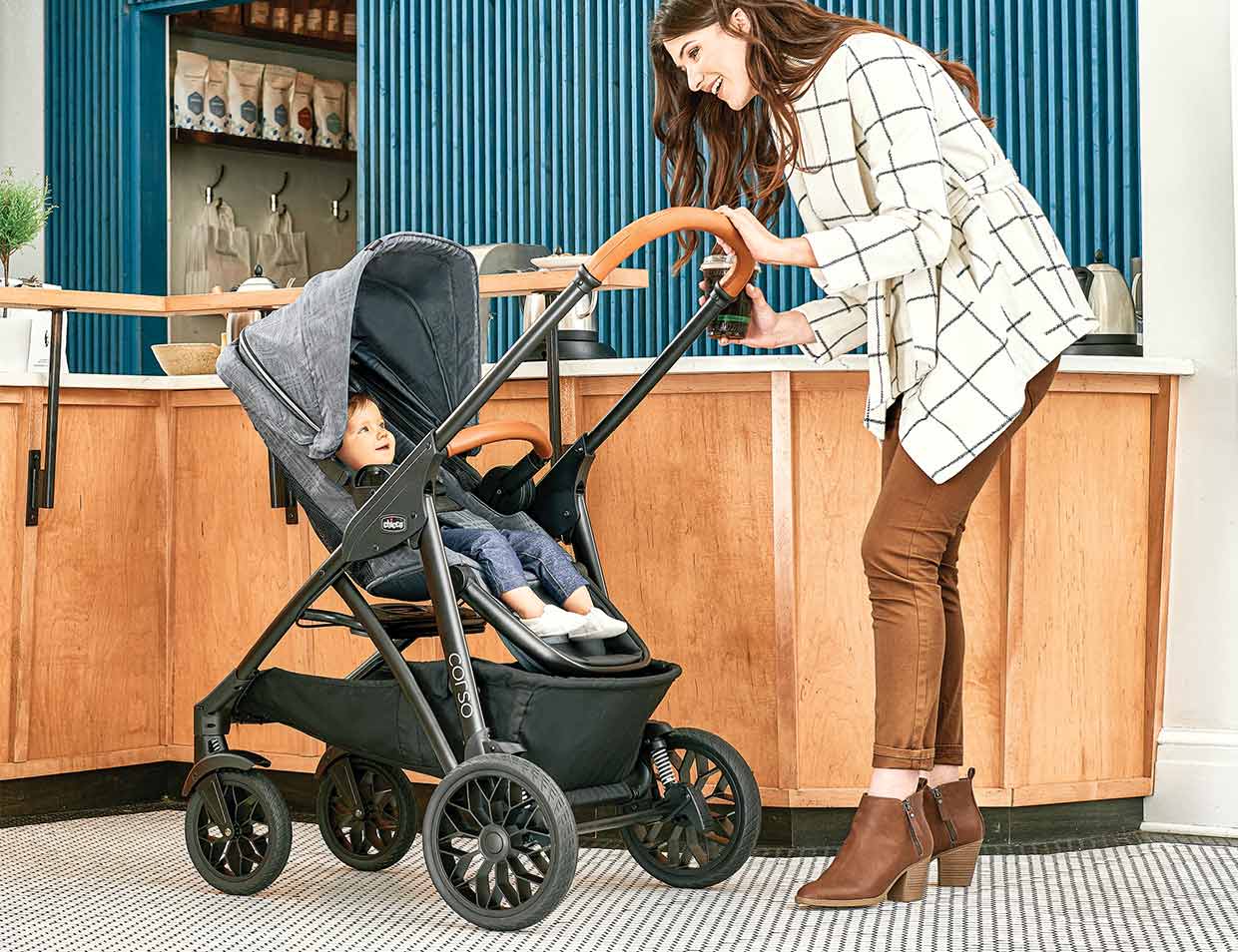 Certified modern strollers meet 2026 CPSC and ASTM safety standards for impact resistance and restraint security.
Credit: www.chiccousa.com
Certified modern strollers meet 2026 CPSC and ASTM safety standards for impact resistance and restraint security.
Credit: www.chiccousa.com
Frequently Asked Questions
Is a vintage stroller safe for newborns?
No, almost all vintage strollers lack the fully reclining seat, head support, and certified infant inserts required for safe use with newborns. Most also don’t have harnesses that fit a small infant’s body properly, increasing the risk of suffocation or falling out. For newborns, use a stroller that meets current safety standards and is designed for infant use.
How can I tell if a vintage stroller has lead paint?
Strollers made before 1978 are likely to have lead-based paint on metal frames. Use a lead testing kit (available at most hardware stores) to check for lead on any chipped or peeling paint. If lead is present, do not use the stroller unless you have the paint professionally removed and the frame repainted with non-toxic, lead-free paint. You can also read our guide on best sit and stand strollers.
Are vintage umbrella strollers safer than full-size vintage strollers?
No, vintage umbrella strollers are often even more dangerous than full-size vintage models. Most lack harnesses, have unstable narrow bases that tip easily, and have sharp metal edges that can cause injury. They were never designed to meet modern safety standards, and should never be used for children of any age.
Can I use a vintage stroller for air travel?
No, most vintage strollers do not meet the size and weight requirements for airline overhead bin storage, and their fragile frames are at high risk of damage during travel. Additionally, many vintage strollers have non-compliant restraint systems that are not allowed for use on airport moving walkways or in aircraft cabins.
What should I do with a vintage stroller that isn’t safe to use?
If the stroller is in good condition but not safe for use, consider donating it to a museum, vintage collector, or repurposing it as a decorative piece. If it’s damaged beyond repair, check with your local recycling center to see if they accept metal and plastic stroller components for recycling.
Can I use a vintage stroller for a toddler over 2 years old?
Only if the stroller passes a full safety inspection, has a certified five-point harness that fits your child properly, and is only used on flat, even surfaces for short outings. Even then, it is not recommended for daily use, as vintage strollers lack the durability and safety features of modern models designed for regular toddler use.
Do vintage stroller recalls apply to used models sold secondhand?
Yes. Recalls issued by the CPSC apply to all models of a given product, regardless of age or ownership status. Check the CPSC’s online recall database by stroller brand and model number before purchasing a vintage stroller to ensure it has not been recalled for safety hazards like frame collapse or faulty brakes.
Final Verdict: Balancing Charm and Safety
Vintage strollers offer undeniable nostalgic charm and align with sustainable, budget-conscious parenting goals, but they come with inherent safety risks that modern strollers are designed to eliminate. While a thoroughly inspected, properly modified vintage stroller may be suitable for occasional use on flat, even surfaces for toddlers 12 months and older, it is never a safe choice for daily use, newborns, or high-risk scenarios like crowded events or uneven terrain. Your child’s safety should always be the top priority: if you have any doubts about a vintage stroller’s condition or compliance, choose a certified modern model instead. To explore safe, certified stroller options that match your style and budget, review our guide to stroller picks for new parents for our top tested picks.

Emma Grace is a devoted mother and passionate content writer at BestBabyCart.com. With firsthand parenting experience and a love for research, she creates helpful guides and honest reviews to support parents in choosing the best for their babies. Her goal is to make parenthood easier, one article at a time.