
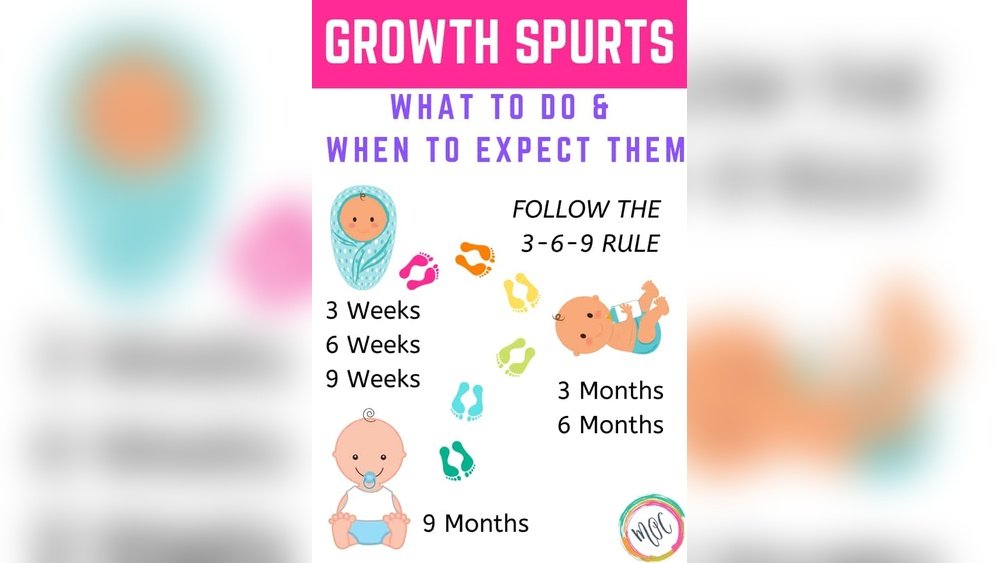
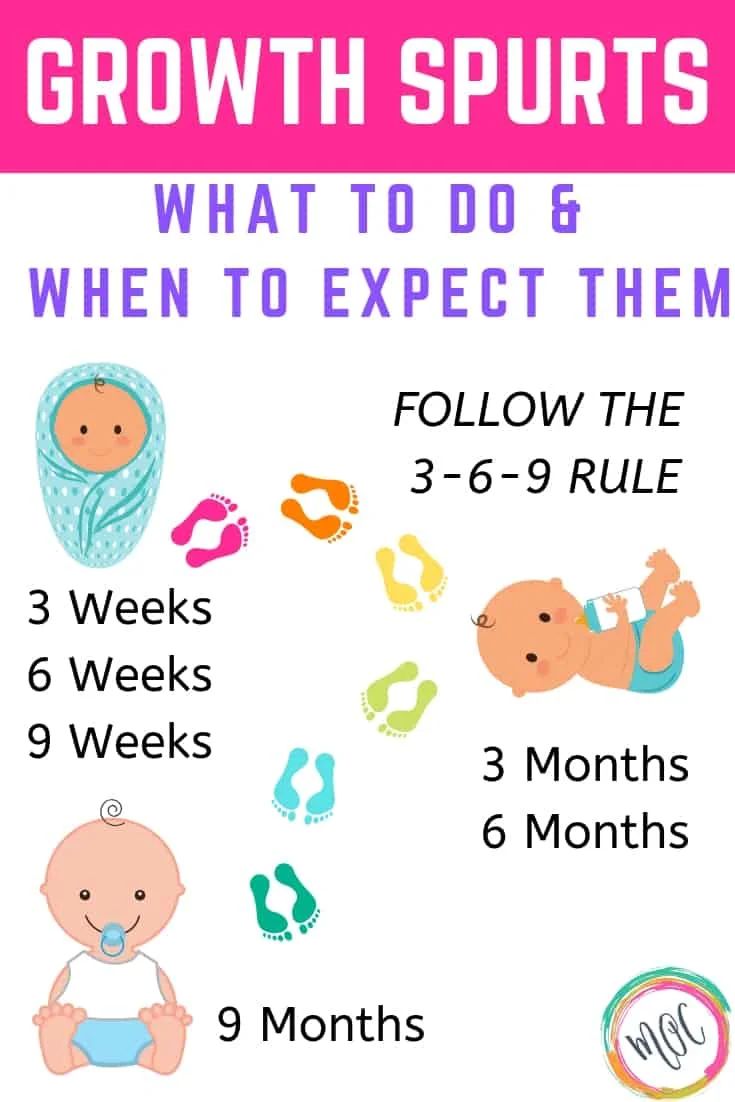
New parenthood comes with constant questions about your baby’s growth, and milestone checklists can feel overwhelming to track. The 3 6 9 Rule for Babies is a simplified, pediatrician-backed framework that breaks down key first-year developmental checkpoints into three easy-to-remember ages: 3, 6, and 9 months. It is designed to reduce parental anxiety, help you spot potential delays early, and guide age-appropriate play and care—without requiring you to track dozens of individual skills every week.
This rule is a flexible guideline, not a rigid schedule. Every baby develops at their own pace, and factors like prematurity, genetics, and overall health can shift milestone timelines slightly. When used alongside regular well-visit screenings with your pediatrician, it’s a powerful tool to feel more confident in your parenting journey.
What Exactly Is the 3 6 9 Rule for Babies?
At its core, the 3 6 9 Rule is a milestone tracking framework focused on the rapid developmental changes that occur in a baby’s first nine months. Unlike sleep or feeding schedules, it does not dictate specific routines for naps, meals, or bedtime. Instead, it gives you clear, spaced checkpoints to assess your baby’s progress across four key domains: physical, cognitive, social-emotional, and language development.
The framework was created by pediatric developmental specialists to simplify the overwhelming amount of milestone information available to new parents. By focusing only on 3, 6, and 9 months, it eliminates the pressure of tracking monthly progress, while still giving you enough lead time to adjust activities or seek support if needed.
Origins and Evidence Behind the Framework
The 3 6 9 Rule is a simplified adaptation of standard developmental tracking frameworks published by the CDC developmental milestone guidelines, aligned with 2026 guidance from the American Academy of Pediatrics (AAP). Pediatricians developed the simplified checkpoint system after research showed parents often felt overwhelmed by full, month-by-month milestone lists, leading many to avoid tracking progress entirely.
The rule is widely recommended by early childhood health providers because it balances ease of use with accuracy, giving parents just enough information to stay informed without causing unnecessary stress. It is not a new trend: the 3/6/9 checkpoint approach has been used in pediatric care for over a decade, with regular updates to reflect the latest evidence on infant development.
Core Milestone Checkpoints for 3, 6, and 9 Months
Milestones are grouped by age and domain below. Note that typical ranges allow for 1–3 months of variation: if your baby hits a milestone a few weeks early or late, that is almost always normal. For premature babies, use your baby’s adjusted age (based on their due date, not birth date) to compare against these checkpoints.
| Age Checkpoint | Physical Milestones | Cognitive Milestones | Social-Emotional Milestones | Language Milestones |
|---|---|---|---|---|
| 3 Months | Lifts head 45–90 degrees during tummy time, tracks objects side to side with eyes, opens and closes hands, kicks legs vigorously when on back | Recognizes familiar faces, anticipates feeding when seeing a bottle or breast | Offers social smile in response to caregivers, coos and gurgles to get attention | Makes gurgling and vowel sounds, quiets down when hearing a parent’s voice |
| 6 Months | Rolls both from back to tummy and tummy to back, sits unsupported for 30+ seconds, transfers objects between hands, bears weight on legs when held upright | Understands early object permanence (looks for dropped toys), explores objects by mouthing them | Prefers primary caregivers, enjoys interactive games like peekaboo, may show early stranger anxiety | Babbles consonant-vowel combinations (baba, mama, not yet specific), responds to their name, recognizes common words like “no” or “bye-bye” |
| 9 Months | Crawls, scoots, or commando crawls, pulls to stand using furniture, uses a pincer grasp (thumb and forefinger) to pick up small objects | Fully understands object permanence (searches for hidden toys), imitates simple gestures like clapping or waving | Has clear stranger anxiety, clings to preferred caregivers, shows preference for favorite toys or activities | Says “mama” or “dada” specifically (not just randomly), uses gestures like pointing or raising arms to be picked up, understands simple requests like “come here” |
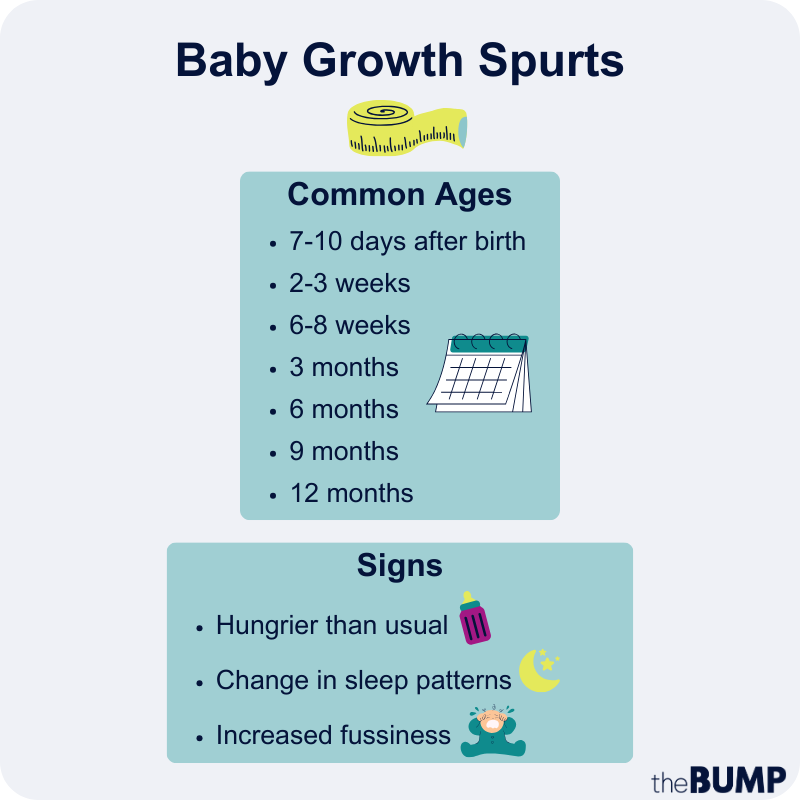 This chart outlines the core developmental milestones parents can track at each 3 6 9 checkpoint.
Credit: www.thebump.com
This chart outlines the core developmental milestones parents can track at each 3 6 9 checkpoint.
Credit: www.thebump.com
Age-Appropriate Activities to Support Development at Each Checkpoint
The 3 6 9 Rule is not just for tracking progress—it also helps you choose activities that match your baby’s current skills, so you’re not pushing them to do things they’re not ready for. All activities below use low-cost or household items, no fancy toys required.
Activities for 3-Month-Olds
- Do tummy time 2–3 times per day for 3–5 minute sessions (stop immediately if your baby gets fussy) to build neck and core strength for future milestones like rolling and sitting.
- Use high-contrast black, white, and red toys to support visual tracking, as babies this age see high-contrast colors most clearly.
- Talk, sing, and make exaggerated facial expressions during feedings and diaper changes to build social and early language skills.
- Respond immediately to coos and gurgles to teach turn-taking in communication.
Activities for 6-Month-Olds
- Increase tummy time to 20–30 minutes total per day, placing favorite toys just out of reach to encourage rolling and reaching.
- Play peekaboo regularly to reinforce object permanence, the understanding that objects still exist even when out of sight.
- Offer safe household objects (wooden spoons, soft silicone cups, crinkly paper) to explore with their hands and mouth, as mouthing is a key way babies this age learn about the world.
- Sit with your baby on your lap or use a supported seat to practice sitting unsupported, a skill that typically emerges around this checkpoint.
Activities for 9-Month-Olds
- Create a fully baby-proofed play space to encourage safe crawling and exploration, following the same safe crib setup guidelines you use for sleep to avoid choking hazards and loose bedding.
- Play hide-and-seek with favorite toys to build problem-solving and object permanence skills.
- Model simple gestures like waving bye-bye or clapping to encourage imitation, a key precursor to language development.
- Offer soft finger foods (like banana, avocado, or steamed sweet potato) to practice the pincer grasp and self-feeding.
 Tummy time at 3–4 months builds the neck and core strength needed for later milestones like sitting and crawling.
Credit: www.mamasorganizedchaos.com
Tummy time at 3–4 months builds the neck and core strength needed for later milestones like sitting and crawling.
Credit: www.mamasorganizedchaos.com
Key Benefits of Using the 3 6 9 Rule for Tracking
Beyond just checking off milestones, this framework offers tangible benefits for both babies and caregivers.
Reduces Parental Anxiety
Instead of obsessing over every small skill, you have spaced, low-stakes checkpoints to assess progress. A common mistake new parents make is worrying if their baby hits a milestone a week or two late—this is almost always normal, as development is not a linear race. The rule helps you focus on big-picture progress rather than small, day-to-day variations.
Supports Early Detection of Delays
If your baby is consistently 3+ months behind on multiple milestones across domains, the 3 6 9 Rule helps you spot that pattern early, so you can discuss it with your pediatrician. Early intervention services for developmental delays are far more effective when started before age 3, per CDC early intervention guidance.
Aligns Caregiver Support
The framework helps all caregivers (grandparents, babysitters, daycare providers) stay aligned on what skills to encourage and what to expect, so your baby gets consistent support across all their environments. For example, if you’re managing a busy schedule with a baby who has an early bedtime, our guide to outings with early bedtime infants can help you balance routine and flexibility without disrupting their sleep.
 Pulling to stand is a key 9-month mobility milestone that signals growing strength and coordination.
Credit: joone.com
Pulling to stand is a key 9-month mobility milestone that signals growing strength and coordination.
Credit: joone.com
Common Misconceptions and How to Adapt the Rule to Your Baby
Many parents treat the 3 6 9 Rule as a rigid checklist, but it’s designed to be flexible to fit your baby’s unique needs.
Misconception 1: It’s a strict schedule for feeding or sleep
The 3 6 9 Rule is exclusively a milestone tracking framework, not a feeding or sleep training schedule. While you can tie routine adjustments to milestone progress (e.g., adjusting nap times as your baby becomes more mobile), there is no one-size-fits-all feeding or sleep schedule tied to the rule.
Misconception 2: Missing a single milestone means a developmental problem
Babies develop at different paces, and it’s normal to hit some milestones early and others late. Only be concerned if your baby misses 3 or more milestones across domains, or is 3+ months behind the typical range for their age (use adjusted age for premature babies).
Misconception 3: You need expensive toys to support milestone progress
You don’t need fancy developmental toys to help your baby hit milestones. Safe household items like wooden spoons, soft cups, and crinkly paper work just as well as store-bought toys.
When to Consult Your Pediatrician
Reach out to your child’s doctor if you notice any of the following red flags:
- No head lifting during tummy time by 4 months
- No babbling or consonant sounds by 7 months
- No crawling, scooting, or standing with support by 11 months
- Loss of previously acquired skills (e.g., stops smiling or rolling over) When introducing complementary foods at 6 months, checking ingredients like formula ingredient checks can help avoid potential digestive discomfort for sensitive tummies.
Practical Tips to Weave the 3 6 9 Rule Into Your Routine
You don’t need to set aside extra time to use the 3 6 9 Rule—just integrate small checks into your existing daily routine.
- Keep a simple milestone log: Jot down new skills in your phone notes or a small notebook as you see them, no need for fancy tracking apps. Tie your checks to regular well visits so you can share your notes with your pediatrician.
- Focus on one skill at a time: Don’t try to encourage every milestone at once. Pick 1–2 skills to focus on each month (e.g., at 3 months, focus on tummy time and responding to coos) to avoid overwhelming both you and your baby.
- Adjust for your baby’s unique needs: If your baby was born premature, use their adjusted age (due date) instead of their birth date to track milestones, per AAP guidance. If they have a medical condition that affects development, work with their care team to adjust the checkpoints as needed.
- Don’t compare to other babies: Social media often only shows babies hitting milestones “on time,” which can create unnecessary anxiety. Every baby’s timeline is unique, and small variations are almost always normal.
As your 9-month-old becomes more mobile, you’ll go through socks faster—check out our guide to sock supply for mobile babies to avoid last-minute laundry runs. If you’re planning a trip with your baby, make sure your stroller is easy to fold for quick transitions by reviewing our guide to easy stroller folding for travel. When heading out for active play, make sure your baby is dressed appropriately for the temperature using our guide to year-round baby layer guidance to avoid overheating or getting cold.
Frequently Asked Questions
What is the 3 6 9 Rule for Babies?
The 3 6 9 Rule is a simplified, parent-friendly milestone tracking framework that breaks down key first-year developmental checkpoints into three easy-to-remember ages: 3, 6, and 9 months. It covers physical, cognitive, social-emotional, and language skills, and is designed to reduce the overwhelm of tracking dozens of individual milestones across your baby’s first year. It is not a rigid schedule for feeding or sleep, though you can use the checkpoints to adjust routines as your baby grows.
Is the 3 6 9 Rule only for full-term babies?
No. For premature babies or babies with health conditions that affect development, use your baby’s adjusted age (based on their due date, not birth date) to track milestones against the 3 6 9 checkpoints. This ensures you’re measuring progress against their expected developmental timeline, not their chronological age.
What should I do if my baby misses a 3 6 9 milestone?
Missing a single milestone, or hitting it a few weeks late, is almost always normal. Only contact your pediatrician if your baby misses 3 or more milestones across different domains (physical, cognitive, social, language), or is 3+ months behind the typical range for their age. Early intervention services for developmental delays are free or low-cost in most U.S. states, and are most effective when started early.
How does the 3 6 9 Rule differ from formal developmental screenings?
The 3 6 9 Rule is a casual, parent-led tracking tool to use between well visits. Formal developmental screenings are standardized assessments performed by your pediatrician during scheduled checkups, and are designed to catch subtle delays that may not be obvious to parents. The 3 6 9 Rule complements these screenings, not replaces them.
Can I adapt the 3 6 9 Rule for older babies?
Yes. While the framework is designed for the first 9 months, you can use the same checkpoint approach (every 3 months) to track milestones for 12, 18, and 24 months, using the official CDC milestone guidelines for each age range.
Final Takeaway
The 3 6 9 Rule is a simple, evidence-based tool to help you track your baby’s rapid first-year development without the stress of overwhelming, granular milestone tracking. By focusing on these three key checkpoints, you can celebrate your baby’s progress, spot potential concerns early, and choose activities that support their unique developmental pace.
Remember: every baby grows on their own timeline, and small variations in milestone timing are almost always normal. If you ever have concerns about your baby’s progress, don’t hesitate to reach out to your pediatrician—early support makes a lifelong difference for child development.
For more practical, evidence-based parenting guides to simplify your infant care journey, explore our full library of resources tailored to real caregiver needs.

Emma Grace is a devoted mother and passionate content writer at BestBabyCart.com. With firsthand parenting experience and a love for research, she creates helpful guides and honest reviews to support parents in choosing the best for their babies. Her goal is to make parenthood easier, one article at a time.