
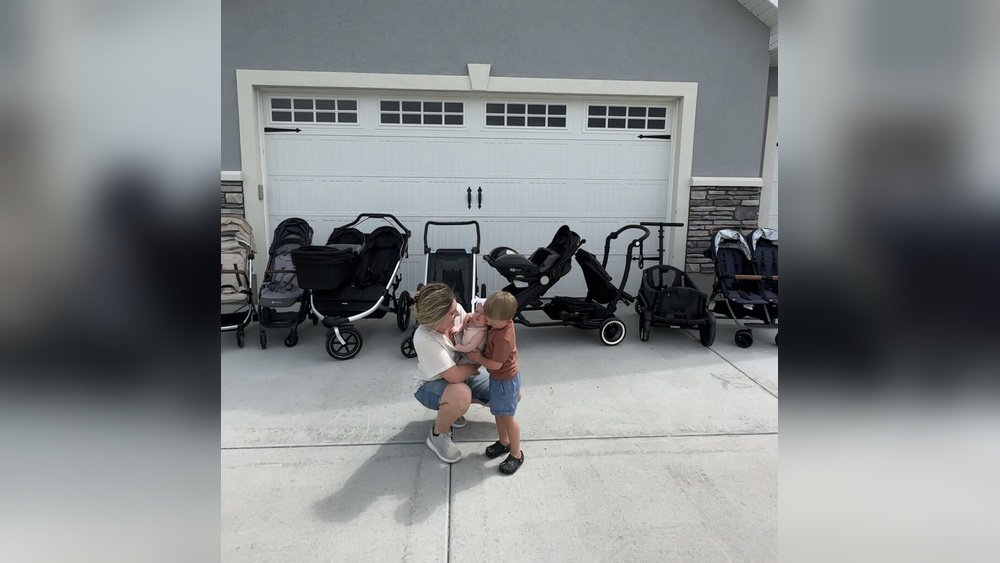
There are days when a stroller feels like a life-saver — and days when it feels like a bulky cart you have to wrestle through every doorway, curb, and crowded aisle. If you've ever carried a pram up a flight of stairs or squeezed it through a subway gate, you've probably asked yourself: are there alternatives to using a stroller?
The answer is a clear yes. Baby carriers, wagons, bike trailers, jogging strollers, shopping trolleys, and even parent-steered tricycles can replace a traditional stroller in many situations. Some are better for newborns, others for toddlers; some shine on dirt trails, others in tight urban spaces.
This guide breaks down nine practical stroller alternatives, looks at their real-world trade-offs, and helps you choose the right one for your family — without the guesswork. For more on this, see our guide on are there any safe crib bumpers.
Baby Carriers: Hands-Free Freedom and Close Bonding
Baby carriers are the most popular stroller alternative for good reason. They turn your body into a comfortable, hands-free seat. Your baby feels your heartbeat, hears your voice, and stays warm against you — while you move through crowds, public transport, or uneven terrain that would stop a stroller in its tracks.
Carriers also make breastfeeding easier, soothe fussy babies, and let you get through airports, museums, and markets without navigating wheels through narrow gaps. The downside? No built-in storage, and extended wear can exhaust your back if the carrier isn't adjusted well. For more on this, see our guide on when to stop using stroller.
Wraps and Slings
Wraps are long pieces of woven or stretchy fabric that you tie around your torso, creating a custom seat for your baby. No buckles, no straps — just knotting. Stretchy wraps work beautifully for newborns because they mould to the baby's shape. Woven wraps are firmer and support heavier babies and toddlers, but they come with a steeper learning curve.
Slings are a simpler single-shoulder option. They're fast to put on and great for quick errands, but because they put all the weight on one shoulder, they're best for short outings and lighter babies. Correct positioning matters: your baby should be visible, with their chin off their chest and their back supported. For more on this, see our guide on when should you stop using a stroller.
Soft Structured Carriers
Soft structured carriers (SSCs) — with padded shoulder straps, a waist belt, and a bucket-style seat — are the workhorses of the carrier world. Most models support babies from newborn weight up to toddlerhood, though limits vary by brand. They allow front, back, and sometimes hip carries, and they distribute weight far better than a sling during longer walks or hikes.
A well-fitted SSC keeps your baby in a natural "M" position — knees higher than the bottom — and supports the spine's gentle C-curve. That's the same ergonomic position recommended by pediatric specialists for healthy hip development. For more on this, see our guide on baby stroller sitting tips expert guidelines.
Meh Dai and Onbuhimo Carriers
Meh Dai carriers blend elements of a wrap and an SSC: a woven panel with four straps that you tie around your waist and shoulders. They offer a custom fit, even weight distribution, and pack down small when not in use.
Onbuhimos skip the waist belt and tie high on the shoulders, which positions the baby higher on your back. They take some getting used to, but once mastered, an onbuhimo is an excellent tool for toddlers who love to look around.
Carrier safety comes down to positioning: the American Academy of Pediatrics shares detailed guidance on keeping your baby's airway clear and avoiding slumping through HealthyChildren.org.
Travel Systems: One Compact Unit for Car and Pavement
Travel systems pair an infant car seat with a stroller frame that the seat clicks into. The real advantage: your baby can go from car to sidewalk without ever being lifted out. That's a huge win when your little one has just fallen asleep.
Car Seat and Base Combos
In a car seat and base combo, the base stays installed in the vehicle. The seat lifts out with one hand and clicks onto a stroller frame in seconds. Side-impact protection, adjustable harness positions, and strict safety certifications make these combos a solid choice for newborns and young infants.
The trade-off is that the car seat becomes a bulky item to carry when not in use. You're also moving the baby from the car seat into the stroller frame — and if they're settled, that transfer is effortless.
Compact Travel Options
Many 2026 travel systems fold into ultra-compact packages that fit under airplane seats, in small trunks, or in overhead bins. They're lighter, easier to steer with one hand, and genuinely travel-friendly.
Parents who live in apartments or drive small cars often find these the best stroller alternative for daily errands. They also simplify planning outings around naps — many parents find a travel system lets them keep a sleeping baby undisturbed through the whole transfer, which planning outings around naps can help you schedule more confidently.
Jogging Strollers: Fitness That Fits Around Your Child
Jogging strollers are three-wheeled fitness equipment disguised as baby gear. They combine exercise and childcare in a single outing — no gym membership, no babysitter needed.
Benefits for Active Parents
Large, air-filled tires absorb shocks, and the suspension keeps the ride smooth on pavement and packed dirt alike. That means you can run a 5K with your toddler along for the ride, then stroll the same route during a rest day. Jogging strollers also make excellent all-terrain walkers for families who live near trails.
A common mistake is using a standard stroller for running — the fixed front wheel on a jogging model is a safety feature, not a design quirk. Similarly, don't jog with a car seat clicked in, no matter how well the stroller is made.
Safety Features
Jogging strollers come with essential safety gear: a robust hand brake, a wrist strap (also called a tether), a five-point harness, and reflective materials for low light. The fixed or lockable front wheel keeps the stroller stable at speed — swivelling wheels can wobble dangerously.
Most manufacturers recommend waiting until your baby is at least six months old before using a jogging stroller, and many advise a doctor's approval. The right time also depends on your child's neck strength.
Bike Trailers: Take the Family on Two Wheels
A bike trailer turns every bicycle ride into a family outing. It attaches to your bike's rear axle with a hitch and seats one or two children safely behind you. If you're already a cyclist, this is one of the most enjoyable stroller alternatives you'll find.
Types of Trailers
Single trailers are lighter and easier to tow. Double trailers carry two kids or one child plus groceries. Several popular models convert from trailer to stroller with a swivel front wheel — giving you a buggy at your destination and a trailer on the way home.
Some trailers also double as all-terrain strollers for walking or jogging, though not all are rated for running. Check the manufacturer's speed and activity ratings before you push your pace.
Safety and Comfort
Bike trailer safety starts with a helmet — every child inside wears one, no exceptions. Most trailers include a five-point harness, a roll cage frame, and a weather cover that also provides ventilation. Padded seats and reclined positions make longer rides comfortable enough for a nap.
Weight limits and minimum ages depend on the model. Many brands require a child to be at least 12 months old, while others state six months with proper head and neck support — always follow the specific manufacturer guidance. Before every ride, double-check the hitch connection, tire pressure, and tail lights. The U.S. Consumer Product Safety Commission publishes recall and safety information for bike trailers, car seats, and all types of baby gear.
Tricycles and Ride-Ons: Toddlers in the Driver's Seat
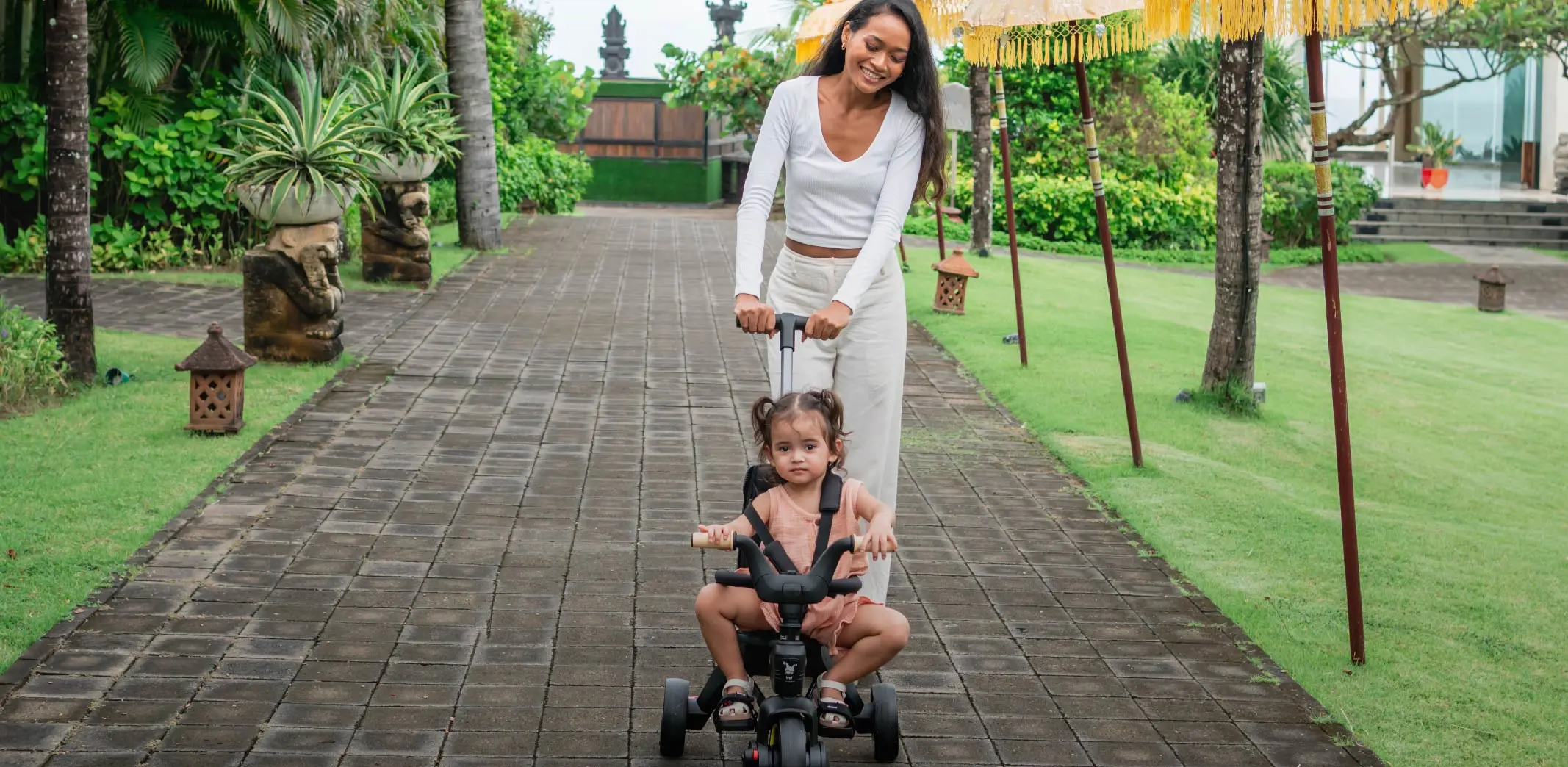
Many modern tricycles include a parent push handle, sun canopy, and storage basket.
Credit: www.doona.com
Tricycles with a parent push handle — often called push-bikes or parent-steered trikes — give toddlers the thrill of "riding" while you keep full control from behind. The child pedals as they grow, and the push handle lets you steer, brake, and even push them along when little legs get tired.
These work best from around 12 months to 4 years, depending on the model. Some fold compactly for a car trip; others recline, so a tired toddler can nap mid-outing. The trade-off is that ride-ons are bulkier than carriers and tend to be heavier to push than a stroller. But for toddlers who fight the stroller, a trike can turn a tantrum into the highlight of the day.
Shopping Trolleys and Errand Solutions

An all-in-one trolley keeps a baby child-friendly seat on the front and groceries in the basket.
Credit: www.amazon.com
Shopping trolleys with an integrated child seat are a clever way to tackle errands without a stroller. You push one unit that carries your baby, your groceries, and your reusable bags. It's essentially a cart and a seat in one.
Convenience for Errands
These trolleys shine in supermarkets, farmers markets, and big-box stores. Your baby sits up front facing you, so they can see you and watch the world go by — often far happier than in a stroller angled away from the action. Your hands stay free to load produce, check items off a list, or pay at the counter.
Space and Storage
Most trolleys fold flat when empty, so they tuck into a closet or car boot without hassle. Storage baskets sit below the seat or behind it, keeping your shopping organised and off the floor. They're not designed for long outdoor walks or rough terrain — think of them as the ultimate errand companion rather than a full stroller replacement.
DIY and Innovative Solutions
Not every stroller alternative needs to be bought off the shelf. A few clever options let you adapt what you already own — but only if you approach them carefully.
Homemade Carriers
Some parents make their own slings or wraps from printed fabric or an old bed sheet. A well-sewn ring sling or a properly tied wrap can work in a pinch, especially at home.
The caveat is serious: a poorly made carrier can put your baby in a dangerous position or fail under load. Use a tested sewing pattern, reinforce every seam, and check the fabric weight before trusting it with your child. If in doubt, a budget-friendly manufactured wrap or sling costs little and removes the risk entirely.
Multipurpose Equipment
Multipurpose gear does double duty. Hiking backpacks with built-in child seats, like those from Osprey or Deuter, carry a toddler on your back and still hatch storage for snacks, water, and spare layers. Convertible travel wagons work as a stroller, a picnic cart, and a beach buggy in one.
Look for lightweight, washable items with age- and weight-appropriate safety ratings. The aim is to own less while doing more — not to stack extra gear into your hallway.
Choosing the Right Option

For city families, a carrier or compact wagon can replace a stroller entirely on most days.
Credit: transalt.org
There's no single right answer, but a few key questions narrow the field quickly.
Age and Weight Considerations
Newborns: wraps, slings, and travel systems are easiest. Between 3 and 6 months, once your baby has solid head control, SSCs, meh dais, and the first jogs (with doctor approval) all become possible. At 12 months, bike trailers and many ride-ons open up. And toddlers who can walk still need somewhere to rest — that's where wagons and trolleys shine.
Always check the weight limits. A carrier that worked beautifully at 15 pounds can feel exhausting at 25 pounds if the design doesn't distribute weight well. The same applies to trolleys, trikes, and trailers.
Lifestyle and Activity Level
Your routine matters more than any of these options. Commuting by public transport? A soft carrier or compact travel system wins. Weekend trail runs? A jogging stroller or bike trailer. Weekly supermarket trips? A trolley or wagon. Frequent travel? Foldable, lightweight gear is non-negotiable.
These day-to-day choices also affect what you pack: any alternative — especially a carrier — means carrying your own supplies. Keep a spare pair of socks and extra cloth diapers for outings in whatever bag you tote, and you'll rarely feel the lack of pram storage. If the weather turns, be ready to adjust your plan: layering for chilly strolls keeps your baby comfortable without an extra blanket bundle.
Quick Comparison Table
| Option | Best For | Typical Age Range | Key Trade-off |
|---|---|---|---|
| Wraps & slings | Newborns, short trips | 0–12 months | Steep learning curve |
| Soft structured carriers | All-day walks, travel | 0–3 years | No storage space |
| Travel systems | Car-first outings | 0–2 years | Car seat is bulky |
| Jogging strollers | Active parents, trails | 6 months+ | Heavy and wide |
| Bike trailers | Cycling families | 12 months+ | Needs a helmet & a bike |
| Tricycles / ride-ons | Toddlers who want to ride | 1–4 years | Bulky to store |
| Shopping trolleys | Errands and markets | 6 months+ | Not for rugged terrain |
| Convertible wagons | Park, beach, multiple kids | 12 months+ | Harder to steer on pavement |
When a Stroller Still Makes Sense
Here's an honest counterpoint: sometimes a stroller is exactly the right tool. It offers weather protection, an easy napping station, generous storage, and a stable seat for multiple children.
The key is to treat a stroller as one option in your parenting toolkit — not a daily obligation. If you own a full-size model and want it on hand without the hassle, learn the correct way to keep it compact, like folding a stroller into compact shape for the trunk, and you can use it only when the situation genuinely calls for it.
Many families eventually settle on two options: one for everyday errands (a carrier, wagon, or trolley) and one for outings where a pram is genuinely easier — a wide family hike, a rainy day, or an airport marathon.
Frequently Asked Questions
Are there any alternatives to using a stroller for a newborn? Yes. Wraps, slings, and soft structured carriers designed for newborns are excellent options. They keep your baby close, support proper positioning, and work well in crowded spaces. Travel systems that convert from car seat to stroller frame are another strong choice.
Can a baby carrier fully replace a stroller? For many parents, yes — especially for everyday errands and short walks. But for long outings, older or heavier toddlers, or situations where you need lots of storage, a carrier may not be enough. Most families combine a carrier with a stroller or wagon.
Are wagons safe for babies? Wagons are popular, but they're not all created equal. Look for a model with a five-point harness, sturdy brakes, and a stable wheelbase. Avoid tipping risks by following weight limits and using the harness on every ride, even in the driveway.
Are bike trailers safer than bike-mounted child seats? In general, trailers are considered safer because a crash would have to hit the trailer itself. They also protect from weather and debris. The two essential rules: always fit a properly sized helmet, and never exceed the manufacturer's speed and weight ratings.
What's the cheapest stroller alternative? A basic ring sling or stretchy wrap is usually the most affordable option, often costing a fraction of a stroller. If you're handy, a well-made homemade carrier can cost next to nothing — but always verify the construction before using it with your child.
How do I help my toddler transition away from the stroller? Start with short, appealing trips. A tricycle or ride-on lets your toddler feel in control. Carry them when they're tired, and save the stroller for long or stressful outings. Consistency helps — within a few weeks, many toddlers stop asking for it entirely.
Conclusion
Deciding between a stroller and an alternative comes down to your daily routine, your baby's age, and your comfort. Baby carriers build closeness and let you move freely. Wagons and shopping trolleys add storage without bulky frames. Jogging strollers and bike trailers bring fitness into parenthood. And tricycles turn a simple walk into an adventure for a growing toddler.
Each option has real trade-offs, and no single alternative works perfectly every day. Try one for a weekend: borrow a friend's carrier, rent a wagon, or take a trike to the park. A two-hour outing will tell you more than any guide can. And once you find the option that makes leaving the house feel effortless — well, you'll wonder why you ever wrestled with the pram in the first place.

Emma Grace is a devoted mother and passionate content writer at BestBabyCart.com. With firsthand parenting experience and a love for research, she creates helpful guides and honest reviews to support parents in choosing the best for their babies. Her goal is to make parenthood easier, one article at a time.