
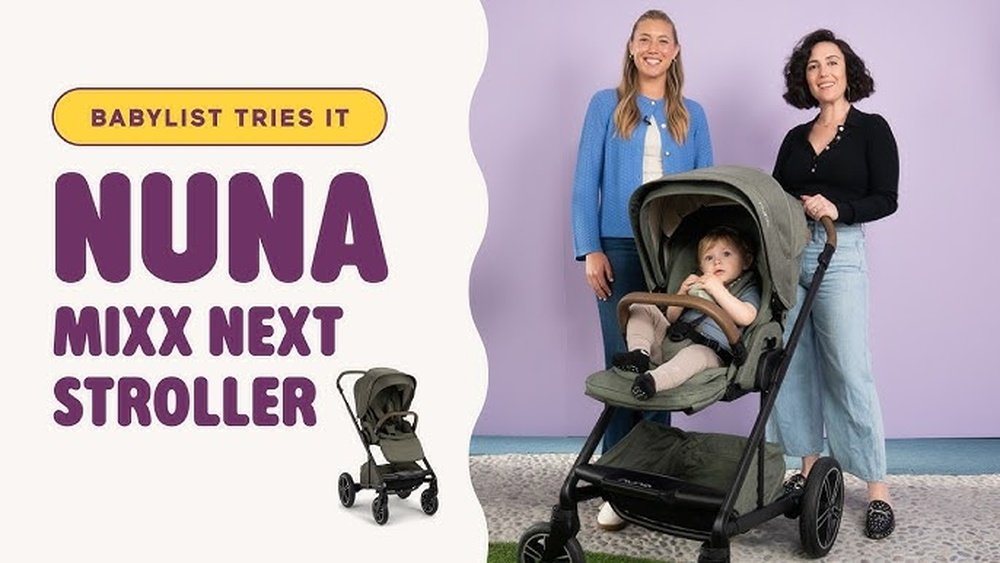
Standing in the baby gear aisle staring at a $50 umbrella stroller and a $900 all-terrain travel system, it’s normal to wonder: is a stroller actually worth the money, or is it just overpriced marketing hype? For most families, the answer depends on your lifestyle, budget, and how often you’ll use the stroller. A well-chosen stroller reduces physical strain, keeps your baby safe and comfortable on outings, and can last for years — but a poorly chosen one will collect dust in your closet and waste hundreds of dollars. This guide cuts through the marketing to give you honest, practical guidance to decide if a stroller is a smart investment for your family, and how to pick the right one if you do.
The Tangible Benefits of a Stroller
A stroller is more than just a way to move your baby around — it’s a tool that simplifies daily life for both parents and children, with benefits that go far beyond convenience.
Reduced Physical Strain for Parents
Carrying a 15-25 lb toddler for even 30 minutes can cause upper back, shoulder, and wrist strain, especially for parents recovering from birth or managing multiple children. A stroller eliminates that strain, letting you carry groceries, hold a second child’s hand, or push a cart at the store without worrying about your baby’s safety. For solo parents or caregivers with mobility issues, a stroller is often a non-negotiable tool for independent outings. A common mistake first-time parents make is assuming babywearing is a full replacement for a stroller, but carriers can cause long-term strain for parents with pre-existing back pain, especially on long walks or hot days.
Safety and Comfort for Infants
All strollers sold in the US must meet minimum safety standards set by the CPSC stroller safety standards, including secure 5-point harnesses, stable frames to prevent tipping, and brake locks that engage reliably on slopes. High-quality strollers add features like shock-absorbing suspension to prevent head bobbing on rough surfaces, UPF 50+ canopies that block 98% of UV rays, and adjustable recline positions that let babies nap safely on the go. The American Academy of Pediatrics recommends only using strollers with a fully flat recline for infants under 6 months, as their neck muscles are not developed enough to support upright sitting per AAP stroller safety guidelines.
Versatility for Every Lifestyle
From navigating crowded subway stairs to hiking gravel trails, the right stroller adapts to your routine. Lightweight umbrella strollers fit in airplane overhead bins and tight restaurant aisles, while all-terrain jogging strollers handle sand, mud, and cobblestones without jostling your sleeping baby. Full-size strollers have large under-seat baskets that fit a standard diaper bag, making them ideal for day trips or errands that require carrying extra gear. Pair a stroller with a weather-appropriate canopy to keep your little one comfortable, even when you're running errands in cold weather and need to layer their clothing correctly.
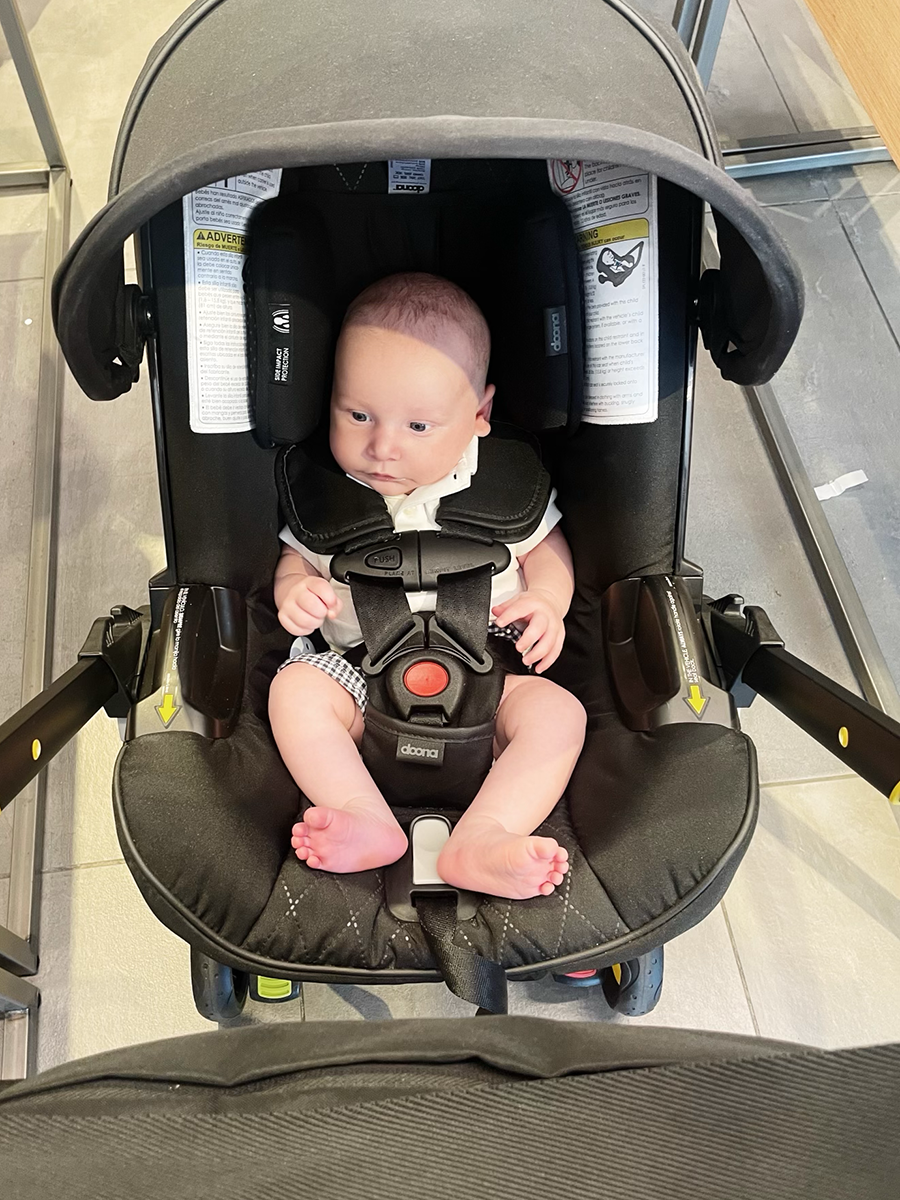 This all-in-one car seat stroller combo eliminates the need for separate infant car seat and stroller adapters for families who travel frequently by car.
Credit: www.danielle-moss.com
This all-in-one car seat stroller combo eliminates the need for separate infant car seat and stroller adapters for families who travel frequently by car.
Credit: www.danielle-moss.com
Common Stroller Types and Who They’re For
Strollers are designed for specific use cases, so choosing the right type for your routine will make the purchase feel far more worth the cost.
Full-Size (Standard) Strollers
Full-size strollers are the most common choice for primary daily use, with sturdy frames, large storage baskets, and compatibility with most infant car seats for travel system setups. They have weight limits of 50-65 lbs, meaning they can be used from birth until your child is 3-4 years old, and most last 4-6 years with proper care. They’re ideal for families who drive most places, need to carry a full diaper bag and extra gear, and use the stroller for daily walks or errands.
Lightweight/Umbrella Strollers
Weighing under 15 lbs and folding to carry-on size, these strollers are perfect for city dwellers who use public transit, frequent travelers, or families who need a second stroller for grandparents’ cars. The tradeoff is minimal suspension and limited storage, so they’re less comfortable for long walks on rough terrain or carrying heavy gear. Most have weight limits of 35-40 lbs, so they’re best for occasional use or children over 12 months who can sit upright unassisted.
Jogging Strollers
Designed for active parents, jogging strollers have a 3-wheel design, air-filled tires, and a lockable front wheel for stability at high speeds or on uneven trails. They meet additional safety standards for jogging use, and many have adjustable handlebars to fit parents of different heights. They’re worth the higher cost if you regularly run, hike, or walk on gravel, dirt, or cobblestone paths, as their suspension prevents jostling that can disturb a sleeping baby.
Double and Multi-Child Strollers
Available in side-by-side or tandem designs, these strollers are built for twins or siblings less than 2.5 years apart. Side-by-side models offer equal access and visibility for both children, and fit through standard doorways, while tandem models are narrower and better for tight city spaces. Most have weight limits of 50 lbs per seat, so they can be used for 3-4 years for twins.
 Side-by-side double strollers are ideal for twins or siblings close in age, offering equal access and visibility for both children.
Credit: themomedit.com
Side-by-side double strollers are ideal for twins or siblings close in age, offering equal access and visibility for both children.
Credit: themomedit.com
Critical Features to Prioritize
Not all stroller features are worth paying for. Focus on these non-negotiable elements to ensure you get long-term value for your money.
Weight and Portability
If you live in a walkup apartment, use public transit, or travel frequently, opt for a stroller under 20 lbs that folds compactly enough to fit in your car trunk or overhead bin. Test folding the stroller one-handed: a common pain point for parents is a stroller that requires two hands to fold, which is impossible when you’re holding a wiggly toddler or a bag of groceries. If you opt for a popular full-size model like the Uppababy Vista, learning how to fold it efficiently can cut down setup time by half during travel.
Build Quality and Durability
Look for strollers with rust-resistant aluminum frames, reinforced wheels, and a 5-point harness (the only harness type recommended by safety experts to prevent ejection in a tip-over). Fabric should be machine-washable, as spills and diaper leaks are inevitable. A well-built stroller will last 4+ years with regular use, and can be resold for 30-50% of its original price once your child outgrows it, offsetting much of the initial cost.
Adjustable Recline and Harness
For newborns and infants under 6 months, a fully flat recline is non-negotiable to prevent slouching, which can restrict breathing. Look for strollers with at least 3 recline positions to accommodate naps on the go. The harness should be adjustable with no gaps between the strap and your child’s chest, and should grow with your child so you don’t need to replace the stroller as they get bigger.
Storage and Accessories
An under-seat basket that fits a standard diaper bag is a must for most parents, as it eliminates the need to carry a separate bag on your shoulder. Look for parent trays with cup holders, peek-a-boo windows on the canopy to check on your baby without stopping, and included rain covers to avoid extra costs later. If you use cloth diapers, you’ll need extra storage for soiled diapers until you can get home, which is a key factor to consider when comparing annual cloth diaper usage to the stroller's basket size. Opt for strollers with non-toxic, machine-washable fabric; if you prefer patterned designs, you can verify chevron pattern safety for babies before purchasing to avoid fabrics with harmful dyes.
Cost vs. Value: Is a Stroller Really Worth the Investment?
The upfront cost of a stroller can feel steep, but evaluating long-term value will help you decide if it’s a smart purchase for your family.
Price Ranges and What to Expect
- Budget (Under $100): Basic umbrella strollers with minimal suspension and 35 lb weight limits. These are suitable for occasional use, travel, or as a second stroller for grandparents, but they often wear out after 1-2 years of regular use and lack the comfort for long walks. They’re a good value only if you’ll use them less than once a week.
- Mid-Range ($100-$300): Full-size or premium lightweight strollers with better suspension, 5-point harnesses, 50+ lb weight limits, and large storage baskets. These offer the best value for most families, lasting 4-5 years with regular care and working for daily errands, walks, and travel.
- Premium ($300+): All-terrain, jogging, or luxury travel systems with advanced suspension, car seat compatibility, extended warranties, and 65 lb weight limits. These are worth the cost only if you need specialized features (e.g., trail use, frequent air travel) or plan to use the stroller for multiple children, as they can last 6+ years and resell for 40-50% of their original price.
Long-Term Value Beyond the Price Tag
A good stroller eliminates the need to buy multiple strollers over your child’s first 3 years, saving you hundreds of dollars in replacement costs. It also reduces the physical strain of carrying your child, which can prevent chronic back pain that requires expensive physical therapy later. For families who plan to have more children, a high-quality stroller can be used for 2-3 kids, dropping the per-child cost to less than $100.
Hidden Costs to Budget For
Don’t forget to factor in extra costs: car seat adapters (if not included with the stroller, $20-$50), rain/wind covers ($15-$30), travel bags for air travel ($30-$60), and replacement parts like wheels or harnesses ($10-$25 each). These can add $50-$150 to the total cost, so include them in your budget when comparing models.
When a Stroller Might Not Be Worth the Money
A stroller isn’t a necessary purchase for every family. It may not be worth the cost if:
- You live in a 3rd floor walkup and rarely leave the house with your baby, making a baby carrier more practical for occasional outings.
- Your child is over 12 months old, walks well for short distances, and you only need a stroller for occasional long outings (a lightweight umbrella stroller is a better low-cost option here).
- You have an extremely limited budget: a well-vetted secondhand stroller from a trusted seller is a far better value than a cheap new model that lacks safety certifications and will break within a year.
Alternatives to Strollers
If a stroller doesn’t fit your lifestyle, these alternatives offer similar functionality for different use cases.
Baby Carriers and Wraps
Lightweight and hands-free, carriers and wraps are ideal for crowded spaces, uneven terrain, or short outings where a stroller would be cumbersome. They promote bonding and let you keep your baby close, but they can cause physical strain for parents with back or shoulder issues, and are not ideal for hot weather or babies over 25 lbs. For many families, a carrier is a great supplement to a stroller, not a full replacement.
Wagon Strollers
Wagon strollers are more stable than umbrella strollers and can carry multiple children plus gear, making them perfect for trips to the park, beach, or farm. They have higher weight limits (up to 75 lbs total) and large, all-terrain wheels, but they’re bulkier and harder to fold than traditional strollers, so they’re not ideal for city living or small storage spaces.
Secondhand Strollers
Buying a secondhand stroller from a trusted friend, parent group, or resale site can cut costs by 50-70% compared to new models. Always check for CPSC stroller recalls before purchasing, inspect the frame for cracks or rust, and test the brakes and harness to ensure they work properly. Many high-quality strollers last 5+ years, so a 2-year-old secondhand model can still have 3+ years of use left.
How to Choose the Right Stroller for Your Family
Follow these steps to avoid buyer’s regret and pick a stroller that fits your needs and budget.
Step 1: Map Your Daily Use Cases
List where you’ll use the stroller 90% of the time: smooth city sidewalks? Rough hiking trails? Air travel? Car trunk space? Public transit? This narrows down options fast. For example, if you fly 4+ times a year, a carry-on compatible lightweight stroller is non-negotiable. If you live in a rural area with dirt roads, an all-terrain jogging stroller is a better investment than a lightweight umbrella model. Many parents rely on stroller naps for little ones with early bedtimes; for tips on balancing outings with your baby's sleep schedule, check out guidance for balancing errands with early naps.
Step 2: Test Before You Buy
Push the stroller around the store to test maneuverability: can you turn it easily in tight spaces? Do the brakes engage smoothly? Test folding it one-handed, simulating holding a child or a bag at the same time. If buying online, order from a retailer with a free return policy so you can test it in real life (in your car trunk, on your local sidewalk) before committing.
Step 3: Check Safety Certifications
Look for ASTM F833 (US) or EN 1888 (EU) certification to ensure the stroller meets minimum safety requirements. Avoid no-name strollers from unregulated marketplaces, as they may use hazardous materials or have weak frames that pose tipping risks.
Step 4: Factor in Long-Term Needs
If you plan to have more children, opt for a stroller with a 50+ lb weight limit and car seat compatibility to avoid buying a new one later. If you have limited storage space, prioritize a compact folding model that can fit in a closet or under a bed.
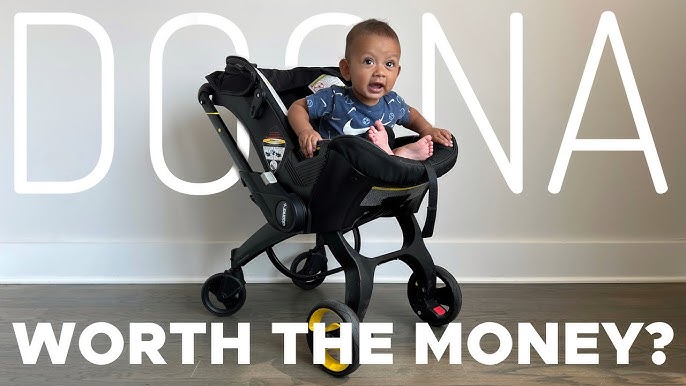 Jogging strollers feature lockable front wheels and air-filled tires for a smooth, stable ride on rough terrain during active outings.
Credit: www.youtube.com
Jogging strollers feature lockable front wheels and air-filled tires for a smooth, stable ride on rough terrain during active outings.
Credit: www.youtube.com
Common Mistakes to Avoid
Even experienced parents make these stroller purchasing mistakes, leading to wasted money and frustration.
Ignoring Safety Recalls
Stroller recalls happen regularly due to issues like faulty brakes or choking hazards; always check the CPSC recall lookup tool before purchasing any model, new or secondhand. A recent recall of over 1 million strollers due to faulty harness buckles highlights the risk of skipping this step.
Prioritizing Style Over Function
A stroller with a designer logo may look great in Instagram photos, but if it lacks a 5-point harness, adequate suspension, or a weight limit that fits your child’s age, it’s not worth the cost. Focus on features that match your daily needs first, and style second.
Overlooking Weight Limits
Many parents buy a stroller with a 35 lb weight limit, only to need to replace it when their toddler hits 3 years old. Opt for a 50+ lb limit if you want to use the stroller for 3+ years, which saves money long-term.
Skipping a Test Fold
A stroller that’s impossible to fold one-handed is a nightmare for solo parents. Test folding it while holding a bag (to simulate holding a child) before buying to avoid frustration later.
Frequently Asked Questions
Is buying a stroller a good investment for most families?
For 90% of families with infants or toddlers, yes. A stroller reduces physical strain, enables daily outings that support parental mental health and child development, and lasts 3+ years with proper care. It’s only not worth it for families who rarely leave the house with their baby, or have very limited storage and budget.
What features make a stroller worth the price?
Non-negotiable features that justify cost: ASTM/EN safety certification, 5-point harness, adjustable recline for newborns, durable frame, and maneuverability that matches your environment (e.g., all-terrain wheels for hiking, compact fold for city living). Extras like parent trays or rain covers add value but aren’t required for core functionality.
Are expensive strollers better than budget options?
Not always. A $150 mid-range stroller will meet all safety and comfort needs for most families. Premium strollers (over $300) are worth the cost only if you need specialized features (e.g., all-terrain suspension for frequent trail use, car seat compatibility for frequent travel) or plan to use it for multiple children. Cheap strollers under $50 often lack safety certifications and have short lifespans, making them a poor value long-term.
How long does a good stroller last?
A well-cared for mid-range or premium stroller lasts 4-6 years, or until your child outgrows the weight limit (usually 50-65 lbs). Many parents resell them for 30-50% of the original price once their child no longer needs it, offsetting the initial cost.
Can I use a stroller for a newborn?
Only strollers with a fully flat, lie-flat recline are safe for newborns under 6 months, as their neck muscles are not strong enough to hold their head upright. If you want to use a stroller with an infant car seat, ensure the stroller is compatible with your car seat model and uses a secure attachment system to avoid tipping. For parents managing early baby sleep schedules, guidance for managing early sleep schedules can help you plan outings around your little one’s needs.
Final Verdict: Is a Stroller Worth It for You?
For most families, a stroller is a worthwhile investment that simplifies daily life, keeps your baby safe, and lasts for years. The key to getting value is to choose a stroller that matches your specific lifestyle, not the most expensive model with the most marketing hype. If you only use a stroller once a month for short trips, a budget umbrella stroller is more than enough. If you’re an active family that travels frequently or has multiple young children, a mid-range or premium full-size stroller will pay for itself in convenience and longevity over time.
Before you buy, list your top 3 daily use cases, test a few models in person, and prioritize safety certifications and weight limits over extra features. A well-chosen stroller will be one of the most used pieces of baby gear you own, making the cost well worth it for years to come.

Emma Grace is a devoted mother and passionate content writer at BestBabyCart.com. With firsthand parenting experience and a love for research, she creates helpful guides and honest reviews to support parents in choosing the best for their babies. Her goal is to make parenthood easier, one article at a time.