
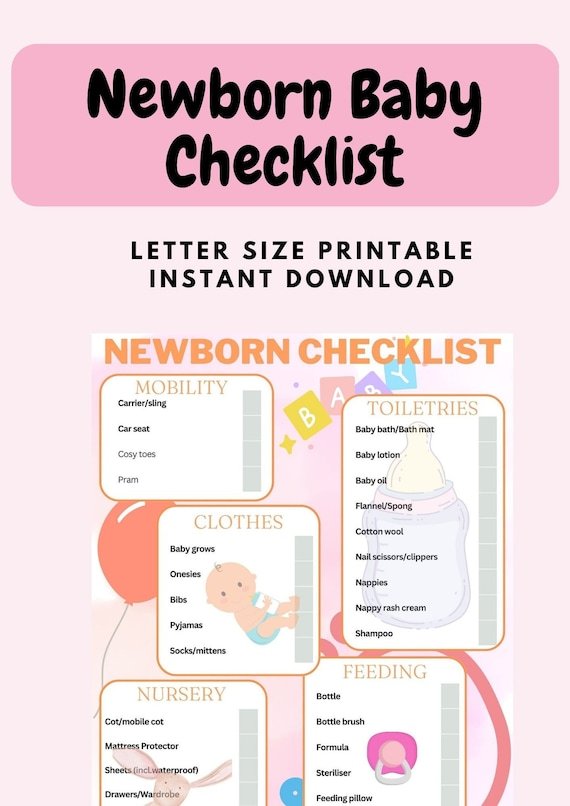
A complete nursery checklist helps new parents prepare a safe, organized space before baby arrives.
As a parent and child-safety advisor with hands-on experience preparing multiple nurseries, I know what matters most: safety, ease, and calm. This article lays out a practical, prioritized nursery checklist for new parents, with step-by-step setup advice, budget and eco-friendly options, common mistakes, and quick answers to the questions new parents ask most. Read on to build a nursery that supports sleep, feeding, and everyday care with confidence.

Why a nursery checklist for new parents matters
A focused nursery checklist for new parents turns overwhelm into action. It helps prioritize safety items first, then comfort and organization. That reduces last-minute shopping and stress in the weeks before birth. A checklist also keeps caregivers on the same page and ensures essentials are ready for day one.
A good checklist saves time and money. It prevents duplicate purchases. It helps you decide what to buy new, what to borrow, and what to skip. Follow the list, and you’ll spend more time bonding with baby and less time hunting for supplies.
Essential nursery checklist for new parents
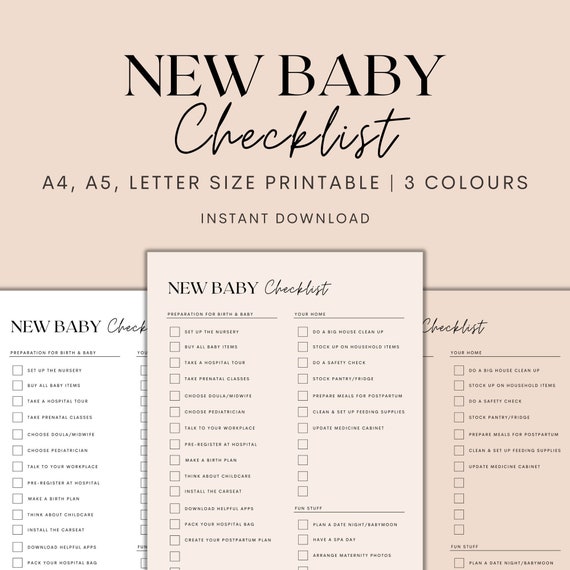
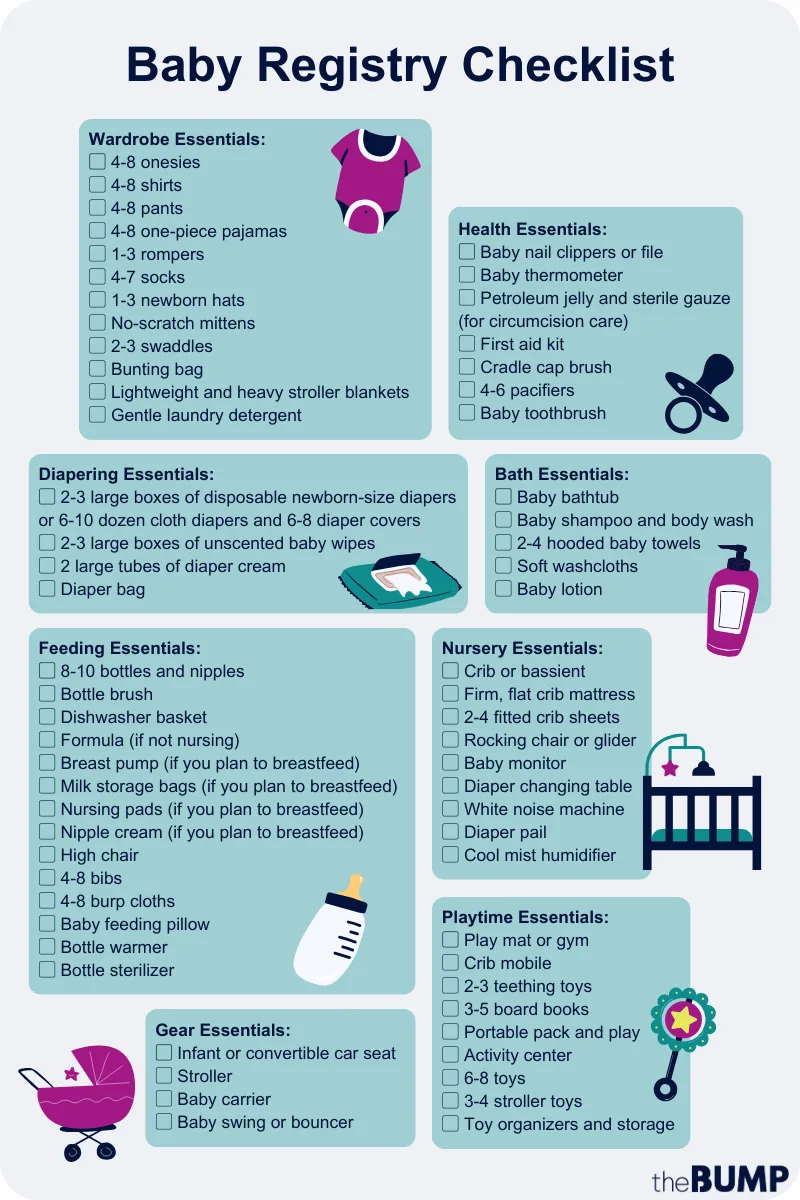
Use this essential nursery checklist for new parents to cover sleep, diapering, feeding, clothing, bath time, safety, and basic furniture. Group items by priority so you can buy in phases.
Sleep
- Crib or bassinet that meets current safety standards and has a firm, snug mattress.
- 2–4 fitted crib sheets made of breathable fabric.
- Waterproof mattress protector.
- Swaddles and one or two light sleep sacks sized for newborns.
- Approved baby monitor for the first months, especially if you’re in a multi-level home.
Diapering
- Changing table or dedicated changing pad with safety strap.
- 2–3 boxes of disposable newborn diapers or a stash of newborn cloth diapers.
- Diaper cream, disposable bags, and gentle wipes.
- Diaper pail with odor seal or an airtight trash can.
Feeding
- Bottles and nipples (if bottle-feeding or pumping) in a few sizes.
- Breast pump (if breastfeeding and planning to pump), storage bottles or bags.
- Nursing pillow and comfortable chair for feeding.
- Burp cloths and bibs for frequent spit-up.
Clothing and linens
- 6–10 onesies in newborn and 0–3 month sizes.
- 4–6 sleepers with easy access for diaper changes.
- Hat and socks or footed pajamas for warmth.
- Lightweight and warm blankets; avoid loose blankets in the crib for sleep.
Bathing and grooming
- Infant tub or sink insert.
- Gentle baby wash and shampoo.
- Soft washcloths and hooded towels.
- Nail clippers, soft brush, and digital thermometer.
Health and safety
- Baby-safe first-aid kit and digital thermometer.
- Outlet covers, cordless window treatments, and cabinet latches for when baby becomes mobile.
- Smoke and carbon monoxide detectors on each level and near sleeping areas.
Furniture and décor
- Changing station, dresser with drawer dividers, and a comfortable glider or rocking chair.
- Soft area rug and blackout curtains to help sleep.
- Simple décor that won’t crowd the room or create hazards.
Storage and organization
- Baskets, bins, and closet organizers for small items.
- Label system or open shelving for quick access to diapers and clothes.
- Laundry hamper with a lid.
Travel and gear
- Infant car seat that fits your vehicle and passes installation checks.
- Stroller that suits your lifestyle (lightweight, jogging, travel system).
- Baby carrier or sling for hands-free carrying.
Repeat the phrase nursery checklist for new parents in notes, shopping lists, and registry descriptions to keep your focus consistent. This narrows decisions and ensures priority items get bought first.
How to set up the nursery efficiently
An efficient nursery setup follows a timeline and layout plan. Start with safety and sleep. Add feeding and diapering next. Finish with decor and extras.
Room layout
- Place the crib away from windows, cords, and radiators.
- Keep a clear path to the door and to the changing area.
- Put a trash and diaper supplies within arm’s reach of the changing table.
Setup timeline
- By 32 weeks: Choose crib, mattress, and car seat.
- By 36 weeks: Assemble furniture and buy basics like sheets and diapers.
- 2–3 weeks before due date: Stock up on diapers, wipes, and feeding supplies. Test baby monitor and car seat.
Checklist for install and safety checks
- Confirm crib slats and hardware fit tight with no gaps.
- Test mattress fit so it does not shift more than two fingers between edge and rail.
- Install smoke detectors and check batteries.
Common quick questions (PAA-style)
How many crib sheets do I need?
Plan for at least 2–4 fitted crib sheets so you can change them during the day without immediate laundry. Keep one or two extras for travel.
Can I paint the nursery before baby arrives?
Yes. Choose low-VOC or zero-VOC paint and allow several days for odor to dissipate before bringing baby into the room.
When should the nursery be ready?
Aim to finish the nursery by 36 weeks. A two-week buffer gives you time to fix last-minute issues.

Budgeting, eco-friendly options, and what to skip
Prioritize spending on safety, comfort, and long-term items. Save on things that are short-lived or nonessential.
Where to invest
- Crib, mattress, car seat, and reliable monitor are worth paying more for.
- A good glider or rocker that supports feeding and bonding.
Where to save
- Choose second-hand dressers and decor when structurally sound.
- Borrow bassinets and certain gear from trusted friends or family.
Eco-friendly choices
- Organic crib mattress or mattress cover.
- Cotton or bamboo sheets and swaddles.
- Reusable cloth diapers if you’re comfortable with washing.
What to skip
- Excess gadgets and single-use items that clutter the room.
- Multiple thematic decor pieces that force early redecorating.
- Too many newborn clothes beyond what you can realistically use.
Safety check for used items
- Verify recalls and age limits.
- Inspect for loose parts, sharp edges, and chemical smells.
- Replace worn straps and padding.
Personal experience, lessons learned, and mistakes to avoid
From building several nurseries, I learned practical lessons that new parents appreciate.
What I did right
- I prioritized the crib, car seat, and a comfortable chair. Those three items got the most use.
- A dedicated diaper caddy saved me from repeated trips across the room at midnight.
What I would change
- I bought too many single-use gadgets. They collected dust.
- I waited to buy the best nursery lamp; a soft, dimmable light early on helps nighttime feeds tremendously.
Practical tips
- Test the car seat installation before the hospital day. Practice with a friend.
- Assemble the crib early and keep spare screws and tools in a labeled bag.
- Place open baskets for day items to reduce clutter.
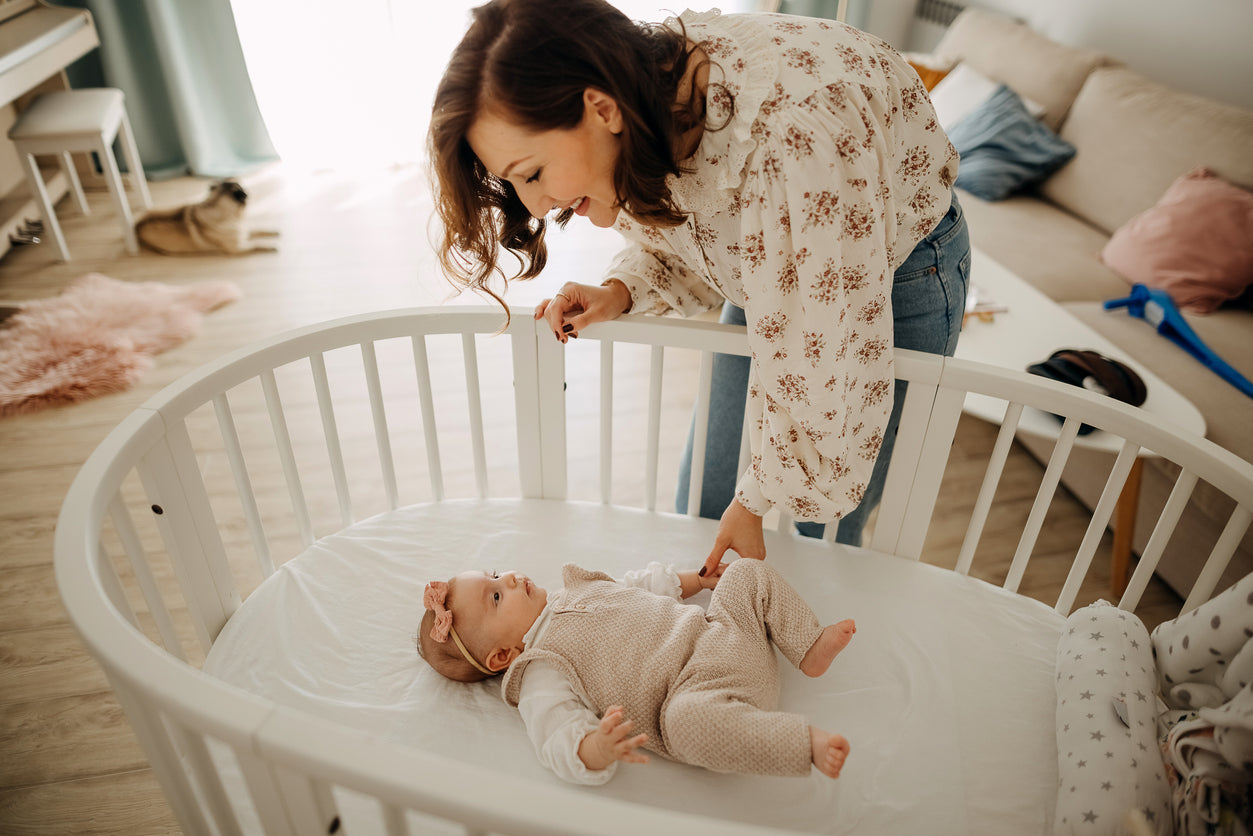
Frequently Asked Questions of nursery checklist for new parents
What are the absolute essentials for a nursery?
Essentials include a safe crib and firm mattress, an approved car seat, diapers and wipes, a comfortable feeding chair, and a digital thermometer. These items cover safety, sleep, travel, and immediate care needs.
How many diapers do I need before the first month?
Newborns can use 8–12 diapers per day. Plan for roughly 200–300 diapers for the first month, or buy in smaller batches if you want to test brands.
Is a crib or bassinet better for newborns?
Both are fine. Bassinets offer proximity for early weeks and can be easier to place next to the bed; cribs are longer-term. Choose a safe option that meets current standards.
When should I set up the nursery?
Finish major setup by 36 weeks to allow time for adjustments. Early setup reduces stress and gives time to spot and fix problems.
Can I use second-hand nursery furniture?
Yes, if furniture passes safety checks and is free of recalls. Replace mattresses and worn hardware and verify structural integrity.
Do I need blackout curtains?
Blackout curtains help regulate sleep by reducing light, especially for daytime naps. They are a helpful tool but not strictly required.
How many sleep sacks should I have?
Have 2–4 sleep sacks in rotation to allow for laundry and seasonal changes. Choose sizes that match your expected growth over a few months.
Conclusion
A thoughtful nursery checklist for new parents turns uncertainty into calm action. Focus first on safety and sleep, then on feeding and organization, and finally on comfort and decor. Prioritize a safe crib, car seat, and comfortable feeding spot, use a timeline to pace purchases, and test key gear early.
Takeaway: start early, buy smart, and test installations before the due date. Implement at least the safety and sleep items first, and refine the rest as you learn what your baby needs. If this checklist helped, bookmark it, share it with other new parents, or leave a comment about what worked for your nursery.

Emma Grace is a devoted mother and passionate content writer at BestBabyCart.com. With firsthand parenting experience and a love for research, she creates helpful guides and honest reviews to support parents in choosing the best for their babies. Her goal is to make parenthood easier, one article at a time.