Can Diapers Go Bad

Can Diapers Go Bad: Unveiling the Hidden Truths

Have you ever opened an old pack of diapers and wondered if they’re still good to use? You might be surprised to know that diapers, just like any other product, have a shelf life.

Understanding whether diapers can go bad is essential for parents and caregivers who rely on them daily. Imagine the peace of mind you’d gain from knowing whether your stored diapers are fresh or if it’s time to stock up on new ones.

You’ll discover the signs of diaper expiration, factors that impact their longevity, and how to store them for maximum freshness. Stay with us to ensure your little one gets the comfort and protection they need.

Can Diapers Go Bad: Unveiling the Hidden Truths

Credit: www.instagram.com

Shelf Life Of Diapers

Have you ever wondered if diapers have a shelf life? It might sound strange, but like many products, diapers can actually go bad over time. Whether you’re stocking up for your little one or saving some for future use, understanding the shelf life of diapers can save you from unexpected surprises. Let’s dive into the details and see how long you can expect your diapers to last.

Diapers generally have a shelf life of around 2-3 years. This timeframe is based on maintaining their absorbency and material integrity. However, this doesn’t mean they won’t last longer; it’s just a guideline for optimal use.

Think about how your baby’s comfort depends on the diaper’s condition. If you’ve ever found an old pack in the back of your closet, you might notice it feels different. The elastic might be less stretchy, or the material could be brittle. These changes can affect how well the diaper fits and functions.

Factors Affecting Shelf Life

Storage conditions play a huge role in how long diapers remain usable. Humidity is a big enemy. Moisture can lead to mold or degrade the diaper material. Keep them in a dry place to extend their life.

Temperature matters too. Extreme heat can cause the diapers to lose elasticity. You might find that they don’t fit snugly anymore, leading to leaks. Store them at room temperature whenever possible.

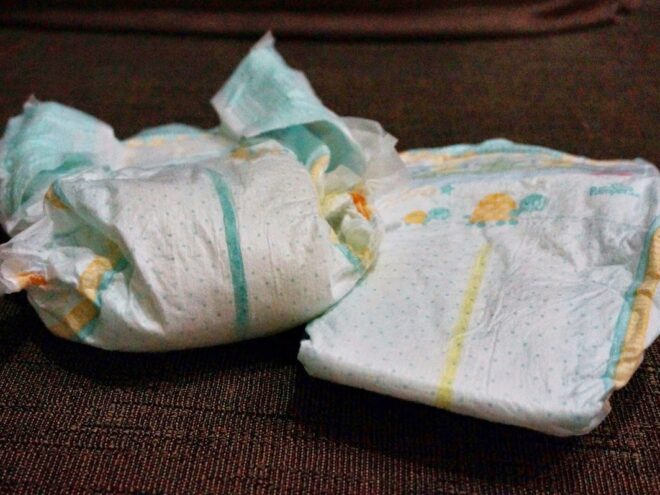
Visual changes are a clear indicator. If the diapers appear discolored or have a strange odor, they might be past their prime. It’s a sign that they may not be safe or effective for use.

The fit can be a giveaway as well. An expired diaper might not hug your baby’s body as it should, potentially leading to discomfort or leaks. You might find yourself changing diapers more often, which can be frustrating.

Practical Tips For Storage

Consider using airtight containers for storage. This keeps out moisture and helps maintain the diaper’s condition. Large ziplock bags can also be handy for smaller quantities.

Organize and label your diaper stash by date. This helps you keep track of their age and ensures you’re using the freshest ones first. It’s a simple way to ensure your baby gets the best comfort and protection.

Should You Use Expired Diapers?

Using expired diapers isn’t recommended, but it’s not the end of the world if you do. Just keep an eye on how they perform. Are they absorbing well? Is your baby comfortable? These are questions worth asking.

After all, the diaper’s effectiveness directly impacts your baby’s happiness. If you notice any issues, it might be time to grab a new pack. Don’t compromise on quality when it comes to your baby’s needs.

Ultimately, understanding the shelf life of diapers empowers you to make smarter choices. Have you checked your diaper stash lately? You might just find a hidden gem—or realize it’s time for a refresh!

Can Diapers Go Bad: Unveiling the Hidden Truths

Credit: www.healthline.com

Factors Affecting Diaper Longevity

Diaper longevity depends on material quality, storage conditions, and time since manufacture. Exposure to heat and moisture can degrade their effectiveness. Properly stored, they last longer.

Diapers are a staple in every parent’s life, ensuring comfort and hygiene for their little ones. However, have you ever wondered if diapers can go bad? Factors affecting diaper longevity are crucial to understand, especially if you’re stockpiling for convenience or cost savings. Let’s dive into what influences the lifespan of diapers and how you can ensure they remain effective when you need them most.

Material Composition

The type of material used in diapers plays a significant role in their longevity. Diapers are typically made from a combination of absorbent polymers and fabrics. While these materials are durable, they can degrade over time. Consider the diaper’s primary function—to absorb moisture. If the absorbent layer loses its effectiveness, it can lead to leaks. Pay attention to any changes in texture or effectiveness, as this could indicate the diaper isn’t performing as it should.

Storage Conditions

How you store diapers can dramatically affect their longevity. Diapers should be kept in a cool, dry place, away from direct sunlight and moisture. Imagine storing diapers in a damp basement; the humidity can cause the materials to deteriorate, reducing their ability to absorb. Do you keep diapers in your car for emergencies? Extreme temperatures can alter their composition, making them less reliable. Consider vacuum-sealing or airtight containers for long-term storage. This minimizes exposure to elements that might degrade the diapers. How you store them now can save you from potential mishaps later. Are you using diapers that have been sitting around for a while? Check for any signs of wear or discoloration, which can indicate compromised quality. Keeping an eye on storage conditions ensures you’re not left scrambling with ineffective diapers when it matters most. Diapers are an everyday essential, but their longevity isn’t guaranteed. By understanding material composition and storage conditions, you can make informed decisions on how to store and use them effectively. What steps will you take to ensure your diapers are always ready for action?

Signs Of Expired Diapers

Diapers, like many products, have a shelf life. Although they don’t have an official expiration date, their quality can deteriorate over time. It’s important to know the signs of expired diapers to ensure your baby’s comfort and health. Let’s explore these signs.

Changes In Texture

Expired diapers may feel different. The material could become stiff or rough. A diaper should feel soft and flexible. If it doesn’t, it might be expired. Always check the texture before use.

Decreased Absorbency

An important function of a diaper is absorbency. Expired diapers might not absorb well. This can lead to leaks and discomfort. Notice if the diaper seems to hold less liquid. It could be a sign of expiration.

Unusual Odor

Fresh diapers have a neutral smell. An expired diaper might have a strange odor. This could indicate chemical breakdown in the materials. Trust your sense of smell. If a diaper smells off, it might be expired.

Effects Of Using Old Diapers

Many parents store diapers for future use. Yet, using old diapers can cause problems. Over time, diapers may degrade. This affects their effectiveness and safety. Understanding the risks helps you make informed choices for your baby’s comfort and health.

Skin Irritation Risks

Old diapers can irritate sensitive skin. The materials may break down over time. This breakdown can cause rough surfaces. Babies’ skin is delicate. Rough surfaces can lead to rashes. Additionally, the absorbing gel might not work well. Poor absorption leaves skin damp. Moisture can cause irritation and redness. Always check for signs of wear. Prioritize your baby’s skin health.

Leakage Concerns

Old diapers might not fit snugly. Elastic bands can lose their stretch. This can cause gaps around legs. Gaps increase the chance of leaks. Also, the absorbent core may lose efficiency. It might not hold moisture well. This can lead to frequent leaks. Wet clothes can cause discomfort. It’s essential to ensure diapers fit well and are effective. Regularly check the condition of stored diapers.

Proper Storage Tips

Diapers are essential for a baby’s comfort and hygiene. Storing them correctly ensures they remain effective and safe for use. Proper storage prolongs their shelf life and maintains their quality. Below are some tips on how to store diapers properly.

Ideal Temperature

Diapers should be stored at a moderate temperature. Extreme heat can damage the elastic and adhesive parts. Keep them in a room with a stable climate. Avoid places with high temperature fluctuations.

Avoiding Moisture

Moisture can ruin diapers. It affects their absorbency and causes mold. Store them in a dry place. Use airtight containers or bags to protect them. Keep them away from damp areas like basements.

Can Diapers Go Bad: Unveiling the Hidden Truths

Credit: my.clevelandclinic.org

Eco-friendly Alternatives

In the quest for sustainable living, many parents are exploring eco-friendly diaper alternatives. Traditional disposable diapers contribute significantly to landfill waste and can take hundreds of years to decompose. By choosing environmentally conscious options, you not only help the planet but often save money in the long run. Let’s dive into some practical solutions that make diapering greener.

Biodegradable Options

Biodegradable diapers are designed to break down more quickly than conventional ones. These diapers use natural materials like bamboo and cornstarch, which decompose faster. Imagine reducing your carbon footprint with every diaper change.

Brands like Andy Pandy and Dyper offer biodegradable options that are not only gentle on your baby’s skin but also on the environment. These diapers often come in simple packaging, avoiding excessive plastic waste. Have you considered how much waste your diapering choices create each year?

Switching to biodegradable diapers is a small change that can make a big impact. It’s about aligning your values with your everyday choices. Plus, you might find that using fewer chemicals in diaper production means fewer chemicals on your baby’s skin.

Reusable Diapers

Reusable diapers, often called cloth diapers, are another fantastic eco-friendly option. They are made from fabric and can be washed and reused multiple times. Think of the savings you can achieve by not buying disposables every week.

Modern cloth diapers come in various designs and materials, such as cotton, hemp, and bamboo. They are easy to use and can be stylish too. If you’ve ever felt overwhelmed by diaper costs, reusable options might be the answer.

Some parents worry about the laundry aspect, but many find it manageable with a routine. Consider setting a specific day for washing diapers to keep the process simple. Would you be willing to try cloth diapers if it meant saving money and helping the environment?

Both biodegradable and reusable diapers offer practical and sustainable solutions to traditional diapering methods. As more parents choose these options, the impact on our planet becomes significant. Your choice could inspire others to make similar changes. Are you ready to make a difference with your diapering decisions?

Common Myths About Diaper Expiration

Many parents wonder if diapers have an expiration date. There are several myths surrounding this topic. Some believe diapers can go bad over time. Others think they become less effective. It’s time to address these misconceptions.

Myth 1: Diapers Have An Expiry Date

Most diapers do not have a set expiry date. They are made from materials that last long. Manufacturers design them for durability. As long as they’re stored properly, they remain usable.

Myth 2: Old Diapers Cause Rashes

Some think old diapers cause skin rashes. This is not always true. Rashes often result from poor hygiene or allergies. Diaper age rarely contributes to skin issues.

Myth 3: Diapers Lose Absorbency Over Time

Many worry about diapers losing absorbency. This is unlikely with proper storage. Keep them in a dry place. Moisture can affect their performance. But this is rare with good storage.

Myth 4: Unused Diapers Are Unsafe

Unused diapers are generally safe. Even if they are old. Check for damage before use. If they look intact, they should work fine.

Frequently Asked Questions

How Long Can You Keep Unopened Diapers?

Unopened diapers can last for 2-3 years. Store them in a cool, dry place to maintain quality. Always check the packaging for expiration dates or manufacturer’s guidelines to ensure usability. Diapers may lose effectiveness over time, even if unopened.

How To Tell If Diapers Are Expired?

Check the packaging for a printed expiration date. Inspect for unusual odors, discoloration, or crumbling. Ensure elasticity and adhesive tabs are intact. Store diapers in a cool, dry place to maintain quality.

Can Expired Diapers Be Used?

Expired diapers may lose effectiveness but can still be used if they appear undamaged. Check for signs of deterioration.

How Long Can You Keep Pampers Diapers?

Pampers diapers can be stored for up to two years. Keep them in a cool, dry place. Proper storage ensures their effectiveness. Avoid exposing them to direct sunlight or extreme temperatures. Always check for any signs of damage before use.

Conclusion

Diapers don’t have an expiration date, but storage affects quality. Keep them in a cool, dry place. Moisture can damage them. Old diapers may lose absorbency. Check for any bad smell or change in color. These signs mean they might not work well.

Always store them in original packaging if possible. This helps maintain their condition. Use them within a few years for best results. Remember, proper storage ensures they stay effective. This keeps your baby comfortable and dry.

Best Diaper Wipes & Refills

Best Diaper Wipes & Refills: Top Picks for Sensitive Baby Care

Finding the best diaper wipes and refills is essential for parents. Quality wipes ensure a gentle clean for delicate skin.

Parents often seek the perfect balance of gentleness, effectiveness, and convenience in diaper wipes. With many options available, choosing the right one can be overwhelming. Some top choices include Huggies Natural Care Sensitive Baby Wipes, known for their hypoallergenic and 99% purified water formula.

Pampers Baby Wipes offer a similar sensitive, water-based option that’s unscented. Huggies Simply Clean Unscented Wipes provide a reliable clean with convenient flip-top packs. Seventh Generation and Babyganics focus on plant-derived ingredients and sensitive protection. For added convenience, a refillable wipes dispenser from Seposeve can keep wipes fresh and easy to access. Explore these choices to find what suits your baby best.

Huggies Natural Care Sensitive Baby Wipes

Huggies Natural Care Sensitive Baby Wipes, Hypoallergenic, 99% Purified Water, 3 Refill Packs (624 Wipes Total)

The Huggies Natural Care Sensitive Baby Wipes are perfect for parents who prioritize gentle and safe skin care for their babies. Ideal for those who have babies with sensitive skin, these wipes are designed to be hypoallergenic and contain 99% purified water, ensuring that your baby’s skin remains clean and irritation-free.

Pros:

  • Hypoallergenic formula suitable for sensitive skin.
  • Contains 99% purified water, providing a gentle cleansing experience.
  • Comes in a convenient 3-pack, totaling 624 wipes.
  • Trusted brand: HUGGIES, manufactured by Kimberly-Clark Corp.

Cons:

  • Bulk packaging may not be ideal for on-the-go usage.
  • Single-use wipes, which may not be the most environmentally friendly option.

The Huggies Natural Care Sensitive Baby Wipes are crafted with sensitive skin in mind, ensuring that each wipe is gentle and free from harsh chemicals. This is particularly beneficial for parents who are looking for a product that won’t irritate their baby’s delicate skin. The hypoallergenic feature, combined with 99% purified water, ensures that your baby receives a safe and effective cleaning experience.

Moreover, the wipes come in a pack of three, offering a total of 624 wipes, which means you’ll have plenty on hand for all your baby’s needs. The trusted brand HUGGIES, known for its commitment to quality and safety, further adds value to the product. However, while the bulk packaging is cost-effective, it may not be as convenient for parents who need a portable option for travel or quick trips.

To buy this product, click here.

Pampers Baby Wipes Sensitive

Pampers Baby Wipes Sensitive, Water Based Wipes, Hypoallergenic and Unscented for Babies, 588 Wipes Total (7 Refill Packs)

For parents seeking gentle, safe, and effective solutions for their baby’s sensitive skin, Pampers Baby Wipes Sensitive are the ideal choice. These hypoallergenic and unscented wipes are specifically designed for infants with delicate skin, ensuring that every cleaning session is soothing and irritation-free.

Pros:

  • Hypoallergenic formula suitable for sensitive skin
  • Unscented to avoid allergic reactions
  • Comes in convenient refill packs
  • Water-based for gentle cleaning

Cons:

  • Bulk packaging might be cumbersome for travel
  • Not biodegradable, impacting environmental concerns

The features of Pampers Baby Wipes Sensitive make them a standout choice for parents. The water-based composition ensures the wipes are gentle on the skin, reducing the risk of irritation. This is particularly beneficial for babies prone to allergies or skin conditions, providing parents with peace of mind during every diaper change.

Additionally, the unscented and hypoallergenic attributes of these wipes further enhance their suitability for delicate skin. Parents can use these wipes confidently, knowing they are reducing potential exposure to unnecessary chemicals and fragrances. The convenient refill packs ensure that there is always a supply on hand, making daily routines smoother and more efficient.

To buy this product, click here.

Huggies Simply Clean Unscented Baby Diaper Wipes

Huggies Simply Clean Unscented Baby Diaper Wipes, 11 Flip-Top Packs (704 Wipes Total), Packaging May Vary

The Huggies Simply Clean Unscented Baby Diaper Wipes are perfect for parents who prioritize a gentle and effective cleaning solution for their baby’s delicate skin. Ideal for those who prefer unscented wipes, these are designed to cater to babies with sensitive skin and can also be a great choice for adults needing a mild yet efficient cleansing option.

Pros:

  • Hypoallergenic and suitable for sensitive skin.
  • Unscented, reducing the risk of irritation or allergic reactions.
  • Convenient packaging with 11 flip-top packs for easy use and storage.
  • Large quantity provides excellent value with 704 wipes in total.

Cons:

  • Packaging may vary, which could affect storage or transport preferences.
  • Weight might be cumbersome for some when transporting all packs together.

The Huggies Simply Clean Unscented Baby Diaper Wipes offer a reliable solution for keeping your baby clean without the use of fragrances that might irritate sensitive skin. The wipes are made to be gentle yet effective, ensuring that every clean is smooth and safe for the delicate skin of infants. Moreover, the convenient flip-top packs make it easy to grab wipes on the go, keeping them moist and ready for use whenever needed.

These wipes are manufactured by Kimberly-Clark Corp., a brand known for its commitment to quality and safety. The wipes’ compact dimensions ensure that they fit easily into diaper bags, making them a practical choice for parents on the move. With a substantial quantity of 704 wipes, these packs provide a cost-effective solution that ensures you have enough supply without frequent repurchases. The unscented feature is particularly beneficial for those who prefer a neutral scent, avoiding any potential fragrance-induced irritation.

To buy this product, click here.

Seventh Generation Baby Wipes

Seventh Generation Baby Wipes Refill With Tape Seal Sensitive Protection Unscented Baby Wipes 256 Count

The Seventh Generation Baby Wipes Refill is perfect for parents seeking a gentle and eco-friendly solution for their baby’s sensitive skin. Ideal for those who prioritize sustainability and natural ingredients, these wipes provide effective cleaning without compromising on safety or environmental impact.

Pros:

  • Made with sensitive protection for delicate skin.
  • Unscented, reducing the risk of skin irritation.
  • Convenient tape seal for easy storage and freshness.
  • 256 count ensures long-lasting supply.

Cons:

  • Larger size may not be travel-friendly.
  • Unscented might not appeal to those who prefer a fragrance.

The Seventh Generation Baby Wipes boast a thoughtful design that caters to the needs of both parents and babies. The wipes are crafted with sensitive protection, making them an excellent choice for babies with sensitive skin. Unscented to minimize irritation, these wipes ensure that your little one stays comfortable and happy. Additionally, the tape seal feature is a practical touch, allowing parents to reseal the package and maintain the wipes’ freshness.

With a 256 count, these wipes offer a substantial supply that is perfect for daily use, reducing the frequency of repurchase. The white color and simple design align with the brand’s eco-friendly ethos, as Seventh Generation continues to prioritize sustainability. Manufactured by Unilever Home and Personal Care – North America, these wipes are a reliable choice for health-conscious families who are committed to protecting both their children and the planet.

To buy this product, click here.

Baby Wipes, Huggies Natural Care Sensitive

Baby Wipes, Huggies Natural Care Sensitive Baby Diaper Wipes, Unscented, Hypoallergenic, 1 Flip-Top Packs (56 Wipes Total)

Ideal for parents seeking gentle and effective cleaning solutions for their baby’s sensitive skin, these Huggies Natural Care Sensitive Baby Diaper Wipes are a must-have. If you’re a parent worried about your baby’s skin reacting to harsh chemicals or scents, these unscented, hypoallergenic wipes are designed specifically with your needs in mind.

Pros:

  • Hypoallergenic, making them safe for sensitive skin.
  • Unscented to minimize irritation.
  • Convenient flip-top packs for easy access.

Cons:

  • Limited to 56 wipes per pack.
  • Non-biodegradable material.

These Huggies Natural Care Sensitive Baby Diaper Wipes offer exceptional softness, ensuring your baby feels comfortable during each diaper change. The wipes are made with natural ingredients, providing a safe and gentle cleaning experience without the risk of harmful chemicals. This feature is particularly beneficial for babies with extremely sensitive skin who may react to regular wipes.

Featuring a convenient flip-top pack, these wipes are designed for easy access, making diaper changes smoother and less stressful for parents. The compact packaging allows for easy storage in diaper bags, ensuring you’re always prepared for life’s messier moments. The unscented formula further guarantees that your baby’s skin remains irritation-free, providing peace of mind that you’re using a product tailored to their delicate needs.

To buy this product, click here.

Seventh Generation Baby Wipes

Seventh Generation Baby Wipes, Free & Clear Refill with Tape Seal, 384 count

The Seventh Generation Baby Wipes, Free & Clear Refill with Tape Seal, 384 count is an excellent choice for eco-conscious parents who prioritize sustainability and gentle care for their baby’s skin. These wipes are perfect for those seeking hypoallergenic and fragrance-free options that are safe for sensitive skin.

Pros:

  • Hypoallergenic formulation for sensitive skin.
  • Fragrance-free to prevent irritation.
  • Eco-friendly and biodegradable materials.
  • Convenient tape seal for easy resealing.

Cons:

  • May be less moist compared to other brands.
  • Higher price point than some conventional wipes.

The Seventh Generation Baby Wipes are crafted with a focus on eco-friendliness and sustainability. Made from biodegradable materials, they are not only gentle on your baby’s skin but also on the environment. Their hypoallergenic nature ensures that even the most sensitive skin remains irritation-free, making them an ideal choice for parents looking to minimize their environmental impact while providing the best care for their child.

Additionally, the tape seal feature offers added convenience, making it easy to reseal the pack and maintain the moisture level of the wipes. While they may come at a higher price point, the quality ingredients and commitment to sustainability justify the investment for families who prioritize these values. Overall, these wipes deliver on both functionality and eco-consciousness, ensuring they meet the demands of modern, responsible parenting.

To buy this product, click here.

Babyganics Baby Wipes

Babyganics Baby Wipes, Unscented Diaper Wipes, 240 Count, (3 Packs of 80), Non-Allergenic and formulated with Plant Derived Ingredients

Parents who prioritize using natural and safe products for their babies’ delicate skin will find Babyganics Baby Wipes an ideal choice. These wipes are perfect for those looking for non-allergenic options that are unscented and made with plant-derived ingredients. Busy parents who value convenience will appreciate the 240-count package, which ensures they are always stocked up.

Pros:

  • Made with plant-derived ingredients for sensitive skin
  • Unscented to avoid irritation
  • Non-allergenic formulation
  • Comes in a convenient 240-count pack

Cons:

  • Bulk packaging may not be suitable for travel
  • Higher price compared to standard wipes

Babyganics Baby Wipes are crafted with care to cater to babies’ sensitive skin needs. The use of plant-derived ingredients ensures that these wipes are gentle and safe, making them a trustworthy choice for parents. The non-allergenic formulation is particularly beneficial for infants prone to skin allergies, providing peace of mind to parents concerned about skin reactions.

The unscented nature of the wipes further enhances their appeal, as they do not contain any fragrance that might irritate a baby’s skin. The 240-count package, divided into three packs of 80 wipes, offers a practical solution for parents, ensuring they have a sufficient supply at home. Although the bulk packaging might not be ideal for travel, it guarantees that parents are well-prepared for everyday use.

To buy this product, click here.

Wipes Dispenser

Wipes Dispenser, Wipe Holder for Baby & Adult, Seposeve Refillable Wipe Container, Keeps Wipes Clean. Non-Slip, Easy Pull Wipes Pouch Case, (Grey)

The Seposeve Refillable Wipe Container is ideal for parents with babies who frequently use wipes, as well as adults who want a convenient and clean way to store wipes. Whether you’re at home or on-the-go, this Wipes Dispenser ensures that wipes remain clean and are easy to access.

Pros:

  • Non-Slip Design keeps the dispenser securely in place.
  • Easy Pull feature allows for convenient wipe retrieval.
  • Refillable Container ensures you can always have wipes ready.
  • Compact Size makes it ideal for travel or small spaces.

Cons:

  • Limited Color Options may not suit all decor preferences.
  • Smaller Capacity might require frequent refills for heavy users.

The Seposeve Wipes Dispenser boasts a non-slip design that keeps it securely in place, whether on a bathroom counter or in a nursery. This feature is particularly beneficial for parents who require quick access to wipes during diaper changes without the hassle of a moving container. Additionally, its easy pull functionality ensures that wipes are dispensed smoothly, reducing frustration and saving time.

With its compact size, this dispenser is perfect for both home use and travel. Its grey color fits seamlessly into most aesthetic environments, providing a neutral look that complements various settings. The refillable nature of the container means you can keep it stocked with your preferred brand of wipes, ensuring you always have a fresh supply ready to go. The Seposeve Wipe Holder truly combines functionality with style, making it a must-have for anyone in need of a reliable wipe storage solution.

To buy this product, click here.

Esembly Wipe Up Wash Refill

Esembly Wipe Up Wash Refill, Organic No-Rinse Foaming Wipes Solution, Natural Baby Wipe Solution for Reusable Wipes, Concentrate Refill Only, 8oz Bottle

The Esembly Wipe Up Wash Refill is an ideal product for environmentally-conscious parents who are looking for a natural and effective solution for cleaning reusable baby wipes. If you are someone who prioritizes organic ingredients and wants to minimize waste, this product is perfect for you. It caters to parents who are committed to reducing their environmental footprint while ensuring their baby’s hygiene and comfort.

Pros:

  • Organic and natural ingredients ensure a safe cleaning experience for your baby.
  • No-rinse formula makes it convenient for busy parents who need a quick and efficient solution.
  • Concentrate refill allows for multiple uses, making it a cost-effective choice.
  • Compatible with reusable wipes, promoting sustainability and reducing waste.

Cons:

  • Requires purchasing separate reusable wipes, which might be an additional cost for some parents.
  • The 8oz bottle might be smaller than desired for those with multiple children or high usage needs.

The Esembly Wipe Up Wash Refill stands out due to its organic composition, ensuring that your baby is not exposed to harmful chemicals. This aspect is particularly important for parents who are vigilant about the products they use on their baby’s sensitive skin. The no-rinse formula simplifies the cleaning process, which is a significant advantage for parents juggling multiple tasks.

Additionally, the product’s concentrate refill nature means that a little goes a long way, offering excellent value for money. It aligns with the needs of eco-conscious parents by supporting the use of reusable wipes, thereby contributing to a reduction in disposable waste. The Esembly Wipe Up Wash Refill not only meets the practical needs of parents but also aligns with their values of sustainability and natural living.

To buy this product, click here.

Huggies Natural Care Unscented Baby Wipes

HUGGIES Natural Care Unscented Baby Wipes, Sensitive, 3 Refill Packs, 552 Count Total

The ideal customer for HUGGIES Natural Care Unscented Baby Wipes is a parent or caregiver who prioritizes gentle and safe products for their baby’s sensitive skin. These wipes are specifically designed for those who seek unscented options to minimize any potential irritations and prefer reliable brands like HUGGIES for their childcare needs.

Pros:

  • Hypoallergenic and Dermatologist-tested formula ensures safe use on sensitive skin.
  • Unscented wipes minimize the risk of skin irritations and allergic reactions.
  • Large pack size with 552 wipes offers long-lasting value and convenience.
  • Soft and durable material provides effective cleaning without tearing.

Cons:

  • Bulk packaging might be inconvenient for on-the-go use.
  • Unscented nature may not appeal to those preferring fragranced wipes.

The HUGGIES Natural Care Unscented Baby Wipes feature a hypoallergenic formula that has been dermatologist-tested, ensuring that they are safe and gentle for your baby’s sensitive skin. This feature is particularly beneficial for parents who are concerned about allergic reactions or skin irritations, providing them with peace of mind during every diaper change. The unscented nature of these wipes further reduces the risk of any potential irritants, making them an ideal choice for newborns and infants with delicate skin.

Another advantage of these wipes is their soft and durable material, which allows for effective cleaning without tearing, thus ensuring a smooth and comfortable experience for both the baby and the caregiver. The large pack size of 552 wipes is particularly convenient for households requiring frequent diaper changes, providing long-lasting value and minimizing the need for constant repurchasing. Although the bulk packaging may not be suitable for on-the-go use, it is perfect for home use, ensuring that you always have enough wipes at your disposal.

To buy this product, click here.

Frequently Asked Questions

What Are The Benefits Of Huggies Natural Care Wipes?

Huggies Natural Care wipes are hypoallergenic, unscented, and made with 99% purified water. They are gentle on sensitive skin and effective at cleaning. Each pack contains a substantial number of wipes, offering great value. Ideal for babies requiring sensitive skin care.

Are Pampers Sensitive Wipes Suitable For Newborns?

Yes, Pampers Sensitive wipes are perfect for newborns. They are hypoallergenic, water-based, and unscented, providing gentle care. Pampers wipes are dermatologist-tested, ensuring safety and effectiveness. They help keep delicate baby skin clean and irritation-free.

How Do Seventh Generation Wipes Ensure Safety?

Seventh Generation wipes are free from fragrances and dyes, reducing skin irritation risk. They are made with plant-derived ingredients and are hypoallergenic. The tape seal keeps wipes fresh and moist. Ideal for eco-conscious parents seeking safe, gentle baby care.

Can Huggies Simply Clean Wipes Be Used Daily?

Absolutely, Huggies Simply Clean wipes are designed for daily use. They are unscented and effective at cleaning messes. These wipes are gentle on skin, making them suitable for frequent diaper changes. Convenient flip-top packs ensure wipes stay moist and accessible.

What Makes Babyganics Wipes Special?

Babyganics wipes are made with plant-derived ingredients and are non-allergenic. They are unscented and gentle for sensitive skin. These wipes are ideal for eco-conscious parents and are effective at cleaning without harsh chemicals. Perfect for everyday use.

How Does Esembly Wipe Up Wash Work?

Esembly Wipe Up Wash is a no-rinse foaming solution for reusable wipes. It’s organic and gentle on skin. The concentrate refill offers convenience and eco-friendliness. It ensures wipes are clean and fresh, ideal for sustainable parenting choices.

Conclusion

Choosing the right diaper wipes and refills is essential for your baby’s comfort. From huggies to pampers and seventh generation, each brand offers unique benefits. Huggies natural care sensitive wipes are gentle and made from 99% purified water. Pampers baby wipes are water-based, hypoallergenic, and perfect for sensitive skin.

Seventh generation provides unscented options with sensitive protection. Babyganics uses plant-derived ingredients for a non-allergenic experience. For convenience, a wipes dispenser like seposeve can keep wipes fresh and easy to use. Esembly offers an organic, no-rinse solution for reusable wipes, ideal for eco-conscious families.

With so many options, finding the best fit for your baby’s needs is easier. Consider what matters most to you: sensitivity, environmental impact, or convenience. With this information, you can choose wipes that provide gentle care and meet your family’s preferences.

Your baby deserves the best, and these products ensure they receive it. Happy parenting!

Bob Stroller Replacement Parts

Bob Stroller Replacement Parts: Essential Guide

Are you struggling to find the right replacement parts for your beloved Bob stroller? You’re not alone.

Many parents face the frustration of a worn-out wheel or a broken handle, especially when their stroller has been a trusty companion through countless adventures. Imagine the ease of a smooth ride with a perfectly functioning stroller, where every outing is a joy rather than a chore.

In this guide, we’ll show you how to effortlessly locate and choose the best Bob stroller replacement parts, ensuring your stroller feels as good as new. Dive in to discover how to restore your stroller’s performance, and reclaim the seamless strolls you and your little one deserve.

Bob Stroller Replacement Parts: Essential Guide

Credit: bobparts.com

Common Replacement Parts

Bob Strollers are trusted by many parents for their durability and performance. Over time, certain parts may need replacing to ensure your stroller functions well. Knowing the common replacement parts can help you keep your stroller in top shape.

Wheels And Tires

Wheels and tires are essential for smooth rides. They can wear out with regular use. Replacing them ensures safety and ease of movement. Bob Strollers offer specific wheels designed for different terrains. Choose the right type for your lifestyle.

Canopy And Sunshade

Sunshade and canopy protect your child from harsh weather. They can fade or tear over time. New replacements are available to keep your child comfortable. Quality canopies are easy to attach and provide effective protection.

Handlebar Grips

Handlebar grips offer comfort to parents pushing the stroller. They can wear down with frequent use. Replacing them enhances grip and control. Opt for grips that are easy to clean and install.

Seat Covers

Seat covers ensure your child’s comfort and hygiene. They can become stained or damaged. Replacing seat covers regularly keeps the stroller clean. Look for covers that are easy to wash and durable.

Bob Stroller Replacement Parts: Essential Guide

Credit: www.ebay.com

Identifying Part Compatibility

When you’re looking for replacement parts for your Bob stroller, identifying part compatibility is crucial. The right parts ensure safety and longevity, while mismatched ones can cause inconvenience and potential hazards. Knowing how to find the perfect fit for your stroller can save you time, money, and stress.

Model Numbers

Model numbers are your best friend when searching for replacement parts. They are like the unique ID of your stroller. Check the frame or under the seat for a label with this number.

Once you have it, verifying part compatibility becomes easier. Many online retailers allow you to filter parts by model number, ensuring you get just what you need.

Have you ever mistakenly ordered the wrong part? A quick check of the model number could have saved you the hassle. It’s a simple step, yet often overlooked.

Manufacturing Year

The manufacturing year can also impact part compatibility. Stroller models evolve over time, and so do their parts.

Parts from a 2020 model may not fit a 2018 version. To avoid this pitfall, always double-check the manufacturing year on the label.

Ask yourself: Is your stroller from a newer batch or an older one? This can significantly influence your purchasing decision.

Brand-specific Parts

Bob strollers are known for their brand-specific parts. While generic options exist, they might not offer the same quality or fit.

Sticking to genuine Bob parts often leads to a better outcome. They are designed to work seamlessly with your stroller.

Have you considered the potential risks of using non-brand parts? Choosing authentic parts can enhance both performance and safety.

Remember, understanding these compatibility aspects can make your part replacement journey smoother. Next time you shop, keep these pointers handy to make an informed decision.

Where To Buy Replacement Parts

Every parent knows the frustration of needing replacement parts for a stroller. Whether it’s a worn-out wheel or a broken buckle, finding the right parts can save you from buying a whole new stroller. But where should you look to find the best replacement parts for your Bob stroller? Let’s explore some options.

Official Retailers

Official retailers are your safest bet for genuine parts. These stores carry the full range of Bob stroller parts, ensuring compatibility and quality. Visit their physical locations or check their websites. This way, you can be sure you’re getting parts that will fit perfectly and last longer.

Often, official retailers offer warranties and customer support. If you’re unsure about what part you need, their expert staff can guide you. Isn’t it reassuring to know that help is just a call away?

Online Marketplaces

Online marketplaces like Amazon or eBay can be treasure troves for stroller parts. With a few clicks, you can compare prices, read reviews, and find deals. It’s convenient and time-saving. Plus, the variety of sellers gives you more options to choose from.

However, be cautious about authenticity. Some sellers might list generic parts as brand-specific. Always check seller ratings and customer feedback. Have you ever bought something online only to find out it wasn’t what you expected?

Second-hand Options

If you’re budget-conscious, second-hand options might be worth considering. Sites like Craigslist or Facebook Marketplace often have gently used Bob stroller parts. Many parents sell parts that are still in good condition, offering you a chance to save money.

While buying second-hand, inspect the items carefully or request detailed pictures. Ask the seller about the part’s history and why they’re selling. Have you ever found a gem that was just perfect for your needs?

When seeking replacement parts, consider what works best for your situation—whether it’s the reliability of official retailers, the convenience of online marketplaces, or the cost-effectiveness of second-hand options. You have choices, and with a little research, you can keep your Bob stroller rolling smoothly.

Diy Repair Tips

Repairing a Bob stroller can save money and extend its life. DIY repair is manageable with the right guidance and tools. Whether fixing a squeaky wheel or replacing a handle, a little effort goes a long way. Let’s explore some practical DIY repair tips for your Bob stroller.

Basic Tools Needed

You’ll need a few simple tools for most repairs. A screwdriver set is essential. Different screws require different heads. An adjustable wrench helps with bolts and nuts. Lubricating oil can fix squeaky parts. A tire pump keeps the stroller rolling smoothly. Having these tools ready makes repairs easier and quicker.

Step-by-step Guides

Start with identifying the problem. Is it a loose wheel or a broken strap? For a loose wheel, tighten the axle nut with a wrench. If the strap is broken, remove the old one first. Attach the new strap securely. Ensure all parts are tight before use. Follow each step carefully for a successful repair.

Safety Precautions

Safety should always be your first priority. Always disconnect the stroller from any power sources. Use tools carefully to avoid injury. Check repaired parts for stability and function. Ensure all fasteners are secure. Test the stroller with weight before regular use. Safety checks ensure your stroller is safe for children.

Maintenance For Longevity

Bob stroller replacement parts ensure durability and safety. Regular maintenance keeps your stroller in top condition. Extend its lifespan with quality parts.

Maintaining your Bob stroller is crucial for its longevity. You want it to last through countless adventures, right? Regular upkeep not only extends its lifespan but ensures a smooth ride for your little one. It’s about keeping things simple and effective, so you can focus on the fun stuff—like exploring new parks or strolling through vibrant city streets. Let’s dive into some practical tips to keep your stroller in tip-top shape.

Regular Cleaning

Regular cleaning is vital for keeping your stroller looking and working like new. Dust and dirt can accumulate quickly, affecting both aesthetics and functionality. Use a damp cloth to wipe down the frame and fabric weekly. Consider using mild soap for stubborn stains. Be cautious with harsh chemicals; they might damage the material. A clean stroller is not just about appearance—it’s about ensuring every ride is comfortable and safe for your child.

Storage Solutions

Proper storage can significantly extend the life of your stroller. Are you guilty of leaving it in the car trunk for weeks? This can expose it to extreme temperatures, leading to wear and tear. Instead, find a dry, cool place in your home to store it. Think about using a stroller cover for added protection against dust and moisture. Investing in proper storage solutions means fewer headaches and more peace of mind knowing your stroller is ready for action whenever you are.

Routine Inspections

Routine inspections are your best friend when it comes to maintenance. Check the wheels for wear and tear; are they rolling smoothly? Inspect the brakes to ensure they’re responsive. Pay attention to the hinges and joints; a quick tightening might be needed. Regular inspections help you catch minor issues before they become major problems. Have you ever had a wobbly wheel ruin your stroll? Let’s avoid that—take a few minutes every month to give your stroller a thorough once-over. Ultimately, these simple maintenance tips can keep your Bob stroller running smoothly for years. Have you considered how these small actions can save you money and stress? Let’s make stroller maintenance a habit, so you can focus on what truly matters—making memories with your child.
Bob Stroller Replacement Parts: Essential Guide

Credit: www.amazon.com

Customer Support And Resources

Finding the right replacement parts for your Bob stroller can sometimes feel like an adventure. With various models and accessories, knowing where to start can be overwhelming. But don’t worry! Customer support and resources are your lifeline. They guide you, ensuring you make the best choices for your stroller. Let’s explore how you can leverage these resources to get back on track.

Contacting Manufacturers

Have you ever felt stuck, unsure of which part fits your stroller? Directly contacting the manufacturer can be your best move. Most manufacturers have dedicated support teams eager to assist. A quick call or email can clarify your doubts and provide specific part details. Imagine the relief of knowing you’re getting the exact piece you need!

Warranty Information

Did you know your stroller might still be under warranty? This can save you money on replacement parts. Always check the warranty status before purchasing new parts. Many manufacturers offer free replacements or repairs during the warranty period. It’s a simple step that can save you both time and money.

Online Forums And Communities

Feeling like you’re the only one facing stroller issues? You’re not alone. Online forums and communities are bustling with parents just like you. They share experiences, tips, and even tricks for finding replacement parts. Participating in these discussions can offer insights that you won’t find elsewhere. Have you ever found a unique solution that only a fellow parent could provide?

Customer support and resources can turn a daunting task into a smooth experience. With the right guidance, you can ensure your Bob stroller remains in top-notch condition, ready for countless adventures with your little one.

Frequently Asked Questions

Which Bob Strollers Have Been Recalled?

BOB strollers affected by the recall include models manufactured before September 2015. These strollers have a front wheel quick-release mechanism issue. Check the model number on the product to confirm if your stroller is recalled. Visit the official BOB Gear website for detailed information and safety instructions.

Can You Replace Fabric On A Bob Stroller?

Yes, you can replace the fabric on a Bob stroller. Purchase replacement fabric directly from the manufacturer or authorized retailers for best fit and compatibility. Follow the instructions provided in the stroller’s manual for proper installation.

How Long Is The Bob Stroller Warranty?

The Bob stroller warranty lasts for five years on the frame. Fabric and small parts have a one-year warranty.

How Do I Tell Which Bob Stroller I Have?

Check the model name on the stroller’s frame or label. Look for a serial number or product details in the manual. Visit the manufacturer’s website for identification help.

Conclusion

Bob stroller replacement parts keep your stroller in top condition. They ensure safety and comfort for your child. Regular checks help catch issues early. Replacing worn parts extends stroller life. It saves money in the long run. Choose high-quality parts for best results.

This gives peace of mind during outings. Explore options that fit your stroller model. A well-maintained stroller makes outings stress-free and enjoyable. Always prioritize quality and fit. Your child’s safety depends on it. Keep your stroller rolling smoothly with the right parts.

Happy strolling!


Best Strollers for Disney World

Best Strollers for Disney World: Must-Have Accessories for Magical Trips

Planning a trip to Disney World with little ones? Choosing the right stroller can make your adventure smoother.

Navigating the magical world of Disney can be exhausting for both parents and kids. Strollers are a necessity to ensure comfort and convenience. The best strollers for Disney World should be lightweight, easy to fold, and spacious. Products like the Disney Baby Character Umbrella Stroller and Minnie Mouse Teeny Ultra Compact Stroller offer eye-catching designs and practicality.

Accessories like stroller organizers and cup holders enhance your experience by keeping essentials within reach. These thoughtfully designed strollers and accessories, featuring beloved Disney characters, promise a magical and stress-free outing. Your Disney adventure awaits with the perfect stroller to make memories even brighter.

Disney Baby By J.l. Childress Side Sling Cargo Net

Disney Baby by J.L. Childress Side Sling Cargo Net, Stroller Organizer & Storage, Mickey Black

The Disney Baby by J.L. Childress Side Sling Cargo Net is perfect for parents who are always on the go with their little ones. If you frequently use a stroller and find yourself needing extra storage for essentials like toys, bottles, or snacks, this stroller organizer is an ideal solution. It’s particularly suited for parents who love Disney-themed products and want to add a touch of Mickey Mouse magic to their outings.

Pros:

  • Spacious design allows for ample storage.
  • Lightweight and easy to attach to most strollers.
  • Durable material ensures long-lasting use.
  • Disney-themed design adds a fun element.

Cons:

  • May not fit all stroller models perfectly.
  • Limited color options, currently only available in Mickey Black.

The Side Sling Cargo Net is designed with practicality in mind. Its spacious design can accommodate various items, making it easier for parents to keep essentials within reach while walking or shopping. The durable material ensures that it can withstand regular use without wear and tear, providing a reliable storage solution for parents who are always on the move.

One of the standout features of this organizer is its lightweight nature, which means it doesn’t add unnecessary bulk to your stroller. This makes it easy to attach and detach as needed, providing a convenient way to manage extra cargo. The Disney-themed design, featuring the iconic Mickey Mouse, adds a touch of fun and whimsy, appealing to both parents and children who are fans of the beloved character.

To buy this product, click here.

Disney Baby By J.l. Childress Stroller Organizer

Disney Baby by J.L. Childress Stroller Organizer with Cup Holders and Mesh Storage Compartment - Disney World Travel Essential - Universal Stroller Accessory with XL Storage Bag - Mickey Mouse Black

The Disney Baby by J.L. Childress Stroller Organizer is perfect for parents who love to travel, especially those planning a trip to Disney World. It’s designed for those who want to keep their essentials organized and easily accessible while on the go. If you’re someone who values convenience and wants to enhance your stroller experience, this universal stroller accessory is an ideal purchase.

Pros:

  • Universal fit for most strollers
  • Large storage capacity with an XL storage bag
  • Mesh storage compartment for visibility and breathability
  • Cup holders for drinks and bottles
  • Mickey Mouse design adds fun and style

Cons:

  • Limited color options – only available in Mickey Black
  • May not fit smaller or compact strollers perfectly

The Disney Baby by J.L. Childress Stroller Organizer features cup holders that are essential for keeping your drinks secure and within reach. This is particularly beneficial during long days at Disney World, where staying hydrated is key. The mesh storage compartment provides not only easy visibility to your items but also ensures they remain breathable, avoiding dampness or odor.

Additionally, the XL storage bag offers ample space for carrying all your necessities, from snacks to sunscreen, making your travel seamless and stress-free. The Mickey Mouse Black design adds a touch of whimsy and fun, making it a delightful choice for Disney fans. The universal fit ensures compatibility with most strollers, so you can enjoy its benefits without worrying about specific stroller models.

To buy this product, click here.

Disney Baby Character Umbrella Stroller, Minnie Play All Day

Disney Baby Character Umbrella Stroller, Eye-catching, Fun, 3D Stroller, Minnie Play All Day

The Disney Baby Character Umbrella Stroller, Minnie Play All Day is perfect for parents seeking a fun and functional stroller for their little ones. If you are a parent who values convenience, style, and a touch of magic, this stroller is an ideal choice for your family outings.

Pros:

  • Lightweight design for easy transport and storage.
  • Eye-catching and fun 3D character design that children love.
  • Compact fold makes it perfect for travel and quick trips.
  • Durable construction for long-lasting use.

Cons:

  • Limited storage space for baby gear and accessories.
  • Non-adjustable handle height may not suit all parents.

The Disney Baby Character Umbrella Stroller boasts a lightweight and compact design, making it a breeze to carry and store. Its convenient folding mechanism ensures that parents can effortlessly pack it away in the trunk of a car or carry it onto public transportation. This feature is particularly beneficial for parents who are frequently on the go or travel often with their little ones.

Another standout feature is its 3D character design, which not only captures a child’s imagination but also turns everyday strolls into playful adventures. The vibrant Minnie Play All Day theme offers a delightful experience for both the child and the onlookers, ensuring that your outings are always filled with smiles and joy. Despite its playful design, the stroller’s durable construction ensures it can withstand the rigors of daily use, providing peace of mind for parents who seek longevity in their baby gear.

To buy this product, click here.

Disney Minnie Mouse Teeny Ultra Compact Stroller, Let’s Go Minnie!

Disney Minnie Mouse Teeny Ultra Compact Stroller, Let's Go Minnie!

The Disney Minnie Mouse Teeny Ultra Compact Stroller, Let’s Go Minnie! is perfect for parents who are always on the go and need a lightweight, easy-to-maneuver stroller. Ideal for those who love Disney-themed products and want to bring a touch of magic to their daily strolls, this stroller is designed for families looking for convenience and style without compromising on functionality.

Pros:

  • Ultra-compact design makes it easy to store and transport.
  • Lightweight construction allows for effortless maneuverability.
  • Disney-themed design adds a fun and stylish element for both kids and parents.
  • Durable materials ensure longevity and safety.

Cons:

  • Limited storage space may not accommodate larger items.
  • Basic features might not meet the needs of all parents.
  • Color options are limited to Black/Pink.

The Disney Minnie Mouse Teeny Ultra Compact Stroller features an ultra-compact design that makes it incredibly easy to store and transport, perfect for urban living or travel. Its lightweight construction ensures that parents can handle it effortlessly, whether navigating busy streets or packing it into a car. This stroller is designed with both style and function in mind, offering a Disney-themed look that delights children and adds a whimsical touch to everyday outings.

Despite its compact size, the stroller is made with durable materials that provide a safe and comfortable ride for your little one. However, the limited storage space might be a consideration for those who need to carry more than just the essentials. Additionally, while the stroller includes basic features that meet the needs of most parents, it might not offer the advanced functionalities that some may seek. Nonetheless, its charming design and ease of use make it a popular choice for families who prioritize portability and style.

To buy this product, click here.

Tagalong Stroller Accessory For Child Safety

Tagalong Stroller Accessory for Child Safety | Toddler Must Have to Keep Kids Close | Toddler Travel Accessory - Links to Strollers, Backpacks, Shopping Carts - Disney Trip Essential - Blue Tag

The Tagalong Stroller Accessory is perfect for parents who are often on the move with their toddlers. If you’re planning a Disney trip, frequently visit crowded places, or simply want to ensure your child stays close in bustling environments, this toddler travel accessory is ideal for you. It offers peace of mind, knowing your little one is always within reach, while also giving them the freedom to explore safely.

Pros:

  • Lightweight design makes it easy to carry and use.
  • Versatile connectivity to strollers, backpacks, and shopping carts.
  • Durable material ensures long-lasting use.
  • Attractive blue color that appeals to children.

Cons:

  • Limited color options available.
  • May not fit all stroller or cart types.

The Tagalong Stroller Accessory is designed with convenience in mind. Its lightweight and compact size make it incredibly easy to attach to various items like strollers, backpacks, and shopping carts. Parents will appreciate the versatility of this product, which allows seamless integration into daily routines. The durable construction ensures that it withstands the rigors of regular use, making it a reliable choice for busy parents.

Additionally, the attractive blue color not only appeals to children but also adds a fun element to their travel experience. This accessory is particularly beneficial during trips to crowded places such as theme parks, where the risk of losing sight of your child is higher. By using the Tagalong Stroller Accessory, you provide your child with a sense of independence while still maintaining control over their safety, ensuring a stress-free outing for both parent and toddler.

To buy this product, click here.

Disney Baby By J.l. Childress Cargo ‘n Drinks Parent Tray

Disney Baby by J.L. Childress Cargo 'N Drinks Parent Tray - Baby Stroller Cup Holder, Essential Travel Accessories, Stroller Caddy Organizer, Fits UPPAbaby, Doona, Nuna, & More - Mickey Mouse

The Disney Baby by J.L. Childress Cargo ‘N Drinks Parent Tray is perfect for parents who are constantly on-the-go and need a practical, yet stylish solution to keep their essentials organized while strolling. Whether you’re navigating through the park or running errands, this stroller caddy is designed for modern parents who appreciate convenience and functionality without compromising on style. If you own brands like UPPAbaby, Doona, Nuna, or others, this tray is an ideal accessory to enhance your stroller experience, especially if you’re a fan of Mickey Mouse.

Pros:

  • Universal fit for various stroller brands like UPPAbaby, Doona, and Nuna.
  • Spacious compartments for drinks and other travel essentials.
  • Durable construction ensures long-lasting use.
  • Mickey Mouse design adds a fun, playful touch.

Cons:

  • Might be too bulky for some lightweight strollers.
  • Limited color options available.

The Disney Baby by J.L. Childress Cargo ‘N Drinks Parent Tray offers a combination of style and utility that is hard to beat. With its spacious compartments, you can easily store your drinks, keys, and other essentials, ensuring everything is within arm’s reach. This stroller accessory is not just about storage; it’s about making your day-to-day outings more manageable and enjoyable. The durable construction means it can withstand the rigors of daily use, providing you with a reliable partner in parenting.

Featuring a charming Mickey Mouse design, this tray is a hit among Disney enthusiasts and adds a touch of whimsy to your stroller setup. Its universal fit means you don’t have to worry about compatibility, as it’s crafted to fit popular stroller brands seamlessly. While it might be a bit bulky for ultra-lightweight strollers, the trade-off is a sturdy, dependable organizer that enhances your travel experience. Its black color offers a sleek, neutral look that complements any stroller design, though some may wish for more color options to match their personal style.

To buy this product, click here.

Disney Baby By J.l. Childress Reusable Wet Wipes Case

Disney Baby by J.L. Childress Reusable Wet Wipes Case, 2-Pack - Refillable Wipes Holder - Disney World Travel Essential - Includes Wrist Strap - Mickey and Minnie Mouse

The Disney Baby by J.L. Childress Reusable Wet Wipes Case, 2-Pack is the perfect companion for parents who frequently travel with their little ones or anyone visiting Disney World. It offers a stylish, practical, and convenient solution for keeping your wet wipes organized and easily accessible, making it a must-have for fans of Mickey and Minnie Mouse.

Pros:

  • Refillable design allows continuous use without needing replacements.
  • Compact dimensions make it easy to carry in any bag or stroller.
  • Disney-themed design adds a fun and playful touch for kids and adults alike.
  • Includes a wrist strap for easy portability.

Cons:

  • May not hold a large number of wipes compared to bigger containers.
  • Limited design options only featuring Mickey and Minnie Mouse.

The Disney Baby by J.L. Childress Reusable Wet Wipes Case stands out due to its compact size and lightweight nature, making it an ideal choice for busy parents on-the-go. With dimensions of just 5.5 inches in height and 9.5 inches in width, it easily fits into any diaper bag or backpack, ensuring you have wipes ready for any mess or spill. The refillable feature means you can keep using the case without the need for constant replacements, which is both economical and environmentally friendly.

Disney enthusiasts will appreciate the playful design featuring beloved characters Mickey and Minnie Mouse, adding a touch of magic to daily tasks. The included wrist strap enhances portability, allowing you to carry the wipes case with ease whether you’re navigating the crowds at Disney World or simply taking a stroll in the park. Overall, this wipes case combines functionality with whimsical charm, making it a delightful addition to any parent’s travel gear.

To buy this product, click here.

Disney Baby By J.l. Childress Universal Cup Holder With Cell Phone Pocket

Disney Baby by J.L. Childress Universal Cup Holder with Cell Phone Pocket - Disney Stroller Accessory and Travel Essential - Insulated, Cup and Cell Phone Holder - Mickey Mouse Black

The Disney Baby by J.L. Childress Universal Cup Holder with Cell Phone Pocket is an ideal purchase for parents on-the-go who frequently use a stroller during their outings. It is specifically tailored for individuals who appreciate convenience and organization in their travel accessories, especially those who are fans of the Mickey Mouse theme.

Pros:

  • Universal fit suitable for most strollers.
  • Insulated design keeps drinks at the desired temperature.
  • Cell phone pocket for easy access and storage.
  • Durable construction ensures longevity.

Cons:

  • May not fit non-standard stroller designs.
  • Limited color options available; only Mickey Black.

The Universal Cup Holder by J.L. Childress offers a versatile solution for parents who need quick access to their beverages and mobile devices while maneuvering a stroller. The insulated feature is particularly beneficial in maintaining the temperature of drinks, whether it’s a hot coffee or a cold bottle, ensuring that refreshments remain enjoyable throughout the day.

Additionally, the integrated cell phone pocket provides a convenient space to store and retrieve your phone, reducing the hassle of digging through bags or pockets. This accessory is not only functional but also brings a touch of Disney magic to your stroller, making it appealing for Mickey Mouse enthusiasts looking to add a playful element to their travel gear.

To buy this product, click here.

Disney Baby Minnie Mouse Simple Fold Lx Travel System

Disney Baby Minnie Mouse Simple Fold LX Travel System, Lift to fold compactly in Less Than a Second for Easy Storage; self-Standing When Folded, Minnie Dot Party

The Disney Baby Minnie Mouse Simple Fold LX Travel System is an ideal choice for new parents looking for a convenient, compact, and stylish stroller solution. If you are someone who values ease of use and quick storage without compromising on design, this travel system is tailored for you. It’s perfect for families who love Disney-themed products and want a stroller that’s both functional and fun.

Pros:

  • Lift to fold compactly in less than a second
  • Self-standing when folded
  • Stylish design with Minnie Dot Party theme

Cons:

  • May be heavier compared to other travel systems
  • Limited color options available

The Disney Baby Minnie Mouse Simple Fold LX Travel System stands out with its ability to fold compactly in less than a second, making it incredibly easy to store and transport. This feature is particularly beneficial for parents who are always on the go and need a stroller that can be effortlessly packed away in the trunk of a car or a closet. Furthermore, the stroller’s self-standing capability when folded ensures that it doesn’t require any leaning against surfaces, maintaining its shape and integrity even in tight storage spaces.

Adding to its appeal, the Minnie Dot Party theme offers a delightful and eye-catching design that Disney fans will adore. The stroller’s aesthetic is not only charming but also serves as a great conversation starter. Beyond its looks, the travel system’s design is practical, with dimensions that provide ample space for your child while ensuring the stroller remains manageable for parents. The combination of functionality and style makes this travel system a practical investment for families who appreciate both quality and design in their baby products.

To buy this product, click here.

Disney Baby Minnie Mouse Grow And Go Modular Travel System, Simply Minnie

Disney Baby Minnie Mouse Grow and Go Modular Travel System, Simply Minnie

The Disney Baby Minnie Mouse Grow and Go Modular Travel System, Simply Minnie is perfect for parents who are looking for a versatile and stylish travel solution for their little ones. It’s ideal for families who prioritize safety, comfort, and convenience in their travel gear. Whether you’re a first-time parent or expanding your family, this travel system ensures a seamless transition from car seat to stroller, making it a must-have for on-the-go lifestyles.

Pros:

  • Convertible system grows with your child
  • Lightweight design for easy maneuverability
  • Eye-catching Minnie Mouse theme
  • Easy-to-clean materials

Cons:

  • Bulky when folded
  • Limited color options

The Disney Baby Minnie Mouse Grow and Go Modular Travel System features a convertible design that adapts to your child’s growth. This feature ensures that parents can use the system for an extended period, eliminating the need for multiple purchases as their child grows. The lightweight construction allows for effortless handling, ensuring that transporting the system is a breeze, whether you’re lifting it into your car or navigating through crowded spaces.

Another standout feature is the eye-catching Minnie Mouse theme, which adds a touch of fun and personality to your child’s travel gear. This not only delights young children but also makes the travel system easily recognizable in a sea of generic strollers. Additionally, the easy-to-clean materials are a huge plus for parents who prioritize hygiene and cleanliness, allowing for quick and hassle-free maintenance. Despite the bulky nature when folded, which may require more storage space, the travel system’s benefits far outweigh this minor inconvenience for many parents.

To buy this product, click here.

Frequently Asked Questions

What Is The Best Stroller For Disney Trips?

The Disney Baby Character Umbrella Stroller is ideal for Disney trips. It’s lightweight, eye-catching, and easy to maneuver. The 3D design features beloved characters, making it fun for kids. Its compact fold ensures hassle-free storage and transport. This stroller is perfect for navigating Disney World with ease and style.

How Can I Organize Stroller Storage Efficiently?

Use the Disney Baby by J. L. Childress Side Sling Cargo Net. It’s a universal stroller organizer designed for convenience. The cargo net provides extra storage for toys, snacks, and essentials. It attaches easily to most strollers, maximizing space. Keep your stroller organized and clutter-free during your Disney World adventure.

Why Are Stroller Organizers Essential For Disney?

Stroller organizers, like the Disney Baby Stroller Organizer, keep essentials within reach. Featuring cup holders and a mesh compartment, it’s perfect for snacks and drinks. The XL storage bag accommodates larger items. A stroller organizer ensures you’re prepared for a full day at Disney World, enhancing convenience and enjoyment.

What Are The Benefits Of A Compact Stroller?

The Disney Minnie Mouse Teeny Ultra Compact Stroller is ultra-lightweight and easy to fold. It’s perfect for travel, fitting comfortably in tight spaces. The compact design allows for effortless navigation through crowded areas. Enjoy hassle-free transport, making your Disney World experience smoother and more enjoyable.

How Do I Keep My Toddler Safe At Disney?

The Tagalong Stroller Accessory is essential for child safety. It keeps toddlers close and secure during Disney trips. The accessory easily links to strollers, backpacks, and shopping carts. It’s a must-have for parents, ensuring peace of mind while exploring Disney World with your little ones.

Conclusion

Choosing the right stroller for disney world can make your trip more enjoyable. The right stroller keeps your child comfortable. It also allows you to carry essentials effortlessly. Disney baby offers a range of strollers and accessories. These products are designed with convenience in mind.

Whether you need extra storage or want to keep your toddler close, they have options. The minnie mouse strollers are compact and easy to fold. They make navigating through the park a breeze. Accessories like cup holders and organizers add practicality.

They let you keep drinks and other items handy. With these strollers, you can focus on making magical memories. Remember to consider your specific needs when choosing a stroller. Think about size, comfort, and storage options. With the right gear, your disney adventure can be smooth and fun.

Enjoy every moment with your little ones at the happiest place on earth!

Top Tips for Confident Public Breastfeeding

Top Tips for Confident Public Breastfeeding: Nurse Anywhere

Breastfeeding in public can feel challenging. But it doesn’t have to be.

Hey, mama! Breastfeeding is a beautiful way to bond with your baby, but nursing in public can feel like stepping onto a stage. Worried about curious eyes, a fussy baby, or just staying comfy in a bustling café? You’re not alone, and we’ve got your back. This heartfelt guide, crafted for BestBabyCart.com, is packed with expert tips for Confident Public Breastfeeding, practical hacks, and emotional support to help you breastfeed in public with total confidence. Whether you’re at a park, mall, or cozy coffee shop, you’ll be nursing like a pro in no time. Let’s dive into the tools and tricks to make public breastfeeding a breeze!


Why Public Breastfeeding is a Superpower

Nursing in public is more than just feeding your baby—it’s about owning your motherhood journey and normalizing a natural act. Babies get hungry on their schedule, and you shouldn’t have to hide away to meet their needs. When you breastfeed in public, you’re advocating for your baby’s right to eat and helping create a world where moms can nurse anywhere, anytime.

Saying Goodbye to Stigma

Let’s be real: some people still get uneasy about public breastfeeding, and that can make you feel a little vulnerable. But here’s the exciting part: breastfeeding is legally protected in many places, including all 50 U.S. states, where you have the right to nurse in any public or private spot. By breastfeeding openly, you’re helping break down old stereotypes and paving the way for other moms to feel empowered. You’re a game-changer, mama!

Growing Your Confidence Muscle

Confidence comes with practice, and public breastfeeding is no exception. Start with small outings—like a quick feed at a quiet park or a cozy coffee shop—and work your way up to busier spots like malls or restaurants. Each time you nurse in public, you’ll feel stronger and more at ease. Connecting with other moms through local groups or online communities on X can give you a boost of support and real-world tips to make it even easier.

Joyful mother breastfeeding in a serene park


Prep Like a Pro for Public Nursing

Preparation is your secret weapon for stress-free public breastfeeding. A little planning lets you focus on bonding with your baby instead of worrying about logistics. Here’s how to get ready to nurse with ease.

Choose Nursing-Friendly Outfits

Invest in clothes that make breastfeeding a breeze. Nursing tops with hidden flaps, wrap dresses, or button-down shirts are fantastic choices. Layering a nursing tank under a flowy cardigan gives you coverage and style. A supportive nursing bra is a must—check out the Kindred Bravely Sublime Nursing Bra for comfort and easy access. Visit BestBabyCart.com for more nursing wear inspiration.

Pack a Nursing Cover (If You Like)

You don’t *need* a nursing cover, but it can be a lifesaver if you’re feeling shy. Opt for a lightweight, breathable one with a structured neckline so you can peek at your baby. The Bebe au Lait Nursing Cover is a popular choice for style and function. A large scarf or shawl can also double as a cover, adding a chic touch to your outfit.

Practice at Home

Before heading out, practice nursing in front of a mirror to check visibility and get comfy. Experiment with positions like the cradle hold or football hold to find what works. Familiarize yourself with your cover or clothing setup so you’re not fumbling in public. This quick rehearsal will make you feel like a breastfeeding rockstar.

Your Public Breastfeeding Essentials

Pro Tips for Nursing Anywhere

With your prep work done, these practical tips will help you breastfeed in public like a seasoned mom. From finding the perfect spot to mastering clever techniques, here’s how to make it seamless.

Find a Cozy Spot

Look for a comfy, quiet place to nurse, like a park bench, café corner, or breastfeeding lounge. Many malls and airports now have nursing rooms with cozy chairs and changing stations. In restaurants, ask for a booth or a table in a less busy area for extra privacy. A reliable diaper bag, like the Skip Hop Diaper Bag, keeps all your essentials organized on the go.

Use Your Surroundings Wisely

Position yourself strategically to feel at ease. Face a wall, turn your back to the crowd, or have a friend or partner sit beside you for a natural barrier. These small adjustments can make a big difference in your comfort level.

Master the Two-Shirt Trick

For discreet nursing without a cover, wear a fitted tank top under a loose shirt. Lift the outer layer and pull down the tank to expose only what’s needed. This technique is quick, effective, and keeps you covered without extra gear.

Stay Hydrated and Nourished

Breastfeeding can leave you thirsty and hungry, especially when you’re out and about. Pack a reusable water bottle and a nutrient-rich snack—like nuts, fruit, or a protein bar—to keep your energy up. A spacious diaper bag (like the Skip Hop) makes it easy to carry everything you need.


[xyz-ihs snippet=”feeding-anywhere”]


Choosing The Right Outfit

Breastfeeding in public can seem daunting for new mothers. The right outfit choice can make the experience much more comfortable and stress-free. Prioritizing comfort and accessibility is key when selecting your attire.

Comfortable Clothing Choices

Choose clothes made from soft, breathable fabrics. Cotton and bamboo are excellent choices. They keep you cool and comfortable. Avoid tight-fitting clothes that restrict movement. Loose-fitting tops and dresses offer more comfort. Consider layered clothing for different weather conditions. A light cardigan can be useful on chilly days.

Easy Access Options

Opt for tops with front openings or zippers. These allow easy access for feeding. Wrap tops and button-down shirts are practical choices. They provide quick access without fuss. Nursing bras and camisoles offer discreet support. They make breastfeeding simple and convenient. Look for clothes designed specifically for breastfeeding. These often have hidden openings and clever designs.

breasfeeding newmom in cafe


Finding Suitable Locations for Confident Public Breastfeeding

Breastfeeding in public can feel daunting for many new mothers. Finding a comfortable location is key to a positive experience. The right spot helps both mother and baby relax. It also ensures privacy and comfort. Below, we explore options for suitable public spaces and designated areas.

Public Spaces With Privacy

Some public spaces offer privacy without feeling isolated. Parks often have quiet corners or benches away from crowds. Libraries are also a good choice. They provide a calm environment with fewer distractions. Shopping malls sometimes have hidden seating areas. Look for ones tucked away from main walkways. Outdoor cafes with corner seating can offer both privacy and a pleasant atmosphere.

Using Designated Areas

Many places now have designated breastfeeding areas. These are designed for comfort and privacy. Airports often include nursing rooms in their terminals. These rooms usually have comfortable seating and changing facilities. Some restaurants offer private booths for mothers. They provide a peaceful setting away from the main dining area. Large retail stores sometimes include family rooms. These spaces are equipped with comfortable chairs and are often quieter.

Using Supportive Accessories for Breastfeeding

Supportive accessories make breastfeeding in public easier and more comfortable. Nursing covers offer privacy while feeding your baby. Using a baby carrier or sling allows discreet breastfeeding and frees up your hands for other tasks.

Breastfeeding in public can be challenging for many new mothers. Supportive accessories make this experience more comfortable. These tools help maintain privacy and ensure ease during feeding. They give mothers confidence to breastfeed anywhere, anytime. Let’s explore some essential accessories.

Nursing Covers And Scarves

Nursing covers provide privacy during breastfeeding. They come in various styles and materials. Some have adjustable necklines for easy eye contact with the baby. Scarves double as fashion accessories and nursing covers. They blend style and function seamlessly. Choose breathable fabrics for comfort. Lightweight materials keep both mom and baby cool. Consider the ease of use when selecting a cover. It should be easy to put on and take off.

Breastfeeding-friendly Bras

Breastfeeding-friendly bras offer comfort and support. They have easy-to-open flaps or panels. This feature simplifies feeding in public. The right bra prevents discomfort and provides proper support. Choose bras made from soft, stretchy materials. Look for options without underwires. Underwires can be uncomfortable and restrict milk flow. Ensure the bra fits well to avoid irritation. A good fit enhances comfort during breastfeeding.

Building Confidence

Breastfeeding in public can feel daunting at first. Practice at home boosts confidence. Choose comfortable clothing for easy access. Find a quiet spot to relax. A nursing cover provides privacy if desired. Stay calm and focus on your baby. Confidence grows with each outing.

Confidence grows with practice. Start small—a quick feed at a quiet park or a cozy café—and work your way up to busier places like malls or restaurants. Each successful session makes you feel more unstoppable. Connecting with other moms through local groups or online communities on X can give you a cheering squad full of tips and encouragement.

[xyz-ihs snippet=”gumroad”]


Overcoming Anxiety

Public breastfeeding can trigger anxiety due to fear of judgment or unwanted attention. It’s important to acknowledge these feelings and face them head-on. Start by choosing familiar places for your initial public breastfeeding attempts, like a local park or a cozy cafe. Remember the first time you faced a challenge and succeeded? Channel that feeling. Consider using a nursing cover or scarf if it helps you feel more secure. Practice at home in front of a mirror to get comfortable with different positions and garments. What if someone does stare or comments? Have a calm response ready. A simple smile or a polite remark can diffuse awkward moments and show others that you are confident in your choice.

Positive Mindset Practices

Your mindset plays a pivotal role in building confidence. Begin by affirming your decision to breastfeed publicly; it’s a natural and nourishing act. Positive self-talk can transform your outlook. Try telling yourself, “I am providing my baby with the best care.” Visualize successful breastfeeding sessions in public. Picture yourself relaxed and at ease, this can help prepare your mind for the experience. Have you considered joining a group of breastfeeding mothers?

Sharing experiences and encouragement can boost your confidence immensely. Try mindfulness exercises to keep your stress levels in check. Deep breathing or short meditation sessions can make a big difference. Embrace each public breastfeeding moment as a step towards greater confidence. Building confidence in public breastfeeding is a journey. What small steps will you take today to feel more secure tomorrow?

Soothing a Fussy Baby

A restless baby can make nursing stressful. If your little one struggles to latch, try rocking them gently, checking their diaper, or switching positions. A short walk or some soft humming can help calm them. A pacifier, like the Philips Avent Soothie, can also soothe them before feeding.

Managing Distractions

Busy environments can distract curious babies, making it hard for them to focus. Use a nursing cover, turn your baby toward your body, or find a quieter spot to minimize overstimulation. Singing softly or offering a pacifier can help them settle. A cozy blanket from your diaper bag can create a calm nook for nursing.

Handling Public Reactions

Breastfeeding in public can be comfortable with a few simple strategies. Choose a cozy, quiet spot and wear clothes designed for easy access. Practice at home to build confidence and use a shawl or scarf for added privacy.

Breastfeeding in public can be a daunting experience, especially when faced with unpredictable public reactions. You might find yourself in a situation where you’re unsure of how to handle comments or curious glances. Remember, every moment is an opportunity to educate and create a more understanding society. Your comfort and your baby’s needs come first. Let’s explore some effective strategies for managing public reactions while breastfeeding.

Responding To Comments

Comments, whether positive or negative, can catch you off guard. A simple smile or nod can defuse many situations without escalating them. If someone makes a supportive remark, acknowledging it with a “Thank you” can foster a friendly environment. Negative comments might be more challenging. It’s okay to assert your right to feed your baby. A calm response like, “I’m just feeding my baby,” can often end the conversation. Consider preparing a few responses ahead of time. This preparation can make you feel more confident and in control.

Educating The Curious

Curiosity is natural, and sometimes people just want to understand. If approached with genuine questions, use it as a chance to educate. You might say, “Breastfeeding is the best choice for my baby and me.” Sharing a personal story can also be impactful. You might mention how breastfeeding in public allows you to continue your daily activities without interruption. This insight can help dispel myths and build awareness. Encourage others to learn more about breastfeeding benefits.

Suggest resources or groups where they can find more information if they’re interested. Your openness might inspire someone else to become a supporter or advocate. Handling public reactions while breastfeeding is about finding what works best for you. Have you ever experienced a surprising public reaction? How did you handle it? Your experiences can pave the way for a more supportive community.

How to Breastfeed in Public Comfortably: Expert Tips


Connecting With Other Mothers

Connecting with other mothers helps in learning how to breastfeed in public comfortably. Sharing experiences can boost confidence and provide practical tips. Support from fellow mothers makes the journey easier and more enjoyable.

Connecting with other mothers can be a lifeline when breastfeeding in public. It provides an opportunity to share experiences and gain confidence. You might find comfort knowing you’re not alone in your struggles and triumphs.

Joining Support Groups

Support groups are often a great way to connect with other breastfeeding mothers. They offer a safe space to discuss challenges and exchange tips. Whether online or in-person, these groups can be a valuable resource. Start by searching for local breastfeeding support groups. Community centers often host gatherings where mothers share advice and camaraderie. Online forums and social media groups are also accessible options, allowing you to connect without leaving home.

Attending a group can boost your confidence. Hearing stories from other mothers who have successfully breastfed in public can be empowering. You’ll learn strategies that suit your needs and feel more prepared for your next outing.

Sharing Experiences

Sharing your own experiences can be beneficial. It helps build a sense of community and understanding. When you open up, others may feel encouraged to do the same. Consider sharing a story about a time you breastfed in public. Was there a moment when you felt particularly proud or challenged? Sharing these details can provide valuable insights for others. Have you found a particular method that makes breastfeeding in public easier for you? Share it.

Your unique experiences might offer practical solutions for someone struggling with similar issues. Connecting with other mothers is not just about receiving support. It’s also about contributing to a community where everyone learns and grows together. What new perspectives will you gain from this shared journey?

Legal Rights And Protections

Breastfeeding in public is a natural and necessary act. Many mothers worry about their rights in public spaces. Legal protections exist to support breastfeeding mothers. Understanding these rights can boost confidence and ease public breastfeeding. This section covers the legal rights and protections for breastfeeding mothers.

Understanding Your Rights

Every mother has the right to breastfeed her child in public. Knowing your rights empowers you. It ensures comfort and confidence. Public breastfeeding is legal in many places. Mothers should feel safe and supported. Educating yourself on these rights is essential.

State And Federal Laws

Both state and federal laws protect breastfeeding. In the U.S., the law supports breastfeeding mothers. Federal law allows breastfeeding in public and private spaces. Many states have additional protections. Some states have laws that exempt breastfeeding from public indecency. This legal backing is crucial for mothers.

Each state’s law can differ. It is vital to know your state’s specific laws. Check local resources for detailed information. Knowing these laws can help in any situation. Stay informed and prepared.

[xyz-ihs snippet=”gumroad”]

Expert Advice On Techniques

Breastfeeding in public can feel challenging for new mothers. With expert advice, you can find comfort and ease. Understanding simple techniques can make a big difference. Let’s explore some helpful strategies.

Latch Tips

A good latch is key to comfortable breastfeeding. Bring your baby to your breast, not the other way around. Support your baby’s neck and shoulders. Make sure their mouth is wide open before latching. Check for a deep latch. Your baby’s chin should touch your breast. Their nose should be free. Listen for swallowing sounds. Adjust if you feel pain.

Comfortable Positions

Finding a comfortable position is crucial. The cradle hold is popular. Support your baby with one arm. Use your other hand to guide them. The football hold works for many mothers. Tuck your baby under your arm like a football. This position allows easy guidance. The side-lying position is great for rest. Lie on your side with your baby facing you. Choose a position that feels best for you.

How to Breastfeed in Public Comfortably: Expert Tips


Emotional Support: You’re Stronger Than You Think

Breastfeeding in public is as much an emotional journey as a practical one. It’s normal to feel nervous or vulnerable at first—every mom does! But with each outing, you’re building confidence and strength. Surround yourself with a supportive crew—your partner, friends, or a local mom group. Online communities on X are also amazing for connecting with other breastfeeding moms who share tips, stories, and encouragement.

Celebrate Every Milestone

Every time you breastfeed in public, you’re doing something incredible. Whether it’s a smooth latch in a bustling mall or just feeling okay about nursing in a café, these are wins worth celebrating. You’re not just nourishing your baby—you’re helping normalize breastfeeding for everyone.

Know Your Rights

Knowledge is power, mama. In the U.S., federal and state laws protect your right to breastfeed in any public or private place where you’re allowed to be. Many countries have similar protections. If someone challenges you, calmly state your rights or move to a spot that feels more comfortable for you. You’ve got the law on your side!

FAQs About Breastfeeding in Public

Is breastfeeding in public legal?

Yes! In the U.S., all 50 states protect your right to breastfeed in public or private locations. Check local laws when traveling internationally to stay informed.

Do I need a nursing cover to breastfeed in public?

No, it’s optional. Many moms nurse discreetly without one, using strategic clothing or positioning, but a cover can provide extra comfort if you prefer.

What should I do if someone asks me to stop breastfeeding?

Politely inform them of your legal right to breastfeed in public. If you feel uneasy, you can move to a quieter spot, but you’re not obligated to stop.

How can I breastfeed discreetly in public?

Use nursing-friendly clothing, try the two-shirt trick, or position yourself strategically. A nursing cover or scarf can also help if you want extra privacy.

How To Feel Comfortable Breastfeeding In Public?

Wear comfortable, discreet clothing for easy breastfeeding access. Practice at home to build confidence. Use a nursing cover or scarf if preferred. Choose a supportive environment, such as a mom-friendly café. Remember, breastfeeding is natural and legal; focus on your baby’s needs and your comfort.

What if my baby won’t latch in public?

You’re well on your way to mastering public breastfeeding, mama! With these expert tips, a solid plan, and your unstoppable spirit, you can nurse anywhere with confidence and joy. At BestBabyCart.com, we’re here to support you with the best advice and resources to make your breastfeeding journey amazing. So, pack your diaper bag, step out with a smile, and show the world what an incredible mom you are. You’ve got this!

What Is The 4 4 4 Rule For Breastfeeding?

The 4 4 4 rule for breastfeeding suggests feeding newborns every 4 hours, for 4 minutes per breast, for 4 weeks. This method helps establish feeding routines and ensures adequate milk supply. Always consult with a healthcare professional for personalized advice.

How To Cover While Breastfeeding In Public?

Use a nursing cover or scarf for privacy. Wear layered clothing for easy access. Position yourself comfortably and discreetly. Choose a quiet spot if possible. Practice at home to boost confidence.

How To Dress For Breastfeeding In Public?

Wear layered clothing for discretion. Choose tops with nursing access, like button-downs or wraps. Opt for a nursing bra. Use a scarf or cover for privacy. Select comfortable fabrics for easy movement.

Conclusion

You’re well on your way to mastering public breastfeeding, mama! With these expert tips, a solid plan, and your unstoppable spirit, you can nurse anywhere with confidence and joy. At BestBabyCart.com, we’re here to support you with the best advice and resources to make your breastfeeding journey amazing. So, pack your diaper bag, step out with a smile, and show the world what an incredible mom you are. You’ve got this!

Keep going, you’re doing great


[xyz-ihs snippet=”gumroad”]


How to Soothe a Fussy Baby

How to Soothe a Fussy Baby: Expert Tips for Calmness

Every parent knows the challenge of soothing a fussy baby. The cries, the restlessness—it can be overwhelming! But don’t worry, you’re not alone. Fussy babies are common, often due to hunger, discomfort, or simply needing extra comfort. In this guide, we’ll share expert tips to soothe a fussy baby with proven techniques that bring calmness to both you and your little one. Whether you’re a new parent or a seasoned caregiver, these strategies will help you navigate those tough moments and create a peaceful environment for your baby.

Why Do Babies Get Fussy?

Before diving into solutions, let’s understand why babies get fussy. Knowing the root cause can help you address it effectively:

  • Hunger: A common culprit—babies need frequent feeding, especially newborns.

  • Discomfort: Wet diapers, tight clothing, or teething can irritate.

  • Overstimulation: Too much noise, light, or activity can overwhelm a baby.

  • Tiredness: Lack of sleep or an irregular nap schedule often leads to fussiness.

  • Need for Comfort: Babies crave closeness, whether through touch or a familiar scent.

Understanding these triggers sets the stage for the right soothing techniques. Let’s explore expert-backed methods to calm your fussy baby.

Proven Techniques to Soothe a Fussy Baby

Here are detailed, actionable tips to help you comfort your little one:

1. Swaddle Your Baby for Security

Swaddling mimics the womb’s cozy environment, providing a sense of security that can instantly calm a fussy baby. The gentle pressure helps reduce the startle reflex, which often disrupts sleep.

  • How to Do It: Use a lightweight, breathable swaddle blanket. Wrap your baby snugly, ensuring their hips can move and their airway is clear.

  • Pro Tip: Try swaddling during naps or bedtime to create a consistent calming routine.

    Image of a parent swaddling a baby with a soft blanket, smiling calmly

2. Use White Noise to Mimic the Womb

The womb is a noisy place—think heartbeats and muffled sounds! White noise replicates this environment, helping to soothe a fussy baby by drowning out distractions.

  • How to Do It: Use a white noise machine, a fan, or an app with soothing sounds like rain or ocean waves. Keep the volume low, around 50 decibels, to avoid overstimulation.

  • Why It Works: According to the Sleep Foundation, white noise can reduce crying and improve sleep by creating a calming background.

How to Soothe a Fussy Baby


    3. Try the 5 S’s Technique

    Pediatrician Dr. Harvey Karp’s “5 S’s” method is a proven way to soothe newborns. It combines five steps to activate a baby’s calming reflex:

    • Swaddle: As mentioned earlier, wrap your baby snugly.

    • Side/Stomach Position: Hold your baby on their side or stomach while supporting their head (only while awake, not for sleep).

    • Shush: Make a loud “shh” sound near their ear to mimic womb noises.

    • Swing: Gently rock or sway your baby in your arms or a swing.

    • Suck: Offer a pacifier or let them suckle during breastfeeding.

    The 5 S’s to Soothe Your Baby,” with icons and brief descriptions for Swaddle, Side/Stomach, Shush, Swing, and Suck
    Infographic: Follow these 5 steps to activate your baby’s calming reflex


    4. Offer Skin-to-Skin Contact

    Physical closeness is a powerful way to soothe a fussy baby. Skin-to-skin contact regulates a baby’s heart rate, breathing, and temperature, promoting calmness.

    • How to Do It: Undress your baby down to their diaper, remove your shirt, and hold them against your chest. Cover with a light blanket if needed.

    • Why It Works: The American Academy of Pediatrics recommends skin-to-skin for its calming and bonding benefits.

    Skin-to-skin contact fosters a deep sense of calm and connection

    Image: Skin-to-skin contact fosters a deep sense of calm and connection

    5. Establish a Consistent Sleep Routine

    A tired baby is often a fussy baby. Creating a predictable sleep routine can prevent overtiredness and reduce fussiness.

    • How to Do It: Set a calming pre-sleep ritual—dim the lights, play soft music, and give a gentle massage. Stick to consistent nap and bedtime schedules.

    • Pro Tip: Avoid overstimulation before sleep by limiting screen time or loud noises.

    6. Use Gentle Rocking or Movement

    Motion can work wonders for a fussy baby. The rhythmic movement mimics the rocking they felt in the womb, providing instant comfort.

    • How to Do It: Rock your baby in your arms, use a rocking chair, or take them for a car ride. A baby swing or carrier can also work well.

    • Safety Note: Always supervise your baby in swings or carriers to ensure they’re secure.

    parent rocking a baby in a nursery rocking chair

    Image: Gentle rocking mimics the womb’s motion to soothe your baby.

    7. Offer a Pacifier or Breastfeeding

    Sucking is a natural calming mechanism for babies. Whether through a pacifier or breastfeeding, it can quickly reduce fussiness.

    • How to Do It: Introduce a pacifier after breastfeeding is established (usually 3-4 weeks). For breastfeeding, offer a short comfort feed.

    • Why It Works: Sucking triggers the release of calming hormones, helping your baby relax.

    8. Check for Discomfort

    Sometimes, fussiness stems from physical discomfort. Run through this checklist to identify and address potential issues:

    • Wet or dirty diaper? Change it promptly.

    • Too hot or cold? Adjust their clothing or room temperature (ideal: 68-72°F).

    • Teething? Offer a chilled teething ring (not frozen).

    • Tight clothing? Ensure outfits are loose and comfortable.

    Quick Discomfort Check for a Fussy Baby

    Use this checklist to quickly identify and address potential sources of discomfort that might be causing your baby’s fussiness:

    • Diaper (Wet/Dry?): Check if the diaper is wet or soiled. A quick change can often stop the fussing instantly.

    • Temperature (Too Hot/Cold?): Feel your baby’s hands, feet, or back. Adjust the room temperature (ideal: 68-72°F) or their clothing if they’re too hot or cold.

    • Teething (Signs?): Look for drooling, gum swelling, or increased chewing. Offer a chilled teething ring to soothe discomfort.

    • Clothing (Comfortable?): Ensure outfits aren’t too tight or scratchy. Opt for soft, breathable fabrics like cotton to keep your baby comfy.

    Creative Soothing Idea: The “Calmness Corner”

    Every parent knows the challenge of soothing a fussy baby. Simple techniques can bring comfort and calmness. Understanding effective soothing techniques helps in managing a baby’s needs. Let’s explore some proven methods that can make a big difference.

    Gentle Rocking Methods

    Gentle rocking mimics the womb’s motion. Use a rocking chair or cradle. Hold your baby securely in your arms. Rock slowly and steadily. This rhythmic movement offers comfort and reassurance. Try different positions for your baby’s comfort. Some babies prefer being held upright. Others might like lying down.

    Using Pacifiers Wisely

    Pacifiers can be a helpful tool. They satisfy a baby’s natural sucking reflex. Offer a pacifier when your baby seems restless. Ensure it’s clean and suitable for their age. Please do not rely on it for long periods. Observe how your baby responds. Some may find instant comfort. Others might need a little more time to adjust.

    Feeding And Nutrition Considerations

    Feeding and nutrition are crucial for soothing a fussy baby. Understanding the baby’s needs can reduce fussiness and promote calmness. Parents often find themselves navigating through hunger cues and managing feeding times. This section provides insights into recognizing hunger cues and scheduling feeding times effectively. Let’s explore these aspects to ensure a happier baby.

    Recognizing Hunger Cues

    Babies show signs when they are hungry. Watch for these signals. Lip smacking, sucking on fingers, or rooting are common cues. Crying is often a late sign of hunger. Recognizing early signals helps in feeding before fussiness starts. Observing these cues leads to timely feeding. This lessens crying and discomfort.

    Each baby has unique hunger cues. Learning your baby’s cues can be challenging. It requires patience and attention. Keeping a journal might help in tracking patterns. Note behaviors before and after feeding. This can reveal specific hunger signs for your baby. Responding to these cues promptly helps in soothing your baby.

    Managing Feeding Times

    Feeding schedules are essential for a baby’s routine. Regular feeding times can make a baby feel secure. It establishes a predictable pattern. This consistency reduces fussiness. Babies thrive on regularity. Setting specific times for feeding can be beneficial.

    Consider your baby’s age and needs. Younger babies may need more frequent feedings. As they grow, intervals can extend. Adjust feeding times based on growth and activity levels. Flexibility in feeding schedules is important. Every baby is different. Understanding your baby’s needs helps in managing feeding times effectively.

    Importance Of Sleep Patterns

    Understanding the importance of sleep patterns can help soothe a fussy baby. Babies need consistent sleep to grow and develop. Lack of sleep can lead to fussiness and irritability. A structured sleep routine can make a difference. It helps babies feel secure and understand what to expect.

    Establishing A Sleep Routine

    Establishing a sleep routine is crucial. Start with a calm environment. A quiet room can help. Dim the lights to signal bedtime. Use a gentle lullaby. A warm bath can be soothing. A consistent bedtime story can also help. Repetition builds comfort and familiarity. Soon, your baby will recognize bedtime cues.

    Signs Of Sleep Readiness

    Recognize the signs of sleep readiness. Yawning is a clear sign. Rubbing eyes can indicate tiredness. Notice fussiness or irritability. These are signals for sleep. A baby may also look away. Or become less active. Catch these cues early. It prevents overtiredness. And makes bedtime smoother.

    How to Soothe a Fussy Baby

    Emotional Support for Parents

    Let’s talk about you for a moment. Caring for a fussy baby can be draining, and it’s okay to feel overwhelmed. You’re doing an incredible job, even when it doesn’t feel like it. Here are a few tips to keep your spirits up:

    • Take Breaks: Ask a partner, family member, or friend to step in when you need a moment.
    • Practice Self-Care: Even a quick shower or a cup of tea can recharge you.
    • Connect with Others: Join a parenting group or talk to friends who get it.
    • Breathe Deeply: When frustration builds, take slow, deep breaths to reset

    Using Music And Sound

    Music and gentle sounds can calm a fussy baby, creating a peaceful atmosphere. Soft lullabies or soothing melodies help babies relax and feel secure. Experiment with different tunes to find what comforts your little one best.

    When your baby is fussy, finding the right way to calm them can feel like a challenge. One effective method is using music and sound. This approach taps into the innate connection between babies and auditory experiences. Whether it’s a gentle lullaby or the consistent hum of white noise, sound can work wonders in soothing your little one. Let’s dive into some specific techniques and their benefits.

    Benefits Of White Noise

    White noise can mimic the sounds your baby heard in the womb. This familiar background noise can create a comforting environment that encourages relaxation. It’s like flipping a switch from chaos to calm.

    Many parents find that a simple white noise machine or even a household fan can help their baby sleep better. Consistent, gentle sounds help drown out other distracting noises. It becomes easier for your baby to drift into a peaceful sleep.

    Have you ever noticed how quickly a fussy baby quiets down in a car? The car’s engine provides a similar effect to white noise. This natural hum can be replicated at home with a white noise app or machine, providing a consistent and soothing soundscape.

    Singing And Lullabies

    Your voice is powerful. Singing to your baby can create a special bond and offer comfort. Lullabies are not just traditional bedtime songs; they are a tool for soothing and connection.

    Don’t worry if you’re not a trained singer. Your baby finds your voice comforting simply because it’s yours. A simple, repetitive tune can be incredibly calming.

    Consider making lullabies part of your daily routine. This can signal to your baby that it’s time to wind down. Plus, over time, these tunes can become a cherished part of your child’s life.

    How can you integrate these soothing sounds into your daily routine? Experiment with different types of music and sounds to see what works best for your baby. Remember, every baby is unique, so patience and persistence are key.


    Professional Advice And Support

    Caring for a fussy baby can be challenging. Parents often feel overwhelmed. Seeking professional advice and support can make a big difference. Experts provide guidance and reassurance. Professional insights can ease stress and worry. Parents can find peace of mind.

    Consulting Pediatricians

    Pediatricians are a trusted resource for parents. They can identify underlying issues. A thorough check-up ensures the baby is healthy. Pediatricians offer personalized advice. They understand each baby’s unique needs. Regular visits build a strong support system. Parents can ask questions freely. This helps in understanding the baby’s behavior better.

    Seeking Parenting Groups

    Parenting groups offer valuable support and community. Parents share experiences and tips. This collective wisdom can be comforting. Groups often meet in person or online. They provide a safe space to express concerns. Parents find encouragement in shared stories. These groups foster a sense of belonging. Members often form lasting friendships. Parenting becomes a shared journey.

    FAQs About Soothing a Fussy Baby

    How long should I try a soothing technique before switching?

    Give each technique at least 5-10 minutes to work, unless your baby seems increasingly distressed. Babies often need time to adjust, but if they’re not calming down, try another method.

    Can I use white noise all night for my baby?

    Yes, but keep the volume low (around 50 decibels) and place the device at least 7 feet from the crib to protect their hearing, as recommended by the Sleep Foundation.

    What if my baby is still fussy after trying everything?

    If fussiness persists, check for underlying issues like illness (e.g., fever, ear infection) or consult a pediatrician. Sometimes, babies just need extra time to settle.

    Is it okay to let my baby cry it out?

    For newborns, it’s best to respond promptly to cries to build trust. For older babies (6+ months), some parents use controlled crying methods, but always consult your pediatrician first.

    How can I prevent fussiness in the first place?

    Establish consistent routines for feeding, sleep, and play. Watch for early signs of hunger or tiredness to address needs before fussiness starts.

    How long is normal for a baby to be fussy?

    A: Fussiness varies, but most babies have a “witching hour” (often in the evening) that can last 1–3 hours. If crying persists for hours daily or seems unusual,

    How Do I Get My Baby To Stop Being Fussy?

    Comfort your baby with gentle rocking or soothing sounds. Check if they’re hungry, tired, or need a diaper change. Offer a pacifier or a favorite toy. Maintain a calm environment and avoid overstimulation. Consult a pediatrician if fussiness persists or if there are other concerns.

    How To Put A Fussy Baby To Sleep?

    Create a soothing bedtime routine. Use gentle rocking, soft music, or a warm bath. Ensure the baby is comfortable and the room is dark. Offer a pacifier or gentle lullabies. Avoid overstimulation and maintain a consistent sleep schedule.

    Conclusion: Create Calmness for You and Your Baby

    Soothing a fussy baby doesn’t have to be stressful. With these expert tips—from swaddling and white noise to skin-to-skin contact and consistent routines—you can comfort your little one and reduce crying effectively. Every baby is unique, so experiment with these techniques to find what works best for yours. Ready to explore more parenting advice? Dive into our Baby Care section for additional tips and product recommendations.

    You are doing great! Your efforts make a difference in your baby’s happiness.

    Breastfeeding Tips for New Moms

    Breastfeeding Tips for New Moms: Your Ultimate Beginner’s Guide to Success!


    Breastfeeding is a natural way to nourish your baby. It can also be daunting for new mothers.

    Many beginner moms feel unsure about where to start. Understanding basic tips can ease this journey and make it more enjoyable for both mother and child. Breastfeeding is not just about feeding; it’s about bonding, health, and comfort. In the beginning, it might feel overwhelming. In this article, we will let you know the details of  Breastfeeding Tips for New Moms.

    Why Breastfeeding Matters

    Breastfeeding is more than just feeding your baby—it’s a nurturing act that fosters physical and emotional closeness. The World Health Organization (WHO) recommends exclusive breastfeeding for the first six months of life because of its numerous benefits for both baby and mom.

    Benefits Of Breastfeeding

    Breastfeeding Tips for Beginners. Breastfeeding offers a range of benefits for both mother and baby. It provides essential nutrients that support growth and development. Breastfeeding also strengthens the bond between mother and child. Understanding these benefits can help new mothers feel more confident. Let’s explore these advantages further.

    Breastfeeding Tips for Beginners

    Breastfeeding Benefits for Baby

    • Nutrition Powerhouse: Breast milk contains the perfect balance of nutrients, antibodies, and enzymes tailored to your baby’s needs.

    • Immune Support: It helps protect against infections, allergies, and chronic conditions like obesity and diabetes later in life.

    • Cognitive Development: Studies suggest breastfeeding may support brain development and higher IQ scores.

    Breastfeeding Benefits for Mom

    • Physical Recovery: Breastfeeding triggers oxytocin release, helping your uterus contract and reducing postpartum bleeding.

    • Emotional Bonding: The skin-to-skin contact fosters a deep connection with your baby.

    • Long-Term Health: It lowers the risk of breast and ovarian cancer and may help with postpartum weight loss.

    Bonding With Your Baby

    Breastfeeding creates a unique bonding experience. It promotes closeness through skin-to-skin contact. This closeness helps the baby feel secure and loved. It can also enhance emotional connections. The act of breastfeeding releases oxytocin. This hormone strengthens the emotional bond between mother and baby.

    Preparing For Breastfeeding

    Breastfeeding is a beautiful journey for both mother and baby. Proper preparation can ease the process for beginners. Understanding what you need to start makes the experience smoother. Let’s explore some essential steps to get ready for breastfeeding.

    Creating A Comfortable Environment

    A cozy space is key for successful breastfeeding. Choose a quiet corner in your home. Use a comfortable chair with good back support. Soft lighting can help create a calm atmosphere. Keep distractions like loud noises away. This helps the baby to focus during feeding sessions.


    Building a Breastfeeding Routine

    As you and your baby get the hang of breastfeeding, establishing a routine can help you feel more in control.

    Feed on Demand

    Newborns typically feed 8-12 times in 24 hours, often every 2-3 hours. Watch for hunger cues like rooting, sucking on hands, or fussiness, rather than sticking to a strict schedule.

    Newborn breastfeeding daily routine

    Image: Daily routine for newborn breastfeeding Baby

    Starting The Breastfeeding Journey

    Embarking on the breastfeeding journey involves understanding basic tips for beginners. Stay patient and relaxed; finding a comfortable position is key. Seeking support from healthcare professionals can enhance confidence and ease challenges.

    Embarking on the breastfeeding journey can feel like entering uncharted territory. You might be filled with questions, uncertainties, and a range of emotions. This journey is unique and personal, with each mother experiencing it differently. As you begin, it’s crucial to arm yourself with practical tips that can ease the transition and make breastfeeding a rewarding experience for both you and your baby. Let’s dive into some essential advice to help you get started.

    Finding The Right Position

    The first step in successful breastfeeding is finding a comfortable position. Consider using a nursing pillow to support your baby. It can relieve strain from your arms and shoulders. Experiment with different positions such as the cradle hold, football hold, or side-lying position. Each has its benefits and might suit different situations or times of day. It’s about what feels right for you and your baby. A comfortable position can make all the difference in those early days. Remember, there’s no one-size-fits-all; finding your groove takes time.

    Breastfeeding Tips for Beginners

    Image: Breastfeeding in the right position 

    Ensuring Proper Latch

    A proper latch is key to a successful breastfeeding experience. When your baby latches correctly, it reduces discomfort and ensures they get enough milk. Look for signs of a good latch: your baby’s mouth covers most of the areola, and you should see rhythmic sucking. If you feel pain, it might be a sign to adjust. Don’t hesitate to seek help if you’re unsure. Lactation consultants can offer guidance and reassurance. Knowing you have support can boost your confidence significantly. Breastfeeding is a journey filled with learning and adaptation. What challenges are you experiencing, and how are you planning to overcome them?

    Overcoming Common Challenges

    Breastfeeding can be a beautiful bonding experience, but it’s not always easy. Many new moms face challenges that can make them question their ability to continue. From sore nipples to low milk supply, these hurdles can be daunting. But don’t worry—you’re not alone, and some solutions can help you overcome these common obstacles. Let’s dive into some practical tips that can make breastfeeding smoother for you and your baby.

    Managing Sore Nipples

    Sore nipples are a common issue for many breastfeeding moms. You might feel like you’re doing something wrong, but it’s often just part of the adjustment period. One effective way to manage soreness is by ensuring your baby latches on correctly. A proper latch can significantly reduce nipple pain.

    Try using nipple creams or ointments that are safe for breastfeeding. Many moms find relief with these products, as they help soothe and heal irritated skin. Don’t hesitate to reach out for support from a lactation consultant—they can offer personalized advice to improve your comfort.

    Dealing With Low Milk Supply

    Low milk supply can be stressful, especially when you want the best for your baby. It’s important to remember that many factors can impact your supply, including stress and diet. Start by increasing the frequency of your breastfeeding sessions. More nursing can stimulate your body to produce more milk.

    Consider integrating lactation-friendly foods into your meals. Oats, almonds, and spinach are known to support milk production. Hydration is also crucial—drink plenty of water throughout the day. Have you tried herbal teas like fenugreek or blessed thistle? Many moms swear by them for boosting milk supply.

    Breastfeeding challenges are not insurmountable. With patience and the right strategies, you can navigate these early hurdles and enjoy a fulfilling breastfeeding journey. What has been your biggest challenge so far? Share your thoughts or questions in the comments below—your experience might just help another mom!

    Understanding Baby’s Feeding Cues

    Recognizing your baby’s feeding cues is vital for successful breastfeeding. Watch for signs like rooting, hand movements, or mouth opening. Responding promptly helps establish a comforting feeding routine and strengthens bonding with your newborn.

    Understanding your baby’s feeding cues is essential for successful breastfeeding. New parents often find these cues mysterious. Yet, they reveal much about a baby’s needs. Recognizing these signals can help ensure your baby is well-fed and content.

    Recognizing Hunger Signals

    Babies communicate hunger through various signals. One common sign is sucking motions. Babies often suck their hands or lips. Rooting is another signal. This involves turning their head towards a touch on their cheek. Crying is a late hunger signal. It’s best to feed before they cry. Watch for these signs to know when to breastfeed.

    Identifying Fullness Indicators

    Fullness indicators show your baby is satisfied. Babies often relax their hands when full. They may also turn away from the breast. Another indicator is falling asleep during feeding. Look for fewer sucking motions. These signs suggest your baby has had enough. Recognizing them helps prevent overfeeding. Understanding these cues builds confidence in new parents. It strengthens the bond with their baby.

    Maintaining Healthy Nutrition

    Breastfeeding offers many benefits for both mother and baby. But it requires extra care in nutrition. Eating well helps your body produce enough milk. It also supports your health. Focus on a balanced diet and proper hydration. These are key to successful breastfeeding. Let’s explore some essential tips.

    Diet Tips For Nursing Mothers

    A varied diet is important for nursing mothers. Include fruits, vegetables, whole grains, and lean proteins. These foods provide essential nutrients. Fatty fish like salmon give you omega-3s. This is good for brain health. Dairy products offer calcium, which strengthens bones. Try to eat smaller meals more often. This keeps your energy levels stable.

    Avoid foods high in sugar and fat. They offer little nutritional value. Limit caffeine and alcohol. They can pass through breast milk. Always check food labels for additives. Some can affect milk production. If unsure, consult a nutritionist.

    Staying Hydrated

    Hydration is crucial during breastfeeding. Your body needs more fluids. Aim for at least eight glasses of water daily. Milk production requires extra water. Keep a water bottle handy. Sip throughout the day. Herbal teas can also be beneficial. Some herbs may even boost milk supply.

    Signs of dehydration include dry mouth and fatigue. If you experience these, increase your fluid intake. Avoid sugary drinks. They can lead to energy crashes. Fresh fruit juices are a healthy alternative. Remember, proper hydration supports both you and your baby.

    Balancing Breastfeeding And Work

    Juggling breastfeeding and work can be challenging for new mothers. Start by setting a routine that fits your schedule. Find a comfortable, private space at work for pumping.

    Balancing breastfeeding and work can be a challenging but rewarding journey. Many new moms face the dilemma of maintaining their breastfeeding routine while keeping up with work responsibilities. The good news is, with the right strategies, you can successfully manage both. Whether you’re working from home or commuting to an office, having a plan can make all the difference.

    Pumping Strategies

    Creating a pumping strategy is crucial for maintaining your milk supply. Start by identifying the best times to pump during your workday. This could be during breaks or lunch. Invest in a quality breast pump that is portable and easy to use. Many moms find that a double electric pump is efficient and saves time. Consider the logistics of where you’ll be pumping. Find a comfortable and private space. It’s important to relax and focus on your baby to maximize milk output.

    Planning Feeding Schedules

    Your feeding schedule will evolve based on your baby’s needs and your work hours. Begin by mapping out your daily routine to find natural feeding windows. Think about the nights and weekends as prime opportunities for direct breastfeeding. This keeps your bond strong and helps maintain your milk supply. Communicate with your caregiver about feeding times. Ensure they are aware of your baby’s needs and any preferences you have. What steps can you take today to better align your work life with your breastfeeding goals? By actively planning and adjusting, you can create a seamless experience that benefits both you and your little one.

    Planning Feeding Schedules

    image: Planning Feeding Schedules

    Seeking Support And Resources

    As a new parent, breastfeeding can seem daunting, but seeking support and resources can make a world of difference. You don’t have to navigate this journey alone. There are numerous tools and communities ready to guide and assist you along the way.

    Connecting With Lactation Consultants

    Lactation consultants are a treasure trove of knowledge for breastfeeding parents. These professionals specialize in helping you get comfortable with breastfeeding techniques. If you’re facing challenges like latching issues or milk supply concerns, a lactation consultant can provide tailored advice to ease your worries.

    I remember when I first started breastfeeding, I was overwhelmed by the information available online. Reaching out to a lactation consultant provided me with personalized tips that helped me and my baby find our rhythm. Have you considered how much more confident you could feel with expert guidance?

    Many hospitals and clinics offer free or low-cost access to lactation consultants. Don’t hesitate to ask your healthcare provider for recommendations. A single session might be all you need to overcome initial hurdles.

    Joining Support Groups

    Support groups can be a lifeline for new breastfeeding parents. Being part of a community where you can share experiences and tips is invaluable. You might be surprised to find how many others are experiencing the same challenges as you.

    Consider attending a local breastfeeding support group or joining an online community. These groups often provide a safe space to ask questions, share successes, and even vent your frustrations. Have you tried sharing your journey with others who understand what you’re going through?

    When I joined a local group, I found comfort in knowing I wasn’t alone. Hearing stories from other moms gave me new perspectives and solutions. Look for groups that match your needs, whether they’re in-person or virtual, to ensure you have the support system you deserve.


    Frequently Asked Questions for New Breastfeeding Moms

    How Should A First-Time Mom Breastfeed?

    Begin breastfeeding within the first hour after birth. Hold your baby skin-to-skin for better latching. Ensure a comfortable position, supporting your baby’s head. Listen for swallowing sounds as your baby feeds. Seek help from a lactation consultant if needed.

    What Is The 5 5 5 Rule For Breastmilk?

    The 5 5 5 rule for breastmilk ensures safe storage. Keep breastmilk at room temperature for 5 hours, refrigerate for 5 days, and freeze for 5 months. This helps maintain its nutritional quality and safety for your baby. Store in clean, sterilized containers to prevent contamination.

    What Should You Not Do While Breastfeeding?

    Avoid smoking, drinking alcohol, or consuming drugs during breastfeeding. Limit caffeine intake to enhance the baby’s sleep. Avoid high-mercury fish like shark and swordfish. Don’t skip meals; eat balanced, nutritious food. Consult a doctor before taking any medication or supplements.

    What Is The 4 4 4 Rule For Breastfeeding?

    The 4 4 4 rule for breastfeeding refers to storing breast milk: 4 hours at room temperature, 4 days in the refrigerator, and 4 months in the freezer. This guideline helps maintain milk safety and quality for feeding.

    Conclusion

    Breastfeeding can seem challenging at first, but it gets easier. Trust yourself. Your instincts and your baby will guide you. Remember, each mom and baby are unique. Find what works best for both of you. Seeking support from friends or professionals can help.

    Stay patient and take one day at a time. Celebrate small victories and progress. Every drop counts. Cherish this special bonding moment with your baby. It’s worth it. With time, confidence will grow. You are doing great. Keep going and believe in yourself.

    Your baby is lucky to have you.


    New Mom Self-Care Routine

    New Mom Self-Care Routine: Essential Tips for Wellness!

    Discover a new mom self-care routine with essential wellness tips for 2025 on bestbabycart.com, featuring quick relaxation and self-pampering ideas to thrive!

    Welcoming a new baby into your life is a whirlwind of joy, love, and—let’s be honest—exhaustion. As a new mom, you’re pouring your heart and soul into caring for your little one, but what about you? Your well-being matters just as much, and carving out time for self-care isn’t selfish—it’s essential. A thoughtful self-care routine can recharge your energy, boost your mood, and help you thrive as both a mom and an individual.

    In this guide, we’ll walk you through practical, heartfelt tips to create a new mom self-care routine that fits your busy life. From nurturing your body to soothing your mind, we’ve got you covered with actionable steps, emotional encouragement, and a sprinkle of inspiration. Let’s dive in!

     Important Checklist For New Mom

    Becoming a new mom is an exciting yet overwhelming journey. Here’s a concise checklist to help you prepare and thrive:

    New Mom Self-Care Routine

    Why Self-Care Matters for New Moms

    Becoming a mom is transformative, but it can also be overwhelming. Between sleepless nights, endless feedings, and adjusting to your new role, it’s easy to put yourself last. However, self-care isn’t a luxury—it’s a lifeline. Prioritizing your wellness helps you:

    • Boost Energy: Even small acts of self-care can recharge your physical and mental batteries.

    • Reduce Stress: Taking time for yourself lowers cortisol levels and promotes calm.

    • Enhance Bonding: When you’re refreshed, you can connect more deeply with your baby.

    • Model Self-Love: Showing your child the importance of self-care sets a powerful example.

    Self-care doesn’t mean hours at a spa (though we can dream!). It’s about small, intentional moments that nourish your body, mind, and soul. Ready to build a routine that works for you? Let’s explore the essentials.

    Building Your New Mom Self-Care Routine

    Creating a self-care routine as a new mom is about flexibility and grace. You don’t need a perfect plan—just a few consistent habits that make you feel like you again. Below, we’ve broken down key areas of focus with practical tips and emotional support.

    Finding Moments For Yourself

    Finding moments for yourself can be simple. Take short breaks during the day. Even a few minutes can make a difference. Enjoy a cup of tea or read a book. Practice deep breathing exercises to relax your mind. These small acts can refresh your energy.

    Consider scheduling regular alone time. Ask a family member to watch the baby. Use this time to do something you love. Whether it’s a hobby or a nap, it’s your time. Remember, taking care of yourself is a priority. It helps you be the best mom you can be.

    Mental Health Matters

    As a new mom, you may face many changes. Your mental health is essential. It’s important to care for your mind as you do for your baby. Taking small steps can make a big difference. Remember, you are not alone on this journey.

    Recognizing Stress Signals

    Stress can show in many ways. Physical signs include headaches and fatigue. Emotional signs may be irritability or sadness. Recognizing these signals is the first step. Pay attention to your body’s messages. It can help you manage stress better. 

    Seeking Professional Support

    Sometimes, stress feels overwhelming. Seeking professional help is a smart choice. Therapists and counselors offer valuable support. They listen and provide helpful tools. You deserve to feel your best. Professional support can guide you through tough times.

    New Mom Self-Care Routine

    Physical Wellness

    New moms need a self-care routine for physical wellness. Short walks can boost energy and mood. Simple yoga stretches relieve stress and improve posture, helping moms feel more balanced and refreshed. Follow the CDC postpartum care guidelines for safe recovery after birth.

    Welcoming a newborn into your life is a joyous occasion, but it also brings a whirlwind of changes. Amidst sleepless nights and diaper changes, prioritizing your physical wellness is crucial. As a new mom, your body has just undergone an incredible transformation, and nurturing it will help you regain energy and resilience. Let’s dive into some practical ways to boost your physical wellness.

    Incorporating Exercise

    Adding exercise to your daily routine might feel overwhelming at first. But think of it as a way to recharge your batteries rather than a chore. You don’t need a gym membership to get moving. Start small. Try walking around the neighborhood with your baby in a stroller. It’s a great way to introduce fresh air and sunshine into your day. Or, if you prefer to stay indoors, follow along with short online yoga or dance videos. These activities help strengthen your muscles and improve your mood. Consistency is key, so aim for just ten minutes a day and build from there. How can you make this part of your routine enjoyable?

    Balanced Nutrition

    Eating well is another cornerstone of physical wellness. As a new mom, your body needs nourishment to recover and produce energy. Let’s make this simple and achievable. Focus on whole foods. Think fruits, vegetables, whole grains, and lean proteins. Prepare easy meals like oatmeal with berries or grilled chicken salad. Batch cooking can save time, letting you grab nutritious meals without fuss. Hydration is just as important. Keep a water bottle handy and sip regularly. You might be surprised at how water can boost your energy levels. What quick meal ideas can you add to your repertoire to make your days easier? These steps are not just about physical health; they also support mental clarity and emotional well-being. Remember, your wellness journey is unique, so find what works best for you and enjoy the process.

    Sleep Optimization

    Being a new mom is a wonderful experience, yet it comes with challenges. One of the biggest hurdles is getting enough sleep. Sleep optimization is crucial for maintaining energy and well-being. With the right strategies, you can improve sleep quality, even with a newborn.

    Creating A Sleep-friendly Environment

    Design a peaceful space to enhance sleep. Keep the bedroom cool and dark. Use blackout curtains to block light. A white noise machine can drown out disturbances. Choose comfortable bedding for restful nights. Consider calming scents like lavender to soothe.

    Napping Strategies

    Short naps boost energy. Aim for 20-minute naps. Longer naps can disrupt your sleep cycle. Nap when your baby sleeps. This helps align your rest with their schedule. Avoid caffeine before napping to ensure deeper sleep. Set a regular nap time to establish routine.

    Mindfulness Practices

    Embrace small moments of mindfulness to nurture yourself. Gentle breathing exercises or a quiet pause can refresh your spirit. Prioritize self-care in your daily routine, fostering calm and balance.

    Being a new mom is a whirlwind of emotions and responsibilities. Amidst diaper changes and feeding schedules, it’s easy to forget about your own well-being. Mindfulness practices can be a sanctuary amidst the chaos, offering you a moment to breathe and reconnect with yourself. These practices are not just about finding peace; they are about grounding yourself in the present, enhancing your resilience, and nurturing your mental health. Let’s dive into some practical mindfulness techniques that can seamlessly fit into your hectic schedule.

    Meditation Techniques

    Meditation can feel like a luxury for a new mom, but even a few minutes can work wonders. Try starting with a simple technique: sit comfortably, close your eyes, and focus on your breath. You might feel your mind wandering to the endless to-do list, and that’s okay. Gently bring your attention back to your breath each time it strays. Guided meditations can also be a great tool. Apps like Headspace or Calm offer short sessions that you can fit in during nap time. Imagine those ten minutes of meditation as a mental oasis, rejuvenating your mind and body. What’s one small way you can commit to making meditation a regular part of your day?

    Breathing Exercises

    Breathing exercises are a powerful and accessible form of mindfulness. When you feel overwhelmed, take a few deep breaths, counting to four as you inhale and exhale. This simple act can help slow your heart rate and calm your mind. Consider trying the 4-7-8 technique: inhale for a count of four, hold for seven, and exhale for eight. This exercise can be particularly helpful when you’re feeling anxious or stressed. Practicing it regularly can help you remain calm and centered, even on the most challenging days. Breathing exercises can be done anywhere—during a feeding session, while rocking your baby to sleep, or even in the shower. How can you integrate these small but powerful moments of calm into your daily routine? Mindfulness is not just a practice; it’s a gift you give yourself. By carving out moments for meditation and breathing, you’re not only enhancing your own well-being but also modeling self-care for your child. What will you do today to nurture your own spirit?

    Building Support Networks

    Becoming a new mom is an exciting journey, full of unexpected challenges and joys. Caring for a newborn requires a lot of energy and attention. Having a strong support network can make this transition smoother. Building connections with others can help you feel understood and supported. It gives you access to valuable resources and advice. Read on to explore how to connect with other moms and utilize community resources.

    Connecting With Other Moms

    Meeting other moms can be a comforting experience. Attend local mom groups or parenting classes. These gatherings offer a chance to share experiences. You can learn new tips and tricks from seasoned moms. Online forums and social media groups are also great places to connect. They provide space for real-time advice and support. Sharing stories with others can help you feel less isolated.

    Utilizing Community

    Community resources can be a vital lifeline for new moms. Libraries often host parenting workshops. Health centers may offer free classes or support groups. These programs can enrich your parenting journey with new knowledge. Don’t hesitate to reach out to local organizations. Many offer resources tailored for new parents. It’s essential to know what’s available in your area. This information can help you feel more prepared and confident.

    Creative Outlets

    Finding time for self-care as a new mom can be challenging. Creative outlets like journaling or painting offer a refreshing escape. These activities help nurture mental well-being while fitting easily into a busy schedule.

    Welcoming a newborn into your life is a magical experience, but it can also be overwhelming. Amidst the diaper changes and sleepless nights, finding time for yourself is crucial. Creative outlets can be a wonderful way to recharge your batteries and nourish your spirit. They offer a break from routine and invite you to express yourself in new and exciting ways.

    Exploring New Hobbies

    Trying out a new hobby can be a refreshing escape from the demands of motherhood. It’s not just about filling time; it’s about discovering a part of you that might have been dormant. Have you ever wanted to learn to play an instrument or perhaps start a small garden? Investing in a hobby can bring unexpected joy and relaxation. A friend of mine found peace in knitting. It was a simple activity that calmed her mind and produced beautiful scarves as gifts. This could be your chance to explore something you’ve always been curious about.

    Expressing Through Art

    Art is a powerful tool for self-expression. You don’t need to be an expert to create something meaningful. Sometimes, the act of painting or drawing can be more therapeutic than the end result. Have you ever tried painting with your child? It can be a bonding experience while allowing you to express your emotions on canvas. Consider dedicating a small corner of your home to your artistic endeavors. This space can be your sanctuary—a place where you let your creativity flow without judgment. Have you found yourself doodling during a phone call? Those little sketches can evolve into larger projects. Art is a journey, and each stroke brings you closer to understanding yourself. Do you feel a spark of excitement at the thought of these creative possibilities? Remember, the journey of self-care is deeply personal. Embrace what resonates with you and let your creativity lead the way.

    New Mom Self-Care Routine

    Managing Expectations

    Becoming a new mom brings joy and challenges. Managing expectations is crucial. It helps maintain mental well-being. Many new moms feel overwhelmed. Balancing baby care and personal needs can be tough. Setting realistic expectations eases stress. It promotes a healthier self-care routine. Breastfeeding can be overwhelming—check our breastfeeding tips for new moms to ease the journey.

    Embracing Imperfection

    Perfection is unrealistic. Every mom makes mistakes. It’s part of the journey. Embrace these moments as learning experiences. Imperfection fosters growth. It builds resilience. Accept that things may not go as planned. This mindset reduces pressure. It allows for more self-compassion.

    Setting Realistic Goals

    Start with simple goals. Prioritize your needs. Include time for rest and relaxation. Small, achievable goals boost confidence. They create a sense of accomplishment. Don’t compare yourself to others. Every mom’s journey is unique. Focus on what works for you and your baby. Your sleep matters too—try our baby sleep solutions to help your little one rest better.


    Frequently Asked Questions

    How do I find time for self-care with a newborn?
    A: Focus on micro-moments, like deep breathing during feedings or stretching while baby plays. Delegate tasks and accept help to free up small windows of time.

    What are quick self-care ideas for busy moms?
    A: Try 5-minute habits: sip a warm drink, listen to music, journal one sentence, or take a brisk walk with the stroller.

    How do I know if I need professional help?
    A: If you feel persistently sad, anxious, or disconnected for more than two weeks, reach out to a doctor or therapist. Postpartum depression is common and treatable.

    More questions about new mom life? Visit our FAQ for new parents.

    Conclusion

    Creating a self-care routine helps new moms feel more balanced. Taking small breaks can rejuvenate and refresh. Remember, self-care isn’t selfish. It’s essential for mental health. Simple acts, like a warm bath, can lift spirits. Consistency in self-care builds resilience.

    It also supports better parenting. Prioritize yourself to nurture both you and your baby. Listen to your needs and make time for joy. A happier mom means a happier home. Seek support from family and friends. Share your self-care journey with them.

    Embrace these changes for a healthier, more fulfilling motherhood experience.


    Do Baby Teeth Have Nerves? Uncover the Surprising Truth!

    Yes, baby teeth have nerves. Just like adult teeth, they can feel pain.

    Hey there, parents! If you’ve ever wondered, “Do baby teeth have nerves?” you’re not alone. As a mom of three and the founder of BestBabyCart.com, I’ve had the same question pop into my mind during those late-night teething sessions. It’s a topic that often surprises new parents, and I’m here to break it down for you in a way that’s easy to understand, with a sprinkle of emotional support, because I know how overwhelming parenting can feel sometimes!

    Introduction To Baby Teeth

    Baby teeth, also called primary teeth, play a huge role in your child’s development, from helping them chew their first bites to paving the way for their permanent teeth. But what’s going on inside those tiny pearly whites? Do they have nerves like adult teeth? And if they do, what does that mean for teething, tooth decay, or even a trip to the dentist? Let’s uncover the surprising truth together, with Pediatrician-backed insights and practical tips to keep your little one’s smile healthy.

    Do Baby Teeth Have Nerves?

    Yes, baby teeth do have nerves! Just like adult teeth, baby teeth contain nerves, blood vessels, and a soft tissue called pulp at their core. This might come as a surprise, especially since baby teeth eventually fall out, but those nerves are essential for your child’s oral health and development. They help the teeth grow, stay healthy, and even signal pain if something’s wrong, like a cavity.

    But don’t worry—this doesn’t mean your baby is in constant pain when those teeth start coming in. The nerves in baby teeth are less developed than in adult teeth, which is why kids can often handle teething or minor dental issues better than we might expect. Let’s dig deeper into what this means for your little one.

    The Anatomy of Baby Teeth: What’s Inside?

    To understand the role of nerves in baby teeth, let’s take a quick look at their structure. Baby teeth might be small, but they’re made up of several layers, just like permanent teeth.

    The Outer Layers: Enamel and Dentin

    The outermost layer of a baby tooth is the enamel—a hard, protective coating that’s the toughest substance in the human body. Beneath the enamel is the dentin, a softer layer that supports the enamel and absorbs shocks from chewing.

    The Inner Core: Pulp, Nerves, and Blood Vessels

    At the center of the tooth is the pulp, a soft tissue that houses the nerves and blood vessels. These nerves are what allow the tooth to feel sensations like temperature or pain, while the blood vessels supply nutrients to keep the tooth alive and growing. So yes, baby teeth have nerves, but they’re not as sensitive as those in adult teeth because the dentin layer in baby teeth is thinner, and the nerves are less mature.

    A labeled diagram of a baby tooth


    Why Do Baby Teeth Need Nerves?

    Now that we know baby teeth have nerves, you might be wondering why they need them in the first place. After all, these teeth fall out between ages 6 and 12, so what’s the point? Here’s why those nerves are so important:

    • Growth and Development: Nerves and blood vessels in the pulp help the tooth grow and stay healthy while it’s in your child’s mouth.
    • Sensation: The nerves allow your child to feel sensations, like pain from a cavity, which can alert you to dental issues early.
    • Support for Permanent Teeth: Healthy baby teeth help guide permanent teeth into the right position, and the nerves play a role in keeping those baby teeth functional until they’re ready to fall out.

    So, while baby teeth are temporary, they’re not just placeholders—they’re working hard to support your child’s overall oral health!


    Why Baby Teeth Need Nerves

    Img: Why Baby Teeth Need Neves

    Formation Of Baby Teeth

    Baby teeth begin forming before birth. The development starts in the womb. By the time a baby is born, the crowns of all 20 primary teeth are almost completely formed. These teeth begin to erupt through the gums at around six months of age.

    Here is a table showing the typical age range for the eruption of baby teeth:

    Type of Tooth Age of Eruption (Months)
    Central Incisors 6-12
    Lateral Incisors 9-16
    First Molars 13-19
    Canines 16-23
    Second Molars 23-33


    Importance Of Baby Teeth

    Baby teeth are essential for several reasons:

    • Chewing: They help children chew food properly, aiding digestion.
    • Speech: These teeth are crucial for speech development. They help in forming sounds and words.
    • Jaw Development: Baby teeth maintain space in the jaw for the permanent teeth. They guide the permanent teeth into their correct positions.
    • Self-Esteem: A healthy smile boosts a child’s confidence and social interactions.

    Do Baby Teeth Have Nerves?


    Structure Of Baby Teeth

    Understanding the structure of baby teeth is crucial for recognizing their role in a child’s early development. Baby teeth, also known as primary teeth, have a unique structure that distinguishes them from adult teeth. Let’s explore the different layers and how they differ from adult teeth.

    Layers Of A Tooth

    Each baby tooth consists of several layers, each serving a vital function:

    • Enamel: This is the hard, outermost layer. It protects the tooth from decay.
    • Dentin: Located beneath the enamel, this layer is softer. It supports the enamel and carries some nerve fibers.
    • Pulp: The innermost part of the tooth. It contains nerves and blood vessels. This part is crucial for the tooth’s health and development.

    Differences From Adult Teeth

    While baby teeth share similarities with adult teeth, there are key differences:

    Aspect Baby Teeth Adult Teeth
    Size Smaller Larger
    Enamel Thickness Thinner Thicker
    Number 20 32
    Root Structure Shorter, resorbs over time Longer, permanent


    Understanding these differences helps in providing proper dental care for children. It ensures their teeth stay healthy and strong.

    Checklist: Soothing Teething Pain


    Presence Of Nerves In Baby Teeth

    Parents often wonder if baby teeth have nerves. The simple answer is yes. Baby teeth, like adult teeth, contain nerves. These nerves play a crucial role in the health and function of teeth. Understanding this can help in better dental care for children.

    Anatomy Of Nerves

    Each baby tooth has a complex structure. Inside the tooth, there is a soft tissue called the pulp. The pulp contains nerves and blood vessels. These nerves run from the crown of the tooth down to the root. They are surrounded by dentin, a hard tissue that protects them.

    The pulp is vital for the tooth’s development. It helps form the dentin and keeps the tooth alive. Nerves in the pulp are very sensitive. They can detect changes in temperature and pressure. This sensitivity is important for detecting potential issues early.

    Function Of Nerves In Teeth

    Nerves in baby teeth serve several purposes. Firstly, they help in the growth and development of the tooth. The nerves provide nutrients and keep the tooth healthy. Secondly, they act as a warning system. If a tooth gets damaged or infected, the nerves send pain signals. This alerts you to the problem.

    Pain signals can indicate cavities or other issues. Early detection can prevent more serious problems. Therefore, nerves are essential for maintaining oral health in children.

    Pain And Sensation In Baby Teeth

    Baby teeth have nerves, so they can feel pain and other sensations. This is why children may feel discomfort when their teeth come in or fall out.

    Baby teeth, also known as primary teeth, do have nerves. These nerves play a significant role in the pain and sensation your child feels. Understanding this can help you better manage your baby’s dental health.

    Teething Pain

    Teething often causes discomfort and pain for babies. The process starts around six months of age. During teething, teeth push through the gums. This can make the gums sore and swollen. Your baby may become fussy and irritable. They might also drool more than usual. Chewing on objects can help soothe their gums.

    Sensitivity To Temperature

    Baby teeth can be sensitive to temperature changes. Cold foods or drinks might cause discomfort. Hot items can also trigger pain. This sensitivity is due to the nerves in the teeth. You may notice your baby reacting to temperature changes in their food or bottle. Being mindful of this can help prevent unnecessary discomfort. 

    Dental Health For Baby Teeth

    Many parents wonder if baby teeth have nerves. Yes, they do. Baby teeth are essential for chewing and speaking. They also hold space for adult teeth. Taking care of baby teeth is important. Good dental health starts early.

    Oral Hygiene Practices

    Proper oral hygiene is crucial for baby teeth. Start cleaning your baby’s mouth before teeth appear. Use a soft, damp cloth to wipe gums. Once teeth appear, use a small toothbrush with soft bristles. Brush twice a day. Use a small amount of fluoride toothpaste.

    • Wipe gums daily with a clean cloth.
    • Brush teeth twice a day.
    • Use fluoride toothpaste.
    • Visit the dentist regularly.

    These practices help keep baby teeth healthy. They also set the stage for good dental habits.

    Preventing Tooth Decay

    Tooth decay can start early. Prevent it by controlling sugar intake. Avoid giving sugary drinks in bottles. Don’t let your baby sleep with a bottle. Introduce a sippy cup around six months.

    1. Limit sugary drinks and snacks.
    2. Use a sippy cup by six months.
    3. Brush teeth after meals.
    4. Schedule regular dental check-ups.

    These steps help prevent cavities. Healthy baby teeth lead to healthy adult teeth.

    Age Oral Care Tips
    0-6 months Wipe gums with a clean cloth.
    6-12 months Introduce a toothbrush. Use fluoride toothpaste.
    12-24 months Brush twice a day. Visit the dentist.


    Following these tips can keep your child’s teeth healthy. Early care is key to a lifetime of good dental health.

    Common Myths About Baby Teeth

    Understanding baby teeth is crucial for parents. There are many common myths about baby teeth. These myths can lead to misunderstandings about dental care for children. Addressing these myths can help parents take better care of their child’s teeth.

    Myth Of No Nerves

    Some people believe baby teeth have no nerves. This is untrue. Baby teeth do have nerves. These nerves can feel pain and temperature changes. If a baby tooth gets damaged, it can hurt. Ignoring this myth can lead to untreated dental issues. Proper care is needed to avoid pain and infections.

    Myth Of Irrelevance To Adult Teeth

    Many think baby teeth do not affect adult teeth. This is another myth. Baby teeth guide the permanent teeth into place. They act as placeholders. If a baby tooth is lost early, it can cause spacing issues. These issues can affect how adult teeth grow in. Proper care of baby teeth ensures healthy development of adult teeth.

    Cavities and Nerve Sensitivity

    If a cavity develops in a baby tooth, it can reach the pulp and irritate the nerves, causing pain. That’s why it’s so important to start oral hygiene early—yes, even before the first tooth comes in! Wiping your baby’s gums with a soft cloth and brushing their teeth with a tiny amount of fluoride toothpaste (once they erupt) can prevent cavities.

    Trauma to Baby Teeth

    If your child falls and chips a baby tooth, the nerve might become exposed, leading to sensitivity or pain. In some cases, the tooth might need to be extracted by a dentist to prevent infection or damage to the permanent tooth underneath. Always consult a Pediatric dentist if your child experiences dental trauma.

    What to Do If a Baby Tooth Is Damaged

    Image: What to do if a baby tooth is damaged!


    When To Visit A Pediatric Dentist

    Understanding when to visit a pediatric dentist is crucial for your child’s dental health. Baby teeth, also known as primary teeth, play an essential role in developing strong, healthy adult teeth. Even though baby teeth eventually fall out, their health is important.

    Many parents wonder if baby teeth have nerves. The answer is yes. Baby teeth have nerves just like adult teeth. This means they can feel pain and sensitivity. To ensure your child’s teeth are healthy, it’s important to know when to schedule a visit to the pediatric dentist.

    First Dental Visit

    Experts recommend scheduling your child’s first dental visit by their first birthday. This early visit helps identify any potential dental issues and ensures proper tooth development. During this visit, the dentist will examine your child’s teeth and gums. They will also discuss proper oral hygiene practices.

    By starting dental visits early, children become comfortable with the dentist. This can reduce anxiety in future visits. Regular checkups are key to maintaining healthy teeth and preventing dental problems.

    Signs Of Dental Issues

    It’s important to monitor your child’s teeth for signs of dental issues. Early detection can prevent more serious problems later. Here are some common signs to watch for:

    • Tooth pain or sensitivity
    • Swollen or bleeding gums
    • White or brown spots on teeth
    • Bad breath that doesn’t go away
    • Difficulty chewing or eating

    If you notice any of these signs, schedule a visit to the pediatric dentist right away. They can diagnose and treat any issues, ensuring your child maintains a healthy smile.

    Regular dental visits and proper oral care are essential for your child’s dental health. By knowing when to visit a pediatric dentist, you can help ensure your child’s teeth and gums stay healthy and strong.

    Do Baby Teeth Have Nerves?

    Long-term Impact Of Baby Teeth Health

    Baby teeth have nerves, which play a crucial role in early dental health. Healthy baby teeth impact adult teeth alignment and overall oral health.

    Baby teeth play a crucial role in a child’s overall development. Their health impacts more than just the ability to chew. It affects speech and the alignment of adult teeth. Neglecting baby teeth can lead to long-term oral health issues. These issues often extend into adulthood.

    Influence On Adult Teeth

    Baby teeth act as placeholders for adult teeth. They guide permanent teeth into the correct position. Poor care of baby teeth can lead to misalignment of adult teeth. This misalignment may require braces or other orthodontic treatments. Early loss of baby teeth can cause crowding in the mouth. This can lead to problems with biting and chewing.

    Overall Oral Health

    Healthy baby teeth contribute to overall oral health. Decayed baby teeth can cause pain and infections. These infections can spread to other parts of the mouth. This can affect the development of adult teeth. Good oral hygiene habits start with baby teeth. Teaching kids to care for their baby teeth sets them up for a lifetime of healthy habits. 

    How to Care for Baby Teeth with Nerves

    Knowing that baby teeth have nerves means we need to take extra care to keep them healthy. Here are some practical tips to protect those tiny teeth and their nerves:

    Start Oral Hygiene Early

    Even before the first tooth appears, wipe your baby’s gums with a soft, damp cloth after feedings to remove bacteria. Once teeth erupt, brush twice a day with a rice-grain-sized amount of fluoride toothpaste.

    Limit Sugary Foods and Drinks

    Sugar can lead to cavities, which can irritate the nerves in baby teeth. Avoid giving your child sugary snacks or juices, especially before bed, and encourage water instead.

    Schedule Regular Dental Checkups

    The American Academy of Pediatric Dentistry recommends your child’s first dental visit by their first birthday. Regular checkups can catch issues early, protecting the nerves and overall oral health.

    Emotional Support for Parents: You’re Not Alone!

    Learning that baby teeth have nerves can feel a little overwhelming—I get it! As parents, we worry about every little thing, especially when it comes to our child’s health. But here’s the good news: you’re already doing an amazing job by seeking out this information. Taking care of your baby’s teeth is a learning process, and it’s okay to feel unsure sometimes.

    Let Go of the Guilt

    If your child has a cavity or dental issue, don’t blame yourself. Dental problems can happen even with the best care, and the nerves in baby teeth are there to help alert you to issues so you can address them.

    Summary Of Findings

    Baby teeth, also known as primary teeth, do have nerves. These nerves are similar to those in adult teeth. They are sensitive to pain, temperature, and pressure.

    • Baby teeth have a pulp chamber with nerves and blood vessels.
    • They can feel pain and react to stimuli.
    • Proper dental care is essential for maintaining healthy nerves in baby teeth.

    Final Thoughts

    Caring for baby teeth is important. Their nerves can cause pain when there are dental issues. Regular check-ups with a dentist can help maintain dental health. Good dental hygiene from a young age prevents many problems.

    If your child complains of tooth pain, consult a dentist. It’s important to address issues early. Healthy baby teeth lead to a healthy adult smile.

    Do Baby Teeth Have Nerves Uncover the Surprising Truth


    FAQ: Your Baby Teeth Questions Answered

    Do baby teeth have nerves like adult teeth?

    Yes, baby teeth have nerves, but they are less developed than adult teeth. The nerves are in the pulp, helping with growth and sensation, but they’re not as sensitive.

    Can a cavity in a baby tooth cause nerve pain?

    Yes, if a cavity reaches the pulp, it can irritate the nerves and cause pain. That’s why early dental care is so important to prevent cavities.

    Does teething pain come from the nerves in baby teeth?

    No, teething pain is mostly from the gums as teeth push through, not the nerves inside the teeth. The nerves in baby teeth are less sensitive than in adult teeth.

    When should my child see a dentist for their baby teeth?

    The American Academy of Pediatric Dentistry recommends a first dental visit by your child’s first birthday to ensure their teeth and nerves stay healthy.

    What should I do if my child’s baby tooth is damaged?

    If the tooth is chipped or loose, check for pain. If they’re in pain, see a Pediatric dentist right away. If not, monitor and consult a dentist for advice.

    Conclusion: Healthy Baby Teeth, Happy Smiles

    So, do baby teeth have nerves? Yes, they do—and those nerves play a vital role in your child’s oral health, from growth to signaling problems like cavities. By understanding how baby teeth work and taking steps to care for them, you’re setting your child up for a lifetime of healthy smiles. At BestBabyCart.com, we’re here to support you with Pediatrician-led advice and the best baby products. Need teething toys or baby toothbrushes? Check out our top picks on Amazon through our site!

    What Happens to Loose Baby Tooth During Cleaning

    Loose Baby Tooth During Cleaning: Essential Dental Tips for Kids


    Loose Baby Tooth During Cleaning. But what actually happens to it?

    Hey there, amazing parent! If your child’s loose baby tooth caught you by surprise during a cleaning session, you’re not alone. It’s a milestone that can feel both exciting and nerve-wracking—especially when you’re brushing their tiny teeth and suddenly notice a wobble. Should you stop cleaning? Is it safe?

    At BestBabyCart.com, we’re here to guide you with essential dental tips for kids, emotional support, and practical steps to handle a loose baby tooth with confidence. Let’s dive in and make this moment a breeze for you and your little one!

    Loose Baby Tooth During Cleaning


    Introduction To Baby Tooth Care

    Loose baby teeth can move during cleaning, causing discomfort. Gently brush to avoid pain and help the tooth fall out naturally.

    Caring for your baby’s teeth is essential. Healthy baby teeth help with chewing and speaking. They also keep space for permanent teeth. Good dental habits begin early. Even before the first tooth appears, it’s vital to clean your baby’s mouth.

    Importance Of Early Dental Hygiene

    Starting dental care early is crucial. It helps prevent cavities and gum disease. Use a soft, damp cloth to clean your baby’s gums. Once teeth appear, use a small toothbrush. Brush twice daily with a tiny amount of fluoride toothpaste. Regular check-ups with a dentist are also important.

    Common Concerns For Parents

    Parents often worry about loose baby teeth. Cleaning a loose tooth can be tricky. Use gentle brushing to avoid pain. If a tooth is very loose, it may fall out during cleaning. This is normal and not harmful. Always reassure your child. Let them know losing teeth is a natural part of growing up. “`

    Loose Baby Tooth Basics

    Loose baby teeth are a common part of growing up. They start to wiggle when adult teeth push through the gums. This process is natural and happens to every child. Understanding the basics can help parents and kids feel more comfortable.

    Why Baby Teeth Become Loose

    Baby teeth, also known as primary teeth, become loose due to the growth of adult teeth. The roots of baby teeth dissolve as adult teeth develop. This makes the baby teeth loose and ready to fall out. It’s a natural process that signals the beginning of a new stage in dental health.

    Several factors can cause baby teeth to become loose:

    • Growth of permanent teeth
    • Natural wear and tear
    • Minor injuries to the mouth

    These factors contribute to the loosening of baby teeth, preparing the way for adult teeth.

    Typical Age For Tooth Loss

    Most children begin to lose their baby teeth around the age of six. The process usually starts with the front teeth, also known as incisors. By the age of 12, most children have lost all their baby teeth.

    Here’s a typical timeline for tooth loss:

    Age Teeth Lost
    6-7 years Central incisors
    7-8 years Lateral incisors
    9-11 years Canines and first molars
    10-12 years Second molars


    Each child is different, so the timeline can vary. But the overall process remains the same. Regular dental check-ups can help monitor this progress.

    Identifying A Loose Tooth

    During cleaning, a loose baby tooth might wiggle more or fall out completely. This is natural and usually painless. The new tooth will soon grow in its place.

    A loose baby tooth can be a bit concerning. Parents often wonder what to do next. Understanding the signs helps in managing the situation better. Knowing when to consult a dentist can save a lot of worries.

    Signs Of A Loose Tooth

    There are several indicators to watch for. Your child might complain about discomfort while eating. They may touch the tooth often. You might notice slight bleeding around the tooth. If the tooth wobbles when touched, it’s another clear sign.

    When To Consult A Dentist

    Not every loose tooth needs a dentist visit. Consult a dentist if there’s severe pain. If the gum around the tooth looks swollen or red, seek help. Also, if the tooth doesn’t fall out after a few weeks, it’s time to see a dentist. Regular check-ups can also help in managing loose teeth. “`

    Cleaning A Loose Baby Tooth

    Cleaning a loose baby tooth can be a delicate task. It is important to maintain oral hygiene while ensuring the tooth is not damaged. Proper cleaning techniques help keep the area clean and free from infection. Parents often worry about causing pain or discomfort, but gentle methods and safe products can ease the process.

    Gentle Brushing Techniques

    Use a soft-bristled toothbrush to clean a loose baby tooth. Brush gently to avoid causing pain or dislodging the tooth prematurely. Consider these steps for safe brushing:

    • Use a small, pea-sized amount of fluoride toothpaste.
    • Brush in small, gentle circles around the tooth.
    • Focus on cleaning the gum line and surrounding teeth.
    • Encourage your child to spit out the toothpaste, not swallow it.

    Encourage your child to brush twice daily. Supervision ensures the tooth is cleaned properly without damage.

    Safe Cleaning Products

    Choose safe, child-friendly products for cleaning a loose baby tooth. Some recommended options include:

    Product Description
    Fluoride Toothpaste Prevents cavities and strengthens teeth. Use a small amount.
    Soft-Bristled Toothbrush Gentle on gums and teeth. Suitable for children.
    Mouthwash Optional for older children. Choose alcohol-free options.


    Avoid products with harsh chemicals. They can irritate the gums and cause discomfort. Always read the labels to ensure safety for your child.

    By following these techniques, parents can ensure a loose baby tooth stays clean and healthy. Gentle care promotes a comfortable experience for the child.

    Emotional Support for Parents and Kids

    A loose baby tooth is a big milestone—for both you and your child! It’s normal to feel a mix of excitement and worry. Let’s navigate this together.

    Make It a Fun Milestone

    Turn the loose tooth into a celebration! Tell your child about the Tooth Fairy or start a fun tradition, like a special treat when the tooth falls out. This creates joyful memories and eases any fears.

    You’re Doing Great, Parent!

    It’s okay to feel unsure—you’re learning right alongside your child. Every wobbly tooth is a sign of growth, and you’re there to guide them through it. Lean on other parents in online communities on X or local groups for support and shared stories.

    Preventing Discomfort

    Loose baby teeth can cause discomfort during cleaning. Gently brushing can prevent pain and help the tooth fall out naturally.

    Loose baby teeth can cause discomfort during cleaning. Parents should take steps to reduce pain and irritation. There are simple methods to help your child feel better. Below are some effective strategies.

    Pain Relief Methods

    Over-the-counter pain relievers can help. Use children’s ibuprofen or acetaminophen. These medicines can ease pain and reduce swelling. Always follow the dosage instructions. For natural relief, try a cold compress. Place it gently on the cheek. This numbs the area and reduces inflammation. Another method is a warm saltwater rinse. Mix one teaspoon of salt in a cup of warm water. Have your child rinse their mouth gently. This cleans the mouth and soothes the gums. Ensure the child spits out the solution.

    Foods To Avoid

    Certain foods can cause more discomfort. Hard and crunchy foods are the main culprits. Avoid foods like apples, carrots, and nuts. They can put pressure on loose teeth. Sticky foods are also a problem. Candy, gum, and caramel can stick to the teeth. This increases the risk of pain and can dislodge the tooth prematurely. Instead, choose soft foods. Yogurt, mashed potatoes, and scrambled eggs are good options. These foods are easy to chew and gentle on the gums. They help prevent discomfort and make mealtime easier. “`

    Loose Baby Tooth During Cleaning:


    Handling A Fallen Tooth

    Loose baby teeth may come out during cleaning. It’s normal and usually painless. Gently rinse the mouth afterward.

    Handling a fallen tooth can be challenging for both children and parents. It is important to stay calm and follow some simple steps. This will help ensure the best possible outcome for your child’s oral health.

    Steps After A Tooth Falls Out

    First, find the tooth. Once you locate it, pick it up by the crown. Avoid touching the root to prevent damage. Next, rinse the tooth gently with water. Do not use soap or chemicals. Also, avoid scrubbing the tooth. This can harm the delicate tissue attached to it. Check your child’s mouth for any remaining fragments. If there is bleeding, have your child bite down on a piece of gauze. This helps stop the bleeding. It also keeps your child from swallowing the tooth.

    Storing The Tooth Safely

    If you cannot reinsert the tooth into the socket, store it properly. Place the tooth in a container with milk. Saliva can also be used if milk is not available. This keeps the tooth moist and helps preserve the living cells. Do not store the tooth in water. Water can damage the root surface cells. Take your child and the tooth to the dentist as soon as possible. The quicker you act, the better the chances of saving the tooth. The dentist can provide the best advice on how to proceed. Handling a fallen tooth doesn’t have to be a stressful experience. By following these steps, you can ensure your child’s smile stays healthy and bright.

    Potential Complications

    Cleaning a loose baby tooth can sometimes lead to complications. While rare, these issues can cause significant discomfort. Awareness helps prevent further problems. Here are potential complications to watch for when cleaning a loose baby tooth.

    Signs Of Infection

    Infections are a serious concern with loose baby teeth. Look for red, swollen gums. Pus around the tooth is a strong indication. Persistent bad breath may also signal infection. Discomfort when chewing should not be ignored. These signs require immediate attention to prevent spreading.

    When To Seek Medical Attention

    Sometimes, home care is not enough. Seek medical help if the tooth becomes painful. If the child has a fever, it’s a sign of infection. A loose tooth that doesn’t fall out after a long time may need a dentist. Unusual swelling or redness should also be checked. Early intervention can prevent further issues.

    Maintaining Oral Health

    Maintaining oral health is crucial for children, especially during the phase of losing baby teeth. Proper care ensures healthy gums and a smooth transition to adult teeth. Loose baby teeth often require special attention during cleaning.

    Regular Dental Checkups

    Regular dental checkups are essential. Dentists can monitor the progress of loose baby teeth. They ensure that loose teeth do not cause any complications. Dentists also provide professional cleaning, which is gentle and effective.

    During checkups, dentists can advise on the best ways to clean loose teeth at home. They can also spot any issues early, preventing more serious problems. Regular visits help maintain overall dental health.

    Tips For Long-term Dental Care

    Use a soft-bristled toothbrush for loose baby teeth. This helps avoid irritation. Make sure to brush gently around the loose tooth. Flossing is also important, but be careful around the loose areas.

    Encourage your child to rinse their mouth with water after meals. This helps remove food particles. A balanced diet is key. Reduce sugary snacks and drinks to prevent cavities. Healthy eating supports strong, healthy teeth.

    Finally, establish a consistent oral hygiene routine. Brushing twice a day and regular flossing are crucial. This routine builds good habits for long-term dental health.

    Conclusion And Final Tips

    Cleaning loose baby teeth can be a delicate process. Parents often worry about hurting their children or causing unnecessary pain. Understanding what happens during cleaning can ease these concerns and help ensure proper dental care for kids.

    Recap Of Key Points

    Loose baby teeth are common in children. Gently brushing and flossing is important. Avoiding hard foods can prevent discomfort. Regular dental check-ups monitor progress and ensure no complications arise. Encouraging good habits early promotes lifelong dental health.

    Encouraging Good Dental Habits

    Teach children to brush twice daily. Use a soft-bristled toothbrush. Flossing should start once teeth touch each other. Limit sugary snacks and drinks. Schedule regular visits to the dentist. Praise and reward good dental behavior. Make brushing fun by using songs or games. Lead by example and brush together.

    Frequently Asked Questions

    What Happens To A Loose Baby Tooth During Cleaning?

    A loose baby tooth may fall out during cleaning. Gentle brushing and flossing can help remove it. If it doesn’t fall out, the dentist can assess its condition.

    Should I Worry About A Loose Baby Tooth?

    No, a loose baby tooth is normal. It means the adult tooth is ready to come in. Ensure proper dental hygiene to support healthy gums and teeth.

    Can A Dentist Remove A Loose Baby Tooth?

    Yes, a dentist can safely remove a loose baby tooth if needed. They will ensure minimal discomfort and check for any underlying issues.

    How To Clean Around A Loose Baby Tooth?

    Gently brush and floss around the loose baby tooth. Use a soft-bristled toothbrush and avoid applying too much pressure. This helps maintain oral hygiene without causing pain.

    Conclusion

    Taking care of loose baby teeth is important during cleaning. Gently brush the area to prevent discomfort. Loose teeth often fall out naturally. Encourage good dental habits early. Regular dental visits help monitor progress. Keeping baby teeth clean ensures healthy adult teeth.

    Always use a soft-bristled toothbrush. Avoid hard foods that might cause pain. Dental hygiene for kids sets the foundation for a lifetime. Remember, a clean mouth promotes overall health.