

Choosing the right car seat by age for your child can feel overwhelming. With so many options and safety guidelines, it’s easy to get confused.
But making the right choice is crucial for your child’s safety and your peace of mind. You want to ensure your little one is as safe as possible while on the road, and this guide will help you do just that.
By the end of this article, you’ll know exactly which car seat is best for your child’s age and size. Imagine the relief of knowing your child is secure every time you buckle them in. Let’s make that a reality together. Dive in, and let’s take the guesswork out of finding the perfect car seat for your child.
Choosing The Right Car Seat
Choosing the right car seat is crucial for your child’s safety. It ensures protection and comfort during every journey. Parents must select a car seat based on age, size, and weight. Proper selection helps in preventing injuries and ensures compliance with laws.
Safety Standards And Regulations
Understanding safety standards is essential when choosing a car seat. Ensure the seat meets the latest safety regulations. Look for labels that confirm compliance with safety standards. These labels indicate rigorous testing for crash protection. Always check for recalls on car seats before purchase.
Types Of Car Seats
Car seats come in different types, each suited for a specific age group. Infant car seats are for newborns and babies up to one year. These seats are rear-facing, providing added support. Convertible car seats grow with your child from infancy to toddlerhood. They transition from rear-facing to forward-facing. Booster seats are for older children, usually from ages four to twelve. They use the vehicle’s seat belt to secure the child.
Each type offers unique features and benefits. Know your child’s needs and choose accordingly. Your child’s safety depends on the right car seat choice.
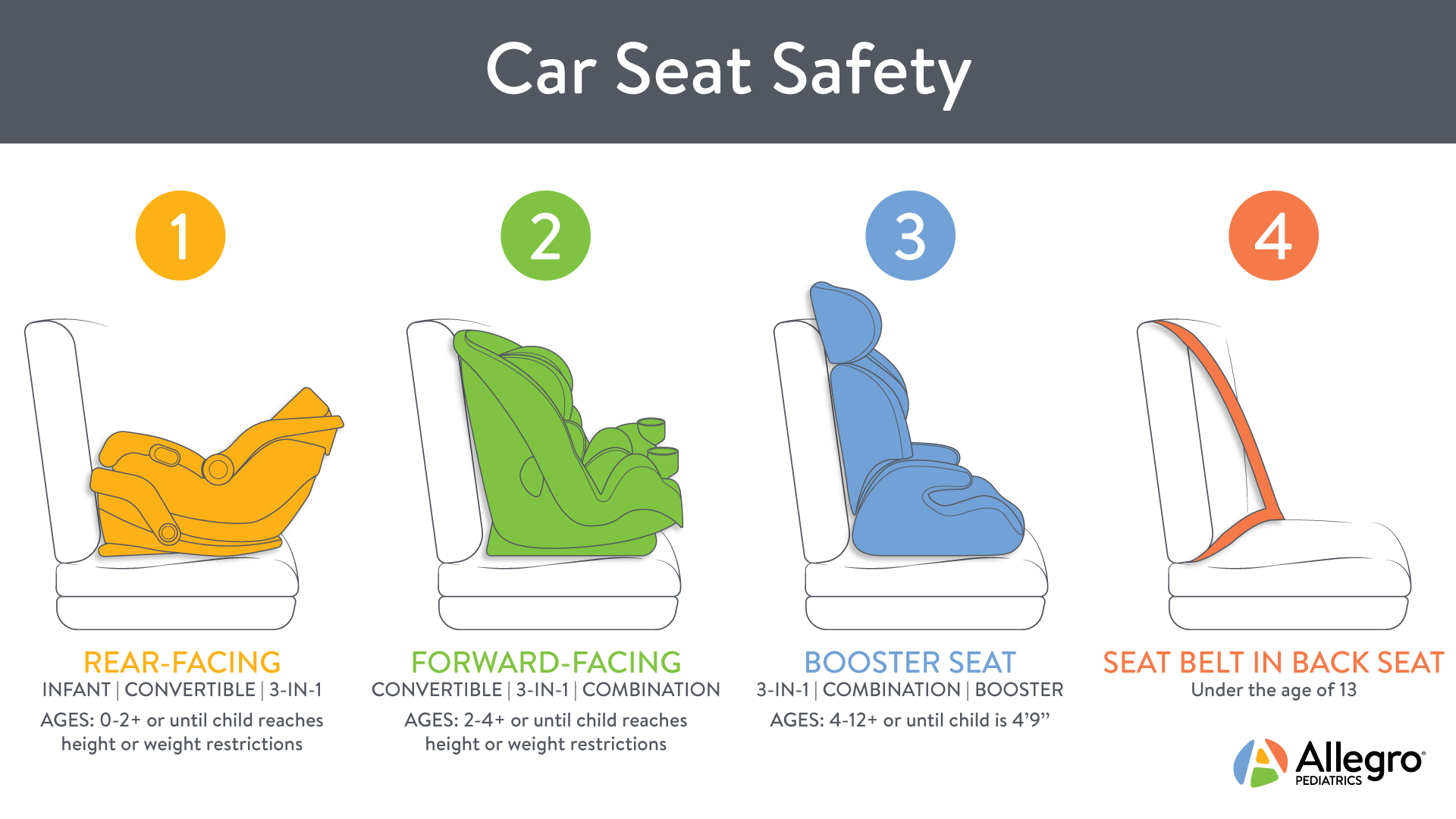
Credit: www.allegropediatrics.com
Infant Car Seats
Infant car seats are essential for newborns and young babies. They ensure safety during travel. These seats are rear-facing. This position provides the best protection for infants. Parents need to choose the right seat for their child. Comfort and safety are top priorities.
Features And Benefits
Infant car seats have many features. They come with padded headrests. This offers extra comfort for babies. The harness system is adjustable. It keeps the baby secure during the ride. Some seats have a sunshade. This helps protect from bright sunlight.
Another benefit is portability. Many infant car seats are lightweight. Parents can carry them easily. Some models can attach to strollers. This makes moving the baby simple and quick.
Installation Tips
Proper installation is crucial for safety. Always read the manual before installing. Ensure the seat is rear-facing. This is the safest position for infants. Use the car’s seat belt or latch system. Secure the seat tightly to prevent movement.
Check the harness fit regularly. It should be snug, but not too tight. The chest clip should be at armpit level. This ensures the harness stays in place. Regularly inspect the seat for wear and tear. Replace it if damaged or expired.
Convertible Car Seats
Convertible car seats are versatile and long-lasting. They grow with your child. Starting as rear-facing for infants, they transition to forward-facing for toddlers. This makes them a great investment for families. Understanding their features helps parents make the best choice for safety and comfort.
Age And Weight Range
Convertible car seats accommodate children from birth to toddler years. They usually support infants from 5 to 40 pounds in rear-facing mode. For forward-facing, they support children up to 65 pounds. This wide range ensures prolonged use as your child grows.
Adjustable Features
Convertible car seats offer multiple adjustable features. These include headrest and harness height adjustments. This ensures the seat fits your child as they grow. Many models also offer reclining positions. This enhances comfort, especially during long drives.
Some seats include removable inserts for infants. These provide extra support and comfort for smaller babies. As your child grows, these inserts can be removed. This creates more space and a better fit.
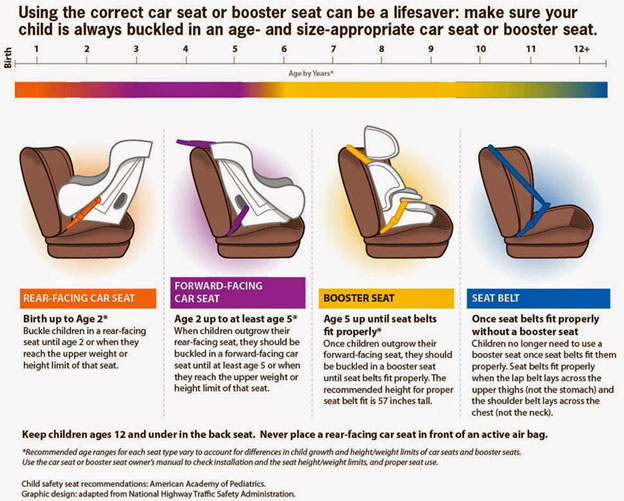
Credit: www.copcp.com
Booster Seats
Booster seats are essential for children who have outgrown their convertible seats. They elevate kids, allowing seat belts to fit properly. This ensures safety on every journey.
Transitioning From Convertible Seats
Convertible seats are suitable for young children. As they grow, space becomes limited. Transitioning to booster seats offers more comfort. It accommodates their growing bodies. Booster seats are designed for this next stage.
Parents often wonder about the right time. The transition usually happens around age 4. When a child weighs about 40 pounds. Check the manufacturer’s guidelines for details.
Importance Of Seat Belt Fit
Booster seats ensure a proper seat belt fit. This reduces the risk of injury. Seat belts should lay flat across the shoulder. They should not cross the neck or face. The lap belt must sit snugly over the upper thighs.
A correct fit enhances safety. It minimizes movement during sudden stops. A booster seat helps achieve this fit. Testing the fit regularly is recommended. It assures continued protection for your child.
Common Mistakes To Avoid
Choosing the right car seat for your child can be daunting. Many parents make mistakes without knowing. These errors can affect safety and comfort. Understanding common mistakes helps ensure your child’s protection. It also promotes peace of mind during travel. Below are some frequent mistakes parents make. Avoid them for a safer ride.
Incorrect Installation
Many car seats are not installed correctly. This is a common issue. Always read the manual carefully. Follow each step as instructed. Using the wrong latch or belt is dangerous. Ensure the seat doesn’t move more than an inch. A loose seat can cause harm in accidents. Check the seat’s angle. It should match the guide provided. Seek help from a certified technician if unsure.
Premature Transitions
Switching car seats too soon is another common error. Babies need rear-facing seats until age two. Some parents switch to forward-facing too early. This can be unsafe. Follow weight and height guidelines strictly. Moving to booster seats also requires caution. Wait until your child meets all criteria. Rushing transitions can compromise safety. Always prioritize your child’s well-being over convenience.
Tips For Car Seat Maintenance
Car seats are essential for child safety during travel. Proper maintenance ensures their longevity and effectiveness. Keeping them clean and functional is vital. Explore these tips for maintaining your car seat.
Cleaning And Care
Regular cleaning keeps car seats fresh and hygienic. Use mild soap and water for surface cleaning. Avoid harsh chemicals that can damage fabric and materials. Vacuum the seat to remove crumbs and debris. Check the manufacturer’s instructions before washing removable covers. Air-dry them to prevent shrinkage.
Regular Safety Checks
Safety checks are crucial for ensuring car seat reliability. Inspect the straps for fraying or wear. Tighten loose screws or parts promptly. Ensure the seat’s buckles click securely into place. Examine the harness for proper adjustment. Confirm the seat is installed correctly without excessive movement.
Resources For Parents
Choosing the right car seat for your child is crucial for safety. Parents often seek guidance to make informed decisions. Many resources provide valuable information and support.
Educational Materials
Accessing educational materials is essential for understanding car seat safety. Many online platforms offer guides and videos for parents. These resources explain different car seat types and their suitable ages. Organizations like the National Highway Traffic Safety Administration provide detailed instructions. Checklists can help ensure your car seat is correctly installed. Libraries may have books on child safety and car seats. Workshops and seminars also share practical tips for parents.
Community Support
Parents can find support within their community. Local parenting groups often discuss car seat safety. Experienced parents share advice and recommendations. Online forums connect parents from various regions. These communities provide answers to common questions. Social media groups can be a great source of real-life experiences. Child safety events in neighborhoods offer hands-on demonstrations. Pediatricians can also be a reliable resource for car seat advice.
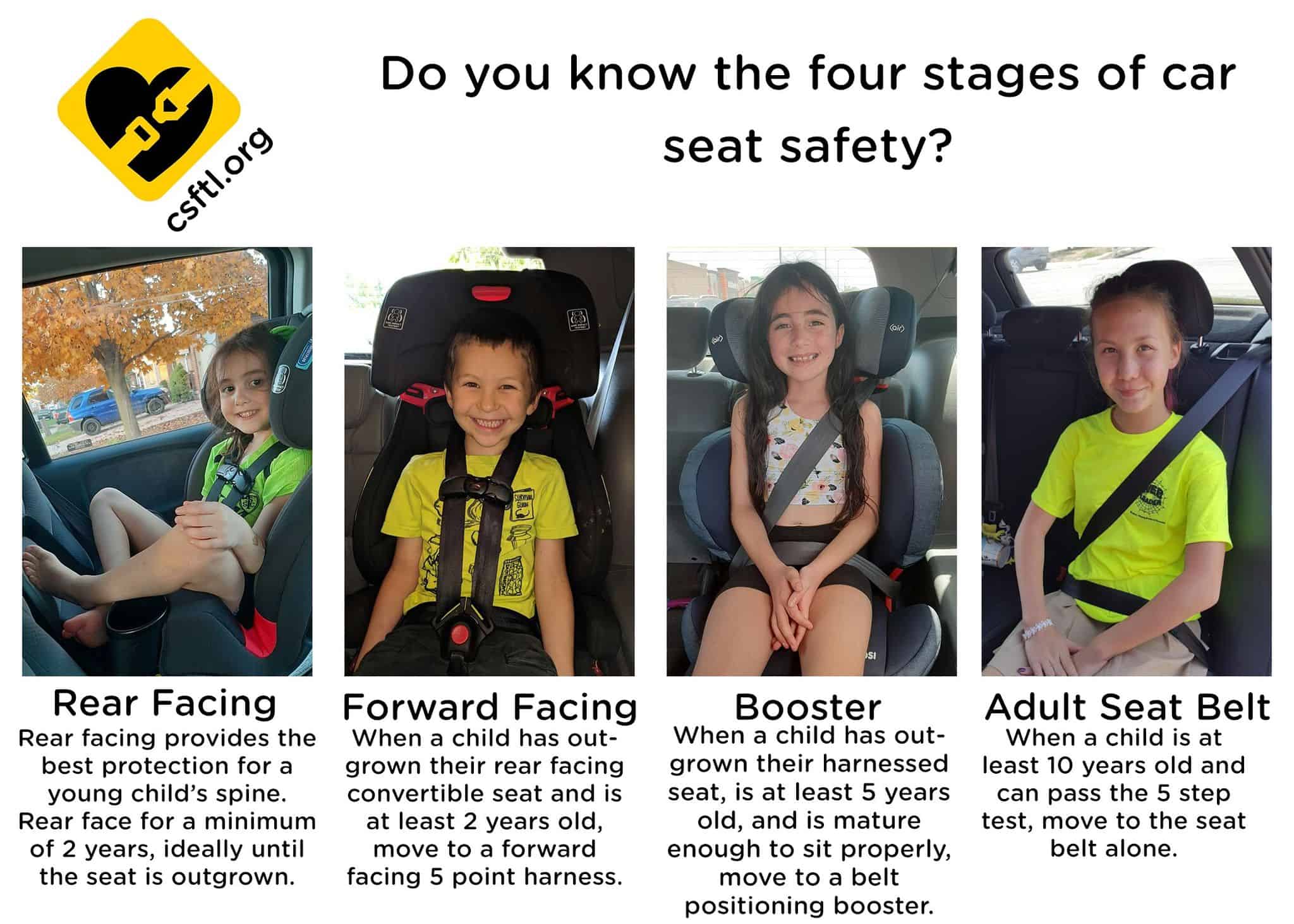
Credit: parkavenuetavern.com
Frequently Asked Questions
What Age For Rear-facing Car Seats?
Rear-facing car seats are recommended for infants and toddlers. They provide better protection in crashes. Typically, children should remain rear-facing until at least age two. Always follow the manufacturer’s height and weight limits for safety.
When To Switch To A Booster Seat?
Switch to a booster seat when a child outgrows the forward-facing seat limits. This usually occurs around age four. Ensure the child is mature enough to sit properly in a booster seat. Follow the booster seat guidelines for height and weight.
What Age For Forward-facing Car Seats?
Forward-facing car seats are suitable for toddlers who have outgrown rear-facing seats. Typically, this transition occurs between ages two and four. Ensure the seat’s harness fits properly. Follow the manufacturer’s guidelines for height and weight limits.
Is My Child Ready For A Seat Belt?
Children are ready for seat belts when they outgrow booster seats. This typically happens between ages eight and twelve. Ensure the seat belt fits across their shoulder and lap. It’s crucial for the child to sit correctly without slouching.
Conclusion
Choosing the right car seat ensures your child’s safety. Each age needs a different type. Babies require rear-facing seats. Toddlers move to forward-facing seats. Older kids use booster seats. Always check seat guidelines for weight and height limits. Installation matters too.
Incorrect setup can risk safety. Regularly review seat conditions. Replace worn or damaged seats immediately. Safety standards change. Stay informed about new regulations. Protect your child on every trip. Remember, every stage has unique needs. Prioritize safety over convenience. Your child’s safety depends on the right seat choice.
Make informed decisions. Drive safely.

Emma Grace is a devoted mother and passionate content writer at BestBabyCart.com. With firsthand parenting experience and a love for research, she creates helpful guides and honest reviews to support parents in choosing the best for their babies. Her goal is to make parenthood easier, one article at a time.