
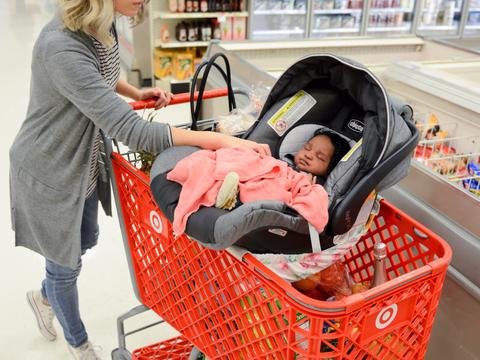
Few things derail a quick grocery run faster than fumbling with a car seat, a fussy baby, and a wobbly shopping cart. Car seats are engineered for vehicles, not retail aisles, and improper placement in a cart is one of the most common causes of non-crash infant injuries during shopping trips. If you’ve ever wondered how to place a car seat in a shopping cart safely without turning your errand into a balancing act, this guide is for you. Aligned with 2026 guidance from the National Highway Traffic Safety Administration and certified child passenger safety technicians, these expert tips cover risk mitigation, step-by-step placement for all car seat types, common mistakes to avoid, and safer alternatives for when cart placement just isn’t worth the risk.
Why Proper Placement Is Non-Negotiable
Shopping carts are not designed to hold car seats, and improper placement creates severe, preventable risks for young children. According to the National Highway Traffic Safety Administration, unsecured car seats in shopping carts are a leading cause of non-crash infant injuries in retail environments, with tip-overs and falls being the most common incident types. A car seat that is not properly weighted, secured, or positioned can slide out of the cart, cause the entire cart to tip forward, or be ejected entirely if the cart is bumped, leading to head trauma, fractures, or other serious injuries.
Even minor instability is dangerous: a car seat that shifts more than 1 inch in any direction when tested can dislodge during normal cart movement, putting your child at risk. The added weight of a car seat (7–25 lbs depending on type) plus a child (10–30 lbs) also throws off the cart’s center of gravity, making tip-overs far more likely if the weight is not distributed correctly.
Pre-Placement Checks: Verify Your Cart and Car Seat First
Skipping pre-checks is one of the fastest ways to create a hazardous situation. Take 60 seconds to assess your setup before lifting the car seat.
Quick Reference: Common Cart Weight Limits
Most standard retail carts have strict weight limits that far exceed what their infant seat holders are rated to hold. Use this reference to avoid overloading your cart:
| Cart Type | Total Weight Limit | Infant Seat Holder Limit |
|---|---|---|
| Standard grocery cart | 50–75 lbs | 20–35 lbs |
| Large "family size" cart | 75–100 lbs | 25–40 lbs |
| Compact convenience store cart | 40–60 lbs | 15–25 lbs |
Always check for a weight limit sticker on the cart itself; if no sticker is present, assume the infant holder limit is 25 lbs to stay safe.
Car Seat Compatibility Assessment
Not all car seats work equally well in carts. Infant click-and-go car seats (7–12 lbs) are designed to click into both stroller frames and cart infant holders, making them the easiest to secure. Convertible and all-in-one car seats (15–25 lbs) are bulkier and too large for most cart infant holders, so they must be placed in the cart’s main lower basket with extra weight added to the bottom to prevent tipping.
Step-by-Step Safe Placement Guide
Follow these steps tailored to your car seat type for maximum stability and safety. In practice, most parents find that prepping heavy items first makes the process far faster and less stressful.
Pre-Placement Prep
- Park your cart in a clear, flat area away from high-traffic aisles so you are not bumped while securing the seat.
- Clear the entire main basket of all items first; place groceries in the cart’s undercarriage basket or on the floor next to you while you set up the car seat.
- Inspect the cart for wobbly wheels, cracked frames, or missing straps, and swap for a different cart if you find any damage.
- Have 10–15 lbs of heavy, low-center-of-gravity items (a case of water, bag of potatoes, pack of paper towels) ready to place under the car seat once it is secured.
Placement for Infant Click-and-Go Car Seats
These lightweight seats are designed to fit in cart infant holders, making them the safest option for cart use:
- Position the car seat fully seated in the cart’s designated infant holder, making sure the seat’s stroller-clicking base is locked into the cart’s receiver.
- If the cart has a built-in strap, loop it through the car seat’s carry handle (never through the harness buckles, which can damage the seat) and fasten it tightly.
- Gently tug the seat side to side and front to back: there should be no more than 1 inch of movement in any direction. Adjust the strap if it shifts.
- Place your prepped heavy items in the undercarriage of the cart, directly below the car seat, to lower the overall center of gravity and prevent tip-overs. For quick trips, many infant car seats click into compact stroller storage that is easy to collapse and store when not in use.
Placement for Convertible and All-in-One Car Seats
These bulkier seats do not fit in standard infant holders, so they require extra steps to secure safely:
- Place the car seat in the cart’s main lower basket, facing toward you (not the cart’s handle) to keep weight distributed over the rear wheels, rather than hanging over the front of the cart which causes tip-overs.
- If your car seat has a top tether, loop it around the cart’s upper metal frame (not the plastic handle, which can slip under pressure) and fasten it securely.
- Place your prepped heavy items directly under the car seat in the main basket to weigh down the front of the cart and prevent it from tipping forward when you push.
- Test stability by pushing the cart forward gently: if the front wheels lift off the ground, add more weight to the bottom of the basket until all four wheels stay flat. If you can plan your errand timing to avoid bringing a convertible seat, you can skip this step entirely.
Critical Mistakes to Avoid at All Costs
Even small errors can turn a routine errand into a dangerous situation. The Centers for Disease Control and Prevention notes that the majority of shopping cart-related infant injuries occur when children are placed in unsecured or improvised seating, including unsecured car seats. Avoid these common pitfalls:
- Never place the car seat on top of the cart’s main basket or handle: This is the single most common mistake parents make. The cart’s handle and top basket are not engineered to support the weight of a car seat plus a child, and this placement dramatically increases tip-over risk if the cart is bumped.
- Don’t skip weight limit checks: A 25 lb baby plus a 10 lb infant car seat totals 35 lbs, which exceeds the weight limit of most cart infant holders even if the cart’s total weight limit is higher. Always verify both limits before placing the seat.
- Never leave the car seat unsecured: Even a small bump from another cart or a store display can dislodge an unsecured seat. Always use the cart’s built-in strap or your car seat’s harness to lock it in place, and recheck stability after adding any items to the cart.
- Don’t overload the cart on top of the car seat: Never place groceries, bags, or other items on top of the car seat. This adds excess weight to the top of the cart, increasing tip-over risk, and can crush the car seat’s shell in the event of a fall. Plan your planning diaper stock in advance to avoid overpacking the cart with bulky supplies.
Safer Alternatives to Ad-Hoc Car Seat Placement
Car seats and shopping carts are not designed to work together, so the safest option is often to avoid placing the car seat in the cart entirely. These low-risk alternatives work for most shopping trips:
- Use a store-provided certified baby cart seat: Many major grocery chains (including Kroger, Walmart, and Target) offer carts with built-in, crash-tested infant seats secured directly to the cart frame. These meet retail safety standards and eliminate the need to bring your own car seat into the store.
- Opt for babywearing or a lightweight stroller: For infants who cannot sit unassisted, a soft-structured carrier keeps your baby close, leaves your hands free for shopping, and eliminates all cart-related risks. For older toddlers, a lightweight umbrella stroller that fits in the cart’s undercarriage is a low-risk option that avoids the need to place a car seat at all. This eliminates the risk of unexpected seat displacement entirely.
- Shop with a partner: If you have a large shopping list or need to buy heavy items, having a second adult hold the baby while you push the cart removes the need to place the car seat entirely. Check seasonal coat planning ahead of your trip so your partner can carry extra layers, avoiding the need to overpack the cart with bulky winter gear.
Frequently Asked Questions
Is it ever safe to place a car seat on top of a shopping cart?
No. The cart’s handle and top basket are not engineered to support the weight of a car seat plus a child, and this placement dramatically increases tip-over risk. Always place the car seat in the cart’s designated infant holder (if it fits) or the main lower basket, weighted down with heavy items underneath.
What is the maximum weight for a car seat in a shopping cart's infant holder?
Most retail cart infant holders are rated for 20–35 lbs total (car seat + child). Always check for a weight limit sticker on the cart itself; if you can’t find one, assume the limit is 25 lbs to stay safe.
Can I use a shopping cart for my convertible car seat?
Yes, but only in the main lower basket, never in the infant holder or on top of the cart. Convertible seats are too large and heavy for most infant holders, so you’ll need to weight the bottom of the basket with heavy items to prevent the cart from tipping forward.
What should I do if my car seat doesn’t fit securely in the cart?
Do not force the seat into place. Instead, use one of the safer alternatives listed above: a store-provided baby seat, babywearing, or a partner to hold the child. A loose, unsecure car seat is a major injury risk.
Conclusion
Placing a car seat in a shopping cart is never the ideal solution, but it’s a reality for many parents running quick errands. The key to safety is prioritizing stability over convenience: always check your cart’s weight limits, secure the seat with built-in straps, weight the bottom of the cart to prevent tip-overs, and never leave the seat unattended. For longer trips or outings with heavy items, opt for safer alternatives like store-provided baby cart seats, babywearing, or shopping with a partner to eliminate risk entirely. For more tips on stress-free errands and daily life with young kids, browse our full library of baby care resources.

Emma Grace is a devoted mother and passionate content writer at BestBabyCart.com. With firsthand parenting experience and a love for research, she creates helpful guides and honest reviews to support parents in choosing the best for their babies. Her goal is to make parenthood easier, one article at a time.