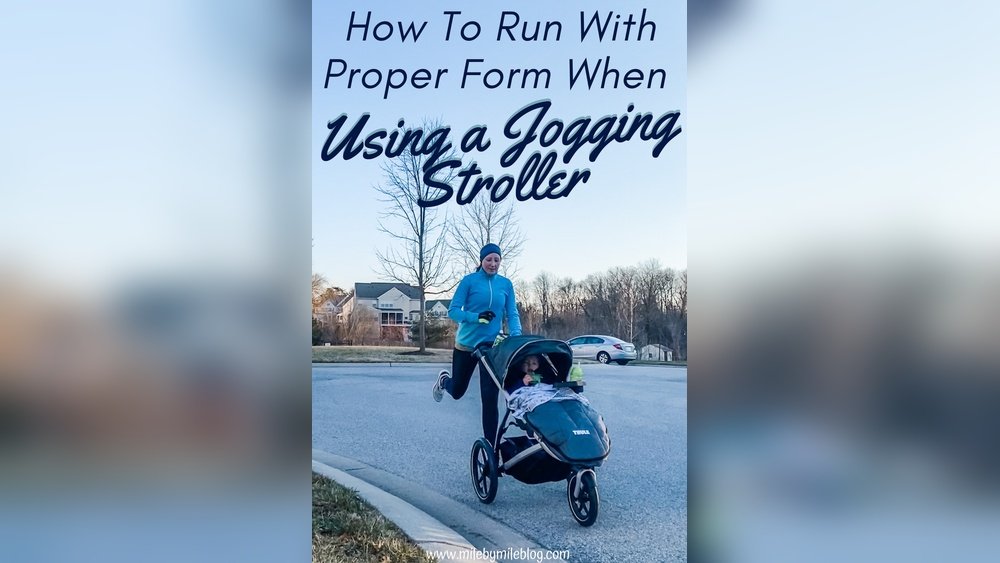
Jogging with your baby in a stroller is a low-impact, efficient way to stay active after welcoming a new child, without needing to arrange childcare. According to the American College of Obstetricians and Gynecologists, most people can return to low-impact cardio like jogging 4–6 weeks after an uncomplicated vaginal delivery, and 8–12 weeks after a C-section, as long as their healthcare provider approves. But getting started safely requires more than just strapping your baby into any stroller and hitting the pavement.
A common mistake new parents make is using a standard umbrella or everyday stroller for jogging, which lacks the stability, suspension, and safety features needed to handle the extra weight and movement of running. This guide breaks down everything you need to know to jog safely, comfortably, and confidently with your little one, from choosing the right stroller to building a long-term routine that works for your family.
Choosing the Right Jogging Stroller
Not all strollers are designed for jogging. Everyday strollers have small, hard plastic wheels, swivel front forks that wobble at speed, and minimal suspension, making them unstable and unsafe for use while running. A dedicated jogging stroller is engineered to handle 3–6 mph speeds, absorb shock from uneven terrain, and keep your baby secure even if you hit a bump or make a sudden turn. Picking the right model for your needs will make your runs smoother, safer, and more enjoyable for both you and your child.
Non-Negotiable Features for Jogging Strollers
When shopping for a jogging stroller, prioritize these core features over extra bells and whistles:
- Large air-filled (pneumatic) tires: Most jogging strollers have 16-inch rear tires and 12-inch front tires, which roll smoothly over gravel, grass, and cracked pavement. Air-filled tires provide better shock absorption than solid rubber tires for uneven terrain, reducing jostling for your baby. Look for a lockable front wheel, which you can fix in place for jogging to eliminate wobble, or unlock for everyday use.
- All-wheel suspension: This feature absorbs impact from bumps and uneven surfaces, keeping your baby comfortable and reducing strain on your arms and back. Adjustable suspension is ideal if you plan to run on both paved paths and rugged trails.
- Five-point safety harness: A harness with shoulder, hip, and crotch straps is the only safe option for jogging, as it prevents your baby from slipping out if the stroller tilts or hits a bump. Avoid three-point harnesses, which offer far less security.
- Hand brake and parking brake: A hand brake lets you control your speed on steep hills without straining your grip on the handlebar, while a reliable parking brake keeps the stroller stationary when you're stopped.
- Adjustable handlebar: The handlebar should align with your wrist when your arms are at your sides, to avoid hunching over and straining your lower back. Many models offer height-adjustable handlebars to fit parents of different heights.
Safety Certifications to Verify
In the US, all jogging strollers sold after 2024 must meet ASTM F833-24, the updated national stroller safety standard, which includes rigorous testing for frame stability, brake performance, harness strength, and resistance to tipping. Look for JPMA (Juvenile Products Manufacturers Association) certification, which confirms the stroller has passed independent third-party safety testing. Avoid uncertified imported strollers, which often fail basic stability and harness tests and pose a serious safety risk to your child.
Budget Considerations
Jogging strollers range from $200 to over $1,000, and the right price point depends on how often you plan to run and what terrain you'll use:
- Entry-level ($200–$400): Suitable for casual use on paved paths, 1–2 runs per week. These models often have basic suspension and solid or semi-pneumatic tires, but may lack the durability for frequent trail use.
- Mid-range ($400–$700): The best value for most parents, with all-wheel suspension, air-filled tires, reliable brakes, and sturdy frames built for mixed terrain and 3+ runs per week.
- High-end ($700+): Built for daily trail running, with lightweight carbon fiber frames, adjustable suspension, and extra features like all-terrain tires and built-in storage compartments.
If you plan to jog more than 3 times a week or run on uneven trails, investing in a mid-range or higher model will save you money on repairs and reduce safety risks over time.
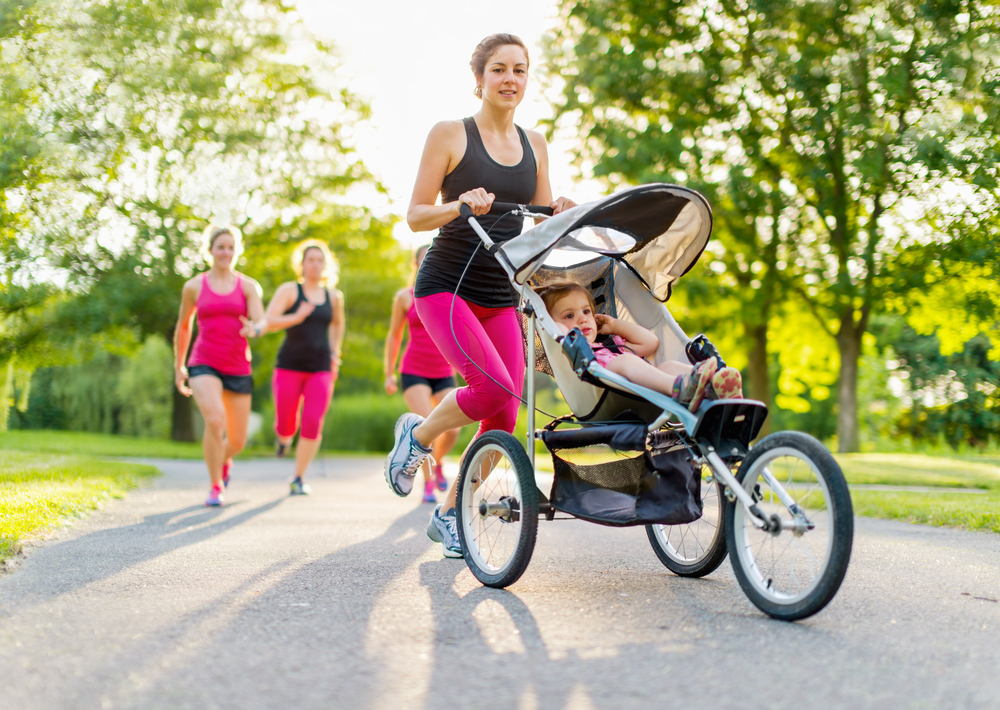 A properly fitted jogging stroller makes runs safe and comfortable for both parent and child.
Image source: www.nycustompt.com
A properly fitted jogging stroller makes runs safe and comfortable for both parent and child.
Image source: www.nycustompt.com
Pre-Run Prep and Safety Checks
Taking 5 minutes to complete a pre-run checklist and prep both you and your baby will eliminate most common safety risks and make your run far more enjoyable. Skipping these steps is one of the most common causes of stroller-related injuries during jogs.
Minimum Age and Health Guidelines for Your Baby
Per CDC safe stroller guidelines, most pediatricians recommend waiting until your baby is at least 6 months old before jogging with them, as they need sufficient neck and core control to handle the gentle jostling of a moving stroller. For preemies or babies with developmental delays, wait until your pediatrician confirms they have adequate head and trunk control before your first jog. Never run with a newborn, even if your stroller has a bassinet attachment, as their underdeveloped neck muscles can't safely handle the vibration and movement of running. If your baby is sick, has a fever, or is overly fussy on the day of your planned run, skip it to keep them comfortable.
Pre-Run Stroller Inspection Checklist
Complete these checks before every jog to avoid preventable accidents:
- Tire pressure: Inflate air-filled tires to the PSI listed on the tire sidewall (usually 30–40 PSI). Underinflated tires increase rolling resistance and risk of flats, while overinflated tires reduce shock absorption and make the ride bumpier for your baby.
- Brake test: Engage the hand brake and push the stroller forward to confirm it holds in place. Test the parking brake as well to make sure it locks securely.
- Harness check: Inspect the five-point harness for frayed straps or broken buckles. Adjust it to fit snugly against your baby's chest — you should only be able to fit one finger between the harness and their chest to ensure it's tight enough to prevent slipping, but not so tight it restricts breathing.
- Front wheel lock: If your stroller has a swivel front wheel, lock it into the fixed position for jogging to eliminate wobble at speed.
- Wrist strap attachment: Clip the stroller's wrist strap to your wrist before you start moving, so the stroller doesn't roll away if you trip or lose your grip.
Dressing for Comfort and Safety
For you, wear moisture-wicking running layers, supportive running shoes with good arch support, and a hat and sunglasses for sun protection. For your baby, dress them in layers you can adjust as they warm up: start with a onesie, add a fleece jacket if it's cool, and use a wind-resistant stroller cover if it's rainy or windy. Avoid overbundling, as babies overheat much more quickly than adults in strollers; a good rule of thumb is to dress them in one more layer than you would wear for the same weather conditions. Follow proper seasonal layering guidelines to avoid chills or overheating, and choose appropriate sock choices to keep their feet warm without restricting circulation. Apply sunscreen to any exposed skin, even on cloudy days, and use the stroller's canopy to block direct sun.
Safe Jogging Techniques and Terrain Tips
Good running form will reduce strain on your body, help you control the stroller more easily, and keep your baby safe. A common mistake new stroller runners make is leaning forward into the handlebar, which strains the lower back and makes it harder to react to obstacles.
Running Form to Reduce Strain
- Keep your posture upright, with your shoulders relaxed and core engaged. Your hands should rest lightly on the handlebar at elbow height, with a slight bend in your elbows.
- Avoid gripping the handle too tightly — a light grip reduces arm fatigue and prevents you from pulling the stroller off course if you hit a bump.
- Shorten your stride by 10–15% compared to your normal running stride, as the extra 20–30 lbs of the stroller increases impact on your knees and ankles.
- Look ahead, not down at your baby or your feet, to spot obstacles early and maintain balance.
Pacing and Endurance Building
Start with 10–15 minute jogs at a slow, conversational pace — you should be able to speak in full sentences without gasping for air. If you're used to running without a stroller, expect your pace to be 30–60 seconds slower per mile at first, as you're pushing extra weight. That's normal for most runners, and pushing yourself to hit your pre-baby pace right away increases your risk of injury. Gradually increase your jog time by 5 minutes each week, rather than adding distance or speed too quickly.
Navigating Terrain and Hazards
- Stick to smooth, paved paths or packed gravel trails for your first month of stroller running, to build your strength and get used to the stroller's handling. Avoid uneven dirt trails, rocky terrain, or steep hills until you're comfortable controlling the stroller at speed.
- For uphill sections: lean slightly forward, shorten your stride, and use your arms to help push the stroller up the slope.
- For downhill sections: lean back slightly, slow your pace, and use the hand brake to control your speed. Never run downhill at full speed with a stroller, as the extra momentum can cause you to lose control if you hit a bump.
- Always stay on the right side of the path, and use a bell or call out "on your left" when passing other pedestrians, runners, or cyclists.
- Watch for obstacles like tree roots, rocks, and curbs, and steer around them early to avoid jostling your baby or tipping the stroller.
 Air-filled pneumatic tires absorb shock for a smoother ride on uneven terrain.
Image source: www.bobgear.com
Air-filled pneumatic tires absorb shock for a smoother ride on uneven terrain.
Image source: www.bobgear.com
Critical Safety Rules to Follow
Even with the right stroller and good form, following basic safety rules is non-negotiable to protect your baby and avoid injury. These guidelines are recommended by the American Academy of Pediatrics and the CDC for all stroller joggers.
Harness and Restraint Best Practices
Always use the full five-point harness every time you run, even if your baby is old enough to sit up on their own. A common mistake is only fastening the shoulder straps, but the hip and crotch straps prevent your baby from sliding out if the stroller hits a bump or tilts suddenly. Adjust the harness so it's snug against their chest, with no slack, but not so tight that it restricts their breathing. Never leave your baby unattended in the stroller, even for a second, while you're stopped.
Visibility and Control Tips
Always wear the wrist strap attached to the stroller — this prevents the stroller from rolling away if you trip or lose your grip. Wear bright, reflective clothing or a reflective vest, and add reflective tape to the stroller frame if it doesn't already have it, to stay visible to drivers and other path users in low light. Avoid running at dusk or dawn if possible, as visibility is lowest for drivers during those times. If you must run in low light, use a stroller with a built-in light or attach a small clip-on light to the handlebar.
Emergency Preparedness
Carry a small first-aid kit with band-aids, antiseptic wipes, and any medications your baby might need. Keep your phone in a zipped pocket or a stroller organizer, so you can call for help if you get a flat tire, twist your ankle, or have another issue. If you're running with a toddler who can walk, teach them to stay seated and hold the handlebar if you stop suddenly.
Stroller Maintenance for Long-Term Safety
Regular maintenance keeps your jogging stroller safe, smooth-running, and extends its lifespan by years. A well-maintained stroller is far less likely to break down mid-run or pose a safety risk to your baby.
Post-Run Care
After each run, wipe down the frame and fabric with a damp cloth to remove dirt, sweat, and mud. Avoid harsh chemicals like bleach, which can damage the stroller's fabric and frame. Remove the wheels and wipe them down if you ran through mud or water, to prevent grit from building up and wearing down the wheel bearings. Let the stroller dry completely in a well-ventilated area before folding and storing it, to prevent mold and mildew growth that can damage the fabric and cause respiratory issues for your baby.
Tire and Brake Maintenance
Check tire pressure every 2–3 runs, as air-filled tires can lose pressure over time. Inspect the tires for cuts, punctures, or worn tread every month, and replace them immediately if you see any damage — a flat tire while running can cause the stroller to tip or stop suddenly, putting your baby at risk. Test the brakes before every run, as dirt and grit can build up in the brake mechanism and reduce their effectiveness. Lubricate the brake and wheel bearings every 3 months with a silicone-based lubricant (avoid oil-based lubricants, which attract dirt and cause buildup).
Storage Tips
Store your stroller in a cool, dry place away from direct sunlight, which can fade the fabric and weaken the frame over time. If you have a folding jogging stroller, fold it properly for storage according to the manufacturer's instructions to avoid damaging the hinges or wheels. Don't store heavy items on top of the stroller, as this can bend the frame over time. If you use your stroller frequently, have it inspected by a professional once a year to check for worn parts that need replacing.
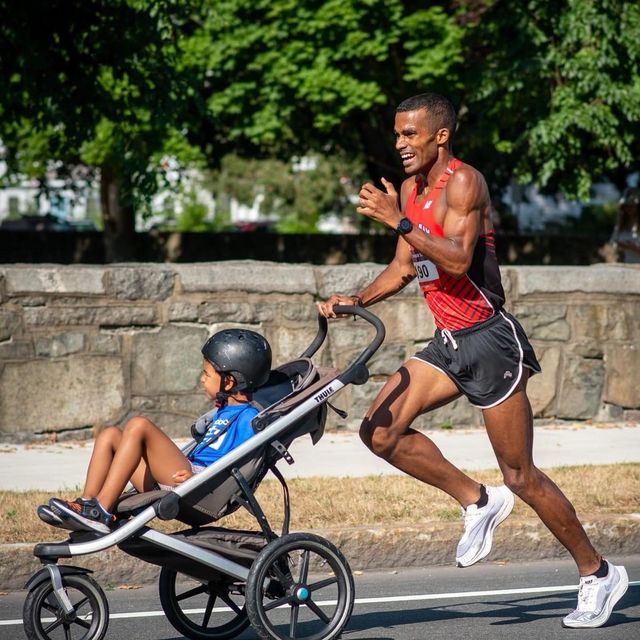 Stroller jogging is a low-impact way to stay active while bonding with your child.
Image source: www.runnersworld.com
Stroller jogging is a low-impact way to stay active while bonding with your child.
Image source: www.runnersworld.com
Building a Sustainable Stroller Jogging Routine
Stroller jogging is easiest to stick to when you build it into your existing routine, rather than treating it as a separate, time-consuming task. With a little planning, you can fit regular jogs into your busy schedule without disrupting your baby's sleep or feeding schedule.
Setting Realistic Goals
Start with 2 short jogs per week, on flat, familiar routes, to build your strength and get used to the stroller's handling. Don't try to hit your pre-pregnancy pace or distance right away — most new parents take 3–6 months to build back to their previous fitness level, and that's completely normal. Set small, achievable goals, like "jog for 15 minutes without stopping" or "run 1 mile without walking", rather than focusing on speed or distance, to stay motivated and avoid injury.
Scheduling Around Your Baby's Needs
The best time to jog is when your baby is well-rested and fed, so align runs with naps to keep them calm and happy during the run. Avoid running right after a feeding, as the jostling can cause discomfort for your baby. If your baby gets fussy during runs, stop and comfort them before continuing — don't push through if they're upset, as this will make runs stressful for both of you.
Tracking Progress and Staying Motivated
Use a running app to track your pace, distance, and how you feel after each run. Keep a small log of your runs, including notes about how your baby behaved, to spot patterns (like which times of day work best for them, or which routes they enjoy most). If you can, join a local stroller jogging group to connect with other parents and stay accountable — many cities have free, family-friendly stroller jogging meetups that are a great way to socialize while you exercise.
Ready to build your stroller jogging habit? Start with two 15-minute jogs this week on a flat, familiar path, and track your progress to stay motivated.
Frequently Asked Questions
Can I use a regular umbrella stroller for jogging?
No. Regular umbrella strollers have small, hard plastic wheels, no suspension, and often swivel front wheels that can catch on uneven terrain, making them unstable at jogging speeds. They also lack the five-point harness and wrist strap required for safe stroller running. Using a regular stroller for jogging puts your baby at serious risk of injury from bumps, tipping, or falls.
How old does my baby need to be to run with a stroller?
Most pediatricians recommend waiting until your baby is at least 6 months old, as they need sufficient neck and core control to handle the gentle jostling of a jogging stroller. For preemies or babies with developmental delays, wait until your pediatrician confirms they have adequate head and trunk control before your first jog. Never run with a newborn, even if your stroller has a bassinet attachment, as their underdeveloped neck muscles can't safely handle the movement.
What's the best terrain for beginner stroller runners?
Start with smooth, paved paths or packed gravel trails, which are even and free of obstacles. Avoid uneven dirt trails, rocky terrain, or steep hills for the first 4–6 weeks of stroller running, until you're comfortable controlling the stroller at speed.
Can I run with a toddler in a stroller?
Yes, as long as the stroller's weight limit can accommodate your toddler's weight (most jogging strollers have a weight limit of 50–75 lbs). Make sure your toddler is securely fastened in the five-point harness, and teach them to keep their hands and feet inside the stroller at all times while you're running.
How do I handle a flat tire while on a run?
Carry a small tire repair kit or a spare inner tube with you on longer runs. If you get a flat, stop in a safe, shaded area, and either repair the tire or call for a ride home. Avoid trying to run on a flat tire, as this can damage the wheel and cause the stroller to tip unexpectedly.
Conclusion
Running with a stroller takes practice, patience, and the right preparation, but it's one of the most efficient ways to balance fitness and bonding with your child. Start slow, prioritize safety above all else, and don't pressure yourself to hit your pre-baby fitness goals right away — most parents take months to build back their endurance, and that's completely normal.
Stick to smooth, familiar routes for your first few runs, complete your pre-run checklist every time, and listen to your body and your baby's cues. With consistent practice, stroller jogging will feel natural and effortless, and you'll build strength, reduce stress, and enjoy quality outdoor time with your little one all at once.

Emma Grace is a devoted mother and passionate content writer at BestBabyCart.com. With firsthand parenting experience and a love for research, she creates helpful guides and honest reviews to support parents in choosing the best for their babies. Her goal is to make parenthood easier, one article at a time.