
As your child grows, outgrowing their forward-facing 5-point harness car seat can feel like a sudden, expensive milestone. If you own a convertible (all-in-one) car seat, converting it to a booster mode is a safe, cost-effective alternative to buying a separate booster, cutting down on waste and letting you use a seat you already trust. This 2026-updated guide walks you through the process, corrects common outdated safety myths, and ensures your DIY conversion meets current federal safety standards.
Critical Pre-Conversion Safety Checks
Before you touch a single screw or clip, confirm your setup is eligible for conversion. Skipping these steps can lead to a dangerous, non-functional booster that fails to protect your child in a crash. You can also read our guide on best car seat dolly for airport transform your luggage into a stroller.
Confirm Your Seat Is Eligible for Conversion
Only convertible (all-in-one) car seats explicitly certified for booster use by the manufacturer can be safely converted. Infant-only bucket seats, travel system seats, and non-certified budget seats lack the structural design to function as a safe booster, and modifying them can cause severe injury. Check your seat's plastic shell for a "booster mode" label, or reference the owner's manual for conversion instructions. If you lost the manual, most brands offer free digital copies on their official websites. You can cross-reference safety-certified seat models for your specific brand to confirm eligibility.
Verify Compliance With Current Safety Standards
All car seats have a 6–10 year expiration date printed on the underside of the shell or on the manufacturer's label, after which the plastic degrades and can shatter in a crash. Never convert or use an expired seat, even if it looks undamaged. You will also need to check for open recalls via the National Highway Traffic Safety Administration (NHTSA) recall lookup tool: if your seat is recalled, you must get a free repair kit from the manufacturer before converting it. Finally, never convert a seat that has been in a moderate or severe car crash, even if there is no visible damage—structural compromise is not visible to the naked eye. You can also read our guide on best car booster seat for short adults enhance comfort and view effortlessly.
Review Local Legal Requirements
While child passenger safety laws vary by state, NHTSA recommends keeping children in a booster seat until they reach 4 feet 9 inches tall, typically between ages 8 and 12, regardless of local minimums. Fines for non-compliance apply, but more importantly, improper booster use increases the risk of severe injury in a crash by up to 4x for children under 4'9".
Tools and Materials You'll Actually Need
The original advice to stock up on wrenches, pliers, and extra foam padding is outdated for most modern seats. Here's what you'll actually need for a safe, tool-free conversion for 90% of 2020 and later convertible models. You can also read our guide on best in child safety car seats for ultimate protection and comfort.
Tools (Mostly Optional for Modern Seats)
Virtually all new convertible seats use tool-free release clips and buttons to switch between harness and booster modes. You will only need a small flathead screwdriver or adjustable wrench if you are converting an older model (pre-2020) with bolted harness hardware.
Approved Materials Only
You will need:
- A soft, dry cloth for cleaning dust and debris from the seat shell
- The seat's original fabric cover (if you removed it for cleaning)
- A non-slip silicone mat (optional, for slippery vehicle seat surfaces)
Critical safety note: Never add aftermarket padding, cushions, seat belt adjusters, or toys between your child and the seat. These items compress in a crash, causing the seat belt to sit too loose, and can void your seat's safety certification. Only use accessories explicitly approved by your seat's manufacturer for your specific model. You can also read our guide on best dog car booster seat.
Step-by-Step Booster Conversion Process
Most conversions take 2–5 minutes, even with a fussy toddler waiting in the backseat. Follow these steps for your specific seat model, and refer to the owner's manual for brand-specific instructions.
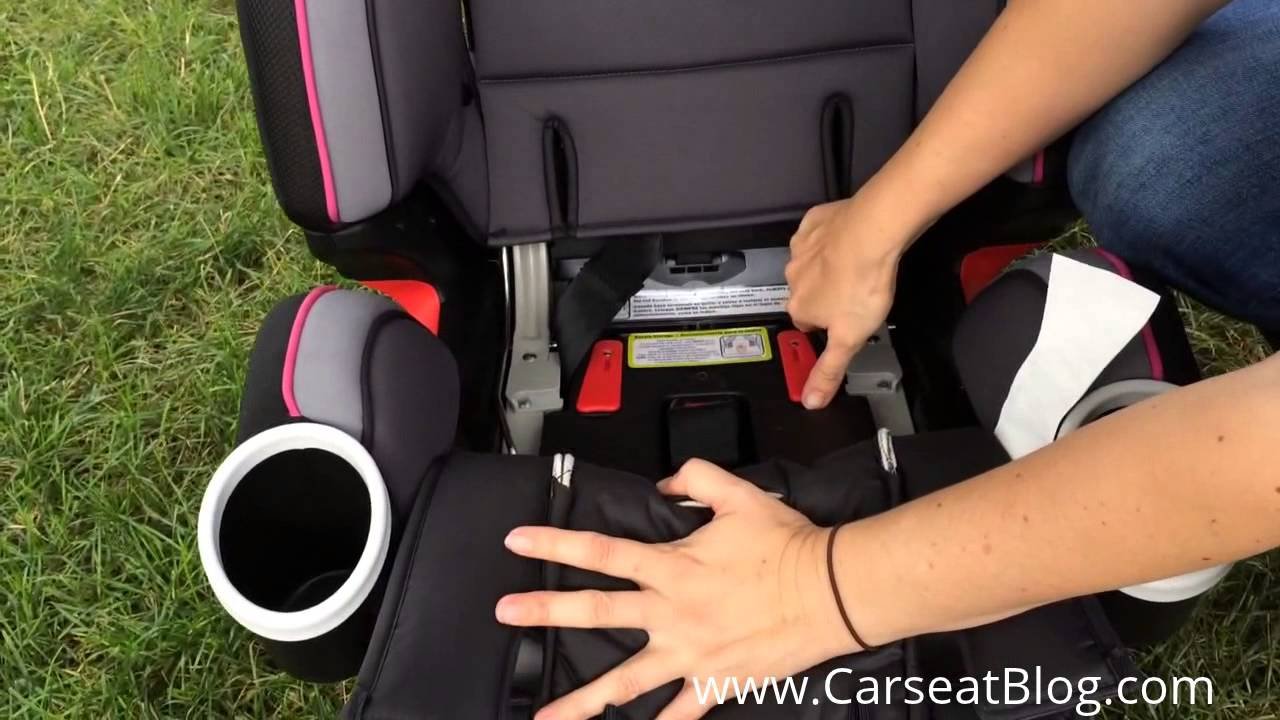
- Remove the 5-point harness system: Locate the red plastic release clip at the base of the seat, press it to loosen the shoulder and lap straps, then pull the straps out of the adjustment slots. Detach the buckle assembly from the seat base, and store the full harness in the seat's built-in storage compartment if you plan to convert back to harness mode for a younger sibling later.
- Remove infant-specific inserts: Take out the newborn head support, body cushion, and harness positioning inserts designed for children under 20lbs. These pieces make the seat too tall for proper booster positioning.
- Adjust the seat belt guides: Most converted boosters have built-in belt path guides. Position the lap belt guide low on the seat base, so the lap belt will rest on your child's upper thighs (not their soft stomach). Adjust the shoulder belt guide to sit at or just above your child's shoulder, so the belt will cross the middle of their chest (not their neck or face).
- Install the converted booster in your vehicle: Place the seat in the back seat, using the middle position if it fits (the safest spot per NHTSA guidelines). Thread the vehicle's seat belt through the correct belt path (marked on the seat shell), pull the belt tight until you cannot move the booster more than 1 inch side-to-side or front-to-back when you push at the base. If you kept the seat's backrest for a high-back booster, adjust the headrest to sit 1 inch above your child's ears for whiplash protection.
For a full visual walkthrough of the conversion process for popular Graco and Evenflo models, watch this short demo: DIY Car Seat to Booster Conversion Tutorial You can also read our guide on best booster car seat for sleeping top picks for comfortable travel.
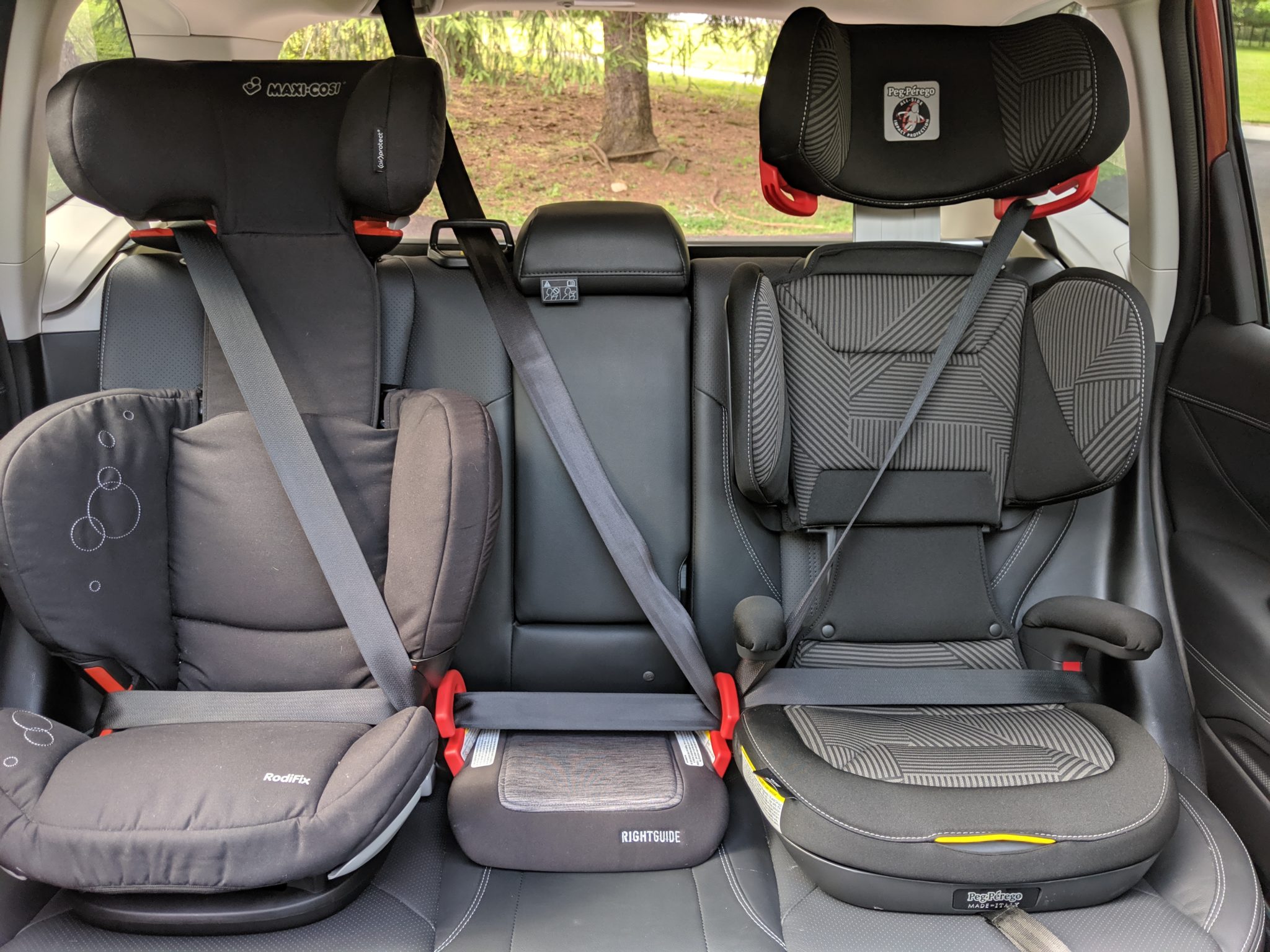 A properly installed high-back booster positions the seat belt across the child's chest and hips, not the neck or stomach.
Testing for Proper Fit and Safety
Even a perfectly installed converted booster is useless if it doesn't fit your child correctly. Run these tests every time your child grows an inch or gains a few pounds.
The Seat Belt Fit Test
The Insurance Institute for Highway Safety (IIHS) recommends four simple checks to confirm proper fit:
- Pinch test: Try to pinch excess webbing at the shoulder when the belt is fastened. If you can pinch any slack, the belt is too loose.
- Lap belt check: The belt should lie flat against the upper thighs, not the soft stomach. A lap belt on the stomach can cause severe internal organ damage in a crash.
- Shoulder belt check: The belt should cross the middle of the chest, not the neck, shoulder, or arm. Never let a child tuck the shoulder belt under their arm or behind their back, as this eliminates all upper body protection.
- Positioning test: Your child should be able to bend their knees at the edge of the vehicle seat, with feet flat on the floor. If their legs dangle or they have to slouch to reach the floor, they are not ready for a booster, even if they have hit the seat's weight limit.
Comfort Adjustments
If your child complains of discomfort, adjust the headrest or armrest positions (if your model has them) instead of adding extra padding. Always follow manufacturer-approved cleaning steps to avoid damaging the fabric or plastic components if you remove the cover for washing. For younger kids who tend to fidget or fall asleep on short drives, prioritizing comfort-focused design features can help them stay in the correct position for the entire trip. You can also read our guide on how to convert graco 4ever car seat to backless booster.
 Most modern convertible car seats use tool-free clips to release the 5-point harness system for booster mode.
Maintenance and Long-Term Care
A well-maintained converted booster will last through your child's booster-using years, as long as you follow these simple guidelines.
Routine Safety Checks
Do a 30-second weekly check: confirm the booster is still tight in the vehicle, the plastic shell has no cracks or warping, and the belt guides are secure. If you stored the harness for a younger sibling, inspect it for fraying webbing or damaged buckles before reusing it.
Cleaning and Storage
Wash the seat cover monthly per the manufacturer's label (most are machine washable cold, air dry only). Wipe the plastic shell with mild soap and water, avoiding harsh bleach, disinfectants, or abrasive cleaners that can weaken the plastic over time. If you need to store the booster long-term, keep it in a cool, dry place out of direct sunlight, which degrades plastic and fabric over time.
 Backless boosters work best for older children who can sit still and reach the vehicle floor with their feet flat.
Common Mistakes to Avoid
Even small errors during conversion can render a booster useless in a crash. Avoid these frequent pitfalls:
- Converting an ineligible seat: Modifying an infant bucket seat or non-certified seat will not provide adequate crash protection, and can cause serious injury.
- Adding aftermarket accessories: Extra padding, seat belt adjusters, or attached toys interfere with the seat belt's path, or compress in a crash to create dangerous slack.
- Incorrect seat belt placement: A lap belt on the stomach or a shoulder belt behind the back can cause severe internal injury even at low crash speeds. An incorrectly installed booster can shift during a crash, just as improperly secured baby gear can pose unexpected risks during travel.
- Skipping the fit test: Even a perfectly installed booster is useless if it doesn't fit your child's size. Test the fit every time your child grows.
- Ignoring expiration and recall notices: Expired or recalled seats have compromised structural integrity that cannot be seen with the naked eye, and will not protect your child in a crash.
If you’re navigating other balancing travel and nap schedules alongside car seat transitions, you can adjust your routine to match your kid’s changing needs.
Frequently Asked Questions
Can any car seat be converted to a booster?
No. Only convertible (all-in-one) car seats explicitly certified for booster use by the manufacturer can be safely converted. Infant-only bucket seats, travel system seats, and non-certified seats lack the structural design to function as a safe booster, and modifying them can cause serious injury.
When is my child ready for a booster seat?
Per NHTSA guidelines, most children are ready between ages 4 and 7, when they exceed the height or weight limit of their forward-facing harness seat (usually 40–65lbs, depending on the model). They must also be able to sit still with their back against the vehicle seat, knees bent at the edge, and feet flat on the floor.
Do I need tools to convert my car seat?
Most 2020 and later convertible seats have tool-free conversion, with clips and buttons to release the harness system. Only older models may require a small screwdriver or wrench to remove harness hardware.
Is a high-back or backless converted booster safer?
High-back boosters provide superior side impact and head support, making them the safer choice for younger kids, children who fall asleep in the car, or vehicles with low seat headrests. Backless boosters are appropriate for older, taller children who can sit still and have adequate head support from the vehicle's seat.
Can I use a converted booster on an airplane?
No. Most converted boosters are not certified by the FAA for aircraft use, as they require a shoulder-lap belt combination that does not match standard airplane seat belt configurations. You will need a separate FAA-approved travel booster for flights.
Conclusion
Converting a convertible car seat to a booster is a simple, cost-effective way to accommodate your growing child, as long as you follow current safety guidelines and confirm your seat is eligible for modification. Always prioritize proper seat belt fit over convenience, and never add unapproved accessories that can compromise safety. If you’re still unsure about your seat’s eligibility or the conversion process, reach out to a certified child passenger safety technician—many local fire departments and hospitals offer free installation checks to confirm your setup is crash-ready. If you regularly switch between vehicles or travel with family, easy stroller storage for travel can simplify transporting the converted booster and other baby gear. Safe travels!

Emma Grace is a devoted mother and passionate content writer at BestBabyCart.com. With firsthand parenting experience and a love for research, she creates helpful guides and honest reviews to support parents in choosing the best for their babies. Her goal is to make parenthood easier, one article at a time.