
Nutritional Aspects
Parents often wonder about the nutritional quality of baby formula. Palm oil is a common ingredient. Understanding its nutritional aspects is crucial.
Fatty Acid Composition
Palm oil contains various fatty acids. These include palmitic acid, oleic acid, and linoleic acid. Here is a breakdown:
| Fatty Acid | Percentage |
|---|---|
| Palmitic Acid | 44% |
| Oleic Acid | 39% |
| Linoleic Acid | 10% |
Palmitic acid is the major component. It is similar to the fat in breast milk. However, its structure in palm oil is different. This can affect digestion.
Essential Nutrients
Baby formula must provide essential nutrients. Palm oil is rich in vitamin E and beta-carotene. These are important antioxidants. They help in protecting cells from damage.
- Vitamin E supports immune function.
- Beta-carotene is a precursor to vitamin A.
Vitamin A is crucial for vision and growth. Palm oil also contains CoQ10. This is important for energy production in cells.
Despite these benefits, there are concerns. Some studies suggest palm oil can lead to harder stools in infants. This can cause discomfort. Parents should weigh the pros and cons.

The Controversy: Is Palm Oil Harmful for Babies?
Let’s address the elephant in the room—why does palm oil in baby formula spark so much debate? As a mom, I’ve heard the concerns, and I’ve dug deep to understand both sides.
Positive Health Impacts
Palm oil contains healthy fats. These fats are important for a baby’s growth. They support brain development and provide energy. Palm oil is also a source of vitamins A and E. These vitamins help boost the immune system.
In baby formula, palm oil mimics the fat content of breast milk. This can make the formula more similar to natural breastfeeding. It helps babies feel full and satisfied after feeding. Palm oil also contributes to the creamy texture of the formula. This can make it easier for babies to digest.
Potential Downsides of Palm Oil in Baby Formula
Research shows a few potential issues with palm oil in infant formula:
- Reduced Calcium Absorption: Studies, like one from the Journal of Pediatric Gastroenterology and Nutrition (2017), suggest that palm oil can form “calcium soaps” in a baby’s gut. These soaps make it harder for the body to absorb calcium, potentially leading to lower bone density over time. For a growing baby, this is a big deal—calcium is crucial for strong bones!
- Digestive Discomfort: The same calcium soaps can make stools harder, leading to constipation or tummy troubles. I remember my second child struggling with hard stools when we used a palm oil-based formula—it broke my heart to see her discomfort.
- Environmental Concerns: Palm oil production is linked to deforestation, habitat loss, and climate change. As a parent who wants a better world for my kids, this ethical issue weighs heavily. Many brands are now shifting to sustainable palm oil, but it’s still a concern for eco-conscious families.
What Experts Say About Safety
On the flip side, palm oil isn’t inherently “dangerous.” The FDA and WHO consider palm oil safe for consumption when processed properly. A 2023 study by the European Food Safety Authority (EFSA) found that refined palm oil in baby formula, when within regulated limits, doesn’t pose a direct health risk. However, the study emphasized monitoring for potential digestive issues in infants.
So, is it harmful? It’s not black-and-white. While palm oil isn’t toxic, its effects on calcium absorption and digestion can be problematic for some babies. Let’s explore the benefits to get the full picture.
The Benefits: Can Palm Oil Be Helpful in Baby Formula?
Despite the concerns, palm oil does have benefits that make it a staple in many formulas.
Nutritional Similarity to Breast Milk
As mentioned, palm oil provides palmitic acid, which mimics the fat structure of breast milk. This helps formula-fed babies get essential fats for brain development, energy, and growth. For parents who can’t breastfeed—like I couldn’t with my third due to medical reasons—this similarity offers reassurance that our babies are still getting vital nutrients.
Cost-Effectiveness for Families
Palm oil’s affordability keeps formula prices lower, which is a lifesaver for families on a budget. I remember stretching every dollar during my early parenting years—affordable formula made a huge difference.
Stability in Formula
Palm oil’s long shelf life ensures the formula stays fresh, which is practical for parents who stock up. It also helps the formula maintain a consistent texture, so your baby gets a smooth feeding experience every time.
How Does Palm Oil Affect Your Baby? Signs to Watch For
As a mom, I know we’re always on high alert for any sign our baby isn’t thriving. Here’s what to look for if your formula contains palm oil.
Digestive Red Flags
- Hard, infrequent stools or constipation.
- Excessive fussiness after feeding, possibly due to tummy discomfort.
- Signs of poor nutrient absorption like slow weight gain (consult your pediatrician if you notice this).
What I Noticed with My Kids
When my second daughter was on a palm oil-based formula, she had harder stools and seemed gassier than her siblings. Switching to a palm oil-free formula helped, but every baby is different—what worked for me might not work for you. Keep a close eye and trust your instincts.
Here’s a checklist to monitor your baby’s reaction:
[xyz-ihs snippet=”checklist-for-palm-oil”]
Alternatives to Palm Oil in Baby Formula: What Are Your Options?
If you’re uneasy about palm oil, there are alternatives! Many brands now offer palm oil-free formulas, and I’ve tried a few with my kids.
Palm Oil-Free Formula Brands
- HiPP Organic: Uses a blend of coconut, sunflower, and rapeseed oils. My third loved this, and it was gentler on her tummy.
- Holle Organic: Another great option with no palm oil, focusing on natural oils for better digestion.
- Bobbie: A U.S.-based brand that uses a mix of oils like sunflower and safflower, designed to be easier on babies’ systems.
Why These Alternatives Might Be Better
These formulas often use oils that don’t form calcium soaps, improving calcium absorption and reducing constipation. Plus, many brands prioritize sustainability, addressing the environmental concerns of palm oil production.

Environmental Impact of Palm Oil: Should You Care?
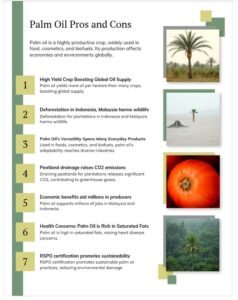
Beyond your baby’s health, palm oil raises ethical questions. Palm oil production contributes to deforestation in places like Indonesia and Malaysia, destroying habitats for orangutans and other wildlife. It also increases carbon emissions, impacting climate change, a future I worry about for my kids.
Sustainable Palm Oil: A Step Forward
Some brands use RSPO-certified sustainable palm oil (Roundtable on Sustainable Palm Oil), which aims to reduce environmental harm. If you’re sticking with a palm oil formula, look for this certification on the label—it’s a small way to make a difference.
What You Can Do
- Choose palm oil-free formulas to lower your environmental footprint.
- Support brands that prioritize sustainability (e.g., HiPP and Holle are vocal about eco-friendly practices).
- Advocate for change by joining parenting communities pushing for greener baby products—I’ve connected with amazing moms on X who share this passion!
How to Choose the Right Formula for Your Baby
Choosing a formula is deeply personal, and there’s no one-size-fits-all answer. Here’s how I approached it with my three kids, and I hope it helps you too.
Step 1: Consult Your Pediatrician
Always start with your doctor—they can assess your baby’s specific needs, especially if there are digestive or growth concerns.
Step 2: Read Labels Carefully
Look for the type of fats used in the formula. If it contains palm oil, check if it’s RSPO-certified. If you prefer palm oil-free, brands like HiPP and Bobbie are great starting points.
Step 3: Monitor Your Baby’s Response
Use the checklist above to track how your baby reacts. If you notice issues, don’t hesitate to switch—your intuition as a parent is powerful.
Step 4: Balance Ethics and Practicality
If sustainability matters to you, prioritize eco-friendly brands. But if budget is a concern, a palm oil formula might still be the best choice—just keep an eye on your baby’s health.

Digestibility Issues
Palm oil is a common ingredient in baby formula. Parents often wonder if it’s good for their baby’s digestion. Let’s explore the digestibility issues related to palm oil in baby formula.
Impact On Digestive Health
Palm oil can affect a baby’s digestive system. It contains palmitic acid, which can bind with calcium in the intestines. This binding can form a substance that is hard to digest, leading to digestive discomfort for some babies.
Constipation Concerns
Constipation is another issue linked to palm oil in baby formula. Babies may have harder stools due to the undigested substance formed by palm oil. Hard stools can make bowel movements painful, leading to constipation in some infants.
Comparative Studies
When choosing baby formula, parents often consider the ingredients. One common ingredient is palm oil. But how does it compare to other oils? Let’s explore the differences.
Palm Oil Vs. Other Oils
Palm oil is often used in baby formula for its fat content. But other oils like soybean, coconut, and sunflower are also used. Here’s a quick comparison:
| Oil Type | Fat Content | Benefits | Drawbacks |
|---|---|---|---|
| Palm Oil | High | Rich in saturated fats | May cause hard stools |
| Soybean Oil | Moderate | Contains omega-3 fatty acids | Possible allergen |
| Coconut Oil | High | Easy to digest | High in saturated fats |
| Sunflower Oil | Low | High in vitamin E | Less fatty acids |

Clinical Research Findings
Clinical studies show mixed results on palm oil in baby formula. Some studies indicate that palm oil can lead to harder stools in babies. This is because it forms calcium soaps in the intestines. These soaps reduce calcium absorption.
Other studies suggest that formulas without palm oil result in softer stools. Babies may also absorb more calcium and fat. This is important for bone health.
Overall, the choice of oil in baby formula can impact digestion and nutrient absorption. Parents should consider these factors when selecting a formula.
Environmental Impact
The environmental impact of palm oil in baby formula is significant. This section examines the sustainability challenges and deforestation issues related to palm oil production. Understanding these factors can help parents make informed choices.
Sustainability Challenges
Palm oil production faces several sustainability challenges. The high demand for palm oil leads to large-scale plantations. These plantations often replace natural forests, affecting biodiversity. Sustainable practices are crucial to minimize damage.
Certification programs like RSPO aim to promote sustainable palm oil. Yet, not all producers follow these guidelines. The challenge lies in ensuring all palm oil used in baby formula is sustainably sourced. This requires strong commitment from companies and consumers.
Deforestation Issues
Deforestation is a major concern with palm oil production. Forests are cleared to make way for palm plantations. This leads to loss of wildlife habitats and increases carbon emissions.
Deforestation also affects local communities. Many indigenous peoples rely on forests for their livelihoods. The loss of forests disrupts their way of life. Choosing baby formula with sustainably sourced palm oil can help reduce these impacts.

Consumer Perspectives
Many parents wonder about the safety and benefits of palm oil in baby formula. This is a common concern among families. They want the best for their little ones. Let’s explore some key areas of interest.
Parental Concerns
Parents often worry about digestive issues. Palm oil can cause hard stools in some infants. This can make babies uncomfortable. Another concern is nutrient absorption. Some studies suggest palm oil may block calcium absorption. This can affect bone development.
Allergies are another issue. While rare, some babies could be allergic to palm oil. Parents always need to monitor their babies for any signs of discomfort or allergic reactions.
Market Trends
The baby formula market is evolving. Many brands now offer palm oil-free options. This is in response to rising consumer demand. Parents are looking for formulas that are easier on their babies’ digestive systems. They also want formulas that support better nutrient absorption.
The table below shows a comparison of some popular baby formulas:
| Brand | Palm Oil | Special Features |
|---|---|---|
| Brand A | No | Organic, Non-GMO |
| Brand B | Yes | Affordable |
| Brand C | No | Enhanced with DHA |
This table helps parents make informed choices. They can compare different formulas based on their needs and preferences.
Regulatory Standards
Ensuring the safety and quality of baby formula is crucial. Regulatory standards play a key role in this process. Let’s explore the guidelines and regulations that govern the use of palm oil in baby formula.
Government Guidelines
Governments set strict guidelines for baby formula. These guidelines ensure the product is safe for infants. They focus on nutritional content and ingredient safety. Palm oil must meet these standards to be included in formula. Authorities conduct rigorous tests to verify compliance. They also monitor the manufacturing process closely.
Industry Regulations
The baby formula industry follows specific regulations. These regulations aim to ensure product quality and safety. Manufacturers must adhere to these rules. They include guidelines on sourcing and processing palm oil. Regular audits and inspections help maintain high standards. Companies must also provide clear labeling for consumers.
FAQ: Your Top Questions About Palm Oil in Baby Formula
Here are answers to the most common questions I get from parents like you:
What Is Palm Oil In Baby Formula?
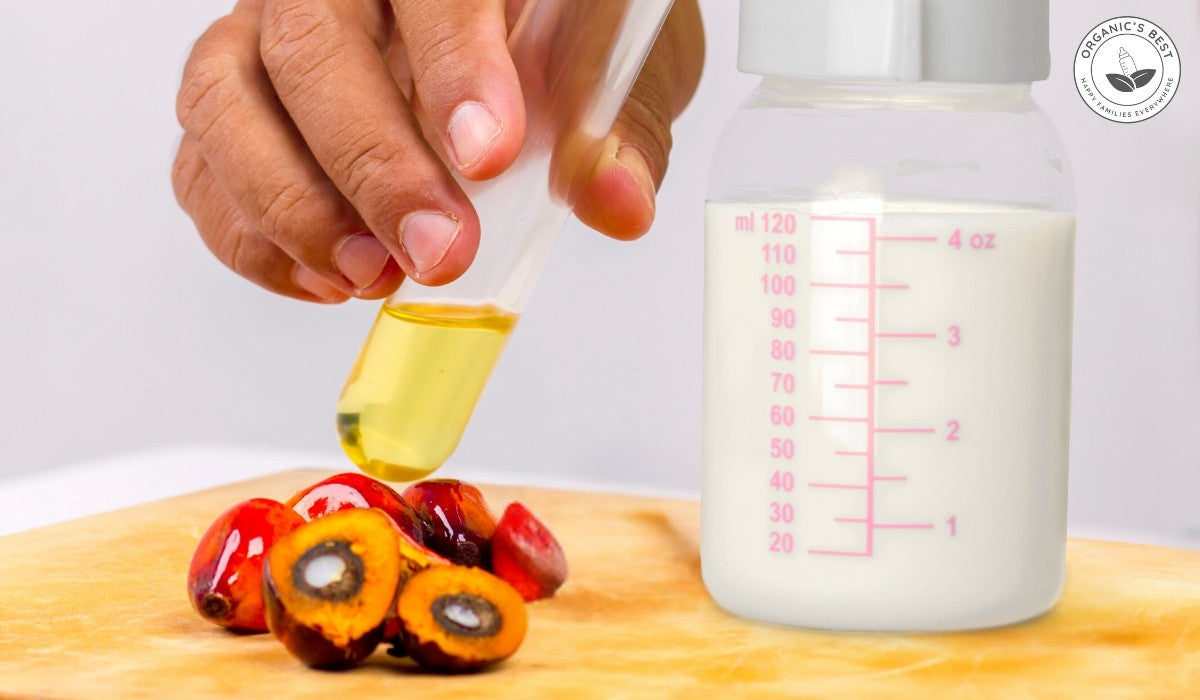
Palm oil is a vegetable oil used in some baby formulas. It mimics the fat profile of breast milk.
Is palm oil in baby formula safe?
Yes, when processed properly, palm oil is considered safe by the FDA and WHO. However, it may cause digestive issues or reduced calcium absorption in some babies, so monitor your baby’s response.
Can palm oil cause constipation in babies?
It can. Palm oil forms calcium soaps in the gut, which may lead to harder stools and constipation. If your baby struggles, consider switching to a palm oil-free formula.
Are there palm oil-free baby formulas?
Absolutely! Brands like HiPP Organic, Holle Organic, and Bobbie offer palm oil-free options using alternative oils like coconut or sunflower for better digestion.
How can I tell if my baby is reacting badly to palm oil?
Look for signs like hard stools, constipation, fussiness after feeding, or slow weight gain. Use our checklist above to track symptoms and consult your pediatrician.
Is palm oil in formula bad for the environment?
Yes, palm oil production contributes to deforestation and climate change. Opting for sustainable palm oil (RSPO-certified) or palm oil-free formulas can help reduce your environmental impact.
Should I avoid palm oil due to environmental concerns?
If sustainability matters, choose RSPO-certified formulas. Balance this with your baby’s nutritional needs.
Are There Alternatives To Palm Oil In Baby Formula?
Yes, some formulas use alternatives like soy oil or coconut oil. These alternatives may offer better nutrient absorption.
Conclusion
So, is palm oil in baby formula harmful or helpful? After diving deep into the research and reflecting on my own experience, I’d say it’s a gray area. Palm oil can help mimic breast milk and keep formula affordable, but it’s not without risks, like potential digestive issues and environmental impact. For some babies (like my second), it caused discomfort; for others, it’s fine. The key is to watch your baby closely, trust your instincts, and consult your pediatrician.
As a mom of three, I’ve learned that parenting is about finding what works for your family. If palm oil worries you, there are amazing alternatives out there. If it’s working for your baby, that’s okay too—just stay informed and proactive. You’ve got this, mama!
Palm oil is a common ingredient in baby formula. But is it good for babies?
Hey there, worried parent! If you’ve ever stared at a baby formula label and wondered, “Is palm oil safe for my little one?”—you’re not alone. As a new mom or dad, choosing the right formula can feel overwhelming, especially with all the buzz about palm oil. Is it a hidden danger, or does it actually benefit your baby? At BestBabyCart.com, we’re here to ease your mind with expert insights, emotional support, and practical tips. Let’s dive into the truth about palm oil in baby formula and empower you to make the best choice for your family!
Parents worry about these potential side effects. Understanding the pros and cons can help parents make informed decisions. This blog will explore the benefits and risks of palm oil in baby formula. Let’s dive into the facts and see what experts say about this widely used ingredient.
Why Is Palm Oil in Baby Formula in the First Place?
Palm oil is a versatile vegetable oil derived from the fruit of oil palm trees, widely used in food products, including baby formula. But why is it there? Manufacturers add it to mimic the fat profile of breast milk, particularly palmitic acid, which is crucial for your baby’s growth and brain development. Let’s break it down.
The Role of Palm Oil in Mimicking Breast Milk
Palm oil is used because it contains palmitic acid, a fatty acid found in breast milk. About 20-25% of the fat in breast milk is palmitic acid, which helps babies grow and develop. Formula makers add palm oil to mimic this fat profile, ensuring formula-fed babies get a similar nutritional boost. It’s like trying to recreate nature’s recipe—but does it really work the same way?
Why Manufacturers Choose Palm Oil
Palm oil is also cost-effective and has a long shelf life, making it a go-to choice for formula companies. It’s derived from the fruit of oil palm trees, primarily grown in Southeast Asia, and is one of the most widely used vegetable oils globally. But while it’s efficient for production, the real question is: does it benefit your baby—or could it cause harm?

Nutritional Aspects
Parents often wonder about the nutritional quality of baby formula. Palm oil is a common ingredient. Understanding its nutritional aspects is crucial.
Fatty Acid Composition
Palm oil contains various fatty acids. These include palmitic acid, oleic acid, and linoleic acid. Here is a breakdown:
| Fatty Acid | Percentage |
|---|---|
| Palmitic Acid | 44% |
| Oleic Acid | 39% |
| Linoleic Acid | 10% |
Palmitic acid is the major component. It is similar to the fat in breast milk. However, its structure in palm oil is different. This can affect digestion.
Essential Nutrients
Baby formula must provide essential nutrients. Palm oil is rich in vitamin E and beta-carotene. These are important antioxidants. They help in protecting cells from damage.
- Vitamin E supports immune function.
- Beta-carotene is a precursor to vitamin A.
Vitamin A is crucial for vision and growth. Palm oil also contains CoQ10. This is important for energy production in cells.
Despite these benefits, there are concerns. Some studies suggest palm oil can lead to harder stools in infants. This can cause discomfort. Parents should weigh the pros and cons.
The Controversy: Is Palm Oil Harmful for Babies?
Let’s address the elephant in the room—why does palm oil in baby formula spark so much debate? As a mom, I’ve heard the concerns, and I’ve dug deep to understand both sides.
Positive Health Impacts
Palm oil contains healthy fats. These fats are important for a baby’s growth. They support brain development and provide energy. Palm oil is also a source of vitamins A and E. These vitamins help boost the immune system.
In baby formula, palm oil mimics the fat content of breast milk. This can make the formula more similar to natural breastfeeding. It helps babies feel full and satisfied after feeding. Palm oil also contributes to the creamy texture of the formula. This can make it easier for babies to digest.
Potential Downsides of Palm Oil in Baby Formula
Research shows a few potential issues with palm oil in infant formula:
- Reduced Calcium Absorption: Studies, like one from the Journal of Pediatric Gastroenterology and Nutrition (2017), suggest that palm oil can form “calcium soaps” in a baby’s gut. These soaps make it harder for the body to absorb calcium, potentially leading to lower bone density over time. For a growing baby, this is a big deal—calcium is crucial for strong bones!
- Digestive Discomfort: The same calcium soaps can make stools harder, leading to constipation or tummy troubles. I remember my second child struggling with hard stools when we used a palm oil-based formula—it broke my heart to see her discomfort.
- Environmental Concerns: Palm oil production is linked to deforestation, habitat loss, and climate change. As a parent who wants a better world for my kids, this ethical issue weighs heavily. Many brands are now shifting to sustainable palm oil, but it’s still a concern for eco-conscious families.
What Experts Say About Safety
On the flip side, palm oil isn’t inherently “dangerous.” The FDA and WHO consider palm oil safe for consumption when processed properly. A 2023 study by the European Food Safety Authority (EFSA) found that refined palm oil in baby formula, when within regulated limits, doesn’t pose a direct health risk. However, the study emphasized monitoring for potential digestive issues in infants.
So, is it harmful? It’s not black-and-white. While palm oil isn’t toxic, its effects on calcium absorption and digestion can be problematic for some babies. Let’s explore the benefits to get the full picture.
The Benefits: Can Palm Oil Be Helpful in Baby Formula?
Despite the concerns, palm oil does have benefits that make it a staple in many formulas.
Nutritional Similarity to Breast Milk
As mentioned, palm oil provides palmitic acid, which mimics the fat structure of breast milk. This helps formula-fed babies get essential fats for brain development, energy, and growth. For parents who can’t breastfeed—like I couldn’t with my third due to medical reasons—this similarity offers reassurance that our babies are still getting vital nutrients.
Cost-Effectiveness for Families
Palm oil’s affordability keeps formula prices lower, which is a lifesaver for families on a budget. I remember stretching every dollar during my early parenting years—affordable formula made a huge difference.
Stability in Formula
Palm oil’s long shelf life ensures the formula stays fresh, which is practical for parents who stock up. It also helps the formula maintain a consistent texture, so your baby gets a smooth feeding experience every time.
How Does Palm Oil Affect Your Baby? Signs to Watch For
As a mom, I know we’re always on high alert for any sign our baby isn’t thriving. Here’s what to look for if your formula contains palm oil.
Digestive Red Flags
- Hard, infrequent stools or constipation.
- Excessive fussiness after feeding, possibly due to tummy discomfort.
- Signs of poor nutrient absorption like slow weight gain (consult your pediatrician if you notice this).
What I Noticed with My Kids
When my second daughter was on a palm oil-based formula, she had harder stools and seemed gassier than her siblings. Switching to a palm oil-free formula helped, but every baby is different—what worked for me might not work for you. Keep a close eye and trust your instincts.
Here’s a checklist to monitor your baby’s reaction:
[xyz-ihs snippet=”checklist-for-palm-oil”]
Alternatives to Palm Oil in Baby Formula: What Are Your Options?
If you’re uneasy about palm oil, there are alternatives! Many brands now offer palm oil-free formulas, and I’ve tried a few with my kids.
Palm Oil-Free Formula Brands
- HiPP Organic: Uses a blend of coconut, sunflower, and rapeseed oils. My third loved this, and it was gentler on her tummy.
- Holle Organic: Another great option with no palm oil, focusing on natural oils for better digestion.
- Bobbie: A U.S.-based brand that uses a mix of oils like sunflower and safflower, designed to be easier on babies’ systems.
Why These Alternatives Might Be Better
These formulas often use oils that don’t form calcium soaps, improving calcium absorption and reducing constipation. Plus, many brands prioritize sustainability, addressing the environmental concerns of palm oil production.
Environmental Impact of Palm Oil: Should You Care?
Beyond your baby’s health, palm oil raises ethical questions. Palm oil production contributes to deforestation in places like Indonesia and Malaysia, destroying habitats for orangutans and other wildlife. It also increases carbon emissions, impacting climate change, a future I worry about for my kids.
Sustainable Palm Oil: A Step Forward
Some brands use RSPO-certified sustainable palm oil (Roundtable on Sustainable Palm Oil), which aims to reduce environmental harm. If you’re sticking with a palm oil formula, look for this certification on the label—it’s a small way to make a difference.
What You Can Do
- Choose palm oil-free formulas to lower your environmental footprint.
- Support brands that prioritize sustainability (e.g., HiPP and Holle are vocal about eco-friendly practices).
- Advocate for change by joining parenting communities pushing for greener baby products—I’ve connected with amazing moms on X who share this passion!
How to Choose the Right Formula for Your Baby
Choosing a formula is deeply personal, and there’s no one-size-fits-all answer. Here’s how I approached it with my three kids, and I hope it helps you too.
Step 1: Consult Your Pediatrician
Always start with your doctor—they can assess your baby’s specific needs, especially if there are digestive or growth concerns.
Step 2: Read Labels Carefully
Look for the type of fats used in the formula. If it contains palm oil, check if it’s RSPO-certified. If you prefer palm oil-free, brands like HiPP and Bobbie are great starting points.
Step 3: Monitor Your Baby’s Response
Use the checklist above to track how your baby reacts. If you notice issues, don’t hesitate to switch—your intuition as a parent is powerful.
Step 4: Balance Ethics and Practicality
If sustainability matters to you, prioritize eco-friendly brands. But if budget is a concern, a palm oil formula might still be the best choice—just keep an eye on your baby’s health.
Digestibility Issues
Palm oil is a common ingredient in baby formula. Parents often wonder if it’s good for their baby’s digestion. Let’s explore the digestibility issues related to palm oil in baby formula.
Impact On Digestive Health
Palm oil can affect a baby’s digestive system. It contains palmitic acid, which can bind with calcium in the intestines. This binding can form a substance that is hard to digest, leading to digestive discomfort for some babies.
Constipation Concerns
Constipation is another issue linked to palm oil in baby formula. Babies may have harder stools due to the undigested substance formed by palm oil. Hard stools can make bowel movements painful, leading to constipation in some infants.
Comparative Studies
When choosing baby formula, parents often consider the ingredients. One common ingredient is palm oil. But how does it compare to other oils? Let’s explore the differences.
Palm Oil Vs. Other Oils
Palm oil is often used in baby formula for its fat content. But other oils like soybean, coconut, and sunflower are also used. Here’s a quick comparison:
| Oil Type | Fat Content | Benefits | Drawbacks |
|---|---|---|---|
| Palm Oil | High | Rich in saturated fats | May cause hard stools |
| Soybean Oil | Moderate | Contains omega-3 fatty acids | Possible allergen |
| Coconut Oil | High | Easy to digest | High in saturated fats |
| Sunflower Oil | Low | High in vitamin E | Less fatty acids |
Clinical Research Findings
Clinical studies show mixed results on palm oil in baby formula. Some studies indicate that palm oil can lead to harder stools in babies. This is because it forms calcium soaps in the intestines. These soaps reduce calcium absorption.
Other studies suggest that formulas without palm oil result in softer stools. Babies may also absorb more calcium and fat. This is important for bone health.
Overall, the choice of oil in baby formula can impact digestion and nutrient absorption. Parents should consider these factors when selecting a formula.
Environmental Impact
The environmental impact of palm oil in baby formula is significant. This section examines the sustainability challenges and deforestation issues related to palm oil production. Understanding these factors can help parents make informed choices.
Sustainability Challenges
Palm oil production faces several sustainability challenges. The high demand for palm oil leads to large-scale plantations. These plantations often replace natural forests, affecting biodiversity. Sustainable practices are crucial to minimize damage.
Certification programs like RSPO aim to promote sustainable palm oil. Yet, not all producers follow these guidelines. The challenge lies in ensuring all palm oil used in baby formula is sustainably sourced. This requires strong commitment from companies and consumers.
Deforestation Issues
Deforestation is a major concern with palm oil production. Forests are cleared to make way for palm plantations. This leads to loss of wildlife habitats and increases carbon emissions.
Deforestation also affects local communities. Many indigenous peoples rely on forests for their livelihoods. The loss of forests disrupts their way of life. Choosing baby formula with sustainably sourced palm oil can help reduce these impacts.
Consumer Perspectives
Many parents wonder about the safety and benefits of palm oil in baby formula. This is a common concern among families. They want the best for their little ones. Let’s explore some key areas of interest.
Parental Concerns
Parents often worry about digestive issues. Palm oil can cause hard stools in some infants. This can make babies uncomfortable. Another concern is nutrient absorption. Some studies suggest palm oil may block calcium absorption. This can affect bone development.
Allergies are another issue. While rare, some babies could be allergic to palm oil. Parents always need to monitor their babies for any signs of discomfort or allergic reactions.
Market Trends
The baby formula market is evolving. Many brands now offer palm oil-free options. This is in response to rising consumer demand. Parents are looking for formulas that are easier on their babies’ digestive systems. They also want formulas that support better nutrient absorption.
The table below shows a comparison of some popular baby formulas:
| Brand | Palm Oil | Special Features |
|---|---|---|
| Brand A | No | Organic, Non-GMO |
| Brand B | Yes | Affordable |
| Brand C | No | Enhanced with DHA |
This table helps parents make informed choices. They can compare different formulas based on their needs and preferences.
Regulatory Standards
Ensuring the safety and quality of baby formula is crucial. Regulatory standards play a key role in this process. Let’s explore the guidelines and regulations that govern the use of palm oil in baby formula.
Government Guidelines
Governments set strict guidelines for baby formula. These guidelines ensure the product is safe for infants. They focus on nutritional content and ingredient safety. Palm oil must meet these standards to be included in formula. Authorities conduct rigorous tests to verify compliance. They also monitor the manufacturing process closely.
Industry Regulations
The baby formula industry follows specific regulations. These regulations aim to ensure product quality and safety. Manufacturers must adhere to these rules. They include guidelines on sourcing and processing palm oil. Regular audits and inspections help maintain high standards. Companies must also provide clear labeling for consumers.
FAQ: Your Top Questions About Palm Oil in Baby Formula
Here are answers to the most common questions I get from parents like you:
What Is Palm Oil In Baby Formula?
Palm oil is a vegetable oil used in some baby formulas. It mimics the fat profile of breast milk.
Is palm oil in baby formula safe?
Yes, when processed properly, palm oil is considered safe by the FDA and WHO. However, it may cause digestive issues or reduced calcium absorption in some babies, so monitor your baby’s response.
Can palm oil cause constipation in babies?
It can. Palm oil forms calcium soaps in the gut, which may lead to harder stools and constipation. If your baby struggles, consider switching to a palm oil-free formula.
Are there palm oil-free baby formulas?
Absolutely! Brands like HiPP Organic, Holle Organic, and Bobbie offer palm oil-free options using alternative oils like coconut or sunflower for better digestion.
How can I tell if my baby is reacting badly to palm oil?
Look for signs like hard stools, constipation, fussiness after feeding, or slow weight gain. Use our checklist above to track symptoms and consult your pediatrician.
Is palm oil in formula bad for the environment?
Yes, palm oil production contributes to deforestation and climate change. Opting for sustainable palm oil (RSPO-certified) or palm oil-free formulas can help reduce your environmental impact.
Should I avoid palm oil due to environmental concerns?
If sustainability matters, choose RSPO-certified formulas. Balance this with your baby’s nutritional needs.
Are There Alternatives To Palm Oil In Baby Formula?
Yes, some formulas use alternatives like soy oil or coconut oil. These alternatives may offer better nutrient absorption.
Conclusion
So, is palm oil in baby formula harmful or helpful? After diving deep into the research and reflecting on my own experience, I’d say it’s a gray area. Palm oil can help mimic breast milk and keep formula affordable, but it’s not without risks, like potential digestive issues and environmental impact. For some babies (like my second), it caused discomfort; for others, it’s fine. The key is to watch your baby closely, trust your instincts, and consult your pediatrician.
As a mom of three, I’ve learned that parenting is about finding what works for your family. If palm oil worries you, there are amazing alternatives out there. If it’s working for your baby, that’s okay too—just stay informed and proactive. You’ve got this, mama!

Emma Grace is a devoted mother and passionate content writer at BestBabyCart.com. With firsthand parenting experience and a love for research, she creates helpful guides and honest reviews to support parents in choosing the best for their babies. Her goal is to make parenthood easier, one article at a time.