

A baby monitor is one of the most relied-upon pieces of nursery gear for new parents, offering peace of mind when you’re in another room. But poor placement turns a safety tool into a liability: blind spots hide your baby’s movement, bad angles miss critical sleep position cues, and incorrect distance creates distorted audio or cord entanglement hazards. In 2026, monitor technology has advanced to include biometric breathing tracking, Wi-Fi remote access, and noise-cancelling audio, but all these features are useless if the device is placed incorrectly. This guide breaks down expert-backed placement rules for every monitor type, home layout, and nursery size, so you can set up a system that actually keeps your baby safe.
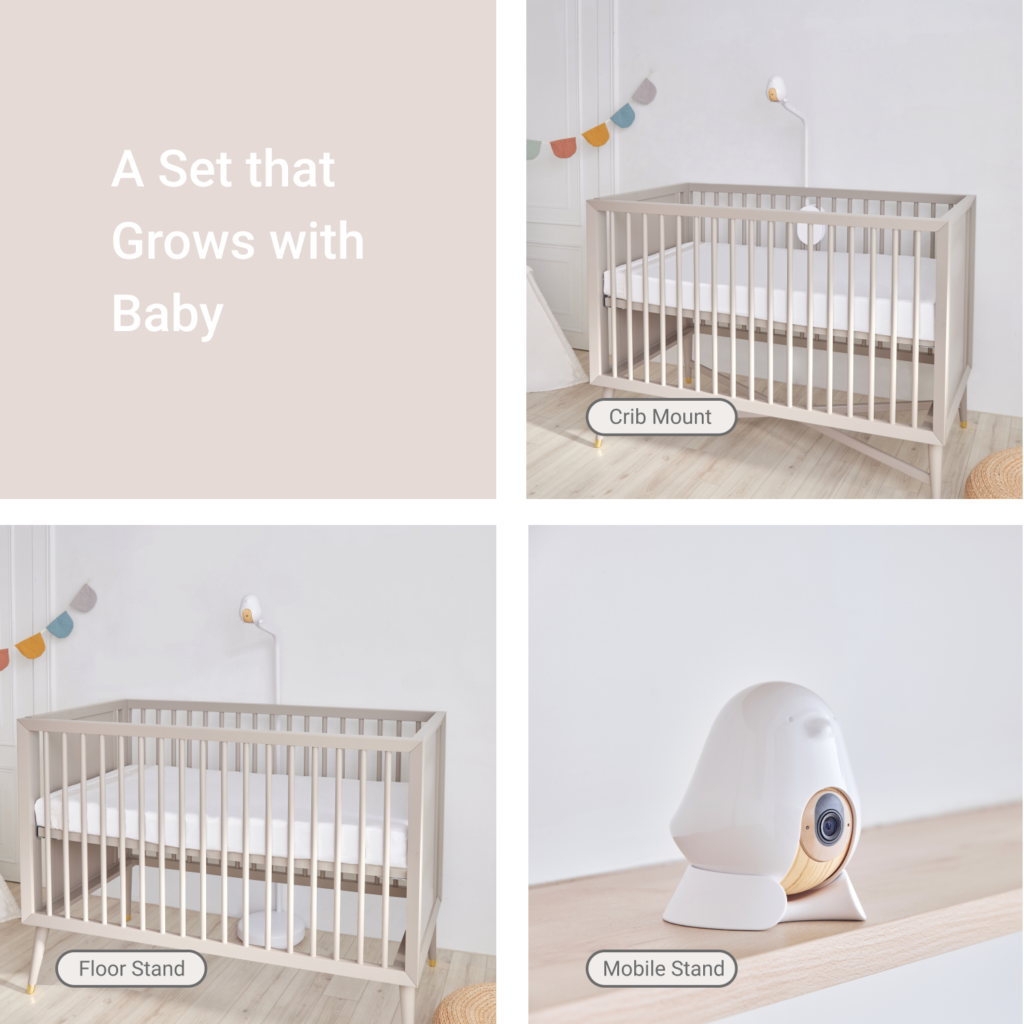 A properly placed monitor eliminates blind spots and reduces safety risks in the nursery.
Source: getcubo.com
A properly placed monitor eliminates blind spots and reduces safety risks in the nursery.
Source: getcubo.com
Why Baby Monitor Placement Is Non-Negotiable for Safety
In practice, the most common placement mistake parents make is propping a monitor on the crib rail for a “closer view” — this creates immediate fall and strangulation risks, and often gives a skewed angle that hides the baby’s lower body and feet. Improper placement also creates a false sense of security: if you can’t see your baby’s full crib or hear soft breathing cues, you’re less likely to check on them regularly, which increases risk for unsafe sleep scenarios. The U.S. Consumer Product Safety Commission (CPSC) lists improper monitor placement as a top cause of nursery-related device hazards, making correct setup a critical safety step, not just a convenience tweak. You can also read our guide on video vs audio baby monitor.
What Your Monitor Needs to Capture to Keep Your Baby Safe
Before choosing a spot, it’s helpful to understand what features you need your monitor to deliver. All effective monitor setups prioritize four core functions:
Clear Audio for Breathing and Crying
Soft, subtle changes in breathing rhythm can be an early warning sign of respiratory issues, and quiet early cries let you respond to your baby before they become distressed. Audio clarity depends on placement away from sound-muffling objects like thick blankets, furniture, and noisy appliances such as fans, HVAC vents, or white noise machines. Distorted or muffled audio can hide these critical cues, leaving you unaware of potential issues.
Full Crib View for Movement and Sleep Position
Rolling to a prone (stomach) sleeping position is a major SIDS risk for infants, per AAP Safe Sleep Guidelines. A monitor’s camera needs to capture the entire crib mattress, not just your baby’s upper body, to confirm they stay on their back as recommended. Blind spots below the crib rails or behind crib toys can hide movement, giving you false confidence that your baby is safe when they’ve shifted into a risky position. You can also read our guide on best baby monitors for night use.
Unobstructed Night Vision
Most modern monitors use infrared (IR) night vision to provide clear footage in total darkness, but glare from windows, night lights, or glossy crib toys can wash out the feed. Proper placement ensures IR lights don’t shine directly into your baby’s eyes, which can disrupt sleep, while still providing a clear view of their chest rise and fall to confirm comfortable breathing.
Consistent, Lag-Free Connectivity
For Wi-Fi monitors, stable signal is non-negotiable: lag or dropped feeds mean you miss real-time alerts when you’re in another room or away from home. Placement that avoids signal-blocking obstacles like concrete walls, metal furniture, and other wireless devices ensures you get reliable, real-time updates. You can also read our guide on best baby monitors for small apartments.
 Key coverage areas include the entire crib mattress, baby's torso for breathing tracking, and surrounding floor space for movement detection.
Source: co.uk
Key coverage areas include the entire crib mattress, baby's torso for breathing tracking, and surrounding floor space for movement detection.
Source: co.uk
The 3 Core Placement Variables That Control Performance
Every monitor type relies on three adjustable variables to deliver the coverage and clarity you need. Small tweaks to these settings can eliminate blind spots, reduce audio distortion, and improve signal stability:
Angle
A downward 30–45 degree tilt is ideal for most crib setups, as it captures the entire mattress, including your baby’s feet and lower body. Straight-on angles often create blind spots below the crib rails, while slightly off-center angles reduce glare from windows or overhead lights that wash out night vision. Avoid pointing the camera directly at your baby’s face to prevent IR lights from disrupting their sleep.
Distance
The CPSC recommends a minimum 3-foot distance between the monitor (and all associated cords) and the crib to prevent fall, strangulation, and entanglement risks. For audio monitors, a 3–8 foot sweet spot picks up soft breathing and crying without creating loud, distorted audio. For video monitors, distance depends on your camera’s field of view: wide-angle lenses can be placed further back to capture the full crib, while narrow lenses need to be closer to avoid cutting off edges of the mattress.
Height
Mounting cameras 6–8 feet high, directly above the crib, keeps them out of reach of babies and toddlers as they grow, while also providing a wider field of view that eliminates blind spots. Eye-level mounts may seem natural for facial recognition, but they’re well within grabbing range for infants as young as 6 months, increasing fall and cord pull risks.
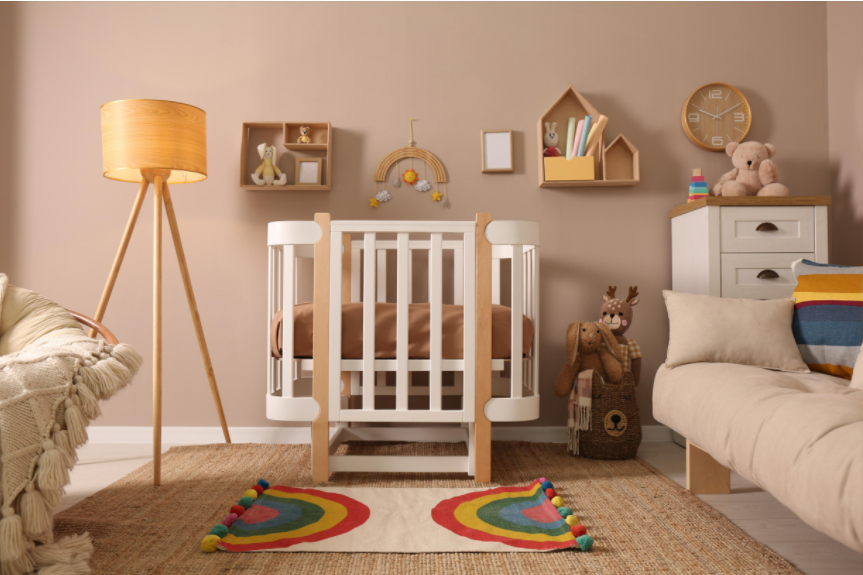 Mounting 6–8 feet high keeps the device out of reach as babies learn to roll, sit, and pull themselves up.
Source: arenti.com
Mounting 6–8 feet high keeps the device out of reach as babies learn to roll, sit, and pull themselves up.
Source: arenti.com
Placement Rules by Monitor Type (2026 Guide)
Each monitor technology has unique requirements based on how it transmits audio and video. Follow these type-specific rules to optimize performance and safety:
Audio-Only Baby Monitors
Audio-only units don’t require line of sight to the crib, but they need to be placed away from sound-muffling and vibration-inducing surfaces. Mount the microphone 3–8 feet from the crib on a high, stable shelf or wall, away from HVAC vents, fans, white noise machines, and wobbly furniture that creates static. Avoid placing the unit on the crib mattress or rail, as this creates loud, distorted audio and increases strangulation risk from cords.
Non-Wi-Fi Video Baby Monitors
These dedicated RF monitors avoid internet hacking risks and work reliably even in homes with weak Wi-Fi, but they still require unobstructed line of sight to the crib. Place the camera high on a wall above the crib, angled down 30–45 degrees, away from windows to avoid glare. Avoid placing behind crib toys or mobiles, which create blind spots that hide your baby’s movement.
Wi-Fi Baby Monitors
Wi-Fi cameras offer remote viewing, sleep tracking, and smart alerts, but they rely on stable home network signal. Place the camera within strong range of your router, away from microwaves, smart TVs, and other electronics that cause interference. For better range through walls and floors, connect the monitor to your router’s 2.4 GHz band, which travels farther than 5 GHz. Prioritize security by using strong, unique passwords, enabling two-factor authentication, and updating firmware regularly — the FTC’s smart home security guidance offers step-by-step steps to reduce hacking risk.
Smart Biometric Monitors
The latest 2026 monitor models include breathing, heart rate, and movement tracking, but these features require an unobstructed, top-down view of your baby’s entire torso to work accurately. Place these cameras 3–6 feet directly above the crib, centered, with no blankets, mobiles, or toys blocking the view of your baby’s chest and stomach. Avoid placing near windows, as glare can interfere with biometric sensors.
 A 30–45 degree downward tilt ensures the full crib is visible, including the baby's feet and lower body.
Source: amazon.com
A 30–45 degree downward tilt ensures the full crib is visible, including the baby's feet and lower body.
Source: amazon.com
Non-Negotiable Safety Boundaries for Placement
No matter your monitor type or home layout, these safety rules are non-negotiable per CPSC and AAP guidelines:
Spots to Avoid At All Costs
- Inside the crib or on crib rails: Even if your monitor is marketed as crib-attachable, this placement creates fall and strangulation risks as babies roll and reach for cords. The CPSC explicitly warns against any device within arm’s reach of the crib.
- On unstable surfaces: Wobbly shelves, changing table tops, or bassinet canopies can tip over if a baby pulls on the monitor cord, leading to injury or entanglement.
- Near windows or direct light: Glare washes out night vision, and prolonged exposure to sunlight can damage camera sensors. For Wi-Fi monitors, placement near windows also increases privacy risk, as outsiders may be able to access the feed if security settings are weak.
- Near heat, moisture, or appliances: Heaters, humidifiers, and boiling kettles can damage monitor electronics, while steam fogs the camera lens and creates blind spots. Keep monitors at least 3 feet away from any heat or moisture source.
- Near blind cords or window treatments: Cords from blinds or curtains can form loops that pose strangulation risks to babies, per AAP guidelines. Keep all cords, including monitor cords, secured high and out of reach.
Cord and Power Safety Rules
All baby monitors sold in the U.S. are required by the CPSC to have cords no longer than 3 feet, but excess cord length still needs to be secured. Use adhesive cord covers or raceways mounted high on the wall to tape cords flat and out of reach, and never use extension cords in the nursery, as they are not rated for continuous use near a crib and can overheat. Opt for battery-powered monitors if you want to eliminate cord risk entirely, and use tamper-resistant outlet covers to keep spare chargers out of reach.
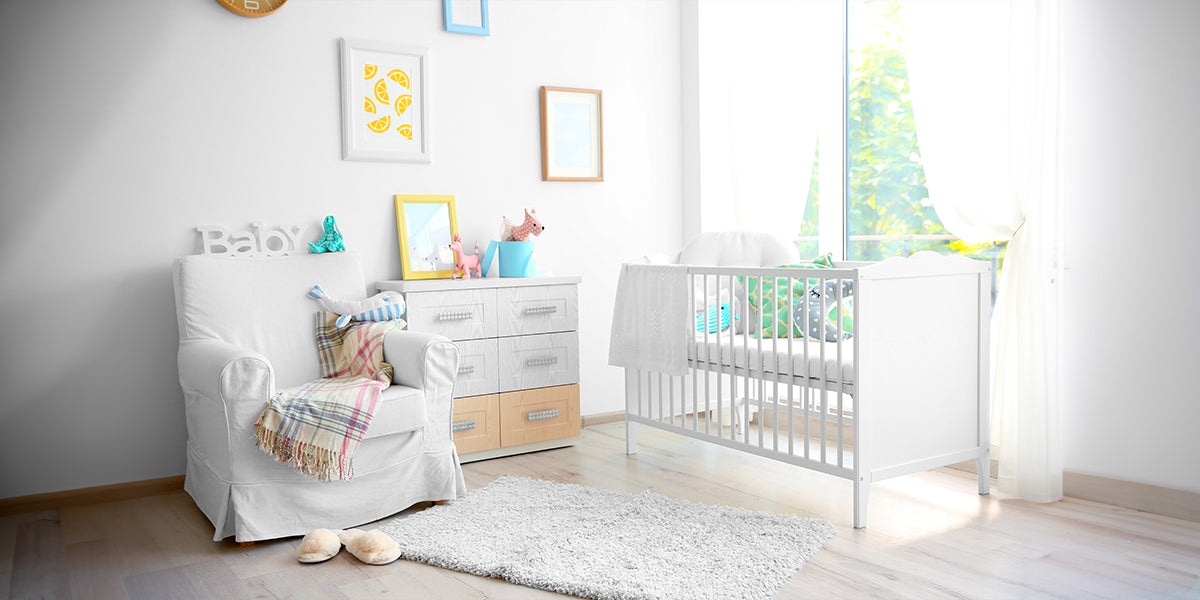 High, stable placement away from noisy appliances reduces audio distortion and cord reach risks.
Source: iegeek.com
High, stable placement away from noisy appliances reduces audio distortion and cord reach risks.
Source: iegeek.com
Placement Tips for Every Home Layout
Your home’s layout will impact signal strength and optimal placement, so adjust your setup to fit your space:
Small Apartments and Studios
Thin shared walls block both Wi-Fi and RF signals, so test your monitor’s signal strength in every room of your apartment before finalizing placement. Mount the camera on a shared wall (not a wall bordering the living area) to reduce noise interference, and place your router centrally in the apartment to minimize dead zones. For Wi-Fi monitors, keep the camera at least 3 feet away from the kitchen, as microwaves interfere with 2.4 GHz signals. Compact, foldable baby gear can free up wall space for secure monitor mounts — our guide to folding compact strollers and gear offers tips for maximizing small nursery space.
Multi-Story and Large Homes
Concrete floors and metal studs block signal more than wood, so if your nursery is upstairs, place your router on the main floor in a central location, or use a mesh Wi-Fi system with a node in the nursery for full coverage. For non-Wi-Fi monitors, place the parent unit in the room you use most (like the kitchen or living room) so you can hear alerts without running upstairs. Test signal strength on all floors, including the basement and outdoor spaces, to ensure you don’t miss alerts when you’re working or relaxing away from the nursery.
Multi-Generational Homes
If other caregivers (like grandparents) stay in your home, enable secure remote access for Wi-Fi monitors so they can check in from their own rooms, or place a secondary parent unit in a common area they frequent. Make sure all users have unique login credentials to protect your family’s privacy.
 Place Wi-Fi monitors away from routers and microwaves to avoid signal interference and lag.
Source: hellobaby-monitor.com
Place Wi-Fi monitors away from routers and microwaves to avoid signal interference and lag.
Source: hellobaby-monitor.com
How to Test Your Placement for Full Coverage
Once you’ve installed your monitor, run these tests to confirm it’s working as intended:
Test for Video Blind Spots
Lay a blanket on the crib where your baby usually sleeps, and place a stuffed animal in common sleeping positions (on their back, side, and rolled to prone). Check the feed from all common spots in your home (your bedroom, kitchen, living room) to confirm the entire mattress is visible, with no blind spots behind crib toys or mobiles.
Test Audio Sensitivity
Make soft, realistic baby sounds at the crib: a quiet cough, a gentle whimper, or the sound of your baby shifting in their sleep. Listen from the parent unit or app to confirm the audio is clear, not muffled or distorted. Turn on any fans, white noise machines, or HVAC systems you usually run at night to make sure these don’t drown out baby sounds.
Test Network Stability (for Wi-Fi Monitors)
Walk around your entire home with the parent app open, checking for lag, dropped frames, or lost audio. Test remote access from outside your home (like your office or a friend’s house) to confirm the connection is stable if you need to check in while you’re out. If you notice dead zones, adjust your router placement or add a mesh node to improve coverage.
Test Night Vision Performance
Turn off all lights in the nursery and wait 10 minutes for the camera’s infrared sensors to adjust. Check the feed for glare from night lights, windows, or glossy crib toys, and confirm you can clearly see your baby’s chest rise and fall, and their sleep position, in total darkness.
Common Placement Mistakes to Avoid
Even well-meaning parents often make these errors that undermine safety and performance:
- Placing the monitor too close to the crib: Closer than 3 feet creates loud, distorted audio, increases cord entanglement risk, and makes the camera more likely to be grabbed by a curious toddler. Fix: Mount it 3–8 feet away, high on a wall or stable shelf.
- Mounting the camera too low: Eye-level or lower mounts are within easy reach of babies as young as 6 months, who can grab the cord and pull the device down. Fix: Mount 6–8 feet high, angled down to cover the crib.
- Hiding the camera behind furniture or crib toys: Creates blind spots that hide your baby’s movement or sleep position, giving you a false sense of security. Fix: Clear all obstructions from the camera’s line of sight, and remove large mobiles or toys that block the view. Keeping your crib free of unnecessary items also reduces suffocation risk — our guide to creating a safe crib environment offers a full checklist of items to avoid.
- Pointing the camera at windows or bright lights: Creates glare that washes out night vision, and can cause the camera to adjust exposure incorrectly, making the crib appear darker than it is. Fix: Angle the camera away from direct light sources, and use blackout curtains or light-blocking chevron-patterned nursery panels to reduce outdoor light glare at night.
- Clustering electronics near the monitor or router: Microwaves, smart TVs, and other wireless devices cause interference that leads to lag, dropped signals, or distorted audio. Fix: Keep the monitor and router at least 3 feet away from other electronics, and use a mesh network if you have many smart devices in your home.
- Using unsecured mounts or shaky shelves: A falling monitor can injure a baby, and loose cords can form strangulation hazards. Fix: Use wall mounts that screw directly into wall studs, not just drywall anchors, and choose shelves with a lip or guard to prevent the monitor from sliding off. If you regularly travel with your baby, our tips for managing early bedtimes on the go can help you keep up with monitoring routines even when you’re away from home.
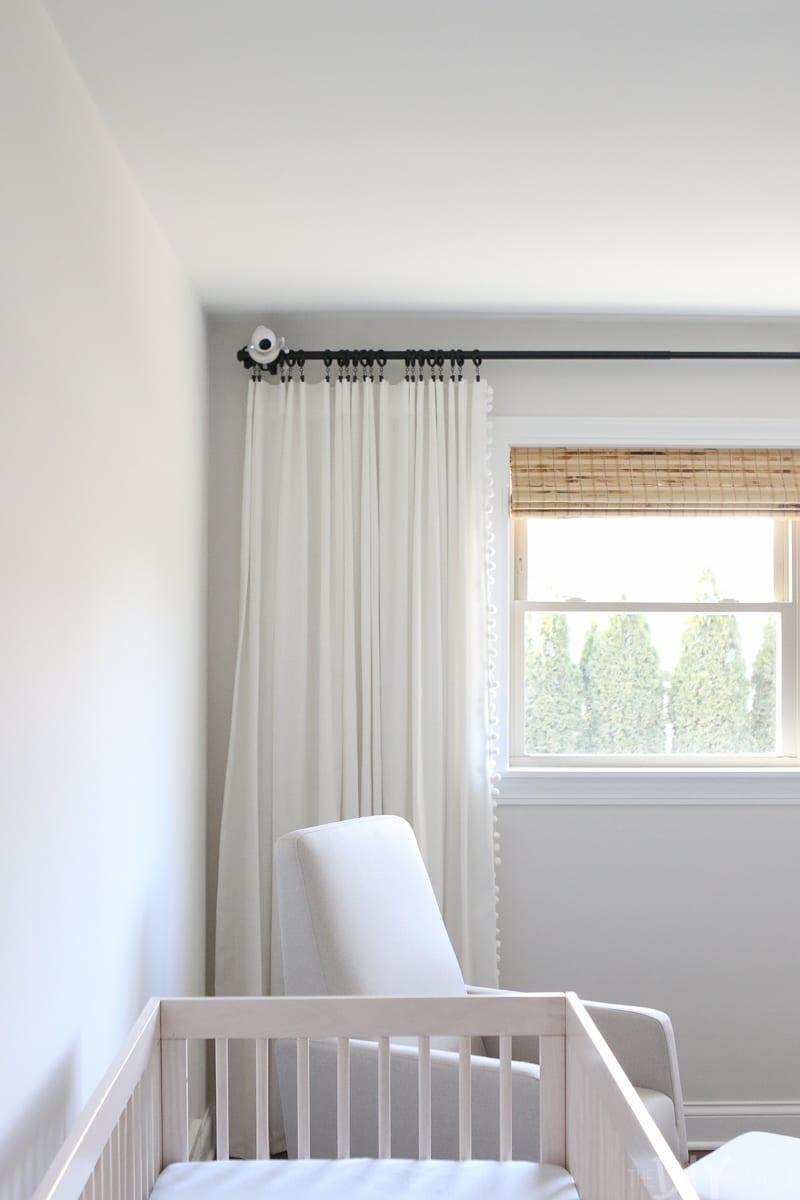 In small spaces, prioritize wall mounts over tabletop placement to free up floor space and avoid obstructions.
Source: thediyplaybook.com
In small spaces, prioritize wall mounts over tabletop placement to free up floor space and avoid obstructions.
Source: thediyplaybook.com
What Child Safety Experts Recommend in 2026
The AAP and CPSC update their safe sleep and nursery safety guidelines regularly to reflect current research, and their 2026 recommendations reinforce that baby monitors are a helpful tool, not a substitute for regular visual checks on your baby. Key expert guidance includes:
- Keep the crib completely bare, with no soft items, toys, or devices, to reduce suffocation and SIDS risk. A clutter-free crib also eliminates blind spots that hide your baby from the camera. Avoid placing small novelty crib items in the crib, as these can block the camera’s view of your baby’s torso.
- Use wall-mounted cameras whenever possible, as they’re more stable than tabletop units and keep cords out of reach. If you use a tabletop monitor, place it on a stable, high shelf with a guard to prevent it from being pulled down.
- For Wi-Fi monitors, follow FTC guidance to enable two-factor authentication, use unique strong passwords, and update firmware regularly to prevent unauthorized access to your home feed.
- If your baby has underlying respiratory or health conditions, consult your pediatrician for personalized placement guidance. Some biometric monitors require specific height and angle settings to deliver accurate readings, and your provider can help you adjust your setup to meet their needs.
Frequently Asked Questions
How far does a baby monitor need to be from the crib?
Per CPSC guidance, keep the monitor and all cords at least 3 feet away from the crib to avoid fall, strangulation, and entanglement risks. For audio monitors, 3–8 feet is the ideal sweet spot to pick up soft breathing and crying without distorted, loud audio.
Can I place a baby monitor on the crib rail?
No. CPSC safety standards explicitly warn against placing any device on crib rails, as it can fall into the crib or have cords that loop around a baby's neck as they roll. Always use wall mounts or high, stable shelves out of reach.
Do Wi-Fi baby monitors need special placement?
Yes. Place Wi-Fi monitors within strong, unobstructed signal range of your router, away from microwaves, smart TVs, and other electronics that cause interference. Prioritize security by using strong passwords, two-factor authentication, and regular firmware updates to prevent hacking.
What height should I mount my baby monitor?
Mount cameras 6–8 feet high, directly above the crib, to keep them out of reach of babies and toddlers. This height also provides a downward angle that captures the entire crib mattress, eliminating blind spots below the crib rails.
Is it okay to place a baby monitor near a window?
No. Direct sunlight or streetlight glare can wash out night vision and damage the camera sensor over time. For Wi-Fi monitors, placement near windows also increases privacy risk, as outsiders may be able to access the feed if security settings are weak.
Final Takeaway
Proper baby monitor placement is a 10-minute task that delivers huge returns for safety and peace of mind. By following the rules above — mounting high, angling down, keeping cords out of reach, and testing your setup at night — you’ll eliminate blind spots, reduce safety risks, and ensure your monitor works as intended. For more expert baby gear safety guides and nursery setup tips, browse our full library of resources to keep your little one safe at every stage.

Emma Grace is a devoted mother and passionate content writer at BestBabyCart.com. With firsthand parenting experience and a love for research, she creates helpful guides and honest reviews to support parents in choosing the best for their babies. Her goal is to make parenthood easier, one article at a time.

 Proper swaddling and crib setup reduce monitor-related safety risks
Source: imperfecthomemaking.com
Proper swaddling and crib setup reduce monitor-related safety risks
Source: imperfecthomemaking.com Unsafe sleep habits can trigger false monitor alerts
Source: todaysparent.com
Unsafe sleep habits can trigger false monitor alerts
Source: todaysparent.com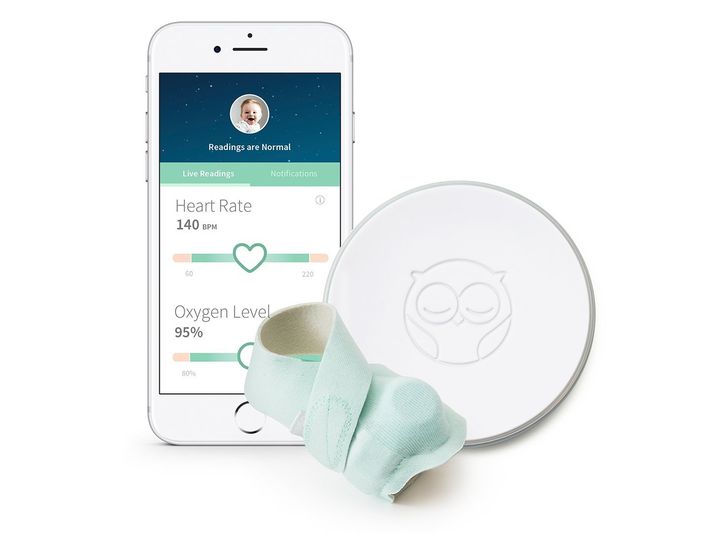 Smart monitors with biometric tracking add convenience but require careful calibration
Source: nymag.com
Smart monitors with biometric tracking add convenience but require careful calibration
Source: nymag.com Long-range monitors work well for multi-story homes but require full signal testing
Source: arenti.com
Long-range monitors work well for multi-story homes but require full signal testing
Source: arenti.com Choosing the right monitor type for your home reduces security and reliability risks
Source: co.uk
Choosing the right monitor type for your home reduces security and reliability risks
Source: co.uk Video guides can help you visualize proper monitor setup and safe crib placement
Source: youtube.com
Video guides can help you visualize proper monitor setup and safe crib placement
Source: youtube.com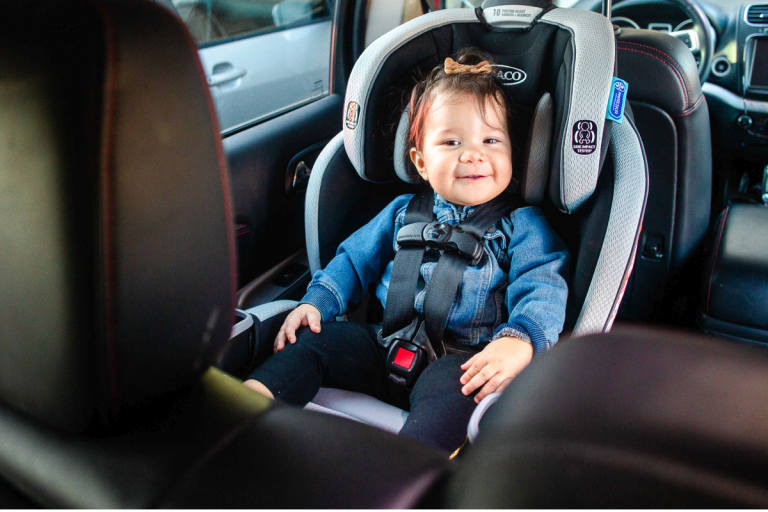 Proper car seat use is part of safe travel routines when using a portable monitor
Source: babylist.com
Proper car seat use is part of safe travel routines when using a portable monitor
Source: babylist.com Unsafe sleep positions are a top risk for infants, and monitors can help you spot them
Source: todaysparent.com
Unsafe sleep positions are a top risk for infants, and monitors can help you spot them
Source: todaysparent.com In-person checks are still the most reliable way to confirm your baby is safe
Source: visla.com
In-person checks are still the most reliable way to confirm your baby is safe
Source: visla.com