
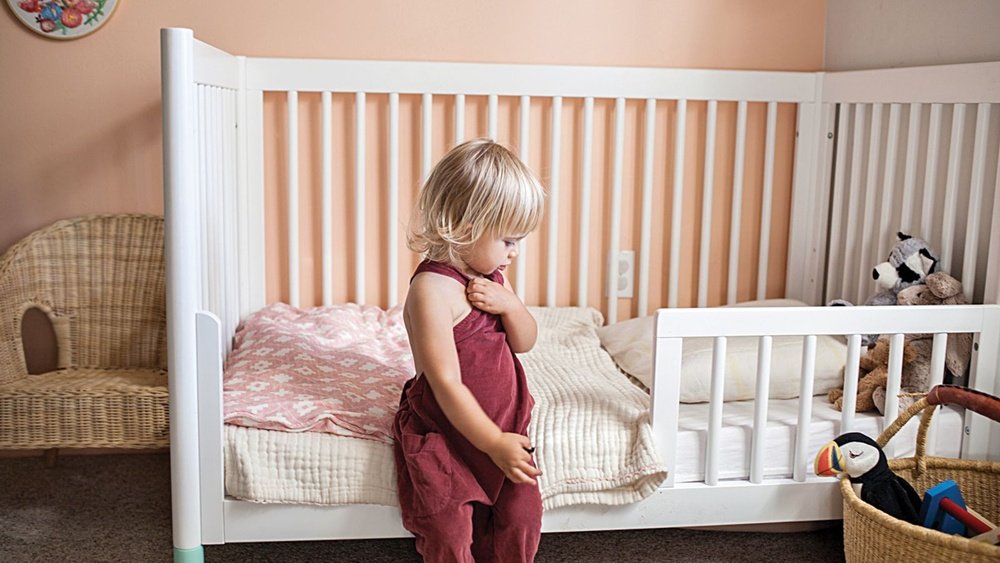
Every parent wants to create a cozy, comfortable sleep space for their baby, but adding a soft pillow to a crib is one of the most common and dangerous mistakes new caregivers make. While a fluffy pillow may seem like a harmless way to make a crib feel more like a grown-up bed, current 2026 infant safety guidelines from leading global health organizations strictly prohibit pillows in cribs for all children under 12 months old. These rules are not arbitrary: they are rooted in decades of research linking soft bedding to preventable infant sleep-related deaths, including sudden infant death syndrome (SIDS) and accidental suffocation. In this guide, we break down the exact risks of crib pillows, official safety recommendations, safe alternatives for comfort, and the right age to introduce a pillow to your child’s sleep routine.
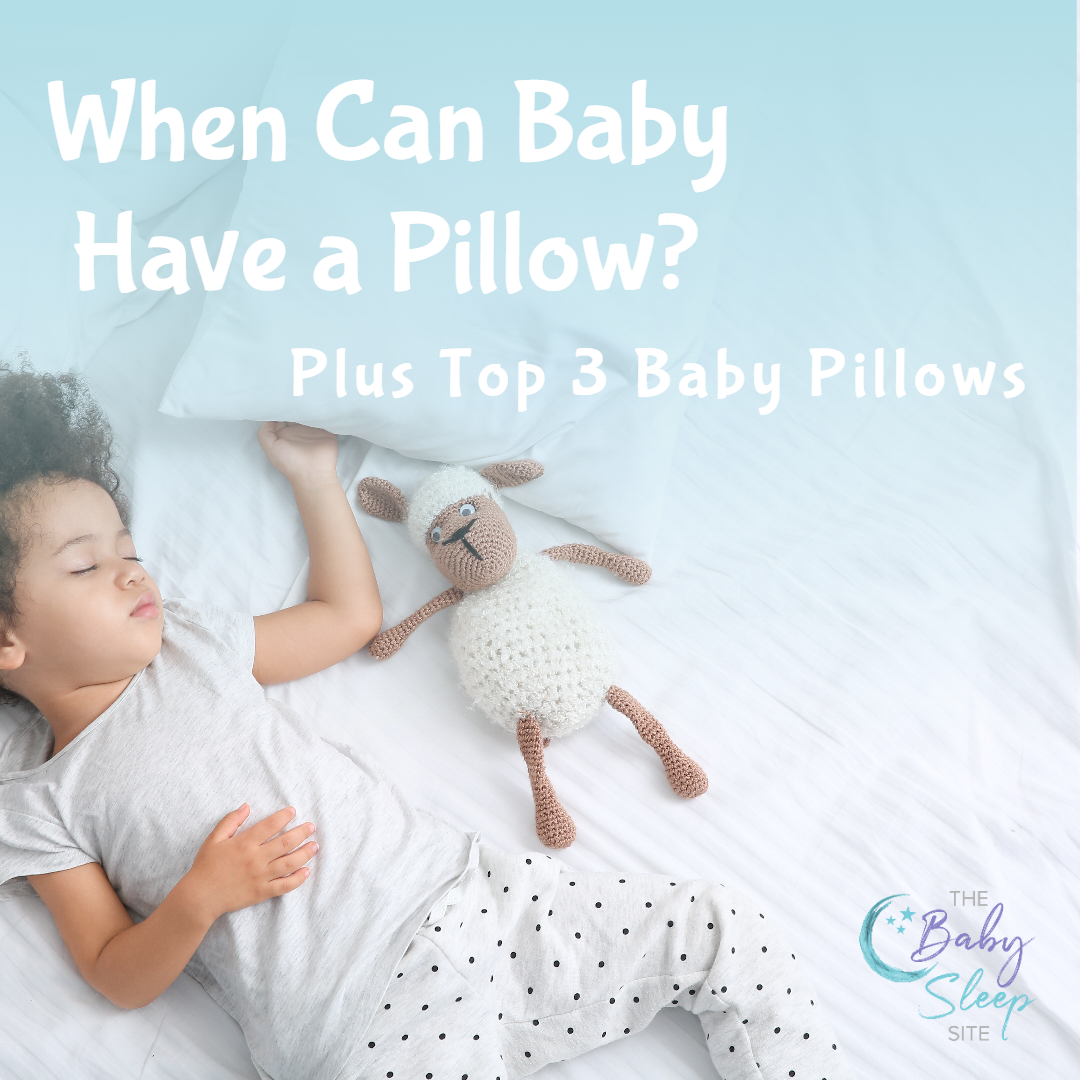 Image source: www.babysleepsite.com
A bare crib with only a firm mattress and fitted sheet is the gold standard for infant sleep safety.
Image source: www.babysleepsite.com
A bare crib with only a firm mattress and fitted sheet is the gold standard for infant sleep safety.
Why Pillows Are Strictly Prohibited in Infant Cribs
Pillows may look soft and inviting, but their fluffy construction creates multiple life-threatening risks for infants, who lack the physical development to protect themselves from airway obstruction or entrapment. Understanding these core hazards is the first step to creating a safe sleep environment for your baby.
Suffocation and Airway Obstruction Risks
Infants under 12 months have underdeveloped neck muscles and weak head control, meaning they cannot turn their heads away if a pillow covers their nose and mouth. Even a thin, seemingly lightweight pillow can block an infant’s airway completely, leading to suffocation in as little as 2-3 minutes. Soft surfaces like pillows also trap carbon dioxide around a baby’s face: instead of breathing in fresh oxygen, an infant lying on or near a pillow will re-breathe the same stale, oxygen-depleted air, which can cause fatal suffocation even if their nose and mouth are not fully covered. Per the CDC safe sleep guidelines, soft bedding is a contributing factor in thousands of infant sleep-related deaths each year.
The Link to SIDS and SUID
Sudden infant death syndrome (SIDS) is the unexplained death of an apparently healthy infant under 1 year old, and it falls under the broader category of sudden unexpected infant death (SUID), which also includes accidental suffocation and strangulation. Research from the American Academy of Pediatrics shows that soft objects like pillows increase the risk of SIDS by 2-3 times, as they can cause babies to roll onto their stomachs or faces during sleep. Infants under 4 months old cannot reliably roll back to their backs on their own, so even a small pillow placed at the head of the crib can become a deadly trap if a baby rolls into it during the night.
Choking and Strangulation Hazards from Pillow Construction
Many baby pillows include decorative elements like loose buttons, ribbons, or embroidered designs that pose additional risks. Infants can easily pull loose stuffing out of pillow seams and choke on it, or get long strings or ties wrapped around their neck, leading to strangulation. Even pillows marketed as "breathable" or "SIDS-approved" for infants are not safe for crib use: these products are not regulated by the Consumer Product Safety Commission (CPSC) for infant sleep safety, and the AAP infant sleep safety standards explicitly state that no pillows are safe for children under 12 months in a crib.
Official 2026 Safe Sleep Guidelines from Leading Health Authorities
The ban on crib pillows is not a parenting trend: it is a standardized recommendation backed by every major global child health organization. These guidelines are updated regularly as new research emerges, and the 2026 guidance remains consistent across countries and pediatric practices.
Pediatrician Recommendations for Crib Setup
Pediatricians worldwide advise that a safe infant sleep space should be completely bare for children under 12 months. The only approved items for a crib are a firm, flat mattress that fits snugly against the crib slats (with no gaps larger than 2 fingers wide) and a tight-fitting, breathable cotton sheet. The AAP also recommends room-sharing without bed-sharing for at least the first 6 months of a baby’s life, ideally up to 12 months, to reduce SIDS risk by up to 50%. Ideal room temperature for infant sleep is 68–72°F (20–22°C) to prevent overheating, another key SIDS risk factor. Use blackout curtains to block excess light, and a white noise machine set to no louder than 50 decibels to mask disruptive household sounds without damaging your baby’s hearing.
Global Safety Standards for Infant Sleep Spaces
The World Health Organization includes bare crib guidelines as part of its global infant health recommendations, and countries including the US, UK, Canada, and Australia have adopted these rules into national infant safety standards. These rules apply to all infant sleep surfaces, including bassinets, Pack 'N Plays, and portable cribs, not just full-size cribs. In practice, many parents mistakenly believe these rules only apply to newborns, but they remain in place until a child’s first birthday, when their airway development and motor skills have matured enough to reduce the risk of suffocation.
 Image source: www.checkupnewsroom.com
Placing babies on their backs to sleep on a firm, flat surface reduces SIDS risk significantly.
Image source: www.checkupnewsroom.com
Placing babies on their backs to sleep on a firm, flat surface reduces SIDS risk significantly.
Common Myths About Baby Pillows That Put Kids at Risk
Misinformation about baby sleep safety leads many parents to ignore official guidelines, often with tragic consequences. Let’s debunk the most common myths about crib pillows:
Myth: Pillows make cribs more comfortable for babies
Infants do not need pillows for comfort: their spines are straight, not curved like adult spines, so a firm, flat surface is the most supportive and ergonomic option for their developing bodies. Pillows can actually cause neck strain and airway obstruction, making sleep less restful and far more dangerous. A common mistake parents make is assuming a soft surface equals coziness, but for infants, firmness is a safety feature, not a drawback.
Myth: Pillows prevent babies from rolling into unsafe positions
Pillows are not a safe or effective way to position a baby for sleep. Infants need to be able to move freely to develop their motor skills, and pillows can trap them against crib slats or block their airway if they roll into them during the night. The only safe way to reduce rolling risks is to use a crib that meets current CPSC safety standards (slats spaced no more than 2 3/8 inches apart to prevent head entrapment) and always place babies on their backs to sleep for every nap and nighttime sleep.
Myth: Special "infant pillows" or "breathable" pillows are safe for cribs
There are no pillows on the market that are safe for infants under 12 months to use in a crib, even if they are marketed specifically for babies. These products are not tested or approved by the AAP or CPSC for infant sleep use, and they still pose the same suffocation and re-breathing risks as standard adult pillows. In 2024, the CPSC issued a warning to consumers about unregulated infant sleep products, including pillows, that make false SIDS-prevention claims.
Safe, Crib-Approved Alternatives to Pillows for Comfort
If you want to make your baby’s crib feel cozy without adding unsafe soft items, there are several AAP-approved alternatives that provide comfort and warmth without the risks:
- Swaddling for newborns (0-3 months): Swaddling mimics the confined space of the womb, which calms newborns and prevents the startle reflex that can wake them up. Use a lightweight, breathable cotton or muslin swaddle, make sure it is snug around the torso but loose enough around the hips to allow for proper hip development and prevent hip dysplasia. Stop swaddling as soon as your baby shows signs of rolling, usually around 2-3 months old.
- Wearable sleep sacks for all ages: Sleep sacks are wearable blankets that keep babies warm without the risk of loose bedding covering their face. They come in different TOG (thermal overall grade) ratings for different room temperatures, so you can choose one that matches your climate. For older infants who roll, choose a sleep sack with loose arms to allow full freedom of movement.
- Crib setup tips for a cozy, hazard-free space: You can add a crib mobile mounted securely out of your baby’s reach for visual stimulation, or a breathable mesh crib liner if you are worried about your baby bumping against the slats. For calm, non-overstimulating design, opt for solid-color or low-contrast crib sheets, which you can explore more in our guide to calm nursery design choices. Keep the crib away from windows, blind cords, and furniture that a baby could climb on to eliminate other hazards. If you travel frequently, follow the same safe sleep rules for portable cribs, and refer to our travel sleep safety best practices to ensure your on-the-go sleep routine stays hazard-free. Dress your baby in age-appropriate infant sleepwear for the room temperature to avoid overheating, and avoid over-bundling with extra socks or layers for sleep.
For a full list of safe, approved items you can include in your baby’s crib, check out our guide to approved crib accessories to keep your little one safe and comfortable.
When Is It Safe for a Child to Use a Pillow?
Most pediatricians recommend waiting until a child is at least 18-24 months old before introducing a pillow, as most children at this age have enough neck strength and motor control to move their heads freely, roll over in both directions, and push a soft object away from their face if it blocks their airway. When you do decide to introduce a pillow, choose a small, firm toddler pillow (not an adult-sized pillow, which is too soft and large and can still pose a suffocation risk) and place it at the head of the bed, not in the middle. Some children may not need or want a pillow until they are 2-3 years old, so follow your child’s cues and your pediatrician’s guidance rather than a strict age cutoff. If you are setting up a portable crib for travel, follow our portable playard setup steps to ensure the sleep surface is firm and hazard-free, even when you’re away from home.
Frequently Asked Questions
Can I put a pillow in the crib for supervised naps?
No. Even during supervised naps, pillows pose a suffocation risk, as infants can roll into them quickly and without warning. Safe sleep guidelines apply to all sleep times, including naps and nighttime sleep, to minimize risk.
Are teething rings or lovey blankets safe in the crib?
Small, lightweight teething rings are safe for infants of all ages, but avoid any soft, loose items like lovey blankets or stuffed animals for children under 12 months. Once your child is 12 months old, you can introduce a small, lightweight lovey if you choose, but keep it out of the crib for younger infants to reduce suffocation risk.
What if my baby has reflux? Can I use a pillow to elevate their head?
No. The AAP does not recommend using pillows or wedges to elevate a baby’s head for reflux, as this increases the risk of suffocation and SIDS far more than any potential benefit for reflux symptoms. Follow your pediatrician’s guidance for reflux management, which may include feeding adjustments or medication, instead of using unsafe sleep positioning aids.
Can I use a pillow in a bassinet or Pack 'N Play?
No. The same safe sleep rules apply to all infant sleep surfaces, including bassinets, Pack 'N Plays, and portable cribs. No soft bedding or pillows are allowed for infants under 12 months, regardless of the sleep surface type.
 Image source: www.todaysparent.com
Most children can safely use a small firm pillow starting at 18-24 months old, once they have mature motor skills and airway control.
Image source: www.todaysparent.com
Most children can safely use a small firm pillow starting at 18-24 months old, once they have mature motor skills and airway control.
Final Takeaway
Keeping pillows out of your baby’s crib is one of the simplest and most impactful steps you can take to reduce their risk of sleep-related injury or death. Soft items like pillows increase the risk of suffocation, SIDS, choking, and strangulation, and there are no exceptions to this rule for infants under 12 months. Stick to a bare crib with a firm mattress and fitted sheet, use safe alternatives like swaddles and sleep sacks for warmth and comfort, and wait until your child is at least 18-24 months old to introduce a pillow. For more evidence-based baby safety and sleep guidance, browse our full library of trusted parenting resources to keep your little one safe at every stage.

Emma Grace is a devoted mother and passionate content writer at BestBabyCart.com. With firsthand parenting experience and a love for research, she creates helpful guides and honest reviews to support parents in choosing the best for their babies. Her goal is to make parenthood easier, one article at a time.