
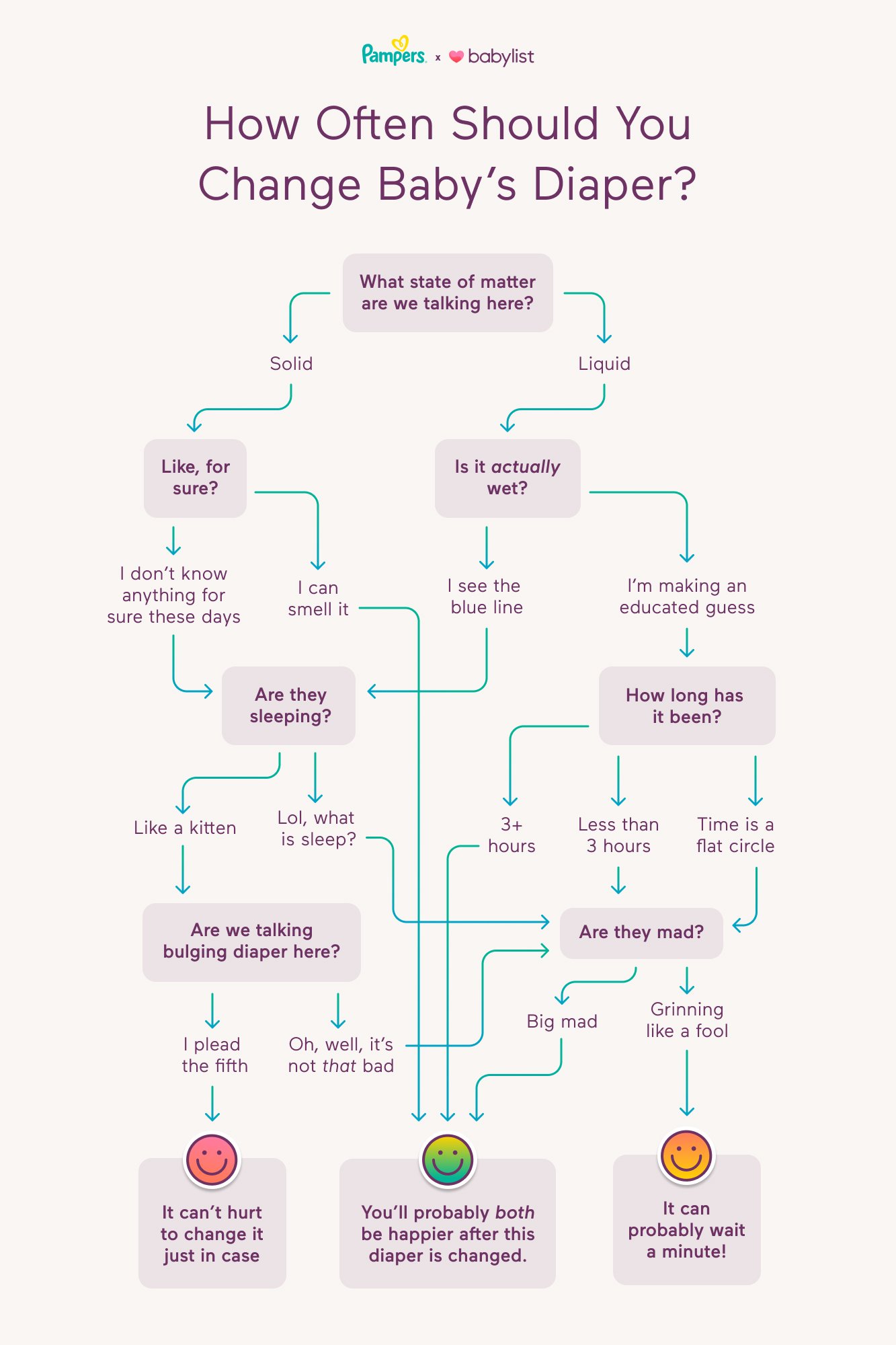
As a parent, you’ve likely asked yourself a hundred times: Am I changing my baby’s diaper often enough? Too much? The guesswork can feel overwhelming, especially when you’re running on minimal sleep and trying to avoid the dreaded diaper rash. There’s no one-size-fits-all answer, but evidence-based guidelines and a little observation of your baby’s unique patterns can help you build a routine that keeps them comfortable, healthy, and happy—without adding unnecessary stress to your day.
This guide breaks down exact change frequencies by age, non-negotiable cues that a change is needed right away, and practical tips to simplify your routine, whether you use disposable, cloth, or hybrid diapers.
Core Diaper Change Guidelines by Age and Stage
A baby’s bladder and digestive system develop rapidly in their first two years, so diaper change frequency shifts dramatically as they grow. Use the baseline guidelines below as a starting point, adjusting for your baby’s individual needs:
| Age Group | Typical Change Frequency | Key Notes |
|---|---|---|
| Newborn (0–3 months) | Every 2 hours, 12–14 changes per day | Bladder capacity is 1–2 ounces at birth, so wet diapers are frequent. Bowel movements often occur after every feeding, especially for breastfed babies. |
| Infant (3–12 months) | Every 2–3 hours, 6–8 changes per day | Bladder capacity grows to 4–6 ounces by 6 months, so wet diapers can be spaced slightly further apart. Bowel movements become less frequent after solid foods are introduced around 6 months, but remain bulkier. |
| Toddler (12+ months, pre-potty trained) | Every 3–4 hours, 4–6 changes per day | Bowel movements become predictable and regular. This stage is ideal for introducing potty training cues during changes to build familiarity with the toilet. |
Newborns have skin that is 20% thinner than adult skin, with a weaker natural barrier to moisture, so even short exposure to wetness can cause irritation. For this age group, never wait longer than 2 hours for a wet diaper change, and always change soiled diapers immediately, no matter how recently you last changed them.
For infants, you can start stretching wet diaper changes to 3 hours once they hit 6 months old and have no history of sensitive skin or rash, but continue to change bowel movements right away. Watch for signs of constipation (hard, pellet-like stools) or diarrhea (watery, frequent stools) as you introduce new foods, as these can increase irritation risk if left in place.
For toddlers, you can extend changes to 4 hours if they have no skin issues, but check more frequently if they are drinking a lot of fluids or eating high-fiber foods. Many toddlers start showing interest in the potty around 18–24 months, so use change time to let them sit on the potty for a minute to build comfort with the routine.
 A quick, gentle diaper change keeps newborns comfortable and reduces rash risk.
Credit: www.thenappylady.co.uk
A quick, gentle diaper change keeps newborns comfortable and reduces rash risk.
Credit: www.thenappylady.co.uk
Non-Negotiable Signs It’s Time for an Immediate Change
While scheduled checks are a helpful baseline, your baby’s cues are the most reliable signal that a change is needed right away. Ignoring these signs can lead to discomfort, diaper rash, or even bacterial infections in severe cases. Look for these four key indicators:
Wetness and Saturation Cues
Most disposable diapers include a wetness indicator line that changes from yellow to blue or green when saturated. While these are a useful tool, they are not foolproof: indicators can fail to change color if the diaper is only partially saturated, or if the diaper is a darker color. A common mistake new parents make is over-reliance on these lines alone, leading to missed changes and avoidable rash. For cloth diapers, you’ll feel a noticeable weight and coolness when wet, even if there’s no visible saturation through the outer layer. If you’re ever unsure, do a quick sniff test or pull the diaper waistband away from the skin to check for moisture.
Bowel Movement Alerts
Always change your baby’s diaper immediately after a bowel movement, no matter how recently you last changed them. Stool contains digestive enzymes and bacteria that break down skin quickly, leading to irritation and rash in as little as 30 minutes. Cues that your baby has soiled their diaper include a distinct odor, visible stool through the diaper outer layer, or fussing and straining as they pass a movement.
Behavioral and Skin Warning Signs
Even if the diaper is not fully saturated or soiled, these signs mean it’s time for a change right away:
- Fussing, squirming, or pulling at the diaper that doesn’t resolve with other soothing methods
- Red, warm, or tender skin around the diaper area
- Visible rash, bumps, or flaking skin
- A persistent smell of urine even if the wetness indicator hasn’t changed
Babies often can’t communicate discomfort directly, so checking their skin during every change helps you catch irritation early before it develops into a full rash.
 Wetness indicators on disposable diapers make it easy to spot when a change is needed, even in low light.
Credit: parasolco.com
Wetness indicators on disposable diapers make it easy to spot when a change is needed, even in low light.
Credit: parasolco.com
Key Factors That Shift Your Diaper Routine
No two babies have the same diaper needs, and these variables will require you to adjust your baseline frequency to keep your little one comfortable:
Dietary Impacts
What your baby eats directly affects how often they need a diaper change. Breastfed babies typically have more frequent, looser stools, so you’ll need to change them more often after feeds, especially in the first 3 months. Formula-fed babies may have slightly less frequent, firmer stools, but common formula additives can alter gut motility and stool consistency, requiring more frequent changes. common formula additives impact how quickly food moves through the digestive tract, leading to more frequent or looser bowel movements.
Once you introduce solid foods around 6 months, high-fiber foods like pears, prunes, and sweet potatoes will lead to bulkier, more frequent bowel movements, while low-fiber foods like bananas or white rice may lead to less frequent, harder stools that are more irritating if left in place. Track new foods and your baby’s bowel movement patterns to adjust your change schedule accordingly.
Health and Skin Sensitivity
Health conditions can drastically change your diaper change needs. If your baby has a stomach bug with diarrhea, change their diaper immediately after every bowel movement to avoid rash and prevent the spread of germs. CDC infant hygiene guidelines provide additional steps for disinfecting changing areas and caring for sick baby skin to avoid infection.
Babies with eczema, contact dermatitis, or other sensitive skin conditions may need wet diapers changed every 1.5 hours instead of 2, even if the wetness indicator hasn’t changed, to avoid moisture buildup. The American Academy of Pediatrics recommends changing wet diapers immediately to reduce the risk of contact dermatitis, as prolonged exposure to moisture breaks down the skin’s natural barrier. evidence-based pediatric skin care guidance outlines best practices for preventing and treating common diaper rashes.
If your baby is on antibiotics, their gut flora may be disrupted, leading to more frequent, looser stools that require more frequent changes. If you notice a sudden, unexplained change in your baby’s diaper habits (e.g., fewer wet diapers than usual, blood in stool), consult your pediatrician to rule out underlying health issues.
Diaper Type and Absorbency
Diaper absorbency varies widely by type, which directly impacts how often you need to change:
- Disposable diapers: High absorbency cores can hold 8–10 hours of urine for older infants, making them ideal for overnight and long outings.
- Cloth diapers: Most standard cloth diapers hold 2–3 hours of urine, so they require more frequent changes than disposables. Overnight cloth diapers with extra inserts can last 4–6 hours for babies over 6 months. Plan your annual cloth diaper supply needs ahead of time to avoid running out during busy weeks.
- Hybrid diapers: These have a reusable outer cover and disposable absorbent insert, offering a middle ground with 4–6 hours of absorbency for daytime use.
Environmental and Lifestyle Factors
Hot, humid weather increases sweating under the diaper, leading to faster moisture buildup and higher rash risk, so change wet diapers 30 minutes sooner than your usual schedule in summer. In cold weather, you may be tempted to leave a wet diaper on to avoid undressing your baby and triggering a chill, but this increases rash risk—use a wipe warmer and keep all supplies within arm’s reach to make changes quick and minimize temperature exposure.
If your baby is a long sleeper (6+ hours), use a high-absorbency overnight diaper to avoid unnecessary mid-sleep changes, unless they have sensitive skin or an existing rash.
Day vs. Night Diaper Strategies
Daytime and nighttime diaper routines have different priorities: daytime changes focus on frequent checks to prevent rash, while nighttime changes prioritize minimizing sleep disruption while keeping skin dry. Adjusting your approach for each part of the day can reduce stress and improve outcomes for both you and your baby.
Daytime Routines
Tie diaper changes to your baby’s existing daily schedule to avoid missed changes: change them after every feeding, after every nap, before leaving the house for quick outings with an early-sleeping baby, and before bedtime. For newborns, you may need to set a timer to remind you to check every 2 hours, as they often won’t show discomfort until a rash has already started.
Diaper changes are also a great opportunity for bonding: talk to your baby, sing a song, or do 1–2 minutes of tummy time after the change to engage with them. For wiggly toddlers, use a small toy or book to distract them during the change to reduce fuss.
Nighttime Routines
For most healthy infants over 3 months old, you do not need to wake them for a wet diaper change if they are sleeping 6+ hours, as long as you use a high-absorbency overnight diaper and apply a thick layer of barrier cream before bed to protect their skin. Only wake your baby for a mid-sleep change if they are under 3 months old, have sensitive skin, or have an existing diaper rash.
If you do need to change your baby’s diaper at night, use a dim red nightlight (red light doesn’t disrupt melatonin production as much as white or blue light), pre-opened wipes, and keep all supplies within arm’s reach to avoid fully waking them. In cold months, pair changes with appropriate cold-weather layering to keep your baby warm without fully undressing them, which can trigger a startle reflex and make it harder for them to fall back asleep.
A comfortable sleep environment also reduces unnecessary overnight checks: ensure your baby’s cozy crib setup is free of loose blankets and pillows, and keep the room at a consistent 68–72°F to avoid overheating, which can increase sweating and diaper moisture.
Choosing Diapers That Support Your Change Schedule
The right diaper can reduce how often you need to change and lower your baby’s risk of rash. Keep these factors in mind when selecting diapers for your family:
Diaper Type Tradeoffs
- Disposable diapers: Most convenient for travel and overnight use, with the highest absorbency of all options. They are more expensive long-term and produce more waste, but eliminate the need for frequent laundry runs.
- Cloth diapers: Reusable, eco-friendly, and gentler on sensitive skin, as they don’t contain the fragrances and chemicals found in many disposable options. They require more frequent changes and regular laundering, but cost 50–70% less over the course of potty training.
- Hybrid diapers: Combine a reusable cloth cover with a disposable absorbent insert, offering a middle ground for parents who want lower waste without the laundry demands of full cloth diapers.
Fit and Sizing
Diaper sizing is based on weight, not age. A diaper that is too small will cause red marks on your baby’s legs and waist, and lead to frequent leaks that require more changes. A diaper that is too large will have gaps at the legs and waist, also leading to leaks. Check the weight range on the diaper package, and size up for overnight or long outings if your baby is between sizes.
Material and Skin Compatibility
Look for diapers with breathable top layers, which have tiny perforations that let air flow to your baby’s skin, reducing moisture buildup and rash risk. For babies with sensitive skin, choose fragrance-free, dye-free options to avoid contact dermatitis. For cloth diapers, avoid synthetic materials like polyester that trap moisture against the skin; opt for cotton or bamboo blends that wick moisture away to keep skin dry.
Keep extra extra baby sock stockpiles on hand for quick changes in cold weather, so you don’t have to re-dress a wiggly baby’s cold feet mid-change.
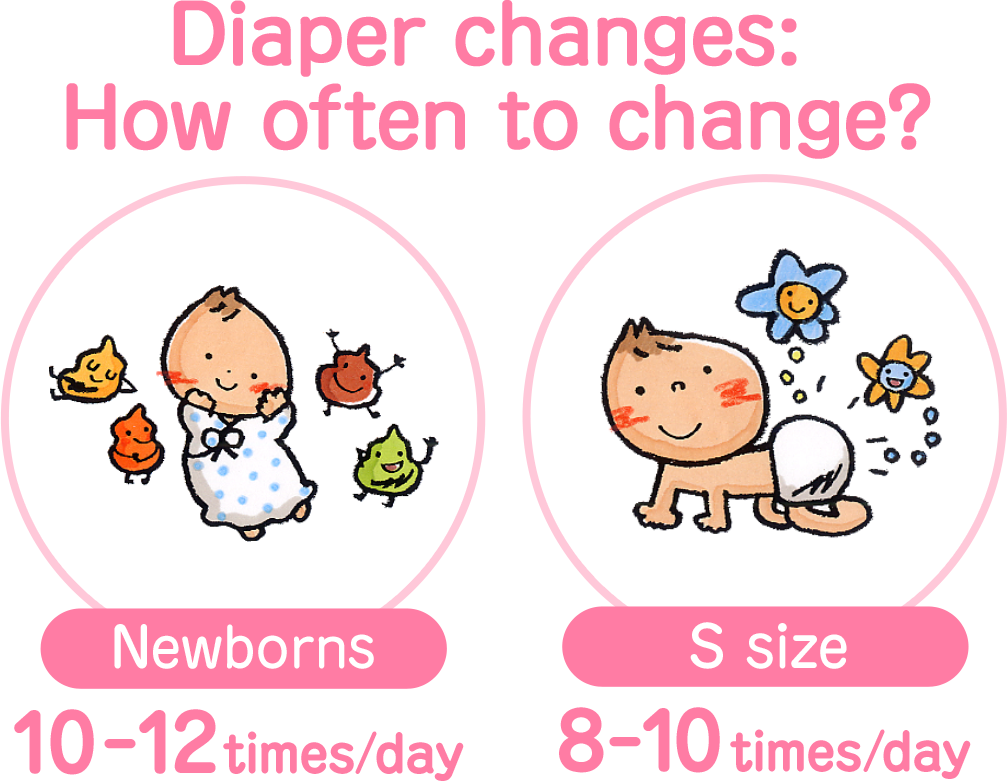 A stocked, portable diaper caddy cuts down change time and reduces stress for parents on the go.
Credit: www.ioe-emp.org
A stocked, portable diaper caddy cuts down change time and reduces stress for parents on the go.
Credit: www.ioe-emp.org
Tips for Faster, Lower-Stress Diaper Changes
With a few small adjustments, you can cut diaper change time in half and reduce fuss for both you and your baby:
Stock a Portable Caddy
Keep all your diaper supplies—diapers, wipes, barrier cream, a changing pad, and a spare outfit—in a portable caddy that you can move around the house. This eliminates the need to run to the nursery every time your baby needs a change, and ensures you have everything you need for outings.
Master One-Handed Techniques
Practice holding your baby’s feet with one hand while wiping with the other, so you don’t have to put them down mid-change. Pre-open wipes before you start the change, and unfasten the new diaper’s tabs before removing the dirty one to save time. For wiggly toddlers, use a distraction like a song or a small toy to keep them still.
Soothe During Changes
Talk softly to your baby or make silly faces during changes to keep them calm. For newborns, keep the changing area warm to avoid triggering their startle reflex from cold air. If your baby hates diaper changes, try doing them in a different room occasionally to break the association of the changing pad with fussiness.
Frequently Asked Questions
How frequently should a diaper be changed?
For newborns, change every 2 hours, or immediately after a wet or soiled diaper. For infants 3+ months, change every 2–3 hours, and for toddlers, every 3–4 hours, adjusting for diet, skin sensitivity, and activity level. Always prioritize changing soiled diapers right away, regardless of timing.
How long can a baby go without a diaper change overnight?
For babies over 3 months with no skin sensitivities, a high-absorbency overnight diaper can last 6–8 hours without a change. For newborns, babies with diaper rash, or those with sensitive skin, do a quick mid-sleep change if the diaper is fully saturated to avoid irritation.
Is it okay to change a diaper every 4 hours?
Yes, for toddlers and older infants with no skin issues, a 4-hour interval is safe as long as the diaper is not soiled. For newborns and babies with sensitive skin, stick to 2–3 hour intervals to avoid rash.
Can a diaper be used for 12 hours?
No, even high-absorbency overnight diapers are not designed for 12 hours of wear. Prolonged exposure to moisture and waste increases the risk of diaper rash, bacterial overgrowth, and discomfort. Stick to 8 hours maximum for overnight wear.
Do I need to wake my baby for a nighttime diaper change?
For most healthy infants over 3 months, no—use a high-absorbency overnight diaper and apply a barrier cream before bed to protect their skin. Only wake them for a change if they have a diaper rash, sensitive skin, or are under 3 months old and have a fully saturated diaper.
How often do I need to change cloth diapers vs. disposable ones?
Cloth diapers are less absorbent than disposables, so change them every 1.5–2 hours when wet, even if they don’t feel fully saturated. Overnight cloth diapers with extra inserts can last 4–6 hours for babies over 6 months. Disposable diapers can last 2–3 hours when wet for newborns, and up to 8 hours overnight for older babies.
Conclusion
Every baby is different, and there’s no such thing as a “perfect” diaper change routine. The most important things are to respond to your baby’s cues, prioritize their skin health by changing wet or soiled diapers promptly, and adjust your schedule as they grow and their needs change.
The guesswork and stress of not knowing if you’re doing it right will fade quickly as you learn your baby’s patterns. Before long, you’ll be able to tell when a change is needed without even thinking about it, and you’ll have more time to focus on the joyful parts of parenting.
Mastering your diaper change routine is just one small step to more confident, low-stress parenting. For more expert-vetted guides to navigate your baby’s first years, explore our full library of baby care resources.

Emma Grace is a devoted mother and passionate content writer at BestBabyCart.com. With firsthand parenting experience and a love for research, she creates helpful guides and honest reviews to support parents in choosing the best for their babies. Her goal is to make parenthood easier, one article at a time.