
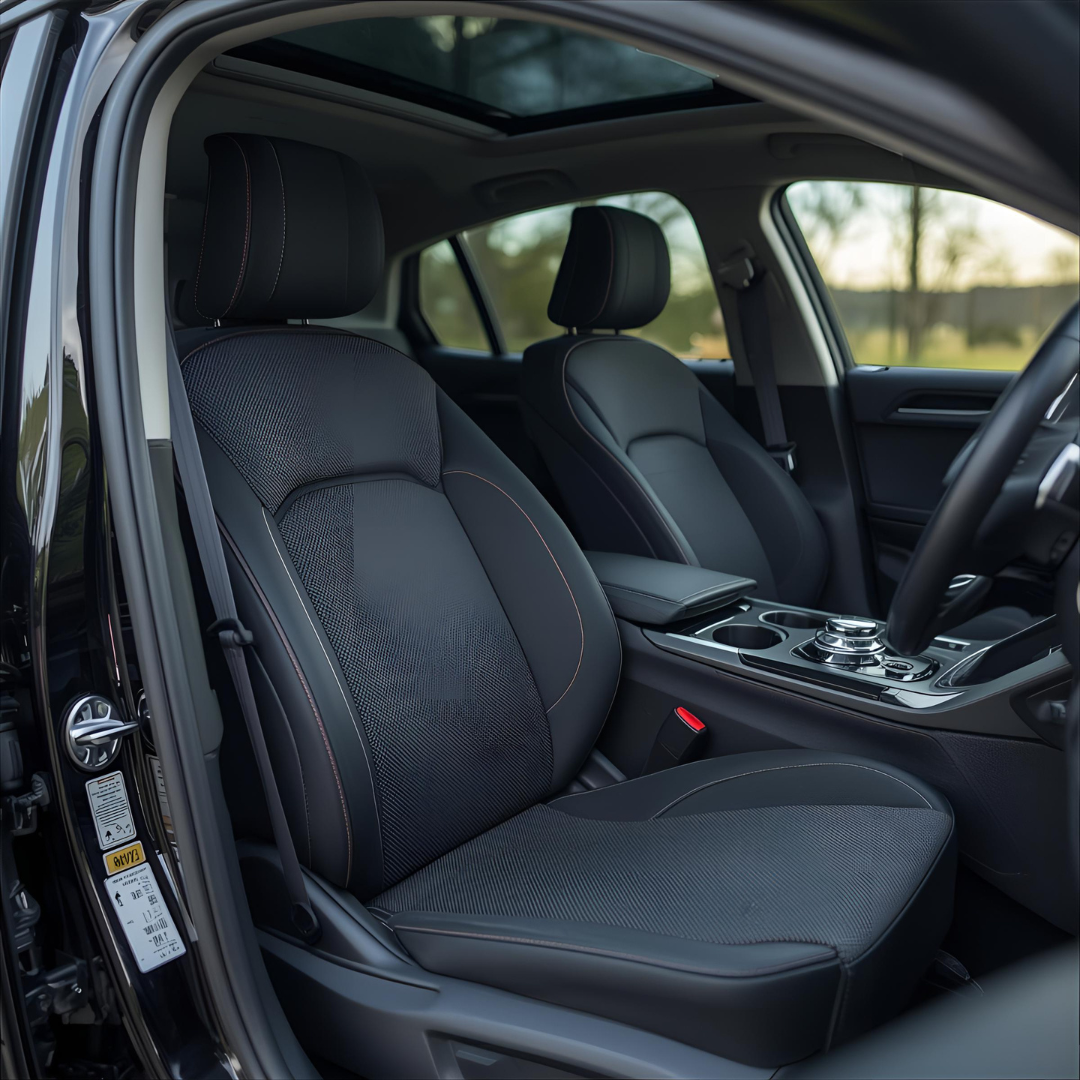
A dirty, sagging, or faded seat cover can make even a well-maintained car feel old. Replacing your car seat covers is a straightforward weekend project that gives your interior an instant upgrade, protects the original upholstery underneath, and costs far less than a professional re-trim.
You do not need to be a professional installer. You only need the right covers, basic tools, and a clear sequence to follow. This guide walks you through everything from measuring for a good fit to securing the covers so they do not shift on your first drive. You can also read our guide on best car seat cushion for height elevate your driving experience.
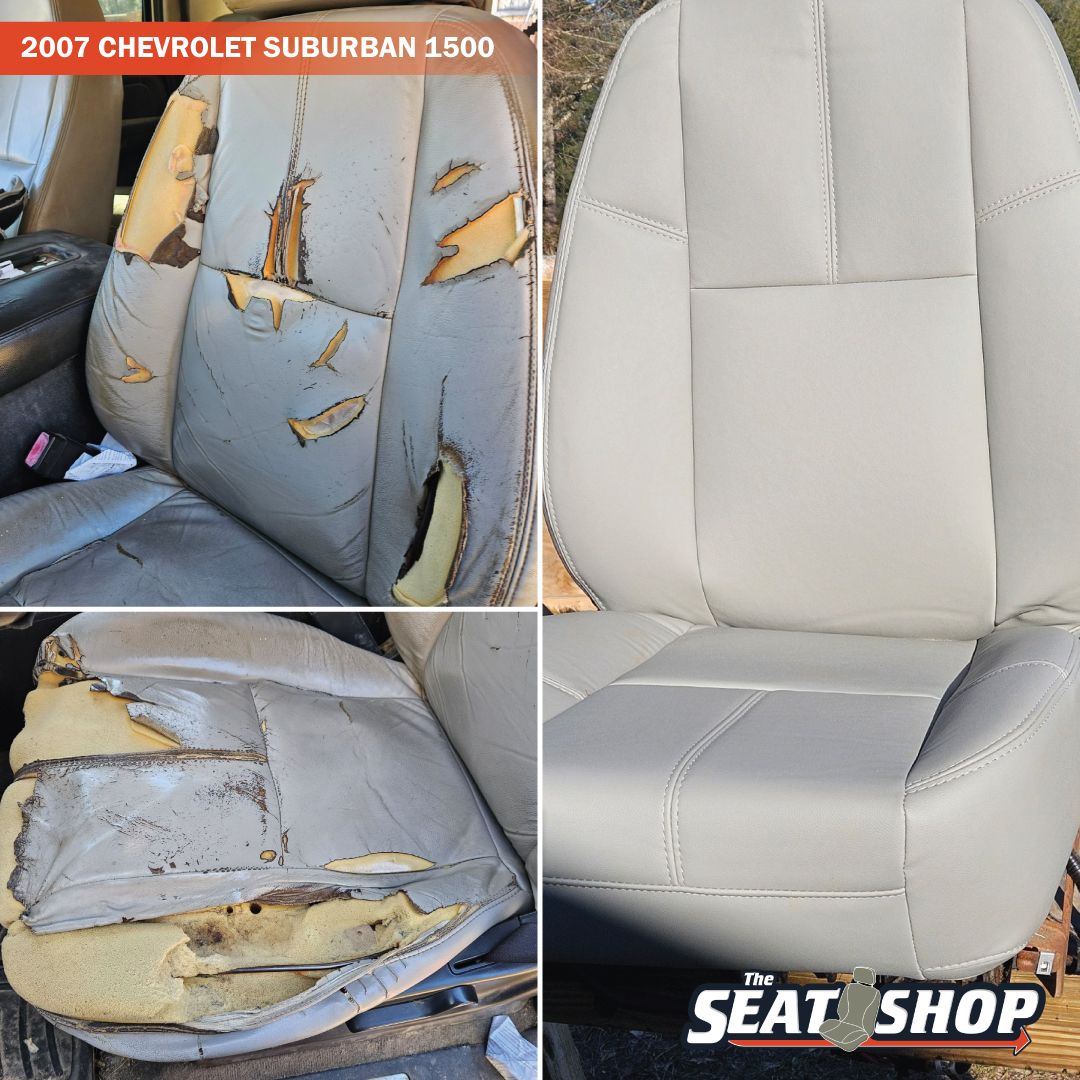
A grey cover stretched evenly over the whole seat.
Image source: www.theseatshop.com
What You Need Before You Start
The single biggest mistake people make is starting without the right tools. That leads to broken clips, damaged trim, and a cover that never sits right.
Tools and Materials
| Tool | Why You Need It |
|---|---|
| Screwdriver set | Removing trim pieces, screws, and plastic fasteners |
| Pliers | Pulling hog rings, clips, and stubborn retaining hooks |
| Socket or wrench set | Unbolting a seat if you need to remove it from the car |
| Trim removal tool | Popping plastic clips without scratching interior panels |
| Flathead screwdriver | Tucking fabric into gaps around the seat cushion |
| Scissors | Trimming excess fabric on universal-fit covers |
| Shop vacuum | Cleaning the seat before installation |
| Fabric steamer or iron | Removing wrinkles after the cover is in place |
| Zip ties or hog-ring pliers | Securing custom covers, if required |
How Much Time It Takes
Plan on one to two hours for each front seat the first time you do this. A rear bench seat usually takes another 30 to 45 minutes. If you remove the seats from the car to work, add about 20 minutes for unbolting, unplugging, and re-installing them. You can also read our guide on can you dry car seat covers.
Working slowly is normal. Rushing is what causes misaligned seams and loose straps.
How to Choose the Right Seat Covers
Do not pick a cover based on color alone. The material and fit determine how easy the installation will be and how long the covers last.
Material Options
- Leatherette or vegan leather: Looks upscale, wipes clean easily, and resists spills. In practice, it feels sticky against bare skin in hot weather and needs occasional conditioning.
- Neoprene: Water-resistant, stretchy, and comfortable. It is a strong choice for families, dogs, or anyone who spends time outdoors.
- Canvas or duck cloth: Tough, breathable, and casual-looking. It handles wear well but can absorb stains.
- Polyester and spandex blends: The easiest material for a tight fit because it stretches. Many budget-friendly universal covers use this fabric.
- Sheepskin: Soft and warm, but harder to clean and not ideal for warm climates.
Think about how the car will be used. Families who plan seasonal outerwear needs will often choose a breathable, washable fabric that does not aggravate the heat. You can also read our guide on best car booster seat for short adults enhance comfort and view effortlessly.
Color and Design
Neutral colors like black, grey, and tan are low-risk. They suit most interiors and age well. Bold colors and patterns are more personal, but they can make the interior feel dated after a few years.
If you like geometric designs, test the print before committing. A pattern that looks great in a product photo can look busy once it covers a large seat. The same taste question applies to nursery décor — a chevron print works well in some rooms and feels overwhelming in others. Choose something you will still enjoy in two years, not just on install day. You can also read our guide on best car seat covers for leather seats.
Universal vs Custom-Fit Covers
Universal covers fit a wide range of vehicles. They are affordable and simple, but the fit is often looser around the seat contours.
Custom-fit covers are made for a specific vehicle model. They look closer to factory upholstery, stay in place better, and install more neatly. They also cost more and take longer to ship. You can also read our guide on car seat covers material best discover breathable mesh waterproof options.
For a daily driver, custom-fit covers are worth the extra money. For a work truck or a temporary vehicle, a well-chosen universal set is usually fine.
Measuring Your Seats for a Proper Fit
Measure before you buy. Use a tape measure and write down:
- Width of the seat base across the front
- Depth of the seat base from back to knee area
- Height of the backrest from the bottom of the cushion to the top
- Headrest dimensions, including the width of the posts
- Extra features such as armrests, seat-pull release levers, or integrated airbag covers
Compare those numbers to the manufacturer’s sizing chart. The largest universal cover will still look wrong on a narrow sports seat. You can also read our guide on best dog car booster seat.
Safety First: Airbags, Heaters, and Child Seats
Modern cars are designed with safety components built into the seating area. Seat covers are not simply soft furniture.
Side Airbag Compatibility
Many front seats have side airbags mounted in the outer edge of the backrest. A cover that is not designed for airbag deployment can block the airbag, redirect it, or tear apart in an unpredictable way.
Look for the words “airbag compatible” on the product listing and check whether the cover has a weakened seam or a designated airbag panel. Before you install anything, review official airbag safety guidance and confirm where the airbag in your specific vehicle actually sits. You can also read our guide on can you put car seat covers on heated seats.
Heated and Ventilated Seats
Heated seats work by generating heat in the seat pad. Very thick materials, such as closed-cell neoprene, can reduce the warmth you feel. More importantly, some materials can retain or trap heat, which makes ventilated seats less effective.
Choose a thinner, breathable cover if your car has heated or ventilated seats. Check the product description and contact the seller if the specifications are not clear. You can also read our guide on can you machine wash car seat covers.
A Special Warning About Child Car Seats
If you are thinking about replacing the fabric on a child safety seat, stop. Child car seats are tested as one engineered system with the harness, shell, and factory cover all working together. An aftermarket cover can change the harness slot position, the child’s head angle, and the amount of space between the child and the shell in a crash.
Do not assume a comfortable-looking cover is a safe one. Respect the limits of child seats and keep the original manufacturer-approved cover on any restraint used for children. You can also read our guide on how to install front car seat covers with hooks.
Preparing the Car Interior
A clean, clear workspace makes the job safer and faster. Installing a new cover over dust and debris simply traps that dirt against the original seat fabric.
Clean the Seats First
Vacuum the entire seat, including the gap between the backrest and bottom cushion. Use a crevice tool to reach between the seat cushion and the plastic trim. Wipe down stains with an upholstery cleaner made for your seat material, then let everything dry completely before you begin. You can also read our guide on best cooling seat cushion for car.
Installing on a damp or moist seat can cause odors and mildew under the new cover.
Work In Place or Remove the Seats
Most front-seat covers can be installed without removing the seat from the car. You simply lean the seat back, slide the cover over the headrest, and work the fabric into the contours.
Working in place is easier for beginners because you can sit in the seat, feel for wrinkles, and see where the cover is binding. You can also read our guide on best car seat covers for hot weather stay cool and comfortable.
For a rear bench, you may need to unclip the bottom cushion and pull it forward to thread the straps underneath. On many vehicles, the bottom cushion simply pops upward after you press or pull a release handle near the front edge.
If you need to remove a front seat for easier access, disconnect the wiring carefully. Power seats and seat-mounted airbags have electrical connectors under the seat, and unplugging them incorrectly can set an airbag fault code. When in doubt, disconnect the vehicle battery and follow the service manual for your exact car. You can also read our guide on best car seat covers for heated seats comfort meets functionality.
Clear Out the Rest of the Car
Before you start moving covers around, remove loose items from the seats and floor. Store everything in the trunk.
If you carry a stroller, it belongs in the trunk too — not leaning against the fresh fabric. For Uppababy owners, collapsing the stroller properly takes just a few seconds and keeps the cargo area clean enough to protect your work.
Remove the Old Covers Carefully
Old covers can be removed with pliers, a screwdriver, and patience. Look for:
- Plastic push-clips along the bottom edge
- Zippers or Velcro panels under the seat
- Metal hooks that wrap around the seat frame
- Hog rings looped into the fabric edge
Remove fasteners rather than ripping the cover off. If the fabric is stuck around the seat shape, work it loose from one side to the other. Cutting is acceptable for fabric that is already worn out, but stop before you cut into the foam or the original seat padding underneath. You can also read our guide on how to keep newborn head up in car seat.
Keep the old cover in view while you install the new one. It is the best guide for understanding how the cover fits around the seat.
Step-by-Step: How to Replace Seat Covers in Car
Once the seat is clean and dry, you are ready to install.
Step 1: Read the Instructions and Lay Out the Covers
Every cover brand is slightly different. Some use full zippers, some use Velcro flaps, and some rely on straps with metal hooks. You can also read our guide on can you put seat covers on heated car seats.
Remove the new cover from its packaging and lay it over the seat roughly where it belongs. Look for labels marked “rear” or “top.” Many covers have asymmetrical seams for the side with the airbag or the seat-belt buckle, so do not assume both sides are identical.
Step 2: Remove or Expose the Headrest
On most cars, press the release button and pull the headrest upward to remove it. Installing a cover with the headrest still in place makes it difficult to get a clean fit around the headrest posts. You can also read our guide on lower car seat adapters icandy peach.
Set the headrest aside and cover the opening with your hand to feel where the post holes line up.
Step 3: Slide the Cover Over the Backrest
Pull the cover over the top of the seat, with the front seam facing forward. Work it down evenly on both sides. Pulling one side all the way down before the other can twist the cover.
Use your fingers to push the fabric into the seams between the upper backrest and the side bolsters. A flathead screwdriver or trim tool helps tuck the fabric into tight gaps without splitting the seam. You can also read our guide on how to convert graco 4ever car seat to backless booster.
If the cover has an airbag panel, align it with the airbag seam on the outside edge of the seat. If it has a seat-belt buckle slot, make sure the buckle is exposed before you move on.
Step 4: Fit the Bottom Cushion
Slide the bottom cover over the seat cushion. Pull the fabric toward the front edge first, then smooth it backward into the crease where the seat base meets the backrest. You can also read our guide on how to sew car seat covers.
Tuck excess material around the sides so the cover looks smooth from the front. Use the same trim tool to press the fabric into the seat edges.
Step 5: Secure the Straps, Hooks, and Zippers
Reach under the seat and locate the elastic straps or hook attachments. Connect them to the metal frame beneath the seat, not to plastic trim or wiring. You can also read our guide on how to sew seat covers for car.
Pull each strap tight, then go back and pull again. Elastic straps relax as they settle. If the cover uses a zipper, close it fully and make sure the zipper pull is tucked out of sight.
Do not overtighten to the point of tearing seams. The cover should be snug and stable, not distorted.
Step 6: Reinstall the Headrest and Adjust Everything
Slide the headrest back into place through the cover openings. Sit in the seat and shift your weight around to see if the cover moves. If it slides, tighten the straps further.
Open and close the door, reach for the seat belt, and lean the seat back to make sure the cover does not catch on the rails or interfere with the moving parts.
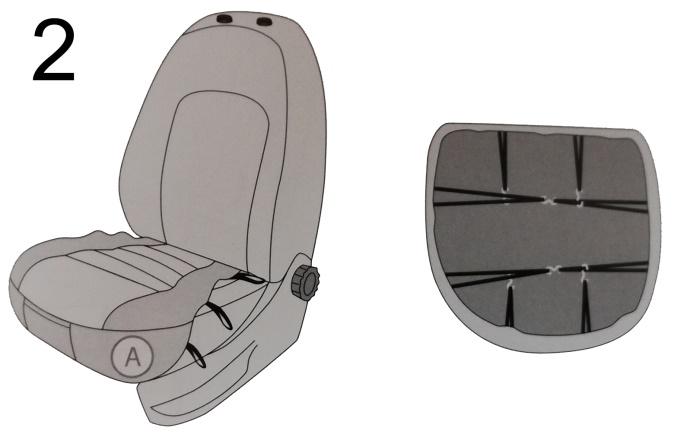
The fabric should be pulled taut, not forced.
Image source: www.cover-company.com
Adjusting for a Perfect Fit
Most new covers will have some wrinkles for the first day or two. Polyester and spandex blends slowly relax and settle into the shape of the seat.
Remove Wrinkles Safely
Start by pulling the cover outward from the center of the seat. Work your hands from the center toward the edges.
For stubborn wrinkles, use a fabric steamer or an iron on a low, fabric-safe setting. Keep the heat moving and do not let the iron sit on one spot. Vinyl and leatherette can melt, so check the care tag before applying heat.
A steamer is the safer choice because it relaxes the fibers without pressing hard lines into the cover. After steaming, sit in the seat a few minutes to help the fabric adapt.
Re-Tighten Fasteners After a Few Days
Covers shift during normal use. The straps that felt tight on install day may loosen after a week.
Check the attachments under the seat after the third day and tighten any that feel slack. This one extra check makes a huge difference in how long the covers stay smooth.
Common Mistakes to Avoid
Choosing the Wrong Size
A loose cover slips, bunches, and looks worse than the old one. Measure your seats before ordering and compare with the manufacturer’s chart. If the product page does not tell you which vehicles it fits, ask before you buy.
Ignoring the Airbag Opening
A cover without an airbag seam is not automatically unsafe, but you need to verify it does not interfere with the airbag’s path. If the cover is meant for a different vehicle layout, the airbag panel may be in the wrong place.
Cutting Fabric Before Installing
Cutting a universal cover to size is tempting, but you should never trim before it is fully installed and tightened. Fabric that looks bunchy can stretch and flatten after it is secured.
Leaving Fasteners Loose
A loose cover can move when you get in and out of the car. It can also slide forward and interfere with the seat rails, which may trigger the seat position sensor or cause unusual wear.
Skipping the Deep Clean
Dirt and crumbs left under a new cover rub against the original fabric. Over time, that creates a hidden wear pattern you will only discover when you remove the covers later.
Why DIY Seat Cover Replacement Is Worth It
Doing the work yourself saves the cost of labor, which is often more than the price of the covers. It also gives you total control over the materials, fit, and style.
There is a practical advantage too: you learn how your seats are constructed. That makes it easier to troubleshoot a loose trim panel, clean deeply, or install accessories later. The process is rewarding, and the result will change how the cabin feels every time you open the door.
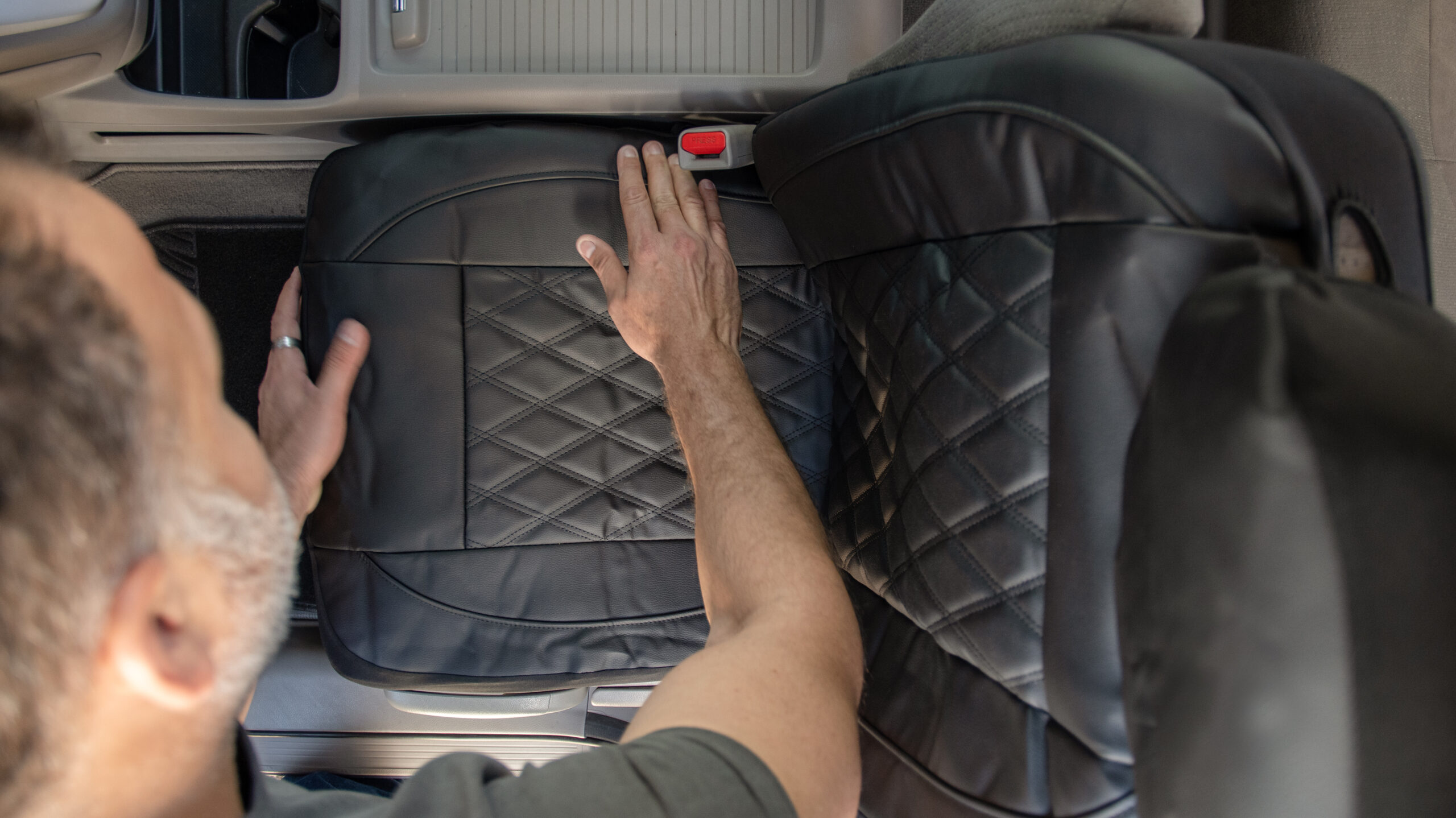
A matching set of covers creates a coordinated interior.
Image source: www.autozone.com
Maintenance Tips for Your New Seat Covers
Proper care keeps your covers looking new and extends their life.
Regular Cleaning
Vacuum the covers every week or two with a soft brush attachment. This removes abrasive dust and crumbs before they get worked into the fabric.
For deeper cleaning, use a mild detergent and warm water. Test the cleaner on a hidden section first. Avoid bleach, strong solvents, and brushes with stiff bristles that can roughen the fabric.
Handling Spills Quickly
Blot spills immediately with a clean, dry cloth. Do not rub — rubbing spreads the stain and pushes liquid deeper into the fabric.
Use a spray fabric cleaner designed for car upholstery for anything sticky. Work from the outside of the stain toward the center, then blot dry. Let the seat fully air out before using the car.
Protecting Covers From Sun Damage
Prolonged direct sunlight fades fabrics and makes vinyl brittle. A windshield sun shade, tinted windows, or parking in the shade all help. If your covers are real leather or leatherette, use a conditioner a few times a year to keep the surface supple.
When to Call a Professional
DIY replacement is realistic for most vehicles, but there are a few situations where professional help is worth the money:
- Your seats have integrated side airbags and you cannot find airbag-compatible covers
- The seat has power adjustments with wiring routed through the cover
- You are installing a full custom leather interior kit
- You have a rear bench with integrated seat belts and complex trim panels
- The old foam padding is damaged and needs repair before covering
In those cases, a professional shop will have the specialized clips and hog-ring tools to do the job without damaging the seat structure.
Frequently Asked Questions
Are car seat covers hard to install yourself?
No. Most front seats take one to two hours each for a beginner. The work is mostly pulling, tucking, and tightening straps. Removing the seat is optional for most vehicles.
Do seat covers damage the original upholstery underneath?
Clean covers that fit properly usually protect the original fabric. Problems occur when dirt is left underneath, when a cover shifts and rubs against the upholstery, or when a cover traps moisture against the seat.
Can I use seat covers on heated or ventilated seats?
Yes, but choose a breathable cover that is not too thick. Check customer reviews and the product specifications to confirm the cover works with those features.
Can I install seat covers over side airbags?
Only if the cover is specifically labelled airbag-compatible and the airbag panel lines up with the factory airbag seam. When in doubt, consult the vehicle manual or contact the cover manufacturer.
How often should I replace car seat covers?
There is no fixed schedule. Replace them when they look stained, begin to tear, or no longer fit snugly. Also replace them immediately if they interfere with airbag deployment or the seat belt buckle.
Conclusion
Replacing car seat covers is one of the most satisfying DIY upgrades you can do. It improves the look of the cabin, protects the factory upholstery, and gives the interior a more personal feel — all in a single afternoon.
The key is preparation. Measure your seats, choose a cover that matches the material and safety features, clean the seat first, and take your time pulling the fabric taut. Once the straps are tightened and the headrests are back in place, your car will feel noticeably fresher from the moment you sit down.
If you are ready to give your car an interior makeover, gather your tools and measure the seats today. Keep this guide open while you work, and the results will speak for themselves.

Emma Grace is a devoted mother and passionate content writer at BestBabyCart.com. With firsthand parenting experience and a love for research, she creates helpful guides and honest reviews to support parents in choosing the best for their babies. Her goal is to make parenthood easier, one article at a time.