
Worn-out front seats, stubborn coffee stains, and cracked leather are all common signs of a well-loved car — but they don’t have to be permanent. Installing front car seat covers with hooks is one of the most cost-effective, low-lift ways to protect your vehicle’s interior, boost its resale value, and give it a custom look without paying for professional upholstery work.
Many drivers avoid DIY seat cover installation out of fear of a sloppy fit, slipping fabric, or accidentally damaging seat components. Hook-based covers eliminate most of those risks: the fasteners lock directly to your seat’s factory anchor points for a secure, non-slip fit that stays in place even with daily use. This guide walks you through every step of the process, from prepping your seats to troubleshooting fit issues, so you can get a professional-grade result in 15 to 20 minutes with no special tools required. If you prefer visual guidance, this full video walkthrough demonstrates the entire hook seat cover installation process for a standard front seat.
 Credit: www.cover-company.com
What Are Hook-Based Front Seat Covers, and Why Choose Them?
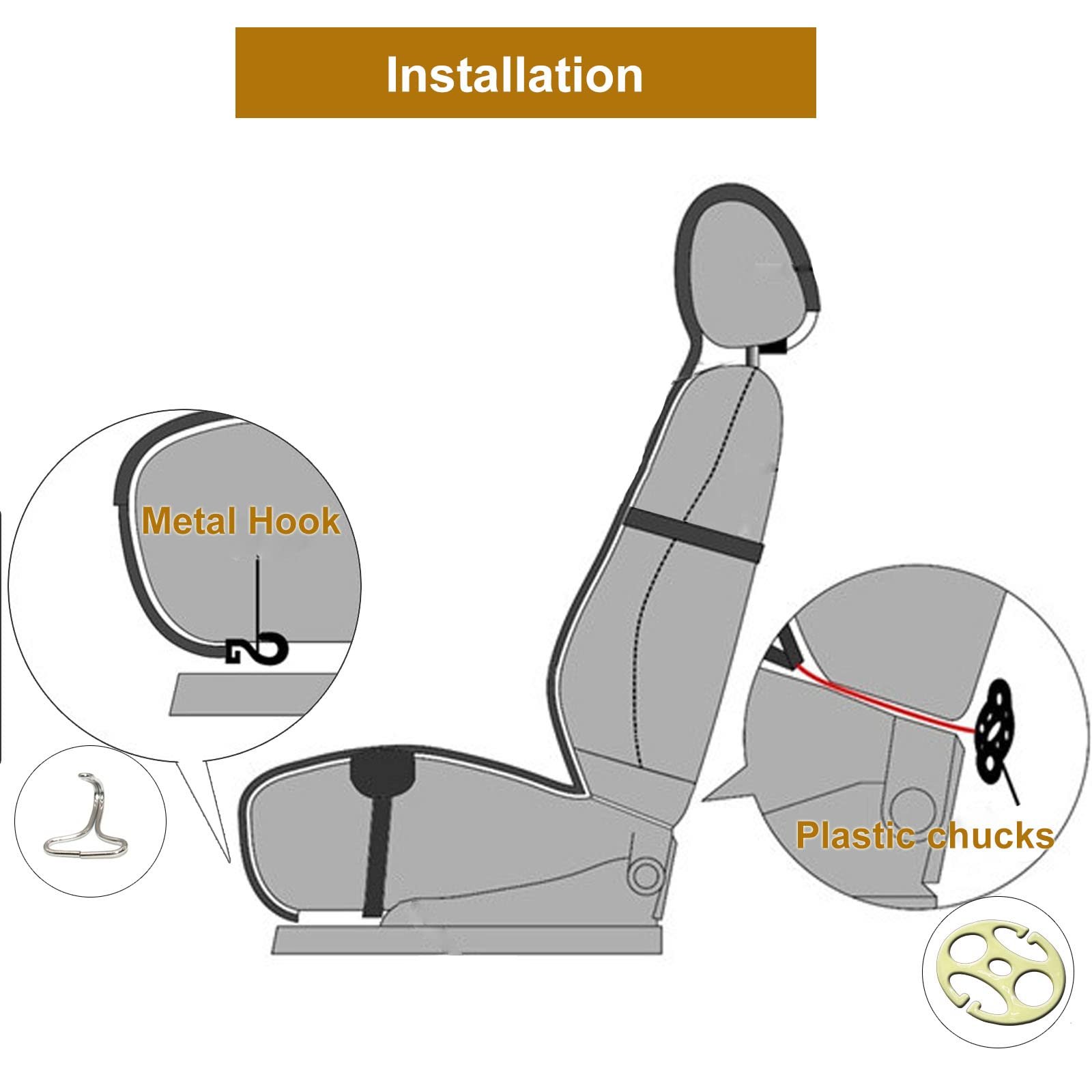
Before diving into installation, it helps to understand what sets hook-style seat covers apart from other options. Unlike slip-on elastic-only covers that rely on friction to stay in place, hook seat covers feature small, durable fasteners (usually plastic, elastic with a hook end, or metal S-hooks) that attach directly to metal anchor loops under your front seats.
This design delivers three key benefits for high-use front seats:
- Non-slip security: Hooks lock into place, so the cover won’t shift, bunch, or ride up when you slide in and out of the seat, even on long drives.
- Tailored fit: Hook placement is calibrated to your seat’s exact dimensions, eliminating gaps and wrinkles that are common with universal elastic covers.
- Durability: The secure fastening system reduces fabric stress, so hook covers last far longer than elastic-only options in high-traffic vehicles.
If you have kids, pets, or frequently transport cargo or passengers, hook seat covers are the most reliable option for long-term interior protection.
Pre-Installation Prep: Tools and Seat Prep
Proper preparation is the difference between a smooth, 15-minute install and a frustrating 45-minute struggle. The good news: you only need three basic items for most installations:
- A cordless or handheld vacuum with a crevice tool
- A microfiber cloth and mild all-purpose cleaner
- A flathead screwdriver (only if your headrests require a tool to remove)
Start by vacuuming every crack and crevice of your front seats to remove crumbs, dust, and debris that could get trapped under the cover. Wipe down the seat surfaces with a damp microfiber cloth to remove sticky residue or stains — a clean surface also helps the cover grip better to the seat foam.
Next, remove any detachable obstacles: take out the headrests (most hook covers include cutouts for headrest posts, so you’ll need to slide the posts through the cover’s holes during install), stow loose items like phone chargers or bags from the seat area, and adjust the seat to its most forward and lowest position to give you full access to the under-seat anchor points. Just as you’d clear a baby crib of loose items before making it safe for use, a clear, clean seat sets you up for a perfect fit.
Choosing the Right Hook Seat Covers for Your Vehicle
Not all hook seat covers are created equal, and picking the right pair for your car will save you hours of frustration during installation. Start by deciding between custom-fit and universal options:
- Custom-fit covers: Designed specifically for your exact make, model, and year of vehicle, these cover every contour of your seat with zero gaps. They’re the best choice if you want a factory-grade, wrinkle-free finish.
- Universal fit covers: Designed to fit most standard front seats, these are more affordable but may have minor excess fabric or small gaps around edges.
Next, pick a material that matches your lifestyle:
| Material | Best For | Key Benefits |
|---|---|---|
| Neoprene | Pets, kids, outdoor use | Waterproof, stain-resistant, easy to hose down |
| Faux leather | Luxury interiors, low maintenance | Wipeable, sleek look, durable |
| Mesh | Hot climates, long drives | Breathable, prevents sweat buildup |
| Polyester cloth | Budget, everyday use | Affordable, wide range of colors/patterns |
Finally, confirm the cover’s hook placement matches your seat’s anchor points: most manufacturers list compatible vehicle models on the product page, so double-check before buying. Just as you’d pick the right size socks for a baby to avoid slipping and discomfort, a properly sized cover is non-negotiable for a secure fit. For design, just as you’d select a chevron pattern for nursery decor that fits your style, you can choose seat cover colors and patterns that complement your car’s interior.
Step-by-Step Hook Seat Cover Installation
Once you have the right covers and prepped your seats, follow these steps for a secure, professional-looking install:
Step 1: Position the cover correctly
Start by slipping the cover over the seat back, aligning the backrest panel with the shape of your seat. Make sure any cutouts for headrest posts, seatbelt buckles, and side airbag indicators are lined up with the corresponding seat features — a common mistake is putting the cover on backwards, so check for a small manufacturer label on the side of the cover if you’re unsure. The seat cushion panel should lay flat over the bottom of the seat, with the front edge hanging over the front of the seat base.
Step 2: Secure the headrest covers (if included)
If your set includes headrest covers, slide each headrest post through the matching cutout in the cover, then push the headrest back into its mounting slots on the seat. Make sure the headrest cover is centered and not twisted.
Step 3: Locate under-seat anchor points
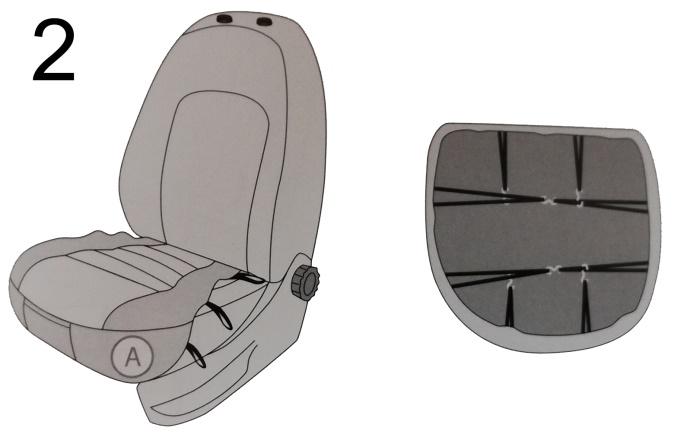
Most factory front seats have 2 to 4 small metal loops or slots under the seat base, usually positioned near the front and rear edges of the seat. If you have power-adjustable seats, take care not to snag the cover on the moving track mechanisms as you reach under the seat.
Step 4: Attach the hooks
Start with the rear hooks first: pull the cover taut toward the back of the seat, then hook each fastener onto its corresponding anchor point. For elastic hook styles, stretch the hook gently until it clips into place — avoid over-stretching, as this will weaken the elastic over time. For metal S-hooks, simply loop them through the anchor holes. Repeat the process for the front hooks, pulling the cover tight as you go to eliminate slack.
Step 5: Tuck and smooth excess fabric
Tuck any extra fabric between the seat cushion and backrest, then run your hands over the entire surface of the cover to smooth out wrinkles. If you’re using a universal cover, you can tuck excess fabric under the seat base for a cleaner look.
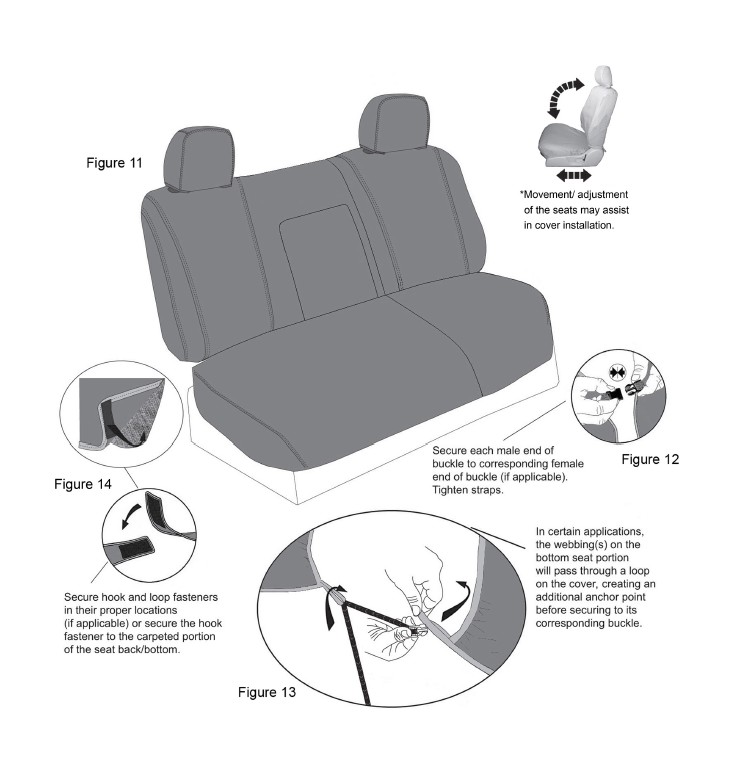 This image shows a metal S-hook secured to a factory under-seat anchor loop, the standard attachment point for most hook seat covers.
Credit: www.extremeterrain.com
This image shows a metal S-hook secured to a factory under-seat anchor loop, the standard attachment point for most hook seat covers.
Credit: www.extremeterrain.com
Troubleshooting Common Fit Issues
Even with careful installation, you may run into minor fit issues. Here are the most common problems and their quick fixes:
- Hooks keep popping off: This usually means you’ve hooked the fastener onto plastic seat trim instead of the solid metal anchor loop. Reach back under the seat and reattach the hook to the metal frame for a secure hold.
- Persistent wrinkles: For universal covers, excess fabric is usually the cause. Tuck more material under the seat base, or adjust the hook tension to pull the fabric tighter. For custom covers, wrinkles often mean the cover is misaligned — double-check that the cutouts for the headrest and seatbelt are lined up correctly.
- Seatbelt buckle won’t latch: Make sure the cover’s seatbelt cutout is fully aligned with the buckle. If the cutout is too small for your seat’s buckle, you can carefully trim the fabric with scissors to create more space (check your manufacturer’s warranty first to avoid voiding coverage).
- Airbag warning light is on: This means the cover is blocking the side-impact airbag deployment zone on the edge of the seat. Most hook covers have a small perforated cutout for the airbag; make sure this cutout is positioned correctly, and remove any excess fabric covering the airbag housing.
In practice, taking an extra 2 minutes to check alignment during installation will prevent most of these common issues.
Testing for Safety and Comfort
Before you hit the road, it’s critical to test both the safety and comfort of your new seat covers to avoid hazards or discomfort while driving.
Safety checks
First, tug firmly on the cover in multiple spots to confirm all hooks are securely fastened and won’t pop off during sudden stops or sharp turns. Buckle your seatbelt to make sure it latches and releases smoothly, with no fabric blocking the buckle. Turn your car on and confirm the airbag warning light on the dashboard is off — if it stays on, recheck that the cover isn’t blocking the airbag deployment zone, per NHTSA vehicle interior safety standards. Never drive with a cover that interferes with seatbelt or airbag function. Just as you’d properly secure a baby car seat to avoid shifting during travel, hook fasteners keep your seat cover locked in place even on bumpy roads.
Comfort checks
Sit in the seat for 3 to 5 minutes, shifting your weight as you would during a normal drive. Make sure the cover doesn’t bunch under your thighs, rub against your skin, or create pressure points on your back. If the material feels scratchy or too stiff, you may want to add a thin seat cushion on top for extra comfort.
A properly installed cover will feel as secure and comfortable as your original factory seats, with no shifting or slippage when you move.
 Credit: www.ebay.com
Long-Term Care for Your Hook Seat Covers
With proper care, hook seat covers can last 3 to 5 years, even with daily use. Follow these maintenance tips to keep them looking and performing like new:
Cleaning guidelines
Cleaning frequency depends on your material:
- Neoprene and faux leather: Wipe down with a damp cloth after spills, and deep clean with a mild soap and water solution every 2 to 3 months. Avoid harsh chemicals or abrasive scrubbers, which can damage the material.
- Polyester cloth: Spot clean stains with a gentle detergent and water, and machine wash on a cold, gentle cycle if the manufacturer allows. Air dry completely before reinstalling to avoid mildew.
- Mesh: Rinse with a hose after heavy use (especially if you have pets or go to the beach), and air dry.
Always test any cleaning solution on a small, hidden area of the cover first to avoid discoloration.
Routine inspection
Every 3 months, check the hooks for rust, breakage, or loss of elasticity. Tighten any loose hooks, and replace damaged fasteners immediately to prevent the cover from slipping. Inspect the seams of the cover for fraying, and repair small tears with a fabric patch before they grow larger. Just as you’d fold a stroller properly for storage to avoid creases and damage, storing your covers in a cool, dry place out of direct sunlight when not in use will prevent fading and fabric degradation.
Frequently Asked Questions
How do you attach seat covers with hooks?
Start by removing your headrests and positioning the cover over the seat, aligning all cutouts for the headrest posts, seatbelt buckle, and airbag. Locate the 2 to 4 hooks attached to the bottom edge of the cover, then reach under the seat to fasten each hook to the factory metal anchor loops. Pull the cover taut as you secure each hook to eliminate slack, then tuck excess fabric between the seat and backrest before replacing the headrests.
Are hooks better than elastic for seat covers?
For front seats that see daily use, yes. Hooks lock directly to anchor points under the seat, so they won’t stretch out or slip like elastic-only covers over time. Elastic covers are better suited for rear seats that are used less frequently, but hook covers are the more durable, secure choice for driver and passenger seats.
Can I install seat covers without removing the seats?
Absolutely. All hook seat covers are designed to slip over existing seats without removal. You only need to remove the headrests for installation; the seat itself stays in place the entire time.
What tools do I need for installation?
99% of hook seat cover installations require no tools at all. You may need a flathead screwdriver to remove headrests if your vehicle doesn’t have a release button for them. All other fastening is done by hand using the included hooks.
Can hook seat covers interfere with my car’s airbag system?
Only if they’re installed incorrectly. All properly designed hook seat covers have a cutout for the side-impact airbag on the edge of the seat. As long as this cutout is aligned correctly and no fabric is covering the airbag housing, the cover will not interfere with deployment. If your airbag warning light stays on after installation, double-check the alignment of the airbag cutout.
Conclusion
Installing front car seat covers with hooks is a simple, cost-effective upgrade that protects your car’s interior, improves its appearance, and saves you money on professional upholstery repairs down the line. By taking a few minutes to prep your seats, choose the right fit for your vehicle, and follow the step-by-step installation process, you can get a secure, professional-grade result that lasts for years.
Remember to prioritize fit and safety above all else: a cover that’s properly aligned and securely hooked will stay in place, won’t interfere with your seatbelt or airbags, and will feel comfortable for every drive. With regular cleaning and routine inspection, your new seat covers will keep your front seats looking like new even after years of daily use.
If you’re ready to upgrade your car’s interior, check out our guide to the most durable, custom-fit hook seat covers for 2026 to find a pair that matches your vehicle and style.

Emma Grace is a devoted mother and passionate content writer at BestBabyCart.com. With firsthand parenting experience and a love for research, she creates helpful guides and honest reviews to support parents in choosing the best for their babies. Her goal is to make parenthood easier, one article at a time.