
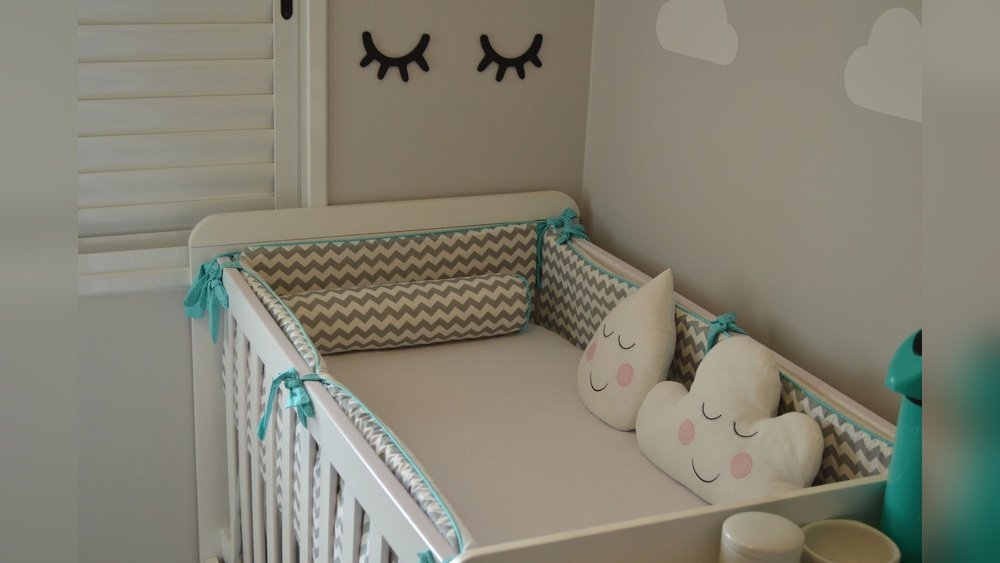
If you’re a new parent, you’ve likely seen crib bumper pads marketed as a way to soften crib rails, protect your baby from bumped heads, and keep tiny arms and legs from slipping through slats. For decades, these products were a nursery staple — but modern safety research has completely changed that recommendation. As of 2026, every major pediatric and consumer safety organization in the U.S. advises against using traditional padded crib bumpers, citing severe suffocation, strangulation, and SIDS risks. In 2021, the U.S. passed the Safe Sleep for Babies Act, banning the manufacture and sale of padded crib bumpers entirely, and thousands of infant injuries and dozens of deaths have been linked to the products over the past 30 years.
If you’re looking for alternatives that keep your baby safe, comfortable, and protected from minor bumps or entrapment without the risks of traditional bumpers, this guide breaks down evidence-backed options, proper installation tips, and common mistakes to avoid. We’ll cover what works for newborns, what to skip, and how to set up a crib that meets 2026 safety standards without sacrificing peace of mind.
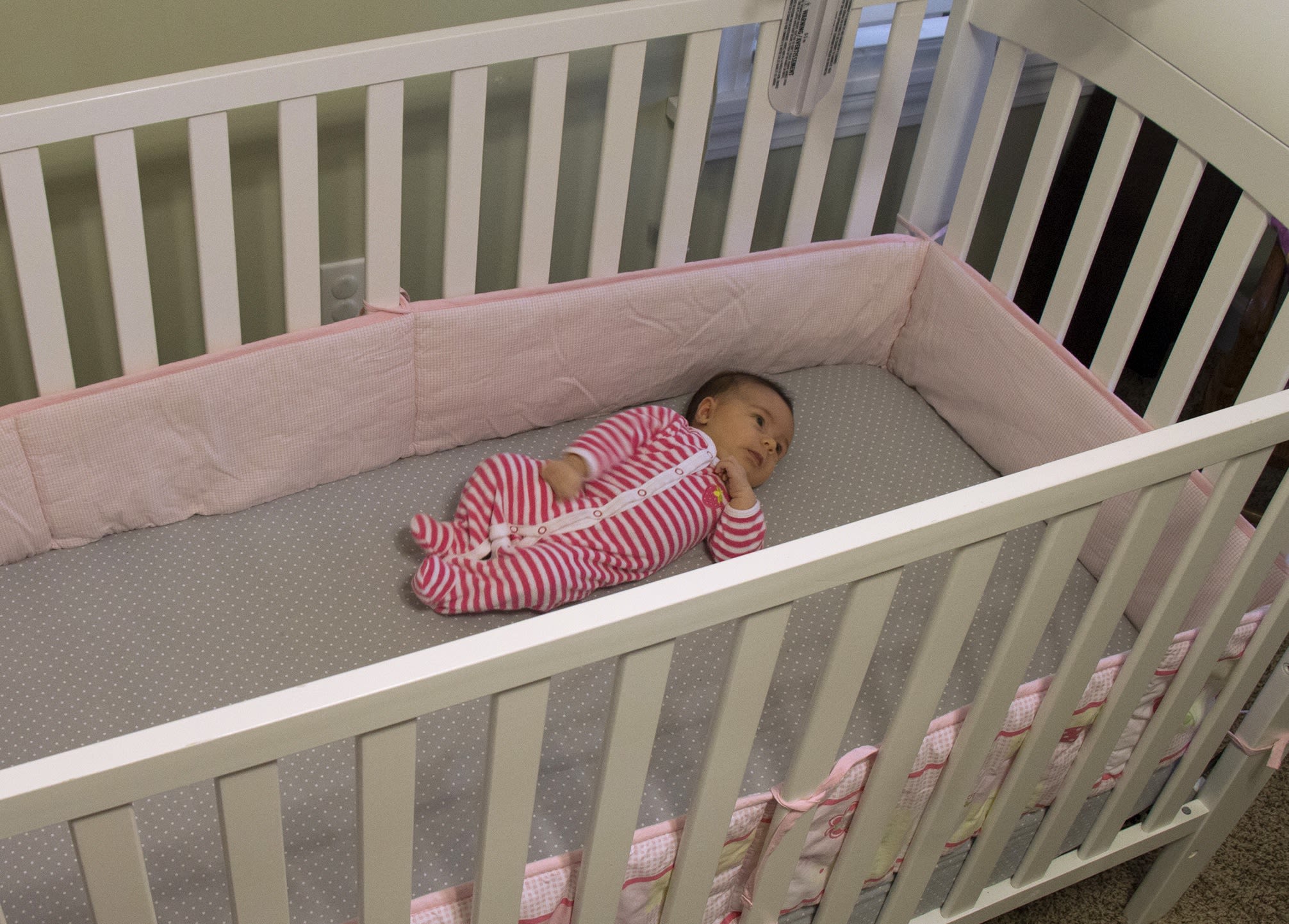 Traditional padded crib bumpers are banned for sale in the U.S. as of 2026 due to suffocation and strangulation risks.
Credit: www.cnn.com
Traditional padded crib bumpers are banned for sale in the U.S. as of 2026 due to suffocation and strangulation risks.
Credit: www.cnn.com
The Dangers of Traditional Crib Bumper Pads (Updated for 2026)
Traditional padded crib bumpers were designed to cover gaps between crib slats, but they create far more risk than they mitigate. Understanding these documented hazards is the first step to choosing a safe alternative for your baby’s sleep space.
Suffocation and Strangulation Hazards
A baby who rolls into a padded bumper can have their nose and mouth blocked by the soft fabric, leading to suffocation — infants lack the motor skills to move away from the obstruction on their own. Loose ties used to secure bumpers to crib rails can also wrap around a baby’s neck, leading to strangulation, especially for mobile infants who can pull themselves up and grab at loose fabric. Unlike bare crib slats, which pose no entrapment risk for a baby lying on their back, padded bumpers add a soft, suffocation hazard directly to the sleep surface. The U.S. Consumer Product Safety Commission crib safety guidelines explicitly warn against all padded crib bumpers, noting that even "breathable" padded models fail to eliminate suffocation risk.
Regulatory Bans and Current Guidance
The dangers of crib bumpers are not just theoretical: in 2021, the U.S. Congress passed the Safe Sleep for Babies Act, which made it illegal to manufacture, sell, or distribute padded crib bumpers in the United States. As of 2026, the American Academy of Pediatrics (AAP) recommends a completely bare crib for all infant sleep: a firm, well-fitting mattress with a tight fitted sheet, and no bumpers, loose bedding, pillows, stuffed animals, or sleep positioners. Several U.S. states, including Maryland and Ohio, banned padded crib bumpers even earlier, in the mid-2010s. As of 2026, padded crib bumpers are banned from sale in the U.S. under the Safe Sleep for Babies Act, so traditional crib bumper availability is extremely limited, but secondhand or imported models still pose serious risks. While unpadded mesh liners are not covered by the federal ban, they are only recommended for a narrow window of infant development, as outlined below.
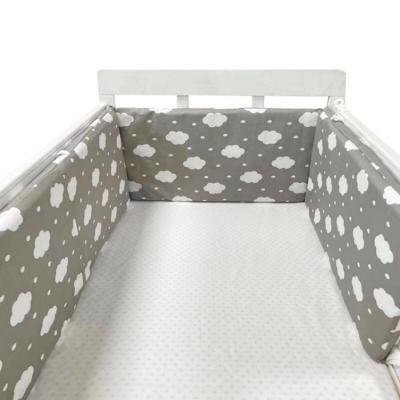 The CPSC has issued dozens of recalls for crib bumpers that fail to meet safety standards.
Credit: www.cpsc.gov
The CPSC has issued dozens of recalls for crib bumpers that fail to meet safety standards.
Credit: www.cpsc.gov
Top Safe Alternatives to Crib Bumper Pads (Evidence-Backed)
The right alternative depends on your baby’s age, your nursery setup, and your specific concerns (e.g., limb entrapment vs. head bumps). Below are the only options recommended by pediatric safety experts as of 2026, ranked by safety and versatility:
1. Unpadded Breathable Mesh Crib Liners
Unpadded mesh liners are the closest alternative to traditional bumpers for parents worried about their baby’s arms or legs slipping through crib slats. Made of tightly woven, breathable synthetic or cotton mesh, these liners attach to the outside of crib rails and create a barrier between slats without blocking airflow. Even if a baby presses their face against the liner, air can pass through freely, eliminating suffocation risk. Key benefits:
- Prevents limb entrapment between slats, a common issue for active newborns
- Does not restrict airflow, even when pressed against
- Easy to install and remove for cleaning Critical limitations and safety rules:
- Only use for babies who cannot sit up unassisted (typically under 5-7 months old). Once a baby can sit or pull up, they can use the liner as a step to climb out of the crib, or pull the liner down over their face.
- Never use padded mesh bumpers, which are banned and carry the same suffocation risks as traditional padded bumpers.
- Install ties tightly, with no loose ends hanging into the crib. Check the liner weekly for tears, loose mesh, or gaps where a baby’s head could get trapped. For parents considering branded breathable options, breathable liner safety standards vary, so always verify third-party certification (such as CPSC approval) before purchasing.
2. Wearable Blankets and Sleep Sacks
Wearable blankets and sleep sacks are the most universally recommended alternative to crib bumpers, as they eliminate the need for any loose bedding in the crib entirely — a top priority for SIDS prevention. Unlike loose blankets, which can slip over a baby’s face during the night, sleep sacks stay securely in place, keeping baby warm without restricting movement or blocking airflow. They come in different sizes and materials to suit infant clothing options and seasonal needs. Key benefits:
- Eliminates suffocation risk from loose blankets
- Regulates temperature better than loose bedding, reducing overheating risk (a key SIDS factor)
- Available in a range of TOG (thermal overall grade) ratings to match your nursery temperature: 0.5 TOG for rooms 24-26°C (75-79°F), 1.0 TOG for 20-23°C (68-74°F), and 2.5 TOG for rooms under 20°C (68°F)
- Available in swaddle styles for newborns who have a startle reflex, sleeveless styles for warmer months, and footed styles for cold weather Safety rules:
- Choose a size that fits snugly around the neck and armholes, with no extra fabric that could slip over the face
- Avoid sleep sacks with hoods, drawstrings, or loose decorations
- Always place baby on their back to sleep in the sleep sack, with no other items in the crib For guidance on selecting the right warmth level for your climate, consistent infant warmth tips apply equally to sleepwear and outdoor gear. For additional guidance on layering for colder months, infant layering best practices apply to sleep sack TOG ratings as well, helping you avoid overheating or chilling. When using a sleep sack, you only need to dress your baby in a onesie or light pajamas; for specific guidance on how many layers to put on your baby for sleep, infant sock and layer guidelines can help you avoid overheating.
3. Proper Crib Setup Adjustments
Many parents use bumpers to address specific concerns, like head bumps on rails or gaps between the mattress and crib frame. Proper crib setup eliminates these risks without any additional padding:
- Lower the crib mattress early: As soon as your baby can roll (usually around 3-4 months), lower the mattress to the lowest position. This increases the distance between your baby’s head and the top rail, eliminating the risk of bumped heads without bumpers.
- Eliminate gaps: A properly fitting crib mattress will have no gaps larger than two fingers between the mattress and the crib frame. Gaps can trap a baby’s head or limbs, a risk that bumpers were never designed to address.
- Optimize crib placement: Keep the crib at least 2 feet away from windows, blind cords, heaters, vents, and furniture to eliminate other entrapment and strangulation hazards, so you don’t need bumpers to block access to dangerous items. For a full breakdown of what is and isn’t safe to include in your baby’s sleep space, safe nursery setup tips outline evidence-based guidelines for every stage of infancy. If you want to add visual interest to the nursery without adding soft, risky items to the crib, baby-safe decor guidelines outline what patterns and materials are safe for sleep spaces.
4. Safe DIY Alternatives (With Major Caveats)
If you’re interested in a custom option, DIY crib padding can be made safely, but only with strict adherence to safety guidelines. Pediatricians generally recommend against DIY bumpers entirely, as it is difficult to ensure they meet safety standards, but if you choose to make your own:
- Use only thin, firm, 100% breathable cotton fabric, with no loose filling or padding
- Secure the fabric tightly to the outside of the crib rails with no loose ties, ribbons, or hanging fabric that could wrap around your baby’s neck
- Ensure there are no gaps between the fabric and the crib slats where a baby’s head could get trapped
- Remove the DIY padding as soon as your baby can sit or pull up Note that even perfectly constructed DIY padding does not prevent head bumps, and carries higher risk than store-bought, certified safe alternatives.
Monitoring and Supervision Best Practices
Even with a perfectly set up crib, regular monitoring adds an extra layer of safety:
Baby Monitor Use
A high-quality baby monitor can provide peace of mind without adding hazards to the crib. Look for a model with clear audio and video coverage of the entire crib area, and if you want extra reassurance, a breath-tracking monitor that alerts you if no movement is detected for a set period. Note that breathing-tracking monitors are not medical devices and do not replace safe sleep practices, but they can alert you to potential issues quickly. Place the monitor out of baby’s reach to avoid cord strangulation risks, and position the camera to cover the full crib with no blind spots. If you need to step out of the nursery while your baby naps, guidelines for leaving a sleeping infant can help you avoid waking them while still checking in regularly to ensure they are safe.
Regular Crib Safety Checks
Perform a quick crib inspection weekly to catch hazards early:
- Check that the mattress still fits snugly, with no gaps larger than two fingers
- Inspect mesh liners or rail covers for tears, loose ties, or sagging fabric
- Remove any loose items that have been placed in the crib (stuffed animals, extra blankets, etc.)
- Check that crib slats are tight and no parts are broken or loose
When to Phase Out Alternatives
All crib alternatives except sleep sacks should be removed as soon as your baby can sit up unassisted, usually around 5-7 months old. At this stage, babies can use liners or padded rail covers to pull themselves up and climb out of the crib, leading to serious fall injuries. Sleep sacks can be used until your baby transitions to a toddler bed, as long as they fit correctly and do not have loose fastenings.
Common Mistakes to Avoid When Choosing Alternatives
Even well-meaning parents can make errors that put their baby at risk. Avoid these common pitfalls:
- Using padded mesh bumpers: Even if labeled "breathable", padded mesh bumpers are banned for sale in the U.S. and carry the same suffocation and entrapment risks as traditional padded bumpers.
- Installing mesh liners too loosely: Loose mesh can bunch up during the night, or be pulled down over a baby’s face, creating a suffocation hazard. Always secure ties tightly and check for sagging weekly.
- Choosing oversized sleep sacks: A sleep sack that is too large can slip over a baby’s face during the night, or have extra fabric that covers their nose and mouth. Always choose a size based on your baby’s height and weight, not age.
- Adding extra padding to the crib mattress: Even soft, breathable mattress toppers increase suffocation risk, as a baby’s face can sink into soft material. The crib mattress should be firm to the touch, with no indentations when you press on it.
- Using alternatives for toddlers: Crib bumpers, mesh liners, and rail covers are only for infants who cannot sit up. For toddlers in cribs, these items can be used to climb out, leading to serious head injuries from falls. Even well-meaning parents can make errors that put their baby at risk; avoid these common pitfalls, including choosing safe bumper substitutes that do not meet current safety standards.
Frequently Asked Questions
What are safe alternatives to crib bumper pads?
As of 2026, the only safe alternatives recommended by pediatric experts are unpadded breathable mesh liners (for non-mobile infants only), wearable sleep sacks, and proper crib setup adjustments (lowering the mattress, eliminating gaps, optimizing placement). No padded products are considered safe for crib use.
Why should I avoid using bumper pads in cribs?
Traditional padded bumper pads pose severe suffocation, strangulation, and SIDS risks. They can block a baby’s airway if they roll into the bumper, and loose ties can wrap around their neck. The U.S. banned padded bumper pads in 2021 after decades of safety data linking them to infant death and injury.
Can mesh crib liners replace bumper pads?
Unpadded mesh liners can replace bumper pads for non-mobile infants who are at risk of limb entrapment between crib slats, but they do not prevent head bumps and should be removed as soon as your baby can sit up unassisted. Note that only unpadded mesh liners are legal for sale in the U.S.; padded mesh bumpers are banned, and you can learn more about mesh liner regulations to avoid purchasing unsafe products.
How do I keep my baby safe without bumper pads?
Follow the AAP’s safe sleep guidelines: use a firm, well-fitting crib mattress with a tight fitted sheet, dress your baby in a properly fitting sleep sack instead of using loose blankets, keep the crib completely free of toys, pillows, bumpers, and loose bedding, and place your baby on their back to sleep for every nap and nighttime sleep. These practices help keep your baby comfortable and secure, and nursery comfort solutions like temperature control can further support safe sleep.
Are there any safe padded options for crib rails?
No. All padded crib bumpers are banned in the U.S. as of 2026, and no padded product meets current safety standards. If you are concerned about head bumps on rails, lower the crib mattress to the lowest position to increase the distance between your baby’s head and the rail, which eliminates the risk entirely for most infants.
Final Thoughts
The safest alternative to traditional crib bumper pads is no additional padding at all: a bare crib with a firm, well-fitting mattress, tight fitted sheet, and a properly sized sleep sack is the gold standard for infant sleep safety as of 2026. If you need to prevent limb entrapment for a non-mobile newborn, an unpadded, certified breathable mesh liner is an acceptable temporary solution, but it should be removed as soon as your baby can sit or pull up.
Avoid padded bumpers, DIY padded padding, and loose fabric in the crib entirely, as these carry avoidable suffocation and entrapment risks. By following current CPSC and AAP guidelines, you can create a safe, comfortable sleep space for your baby without the risks of traditional bumper pads. For more evidence-based tips on nursery safety, newborn sleep, and baby gear, browse our full library of new parent safety guides to keep your little one safe at every stage. For more details on bumper safety guidance, review our full breakdown of current recommendations. When choosing a fitted sheet for your baby’s crib, opt for a tight-fitting, certified organic cotton option to reduce irritation and ensure a snug fit; organic crib sheet options are widely available and meet safety standards.

Sophia Linda is a freelance writer and Certified Health Coach based in the Newbury Park, CA. Passionate about healthy living, she focuses on helping families stay active and connected to the outdoors. Together with her husband and their three young children, Sophia spends much of her time traveling, hiking, and camping. Her work has been featured on the bestbabycart blog, and she brings a practical, real-world perspective to reviewing baby products for parents.