Diaper Rash Remedies for Babies

Diaper Rash Remedies for Babies: Quick Relief Tips

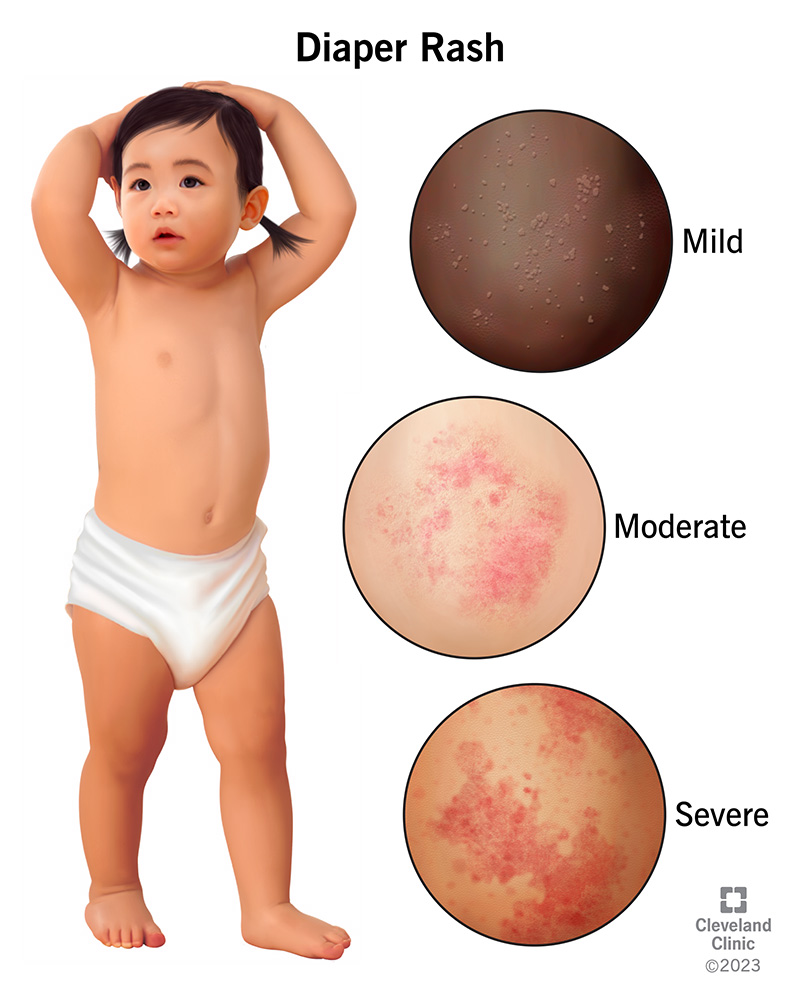
Diaper Rash Remedies for Babies. Diaper rash can be a frustrating and uncomfortable experience for both you and your baby. The redness, irritation, and fussiness can make even the simplest tasks overwhelming.

You want nothing more than to see your baby happy and comfortable, but finding the right solution can sometimes feel like a daunting task. The good news is, you’re not alone, and there are effective remedies that can help soothe your baby’s sensitive skin.

Imagine the relief of seeing your baby giggle without a care in the world, free from the discomfort of diaper rash. Ready to discover simple, proven solutions that can make a world of difference for your little one? Let’s dive in and explore the best diaper rash remedies that can bring peace and comfort back to your home.

diaper rash remedies for babies quick relief tips

img: infographic of diaper rash remedies for babies, quick relief tips

Common Causes Of Diaper Rash

Diaper rash is a common issue for babies. It can cause discomfort and stress for both babies and parents. Understanding the common causes of diaper rash can help in preventing it. It also aids in finding effective remedies. Let’s explore the most frequent triggers of this condition.

1. Prolonged Exposure To Wetness

Wet diapers are a primary cause of diaper rash. When a baby’s skin stays wet for too long, it becomes irritated. The moisture breaks down the skin, making it more prone to rashes.

2. Friction From Diapers

The constant rubbing of a diaper against a baby’s delicate skin can lead to irritation. This friction creates redness and soreness, especially in sensitive areas.

3. Use Of Irritating Substances

Certain products can irritate a baby’s skin. These include harsh soaps, scented wipes, and even some types of diapers. They may contain chemicals that are too strong for a baby’s sensitive skin.

4. Introduction Of New Foods

Starting solid foods can change the acidity and composition of a baby’s stool. This change can trigger diaper rash. New foods may also lead to more frequent bowel movements, increasing the risk of rash.

5. Bacterial Or Yeast Infections

Diaper areas are warm and moist, making them ideal for bacteria and yeast. These microorganisms can cause infections, leading to more severe rashes.

6. Sensitive Skin

Some babies naturally have more sensitive skin. This sensitivity makes them more prone to diaper rash. It’s essential to use products that are gentle and hypoallergenic.

Cause Description
Wetness Skin breakdown due to prolonged exposure to moisture.
Friction Rubbing the diaper against the skin is irritating.
Irritants Harsh chemicals in products irritate the skin.
New Foods Changes in stool due to the introduction of solids.
Infections Bacterial or yeast infections in the diaper area.
Sensitive Skin Natural sensitivity leading to higher rash risk.

By knowing these causes, you can better protect your baby. Prevention and careful product selection are key to keeping diaper rash at bay.
Diaper Rash Remedies for Babies: Quick Relief Tips

Preventive Measures

Diaper rash is a common concern for many parents. Babies have sensitive skin, making them prone to this uncomfortable condition. Understanding preventive measures can help keep your baby’s skin healthy. Following a consistent infant skincare routine, you can protect your child from diaper rash. Here, we’ll explore various strategies, offering effective baby skin care tips that align with pediatrician recommendations.

Prevention Of Diaper Rash

Preventing diaper rash starts with frequent diaper changes. Change your baby’s diaper as soon as it’s wet or soiled. This reduces prolonged exposure to moisture, a common cause of diaper rash. Using soft and absorbent diapers also helps.

Let your baby enjoy some diaper-free time. Fresh air can help keep the skin dry and prevent irritation. Simply lay your baby on a towel in a safe area, allowing their skin to breathe.

Infant Skincare Routine

A gentle skincare routine is vital. Use warm water and a soft cloth to clean your baby’s diaper area. Avoid wipes with alcohol or fragrances, as they can irritate sensitive skin. Pat the area dry with a soft towel.

Incorporate soothing ointments or diaper rash cream into your routine. Apply a thin layer to your baby’s clean, dry skin. This creates a barrier against moisture, reducing the risk of diaper rash.

Natural Remedies For Diaper Rash

Opt for natural remedies if your baby has sensitive skin. Coconut oil is a popular choice. Its antimicrobial properties can soothe and protect delicate skin. Apply a small amount to the affected area for relief.

Aloe vera gel is another effective option. It cools and soothes the skin, helping reduce redness and discomfort. Ensure the gel is pure and free from added chemicals.

Baby Health Tips

  • Ensure your baby’s clothes are loose and breathable.
  • Use mild detergent to wash their clothes and diapers.
  • Rinse clothes twice to remove all soap residues.


Pediatrician Recommendations

Consult your pediatrician for personalized advice. They can recommend specific diaper rash treatments suited to your baby’s needs. Always follow their guidance for effective and safe infant skincare.

Tips Benefits
Frequent Diaper Changes Reduces moisture exposure
Diaper-Free Time Allows skin to breathe
Use of Soothing Ointments Creates a moisture barrier

According to the AAP diaper rash advice, frequent diaper changes can help prevent irritation.

Natural Remedies

Diaper rash is a common issue that many parents face. It can cause discomfort and irritation for your little one. Fortunately, there are natural remedies that can help soothe diaper rash without harsh chemicals. These remedies use gentle ingredients that nurture and protect your baby’s delicate skin. Embracing natural solutions can be a comforting choice for Baby Skin Care. Let’s explore some effective options for Soothing Diaper Rash.

Coconut Oil

Coconut oil is a popular choice for Natural Remedies For Diaper Rash. It has antimicrobial and anti-inflammatory properties that can help soothe irritated skin. Applying coconut oil to the affected area creates a barrier, protecting the skin from further irritation.

Benefits:

  • Acts as a natural moisturizer
  • Contains lauric acid, which fights bacteria
  • Easy to apply and gentle on baby skin


Usage:

  1. Clean the diaper area with warm water and mild soap.
  2. Pat dry gently using a soft towel.
  3. Apply a thin layer of coconut oil on the rash.


Regular use of coconut oil can be part of Diaper Rash Prevention Tips. It’s a cost-effective and gentle solution to incorporate into your routine.

Aloe Vera

Aloe Vera is well-known for its skin-healing properties. It’s a natural remedy that can provide relief for diaper rash. The soothing gel from the aloe plant helps cool and calm irritated skin. Aloe Vera is often included in Gentle Baby Products for its hydrating benefits.

How Aloe Vera Helps:

Feature Benefit
Anti-inflammatory Reduces redness and swelling
Moisturizing Hydrates dry, cracked skin
Cooling effect Soothes burning sensation


Application:

  • Extract fresh aloe gel from the plant.
  • Gently apply on the diaper rash.
  • Let it dry naturally before putting on a new diaper.

Aloe Vera can be a safe choice for Preventing Diaper Rash. It complements Pediatrician-Recommended Treatments effectively.

Oatmeal Baths

Oatmeal baths are a soothing option for Diaper Rash Treatment. Oatmeal contains saponins, which cleanse and moisturize the skin. Due to its calming effects, it has been used as a Home Remedy For Diaper Rash.

Benefits of Oatmeal Baths:

  • Relieves itching and irritation
  • Balances skin pH
  • Gentle enough for daily use

Steps to Prepare:

  1. Grind oatmeal into a fine powder using a blender.
  2. Fill a bathtub with warm water.
  3. Add a cup of ground oatmeal to the water.
  4. Let your baby soak for 10-15 minutes.

Oatmeal baths can be a key part of your Best Diaper Rash Creams routine. They offer a natural and gentle way to care for your baby’s skin.

Diaper Rash Remedies for Babies: Quick Relief Tips


Over-the-counter Treatments

Diaper rash can be a distressing experience for both babies and parents. Red, irritated skin can cause discomfort and sleepless nights. Many parents seek effective diaper rash remedies to soothe their baby’s sensitive skin. Over-the-counter treatments offer a convenient solution. These products are designed to provide relief and promote healing. They are readily available and can be used at home. Let’s explore some popular options.

Barrier Creams

Barrier creams play a crucial role in baby skin care. They create a protective layer on the skin, shielding it from moisture and irritants. This skin barrier protection is essential for diaper rash prevention. Common ingredients in barrier creams include zinc oxide and petroleum jelly. These compounds help to soothe and protect the skin.

  • Zinc Oxide: Known for its healing properties. It reduces irritation and promotes skin recovery.
  • Petroleum Jelly: Provides a thick barrier, keeping moisture away from the skin.

Parents often choose barrier creams for their ease of use. Simply apply a generous layer during diaper changes. This can help prevent the rash from worsening. For persistent rashes, consult a pediatrician for advice. Experts might recommend specific brands or formulations tailored for your baby.

Ingredient Benefit
Zinc Oxide Healing and soothing properties
Petroleum Jelly Effective moisture barrier

Anti-fungal Ointments

Sometimes, diaper rash treatment requires more than a barrier. Fungal infections in infants can lead to stubborn rashes. In these cases, antifungal ointments are recommended. These ointments target fungal growth directly, reducing inflammation and irritation.

Common antifungal agents include:

  • Clotrimazole: Effective against yeast infections.
  • Miconazole: Another popular choice for treating fungal issues.

Using antifungal ointments requires careful application. Clean the affected area thoroughly before use. Apply a thin layer as directed by pediatric dermatology experts. These ointments can be combined with barrier creams for enhanced protection. Always monitor the rash for signs of improvement. If symptoms persist, seek medical advice.

Hydrocortisone Creams

Cortisone cream for babies is used to reduce inflammation. It is a mild steroid cream, effective for severe diaper rashes. While it can be a powerful tool in baby rash prevention, it must be used with caution.

Important considerations include:

  1. Use sparingly and only for short periods.
  2. Follow pediatric advice for dosage and application.
  3. Monitor the skin closely for any adverse reactions.

Hydrocortisone creams are usually recommended for rashes that do not respond to other treatments. They can provide relief when other soothing ointments fail. Always consult a healthcare provider before using steroid creams on infants. This ensures safe and effective natural remedies for diaper rash.

When To See A Doctor For Diaper Rash

Most diaper rashes respond well to home remedies for diaper irritation and natural remedies for diaper rash. These include frequent diaper changes, gentle cleansing, and the use of soothing ointments for diaper rash. But sometimes, a rash may need professional attention.

Signs Of Infection

If the rash is red, swollen, or has blisters, it could indicate an infection. Look out for pus-filled bumps or open sores. These require a pediatrician-recommended rash solution. An infection can worsen if not treated promptly, so don’t delay in seeking help.

Rash Persists Despite Treatment

Applying the best diaper rash creams and using sensitive skin products for babies should show improvement within a few days. If the rash doesn’t heal or worsens after trying various diaper rash treatments, it’s time to consult a doctor.

Fever And Behavioral Changes

A diaper rash accompanied by a fever can indicate a more serious issue. If your baby seems more irritable or uncomfortable than usual, it’s worth getting a professional opinion. Preventing diaper rash with proper baby skin care is essential, but sometimes medical intervention is necessary. 

Unusual Appearance

Rashes that appear very different from typical diaper rash, like those with a bright red color or unusual texture, should be evaluated. Sometimes, these can be allergic reactions needing specific care.

Rash Spreads Beyond Diaper Area

If the rash extends beyond the diaper area to other parts of the body, it may not be a simple diaper rash. This might require a specialized treatment approach that only a doctor can provide.

Understanding these signs will help you make informed decisions about your baby’s health. Always trust your instincts as a parent and seek medical advice when necessary.

For severe cases, the Mayo Clinic diaper rash treatment recommends consulting a doctor.

Tips For Diaper Changes

Diaper rash is a common issue that many parents face with their babies. Understanding how to effectively change diapers can help prevent skin irritation and keep your baby comfortable. Here are some practical tips for diaper changes that incorporate pediatrician advice and effective diapering techniques.

Pediatrician Advice

Consult with your pediatrician for tailored advice if rashes persist. They may recommend specific diaper rash creams or soothing ointments. Pay attention to any signs of allergies or infections, and follow your pediatrician’s guidance for baby skincare.

Skin Irritation

Skin irritation can cause discomfort and lead to rashes. Use healing ointments that form a protective barrier on the skin. Avoid overly wet wipes and let the skin dry naturally before putting on a fresh diaper.

Diapering Techniques

Mastering proper diapering techniques can prevent rash development. Clean the diaper area thoroughly with gentle strokes and apply a thin layer of diaper rash cream. Use natural remedies like coconut oil for extra protection.

Baby Skincare

Keep your baby’s skin healthy by using products designed specifically for infants. Choose baby wipes and skincare products labeled as hypoallergenic. Regularly check for signs of irritation and adjust products as needed.

Soothing Ointments

Apply soothing ointments to calm irritated skin. Look for ingredients like zinc oxide in diaper rash creams, which help reduce redness and inflammation. These ointments can provide immediate relief and promote healing.

Consider natural remedies for treating diaper rash. Use aloe vera or oatmeal baths to soothe the skin. These remedies can be gentle alternatives to chemical-based products and are often effective in calming irritation.

Healing Ointments

Healing ointments can speed up recovery from diaper rash. Apply a thin layer during each diaper change. Look for products with natural oils and vitamin E to nourish the skin and restore its natural barrier.

Baby Wipes

Choose baby wipes that are soft and free from harsh chemicals. Opt for unscented wipes to avoid further irritation. Always pat the skin dry instead of rubbing to prevent rash development.

Choosing The Right Diapers

Diaper rash can cause discomfort and distress for your baby. Choosing the right diapers plays a crucial role in keeping your baby’s skin healthy. With countless options available, selecting the best diaper can seem overwhelming. Understanding your baby’s skin needs and exploring various options can help prevent diaper rash. This section explores essential aspects to consider when picking the right diapers for your baby.

Quality And Material

High-quality diapers are essential for baby skin care. Look for diapers made from breathable materials. They help keep moisture away from the skin. Natural fibers like cotton are gentle on sensitive skin. Opt for diapers free from harsh chemicals to avoid irritation.

Absorbency Levels

Absorbency is a key factor in baby rash prevention. Choose diapers with high absorbency levels. They keep your baby’s skin dry and reduce the risk of diaper rash. Check for diapers with a wetness indicator. It helps you know when it’s time for a change.

Size And Fit

Ensure the diaper fits well. A proper fit prevents leaks and irritation. Use a size chart to determine the right size for your baby. A snug fit around the legs and waist is important. It minimizes friction and helps prevent diaper rash.

Eco-friendly Options

Using breathable cloth diapers can reduce irritation. Eco-friendly diapers are a great choice for sensitive skin products. They are often made from natural materials. These options are biodegradable and gentle on the skin. Switching to cloth diapers can be natural remedy for diaper rash.

Types Of Diapers

Type Features
Disposable Convenient, high absorbency, and wide availability
Cloth Eco-friendly, reusable, gentle on skin
Biodegradable Environmentally friendly, reduces waste, gentle materials


Consulting Pediatrician Advice

Seek pediatrician advice for choosing diapers. They can offer insights based on your baby’s skin condition. Experts recommend the best diaper creams and soothing ointments for diaper rash treatment. Professional guidance ensures your baby’s skin remains healthy.

Prevention Tips For Diaper Rash

  • Change diapers frequently to keep skin dry.
  • Use home remedies for diaper irritation, like coconut oil.
  • Ensure the diaper fits well to avoid friction.
  • Choose sensitive skin products for baby care.


Frequently Asked Questions

What Heals A Diaper Rash Fastest?

Apply a zinc oxide cream to soothe and protect the skin. Keep the area clean and dry. Frequent diaper changes reduce moisture. Allow skin to breathe by giving diaper-free time. Consult a pediatrician for a persistent rash.

What Is The Best Thing To Put On A Baby’s Diaper Rash?

Apply a zinc oxide cream to soothe diaper rash. Keep the area clean and dry. Use unscented wipes. Avoid tight diapers. Bathe the baby regularly with lukewarm water. Consult a pediatrician for persistent rashes.

What Is The Best Natural Remedy For Diaper Rash?

Coconut oil is an effective natural remedy for diaper rash. It soothes irritation and reduces inflammation. Apply a thin layer to the affected area after each diaper change. Its antibacterial and antifungal properties help prevent infection, promoting quick healing. Make sure the skin is clean and dry before application.

How Do You Stop A Diaper Rash Overnight?

Clean the affected area gently and pat dry. Apply a thick layer of zinc oxide cream. Use breathable, hypoallergenic diapers. Ensure frequent diaper changes to keep the area dry. Allow diaper-free time to promote healing.

Have more parenting questions? Visit our FAQ for new parents.

Conclusion

Caring for diaper rash requires patience and gentle remedies. Keep your baby’s skin dry and clean. Use natural products to soothe irritation. Try a warm bath with oatmeal for relief. Frequent diaper changes help prevent rash. Air out the area to promote healing.

Consider consulting a pediatrician for persistent cases. Your baby’s comfort is the priority. These steps can ease discomfort and protect delicate skin. Stay attentive to your baby’s needs. Simple changes make a big difference. Your love and care ensure a happy, rash-free baby.


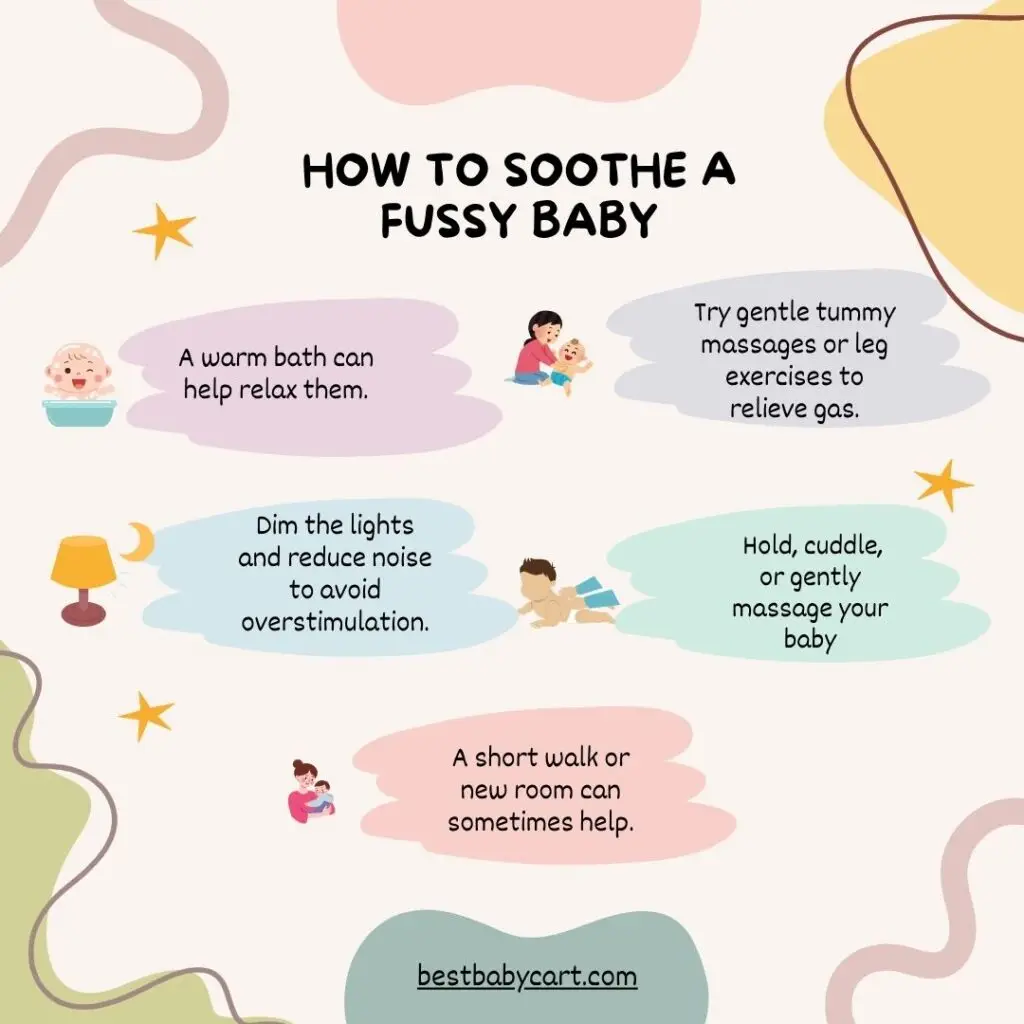
How to Soothe a Fussy Baby

How to Soothe a Fussy Baby: Expert Tips for Calmness

Every parent knows the challenge of soothing a fussy baby. The cries, the restlessness—it can be overwhelming! But don’t worry, you’re not alone. Fussy babies are common, often due to hunger, discomfort, or simply needing extra comfort. In this guide, we’ll share expert tips to soothe a fussy baby with proven techniques that bring calmness to both you and your little one. Whether you’re a new parent or a seasoned caregiver, these strategies will help you navigate those tough moments and create a peaceful environment for your baby.

Why Do Babies Get Fussy?

Before diving into solutions, let’s understand why babies get fussy. Knowing the root cause can help you address it effectively:

  • Hunger: A common culprit—babies need frequent feeding, especially newborns.

  • Discomfort: Wet diapers, tight clothing, or teething can irritate.

  • Overstimulation: Too much noise, light, or activity can overwhelm a baby.

  • Tiredness: Lack of sleep or an irregular nap schedule often leads to fussiness.

  • Need for Comfort: Babies crave closeness, whether through touch or a familiar scent.

Understanding these triggers sets the stage for the right soothing techniques. Let’s explore expert-backed methods to calm your fussy baby.

Proven Techniques to Soothe a Fussy Baby

Here are detailed, actionable tips to help you comfort your little one:

1. Swaddle Your Baby for Security

Swaddling mimics the womb’s cozy environment, providing a sense of security that can instantly calm a fussy baby. The gentle pressure helps reduce the startle reflex, which often disrupts sleep.

  • How to Do It: Use a lightweight, breathable swaddle blanket. Wrap your baby snugly, ensuring their hips can move and their airway is clear.

  • Pro Tip: Try swaddling during naps or bedtime to create a consistent calming routine.

    Image of a parent swaddling a baby with a soft blanket, smiling calmly

2. Use White Noise to Mimic the Womb

The womb is a noisy place—think heartbeats and muffled sounds! White noise replicates this environment, helping to soothe a fussy baby by drowning out distractions.

  • How to Do It: Use a white noise machine, a fan, or an app with soothing sounds like rain or ocean waves. Keep the volume low, around 50 decibels, to avoid overstimulation.

  • Why It Works: According to the Sleep Foundation, white noise can reduce crying and improve sleep by creating a calming background.

How to Soothe a Fussy Baby


    3. Try the 5 S’s Technique

    Pediatrician Dr. Harvey Karp’s “5 S’s” method is a proven way to soothe newborns. It combines five steps to activate a baby’s calming reflex:

    • Swaddle: As mentioned earlier, wrap your baby snugly.

    • Side/Stomach Position: Hold your baby on their side or stomach while supporting their head (only while awake, not for sleep).

    • Shush: Make a loud “shh” sound near their ear to mimic womb noises.

    • Swing: Gently rock or sway your baby in your arms or a swing.

    • Suck: Offer a pacifier or let them suckle during breastfeeding.

    The 5 S’s to Soothe Your Baby,” with icons and brief descriptions for Swaddle, Side/Stomach, Shush, Swing, and Suck
    Infographic: Follow these 5 steps to activate your baby’s calming reflex


    4. Offer Skin-to-Skin Contact

    Physical closeness is a powerful way to soothe a fussy baby. Skin-to-skin contact regulates a baby’s heart rate, breathing, and temperature, promoting calmness.

    • How to Do It: Undress your baby down to their diaper, remove your shirt, and hold them against your chest. Cover with a light blanket if needed.

    • Why It Works: The American Academy of Pediatrics recommends skin-to-skin for its calming and bonding benefits.

    Skin-to-skin contact fosters a deep sense of calm and connection

    Image: Skin-to-skin contact fosters a deep sense of calm and connection

    5. Establish a Consistent Sleep Routine

    A tired baby is often a fussy baby. Creating a predictable sleep routine can prevent overtiredness and reduce fussiness.

    • How to Do It: Set a calming pre-sleep ritual—dim the lights, play soft music, and give a gentle massage. Stick to consistent nap and bedtime schedules.

    • Pro Tip: Avoid overstimulation before sleep by limiting screen time or loud noises.

    6. Use Gentle Rocking or Movement

    Motion can work wonders for a fussy baby. The rhythmic movement mimics the rocking they felt in the womb, providing instant comfort.

    • How to Do It: Rock your baby in your arms, use a rocking chair, or take them for a car ride. A baby swing or carrier can also work well.

    • Safety Note: Always supervise your baby in swings or carriers to ensure they’re secure.

    parent rocking a baby in a nursery rocking chair

    Image: Gentle rocking mimics the womb’s motion to soothe your baby.

    7. Offer a Pacifier or Breastfeeding

    Sucking is a natural calming mechanism for babies. Whether through a pacifier or breastfeeding, it can quickly reduce fussiness.

    • How to Do It: Introduce a pacifier after breastfeeding is established (usually 3-4 weeks). For breastfeeding, offer a short comfort feed.

    • Why It Works: Sucking triggers the release of calming hormones, helping your baby relax.

    8. Check for Discomfort

    Sometimes, fussiness stems from physical discomfort. Run through this checklist to identify and address potential issues:

    • Wet or dirty diaper? Change it promptly.

    • Too hot or cold? Adjust their clothing or room temperature (ideal: 68-72°F).

    • Teething? Offer a chilled teething ring (not frozen).

    • Tight clothing? Ensure outfits are loose and comfortable.

    Quick Discomfort Check for a Fussy Baby

    Use this checklist to quickly identify and address potential sources of discomfort that might be causing your baby’s fussiness:

    • Diaper (Wet/Dry?): Check if the diaper is wet or soiled. A quick change can often stop the fussing instantly.

    • Temperature (Too Hot/Cold?): Feel your baby’s hands, feet, or back. Adjust the room temperature (ideal: 68-72°F) or their clothing if they’re too hot or cold.

    • Teething (Signs?): Look for drooling, gum swelling, or increased chewing. Offer a chilled teething ring to soothe discomfort.

    • Clothing (Comfortable?): Ensure outfits aren’t too tight or scratchy. Opt for soft, breathable fabrics like cotton to keep your baby comfy.

    Creative Soothing Idea: The “Calmness Corner”

    Every parent knows the challenge of soothing a fussy baby. Simple techniques can bring comfort and calmness. Understanding effective soothing techniques helps in managing a baby’s needs. Let’s explore some proven methods that can make a big difference.

    Gentle Rocking Methods

    Gentle rocking mimics the womb’s motion. Use a rocking chair or cradle. Hold your baby securely in your arms. Rock slowly and steadily. This rhythmic movement offers comfort and reassurance. Try different positions for your baby’s comfort. Some babies prefer being held upright. Others might like lying down.

    Using Pacifiers Wisely

    Pacifiers can be a helpful tool. They satisfy a baby’s natural sucking reflex. Offer a pacifier when your baby seems restless. Ensure it’s clean and suitable for their age. Please do not rely on it for long periods. Observe how your baby responds. Some may find instant comfort. Others might need a little more time to adjust.

    Feeding And Nutrition Considerations

    Feeding and nutrition are crucial for soothing a fussy baby. Understanding the baby’s needs can reduce fussiness and promote calmness. Parents often find themselves navigating through hunger cues and managing feeding times. This section provides insights into recognizing hunger cues and scheduling feeding times effectively. Let’s explore these aspects to ensure a happier baby.

    Recognizing Hunger Cues

    Babies show signs when they are hungry. Watch for these signals. Lip smacking, sucking on fingers, or rooting are common cues. Crying is often a late sign of hunger. Recognizing early signals helps in feeding before fussiness starts. Observing these cues leads to timely feeding. This lessens crying and discomfort.

    Each baby has unique hunger cues. Learning your baby’s cues can be challenging. It requires patience and attention. Keeping a journal might help in tracking patterns. Note behaviors before and after feeding. This can reveal specific hunger signs for your baby. Responding to these cues promptly helps in soothing your baby.

    Managing Feeding Times

    Feeding schedules are essential for a baby’s routine. Regular feeding times can make a baby feel secure. It establishes a predictable pattern. This consistency reduces fussiness. Babies thrive on regularity. Setting specific times for feeding can be beneficial.

    Consider your baby’s age and needs. Younger babies may need more frequent feedings. As they grow, intervals can extend. Adjust feeding times based on growth and activity levels. Flexibility in feeding schedules is important. Every baby is different. Understanding your baby’s needs helps in managing feeding times effectively.

    Importance Of Sleep Patterns

    Understanding the importance of sleep patterns can help soothe a fussy baby. Babies need consistent sleep to grow and develop. Lack of sleep can lead to fussiness and irritability. A structured sleep routine can make a difference. It helps babies feel secure and understand what to expect.

    Establishing A Sleep Routine

    Establishing a sleep routine is crucial. Start with a calm environment. A quiet room can help. Dim the lights to signal bedtime. Use a gentle lullaby. A warm bath can be soothing. A consistent bedtime story can also help. Repetition builds comfort and familiarity. Soon, your baby will recognize bedtime cues.

    Signs Of Sleep Readiness

    Recognize the signs of sleep readiness. Yawning is a clear sign. Rubbing eyes can indicate tiredness. Notice fussiness or irritability. These are signals for sleep. A baby may also look away. Or become less active. Catch these cues early. It prevents overtiredness. And makes bedtime smoother.

    How to Soothe a Fussy Baby

    Emotional Support for Parents

    Let’s talk about you for a moment. Caring for a fussy baby can be draining, and it’s okay to feel overwhelmed. You’re doing an incredible job, even when it doesn’t feel like it. Here are a few tips to keep your spirits up:

    • Take Breaks: Ask a partner, family member, or friend to step in when you need a moment.
    • Practice Self-Care: Even a quick shower or a cup of tea can recharge you.
    • Connect with Others: Join a parenting group or talk to friends who get it.
    • Breathe Deeply: When frustration builds, take slow, deep breaths to reset

    Using Music And Sound

    Music and gentle sounds can calm a fussy baby, creating a peaceful atmosphere. Soft lullabies or soothing melodies help babies relax and feel secure. Experiment with different tunes to find what comforts your little one best.

    When your baby is fussy, finding the right way to calm them can feel like a challenge. One effective method is using music and sound. This approach taps into the innate connection between babies and auditory experiences. Whether it’s a gentle lullaby or the consistent hum of white noise, sound can work wonders in soothing your little one. Let’s dive into some specific techniques and their benefits.

    Benefits Of White Noise

    White noise can mimic the sounds your baby heard in the womb. This familiar background noise can create a comforting environment that encourages relaxation. It’s like flipping a switch from chaos to calm.

    Many parents find that a simple white noise machine or even a household fan can help their baby sleep better. Consistent, gentle sounds help drown out other distracting noises. It becomes easier for your baby to drift into a peaceful sleep.

    Have you ever noticed how quickly a fussy baby quiets down in a car? The car’s engine provides a similar effect to white noise. This natural hum can be replicated at home with a white noise app or machine, providing a consistent and soothing soundscape.

    Singing And Lullabies

    Your voice is powerful. Singing to your baby can create a special bond and offer comfort. Lullabies are not just traditional bedtime songs; they are a tool for soothing and connection.

    Don’t worry if you’re not a trained singer. Your baby finds your voice comforting simply because it’s yours. A simple, repetitive tune can be incredibly calming.

    Consider making lullabies part of your daily routine. This can signal to your baby that it’s time to wind down. Plus, over time, these tunes can become a cherished part of your child’s life.

    How can you integrate these soothing sounds into your daily routine? Experiment with different types of music and sounds to see what works best for your baby. Remember, every baby is unique, so patience and persistence are key.


    Professional Advice And Support

    Caring for a fussy baby can be challenging. Parents often feel overwhelmed. Seeking professional advice and support can make a big difference. Experts provide guidance and reassurance. Professional insights can ease stress and worry. Parents can find peace of mind.

    Consulting Pediatricians

    Pediatricians are a trusted resource for parents. They can identify underlying issues. A thorough check-up ensures the baby is healthy. Pediatricians offer personalized advice. They understand each baby’s unique needs. Regular visits build a strong support system. Parents can ask questions freely. This helps in understanding the baby’s behavior better.

    Seeking Parenting Groups

    Parenting groups offer valuable support and community. Parents share experiences and tips. This collective wisdom can be comforting. Groups often meet in person or online. They provide a safe space to express concerns. Parents find encouragement in shared stories. These groups foster a sense of belonging. Members often form lasting friendships. Parenting becomes a shared journey.

    FAQs About Soothing a Fussy Baby

    How long should I try a soothing technique before switching?

    Give each technique at least 5-10 minutes to work, unless your baby seems increasingly distressed. Babies often need time to adjust, but if they’re not calming down, try another method.

    Can I use white noise all night for my baby?

    Yes, but keep the volume low (around 50 decibels) and place the device at least 7 feet from the crib to protect their hearing, as recommended by the Sleep Foundation.

    What if my baby is still fussy after trying everything?

    If fussiness persists, check for underlying issues like illness (e.g., fever, ear infection) or consult a pediatrician. Sometimes, babies just need extra time to settle.

    Is it okay to let my baby cry it out?

    For newborns, it’s best to respond promptly to cries to build trust. For older babies (6+ months), some parents use controlled crying methods, but always consult your pediatrician first.

    How can I prevent fussiness in the first place?

    Establish consistent routines for feeding, sleep, and play. Watch for early signs of hunger or tiredness to address needs before fussiness starts.

    How long is normal for a baby to be fussy?

    A: Fussiness varies, but most babies have a “witching hour” (often in the evening) that can last 1–3 hours. If crying persists for hours daily or seems unusual,

    How Do I Get My Baby To Stop Being Fussy?

    Comfort your baby with gentle rocking or soothing sounds. Check if they’re hungry, tired, or need a diaper change. Offer a pacifier or a favorite toy. Maintain a calm environment and avoid overstimulation. Consult a pediatrician if fussiness persists or if there are other concerns.

    How To Put A Fussy Baby To Sleep?

    Create a soothing bedtime routine. Use gentle rocking, soft music, or a warm bath. Ensure the baby is comfortable and the room is dark. Offer a pacifier or gentle lullabies. Avoid overstimulation and maintain a consistent sleep schedule.

    Conclusion: Create Calmness for You and Your Baby

    Soothing a fussy baby doesn’t have to be stressful. With these expert tips—from swaddling and white noise to skin-to-skin contact and consistent routines—you can comfort your little one and reduce crying effectively. Every baby is unique, so experiment with these techniques to find what works best for yours. Ready to explore more parenting advice? Dive into our Baby Care section for additional tips and product recommendations.

    You are doing great! Your efforts make a difference in your baby’s happiness.

    How Many Cloth Diapers Does a Baby Use a Year Essential Guide

    How Many Cloth Diapers Does a Baby Use a Year: Essential Guide

    A baby uses a lot of cloth diapers in a year. On average, the answer to “how many cloth diapers does a baby use a year” can be around 3000 to 3500 changes.

    This number might seem surprising, but it makes sense when you break it down. Parents often wonder how many cloth diapers they need. This is important for planning and budgeting. Cloth diapers are reusable, eco-friendly, and can save money over time.

    Yet, understanding how many you’ll need in a year can help you prepare better. Babies grow fast, and their diaper needs change as they do. So, let’s dive into the details and help you get a clearer picture. This will make your cloth diapering journey smoother and more manageable.

    Introduction To Cloth Diapers

    Cloth diapers are becoming popular among parents. They are eco-friendly and cost-effective. Using cloth diapers can save money and reduce waste. They are also gentle on a baby’s skin.

    Benefits Of Cloth Diapers

    benefits-of-cloth-diapers

    • Cost Savings: Cloth diapers can save money over time. Disposable diapers are expensive.
    • Eco-Friendly: Cloth diapers reduce landfill waste. They are reusable and sustainable.
    • Healthier for Baby: Cloth diapers are made from natural materials. They are less likely to cause diaper rash.
    • Variety of Styles: Cloth diapers come in various styles and colors. Parents can choose based on their needs.

    Types Of Cloth Diapers

    There are several types of cloth diapers. Each type has its own benefits.


    types of cloth diapers

    • Pre-Fold Diapers: These are simple and cost-effective. They require a waterproof cover.
    • Fitted Diapers: These have elastic around the legs and waist. They also need a waterproof cover.
    • All-in-One Diapers: These are the most convenient. They have an absorbent layer and waterproof cover in one piece.
    • Pocket Diapers: These have a pocket for an absorbent insert. They are easy to customize.
    • Hybrid Diapers: These can be used with cloth or disposable inserts. They offer flexibility for parents.

    Factors Influencing Usage

    Understanding how many cloth diapers a baby uses in a year can be tricky. Several factors influence this number. This section breaks down the primary factors.

    Baby’s Age

    The age of your baby significantly affects diaper usage. Newborns need more frequent changes. They can go through 12-15 diapers a day. As babies grow, the number of changes decreases. Older babies might only need 6-8 diapers daily. So, age plays a crucial role in determining yearly diaper use.

    Frequency Of Changes

    How often you change your baby’s diaper impacts the total number. Frequent changes keep your baby comfortable and rash-free. On average, parents change diapers every 2-3 hours. Nighttime changes might be less frequent. Let’s break this down:

    Age Group Diapers per Day Diapers per Year
    Newborn (0-3 months) 12-15 1,095 – 1,365
    Infant (3-12 months) 8-12 2,920 – 4,380
    Toddler (1-2 years) 6-8 2,190 – 2,920

    As seen in the table, the age and frequency of changes directly influence diaper use. Parents need to adjust based on their baby’s needs.

    Having a good stock of cloth diapers is essential. It ensures you never run out. It also reduces laundry stress. With these factors in mind, you can better estimate your baby’s yearly diaper needs.

    Calculating Daily Needs

    Calculating the daily needs for cloth diapers is essential for new parents. This helps in planning and maintaining a sufficient stock. The number of diapers a baby uses varies with age. Let’s break it down into different stages: newborns, infants, and toddlers.

    Newborns

    Newborns require frequent diaper changes. They may need about 10 to 12 diapers a day. This is due to their small bladder size and frequent feedings. Over a year, this adds up to approximately 3,650 to 4,380 diapers.

    Infants And Toddlers

    As babies grow, their diaper needs decrease. Infants, aged 3 to 12 months, use 8 to 10 diapers daily. This totals about 2,920 to 3,650 diapers yearly.

    Toddlers, aged 1 to 2 years, need fewer changes. They use around 6 to 8 diapers daily. This equals 2,190 to 2,920 diapers annually.

    Proper planning ensures you always have enough cloth diapers. This keeps your baby comfortable and happy.

    baby cloth diapers


    Weekly And Monthly Estimates

    Understanding how many cloth diapers your baby needs each year can be challenging. Breaking it down into weekly and monthly estimates helps. This will help you plan better and ensure you always have clean diapers.

    Estimating Weekly Use

    On average, newborns need more frequent diaper changes. They use around 10-12 diapers a day. This means in a week, you’ll need:

    • Day 1-7: 70-84 diapers

    As your baby grows, the number of diaper changes decreases. For infants aged 6-12 months, the average is about 8-10 diapers daily. Weekly usage then becomes:

    • Day 1-7: 56-70 diapers

    Monthly Diaper Count

    To estimate the monthly diaper count, multiply the weekly usage by four. For newborns:

    • Month 1: 280-336 diapers

    For infants aged 6-12 months:

    • Month 1: 224-280 diapers

    Tracking your baby’s diaper changes can help you understand your specific needs. Adjust these estimates based on your baby’s habits. It is important to have a few extra diapers on hand to avoid running out.

    Annual Cloth Diaper Usage

    Understanding how many cloth diapers a baby uses a year can help parents plan better. It ensures they have enough diapers for the whole year. Let’s break down the annual cloth diaper usage.

    Yearly Breakdown

    A baby needs around 6-12 diaper changes a day. This number may vary based on age and feeding habits. Here’s a rough estimate of how many diapers you might need:

    Age Group Diapers per Day Diapers per Year
    0-3 months 10-12 1,095 – 1,314
    3-6 months 8-10 732 – 915
    6-12 months 6-8 549 – 732

    By adding these numbers, a baby might use around 2,376 – 2,961 cloth diapers in the first year.

    Adjusting For Growth

    As babies grow, their diaper usage changes. Newborns need frequent changes due to their diet. Older babies might use fewer diapers as their bladder grows. Consider these factors when planning your diaper needs:

    • Newborn Stage: Babies need more frequent changes. Expect 10-12 diapers a day.
    • Infant Stage: Diaper changes reduce to 8-10 a day.
    • Toddler Stage: Fewer diapers are needed, around 6-8 a day.

    Being prepared for these changes helps in managing diaper stock effectively. Always have a few extra diapers to avoid running out unexpectedly.

    Additional Considerations

    Estimating the number of cloth diapers a baby needs per year involves several factors. These factors include laundry frequency and having backup diapers. Each of these plays a crucial role in maintaining a smooth diapering routine.

    Laundry Frequency

    How often you wash the diapers affects the total number needed. Washing diapers every day means needing fewer diapers. A longer gap between washes requires more diapers in the rotation.

    Washing Frequency Number of Diapers Needed
    Daily 15-20
    Every 2 days 20-25
    Every 3 days 25-30

    The table above gives a simple overview. Adjust the numbers based on your specific needs. Babies may use 8-12 diapers a day. Consider this when planning your washing schedule.

    Backup Diapers

    Backup diapers are essential. Accidents and unexpected delays in laundry can happen. Keeping a few extra diapers ensures you never run out. Here are some tips:

    • Keep at least 5-10 extra diapers.
    • Store them in an easily accessible place.
    • Consider different sizes as the baby grows.

    Backup diapers provide peace of mind. You are always prepared for any situation.

    Cost Analysis

    Understanding the cost of cloth diapers can help parents make informed decisions. This section breaks down the initial investment and long-term savings associated with cloth diapering.

    Initial Investment

    Cloth diapers require an upfront cost. Parents typically buy 20-30 diapers. The price per diaper varies. Standard options cost around $20 each. High-end brands can be $30 or more.

    Accessories are also necessary. These include diaper covers, inserts, and liners. A complete setup may include:

    • Diaper pail
    • Wet bags
    • Diaper sprayer

    Let’s break down the initial investment:

    Item Quantity Cost
    Diapers 25 $500
    Diaper Covers 5 $75
    Inserts 30 $150
    Accessories Various $100

    The total initial investment ranges from $700 to $1000.

    Long-term Savings

    Cloth diapers offer significant long-term savings. Disposable diapers cost between $0.20 to $0.50 each. Babies use 2,500 to 3,000 diapers in their first year. The annual cost for disposables ranges from $500 to $1500.

    Cloth diapers, by contrast, are reusable. They can be used for multiple children. The savings add up over time. Here is a simple comparison:

    Expense Cloth Diapers Disposable Diapers
    First Year $700 – $1000 $500 – $1500
    Second Year $0 $500 – $1500
    Third Year $0 $500 – $1500

    Parents can save thousands of dollars over the years.

    Environmental Impact

    When deciding how many cloth diapers a baby uses in a year, considering the environmental impact is crucial. Cloth diapers are an eco-friendly choice compared to disposable diapers. They help reduce waste and promote sustainable living.

    Reducing Waste

    Disposable diapers contribute significantly to landfill waste. Each baby can use thousands of disposable diapers a year. These diapers take hundreds of years to decompose. In contrast, cloth diapers can be reused many times. This reusability drastically reduces the amount of waste sent to landfills.

    Using cloth diapers can save hundreds of pounds of waste each year. By choosing cloth, you are helping to protect the planet. Let’s look at a simple comparison:

    Diaper Type Usage per Year Waste Generated
    Disposable Diapers 2,500 – 3,000 1,000+ pounds
    Cloth Diapers 24 – 36 Minimal (if any)


    Cloth Diapers vs Disposable Diapers

    Sustainable Choices

    Choosing cloth diapers supports sustainable living. Cloth diapers are made from natural materials. These materials are often organic and biodegradable. They are safer for your baby’s skin and the environment.

    When buying cloth diapers, consider brands that use sustainable production methods. Look for certifications like GOTS (Global Organic Textile Standard). These certifications ensure the use of organic materials and fair labor practices.

    Also, think about how you care for your cloth diapers. Use eco-friendly detergents. Line-dry when possible. These steps further reduce your environmental footprint.

    In summary, cloth diapers significantly reduce waste and promote sustainable choices. They are a small step towards a big environmental impact.

    Tips For Successful Cloth Diapering

    Cloth diapering can be a rewarding experience for parents. It’s eco-friendly and cost-effective. However, it does require a bit more planning. Here are some tips for successful cloth diapering to make your journey smoother.

    Storage Solutions

    Proper storage keeps your cloth diapers in good condition. Use a diaper pail with a lid to contain odors. Line the pail with a washable liner. This makes laundry day easier. Have a second liner for rotation. For travel, use a wet bag. This keeps wet and dirty diapers separate. Make sure the bag is waterproof.

    Travel Tips

    Traveling with cloth diapers needs some preparation. Pack enough diapers for the trip. Bring a wet bag for storing used diapers. Choose diapers that are easy to change on the go. Pre-folds or all-in-ones are great options. Wash and dry diapers before leaving. This ensures you start fresh. Plan for laundry if the trip is long. Some hotels offer laundry services. You can also find local laundromats.

    Frequently Asked Questions

    How Many Cloth Diapers Does A Baby Need Daily?

    A baby typically needs 8-12 cloth diapers daily. This number varies based on the baby’s age and frequency of diaper changes.

    How Often Should Cloth Diapers Be Washed?

    Cloth diapers should be washed every 2-3 days. Regular washing prevents odor and bacteria build-up, keeping them fresh and hygienic.

    What Is The Cost Of Cloth Diapers Annually?

    The cost of cloth diapers annually ranges from $300 to $500. This depends on the brand and quantity purchased.

    Are Cloth Diapers More Economical Than Disposables?

    Yes, cloth diapers are more economical in the long run. They can be reused for multiple children, saving money over time.

    Conclusion

    Choosing the right number of cloth diapers can ease parenting. Aim for around 24 to 36 cloth diapers per year. This ensures enough for changes and laundry cycles. Consider your baby’s needs and lifestyle. Cloth diapers are eco-friendly and budget-friendly.

    They reduce waste and save money over time. With proper planning, cloth diapering becomes simple and effective. Make informed choices for your baby’s comfort and your peace of mind.