Ready to introduce solids to your baby? 😊 This guide covers when to start, what foods to offer, how to feed safely, and tips for success. With practical steps, visuals, and expert advice, you’ll feel confident helping your little one explore new flavours and how to Introduce Solids to Baby.
Hey, new parents! 😄 Watching your baby grow is pure magic, and now you’re at an exciting milestone—introducing solids! As a mom running BestBabyCart.com, I remember the joy (and nerves!) of seeing my little one taste pureed carrots for the first time. It’s a big step, filled with questions like “When do I start?” “What foods are safe?” or “How do I avoid allergies?” Don’t worry—this mom-to-mom guide is here to make it fun, safe, and stress-free. Packed with expert tips on timing, foods, methods, and more, you’ll have everything you need to start your baby’s food journey with love and confidence. Let’s dive in!
Why Introducing Solids Is a Big Deal
Starting solids around 6 months is a key step in your baby’s growth. It’s not just about food—it’s about:
Nutrition: Solids add iron, zinc, and vitamins as breastmilk or formula alone isn’t enough past 6 months.
Development: Chewing and swallowing build oral skills for speech.
Exploration: New flavors spark curiosity and healthy eating habits.
Family Bonding: Mealtime becomes a shared adventure!
With 90% of babies starting solids by 7 months (per CDC), getting it right sets your baby up for a lifetime of good health. Let’s explore how to do it safely and joyfully.
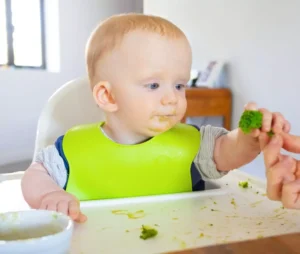
Image: Happy baby in a highchair tasting pureed food.
When to Start Solids: Timing It Right
Wondering when your baby is ready? Most babies are ready around 6 months, but every little one is unique. Look for these signs, per the American Academy of Pediatrics:
Signs Your Baby Is Ready
Sits Up: Can sit with support and hold head steady.
Shows Interest: Reaches for your food or watches you eat.
Tongue Control: No longer pushes food out with tongue (tongue-thrust reflex fades).
Chewing Motion: Mimics chewing or smacks lips.
Age Guide: Start at 6 months for most babies, but some may be ready at 4–5 months with pediatrician approval. Preemies may need to wait longer.
Why 6 Months Is Ideal
Gut Health: Babies’ digestive systems mature by 6 months, reducing allergy risks.
Iron Needs: Breastmilk iron drops after 6 months; solids like fortified cereals fill the gap.
Safety: Waiting reduces choking risks, as babies gain better swallowing skills.
Talk to Your Pediatrician: Always check with your doctor, especially if your baby has health conditions or was born early.
Checklist: Is My Baby Ready for Solids?
☐ Sits with support and holds head steady.
☐ Shows interest in food (reaches or watches).
☐ No tongue-thrust reflex.
☐ Mimics chewing or smacks lips.
☐ Pediatrician gives the green light.
Checklist titled ‘Is My Baby Ready for Solids?
Choosing the Best First Foods
Your baby’s first foods should be nutrient-rich, easy to digest, and safe. Here’s how to pick winners.
Top First Foods (6–8 Months)
Start with single-ingredient, smooth purees to watch for reactions:
Iron-Rich: Fortified baby cereal (e.g., Gerber) mixed with breastmilk or formula.
Fruits: Pureed apple, pear, or banana for sweetness.
Veggies: Steamed and pureed carrots, sweet potatoes, or peas.
Proteins: Pureed lentils or mashed avocado for healthy fats.
Serving Tip: Offer 1–2 teaspoons at first, increasing to 2–4 tablespoons as baby adjusts.
Foods to Avoid
Honey: Risk of botulism under 1 year.
Cow’s Milk: Hard to digest until 12 months.
Choking Hazards: Whole grapes, nuts, popcorn, or raw carrots.
High-Sodium/Sugar: Skip processed foods or sweets.
Allergy Watch: Introduce common allergens (e.g., peanut butter, eggs) one at a time, per National Institute of Allergy and Infectious Diseases. Wait 3–5 days before new foods to spot reactions.
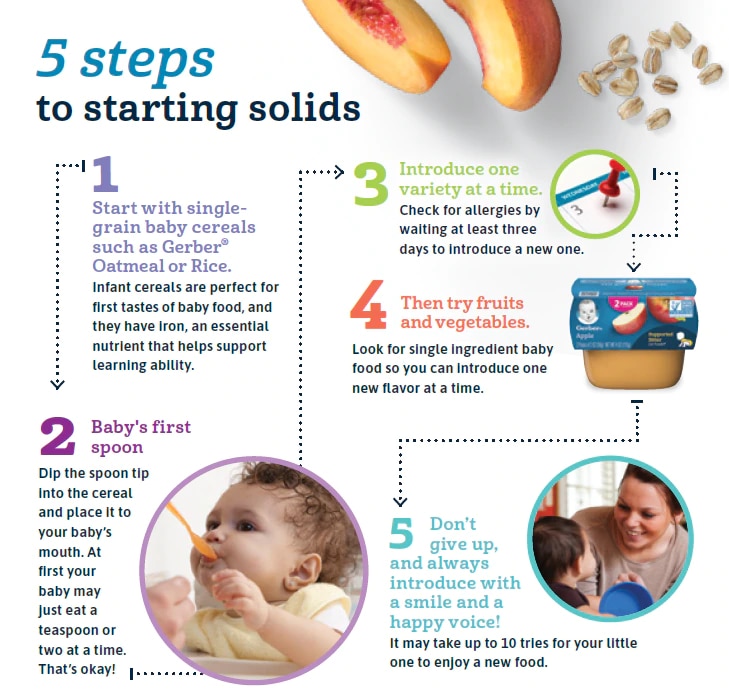
Infographic: Colorful chart of first foods like pureed carrots, apples, and cereal.
How to Introduce Solids: Step-by-Step
Ready to feed your baby? Follow these steps for a smooth start.
Step 1: Gather Your Gear
Highchair: Stable and easy to clean, like Graco.
Spoons: Soft-tipped, baby-sized (e.g., Munchkin).
Bowls: Non-slip, BPA-free (e.g., Pyrex).
Bibs: Waterproof for easy cleanup (e.g., Bumkins).
Step 2: Choose the Right Time
Mood: Feed when baby is happy and alert, not sleepy or fussy.
Timing: Mid-morning or after a small milk feed works best.
Setting: Quiet, distraction-free space for focus.
Step 3: Start Small
Offer 1–2 teaspoons of a single-ingredient puree (e.g., Gerber oatmeal).
Use a soft spoon, letting baby taste at their pace.
Follow with breastmilk or formula to keep milk as the main nutrition source.
Step 4: Watch for Cues
Likes: Leaning forward, opening mouth.
Dislikes: Turning away, spitting out, or crying. Stop and try again later.
Reactions: Monitor for rashes, vomiting, or diarrhea (call your doctor if severe).
Step 5: Build Variety
Introduce one new food every 3–5 days.
Mix textures (e.g., lumpy purees by 7–8 months) to develop chewing skills.
Offer 2–3 meals daily by 9 months, plus milk feeds.
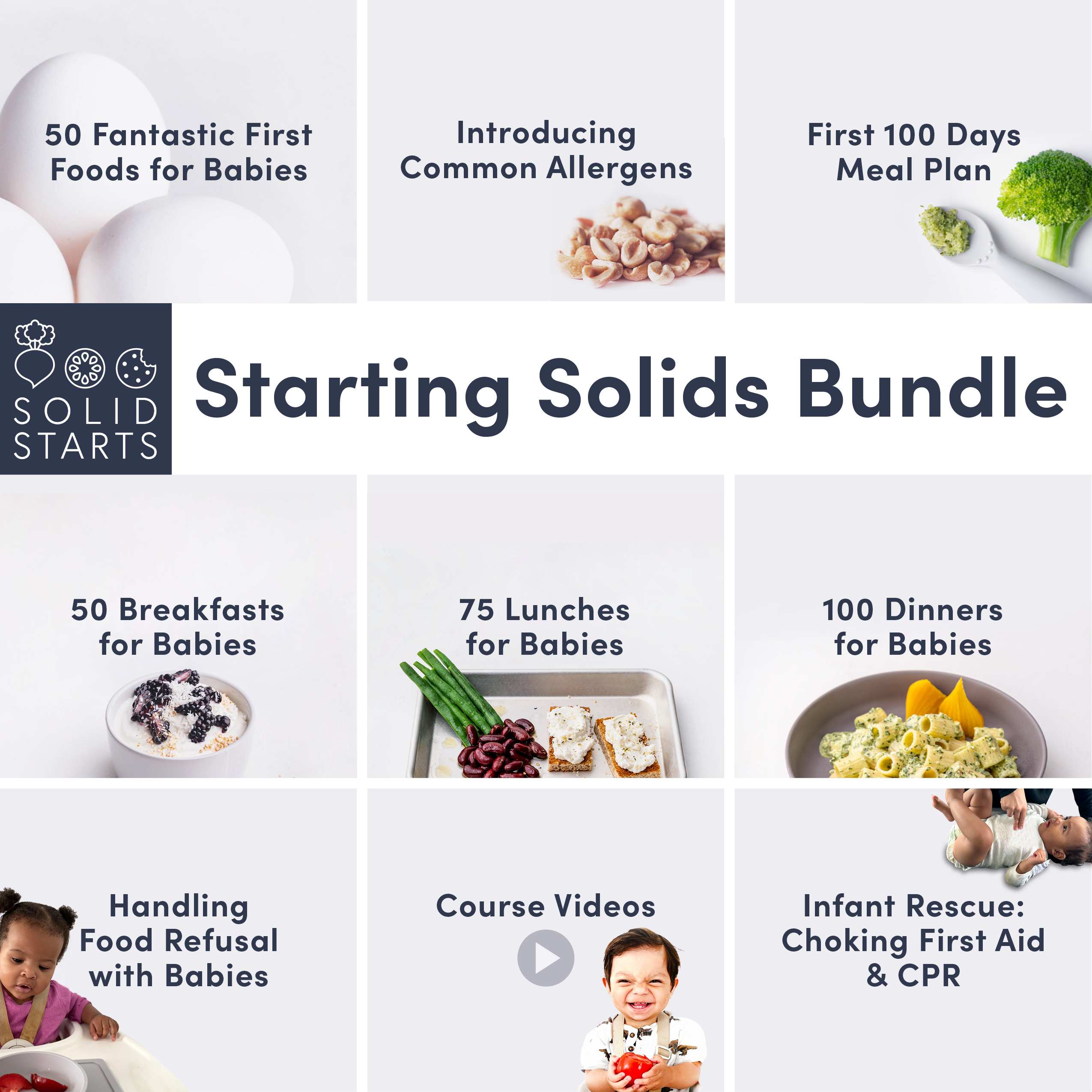
Image: Baby Starting Solid Bundle
Baby-Led Weaning vs. Purees: Which to Choose?
Not sure whether to spoon-feed or let baby self-feed? Here’s a breakdown.
Purees (Traditional Spoon-Feeding)
Pros: Easy to control portions, less mess, good for early iron-rich foods.
Cons: Slower transition to textures, more prep time.
Best For: Parents who want gradual introduction or babies with developmental delays.
Baby-Led Weaning (BLW)
Pros: Encourages self-feeding, motor skills, and texture exploration.
Cons: Messier, higher choking risk if foods aren’t soft.
Best For: Babies 6+ months who sit well and show strong chewing cues.
Hybrid Approach: Many parents mix both—offer purees with a spoon and soft finger foods (e.g., banana strips) to balance benefits.
Safety Tip: For BLW, use soft, palm-sized foods like steamed broccoli or avocado wedges. Always supervise closely.
Keeping It Safe: Food Safety and Allergies
Safety first! Here’s how to protect your baby during mealtimes.
Prevent Choking
Food Prep: Offer soft, mashed, or pureed textures; avoid round or hard foods like whole grapes.
Supervision: Always watch baby while eating.
Positioning: Use a highchair (e.g., Graco) for upright sitting.
Be Prepared: Learn infant CPR through a Red Cross class.
Manage Allergies
Early Introduction: Offer allergens like peanuts or eggs between 6–12 months (per NIAID).
Test Slowly: Introduce one new food at a time, waiting 3–5 days.
Monitor: Look for hives, swelling, or breathing issues. Call 999 for severe reactions.
Stay Hygienic
Wash hands, utensils before prep.
Store purees in Pyrex containers; refrigerate leftovers for up to 2 days.
Discard uneaten food after 1–2 hours to prevent bacteria.
Progressing with Solids: 9–12 Months
By 9 months, your baby’s ready for more variety and textures. Here’s how to keep it fun.
New Textures
Lumpy Purees: Transition to thicker mashes (e.g., mashed peas).
Finger Foods: Soft cubes of tofu, steamed carrots, or cheerios.
Self-Feeding: Let baby use hands or try a Munchkin spoon.
Meal Schedule
3 Meals + Snacks: Offer solids 3 times daily, plus 1–2 snacks.
Milk Balance: Continue 24–32 oz of breastmilk or formula, reducing as solids increase.
Variety: Include all food groups—grains, fruits, veggies, proteins, dairy.
Encourage Exploration
Offer Choices: Put 2–3 foods on the tray (e.g., banana slices, oatmeal).
Model Eating: Eat together to show chewing and enjoyment.
Be Patient: Babies may need 10–15 tries to like a food (per HealthyChildren.org).
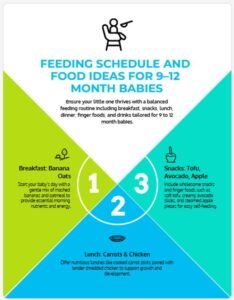
Image: Feeding schedule and food ideas for 9–12 month babies
Troubleshooting Common Challenges
Hitting bumps? Here’s how to handle common issues.
Refusing Foods
Why: Babies may dislike textures or be full from milk.
Fix: Offer small portions, mix with familiar foods, or try at a different time.
Tip: Avoid forcing; keep mealtime positive.
Constipation
Why: New foods like bananas or rice cereal can firm stools.
Fix: Offer prunes, pears, or water (4–6 oz daily by 6 months).
When to Call: If stools are hard or absent for 3+ days, consult your doctor.
Messy Eating
Why: Babies explore with their hands and mouths.
Fix: Use a Bumkins bib and a splash mat under the highchair.
Embrace It: Mess is learning! Keep a camera ready for cute moments.
FAQ: How to Introduce Solids to Baby
Q: When should I start solids? A: Around 6 months, when the baby sits with support and shows interest. Check with your paediatrician.
Q: What’s the best first food? A: Single-ingredient purees like Gerber cereal, carrots, or avocado.
Q: Can I do baby-led weaning instead of purees? A: Yes, for 6+ month babies who sit well. Offer soft finger foods and supervise.
Q: How do I prevent food allergies? A: Introduce allergens like peanuts early (6–12 months), one at a time, per NIAID.
Q: What if my baby refuses solids? A: Try small portions, mix with familiar foods, and stay patient. Don’t force it.
Q: How much should my baby eat? A: Start with 1–2 teaspoons, increasing to 2–4 tablespoons per meal by 8 months.
Q: How do I handle gagging? A: Gagging is normal; ensure soft foods and supervise. Learn CPR from Red Cross for safety.
Q: How Many Times A Day Should A Baby Feed When Starting Solids?
Babies typically eat solids once or twice a day when starting. Gradually increase as they become comfortable. Balance solids with breast milk or formula to meet nutritional needs. Observe your baby’s hunger cues and adjust feeding times accordingly. Consult with a paediatrician for personalised guidance.
Q: How Long Does It Take For A Baby To Get Used To Solids?
Babies usually adjust to solids within a few weeks. Every baby is different, and some may take longer. Gradually introduce new textures and flavors to help them adapt. Monitor for any allergic reactions or discomfort, and consult a paediatrician if needed.
Q: Which Food to Give To A 4-Month-Old Baby?
Introduce pureed fruits and vegetables, like bananas and carrots, to a 4-month-old baby. Offer iron-fortified rice cereal mixed with breast milk or formula. Ensure food is smooth, avoiding chunks or lumps. Consult your paediatrician before starting solid foods to ensure safety and proper nutrition for your baby.
You’re Nailing This Milestone!
Parents, you’re doing amazing! 😊 Introducing solids is a joyful step in your baby’s growth, and with these expert tips, you’re set to make it fun, safe, and nutritious. From first purees to finger foods, you’re building a healthy eater. What’s your baby’s favourite food so far? Share in the comments—we’re cheering you on!
Taslima Khanam Sultana, a loving mom of three, founded BestBabyCart.com to help new parents navigate the world of baby products with ease. Her passion for making parenting simpler shines through delivering honest, unbiased reviews on must-haves like diapers, strollers, and feeding gear. Taslima’s mission is to empower families with expert tips, ensuring every product is safe and top-quality for your little one. Drawing from her own parenting journey, she’s dedicated to supporting yours!
Palm oil contains various fatty acids. These include palmitic acid, oleic acid, and linoleic acid. Here is a breakdown:
Fatty Acid
Percentage
Palmitic Acid
44%
Oleic Acid
39%
Linoleic Acid
10%
Palmitic acid is the major component. It is similar to the fat in breast milk. However, its structure in palm oil is different. This can affect digestion.
Essential Nutrients
Baby formula must provide essential nutrients. Palm oil is rich in vitamin E and beta-carotene. These are important antioxidants. They help in protecting cells from damage.
Vitamin E supports immune function.
Beta-carotene is a precursor to vitamin A.
Vitamin A is crucial for vision and growth. Palm oil also contains CoQ10. This is important for energy production in cells.
Despite these benefits, there are concerns. Some studies suggest palm oil can lead to harder stools in infants. This can cause discomfort. Parents should weigh the pros and cons.
The Controversy: Is Palm Oil Harmful for Babies?
Let’s address the elephant in the room—why does palm oil in baby formula spark so much debate? As a mom, I’ve heard the concerns, and I’ve dug deep to understand both sides.
Positive Health Impacts
Palm oil contains healthy fats. These fats are important for a baby’s growth. They support brain development and provide energy. Palm oil is also a source of vitamins A and E. These vitamins help boost the immune system.
In baby formula, palm oil mimics the fat content of breast milk. This can make the formula more similar to natural breastfeeding. It helps babies feel full and satisfied after feeding. Palm oil also contributes to the creamy texture of the formula. This can make it easier for babies to digest.
Potential Downsides of Palm Oil in Baby Formula
Research shows a few potential issues with palm oil in infant formula:
Reduced Calcium Absorption: Studies, like one from the Journal of Pediatric Gastroenterology and Nutrition (2017), suggest that palm oil can form “calcium soaps” in a baby’s gut. These soaps make it harder for the body to absorb calcium, potentially leading to lower bone density over time. For a growing baby, this is a big deal—calcium is crucial for strong bones!
Digestive Discomfort: The same calcium soaps can make stools harder, leading to constipation or tummy troubles. I remember my second child struggling with hard stools when we used a palm oil-based formula—it broke my heart to see her discomfort.
Environmental Concerns: Palm oil production is linked to deforestation, habitat loss, and climate change. As a parent who wants a better world for my kids, this ethical issue weighs heavily. Many brands are now shifting to sustainable palm oil, but it’s still a concern for eco-conscious families.
What Experts Say About Safety
On the flip side, palm oil isn’t inherently “dangerous.” The FDA and WHO consider palm oil safe for consumption when processed properly. A 2023 study by the European Food Safety Authority (EFSA) found that refined palm oil in baby formula, when within regulated limits, doesn’t pose a direct health risk. However, the study emphasized monitoring for potential digestive issues in infants.
So, is it harmful? It’s not black-and-white. While palm oil isn’t toxic, its effects on calcium absorption and digestion can be problematic for some babies. Let’s explore the benefits to get the full picture.
The Benefits: Can Palm Oil Be Helpful in Baby Formula?
Despite the concerns, palm oil does have benefits that make it a staple in many formulas.
Nutritional Similarity to Breast Milk
As mentioned, palm oil provides palmitic acid, which mimics the fat structure of breast milk. This helps formula-fed babies get essential fats for brain development, energy, and growth. For parents who can’t breastfeed—like I couldn’t with my third due to medical reasons—this similarity offers reassurance that our babies are still getting vital nutrients.
Cost-Effectiveness for Families
Palm oil’s affordability keeps formula prices lower, which is a lifesaver for families on a budget. I remember stretching every dollar during my early parenting years—affordable formula made a huge difference.
Stability in Formula
Palm oil’s long shelf life ensures the formula stays fresh, which is practical for parents who stock up. It also helps the formula maintain a consistent texture, so your baby gets a smooth feeding experience every time.
How Does Palm Oil Affect Your Baby? Signs to Watch For
As a mom, I know we’re always on high alert for any sign our baby isn’t thriving. Here’s what to look for if your formula contains palm oil.
Digestive Red Flags
Hard, infrequent stools or constipation.
Excessive fussiness after feeding, possibly due to tummy discomfort.
Signs of poor nutrient absorption like slow weight gain (consult your pediatrician if you notice this).
What I Noticed with My Kids
When my second daughter was on a palm oil-based formula, she had harder stools and seemed gassier than her siblings. Switching to a palm oil-free formula helped, but every baby is different—what worked for me might not work for you. Keep a close eye and trust your instincts.
Here’s a checklist to monitor your baby’s reaction:
[xyz-ihs snippet=”checklist-for-palm-oil”]
Alternatives to Palm Oil in Baby Formula: What Are Your Options?
If you’re uneasy about palm oil, there are alternatives! Many brands now offer palm oil-free formulas, and I’ve tried a few with my kids.
Palm Oil-Free Formula Brands
HiPP Organic: Uses a blend of coconut, sunflower, and rapeseed oils. My third loved this, and it was gentler on her tummy.
Holle Organic: Another great option with no palm oil, focusing on natural oils for better digestion.
Bobbie: A U.S.-based brand that uses a mix of oils like sunflower and safflower, designed to be easier on babies’ systems.
Why These Alternatives Might Be Better
These formulas often use oils that don’t form calcium soaps, improving calcium absorption and reducing constipation. Plus, many brands prioritize sustainability, addressing the environmental concerns of palm oil production.
Environmental Impact of Palm Oil: Should You Care?
Beyond your baby’s health, palm oil raises ethical questions. Palm oil production contributes to deforestation in places like Indonesia and Malaysia, destroying habitats for orangutans and other wildlife. It also increases carbon emissions, impacting climate change, a future I worry about for my kids.
Sustainable Palm Oil: A Step Forward
Some brands use RSPO-certified sustainable palm oil (Roundtable on Sustainable Palm Oil), which aims to reduce environmental harm. If you’re sticking with a palm oil formula, look for this certification on the label—it’s a small way to make a difference.
What You Can Do
Choose palm oil-free formulas to lower your environmental footprint.
Support brands that prioritize sustainability (e.g., HiPP and Holle are vocal about eco-friendly practices).
Advocate for change by joining parenting communities pushing for greener baby products—I’ve connected with amazing moms on X who share this passion!
How to Choose the Right Formula for Your Baby
Choosing a formula is deeply personal, and there’s no one-size-fits-all answer. Here’s how I approached it with my three kids, and I hope it helps you too.
Step 1: Consult Your Pediatrician
Always start with your doctor—they can assess your baby’s specific needs, especially if there are digestive or growth concerns.
Step 2: Read Labels Carefully
Look for the type of fats used in the formula. If it contains palm oil, check if it’s RSPO-certified. If you prefer palm oil-free, brands like HiPP and Bobbie are great starting points.
Step 3: Monitor Your Baby’s Response
Use the checklist above to track how your baby reacts. If you notice issues, don’t hesitate to switch—your intuition as a parent is powerful.
Step 4: Balance Ethics and Practicality
If sustainability matters to you, prioritize eco-friendly brands. But if budget is a concern, a palm oil formula might still be the best choice—just keep an eye on your baby’s health.
Palm oil can affect a baby’s digestive system. It contains palmitic acid, which can bind with calcium in the intestines. This binding can form a substance that is hard to digest, leading to digestive discomfort for some babies.
Constipation Concerns
Constipation is another issue linked to palm oil in baby formula. Babies may have harder stools due to the undigested substance formed by palm oil. Hard stools can make bowel movements painful, leading to constipation in some infants.
Comparative Studies
When choosing baby formula, parents often consider the ingredients. One common ingredient is palm oil. But how does it compare to other oils? Let’s explore the differences.
Palm Oil Vs. Other Oils
Palm oil is often used in baby formula for its fat content. But other oils like soybean, coconut, and sunflower are also used. Here’s a quick comparison:
Oil Type
Fat Content
Benefits
Drawbacks
Palm Oil
High
Rich in saturated fats
May cause hard stools
Soybean Oil
Moderate
Contains omega-3 fatty acids
Possible allergen
Coconut Oil
High
Easy to digest
High in saturated fats
Sunflower Oil
Low
High in vitamin E
Less fatty acids
Clinical Research Findings
Clinical studies show mixed results on palm oil in baby formula. Some studies indicate that palm oil can lead to harder stools in babies. This is because it forms calcium soaps in the intestines. These soaps reduce calcium absorption.
Other studies suggest that formulas without palm oil result in softer stools. Babies may also absorb more calcium and fat. This is important for bone health.
Overall, the choice of oil in baby formula can impact digestion and nutrient absorption. Parents should consider these factors when selecting a formula.
Environmental Impact
The environmental impact of palm oil in baby formula is significant. This section examines the sustainability challenges and deforestation issues related to palm oil production. Understanding these factors can help parents make informed choices.
Sustainability Challenges
Palm oil production faces several sustainability challenges. The high demand for palm oil leads to large-scale plantations. These plantations often replace natural forests, affecting biodiversity. Sustainable practices are crucial to minimize damage.
Certification programs like RSPO aim to promote sustainable palm oil. Yet, not all producers follow these guidelines. The challenge lies in ensuring all palm oil used in baby formula is sustainably sourced. This requires strong commitment from companies and consumers.
Deforestation Issues
Deforestation is a major concern with palm oil production. Forests are cleared to make way for palm plantations. This leads to loss of wildlife habitats and increases carbon emissions.
Deforestation also affects local communities. Many indigenous peoples rely on forests for their livelihoods. The loss of forests disrupts their way of life. Choosing baby formula with sustainably sourced palm oil can help reduce these impacts.
Consumer Perspectives
Many parents wonder about the safety and benefits of palm oil in baby formula. This is a common concern among families. They want the best for their little ones. Let’s explore some key areas of interest.
Parental Concerns
Parents often worry about digestive issues. Palm oil can cause hard stools in some infants. This can make babies uncomfortable. Another concern is nutrient absorption. Some studies suggest palm oil may block calcium absorption. This can affect bone development.
Allergies are another issue. While rare, some babies could be allergic to palm oil. Parents always need to monitor their babies for any signs of discomfort or allergic reactions.
Market Trends
The baby formula market is evolving. Many brands now offer palm oil-free options. This is in response to rising consumer demand. Parents are looking for formulas that are easier on their babies’ digestive systems. They also want formulas that support better nutrient absorption.
The table below shows a comparison of some popular baby formulas:
Brand
Palm Oil
Special Features
Brand A
No
Organic, Non-GMO
Brand B
Yes
Affordable
Brand C
No
Enhanced with DHA
This table helps parents make informed choices. They can compare different formulas based on their needs and preferences.
Regulatory Standards
Ensuring the safety and quality of baby formula is crucial. Regulatory standards play a key role in this process. Let’s explore the guidelines and regulations that govern the use of palm oil in baby formula.
Government Guidelines
Governments set strict guidelines for baby formula. These guidelines ensure the product is safe for infants. They focus on nutritional content and ingredient safety. Palm oil must meet these standards to be included in formula. Authorities conduct rigorous tests to verify compliance. They also monitor the manufacturing process closely.
Industry Regulations
The baby formula industry follows specific regulations. These regulations aim to ensure product quality and safety. Manufacturers must adhere to these rules. They include guidelines on sourcing and processing palm oil. Regular audits and inspections help maintain high standards. Companies must also provide clear labeling for consumers.
FAQ: Your Top Questions About Palm Oil in Baby Formula
Here are answers to the most common questions I get from parents like you:
What Is Palm Oil In Baby Formula?
Palm oil is a vegetable oil used in some baby formulas. It mimics the fat profile of breast milk.
Is palm oil in baby formula safe?
Yes, when processed properly, palm oil is considered safe by the FDA and WHO. However, it may cause digestive issues or reduced calcium absorption in some babies, so monitor your baby’s response.
Can palm oil cause constipation in babies?
It can. Palm oil forms calcium soaps in the gut, which may lead to harder stools and constipation. If your baby struggles, consider switching to a palm oil-free formula.
Are there palm oil-free baby formulas?
Absolutely! Brands like HiPP Organic, Holle Organic, and Bobbie offer palm oil-free options using alternative oils like coconut or sunflower for better digestion.
How can I tell if my baby is reacting badly to palm oil?
Look for signs like hard stools, constipation, fussiness after feeding, or slow weight gain. Use our checklist above to track symptoms and consult your pediatrician.
Is palm oil in formula bad for the environment?
Yes, palm oil production contributes to deforestation and climate change. Opting for sustainable palm oil (RSPO-certified) or palm oil-free formulas can help reduce your environmental impact.
Should I avoid palm oil due to environmental concerns?
If sustainability matters, choose RSPO-certified formulas. Balance this with your baby’s nutritional needs.
Are There Alternatives To Palm Oil In Baby Formula?
Yes, some formulas use alternatives like soy oil or coconut oil. These alternatives may offer better nutrient absorption.
Conclusion
So, is palm oil in baby formula harmful or helpful? After diving deep into the research and reflecting on my own experience, I’d say it’s a gray area. Palm oil can help mimic breast milk and keep formula affordable, but it’s not without risks, like potential digestive issues and environmental impact. For some babies (like my second), it caused discomfort; for others, it’s fine. The key is to watch your baby closely, trust your instincts, and consult your pediatrician.
As a mom of three, I’ve learned that parenting is about finding what works for your family. If palm oil worries you, there are amazing alternatives out there. If it’s working for your baby, that’s okay too—just stay informed and proactive. You’ve got this, mama!
Palm oil is a common ingredient in baby formula. But is it good for babies?
Hey there, worried parent! If you’ve ever stared at a baby formula label and wondered, “Is palm oil safe for my little one?”—you’re not alone. As a new mom or dad, choosing the right formula can feel overwhelming, especially with all the buzz about palm oil. Is it a hidden danger, or does it actually benefit your baby? At BestBabyCart.com, we’re here to ease your mind with expert insights, emotional support, and practical tips. Let’s dive into the truth about palm oil in baby formula and empower you to make the best choice for your family!
Parents worry about these potential side effects. Understanding the pros and cons can help parents make informed decisions. This blog will explore the benefits and risks of palm oil in baby formula. Let’s dive into the facts and see what experts say about this widely used ingredient.
Why Is Palm Oil in Baby Formula in the First Place?
Palm oil is a versatile vegetable oil derived from the fruit of oil palm trees, widely used in food products, including baby formula. But why is it there? Manufacturers add it to mimic the fat profile of breast milk, particularly palmitic acid, which is crucial for your baby’s growth and brain development. Let’s break it down.
The Role of Palm Oil in Mimicking Breast Milk
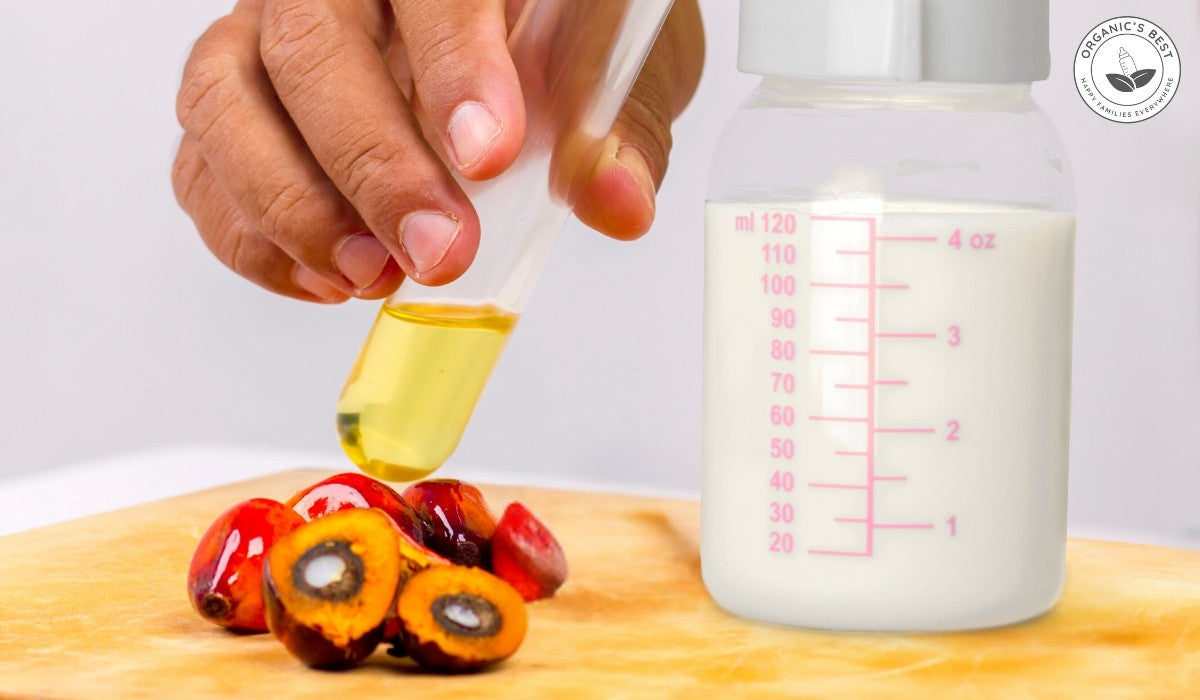
Palm oil is used because it contains palmitic acid, a fatty acid found in breast milk. About 20-25% of the fat in breast milk is palmitic acid, which helps babies grow and develop. Formula makers add palm oil to mimic this fat profile, ensuring formula-fed babies get a similar nutritional boost. It’s like trying to recreate nature’s recipe—but does it really work the same way?
Why Manufacturers Choose Palm Oil
Palm oil is also cost-effective and has a long shelf life, making it a go-to choice for formula companies. It’s derived from the fruit of oil palm trees, primarily grown in Southeast Asia, and is one of the most widely used vegetable oils globally. But while it’s efficient for production, the real question is: does it benefit your baby—or could it cause harm?
Palm oil contains various fatty acids. These include palmitic acid, oleic acid, and linoleic acid. Here is a breakdown:
Fatty Acid
Percentage
Palmitic Acid
44%
Oleic Acid
39%
Linoleic Acid
10%
Palmitic acid is the major component. It is similar to the fat in breast milk. However, its structure in palm oil is different. This can affect digestion.
Essential Nutrients
Baby formula must provide essential nutrients. Palm oil is rich in vitamin E and beta-carotene. These are important antioxidants. They help in protecting cells from damage.
Vitamin E supports immune function.
Beta-carotene is a precursor to vitamin A.
Vitamin A is crucial for vision and growth. Palm oil also contains CoQ10. This is important for energy production in cells.
Despite these benefits, there are concerns. Some studies suggest palm oil can lead to harder stools in infants. This can cause discomfort. Parents should weigh the pros and cons.
The Controversy: Is Palm Oil Harmful for Babies?
Let’s address the elephant in the room—why does palm oil in baby formula spark so much debate? As a mom, I’ve heard the concerns, and I’ve dug deep to understand both sides.
Positive Health Impacts
Palm oil contains healthy fats. These fats are important for a baby’s growth. They support brain development and provide energy. Palm oil is also a source of vitamins A and E. These vitamins help boost the immune system.
In baby formula, palm oil mimics the fat content of breast milk. This can make the formula more similar to natural breastfeeding. It helps babies feel full and satisfied after feeding. Palm oil also contributes to the creamy texture of the formula. This can make it easier for babies to digest.
Potential Downsides of Palm Oil in Baby Formula
Research shows a few potential issues with palm oil in infant formula:
Reduced Calcium Absorption: Studies, like one from the Journal of Pediatric Gastroenterology and Nutrition (2017), suggest that palm oil can form “calcium soaps” in a baby’s gut. These soaps make it harder for the body to absorb calcium, potentially leading to lower bone density over time. For a growing baby, this is a big deal—calcium is crucial for strong bones!
Digestive Discomfort: The same calcium soaps can make stools harder, leading to constipation or tummy troubles. I remember my second child struggling with hard stools when we used a palm oil-based formula—it broke my heart to see her discomfort.
Environmental Concerns: Palm oil production is linked to deforestation, habitat loss, and climate change. As a parent who wants a better world for my kids, this ethical issue weighs heavily. Many brands are now shifting to sustainable palm oil, but it’s still a concern for eco-conscious families.
What Experts Say About Safety
On the flip side, palm oil isn’t inherently “dangerous.” The FDA and WHO consider palm oil safe for consumption when processed properly. A 2023 study by the European Food Safety Authority (EFSA) found that refined palm oil in baby formula, when within regulated limits, doesn’t pose a direct health risk. However, the study emphasized monitoring for potential digestive issues in infants.
So, is it harmful? It’s not black-and-white. While palm oil isn’t toxic, its effects on calcium absorption and digestion can be problematic for some babies. Let’s explore the benefits to get the full picture.
The Benefits: Can Palm Oil Be Helpful in Baby Formula?
Despite the concerns, palm oil does have benefits that make it a staple in many formulas.
Nutritional Similarity to Breast Milk
As mentioned, palm oil provides palmitic acid, which mimics the fat structure of breast milk. This helps formula-fed babies get essential fats for brain development, energy, and growth. For parents who can’t breastfeed—like I couldn’t with my third due to medical reasons—this similarity offers reassurance that our babies are still getting vital nutrients.
Cost-Effectiveness for Families
Palm oil’s affordability keeps formula prices lower, which is a lifesaver for families on a budget. I remember stretching every dollar during my early parenting years—affordable formula made a huge difference.
Stability in Formula
Palm oil’s long shelf life ensures the formula stays fresh, which is practical for parents who stock up. It also helps the formula maintain a consistent texture, so your baby gets a smooth feeding experience every time.
How Does Palm Oil Affect Your Baby? Signs to Watch For
As a mom, I know we’re always on high alert for any sign our baby isn’t thriving. Here’s what to look for if your formula contains palm oil.
Digestive Red Flags
Hard, infrequent stools or constipation.
Excessive fussiness after feeding, possibly due to tummy discomfort.
Signs of poor nutrient absorption like slow weight gain (consult your pediatrician if you notice this).
What I Noticed with My Kids
When my second daughter was on a palm oil-based formula, she had harder stools and seemed gassier than her siblings. Switching to a palm oil-free formula helped, but every baby is different—what worked for me might not work for you. Keep a close eye and trust your instincts.
Here’s a checklist to monitor your baby’s reaction:
[xyz-ihs snippet=”checklist-for-palm-oil”]
Alternatives to Palm Oil in Baby Formula: What Are Your Options?
If you’re uneasy about palm oil, there are alternatives! Many brands now offer palm oil-free formulas, and I’ve tried a few with my kids.
Palm Oil-Free Formula Brands
HiPP Organic: Uses a blend of coconut, sunflower, and rapeseed oils. My third loved this, and it was gentler on her tummy.
Holle Organic: Another great option with no palm oil, focusing on natural oils for better digestion.
Bobbie: A U.S.-based brand that uses a mix of oils like sunflower and safflower, designed to be easier on babies’ systems.
Why These Alternatives Might Be Better
These formulas often use oils that don’t form calcium soaps, improving calcium absorption and reducing constipation. Plus, many brands prioritize sustainability, addressing the environmental concerns of palm oil production.
Environmental Impact of Palm Oil: Should You Care?
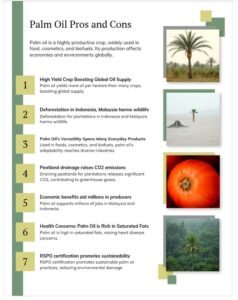
Beyond your baby’s health, palm oil raises ethical questions. Palm oil production contributes to deforestation in places like Indonesia and Malaysia, destroying habitats for orangutans and other wildlife. It also increases carbon emissions, impacting climate change, a future I worry about for my kids.
Sustainable Palm Oil: A Step Forward
Some brands use RSPO-certified sustainable palm oil (Roundtable on Sustainable Palm Oil), which aims to reduce environmental harm. If you’re sticking with a palm oil formula, look for this certification on the label—it’s a small way to make a difference.
What You Can Do
Choose palm oil-free formulas to lower your environmental footprint.
Support brands that prioritize sustainability (e.g., HiPP and Holle are vocal about eco-friendly practices).
Advocate for change by joining parenting communities pushing for greener baby products—I’ve connected with amazing moms on X who share this passion!
How to Choose the Right Formula for Your Baby
Choosing a formula is deeply personal, and there’s no one-size-fits-all answer. Here’s how I approached it with my three kids, and I hope it helps you too.
Step 1: Consult Your Pediatrician
Always start with your doctor—they can assess your baby’s specific needs, especially if there are digestive or growth concerns.
Step 2: Read Labels Carefully
Look for the type of fats used in the formula. If it contains palm oil, check if it’s RSPO-certified. If you prefer palm oil-free, brands like HiPP and Bobbie are great starting points.
Step 3: Monitor Your Baby’s Response
Use the checklist above to track how your baby reacts. If you notice issues, don’t hesitate to switch—your intuition as a parent is powerful.
Step 4: Balance Ethics and Practicality
If sustainability matters to you, prioritize eco-friendly brands. But if budget is a concern, a palm oil formula might still be the best choice—just keep an eye on your baby’s health.
Palm oil can affect a baby’s digestive system. It contains palmitic acid, which can bind with calcium in the intestines. This binding can form a substance that is hard to digest, leading to digestive discomfort for some babies.
Constipation Concerns
Constipation is another issue linked to palm oil in baby formula. Babies may have harder stools due to the undigested substance formed by palm oil. Hard stools can make bowel movements painful, leading to constipation in some infants.
Comparative Studies
When choosing baby formula, parents often consider the ingredients. One common ingredient is palm oil. But how does it compare to other oils? Let’s explore the differences.
Palm Oil Vs. Other Oils
Palm oil is often used in baby formula for its fat content. But other oils like soybean, coconut, and sunflower are also used. Here’s a quick comparison:
Oil Type
Fat Content
Benefits
Drawbacks
Palm Oil
High
Rich in saturated fats
May cause hard stools
Soybean Oil
Moderate
Contains omega-3 fatty acids
Possible allergen
Coconut Oil
High
Easy to digest
High in saturated fats
Sunflower Oil
Low
High in vitamin E
Less fatty acids
Clinical Research Findings
Clinical studies show mixed results on palm oil in baby formula. Some studies indicate that palm oil can lead to harder stools in babies. This is because it forms calcium soaps in the intestines. These soaps reduce calcium absorption.
Other studies suggest that formulas without palm oil result in softer stools. Babies may also absorb more calcium and fat. This is important for bone health.
Overall, the choice of oil in baby formula can impact digestion and nutrient absorption. Parents should consider these factors when selecting a formula.
Environmental Impact
The environmental impact of palm oil in baby formula is significant. This section examines the sustainability challenges and deforestation issues related to palm oil production. Understanding these factors can help parents make informed choices.
Sustainability Challenges
Palm oil production faces several sustainability challenges. The high demand for palm oil leads to large-scale plantations. These plantations often replace natural forests, affecting biodiversity. Sustainable practices are crucial to minimize damage.
Certification programs like RSPO aim to promote sustainable palm oil. Yet, not all producers follow these guidelines. The challenge lies in ensuring all palm oil used in baby formula is sustainably sourced. This requires strong commitment from companies and consumers.
Deforestation Issues
Deforestation is a major concern with palm oil production. Forests are cleared to make way for palm plantations. This leads to loss of wildlife habitats and increases carbon emissions.
Deforestation also affects local communities. Many indigenous peoples rely on forests for their livelihoods. The loss of forests disrupts their way of life. Choosing baby formula with sustainably sourced palm oil can help reduce these impacts.
Consumer Perspectives
Many parents wonder about the safety and benefits of palm oil in baby formula. This is a common concern among families. They want the best for their little ones. Let’s explore some key areas of interest.
Parental Concerns
Parents often worry about digestive issues. Palm oil can cause hard stools in some infants. This can make babies uncomfortable. Another concern is nutrient absorption. Some studies suggest palm oil may block calcium absorption. This can affect bone development.
Allergies are another issue. While rare, some babies could be allergic to palm oil. Parents always need to monitor their babies for any signs of discomfort or allergic reactions.
Market Trends
The baby formula market is evolving. Many brands now offer palm oil-free options. This is in response to rising consumer demand. Parents are looking for formulas that are easier on their babies’ digestive systems. They also want formulas that support better nutrient absorption.
The table below shows a comparison of some popular baby formulas:
Brand
Palm Oil
Special Features
Brand A
No
Organic, Non-GMO
Brand B
Yes
Affordable
Brand C
No
Enhanced with DHA
This table helps parents make informed choices. They can compare different formulas based on their needs and preferences.
Regulatory Standards
Ensuring the safety and quality of baby formula is crucial. Regulatory standards play a key role in this process. Let’s explore the guidelines and regulations that govern the use of palm oil in baby formula.
Government Guidelines
Governments set strict guidelines for baby formula. These guidelines ensure the product is safe for infants. They focus on nutritional content and ingredient safety. Palm oil must meet these standards to be included in formula. Authorities conduct rigorous tests to verify compliance. They also monitor the manufacturing process closely.
Industry Regulations
The baby formula industry follows specific regulations. These regulations aim to ensure product quality and safety. Manufacturers must adhere to these rules. They include guidelines on sourcing and processing palm oil. Regular audits and inspections help maintain high standards. Companies must also provide clear labeling for consumers.
FAQ: Your Top Questions About Palm Oil in Baby Formula
Here are answers to the most common questions I get from parents like you:
What Is Palm Oil In Baby Formula?
Palm oil is a vegetable oil used in some baby formulas. It mimics the fat profile of breast milk.
Is palm oil in baby formula safe?
Yes, when processed properly, palm oil is considered safe by the FDA and WHO. However, it may cause digestive issues or reduced calcium absorption in some babies, so monitor your baby’s response.
Can palm oil cause constipation in babies?
It can. Palm oil forms calcium soaps in the gut, which may lead to harder stools and constipation. If your baby struggles, consider switching to a palm oil-free formula.
Are there palm oil-free baby formulas?
Absolutely! Brands like HiPP Organic, Holle Organic, and Bobbie offer palm oil-free options using alternative oils like coconut or sunflower for better digestion.
How can I tell if my baby is reacting badly to palm oil?
Look for signs like hard stools, constipation, fussiness after feeding, or slow weight gain. Use our checklist above to track symptoms and consult your pediatrician.
Is palm oil in formula bad for the environment?
Yes, palm oil production contributes to deforestation and climate change. Opting for sustainable palm oil (RSPO-certified) or palm oil-free formulas can help reduce your environmental impact.
Should I avoid palm oil due to environmental concerns?
If sustainability matters, choose RSPO-certified formulas. Balance this with your baby’s nutritional needs.
Are There Alternatives To Palm Oil In Baby Formula?
Yes, some formulas use alternatives like soy oil or coconut oil. These alternatives may offer better nutrient absorption.
Conclusion
So, is palm oil in baby formula harmful or helpful? After diving deep into the research and reflecting on my own experience, I’d say it’s a gray area. Palm oil can help mimic breast milk and keep formula affordable, but it’s not without risks, like potential digestive issues and environmental impact. For some babies (like my second), it caused discomfort; for others, it’s fine. The key is to watch your baby closely, trust your instincts, and consult your pediatrician.
As a mom of three, I’ve learned that parenting is about finding what works for your family. If palm oil worries you, there are amazing alternatives out there. If it’s working for your baby, that’s okay too—just stay informed and proactive. You’ve got this, mama!
Emma Grace is a devoted mother and passionate content writer at BestBabyCart.com. With firsthand parenting experience and a love for research, she creates helpful guides and honest reviews to support parents in choosing the best for their babies. Her goal is to make parenthood easier, one article at a time.
Hey there, mama! If you’re reading this, you’re probably wondering how to stop your baby from snack feeding while breastfeeding—and I totally get it. Those quick, frequent nursing sessions can feel like a never-ending cycle, leaving you exhausted, overwhelmed, and maybe even a little frustrated. As a mom of three and the founder of BestBabyCart.com, I’ve been there, and I’m here to help you through this transition with love, patience, and expert tips.
Snack feeding—where your baby nurses for just a few minutes at a time, often for comfort rather than hunger—can disrupt your routine and make breastfeeding feel like a full-time job. But don’t worry! With the right strategies, you can gently guide your little one toward longer, more satisfying feeds while still meeting their emotional needs. In this guide, we’ll walk through why babies snack feed, how to recognize when it’s time to stop, and practical steps to make the shift, plus some emotional support for you, because you’re doing an amazing job.
Why Does My Baby Snack Feed While Breastfeeding?
Before we dive into how to stop snack feeding, let’s talk about why your baby might be doing it in the first place. Understanding the reasons can help you approach this transition with empathy and confidence.
Comfort and Soothing
Breastfeeding isn’t just about food—it’s also about comfort. Your baby might snack feed because they find nursing soothing, especially during stressful moments like teething, growth spurts, or when they’re feeling tired or overwhelmed. Those quick sessions are like a warm hug from you, and that’s a beautiful thing!
Hunger or Growth Spurts
Sometimes, snack feeding happens because your baby is genuinely hungry more often, especially during growth spurts (common around 3 weeks, 6 weeks, 3 months, and 6 months). Their tiny tummy might need frequent top-ups, but if this becomes a habit, it can lead to a cycle of short, unsatisfying feeds.
Distractions or Overstimulation
As babies get older (around 4-6 months), they become more curious about the world. If your baby is easily distracted by noises, lights, or movement, they might pop on and off the breast, treating nursing like a quick snack rather than a full meal.
Supply and Demand Imbalance
If your milk supply is low or your baby isn’t latching properly, they might not get enough milk during a feed, leading to frequent nursing. This can also happen if your baby is used to snacking and hasn’t learned to take fuller feeds.
When Is It Time to Stop Snack Feeding?
Snack feeding isn’t always a problem, especially in the early weeks when your baby’s stomach is tiny, and they must nurse often. But as they grow, you might notice signs that it’s time to encourage longer, more structured feeds.
Your baby is over 6 months and still nursing every hour or two for just a few minutes.
You’re feeling drained, overwhelmed, or resentful about the constant nursing.
Your baby isn’t gaining weight as expected, or they seem fussy and unsatisfied after feeds.
You’re ready to introduce solids or a more predictable feeding schedule.
If any of these sound familiar, it might be time to guide your baby away from snack feeding gently. Don’t worry—this doesn’t mean you’re taking away their comfort. It’s about finding a balance that works for both of you.
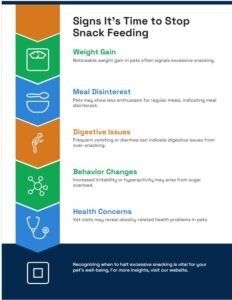
Image: Signs It’s time to stop Snack feeding!
How to Stop Baby Snack Feeding Breastfeeding: 7 Gentle Steps
Now that we’ve covered the why and when, let’s get to the how. These steps are designed to be gentle and gradual, ensuring your baby feels loved and secure while you transition to a more sustainable breastfeeding routine.
Step 1: Observe and Track Feeding Patterns
Start by keeping a simple log of your baby’s feeding times for a few days. Note when they nurse, how long each session lasts, and whether they seem hungry or just seeking comfort. This will help you identify patterns, like if they always snack feed before naps or when they’re bored. At BestBabyCart.com, we recommend using a feeding journal or app to make this easier. It’s a game-changer for spotting trends!
Step 2: Encourage Full Feeds with a Calm Environment
To break the snack feeding habit, encourage your baby to take fuller feeds. Create a calm, distraction-free environment during nursing—dim the lights, turn off the TV, and find a quiet spot. A relaxed setting helps your baby focus on eating rather than popping on and off. If they stop after a few minutes, gently encourage them to keep going by stroking their cheek or compressing your breast to stimulate milk flow.
Step 3: Offer Comfort in Other Ways
If your baby is snack feeding for comfort, find alternative ways to soothe them. Cuddles, a soft lullaby, or a pacifier can work wonders. I remember with my second child, a cozy swaddle and a white noise machine became our go-to for non-nursing comfort. Speaking of which, you can find highly rated white noise machines on Amazon—they’re a lifesaver for soothing without nursing!
Checklist: Alternative Comfort Methods
Use this checklist to try new soothing methods! Need a white noise machine? Shop our favorites on Amazon.
Step 4: Introduce a Feeding Schedule
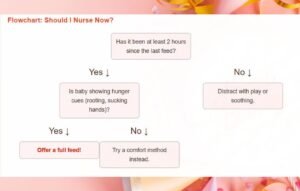
Gradually space out nursing sessions to create a more predictable schedule. For example, if your baby nurses every hour, try stretching it to every 1.5 hours, then 2 hours. Offer a full feed at each session, and if they ask to nurse sooner, distract them with play, a song, or a walk in the stroller. This takes patience, but over time, your baby will adjust to longer intervals between feeds.
Step 5: Watch for Hunger Cues vs. Comfort Cues
Learn to distinguish between hunger and comfort cues. Hunger cues include rooting, sucking on their hands, or fussing with a specific cry. Comfort cues might look like general fussiness, wanting to be held, or reaching for you without clear hunger signs. If it’s comfort they’re after, try other soothing methods before offering the breast.
Step 6: Introduce Solids (If Age-Appropriate)
If your baby is 6 months or older, introducing solids can help reduce snack feeding. A small meal of mashed avocado or banana can make them feel fuller, reducing the need for frequent nursing. Just make sure to follow Pediatrician guidelines—start with one meal a day and gradually increase as they get used to solids. Need baby feeding gear? Check out our top picks for spoons and bibs on Amazon!
Step 7: Be Patient and Consistent
Change won’t happen overnight, and that’s okay. Be patient with your baby—and yourself. Consistency is key, but so is flexibility. If your baby is having a tough day (like during a growth spurt or teething), it’s okay to offer extra nursing sessions for comfort. You’re not failing; you’re meeting their needs with love.
Emotional Support for You During This Transition
Let’s take a moment to talk about you, mama. Stopping snack feeding can bring up a lot of emotions—guilt, sadness, or even relief. It’s normal to feel a mix of all three. Breastfeeding is such a special bond, and any change can feel like a loss, even if it’s the right step for your family.
Let Go of the Guilt
You might worry that reducing snack feeding means you’re taking away something your baby needs. But here’s the truth: you’re not. You’re teaching them new ways to feel secure while ensuring breastfeeding remains a positive experience for both of you. You’re doing an incredible job, and your baby knows they’re loved.
Find Support
Talk to other moms who’ve been through this—it helps to know you’re not alone. Join a local parenting group or connect with our community at BestBabyCart.com. Sharing your journey can make all the difference, and you might pick up some great tips along the way!
Celebrate the Wins
Every time your baby takes a full feed or goes a little longer between nursing sessions, celebrate it! Maybe treat yourself to a cup of coffee or a new book. You’re working hard, and you deserve to acknowledge your progress. This journey is as much about you as it is about your baby.
Common Challenges and How to Overcome Them
Transitioning away from snack feeding isn’t always smooth sailing. Here are some common challenges and how to handle them with grace.
Fussiness and Resistance
Your baby might fuss or cry when you delay a nursing session. This can be hard to hear, but stay calm. Offer a distraction like a toy or a short walk, and reassure them with your voice and touch. They’ll adjust with time.
Engorgement or Milk Supply Concerns
If your baby starts taking fewer but longer feeds, you might experience engorgement as your supply adjusts. Use a warm compress or hand express a little milk to relieve discomfort. Your supply will balance out within a week or two.
Teething or Growth Spurts
During teething or growth spurts, your baby might revert to snack feeding for comfort. That’s okay! Be flexible during these phases, and once they pass, gently guide them back to your new routine.
Conclusion: You’ve Got This, Mama!
Stopping snack feeding while breastfeeding is a journey, but with patience, consistency, and a whole lot of love, you and your baby can find a new rhythm that works for both of you. By encouraging full feeds, offering alternative comfort, and introducing a feeding schedule, you’ll create a breastfeeding experience that’s sustainable and fulfilling. And remember—you’re not alone. At BestBabyCart.com, we’re here to support you with expert advice and the best baby products. Ready to make nursing easier? Shop top breastfeeding essentials like nursing pillows and milk storage bags on Amazon through our site!
FAQ: Your Snack Feeding Questions Answered
Is snack feeding breastfeeding bad for my baby?
No, snack feeding isn’t inherently bad, especially in the early months when babies need frequent feeds. But as they grow, it can lead to unsatisfying feeds and exhaustion for you. Transitioning to fuller feeds can help create a better routine.
How long should a breastfeeding session last?
It depends on your baby, but most full feeds last 10-20 minutes per side. If your baby is nursing for less than 5 minutes and wants to feed again soon, they might be snack feeding.
Can I stop snack feeding without weaning completely?
Absolutely! Stopping snack feeding encourages longer, more satisfying feeds without ending breastfeeding. You can continue nursing while creating a more structured schedule.
What if my baby cries when I delay a feed?
Crying can be tough to hear, but try to stay calm. Offer comfort through cuddles, a song, or a pacifier. If they’re truly hungry, their cues will be more persistent—trust your instincts!
Will stopping snack feeding affect my milk supply?
Your supply might adjust as your baby takes fewer but longer feeds. If you experience engorgement, express a little milk for relief. Your supply will balance out within a few weeks.
Taslima Khanam Sultana, a loving mom of three, founded BestBabyCart.com to help new parents navigate the world of baby products with ease. Her passion for making parenting simpler shines through delivering honest, unbiased reviews on must-haves like diapers, strollers, and feeding gear. Taslima’s mission is to empower families with expert tips, ensuring every product is safe and top-quality for your little one. Drawing from her own parenting journey, she’s dedicated to supporting yours!