

Creating a safe sleep space for your baby is one of the most impactful steps you can take to reduce preventable sleep-related risks. While it’s tempting to fill your baby’s crib with soft blankets, plush toys, and cozy bumpers to make the space feel warm and inviting, these seemingly harmless additions can create life-threatening suffocation and strangulation hazards. Updated 2026 safe sleep guidelines from leading pediatric and safety organizations maintain that a bare crib is the only safe sleep environment for infants under 12 months old. Below, we break down the four items that should never be placed in a crib, the specific risks they pose, and evidence-based alternatives to keep your baby safe and comfortable.
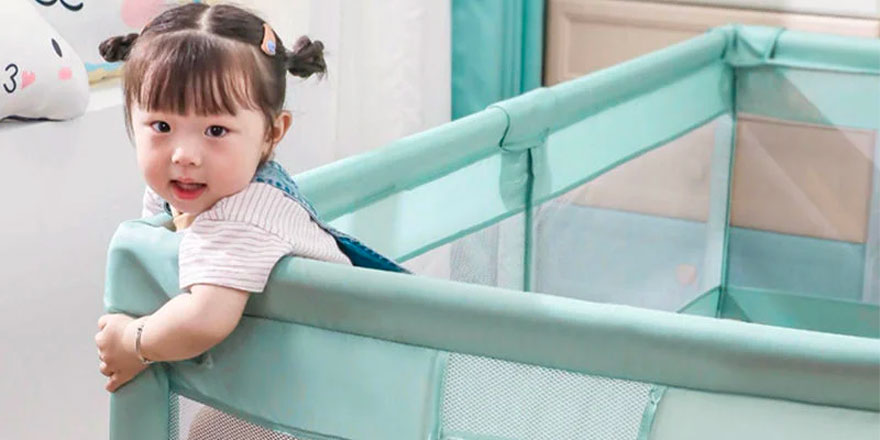 An unsafe crib setup with loose bedding and soft toys that pose suffocation risks for infants
Credit: picketandrail.com
An unsafe crib setup with loose bedding and soft toys that pose suffocation risks for infants
Credit: picketandrail.com
Why Crib Safety Rules Are Non-Negotiable
Infant sleep-related fatalities, including sudden infant death syndrome (SIDS) and accidental suffocation, remain a leading cause of death for babies under 1 year old. Per official infant sleep safety guidelines from the U.S. Consumer Product Safety Commission, more than 3,500 infants die each year in the U.S. from sleep-related causes, many of which are preventable by following basic safe sleep practices. The core rule from the American Academy of Pediatrics has remained consistent for over a decade: a baby’s sleep area should be completely bare, with no soft items, loose bedding, or accessories, for every sleep (naps and nighttime). These guidelines are not overly cautious: they are based on decades of research into infant sleep physiology, which shows that babies lack the motor skills to move soft objects away from their faces if they block their airway, per American Academy of Pediatrics safe sleep recommendations.
The 4 Prohibited Crib Items (And The Risks They Pose)
Every item listed below has been explicitly flagged as unsafe for infant cribs by leading pediatric and consumer safety organizations. Avoiding these four items is the single most important step you can take to reduce your baby’s sleep-related risk.
1. Loose Bedding (Blankets, Pillows, Loose Fitted Sheets)
Loose bedding is the most common prohibited item found in infant cribs, and it poses multiple severe risks. Soft blankets, pillows, and even loose sheet corners can easily slip over a baby’s nose and mouth during sleep, blocking their airway and causing suffocation. Infants under 12 months old lack the neck strength and motor control to push these objects away on their own, leaving them trapped. Loose bedding also increases the risk of overheating, a known contributing factor to SIDS, as soft fabrics trap heat against a baby’s body. A common mistake new parents make is adding a small infant pillow to the crib thinking it will provide comfort, but babies have no physiological need for pillows, and even flat, soft infant pillows create a suffocation hazard. Even “breathable” or muslin blankets are not recommended for use in cribs, as they have not been tested for infant suffocation risk. For warmth, opt for a wearable sleep sack or blanket instead of loose fabrics, and use only a tight-fitting, certified crib sheet made of breathable cotton. If you’re unsure how to layer your baby’s sleepwear appropriately for different temperatures, our guide to appropriate layering for sleep offers evidence-based tips for keeping your baby warm without loose bedding.
2. Stuffed Animals, Plush Toys, and Decorative Soft Objects
Stuffed animals and plush toys are a popular addition to cribs, as parents often want to create a comforting, playful space for their baby. However, these items carry two critical risks: suffocation and choking. A plush toy left in a crib can press against a baby’s face during sleep, blocking their airway, especially if the toy is large enough to cover their nose and mouth. Even small plush objects, such as attachment toys for strollers or pacifier holders, pose a suffocation risk if left in the crib overnight. Plush toys also often have small, detachable parts like button eyes, plastic noses, or stuffing that can break free, creating a serious choking hazard if a baby mouths the toy. A common misconception is that small “lovey” security blankets or mini plush toys are safe for newborns, but the AAP recommends avoiding all plush items in cribs until a child is at least 12 months old, and even then, only large, hard-plastic toys without small parts should be allowed. Decorative mobiles are acceptable only if they are securely mounted out of a baby’s reach and removed entirely once the baby can sit up or pull themselves to standing.
3. Crib Bumpers and Padded Liners
Crib bumpers were originally marketed as a solution to prevent babies from bumping their heads on crib slats or getting their limbs stuck between bars, but they are now widely recognized as a serious safety hazard. Per official infant sleep safety guidelines from the CPSC, crib bumpers have been tied to at least 48 confirmed infant suffocation and strangulation deaths between 1990 and 2019. Soft padded bumpers can block airflow in the crib, and a baby pressing their face against the bumper may be unable to get enough oxygen. Loose bumper ties can also pose a strangulation risk if they come undone and wrap around a baby’s neck. For older babies, bumpers can even be used as a step to climb out of the crib, leading to fall injuries. Even “breathable” mesh bumpers are not recommended by the AAP, as they still pose a suffocation risk if a baby’s face becomes pressed against the material, and they can still be used as a climbing aid. The only safe alternative to bumpers is a crib with slat spacing of no more than 2 3/8 inches (about the width of a soda can) to prevent limbs from getting stuck. If you’re looking for safe, cozy additions to your baby’s crib once they are old enough, our guide to safe crib comforts outlines age-appropriate, safety-tested options.
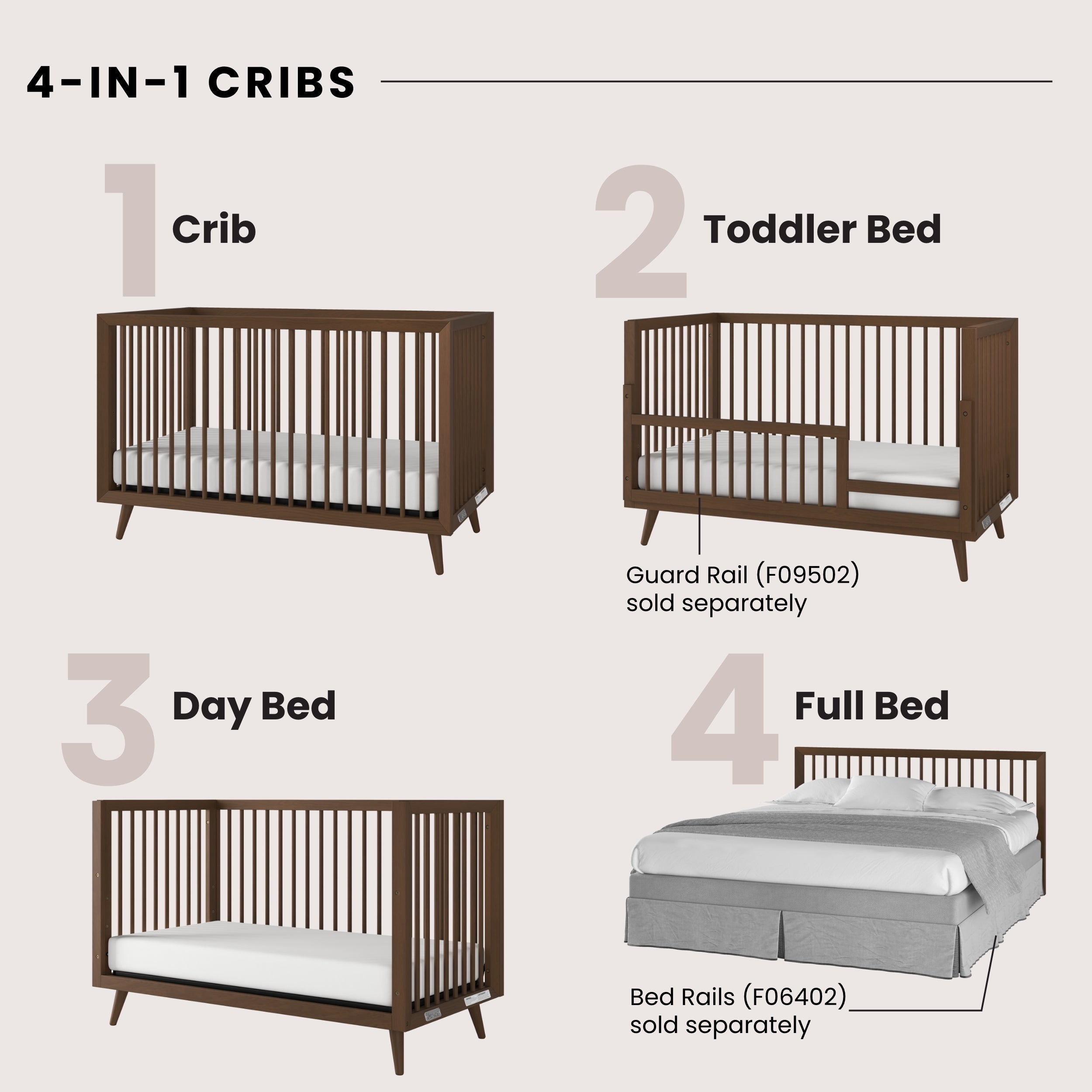 Crib with properly spaced slats and no prohibited items for safe infant sleep
Credit: www.halosleep.com
Crib with properly spaced slats and no prohibited items for safe infant sleep
Credit: www.halosleep.com
4. Unsafe Sleep Positioners and Inclined Sleepers
Sleep positioners, including wedges, anti-roll pillows, and nested infant sleepers, are marketed to parents as tools to keep babies in a specific sleep position or prevent flat head syndrome. These products are extremely dangerous and have been the subject of numerous CPSC recalls and outright bans. In 2023, the CPSC issued a full ban on inclined infant sleepers, after determining they pose an unacceptable risk of infant suffocation. Sleep positioners of any kind can block a baby’s airway if their face presses against the material, and they can also trap a baby in a position that makes it hard for them to breathe. Many parents use positioners to prevent their baby from rolling onto their stomach, but the AAP explicitly states that babies should be placed on their backs to sleep on a flat, firm surface, with no positioners needed. Flat head syndrome (positional plagiocephaly) can be safely prevented with regular supervised tummy time while the baby is awake, rather than with unsafe sleep positioners. To avoid the need for positioners, establish consistent nap routines that help your baby learn to self-soothe and sleep in a safe, flat crib.
Common Crib Safety Misconceptions
Many parents operate under false assumptions about crib safety that can put their baby at risk. Below are the most common myths, debunked with current guidance:
- Myth: A thin, tucked-in blanket is safe for newborns. Even a tightly tucked blanket can loosen during sleep as a baby moves, creating a suffocation hazard. No loose fabrics of any kind are recommended for infant cribs.
- Myth: Mesh crib bumpers are safe because they are breathable. The AAP does not recommend mesh bumpers, as they still pose a suffocation risk if a baby’s face presses against them, and they can be used as a step for older babies to climb out of the crib, leading to fall injuries.
- Myth: A small security blanket or lovey is okay for newborns to self-soothe. All plush or fabric items, including small loveys, should be kept out of the crib until a baby is at least 12 months old, per AAP guidelines.
- Myth: Cribs with decorative cutouts or intricate designs are safe as long as there are no soft items. Cribs with cutout headboards or footboards can trap a baby’s head or clothing, so always choose a crib with a solid, flat headboard and footboard, and slats spaced no more than 2 3/8 inches apart. When choosing crib sheets and sleepwear, opt for baby-safe material choices free of harmful chemicals and loose threads.
Safe Crib Setup: What Is Allowed
A safe crib has a very simple, minimal setup. The only items that should be in your baby’s crib for sleep are:
- A firm, flat crib mattress that fits snugly into the crib frame with no gaps around the edges
- A tight-fitting, certified crib sheet made of breathable, chemical-free fabric
- A wearable sleep sack or blanket for warmth, sized appropriately for your baby’s weight and height
- A pacifier (if used) with no attached cords, ribbons, or stuffed animals
For added safety, always secure the crib to the wall using a wall anchor to prevent tipping, and keep the crib away from windows, blinds, and cords that could pose strangulation or fall hazards. Once your baby is older than 12 months and can move freely, you may add large, hard-plastic toys without small detachable parts to the crib, but avoid plush items that could cover their face. To keep your baby’s feet warm without loose blankets, use temperature-regulating sleepwear like fitted sleep socks or footed pajamas.
 A recommended bare crib configuration with only a firm mattress and tight-fitting sheet
Credit: www.halosleep.com
A recommended bare crib configuration with only a firm mattress and tight-fitting sheet
Credit: www.halosleep.com
Frequently Asked Questions
What items are never allowed in a baby’s crib?
Per AAP guidelines, the following items are prohibited in infant cribs for all sleep: loose blankets, pillows, loose fitted sheets, stuffed animals, plush toys, crib bumpers, sleep positioners, wedges, and any items with small detachable parts. The crib should contain only a firm mattress, tight-fitting sheet, and wearable sleep sack.
Are mesh crib bumpers safe for babies?
No. The AAP explicitly advises against all types of crib bumpers, including mesh versions. Even breathable mesh bumpers pose a suffocation risk if a baby’s face presses against them, and they can be used as a step for older babies to climb out of the crib, leading to fall injuries.
Can I use a sleep positioner to prevent my baby from rolling over or getting flat head?
No. Sleep positioners of any kind, including wedges, anti-roll pillows, and nested sleepers, are banned by the CPSC for infant use due to severe suffocation risk. Flat head syndrome can be prevented with regular supervised tummy time while your baby is awake, rather than with unsafe sleep products.
When is it okay to add stuffed animals or toys to my baby’s crib?
The AAP recommends keeping all plush toys and soft objects out of the crib until a baby is at least 12 months old. After 12 months, you may add large, hard-plastic toys without small detachable parts, but avoid plush items that could cover your baby’s face or pose a suffocation risk.
Can I use a crib tent to keep my baby in the crib?
Crib tents are not recommended by safety experts, as they pose a strangulation risk if the tent’s poles or mesh become loose. Instead, ensure your crib has properly spaced slats and is securely anchored to the wall to prevent climbing or tipping.
Conclusion
Keeping your baby’s crib free of the four prohibited items outlined above is the single most effective step you can take to reduce their risk of sleep-related suffocation, SIDS, and injury. Loose bedding, plush toys, crib bumpers, and sleep positioners offer no proven benefit to infant sleep, and all carry severe, well-documented risks. A bare crib with a firm mattress, tight-fitting sheet, and wearable sleep sack is the only safe sleep environment for babies under 12 months old. As your baby grows, you can introduce safe, age-appropriate items to their crib — for a full list of vetted, safety-approved options, check out our guide to age-appropriate crib additions. If you have questions about your specific crib setup, consult your pediatrician for personalized guidance tailored to your baby’s needs and development.

Emma Grace is a devoted mother and passionate content writer at BestBabyCart.com. With firsthand parenting experience and a love for research, she creates helpful guides and honest reviews to support parents in choosing the best for their babies. Her goal is to make parenthood easier, one article at a time.