

New parenthood comes with a flood of conflicting advice, and one of the most common guidelines you’ll hear is the 2 hour rule for babies. Far from a rigid schedule, this flexible, pediatrician-aligned framework is designed to prevent common newborn challenges like overtiredness, low milk supply for breastfeeding parents, and preventable diaper rash, while reducing parental decision fatigue during those exhausting first months. Unlike strict feeding timetables that prioritize the clock over your baby’s needs, the 2 hour rule acts as a guardrail to help you respond to your little one’s cues before small discomforts spiral into bigger fussiness or sleep disruptions. We’ll break down exactly what the rule covers, how it evolves as your baby grows, common misconceptions to avoid, and practical tips to adapt it to your family’s unique routine.
What Exactly Is the 2 Hour Rule for Babies?
The 2 hour rule is a set of three interconnected guidelines for caring for infants, most relevant for newborns up to 4 months old, when awake windows, feeding needs, and skin sensitivity are at their most demanding. It is not a one-size-fits-all mandate, but an evidence-based starting point to help you avoid two of the most common new parent pain points: putting an overtired baby down for sleep, and missing early hunger or discomfort cues. The rule is rooted in basic infant physiology: newborns have stomachs the size of a walnut at birth, holding just 1-2 ounces of milk per feed, and their immature nervous systems make them prone to overstimulation after short periods of awake time. CDC infant feeding and care recommendations note that frequent, responsive feeding in the first 6 weeks supports healthy weight gain and reduces risk of low blood sugar in newborns, which aligns directly with the core of the 2 hour rule.
Origins and Evidence Base
The guideline emerged from decades of pediatric and lactation research, as clinicians observed that most full-term newborns thrive when offered feeds every 2 hours during the day, kept awake for no longer than 2 hours between sleep periods, and have diapers changed at least every 2 hours to protect delicate skin. Unlike outdated "feed on a strict schedule" advice from past decades, the modern 2 hour rule prioritizes reading your baby’s cues while using the 2 hour mark as a helpful checkpoint to avoid long gaps in care that lead to avoidable fussiness.
Core Components of the 2 Hour Rule
Many parents mistakenly believe the 2 hour rule only refers to feeding frequency, but it actually covers three distinct areas of newborn care. Understanding each component will help you apply the rule more effectively.
Daytime Feeding Intervals
For the first 6 weeks of life, most newborns need 8-12 feeds per day, which aligns with offering a feed every 2 hours during daylight hours. This frequency is especially important for breastfeeding parents, as frequent nursing sessions cluster together to build and maintain a steady milk supply, per lactation best practices. For formula-fed babies, regular feeds every 2 hours help avoid overstretching the tiny stomach, which can increase spit-up and discomfort. A common mistake new parents make is waiting for their baby to cry before offering a feed, but crying is a late hunger cue. By offering a feed at the 2 hour mark (or earlier if you notice early cues like lip smacking, rooting, or sucking on fists), you can prevent your baby from becoming overly hungry, which makes latching harder and leads to more fussy periods.
Awake Window Limits
Newborns can only stay awake for 45-60 minutes at a time before they become overtired, which triggers a cortisol spike that makes falling asleep much harder. The 2 hour awake window accounts for the 20-30 minute feed time, plus 15-30 minutes of gentle interaction like tummy time, cuddling, or reading, before putting your baby down for a nap. AAP safe sleep guidance recommends putting babies down drowsy but awake to help them learn self-soothing skills, which the 2 hour window supports by ensuring they are not too overtired to settle. As your baby grows, their awake window will stretch naturally: by 3 months, most babies can stay awake for 1.5-2 hours, and by 6 months, 2-2.5 hours. The 2 hour rule is most critical for newborns 0-4 months old, when overtiredness is most common.
Diaper Change Frequency
The final, often overlooked component of the 2 hour rule is changing your baby’s diaper at least every 2 hours during the day. Urine and stool contain enzymes that break down delicate baby skin, so leaving a wet or soiled diaper on for longer than 2 hours significantly increases the risk of diaper rash, yeast infections, and even urinary tract infections in infant girls. Frequent changes also make it easier to track your baby’s hydration: newborns should have 6-10 wet diapers per day, so checking every 2 hours helps you spot signs of dehydration early. Overnight, you do not need to wake a sleeping baby to change a wet diaper unless they have an active rash, but daytime changes every 2 hours are ideal for skin health.
Key Benefits of Following the 2 Hour Rule
When applied flexibly, the 2 hour rule delivers tangible benefits for both babies and parents, far beyond just avoiding fussiness.
Supports Consistent Nutrition and Growth
Regular feeds every 2 hours ensure your baby gets enough calories to support steady weight gain and brain development in those critical first months. For breastfeeding parents, frequent feeds prevent engorgement, clogged ducts, and low milk supply, reducing risk of breastfeeding complications. For formula-fed babies, consistent feeds help regulate digestion, reducing spit-up and gas discomfort.
Reduces Overtiredness and Improves Sleep Quality
Putting your baby down for a nap before they reach the 2 hour awake mark prevents overtiredness, which is one of the most common causes of short, fragmented naps and frequent night wakings. Babies who are put down drowsy but awake (rather than fully asleep) learn to self-soothe faster, leading to longer, more restorative sleep over time. For parents, this means more predictable nap schedules and fewer sleepless nights.
Lowers Risk of Diaper Rash and Skin Irritation
Changing diapers every 2 hours reduces your baby’s exposure to moisture and irritants that break down skin, cutting the risk of moderate to severe diaper rash by a significant margin, per pediatric dermatology guidance. Pairing frequent changes with a thin layer of barrier cream at each change provides extra protection for babies with especially sensitive skin.
Reduces Parental Stress and Decision Fatigue
One of the biggest hidden benefits of the 2 hour rule is that it reduces the mental load of new parenthood. Instead of constantly wondering if your baby is hungry, tired, or needs a change, you have a simple, flexible guardrail to reference. This cuts down on decision fatigue, which is a major contributor to postpartum stress and anxiety for new caregivers.
Common Misconceptions About the 2 Hour Rule
The 2 hour rule is often misinterpreted as a rigid schedule, which leads to unnecessary stress for parents. Let’s clear up the most common myths:
- It’s a strict schedule you must follow exactly: The rule is a flexible guide, not a law. If your baby is hungry before the 2 hour mark, feed them. If they fall asleep before the 2 hour awake window ends, let them rest. The goal is to avoid long gaps in care, not punish yourself for deviating by 15 minutes.
- It applies to all babies, regardless of age: The 2 hour rule is most relevant for newborns 0-4 months old. After 4 months, most babies can stay awake for 2.5-3 hours between naps, and feed every 3-4 hours, so the rule evolves to fit their developmental stage.
- You need to wake your baby every 2 hours overnight: No. The 2 hour rule applies primarily to daytime awake periods. After the first 2-4 weeks, most full-term babies can sleep 3-4 hour stretches overnight without feeding, unless your pediatrician advises otherwise for weight gain concerns.
- It only covers feeding: As outlined earlier, the rule also includes awake window limits and diaper change frequency, both of which are critical for your baby’s comfort and health.
How to Adapt the 2 Hour Rule to Your Baby’s Needs
Every baby is different, and there are cases where you’ll need to adjust the rule to fit your little one’s unique needs.
Adjusting for Age and Developmental Stage
As your baby grows, their needs will shift, and the 2 hour rule will evolve with them:
- 0-6 weeks: Strict 2 hour awake windows, feeds every 2 hours, diaper changes every 2 hours
- 6 weeks-4 months: Awake windows stretch to 1.5-2 hours, feeds every 2-3 hours, diaper changes every 2 hours
- 4-6 months: Awake windows stretch to 2-2.5 hours, feeds every 3-4 hours, diaper changes every 2-3 hours
- 6+ months: Awake windows stretch to 3-4 hours, feeds every 3-4 hours, diaper changes every 3-4 hours
Modifying for Premature or Low-Birth-Weight Infants
Premature babies have different physiological needs than full-term newborns, so the 2 hour rule should be adjusted based on their corrected age (the age they would be if born at 40 weeks) rather than their chronological age. Your pediatrician may recommend more frequent, smaller feeds to support growth, so use the 2 hour rule as a starting point, not a hard rule, for preemies.
Adapting for Common Health Conditions
Babies with conditions like gastroesophageal reflux, food allergies, or metabolic disorders may need adjustments to the rule. For example, babies with reflux often do better with smaller, more frequent feeds every 1.5 hours, rather than larger feeds every 2 hours, to avoid overfilling the stomach and triggering spit-up. Always follow your pediatrician’s specific guidance for babies with special health needs, as their care plans will take priority over general guidelines like the 2 hour rule.
Practical Tips for Implementing the 2 Hour Rule
The 2 hour rule is designed to make your life easier, not add more stress to your already full plate. These practical tips will help you implement it without feeling overwhelmed.
Track Milestones Without Overcomplicating It
You don’t need a fancy notebook or expensive app to track your baby’s feeds, diapers, and sleep—though tools like BabyTracker or Glow Baby can be helpful for busy parents. Even a simple sticky note on the fridge with columns for time, feed type, diaper, and sleep will help you spot patterns and adjust the rule as needed. Tracking diaper output is especially useful for monitoring hydration and making sure your baby is getting enough to eat.
Watch for Cues, Not Just the Clock
The 2 hour rule is a guide, not a substitute for reading your baby’s signals. Early hunger cues (lip smacking, rooting, sucking on hands) mean you should offer a feed even if it’s only been 1.5 hours since the last feed. Early sleep cues (yawning, eye rubbing, jerky arm movements) mean you should put your baby down for a nap even if it’s only been 1.5 hours of awake time. Crying is a late cue, so responding to early signs will make following the rule much easier.
Build a Flexible Routine Around the Rule
Consistency is key, but rigidity will lead to burnout. Build a loose routine around the 2 hour rule: after a feed, spend 15-30 minutes on gentle play or cuddles, then put your baby down for a nap before they hit the 2 hour awake mark. When you’re out running errands or visiting family, adjust as needed—you can use a portable baby gear for outings like a stroller or baby carrier to monitor your baby’s sleep cues easily, and plan outings around naps to avoid overtiredness. Make sure you have age-appropriate feeding supplies on hand to make feeds quick and easy when you’re away from home, and set up a safe sleep setup for naps on the go to keep your baby comfortable and secure.
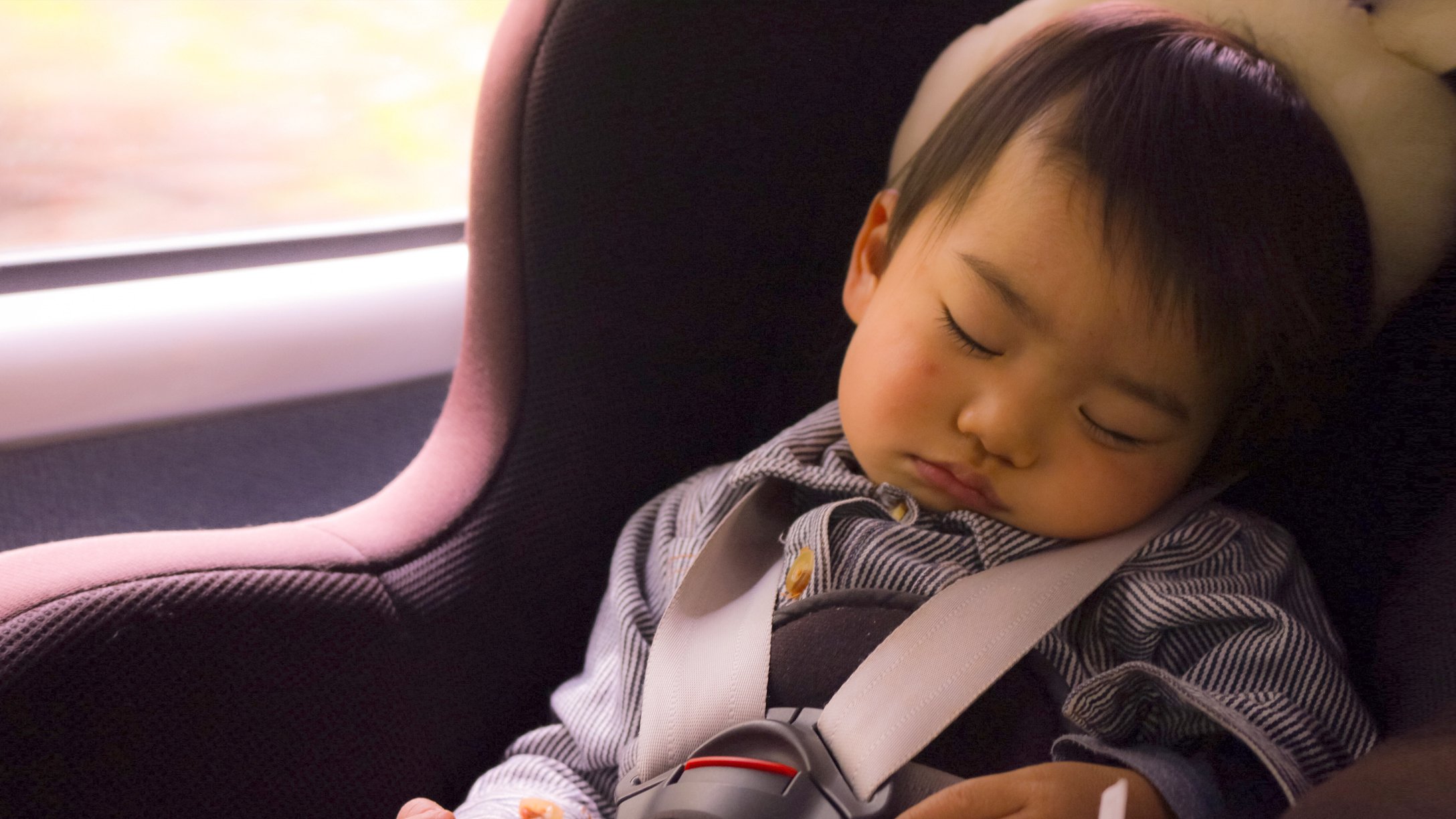
 Always follow car seat safety guidelines when traveling with infants, even on short trips.
Credit: www.madeformums.com
Always follow car seat safety guidelines when traveling with infants, even on short trips.
Credit: www.madeformums.com
 Strollers are a useful tool for following the 2 hour rule during outings, as they let you monitor your baby's sleep cues easily.
Credit: www.evenflo.com
Strollers are a useful tool for following the 2 hour rule during outings, as they let you monitor your baby's sleep cues easily.
Credit: www.evenflo.com
 Fussing and eye rubbing are common signs your baby is reaching the end of their 2 hour awake window.
Credit: mom.com
Fussing and eye rubbing are common signs your baby is reaching the end of their 2 hour awake window.
Credit: mom.com
Frequently Asked Questions
What is the 2 hour rule for babies, exactly?
The 2 hour rule is a flexible guideline with three core components: offering feeds every 2 hours during the day, limiting awake time to 2 hours between naps, and changing diapers at least every 2 hours during the day to prevent skin irritation. It is designed as a guardrail to avoid common newborn challenges, not a rigid schedule.
Why is the 2 hour rule important for newborns?
Newborns have tiny stomachs and immature nervous systems, so frequent feeds prevent low blood sugar and support healthy weight gain, while short awake windows prevent overtiredness that disrupts sleep. Regular diaper changes also reduce risk of diaper rash and help you track hydration via wet diaper output.
How does the 2 hour rule help with baby sleep?
By putting your baby down for a nap before they become overtired (at the 2 hour awake mark), you avoid the cortisol spike that makes falling asleep harder. This leads to longer, more restorative naps, and fewer fragmented night wakings over time.
Can the 2 hour rule prevent diaper rash?
Yes, changing diapers every 2 hours reduces your baby’s exposure to moisture and irritants that break down skin, significantly lowering the risk of diaper rash, yeast infections, and urinary tract infections. Pairing frequent changes with a barrier cream provides extra protection for sensitive skin.
Do I need to wake my baby every 2 hours overnight to follow the rule?
No. The 2 hour rule applies primarily to daytime awake periods. After the first 2-4 weeks, most full-term babies can sleep 3-4 hour stretches overnight without feeding, unless your pediatrician advises otherwise for weight gain concerns. You do not need to wake a sleeping baby for feeds or diaper changes overnight unless directed by a care provider.
What if my baby can stay awake longer than 2 hours without fussing?
The 2 hour rule is a guardrail, not a strict rule. Some babies have naturally longer awake windows, especially after 4 months of age. If your baby is calm, alert, and not showing early sleep cues (yawning, eye rubbing, jerky movements), it’s okay to extend awake time slightly. Just watch for signs of overtiredness, which include staring blankly, turning away from stimulation, and fussiness.
Does the 2 hour rule work for formula-fed babies?
Yes, though formula takes longer to digest than breast milk, so some formula-fed babies may naturally stretch to 2.5-3 hours between feeds after the first few weeks. The 2 hour awake window and diaper change guidelines still apply regardless of feeding type.
Conclusion
The 2 hour rule for babies is a simple, flexible tool designed to make early parenthood easier, not more stressful. By focusing on three core areas—feeding intervals, awake window limits, and diaper change frequency—you can avoid common newborn challenges, support your baby’s growth and sleep, and reduce your own mental load. Remember that every baby is different, so use the rule as a starting point, not a strict mandate: if your baby’s cues conflict with the 2 hour mark, always prioritize their needs. If you have concerns about your baby’s feeding, sleep, or growth, reach out to your pediatrician for personalized guidance. For more practical, pediatrician-aligned tips for navigating your baby’s first year, explore our full library of newborn care guides.

Emma Grace is a devoted mother and passionate content writer at BestBabyCart.com. With firsthand parenting experience and a love for research, she creates helpful guides and honest reviews to support parents in choosing the best for their babies. Her goal is to make parenthood easier, one article at a time.