

If you’ve ever spent 45 minutes rocking a fussy, overtired baby only to have them fall asleep the second you set them down, you’ve likely searched for a low-stress way to improve nap and bedtime routines. The 90 Minute Crib Rule is a flexible, biology-backed framework that aligns with infant sleep cycles to help parents time crib placement more effectively, reducing bedtime battles and improving rest for the whole family. Unlike rigid sleep training methods, this guideline works with your baby’s natural rhythms rather than against them, making it accessible for new and experienced caregivers alike.
 A consistent crib routine aligned with natural sleep cycles helps babies fall asleep faster and stay asleep longer.
Credit: sleepingchildsaneparent.com
A consistent crib routine aligned with natural sleep cycles helps babies fall asleep faster and stay asleep longer.
Credit: sleepingchildsaneparent.com
What Exactly Is the 90 Minute Crib Rule?
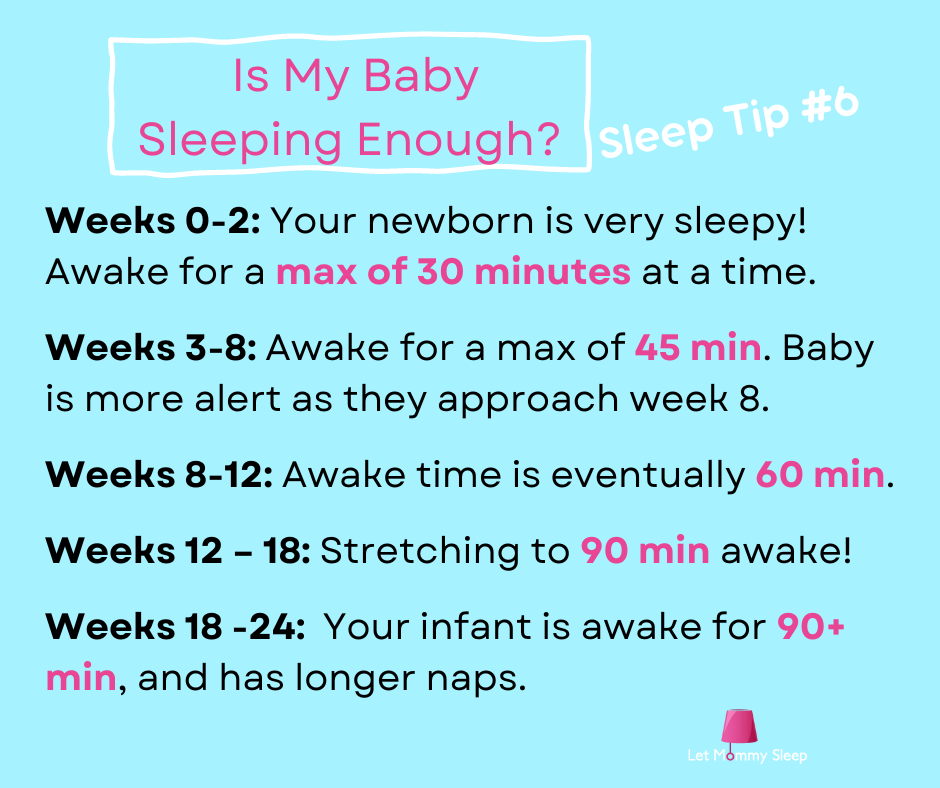
The 90 Minute Crib Rule is a practical guideline based on the average length of an infant’s ultradian sleep cycle: the repeating pattern of light and deep sleep that all humans experience, separate from the 24-hour circadian rhythm. For adults, these cycles last 90–120 minutes, but infants’ cycles are shorter at first: 50–70 minutes for newborns (0–3 months), lengthening to an average of 90 minutes for babies aged 4–12 months. The core of the rule is simple: track your baby’s unique wake window (the amount of time they can stay awake happily before becoming overtired), and place them in their crib drowsy but awake, usually right around the 90-minute mark for older infants, to help them fall asleep independently and connect sleep cycles more easily. It is not a strict “set a timer for 90 minutes” mandate, but a starting point to observe your baby’s individual patterns. For evidence-based guidance on infant sleep safety and development, refer to CDC's evidence-based infant sleep guidance.
The Science Behind the 90 Minute Window
Infants spend far more time in light, active sleep than adults do, an evolutionary adaptation that lets them signal hunger or discomfort to caregivers. Because of this, they do not roll seamlessly from one sleep cycle to the next like adults; instead, they rouse fully at the end of each cycle, often fussing or babbling briefly. If you miss the window to put them down before they become overtired, their body releases cortisol (the stress hormone), which makes it far harder to fall asleep and leads to fragmented, restless sleep. The 90-minute mark is the average point where babies’ melatonin (the sleep hormone) levels are high enough to support easy, deep sleep, and their sleep pressure is low enough that they do not fight bedtime. Consistent timing also helps regulate their circadian rhythm over time, leading to more predictable long-term sleep patterns.
 Babies’ sleep cycles are shorter than adults’, with frequent light sleep phases that lead to full rousing at the end of each cycle.
Credit: letmommysleep.com
Babies’ sleep cycles are shorter than adults’, with frequent light sleep phases that lead to full rousing at the end of each cycle.
Credit: letmommysleep.com
How to Apply the 90 Minute Crib Rule to Your Routine
Implementing this framework is straightforward, but it works best when tailored to your baby’s unique needs:
Track Your Baby’s Unique Cues First
Every baby’s wake window is slightly different, so start by logging when they wake up and noting the first signs of tiredness they show for 3–5 days. Common early sleep cues include yawning, eye rubbing, ear pulling, decreased engagement with toys, staring off into space, and clenched fists. Late cues (like crying, arching their back, or rubbing their eyes aggressively) mean they are already overtired, so you have missed the optimal window. In practice, most parents find that logging cues for a few days helps them identify their baby’s natural rhythm without needing to rely on a strict timer.
Time Crib Placement to the End of the Wake Window
For babies 4–12 months old, this will usually fall around 90 minutes after they wake up, but adjust based on your logs. The goal is to put them down drowsy but awake, so they learn to fall asleep independently without relying on you to rock or feed them to sleep. For newborns, shorten the window to 45–60 minutes to match their shorter sleep cycles.
 Timing crib placement to the end of your baby’s wake window reduces overtiredness and fussiness.
Credit: www.walmart.com
Timing crib placement to the end of your baby’s wake window reduces overtiredness and fussiness.
Credit: www.walmart.com
Build a Consistent 2-Minute Pre-Sleep Routine
Pair the timing with a short, predictable routine to signal that sleep is coming: dim the lights, turn on a white noise machine, sing a short lullaby, or read one quick board book. This consistency helps your baby’s brain recognize that it is time to wind down, making the transition to crib sleep smoother. If you are frequently out of the house during nap times, adapt the routine to be portable: a quick lullaby in the stroller or car, followed by white noise, works just as well. For more strategies to keep sleep on track during outings, check out managing sleep on the go.
Prioritize Safe Crib Setup Every Time
No sleep timing framework works if the crib is not set up for safe, undisturbed sleep. Always place baby on their back to sleep, keep the crib free of loose blankets, stuffed animals, bumpers, and pillows, and use a firm, tight-fitting mattress. Dress baby in appropriate sleepwear to avoid overheating, a key risk factor for disrupted sleep and SIDS. For guidance on layering for different temperatures, refer to appropriate sleepwear layering and determining if baby needs socks for sleep. For official safe sleep guidelines from the American Academy of Pediatrics, see AAP safe sleep recommendations.
Common Missteps to Avoid
Even experienced parents make these small errors when first using the 90 minute framework:
Sticking to 90 Minutes Rigidly
The 90-minute mark is an average, not a hard rule. On days when your baby is overstimulated (e.g., after a family gathering or a trip to the park), their wake window may be 10–15 minutes shorter. On days they slept longer during the previous nap, it may be slightly longer. The key is to follow their cues, not the clock.
Putting Baby Down Overtired
Waiting until baby is crying or rubbing their eyes aggressively means their cortisol levels have already spiked, making it far harder for them to fall asleep and leading to more frequent night wakings. Aim to catch the early, subtle cues to avoid this.
Rushing to Pick Baby Up at the First Sound
Babies often fuss or babble briefly at the end of a sleep cycle as they transition to the next one. Waiting 2–3 minutes to see if they settle on their own helps them build self-soothing skills, rather than creating a dependency on you to rescue them from every small noise. If they continue crying, check on them calmly without picking them up unless they are truly distressed.
Skipping the Routine on Busy Days
Even a 1-minute routine (dim lights + white noise) signals to your baby that sleep is coming, making the transition to the crib far easier than skipping the routine entirely when you are short on time.
Adapting the Rule for Unique Needs
The 90 minute framework works for most babies, but there are common exceptions to keep in mind:
- For babies with reflux, colic, or other medical conditions that disrupt sleep, you may need to shorten wake windows or adjust timing to match their comfort levels.
- For babies over 12 months, wake windows lengthen to 3–4 hours, so the 90-minute frame no longer applies for naps, though the cue-based timing still works for bedtime.
- For premature babies, adjust wake windows to match their adjusted age, not their chronological age, to avoid overtiring them. A healthy sleep environment also plays a role in how well the rule works: keep the nursery free of mold, dust, and other irritants that can disrupt sleep and cause respiratory issues. For tips on addressing common nursery air quality concerns, refer to addressing nursery air quality issues.
Proven Benefits of Aligning with Natural Sleep Cycles
When used consistently, the 90 Minute Crib Rule delivers tangible benefits for both babies and caregivers:
- Fewer overtired meltdowns: Timing crib placement to your baby’s natural rhythm reduces the cortisol spikes that lead to fussiness, crying, and difficulty soothing.
- Longer stretches of uninterrupted sleep: When babies can connect sleep cycles easily, they sleep longer both during naps and at night, leading to better rest for caregivers too.
- Fewer negative sleep associations: Placing baby drowsy but awake in the crib helps them learn to fall asleep independently, reducing the need for rocking, feeding, or bouncing to get them to sleep.
- Support for healthy development: Consistent, high-quality sleep supports brain development, emotional regulation, and physical growth in infants.
- More predictable schedules: Over time, aligning with your baby’s natural cycles leads to a more consistent daily routine, making it easier to plan activities, outings, and even your own rest time.
Frequently Asked Questions
Can I use the 90 minute crib rule for newborns?
Newborns (0–3 months) have shorter sleep cycles of 50–70 minutes, so their typical awake windows are 45–60 minutes, not 90. You can still use the core framework of watching for sleep cues and placing them in the crib drowsy but awake, just adjust the timing to match their shorter cycles.
Does the 90 minute rule work for nighttime sleep too?
The 90-minute window applies most directly to naps for babies 4–12 months, as their daytime sleep cycles are most consistent at that length. For bedtime, use the same cue-based timing: put baby down when they show early drowsiness signs, which will usually fall 1.5–2 hours after their last nap, depending on their age.
What if my baby fights the crib even when I time it right?
Resistance is usually tied to sleep associations, not timing. If your baby is used to falling asleep in your arms or while feeding, they may protest when placed in the crib. Stay consistent with the routine, give them 2–3 minutes to fuss before checking in, and avoid picking them up unless they are truly distressed. Most babies adjust within 1–2 weeks.
Is the 90 minute crib rule safe?
Yes, as long as you follow all safe sleep guidelines: place baby on their back, keep the crib free of loose items, use a firm mattress, and maintain a comfortable room temperature (68–72°F / 20–22°C). For a full guide to safe crib setup, refer to safe crib configuration.
Final Thoughts
The 90 Minute Crib Rule is not a rigid mandate, but a flexible, biology-backed framework to help you work with your baby’s natural sleep rhythms rather than against them. By tracking your baby’s unique cues, timing crib placement to the end of their wake window, and pairing the routine with consistent, calming pre-sleep steps, you can reduce overtiredness, cut down on bedtime battles, and support better sleep for your baby and your entire family. Remember that every baby is different: adjust the timing as they grow, and do not stress over small deviations from the 90-minute average. If you are struggling to balance nap schedules with family outings or errands, our guide to practical tips for out-of-home nap schedules offers actionable strategies to keep sleep on track without derailing your plans.

Emma Grace is a devoted mother and passionate content writer at BestBabyCart.com. With firsthand parenting experience and a love for research, she creates helpful guides and honest reviews to support parents in choosing the best for their babies. Her goal is to make parenthood easier, one article at a time.