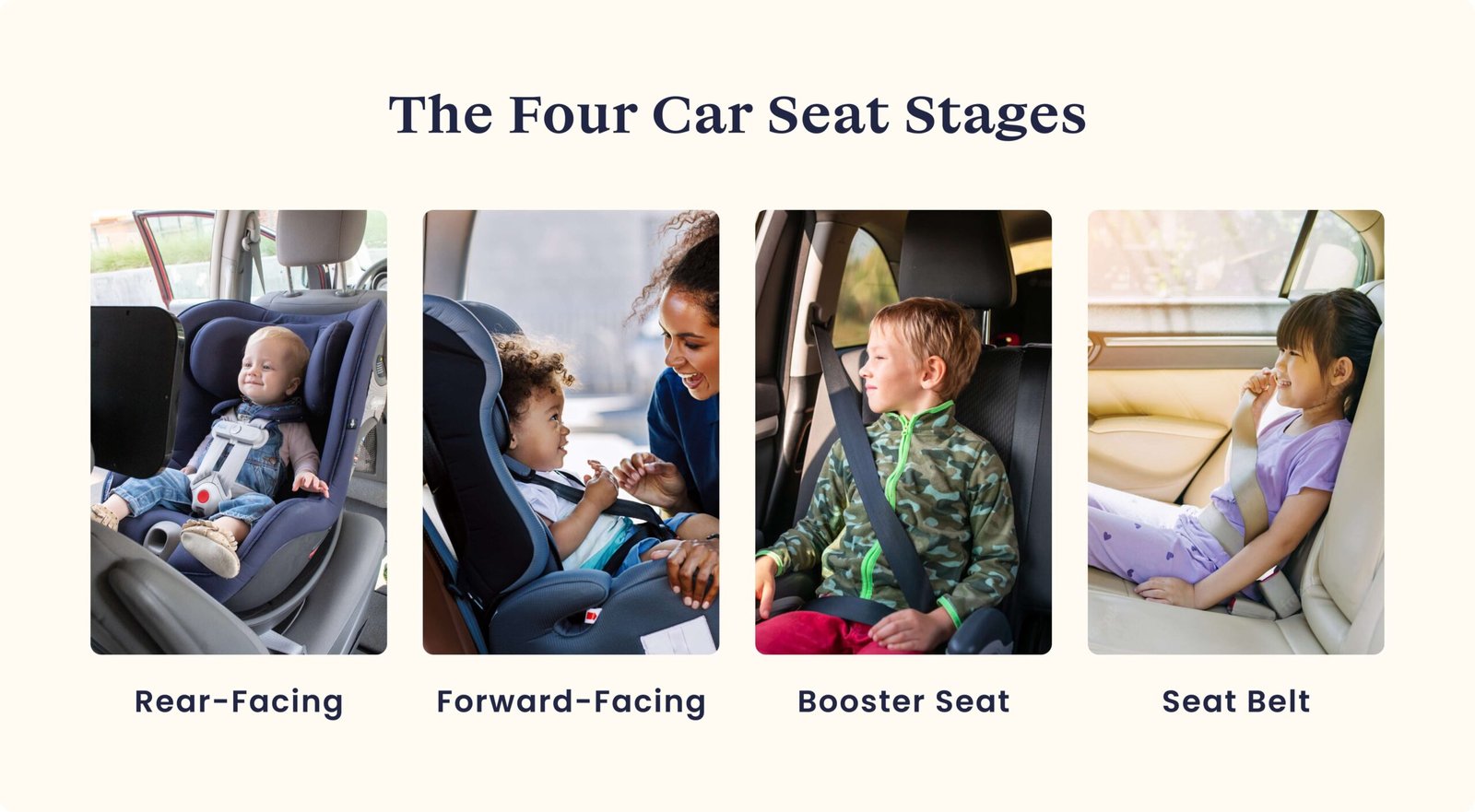
Figuring out what age you change car seats is one of the most common — and highest-stakes — questions new and experienced parents face. Unlike baby clothes or toys, car seat transitions aren’t tied to a single birthday: they depend on your child’s unique growth, your seat’s manufacturer weight and height limits, and current safety best practices that prioritize maximum crash protection at every stage. This 2026 essential guide breaks down exactly when to transition between infant, convertible, forward-facing, and booster seats, the clear signs your child is ready to move up, legal requirements across all 50 states, and actionable safety tips to keep your little one protected on every drive.
Why Car Seat Transitions Aren’t Just About Age
Generic age-based car seat guidelines are a useful starting point, but they are not a one-size-fits-all rule. Your child’s weight, height, and the specific limits of your car seat model are far more reliable indicators of when a transition is safe. You can also read our guide on how to keep newborn head up in car seat.
The Role of Manufacturer Limits Over Generic Milestones
Every car seat sold in the U.S. has weight and height limits printed directly on its label, which override all generic age recommendations. For example, a 3-year-old who is still within the 40-lb rear-facing limit of their convertible seat is far safer staying rear-facing than switching to forward-facing just because they hit a birthday. Similarly, some 4-year-olds still fit safely in their forward-facing harness seat, and moving them to a booster early reduces crash protection.
Common Misconceptions About Age-Only Transitions
A widespread mistake parents make is switching to a forward-facing seat as soon as their child turns 2, even if they still fit within rear-facing limits. Research from the CDC shows that rear-facing seats reduce crash-related fatalities by 71% for infants and 54% for toddlers, making extended rear-facing use the safest choice for as long as the seat’s limits allow. Another common error is moving kids to boosters at the state minimum age of 4, even if they have not outgrown their forward-facing harness seat, which leaves them vulnerable in a crash. You can also read our guide on early black friday baby sale.
Infant Car Seats: When to Move On
Infant car seats (also called bucket seats) are designed exclusively for rear-facing use, for newborns and young babies up to 30-35 lbs, depending on the model. They feature a removable base that stays installed in your car, making it easy to snap the seat in and out for carrying sleeping infants.
Key Safety Features to Prioritize
When choosing an infant seat, prioritize core safety features over extra add-ons: a five-point harness that secures your baby at the shoulders, hips, and crotch, side-impact protection that absorbs crash energy in side collisions, LATCH compatibility for secure, tool-free installation, and a crash-tested base that stays locked into your vehicle’s seat. Extras like sun canopies, infant inserts, and travel systems are convenient, but they do not replace baseline safety certifications. You can also read our guide on how to install safety first convertible car seat.
Exact Weight and Height Limits
Most 2026 infant car seats support weights up to 30-35 lbs and heights up to 32 inches, with a few premium models supporting up to 40 lbs. The most critical limit to watch is head height: if your baby’s head is within 1 inch of the top edge of the seat shell, it is time to transition, even if they have not hit the seat’s maximum weight limit. Exceeding either limit can cause the seat to fail to protect your child properly in a crash.
Clear Signs Your Baby Is Ready to Transition
You’ll know it’s time to switch from an infant seat to a convertible seat when you notice any of these concrete signs:
- Your baby’s head is within 1 inch of the top of the infant seat shell
- They have exceeded the seat’s maximum weight or height limit printed on the label
- You have to squeeze their legs into the seat to fasten the five-point harness
- They have outgrown the newborn insert and still have minimal space above their head when seated If you’re unsure how to secure the infant seat base correctly to avoid common installation errors, follow these steps for proper infant seat installation to ensure a tight, secure fit. You can also read our guide on best convertible child safety car seats for ultimate comfort and protection.
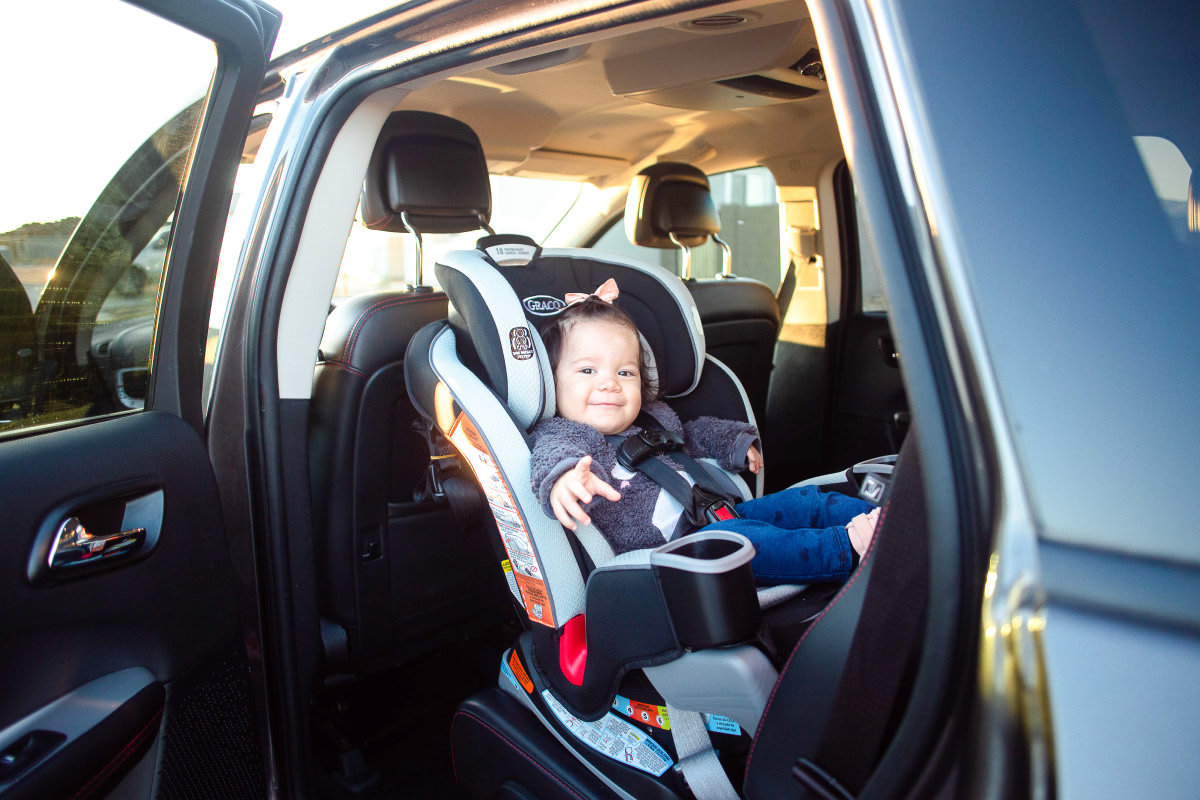 Infant car seats are designed for newborns up to 30-35 lbs, depending on the model
Credit: www.babylist.com
Infant car seats are designed for newborns up to 30-35 lbs, depending on the model
Credit: www.babylist.com
Convertible Car Seats: The Middle Stage
Convertible car seats are the most versatile option for growing kids, as they can be used rear-facing for infants and toddlers, then converted to forward-facing for older children, with many 2026 models including a booster mode for kids up to 100 lbs. They eliminate the need to buy separate infant and toddler seats, making them a cost-effective long-term choice.
Rear-Facing vs. Forward-Facing Guidelines
Current best practice from the National Highway Traffic Safety Administration (NHTSA) recommends keeping kids rear-facing for as long as possible, up to the seat’s rear-facing weight limit (often 40-50 lbs for 2026 convertible models). Rear-facing seats distribute crash force across the child’s entire back, neck, and head, which is critical for protecting developing spines. Only switch to forward-facing once your child exceeds the seat’s rear-facing height or weight limit — there is no safety benefit to switching earlier. You can also read our guide on best child safety booster car seats top picks for safe journeys.
Installation Best Practices
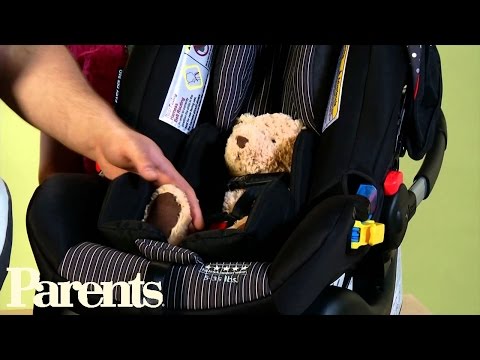
Correct installation is non-negotiable for car seat safety. For rear-facing use, install the seat at a 30-45 degree angle (most seats have a built-in level indicator) to support a newborn’s heavy head and prevent slouching. For forward-facing use, always attach the top tether strap to your vehicle’s designated tether anchor point to limit forward movement in a crash. A common mistake is installing the seat too loosely: you should not be able to move it more than 1 inch side-to-side or front-to-back when pulled at the base. For a visual walkthrough of proper installation, watch this tutorial:
When to Transition Out of a Convertible Seat
Kids outgrow convertible seats when they exceed the forward-facing weight limit (usually 65 lbs) or their shoulders are above the top harness slot. At that point, they are ready to move to a booster seat. If you’re planning your next car seat purchase, our guide to the infant to convertible switch breaks down compatibility, feature comparisons, and budget considerations to help you choose the right model for your family. You can also read our guide on what age can you stop using car seat.
Booster Seats: The Final Step Before Adult Seat Belts
Booster seats do not have a harness; instead, they position your child so the vehicle’s seat belt fits correctly across their chest and hips, rather than their soft abdomen or neck, which can cause serious injury in a crash.
High-Back vs. Backless Boosters
There are two main types of booster seats: high-back and backless. High-back boosters provide head and neck support, and are required if your vehicle does not have built-in headrests; they also offer extra side-impact protection. Backless boosters are more portable and easy to move between vehicles, and work well in cars with adjustable headrests, but offer less crash protection. Choose the type that matches your vehicle’s features and your child’s needs. You can also read our guide on black friday car seat deals.
Exact Fit Requirements
Your child is ready for a booster seat only when they meet all of these criteria:
- They are at least 4 years old and have fully outgrown their forward-facing car seat’s weight and height limits
- They can sit still with their back flat against the vehicle seat and knees bent at the edge of the seat without slouching
- The shoulder belt lies across the middle of their chest (not their neck or face)
- The lap belt sits low across their upper thighs (not their stomach)
When to Stop Using a Booster Seat
Most kids are ready to use an adult seat belt alone between 8 and 12 years old, when they reach 4 feet 9 inches tall, but the only true test is proper seat belt fit. Many kids reach this height earlier, but still need a booster if the seat belt rides up on their stomach or neck. For families planning frequent road trips, check out our picks for booster seats for longer trips that include extra padding, cup holders, and adjustable headrests for comfort on long drives.
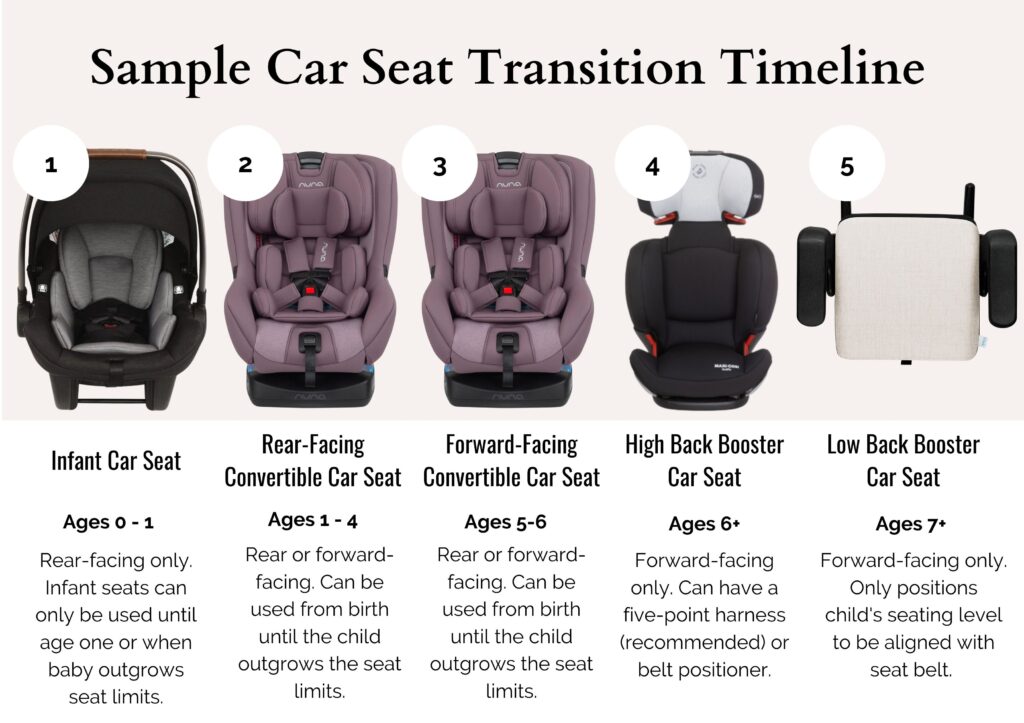 Most children follow a predictable progression from rear-facing infant seats to boosters between birth and age 12
Credit: www.tbsa.com.br
Most children follow a predictable progression from rear-facing infant seats to boosters between birth and age 12
Credit: www.tbsa.com.br
2026 Legal Requirements for Car Seat Use
All U.S. states have car seat laws that set minimum safety standards for child passengers, but these rules are baseline requirements, not best practice guidelines that prioritize maximum protection. You can also read our guide on what age can babies face forward in car seat.
State-by-State Variations
Every state has different requirements based on age, weight, and height. All 50 states require rear-facing seats for infants and toddlers, but the minimum age to switch to forward-facing ranges from 1 to 2 years old. Booster seat requirements vary from 4 to 8 years old, and 8 states require kids to stay in the back seat until age 12 or 13. You can check your state’s exact requirements via your local DMV website, or reference our age-specific car seat guidance for a full state-by-state breakdown of minimum rules.
Penalties for Non-Compliance
Fines for violating car seat laws range from $25 to $500 for first offenses, and some states require offenders to complete a free car seat safety course. More importantly, non-compliance drastically increases the risk of serious injury or death in a crash: the NHTSA reports that car seats reduce fatal crash risk by 71% for infants and 54% for toddlers when used correctly. You can also read our guide on what age do kids get out of car seats.
Free Safety Check Resources
Three out of four car seats are installed improperly, per NHTSA data. To avoid installation errors, take advantage of free car seat inspection services offered by most local police departments, fire stations, and children’s hospitals. Certified technicians will check your seat’s fit, installation, and adjustment for free, no appointment required in most areas.
Car Seat Safety Maintenance Tips
Proper maintenance ensures your car seat performs as intended in a crash, and extends its usable lifespan.
Regular Wear and Tear Checks
Inspect your car seat every 3 months for frayed harnesses, cracked plastic, broken buckles, or loose parts. Every car seat has a printed expiration date on its label, usually 6-10 years from the manufacturing date, due to material degradation from heat, cold, and UV exposure. Never use an expired seat, even if it looks undamaged, as its crash protection may be compromised. Also check for recall notices on the NHTSA website regularly, and follow recall instructions immediately if your seat is affected. You can also read our guide on best dog car booster seat.
Proper Cleaning and Storage
Remove and wash the seat cover according to the manufacturer’s instructions (most are machine washable on a gentle cycle). Never use harsh bleach, solvents, or disinfectant wipes, as these can degrade the fire-retardant materials that protect your child in a crash. If you store a car seat between children, keep it in a cool, dry place away from direct sunlight, and never stack heavy items on top of it, which can warp the plastic shell. For step-by-step cleaning guidance that avoids damaging safety materials, see our guide to cleaning car seat components.
What to Do After a Crash
You must replace a car seat immediately after any moderate or severe crash, even if there is no visible damage. Internal structural damage can compromise the seat’s crash protection without leaving obvious signs. For minor crashes (under 5 mph, no vehicle damage, no airbag deployment, and no injuries to occupants), some manufacturers allow you to keep the seat, but you should always check the manufacturer’s guidelines first to confirm. You can also read our guide on how to put a car seat on a shopping cart.
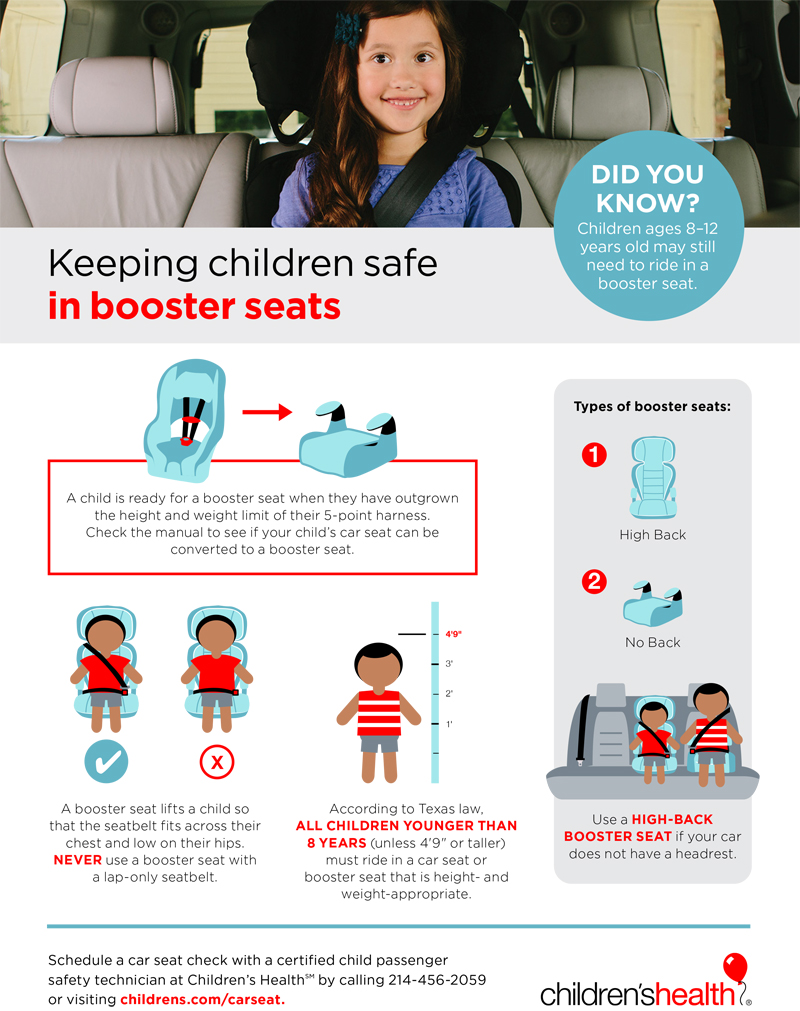 Correct seat belt positioning across the chest and hips is critical for booster seat safety
Credit: www.childrens.com
Correct seat belt positioning across the chest and hips is critical for booster seat safety
Credit: www.childrens.com
Frequently Asked Questions
What age should you switch car seats?
There is no universal age for car seat transitions — the only reliable guideline is your seat’s manufacturer weight and height limits, not generic age ranges. Most babies outgrow infant seats between 9 and 18 months, stay rear-facing in convertible seats until 2-4 years old, forward-facing until 4-7 years old, and in boosters until 8-12 years old.
How often should car seats be replaced?
Replace a car seat immediately after any moderate or severe crash, even if there is no visible damage. You should also replace it if it has passed its printed expiration date, been recalled, or no longer fits your child correctly per the manufacturer’s guidelines. Never use a used car seat that you cannot verify the full history of, including whether it was in a crash or past its expiration date. You can also read our guide on how to replace seat covers in car.
When is a child ready for a booster seat?
A child is ready for a booster seat when they have fully outgrown their forward-facing car seat’s weight and height limits (usually 40-65 lbs and 57 inches tall, depending on the model) and can sit still with their back against the vehicle seat while the seat belt fits correctly across their chest and hips. Most kids transition to boosters between 4 and 7 years old.
Can a 3-year-old use a forward-facing seat?
Yes, if your 3-year-old has exceeded the rear-facing weight or height limit of their current seat. Current best practice recommends keeping kids rear-facing for as long as possible, up to the seat’s limit (often 40-50 lbs for convertible seats), but once they outgrow rear-facing, a properly installed forward-facing seat with a harness is safe for 3-year-olds. You can also read our guide on best in child safety car seats for ultimate protection and comfort.
Can I use a secondhand car seat?
Only if you can verify the seat has never been in a moderate or severe crash, is not expired, has not been recalled, and has all of its parts and the original instruction manual. Never use a secondhand seat that you cannot fully verify the history of, as hidden damage can compromise its safety performance.
Final Takeaways for Safe Car Seat Transitions
Car seat transitions are one of the most impactful safety decisions you’ll make for your child, and the right choice always prioritizes your seat’s manufacturer limits over generic age guidelines. The safest path for most kids is: rear-facing infant or convertible seat for as long as possible (up to 40-50 lbs), forward-facing convertible seat with a harness until 65 lbs, then a booster seat until the adult seat belt fits correctly (usually 4’9” tall, 8-12 years old). Always follow your state’s minimum legal requirements, but remember these are baseline rules, not the safest option. If you’re unsure about your seat’s fit or installation, take advantage of free local car seat inspection services to get expert feedback. Staying up to date on current safety guidelines and checking your seat regularly will keep your child protected on every drive, from infancy until they’re ready for adult seat belts alone.

Sophia Linda is a freelance writer and Certified Health Coach based in the Newbury Park, CA. Passionate about healthy living, she focuses on helping families stay active and connected to the outdoors. Together with her husband and their three young children, Sophia spends much of her time traveling, hiking, and camping. Her work has been featured on the bestbabycart blog, and she brings a practical, real-world perspective to reviewing baby products for parents.