

For most U.S. families, diapers are one of the largest recurring infant expenses, with the average baby using 6–8 disposable diapers daily in their first year, adding up to an estimated $700–$1,000 annually per child. If you have a Flexible Spending Account (FSA), you may be wondering if these costs can be covered with pre-tax dollars to lower your overall tax burden. The short answer is that standard baby diapers are almost never FSA eligible, but there are important exceptions for medically necessary products, plus a range of other baby health supplies you can use your FSA for without a prescription. In this 2026-updated guide, we break down the exact IRS rules, documentation requirements, common claim mistakes, and eligible alternatives to help you maximize your FSA benefits for your baby’s needs. For context on typical cloth diaper requirements, see our guide to average annual cloth diaper needs.
FSA Basics: How Pre-Tax Healthcare Accounts Work
2026 FSA Contribution Limits and Rules
FSAs are employer-sponsored, IRS-regulated accounts that let you contribute pre-tax dollars from your paycheck to pay for qualified medical expenses, reducing your taxable income for the year. For 2026, the annual contribution limit for health FSAs is $3,300 per person, up from $3,200 in 2025. Funds must be used within your plan’s designated plan year, which typically runs January 1 to December 31. Many plans offer a 2.5-month grace period or a $610 carryover option for unused funds (you cannot have both a grace period and carryover in the same plan year). Unlike Health Savings Accounts (HSAs), FSAs are “use it or lose it” for any funds not spent by the deadline, so it’s important to plan your contributions carefully based on your expected medical costs for the year. You can also read our guide on 71he17fdxnl. sl1500 1024×1024.
FSAs are regulated by the IRS and overseen by the U.S. Department of Labor, with plan-specific rules administered by your employer or a third-party FSA provider, per Healthcare.gov's official FSA overview.
Core Eligibility Guidelines for FSA Expenses
The IRS defines eligible medical expenses as costs for diagnosing, curing, mitigating, treating, or preventing disease, or for affecting any structure or function of the body, per IRS Publication 502. FSAs are not designed to cover general personal care or hygiene products, even if they are used for health-related purposes. This core rule is the foundation for determining whether baby diapers and other baby supplies qualify for reimbursement. You can also read our guide on 81niwz0vbll. ac ul320.
Are Standard Baby Diapers FSA Eligible?
The Short Answer for Everyday Disposable Diapers
Standard disposable baby diapers, including generic and name-brand options, are not FSA eligible. The IRS classifies these products as general personal hygiene items, not medical supplies, as they are used for routine waste management rather than to treat or prevent a specific medical condition. This rule applies to all standard disposable diapers, including overnight, swim, and eco-friendly variants, unless they are prescribed for a medical need.
Exceptions: When Diapers Qualify for FSA Coverage
Diapers may be FSA eligible if they are prescribed by a licensed healthcare provider to treat or manage a specific medical condition. Common qualifying conditions include:
- Infant incontinence caused by neurological conditions (e.g., spina bifida, cerebral palsy)
- Severe, chronic diaper dermatitis or skin conditions (e.g., eczema, allergic contact dermatitis) that require specialized absorbent products as part of a treatment plan
- Post-surgical care requiring extra absorbency to protect wounds or incisions
- Mobility impairments that prevent the baby from using standard toilet training products
Even with a qualifying condition, most FSA administrators require formal documentation of medical necessity before approving reimbursement. You can also read our guide on 815k 1bluul. ac sl1500.
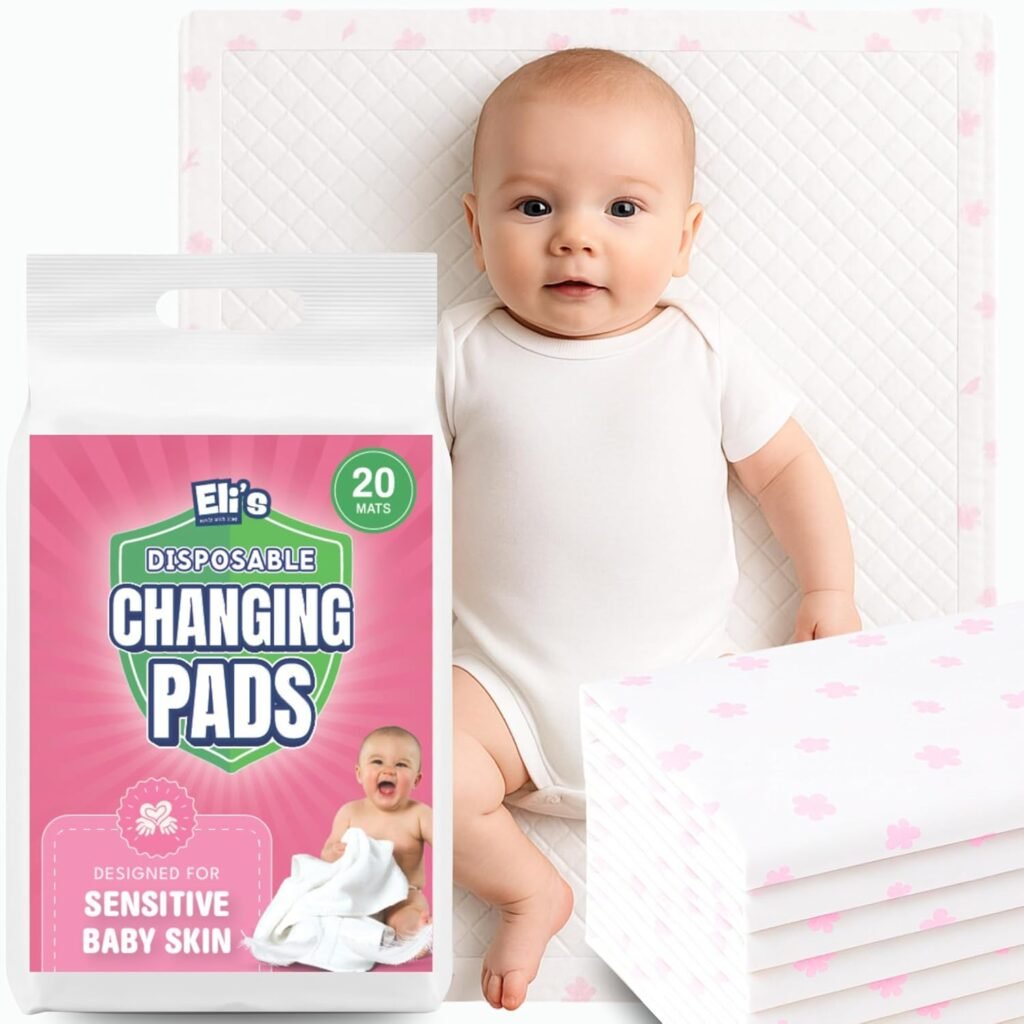 A bulk pack of disposable diapers, a common recurring expense for infant caregivers
Credit: Amazon.com
A bulk pack of disposable diapers, a common recurring expense for infant caregivers
Credit: Amazon.com
Documentation Required for Medical Diaper Claims
To qualify for FSA reimbursement, medically necessary diapers require a Letter of Medical Necessity (LMN) from your child’s healthcare provider. This document must include:
- The child’s diagnosed medical condition requiring absorbent products
- A clear statement that diapers are a necessary part of the treatment plan
- The duration of the medical need (e.g., 12 months from the date of issue)
- The specific type of product recommended (e.g., high-absorbency diapers for infant incontinence)
- The prescribing provider’s National Provider Identifier (NPI) number and contact information
Many FSA plans also require pre-approval for claims over a certain threshold (often $100) before you purchase the products, so submit your LMN to your administrator in advance to avoid claim denials. Keep all LMNs, receipts, and claim submissions for at least 3 years to align with IRS audit guidelines. Cross-reference your eligible purchases with your household’s recurring baby supply budget to avoid overspending pre-tax funds on ineligible items.
 Specialized medical diapers for infant incontinence often require a doctor's note for FSA reimbursement
FSA-Eligible Baby Health Products (No Prescription Needed)
Even if standard diapers are not covered, there are dozens of baby health products you can purchase with FSA funds without a prescription, including:
Skin Care and Hygiene Products
Medicated diaper rash creams, barrier ointments, and antifungal creams are always FSA eligible when used to treat a diagnosed skin condition. Gentle, fragrance-free baby wipes are also eligible as they are considered necessary for maintaining skin health and preventing irritation. For recommendations on gentle, FSA-approved options, check out our roundup of top non-toxic rash creams. You can also read our guide on 81syvqjxqrl. ac ul320.
Diagnostic and Monitoring Tools
Digital thermometers, nasal aspirators, infant pulse oximeters, and ear cleaning tools are all FSA eligible, as they are used to monitor and diagnose health conditions. Even smart thermometers that sync to apps for tracking fever patterns qualify.
Feeding and Nursing Supplies
Breast pumps, storage bags, nipple creams, and lactation support supplements are FSA eligible under the Affordable Care Act, which requires all health plans to cover breastfeeding supplies without a prescription. Teething gels approved by the FDA for OTC use, as well as infant pain relievers (with a pediatrician’s note for children under 2), also qualify. You can also read our guide on 817j agvknl. ac ul320.
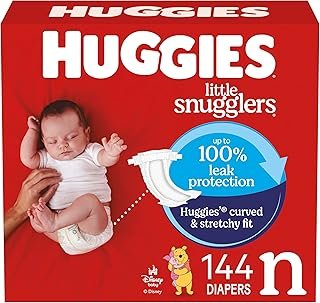

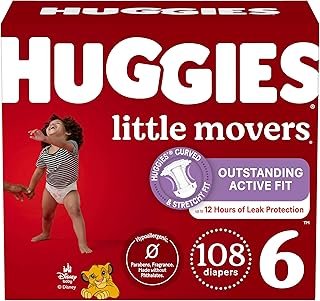
 Common FSA-eligible baby health products including wipes, rash cream, and diagnostic tools
Credit: Amazon.com
Common FSA-eligible baby health products including wipes, rash cream, and diagnostic tools
Credit: Amazon.com
Common FSA Claim Mistakes Parents Make
Avoiding these frequent errors will help you get reimbursed quickly and avoid losing funds:
Mistake 1: Claiming Regular Diapers Without Medical Documentation
Even if your baby has a diagnosed skin condition, you cannot claim standard diapers without an LMN explicitly stating that diapers are part of the treatment plan. A common mistake is assuming a general diagnosis of eczema is enough, but most administrators require explicit mention of absorbent product needs.
Mistake 2: Missing Claim Submission Deadlines
Most 2026 FSA plans require claims to be submitted within 90 days of the plan year end (typically March 31, 2027 for 2026 contributions). Late claims are automatically denied, even if the expense was eligible. You can also read our guide on are baby diapers hsa eligible.
Mistake 3: Failing to Get Pre-Approval for High-Cost Medical Supplies
Specialized medical diapers or custom incontinence products can cost $100 or more per pack. Many plans require pre-approval for claims over this threshold, so submit your LMN and receipt before purchasing to avoid being stuck with the cost.
 Use this checklist to avoid common FSA claim denials for baby medical supplies
Credit: buyfsa.com
Use this checklist to avoid common FSA claim denials for baby medical supplies
Credit: buyfsa.com
5 Tips to Maximize Your FSA for Baby Expenses in 2026
1. Review Your Plan's Summary Plan Description (SPD) First
Every FSA plan has unique rules for eligible products and claim processes. Some plans allow diaper reimbursement for children with special needs without an LMN, while others require stricter documentation. Request a copy of your plan’s SPD from your HR department to understand your specific benefits. You can also read our guide on how to dispose of adult diapers.
2. Use Retailer FSA Filters to Shop Eligible Products
Major retailers including Amazon, Target, and CVS have built-in FSA-eligible filters for baby products, so you can easily identify qualifying items without guessing. Always double-check the product description to confirm eligibility before purchasing.
3. Set Reminders for Grace Period and Carryover Deadlines
Mark your calendar for your plan’s claim submission deadline and carryover cutoff date to avoid losing unused funds. Many FSA providers offer mobile apps with built-in reminders for deadlines and claim tracking. You can also read our guide on how many socks for baby.
4. Keep All Documentation for at Least 3 Years
Store digital and physical copies of all receipts, LMNs, and claim submissions for a minimum of 3 years to align with IRS audit guidelines. Organize documents by expense category to make tax season easier.
5. Pair FSA Funds with Other Pre-Tax Benefits If Eligible
If you have a high-deductible health plan (HDHP) with a Health Savings Account (HSA), you can use HSA funds for medical diapers with an LMN, and reserve your FSA funds for other eligible expenses like wipes, creams, and diagnostic tools. You can also read our guide on best diaper cream for sensitive skin.
Frequently Asked Questions
Are baby diapers FSA eligible?
Standard baby diapers are not FSA eligible, as they are classified as personal hygiene products, not medical supplies, per IRS rules. Only diapers prescribed for a specific medical condition with proper documentation may qualify.
Are cloth diapers FSA eligible?
Cloth diapers are rarely FSA eligible unless prescribed for a specific medical condition (e.g., severe allergic reaction to disposable diaper materials). For context on typical cloth diaper requirements, see our guide to standard cloth diaper needs. You can also read our guide on how to keep baby cool in stroller.
Can I use FSA funds for overnight or swim diapers?
Overnight and swim diapers are not FSA eligible unless they are prescribed to treat a medical condition. Standard variants are still classified as personal hygiene products.
What if my baby's medical condition resolves before my LMN expires?
If your child’s medical need for diapers ends before the LMN expiration date, you cannot submit claims for purchases made after the condition resolves. Contact your FSA administrator if you need to update your plan information.
Do FSA eligibility rules differ for HSAs?
HSAs follow the same IRS eligibility rules as FSAs for medical expenses, so standard diapers are not HSA eligible, and medically necessary diapers require an LMN for reimbursement. The key difference is that HSA funds do not expire, so you can save them for future medical costs.
Final Takeaway
Standard baby diapers are not FSA eligible under 2026 IRS rules, as they are considered personal hygiene products rather than medical supplies. However, diapers prescribed to treat a specific medical condition, such as infant incontinence or severe chronic diaper rash, may qualify for reimbursement with a valid Letter of Medical Necessity from your child’s healthcare provider. In the meantime, you can use your FSA for a wide range of eligible baby health products, including rash creams, wipes, thermometers, and breast pumps, without a prescription. Always review your plan’s specific rules, keep detailed records of all purchases and documentation, and submit claims before your plan’s deadline to avoid losing funds. If you’re building a complete pre-tax and post-tax budget for your baby, reference our guide to annual infant clothing costs to account for all recurring expenses without overspending.

Emma Grace is a devoted mother and passionate content writer at BestBabyCart.com. With firsthand parenting experience and a love for research, she creates helpful guides and honest reviews to support parents in choosing the best for their babies. Her goal is to make parenthood easier, one article at a time.