
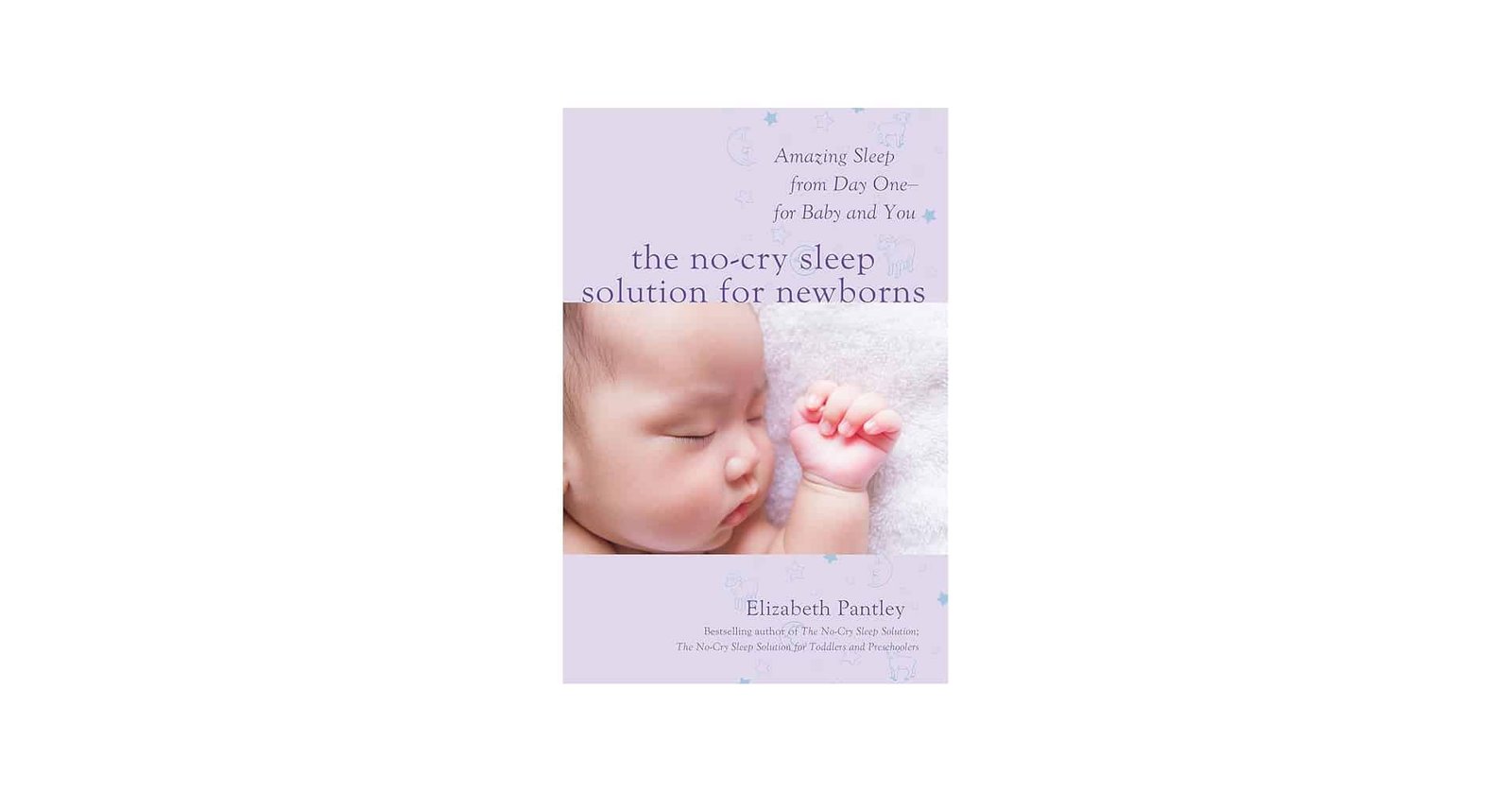
Gentle, evidence-informed techniques to help newborns sleep without prolonged crying and parental stress.
I have worked closely with new parents and infant sleep consultants to develop and refine a calm, practical approach to the No cry sleep solution for newborns. This article explains what the no cry sleep solution for newborns is, why it works, and how to use it step by step. I blend clinical insight, real-world experience, and simple routines you can try tonight without forcing your baby or harming attachment. Read on for clear guidance, troubleshooting tips, and quick actions that fit real family life.

What is the No cry sleep solution for newborns?
The No cry sleep solution for newborns is a gentle method that focuses on responsive settling instead of extinction-style sleep training. It aims to teach newborns to fall asleep with support, calm signals, and consistent routines while minimizing long periods of crying. This approach prioritizes infant cues, feeding needs, and parental bonding. It is not about immediate self-soothing but about creating a predictable, comforting environment that promotes longer sleep stretches over weeks.
Key principles include:
- Responding to hunger, discomfort, and sleep cues quickly
- Using consistent pre-sleep signals and a short routine
- Gradually increasing opportunities for independent settling while staying nearby
The no cry sleep solution for newborns works especially well in the first 0–4 months when babies still need frequent feeding and reassurance. It is adaptable to breastfeeding, bottle feeding, prematurity, and mild reflux.

Key components and a simple step-by-step plan
A clear plan helps you apply the no cry sleep solution for newborns without guesswork. Use short, repeatable steps that respect your baby’s needs and your limits.
Step-by-step plan:
- Signal a sleep window: Watch for yawns, staring, and fussing. Aim to start the routine when your baby shows early sleep cues.
- Short 3–5 minute pre-sleep routine: Dim lights, gentle swaddle or sleep sack, quiet feeding or a pacifier if used, a soft lullaby or white noise.
- Calm settling: Put baby down drowsy but not fully asleep. Use hand on chest, gentle patting, or shushing for 2–10 minutes.
- Responsive check-ins: If baby fusses, pick up briefly to soothe, then return to the crib. Avoid long, escalating checks.
- Repeat consistently: Use the same cues and order every nap and at bedtime to build predictability.
Aim for slow progress. The no cry sleep solution for newborns is about tiny steps, not sudden independence. Track sleep windows and feeding to spot patterns and adjust timing.

Techniques and gentle methods that work
Here are practical methods used in the no cry sleep solution for newborns. Mix and match to fit your baby's temperament.
Soothing methods:
- Swaddling or a snug sleep sack to mimic womb comfort.
- White noise at a low, steady level to mask household sounds.
- Gentle shushing and rhythmic patting to match the baby’s breathing.
- Dream feeds: a late-evening feed to extend nighttime stretch.
- Responsive rocking or nursing until drowsy, then placing down for settling.
Day and night differentiation:
- Keep daytime bright and active to teach day wakefulness.
- Make nights calm, dim, and low-key to signal sleep time.
Feeding and soothing balance:
- Meet hunger needs first. A well-timed feed reduces frequent wake-ups.
- Gradually reduce feeding-to-sleep associations by introducing a short interval of wake time before putting baby down.
These techniques support the no cry sleep solution for newborns by creating safety and structure without harsh limits. They help babies learn cues and rhythm in a trust-based way.

Common challenges and troubleshooting
Even with gentle methods, families hit bumps. Expect them and plan for fixes.
Troubleshooting tips:
- Overtired baby: Shorten awake windows and watch cues. A 1–1.5 hour wake window often fits newborns.
- Frequent night feeds: Track weight and feeds with your pediatrician. Many newborns need 8–12 feeds per 24 hours.
- Colic or reflux: Use upright settling after feeds and consult your pediatrician for reflux strategies.
- Sleep regressions: Growth spurts and developmental leaps cause temporary wakefulness. Keep routines steady and be patient.
- Parental exhaustion: Share duties, nap when baby naps, and simplify routines to avoid burnout.
If progress stalls after a few weeks, revisit timing, soothe techniques, and medical factors. The no cry sleep solution for newborns is flexible; tweak gently rather than overhaul.

Safety and medical considerations
Safety is essential when using the no cry sleep solution for newborns. Follow safe sleep rules and watch for medical issues.
Safe sleep basics:
- Always place baby on their back to sleep.
- Use a firm mattress and avoid loose bedding, pillows, or stuffed toys.
- Maintain a smoke-free environment and appropriate room temperature.
- Avoid items that could cover the face in sleep sacks or swaddles.
Medical considerations:
- Consult your pediatrician for poor weight gain, severe reflux, or breathing concerns.
- For preemies or babies with health issues, adapt any sleep plan with clinical guidance.
- If nighttime wakings are excessive despite correct feeding and routine, rule out ear infections, allergies, or reflux.
When in doubt, prioritize health checks. The no cry sleep solution for newborns complements safe sleep practices and medical advice.

Personal experience, lessons learned, and practical tips
I have coached new parents and tested many gentle techniques at home. Here are what I learned and the mistakes I would avoid.
Real-world lessons:
- Start simple. A short routine beat a long checklist every time.
- Track patterns. A simple log of feeds and sleep showed us obvious time shifts.
- Small wins matter. A 15-minute longer nap felt huge when sleep was scarce.
- Avoid comparison. Every baby moves at their own pace; consistency matters more than speed.
Mistakes to avoid:
- Waiting too long to respond. Early intervention prevents escalated crying.
- Changing methods every night. Frequent changes confuse babies.
- Overworking on night one. Give any new routine at least 1–2 weeks to show effect.
Practical tips:
- Use a portable white noise device for naps anywhere.
- Share the settling role so both parents gain confidence.
- Keep an emergency comfort kit by the crib: swaddle, pacifier, and a small cloth.
These real experiences make the no cry sleep solution for newborns practical and doable. Small, steady changes brought calm to many homes I worked with.

Frequently Asked Questions of No cry sleep solution for newborns
How soon will I see results with the no cry sleep solution for newborns?
Most families notice small changes in 1–2 weeks, like longer naps or quicker settling. Full rhythm shifts may take several weeks and steady routine.
Is this method safe for newborns under 3 months?
Yes, when paired with safe sleep practices and pediatric guidance, the no cry sleep solution for newborns is appropriate for young infants. Always monitor feeding and weight gain closely.
Can I use this approach while breastfeeding?
Yes. The no cry sleep solution for newborns works well with breastfeeding by scheduling feeds and using gentle settling after feeds. Nighttime feeds remain normal while routines form.
What if my baby cries during settling?
Short, calm check-ins and picking up briefly to soothe is part of the method. The goal of the no cry sleep solution for newborns is to reduce long, escalating crying, not to eliminate brief fussing.
When should I seek medical advice instead of adjusting sleep routines?
Seek help for poor weight gain, persistent vomiting, difficulty breathing, or if sleep problems persist despite consistent routine. A pediatric consult rules out medical causes.
Can I combine this with other sleep training later?
Yes. Families often start with the no cry sleep solution for newborns and transition to more independent sleep methods after 4–6 months. Adapt in ways that fit your baby and values.
Conclusion
The no cry sleep solution for newborns is a practical, compassionate path to better sleep for babies and parents. It uses short routines, responsive settling, and consistent cues to encourage calm sleep without long crying spells. Try small, steady changes, track patterns, and consult your pediatrician for medical concerns. Start tonight with one clear routine and one soothing technique, and let small wins build your family’s sleep rhythm. Share your experience, subscribe for more guides, or leave a comment below to ask a specific question.

Emma Grace is a devoted mother and passionate content writer at BestBabyCart.com. With firsthand parenting experience and a love for research, she creates helpful guides and honest reviews to support parents in choosing the best for their babies. Her goal is to make parenthood easier, one article at a time.